Advanced structural shelving designed for retail networks and industrial storage zones in Tel Aviv, Haifa, and Ashdod.
As the Middle East continues to undergo sweeping supply chain restructuring and logistics digitization, the Israeli market represents a unique, highly specialized frontier. Known as the "Startup Nation," Israel's rapid technological growth has fueled a parallel expansion in consumer demand, localized fulfillment, and heavy-duty manufacturing. However, businesses operating within this economic ecosystem face distinct structural constraints: acute land scarcity, high commercial real estate premiums in metropolitan areas like Gush Dan (Tel Aviv), and complex geopolitical supply chain vulnerabilities that mandate substantial safety stocks.
To navigate these challenges, companies are transitioning from traditional, low-density static shelving to high-performance, structurally engineered storage solutions. This whitepaper analyzes the intersection of global manufacturing efficiency—exemplified by precision production in Suzhou, China—with the stringent structural compliance, seismic engineering requirements, and localized retail and industrial applications required by the Israeli commercial sectors.
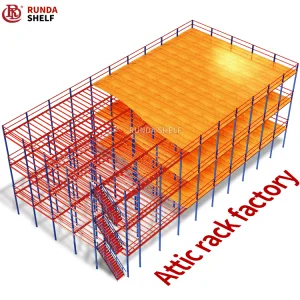
The Israeli logistics sector is characterized by two distinct demands: the need for high-density industrial warehouse platforms in key shipping gateways like the Port of Haifa and the Port of Ashdod, and the rapid proliferation of urban micro-fulfillment centers (MFCs) to support e-commerce distribution in central Israel. Space optimization is not merely a cost-saving measure in Tel Aviv; it is a fundamental operational requirement. With rental rates for premium logistics spaces rising consistently, utilizing vertical space through heavy-duty mezzanine floors and double-sided structural racking systems is paramount.
Moreover, Israel is situated along the Dead Sea Transform (DST) fault system, making seismic resilience a critical safety and compliance standard for industrial construction. Storage racks are classified as structural systems under the Standards Institution of Israel (SII) protocols, necessitating rigorous dynamic structural calculations (Finite Element Analysis) to ensure stability during seismic events. This combination of space limitation and safety compliance makes generic, non-certified storage products a substantial liability for local enterprises.
Globally, supply chain managers are shifting from "Just-in-Time" (JIT) to "Just-in-Case" (JIC) inventory paradigms. Disruptions in global maritime routes have highlighted the vulnerability of maintaining thin safety margins. Consequently, logistics hubs, third-party logistics (3PL) providers, and major retail chains are increasing their warehouse capacities by retrofitting existing facilities with high-capacity steel platforms and racking configurations.
The procurement criteria for international buyers have correspondingly tightened. Enterprise-level procurement now demands verified raw material traceability, advanced anti-corrosion finishes (such as specialized electrostatic powder coating designed for humid Mediterranean climates), and reliable load capacity testing. The ability to supply customized racking configurations that match specific European (EN 15512) and American (RMI) standards is the primary differentiator when choosing a manufacturing partner.
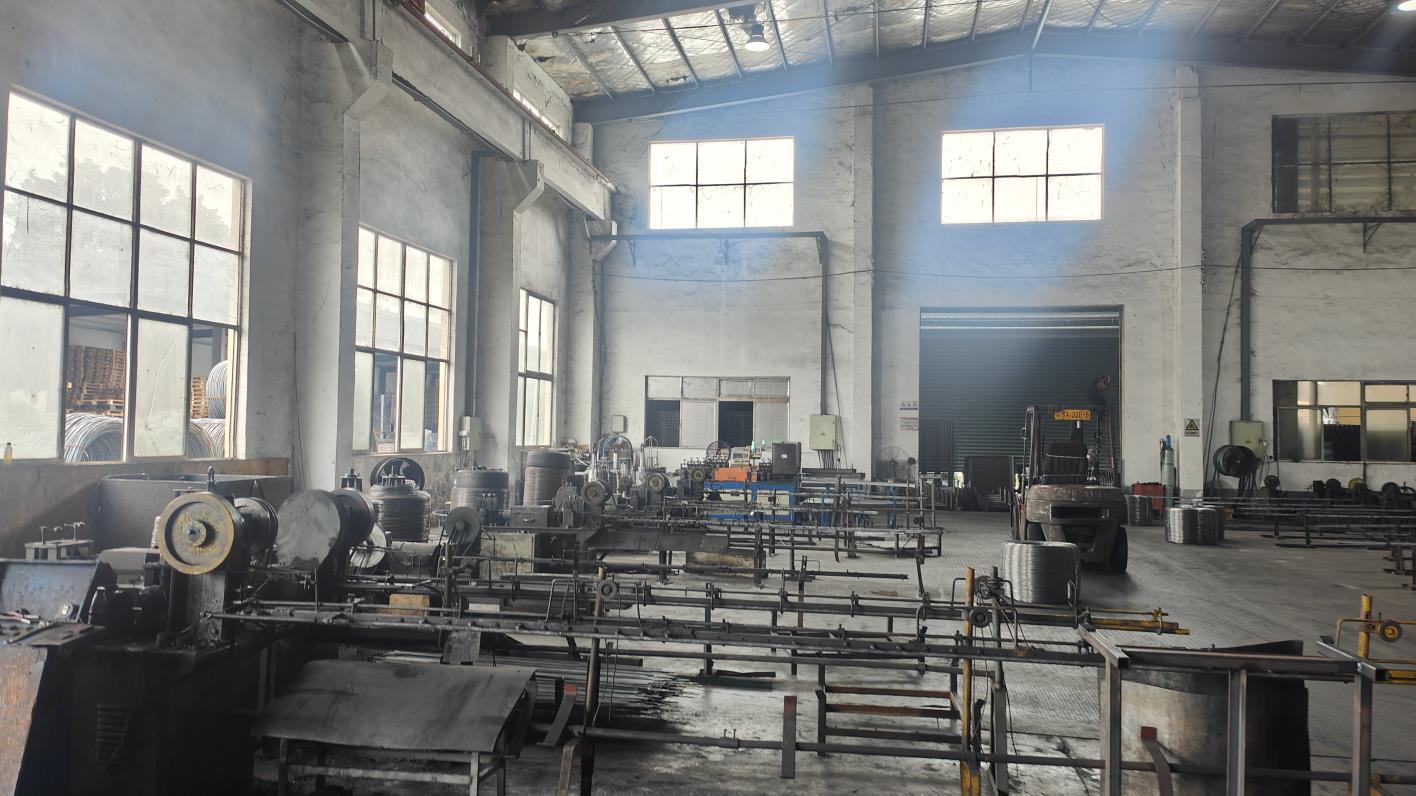
Suzhou CraftRack Heavy Duty Storage Equipment Co., Ltd. was established in 2014. Our facility covers a sprawling building area of 38,000 m², supported by an annual export revenue reaching $28,000,000. Backed by 8 years of annual export experience and 14 years of deep industry expertise, we deliver world-class warehouse logistics solutions worldwide.
Quality is at our core. We implement strict Non-Destructive Testing (NDT) and Ultrasonic Weld Inspection using state-of-the-art product inspection methods, overseen by a dedicated team of 45 QC specialists. Operating with an OEM & ODM direct-manufacturing trade background, our primary markets span North America, Western Europe, and Southeast Asia. We maintain strong ties with over 1,200 supply chain partners, catering mainly to 3PL logistics hubs, large-scale e-commerce fulfillment centers, and industrial manufacturing plants.
Our robust R&D capability centers on Automated Storage and Retrieval Systems (ASRS) & Finite Element Structural Analysis. We offer extensive custom options, including seismic resistance rating, custom load capacity engineering, and specialized powder coating finishes. In the past year alone, we achieved 45 new product launches, driven by a talented team of 32 R&D engineers.
Sourcing structural steel fabrications from Suzhou, China, presents significant operational advantages for global and Israeli procurement departments. Suzhou stands as one of the world's most advanced manufacturing clusters for material handling and storage systems. This industrial concentration yields mature supply chains, immediate access to high-grade Q235B and Q345B structural steel, and a highly skilled engineering talent pool.
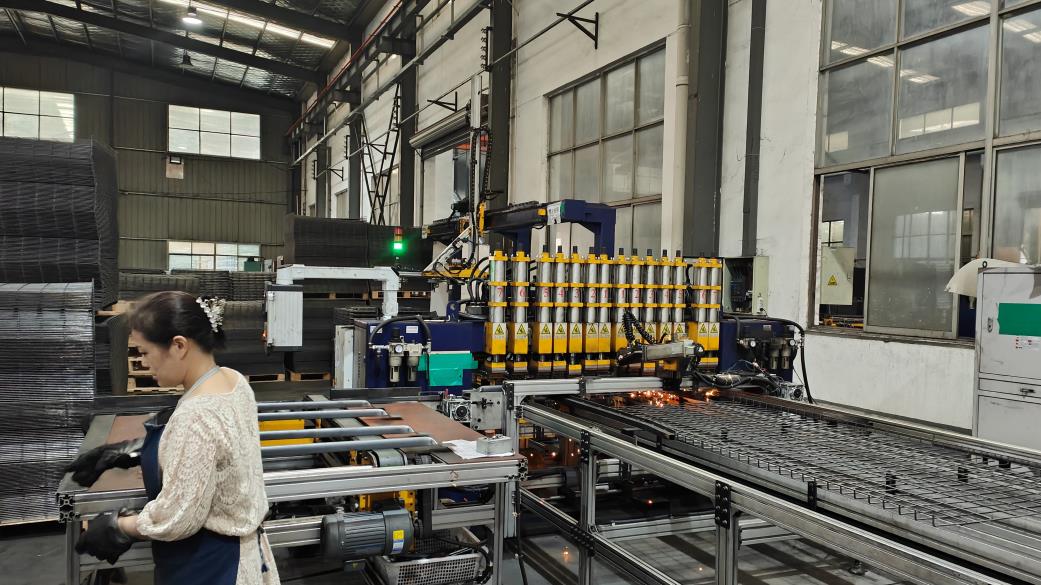
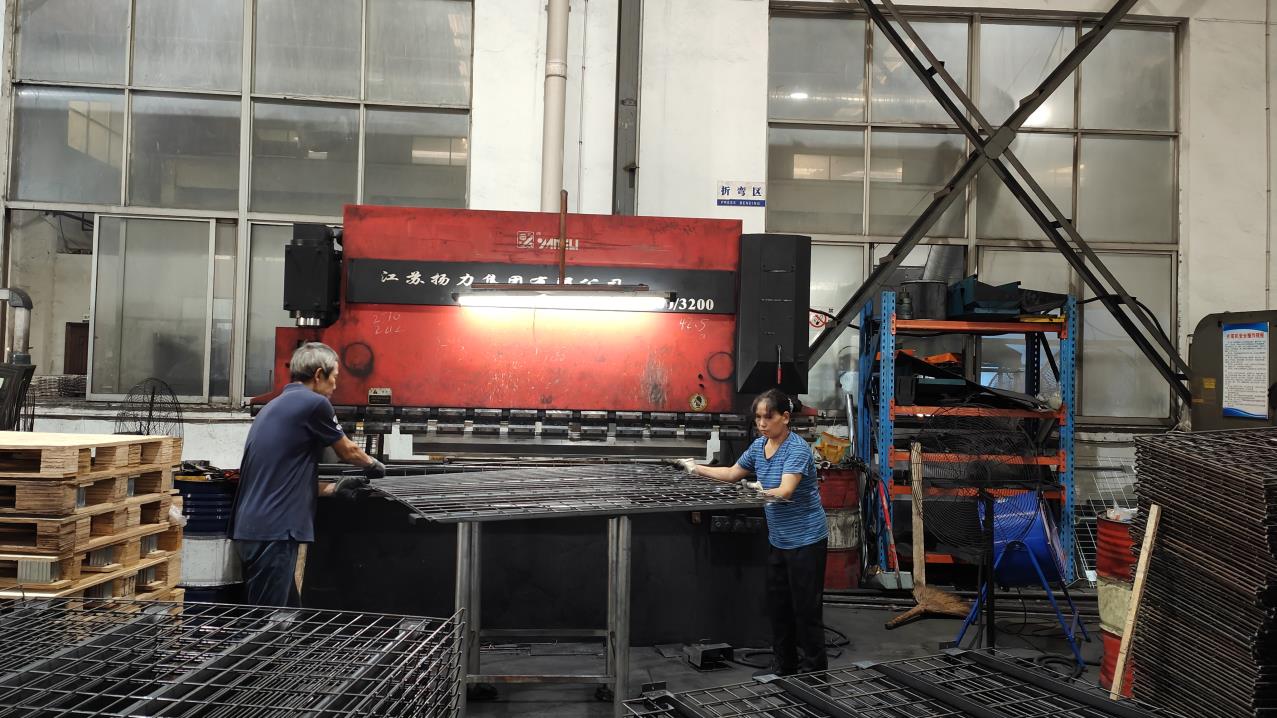
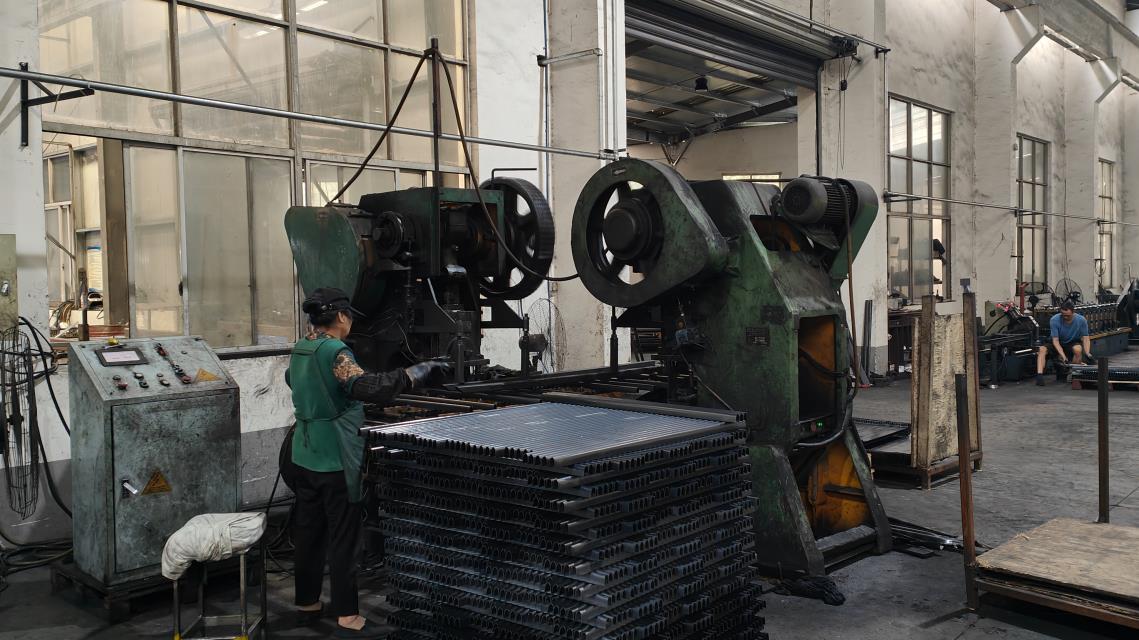
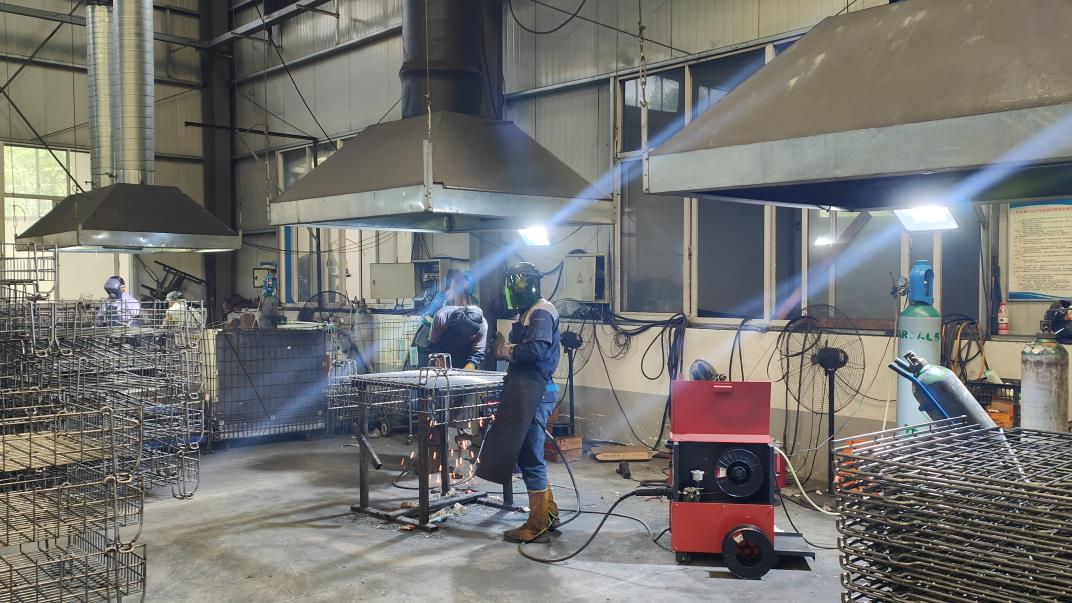
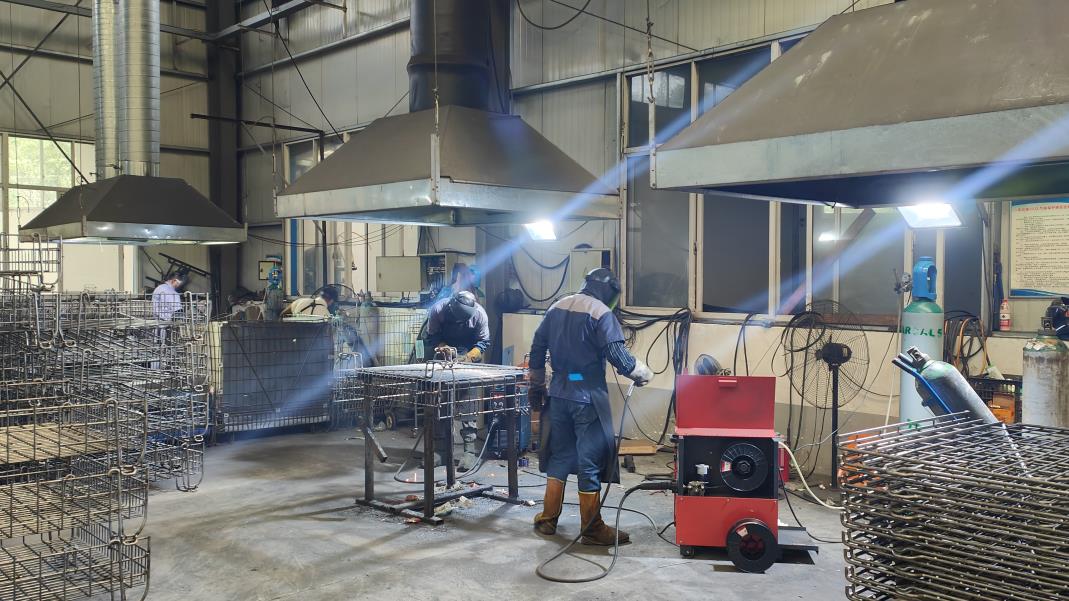
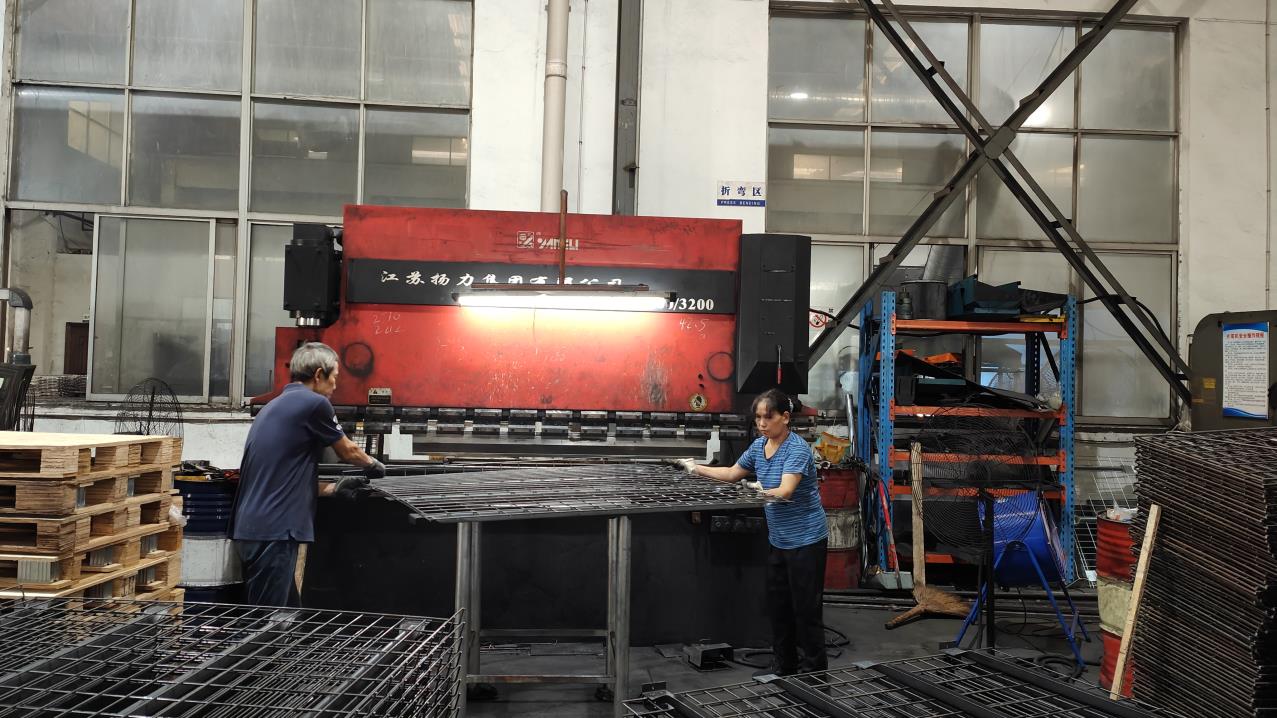
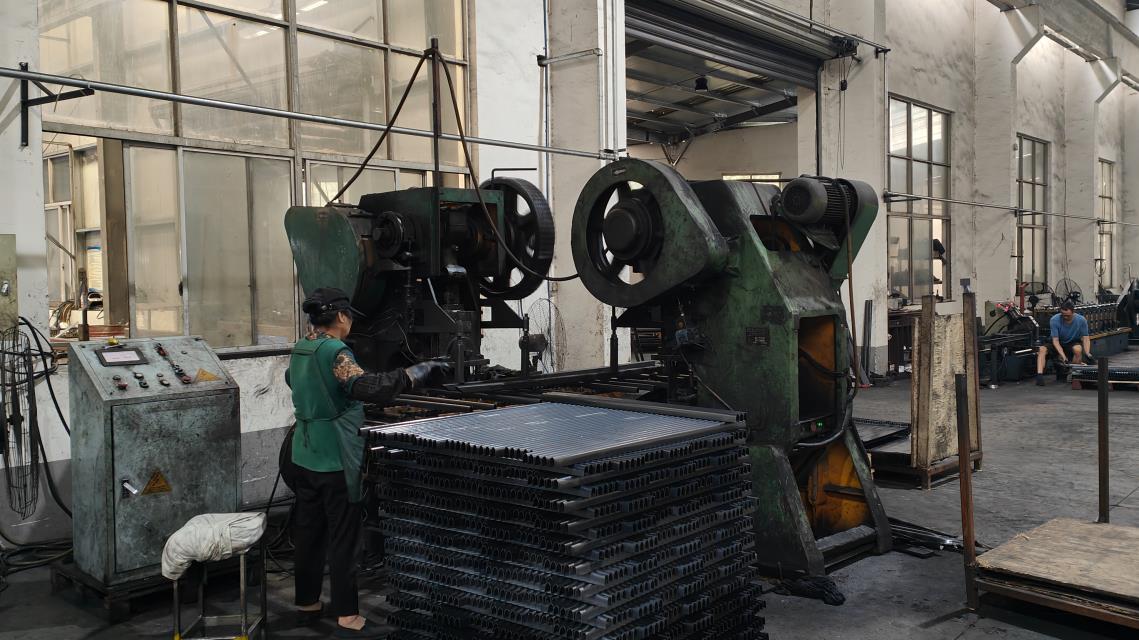
At Suzhou CraftRack, these regional advantages are combined with specialized automated production technology. From automated cold-roll forming lines that yield precise profile dimensions to robotic welding units (which ensure uniform weld penetration and structural strength), the production efficiency minimized waste and optimizes structural integrity. By deploying Non-Destructive Testing (NDT) and Ultrasonic Weld Inspection, we guarantee that every upright, beam, and connector splice is free from internal structural defects. This level of quality control is essential for systems exported to seismically active regions like Israel, where structural failures could lead to catastrophic loss of life and inventory.
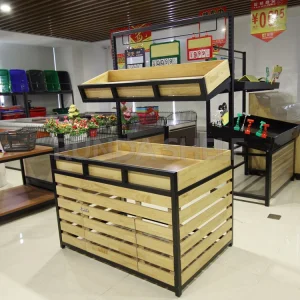
Customization is critical for adapting storage structures to local requirements. In the commercial districts of Haifa and Beersheba, temperature-controlled pharmaceutical warehouses require corrosion-resistant, powder-coated racking that can withstand low temperatures without structural embrittlement. In agricultural cooperatives across the Galilee and the Arava Valley, heavy-duty display systems and plastic/metal hybrid stands are required to store and showcase high-density organic produce, demanding structures that resist constant moisture and organic acids.
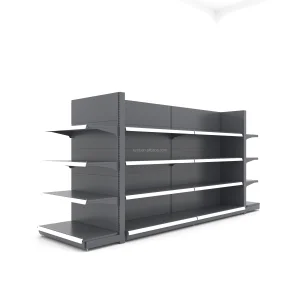
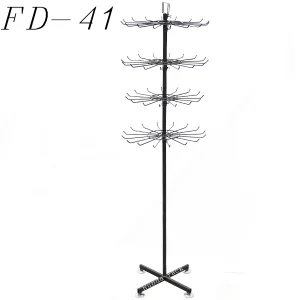
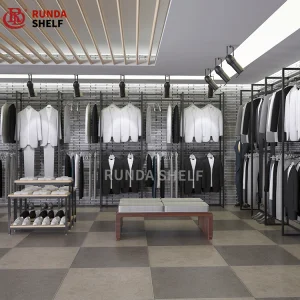
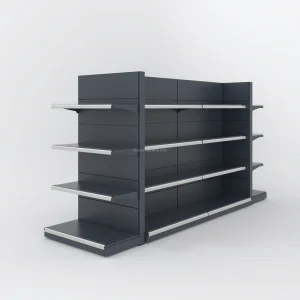
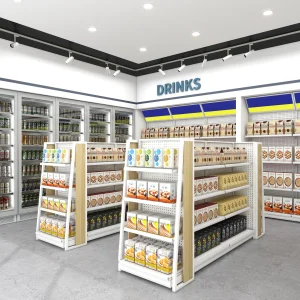
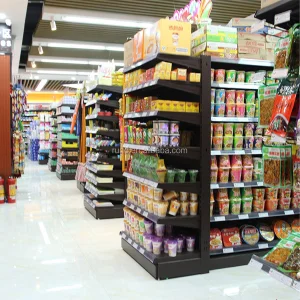
Similarly, boutique fashion houses and high-density retail malls in Tel Aviv require display fixtures that merge aesthetic appeal with structural load capabilities. Heavy-duty metallic nesting tables and double-sided gondolas serve as the backbone of these high-volume retail locations, proving that storage and display systems must adapt to both industrial load requirements and customer-facing architectural designs.
The future of logistics in Israel and globally is defined by automation. As labor costs rise and land availability shrinks, companies are investing in Automated Storage and Retrieval Systems (ASRS). These systems utilize high-accuracy, cold-formed steel racking built to tolerances much tighter than standard pallet racks to allow automated cranes and shuttle systems to navigate the structure without error.
We are actively integrating Finite Element Structural Analysis to engineer racking profiles that can support high-speed shuttle operations while complying with the strict dynamic tolerances required by robotic systems. Additionally, eco-friendly powder coatings that emit zero volatile organic compounds (VOCs) are increasingly demanded by global enterprises focused on corporate ESG compliance, representing a shift in product design standards.
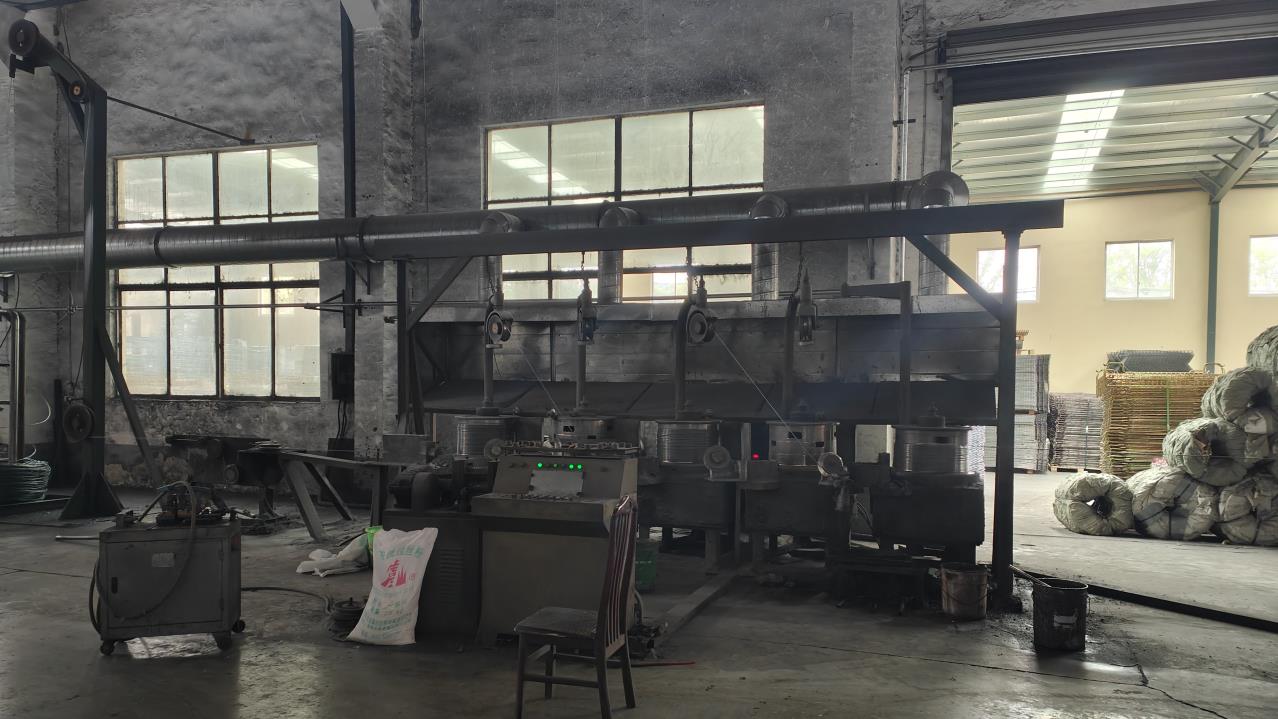
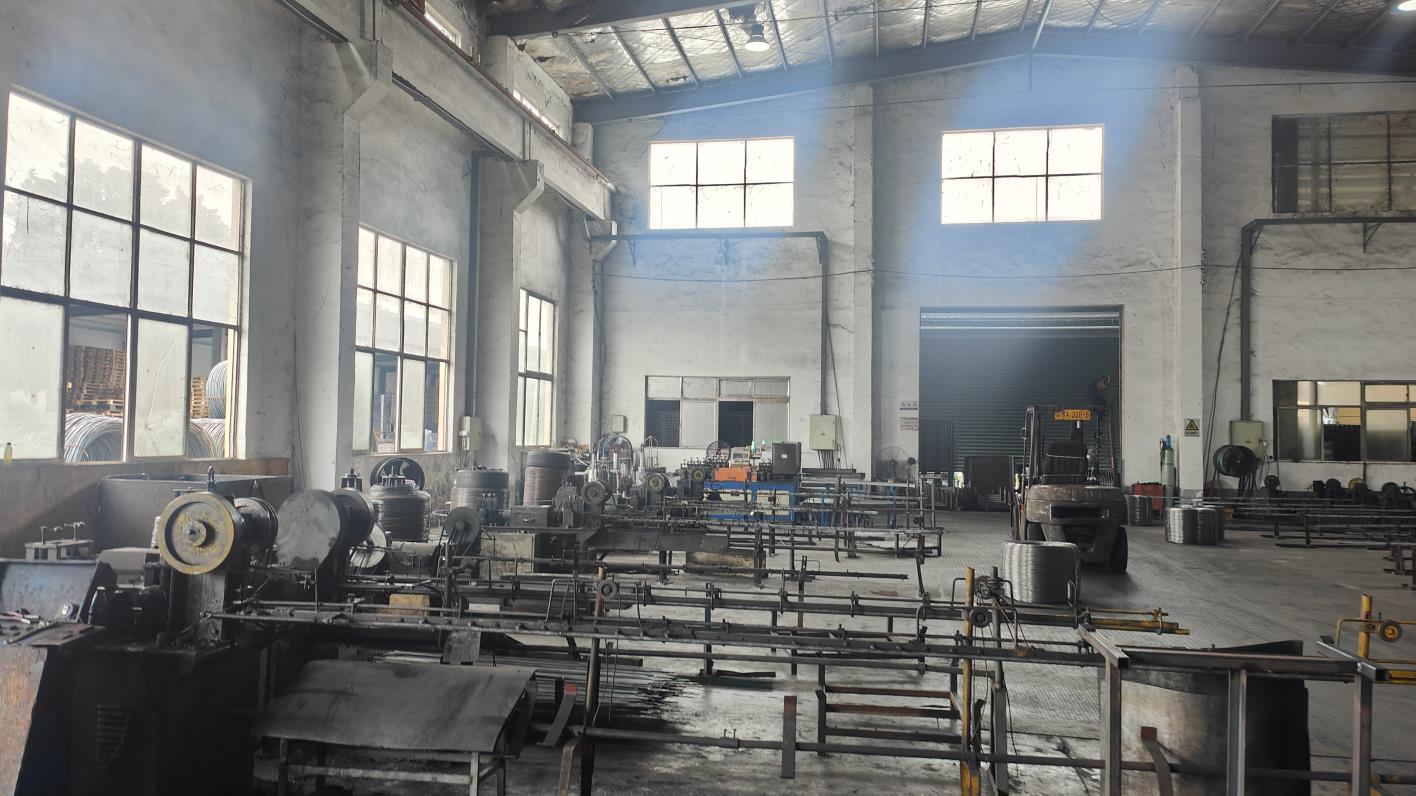
A visual look inside Suzhou CraftRack's 38,000 m² manufacturing plant, showcasing our specialized cold-roll forming, robotic welding, and automated quality control.
Key technical and logistics inquiries regarding sourcing custom heavy-duty warehousing systems for the Israel market.
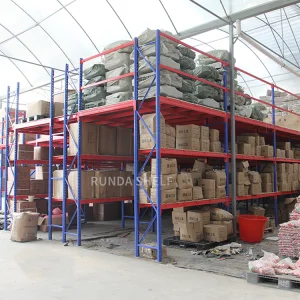
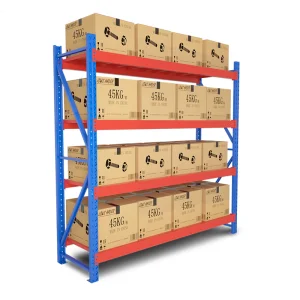
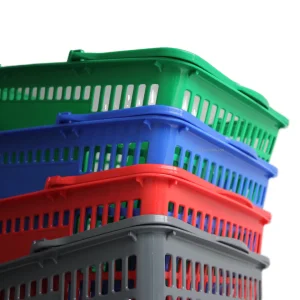
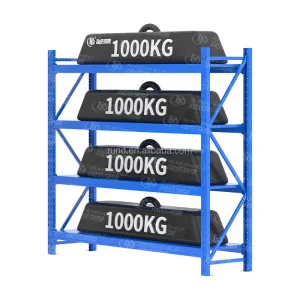
Explore our highly durable, structural steel products engineered for robust performance in commercial and logistics operations.
 CraftRack