Explore our high-performance heavy storage components, custom-engineered for maximum loading capacity and operational durability.
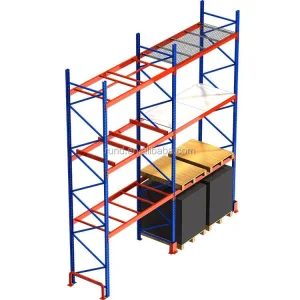
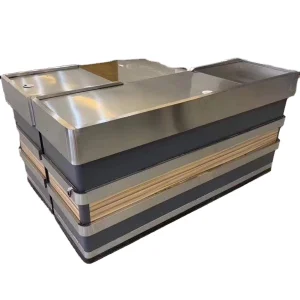
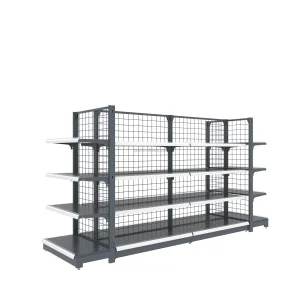
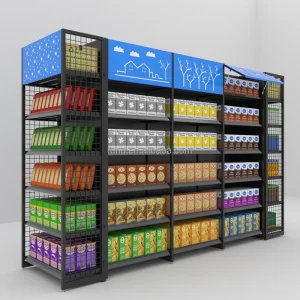
Decades of Proven Excellence in Industrial Engineering, Custom Fabrication, and Global Logistics Integration
Established in 2014, Suzhou CraftRack Heavy Duty Storage Equipment Co., Ltd. has grown to become a benchmark manufacturer in the global heavy storage and beam shelf sector. Spanning a state-of-the-art building area of 38,000 m², our facilities are built to support massive production scales with an annual export revenue reaching $28,000,000. Backed by 8 years of annual export experience and 14 years of deep-rooted industry expertise, we design, manufacture, and distribute advanced warehouse logistics systems to standard-setting businesses worldwide.
Safety and reliability form the foundation of our engineering ethos. We operate with a dedicated team of 45 QC specialists, executing strict Non-Destructive Testing (NDT) and Ultrasonic Weld Inspection on our load-bearing joints to verify load capacities. Because of our direct-manufacturing trade background (OEM & ODM), we control every aspect of supply and customization for logistics operators in North America, Western Europe, and Southeast Asia. Supported by more than 1,200 supply chain partners, our systems are deployed in 3PL logistics hubs, large-scale e-commerce fulfillment centers, and complex industrial manufacturing plants.
Our ongoing structural R&D is driven by a team of 32 R&D engineers who specialize in Automated Storage and Retrieval Systems (ASRS) & Finite Element Structural Analysis (FEA). In the past year alone, we completed 45 new product launches, responding to changes in warehouse dynamics. We offer custom options that include seismic resistance certification, personalized load capacity calculations, and custom powder-coated or galvanized protection for harsh environments.
"High-bay and heavy-duty beam racks are not merely static structural steel; they are the physical spine of the global supply chain. As modern fulfillment centers transition toward high-density automation, structural tolerances must be calculated with millimeter precision using Advanced Finite Element Analysis to prevent catastrophic failure under varying dynamic load cycles."
Combining automated robotics with rigorous multi-stage quality gates to ensure high structural reliability
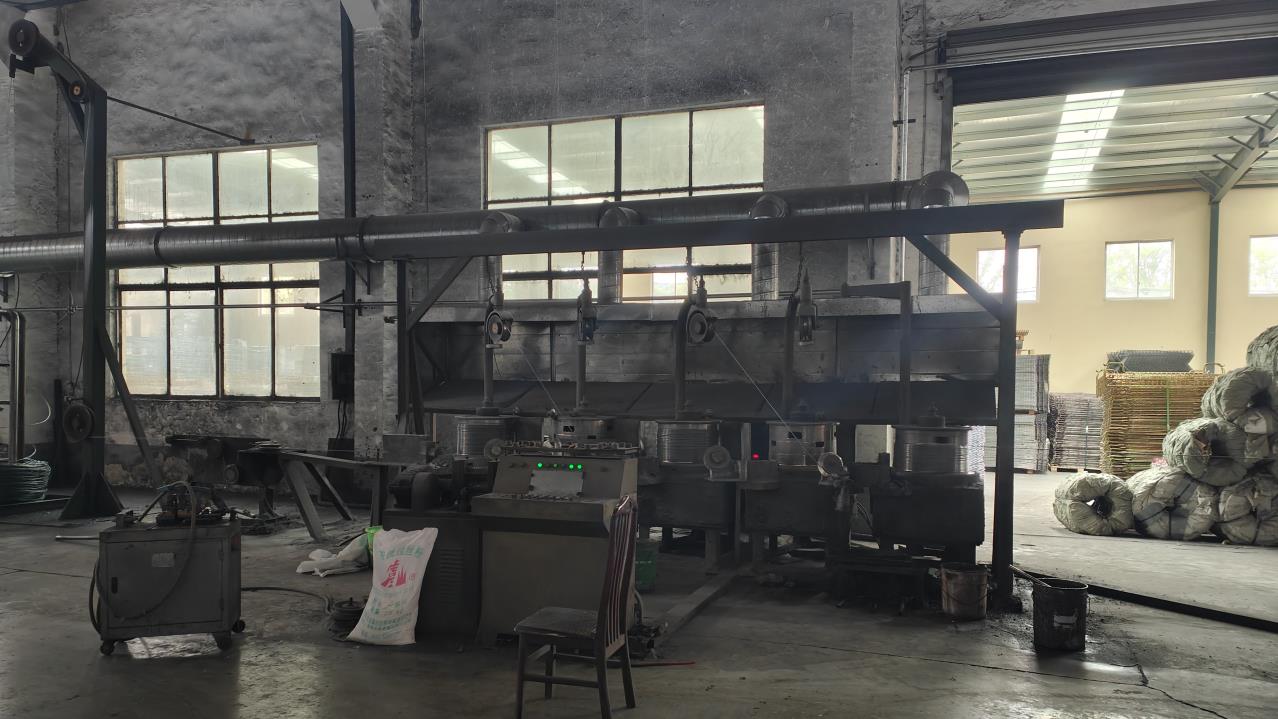
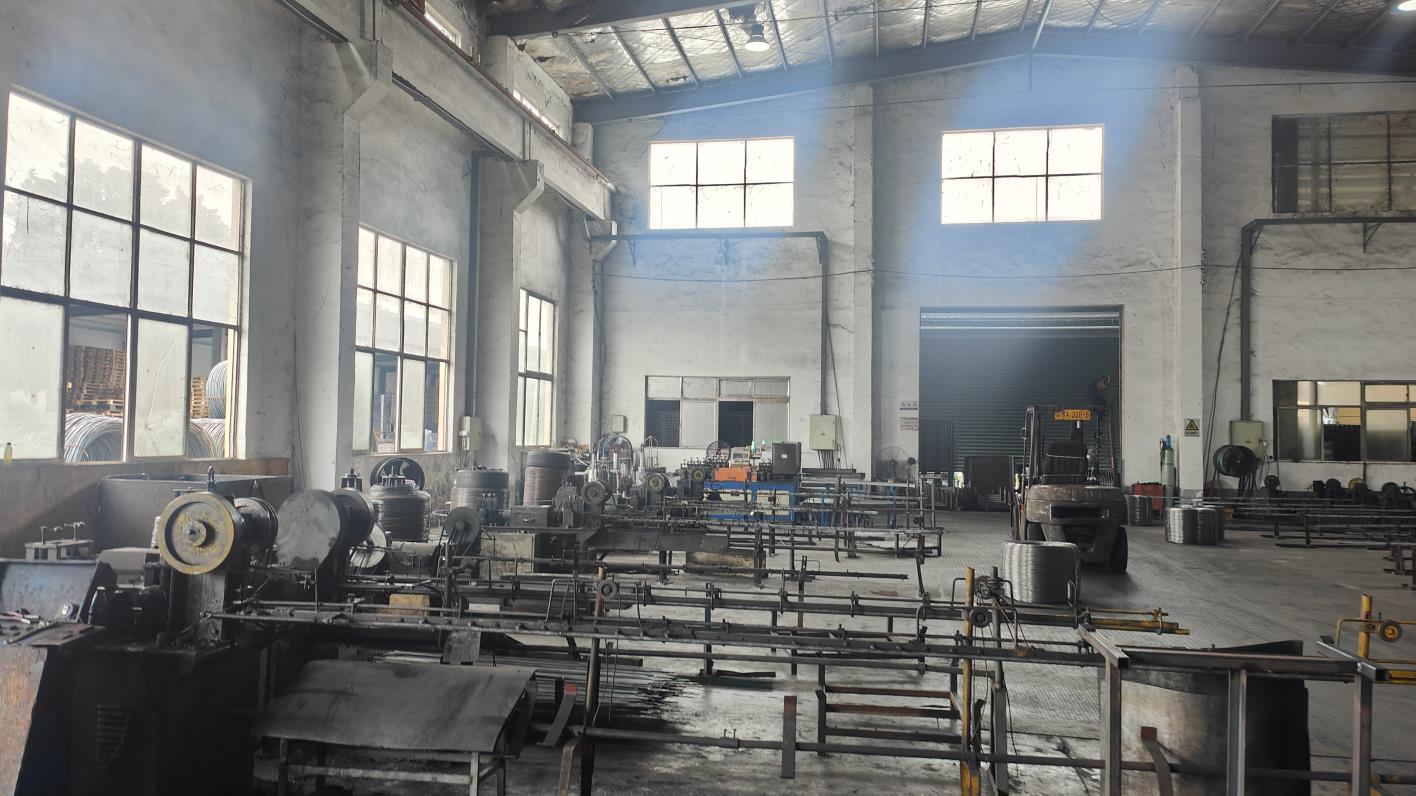
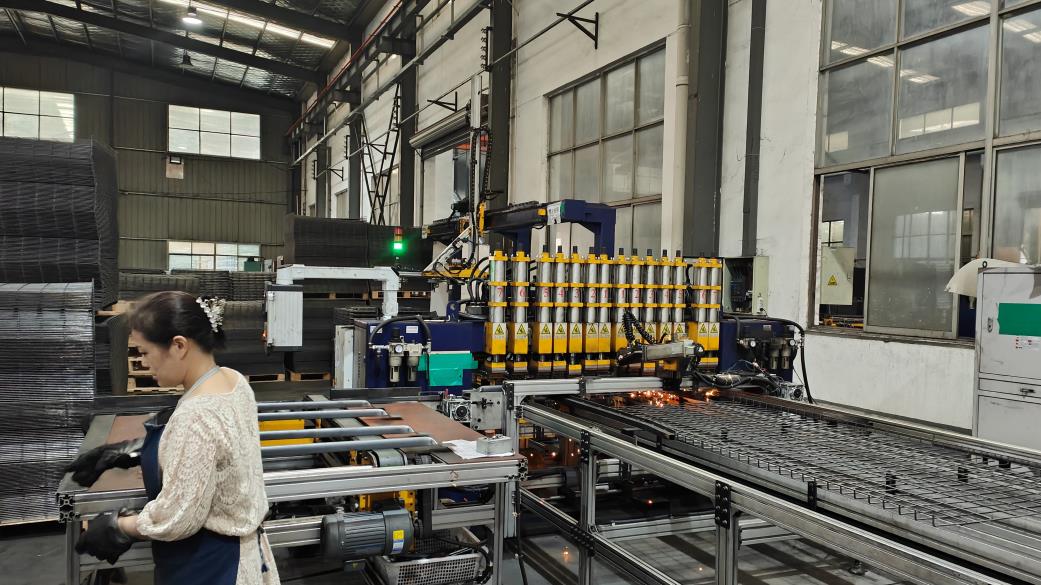
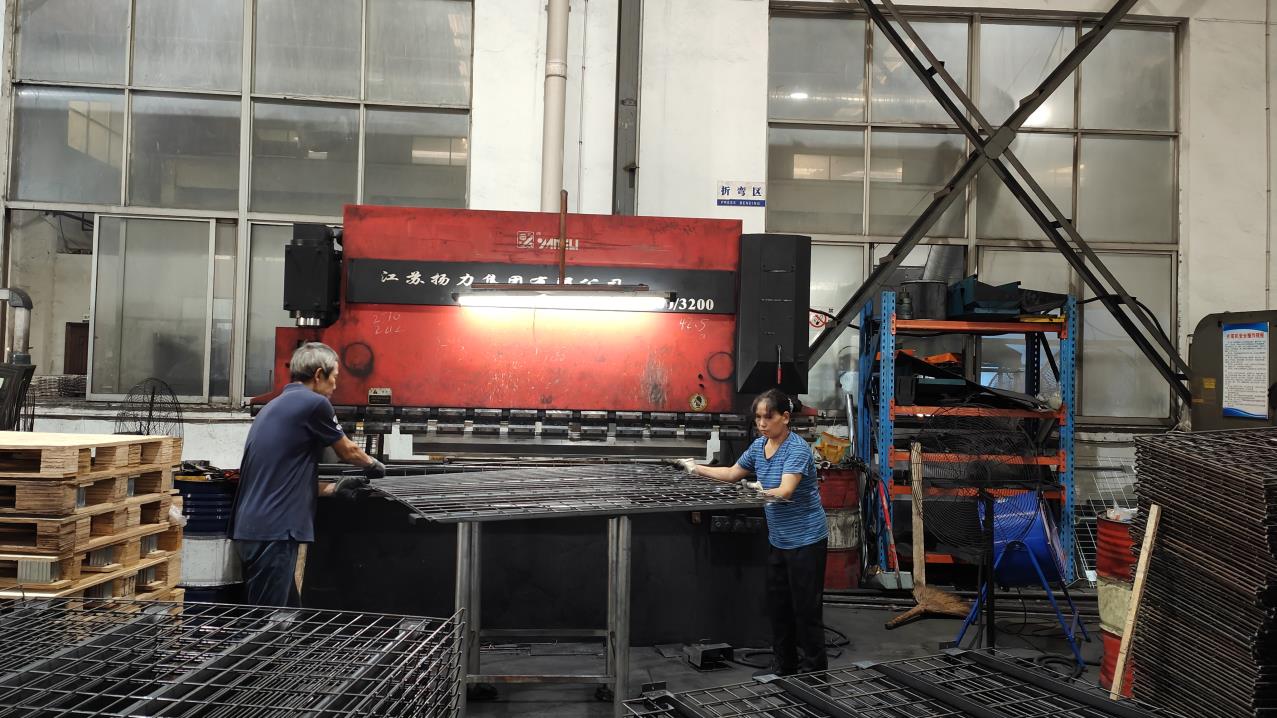
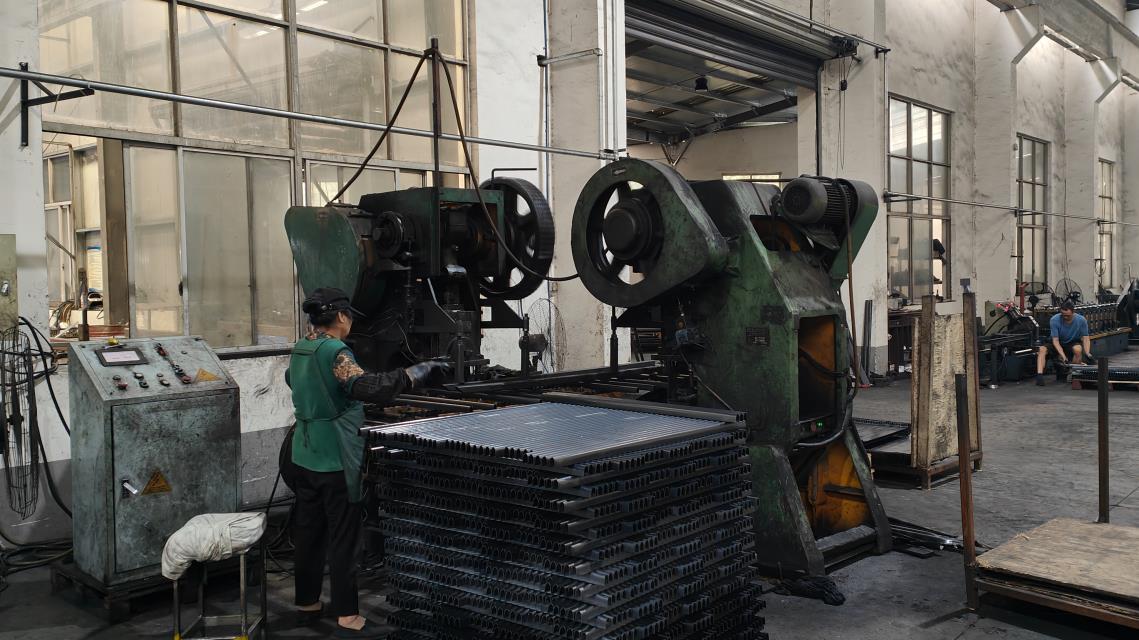
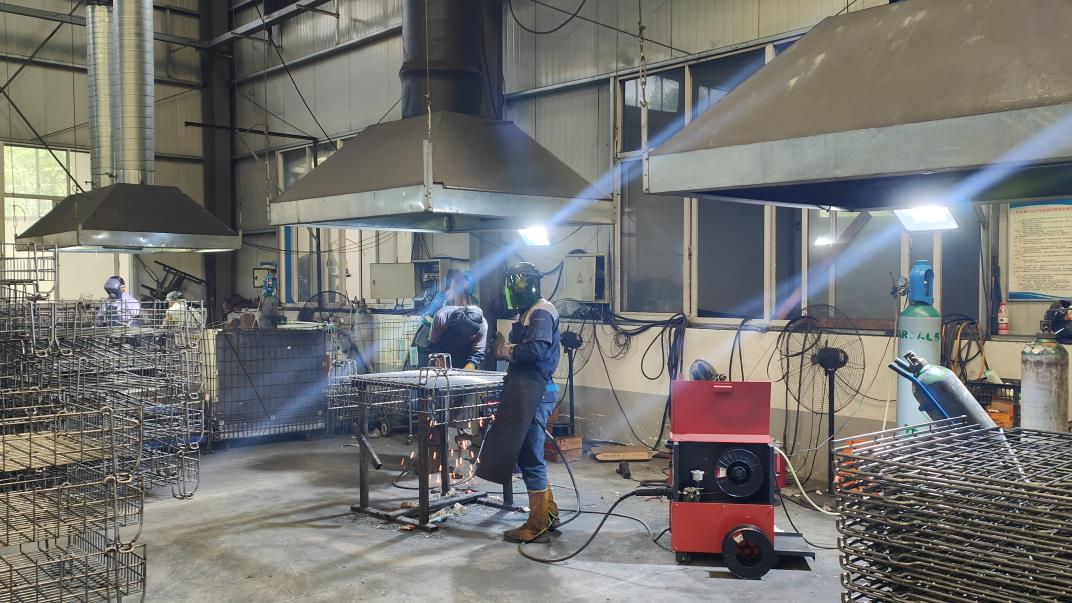
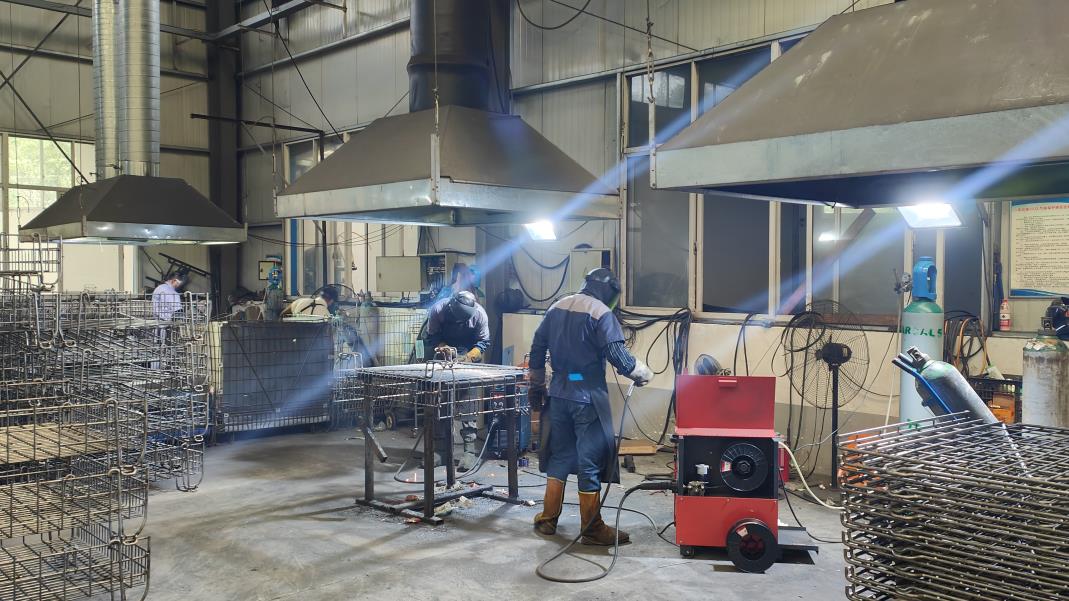
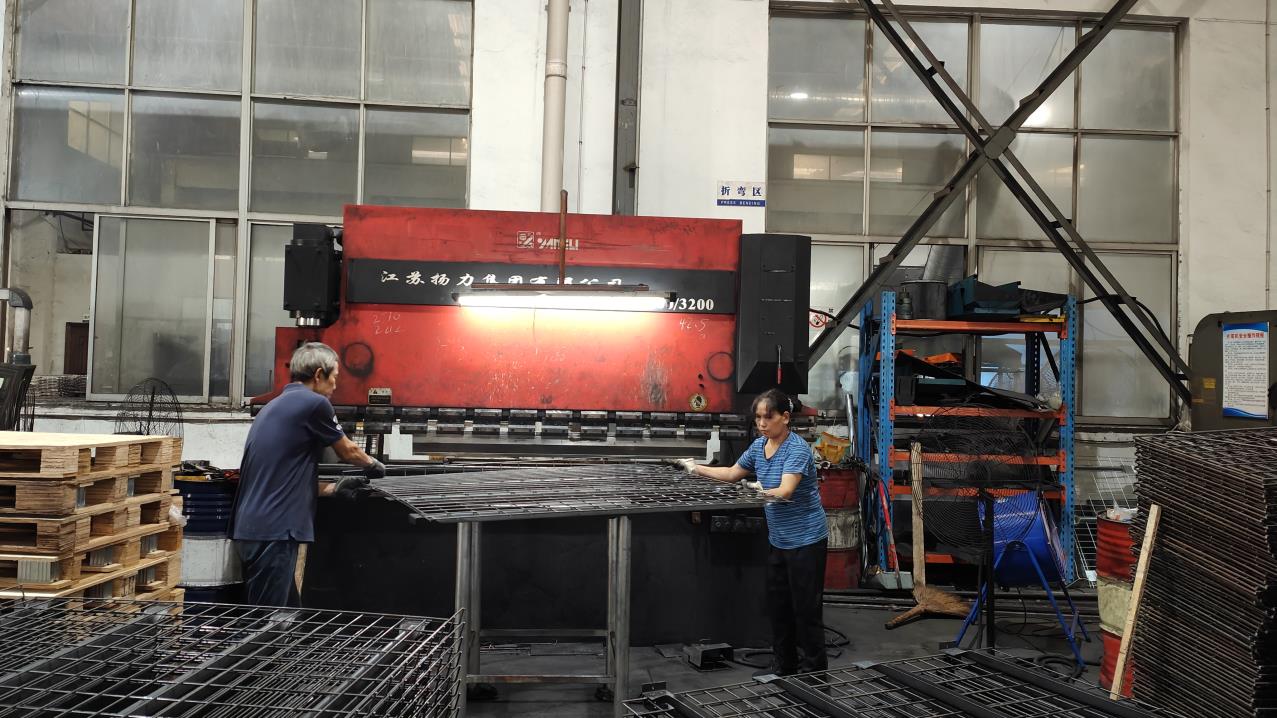
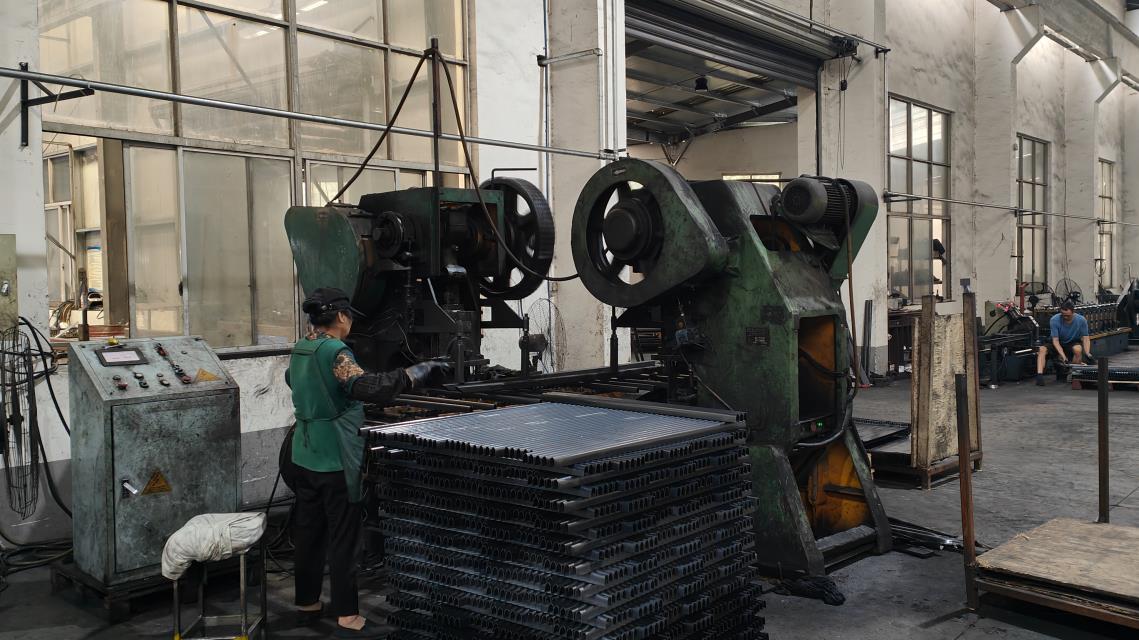
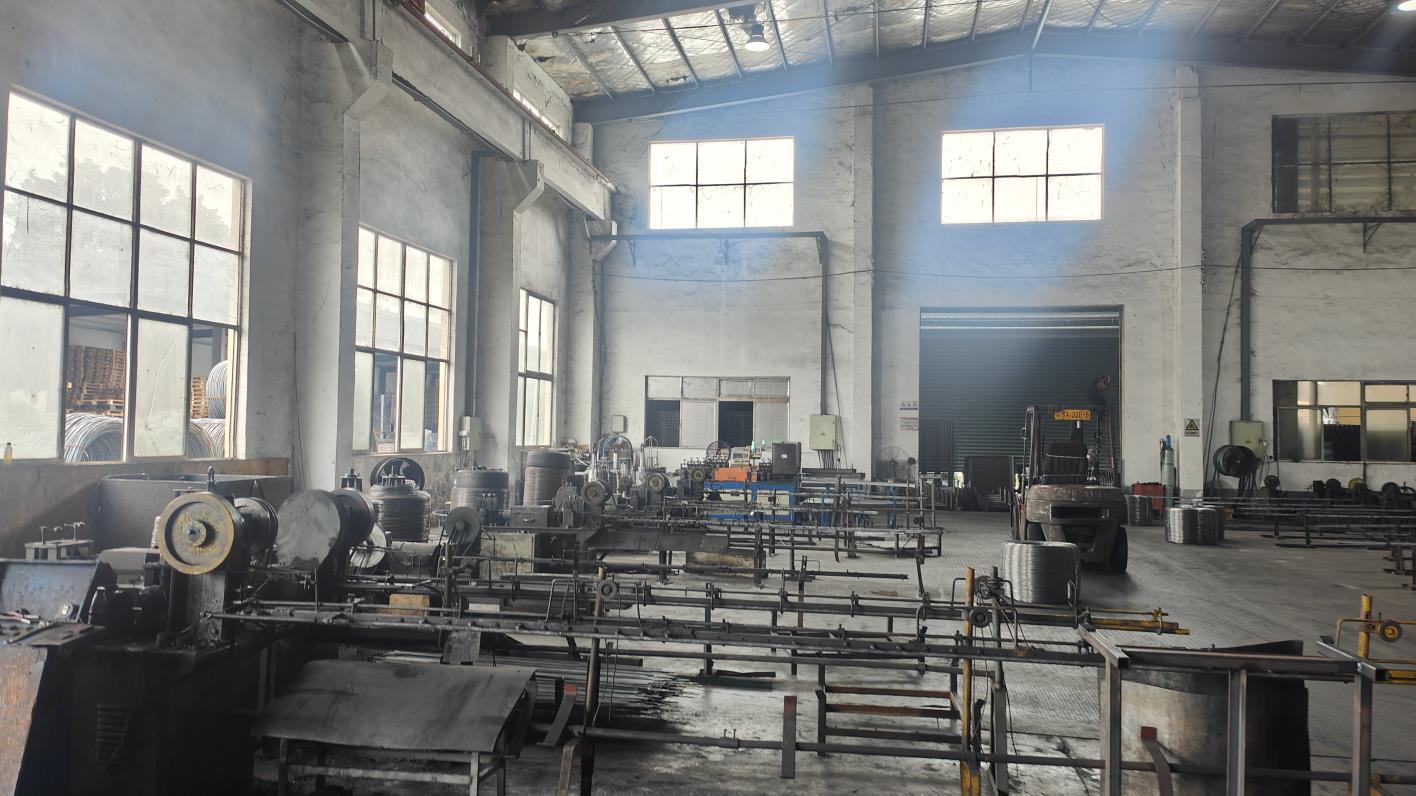
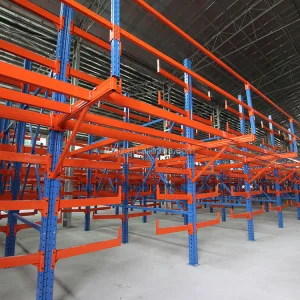
Optimized configurations for high-bay warehouse management and automated material handling
Integration-ready configurations designed for Automated Storage and Retrieval Systems (ASRS). Rigorous tolerances allow seamless operations for automated cranes and shuttle systems.
We model localized load distributions, environmental seismic forces, and rack dynamic impacts. This testing guarantees safety factors that exceed RMI and EN guidelines.
Advanced electrostatic powder coating and hot-dip galvanization processes protect surfaces against abrasions, corrosive moisture, chemicals, and temperature fluctuations.
In modern industrial warehousing, spatial efficiency dictates financial yield. Standard racking systems must balance maximum load-carrying ability with high structural safety margins. High-capacity beam shelves address this by using cold-rolled profiles that lock firmly into upright columns. Adjustability is key: with our customizable connector tabs, beams can be adjusted along the upright pitch, allowing warehouse operators to change vertical storage profiles as SKU sizes shift.
Additionally, the physics of dynamic load placement requires strict control over steel deflection. In compliance with European standards, the allowable beam deflection should not exceed L/200 (where L represents the span length). Our advanced manufacturing ensures that cold-formed profiles provide structural rigidity at a lower overall deadweight. This reduces the mechanical stress placed on warehouse concrete slabs and lowers shipping costs during international transit.
Adapting storage infrastructure to the distinct regulatory standards of global trade corridors
Logistics requirements vary significantly across different global trade regions. Suzhou CraftRack adapts its designs to match the regulatory and regional requirements of each destination market, helping operators secure necessary structural permits and pass safety inspections:
Within North American distribution corridors, racking structures must comply with RMI (Rack Manufacturers Institute) standards. We fabricate our columns and beams using high-strength steel certified for yield point specifications. Structural engineers evaluate seismic configurations for regions along the US West Coast and western Canada, adding heavy-duty base plates, floor anchors, and concrete anchor configurations to prevent failure during seismic events.
European supply networks require adherence to EN 15512 and FEM regulations, which mandate strict limits on deformation, torsion, and structural drift. Our automated punching and bending lines produce beams and uprights with exact dimension profiles, allowing for uniform load distributions. Our CE compliance verifies that our systems meet environmental, health, and structural safety standards for installation across the European Economic Area.
For operations in Southeast Asia, environmental considerations shift toward humidity control and rust prevention. Our specialized hot-dip galvanized finishes and thick powder coatings prevent oxidation in tropical distribution hubs. We also customize configurations to handle seismic activity along the Pacific Ring of Fire, preserving structural integrity under dynamic loading stresses.
Integrating sensor tech and sustainable production methods to design next-generation warehousing systems
Suzhou CraftRack continues to invest in structural improvements to enhance logistics safety and efficiency. Our engineering roadmap focuses on three main developments:
Our R&D department is testing smart load cells that embed directly into high-capacity beam connectors. These sensors monitor load changes and beam deflection in real time. If a shelf is overloaded or experiences an impact from a forklift, an alert is sent to warehouse management, helping to prevent structural failures before they happen.
We are reducing the environmental impact of our products by sourcing steel from mills that utilize electric arc furnace (EAF) processing. This reduces carbon emissions in our supply chain. We have also phased out volatile organic compounds (VOCs) from our powder coating lines, offering sustainable options to clients working toward zero-emission corporate milestones.
As Autonomous Mobile Robots (AMRs) and Automated Guided Vehicles (AGVs) become more common, racking systems must adapt. We are engineering low-tolerance base configurations, specialized docking clearances, and reflective guidance indicators to help automated vehicles navigate quickly and safely through storage aisles.
Clear answers to common questions about engineering, material standards, and logistics setup
Maximum load capacity (or Uniformly Distributed Load - UDL) is determined by steel thickness, profile depth, and length. We perform Finite Element Analysis (FEA) to confirm safety factors of at least 1.5 to 1.8 under load conditions, ensuring structural stability under full capacity.
Our QC team uses Non-Destructive Testing (NDT), including ultrasonic weld inspection and dye penetrant testing, to identify internal voids or hairline cracks, ensuring structural safety across all load-bearing connections.
Powder-coated finishes are ideal for dry, temperature-controlled indoor spaces, lasting 10 to 15 years under normal conditions. Hot-dip galvanization is recommended for outdoor yards, cold storage, or humid environments, providing corrosion resistance for 20+ years.
Yes. We configure structural upgrades for seismic zones, including wider, thicker base plates, dual floor-anchoring points, diagonal bracing systems, and heavier frame profiles designed to absorb and dissipate seismic energy.
Engineering drawings are typically finalized in 5 to 7 working days. Once confirmed, fabrication takes 25 to 35 days, depending on order size. Shipping transit times depend on the destination port, taking roughly 15 to 20 days to Southeast Asia and 30 to 45 days to Europe and North America.
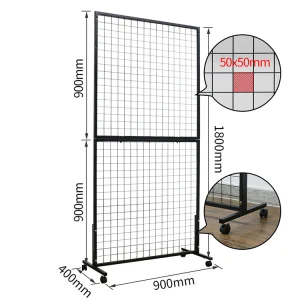
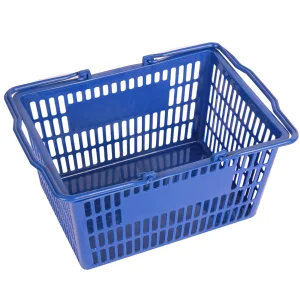
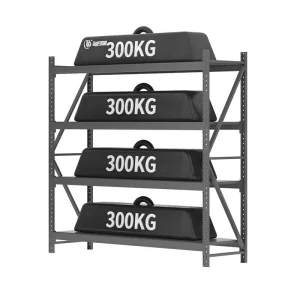
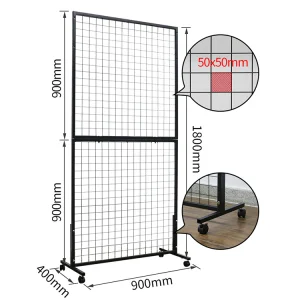
Heavy-duty racking components, display structures, and material handling systems for commercial environments
 CraftRack