Engineered for durability, structural safety, and high-density space utilization across diverse industrial sectors.
The global warehousing and logistics ecosystem is undergoing a massive paradigm shift. Driven by the rapid expansion of cross-border e-commerce, the consolidation of third-party logistics (3PL) providers, and the mandate for lean inventory structures in automotive and manufacturing sectors, the demand for high-integrity warehouse storage shelf systems has scaled to unprecedented heights. Traditional static shelving is no longer sufficient; modern operations require highly modular, structurally dynamic, and seismic-certified racking solutions that maximize both vertical cubage and pick-face accessibility.
In highly industrialized regions such as North America and Western Europe, warehousing real estate carries a substantial premium. This spatial constraint has prompted global supply chain managers to pivot toward high-density configurations, including Very Narrow Aisle (VNA) racking, shuttle racking systems, and Automated Storage and Retrieval Systems (ASRS). These configurations reduce aisle widths from the traditional 3.2 meters down to as little as 1.6 meters, effectively boosting storage density by up to 40% to 60%. However, storing heavy payloads at heights exceeding 10 to 15 meters introduces profound mechanical stress, making material composition, welding precision, and structural design non-negotiable safety criteria.
For international procurement officers, purchasing warehouse shelving is not merely a capital equipment acquisition—it is an exercise in structural engineering and risk mitigation. Industry standards such as the Rack Manufacturers Institute (RMI) MH16.1 in the United States, the European EN 15512 standard, and the Australian AS 4084 specify stringent design calculations. Manufacturers must account for dead loads (rack structure weight), live loads (palletized materials), dynamic loads from forklift impacts, and seismic forces based on geographic installation coordinates. Selecting an exporter capable of providing Finite Element Structural Analysis (FEA) ensures that the installed system remains resilient during seismic events, preventing catastrophic collapses that could disrupt global supply chains and threaten human life.
A deep dive into our manufacturing capability, quality management system, and engineering credentials.
Suzhou CraftRack Heavy Duty Storage Equipment Co., Ltd. was established in 2014. Our facility covers a sprawling building area of 38,000 m², supported by an annual export revenue reaching $28,000,000. Backed by 8 years of annual export experience and 14 years of deep industry expertise, we deliver world-class warehouse logistics solutions worldwide.
Quality is at our core. We implement strict Non-Destructive Testing (NDT) and Ultrasonic Weld Inspection using state-of-the-art product inspection methods, overseen by a dedicated team of 45 QC specialists. Operating with an OEM & ODM direct-manufacturing trade background, our primary markets span North America, Western Europe, and Southeast Asia. We maintain strong ties with over 1,200 supply chain partners, catering mainly to 3PL logistics hubs, large-scale e-commerce fulfillment centers, and industrial manufacturing plants.
Our robust R&D capability centers on Automated Storage and Retrieval Systems (ASRS) & Finite Element Structural Analysis. We offer extensive custom options, including seismic resistance rating, custom load capacity engineering, and specialized powder coating finishes. In the past year alone, we achieved 45 new product launches, driven by a talented team of 32 R&D engineers.
From raw steel coils to finished heavy-duty structures, our integrated production line guarantees dimensional consistency and structural integrity.
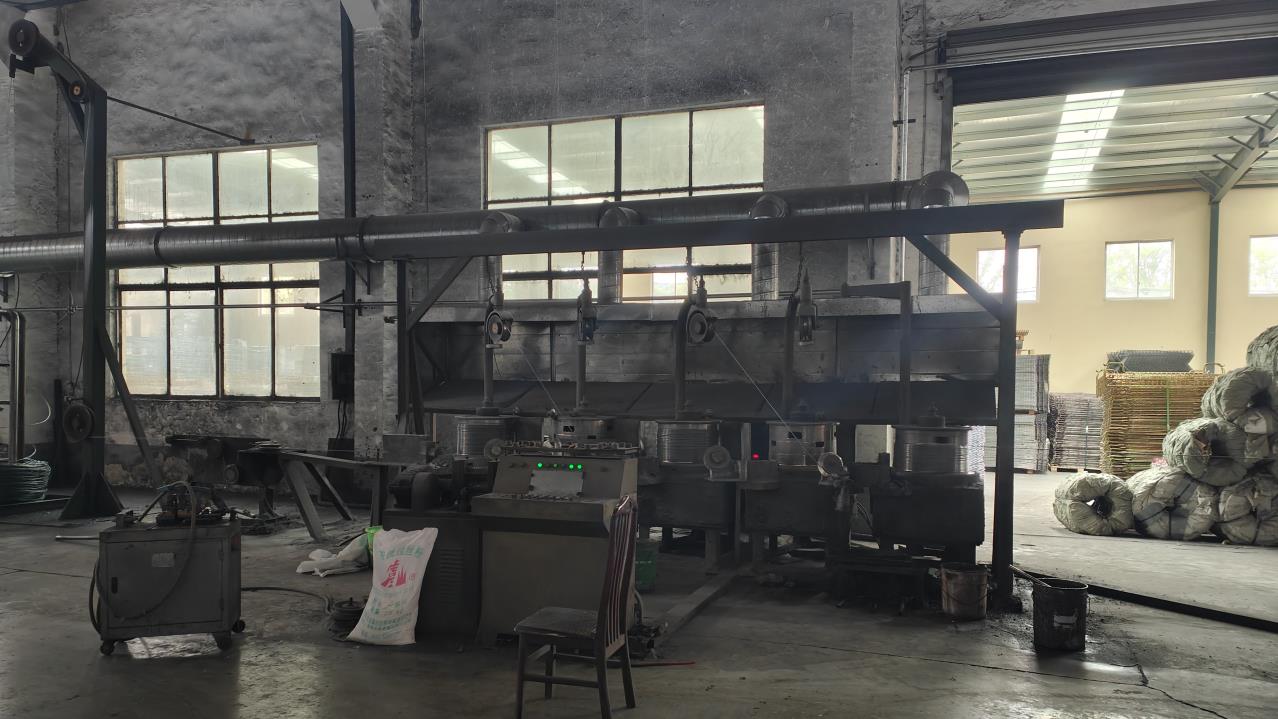
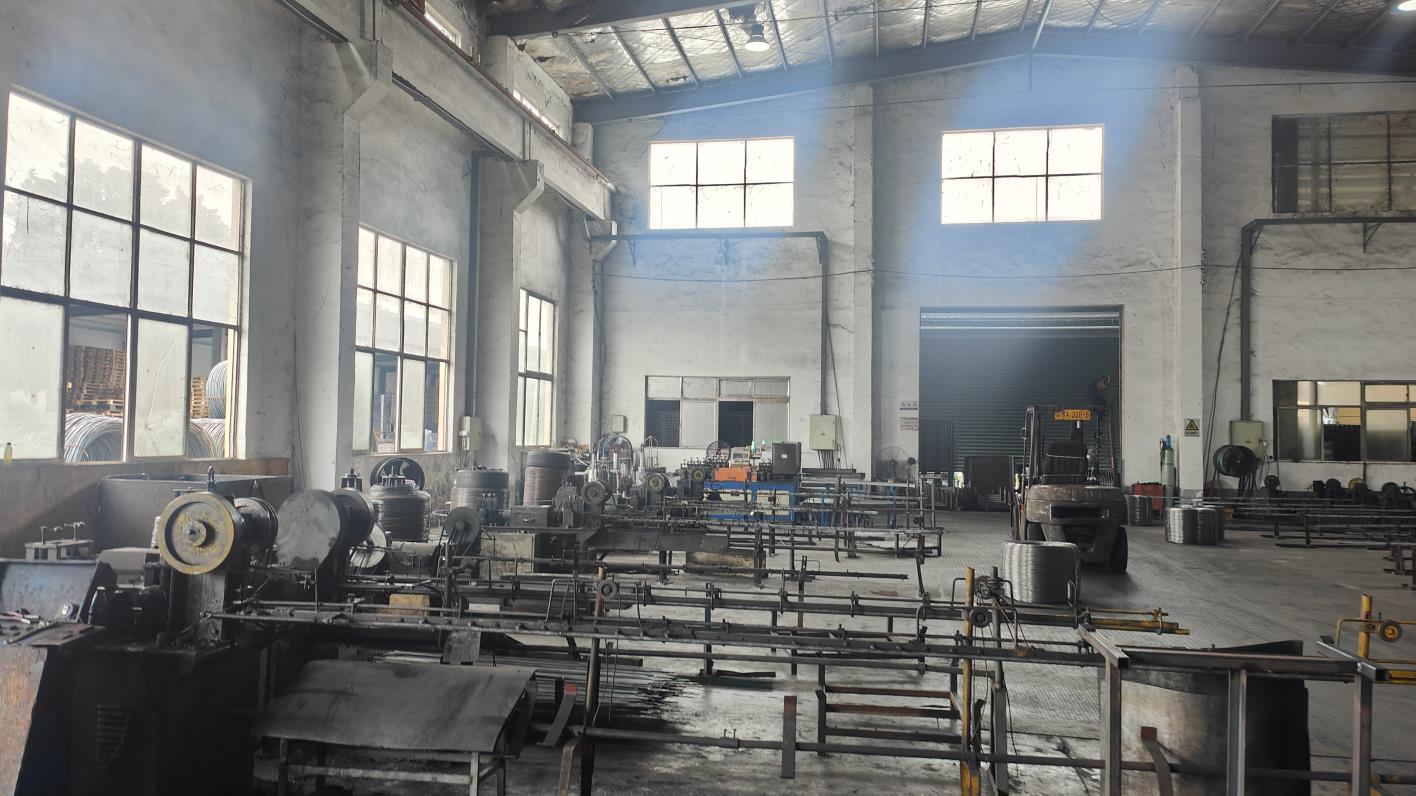
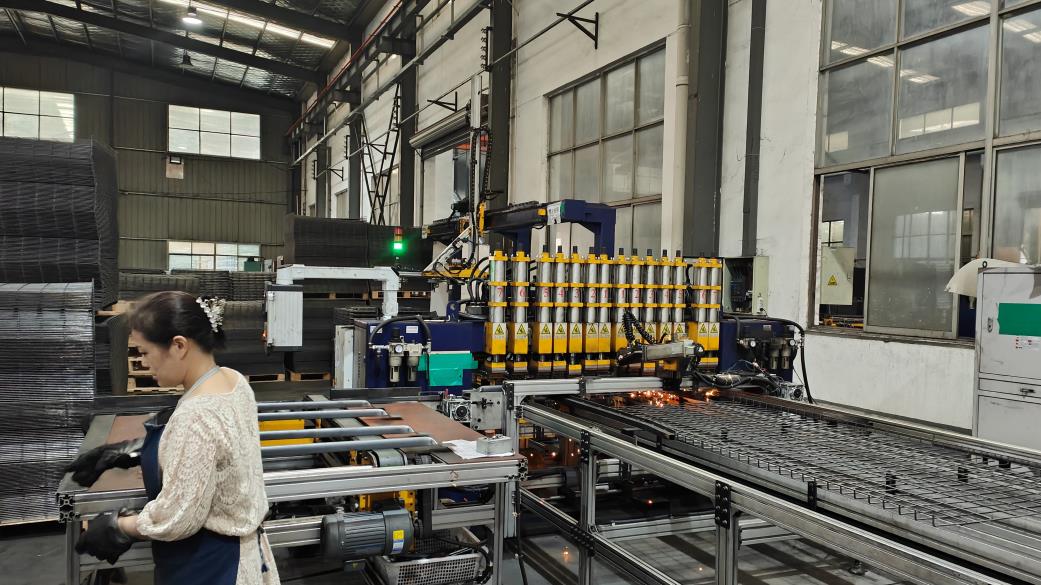
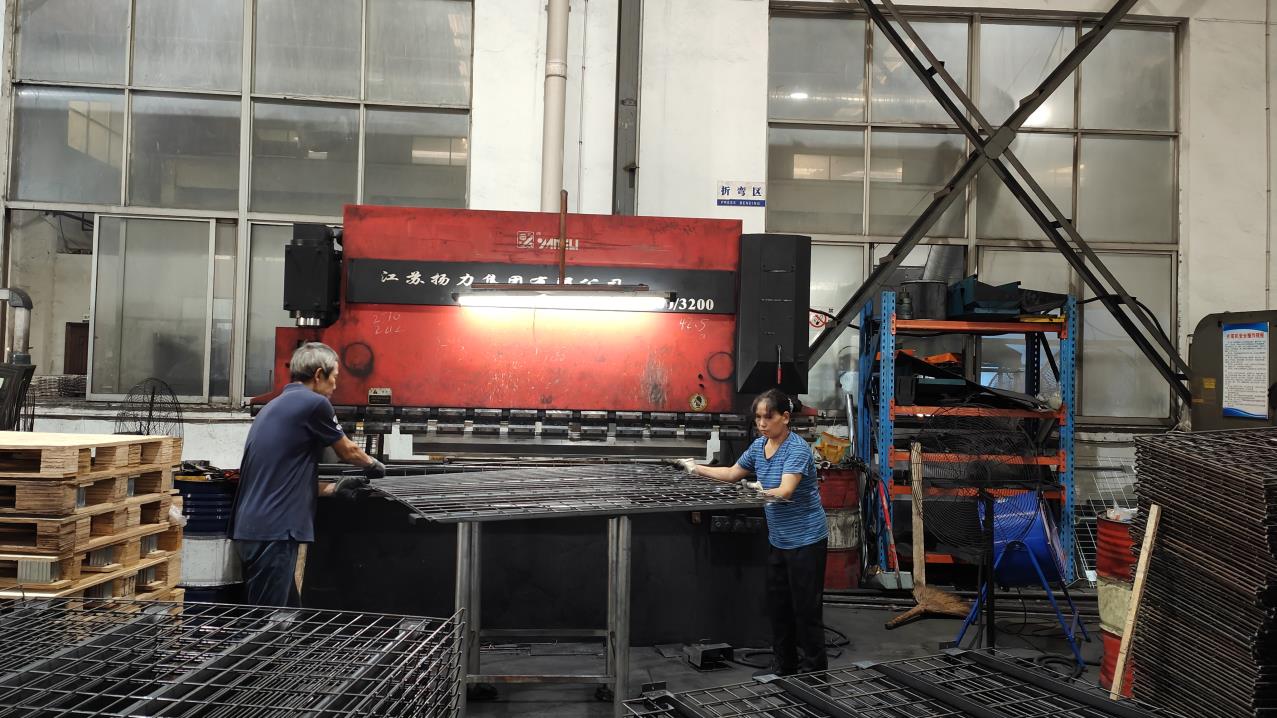
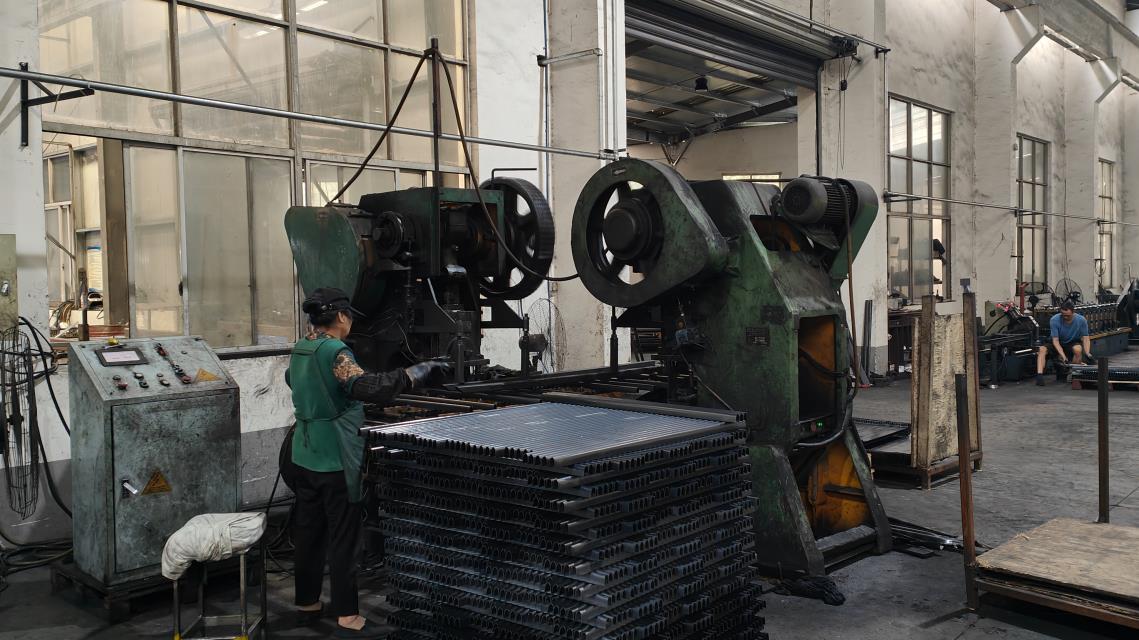
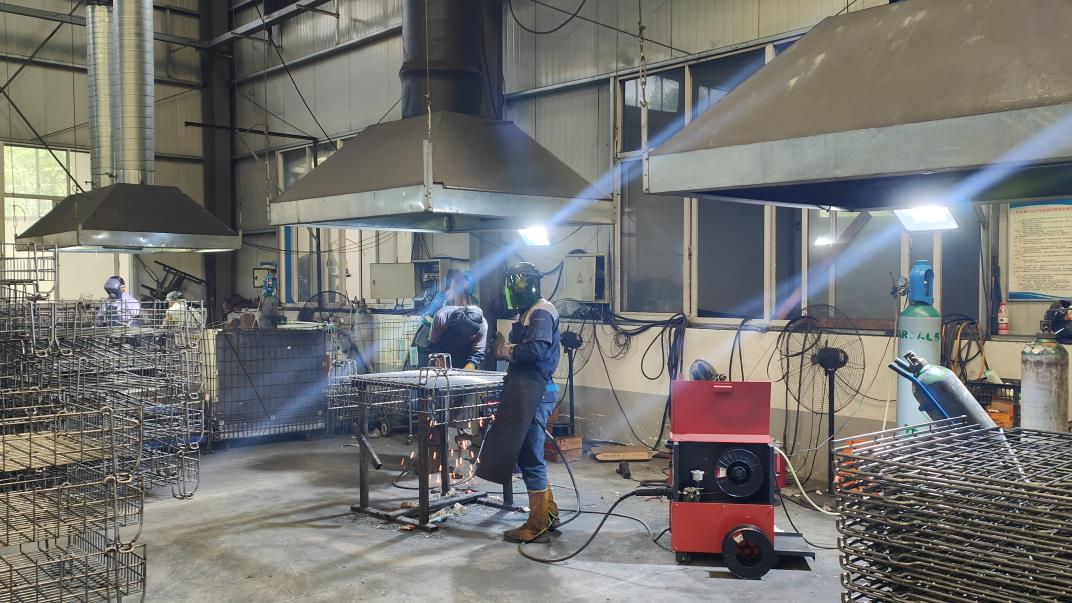
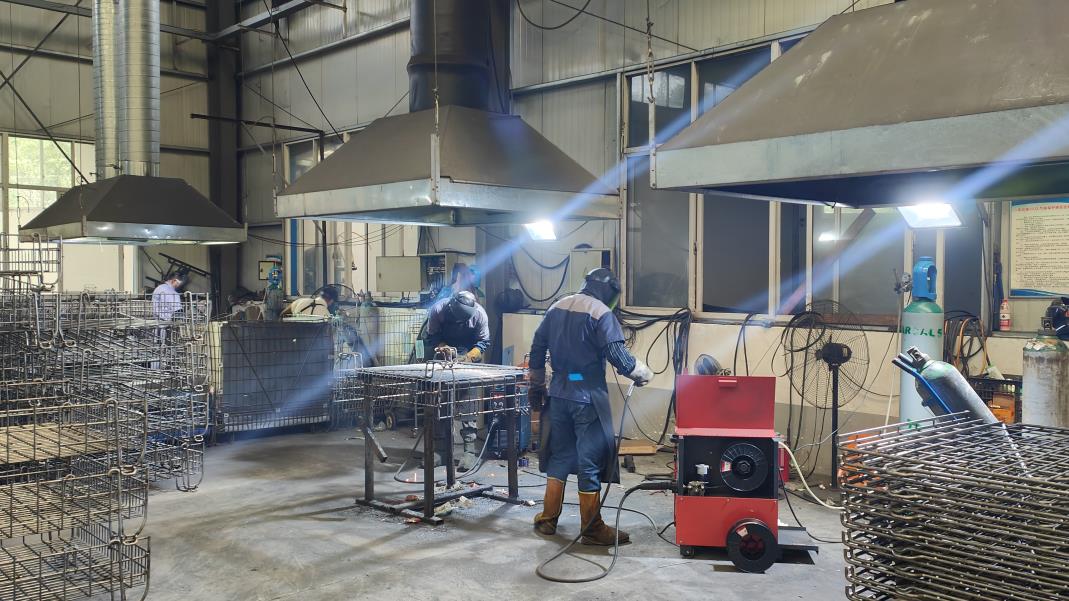
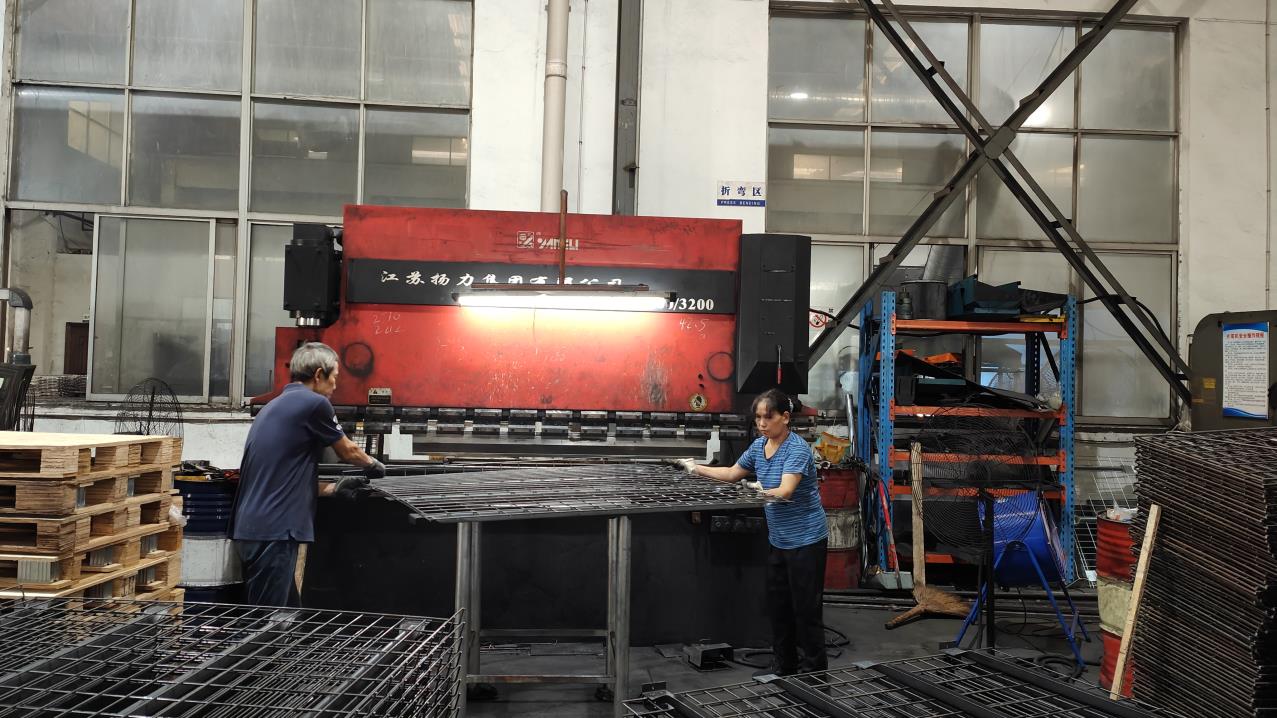
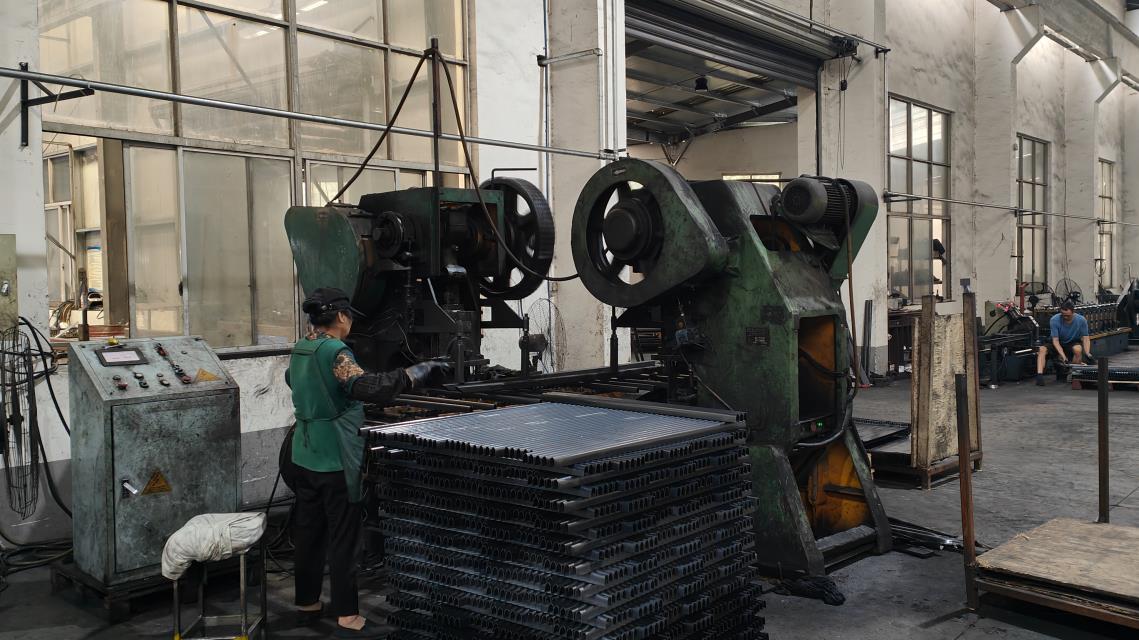
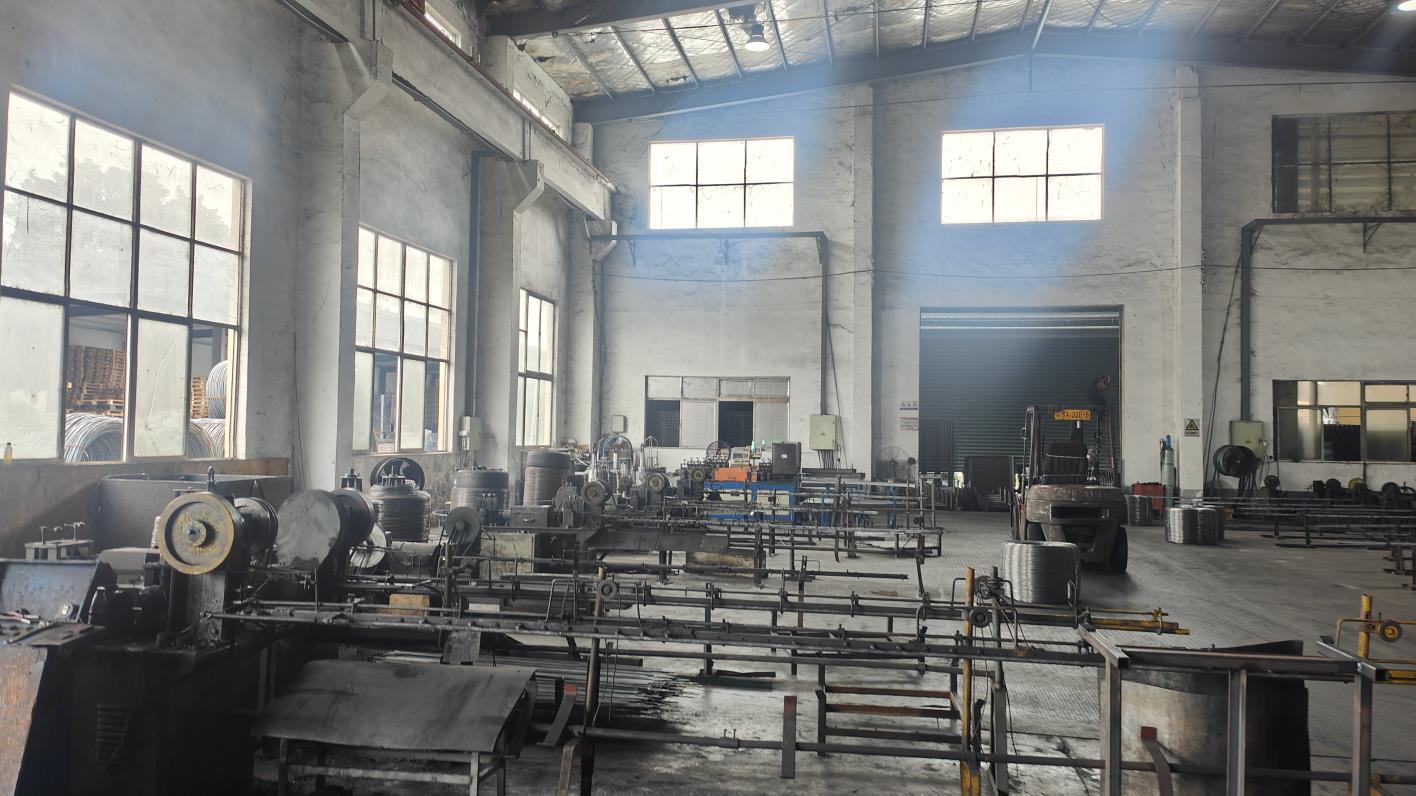
When global enterprises procure warehouse racking, they look for a combination of material quality, cost structure, engineering sophistication, and logistical responsiveness. Chinese manufacturers, specifically those situated in advanced industrial clusters like Suzhou, offer unparalleled supply chain advantages. The proximity to key raw materials, coupled with massive specialized manufacturing ecosystems, allows Chinese factories to operate at maximum efficiency without sacrificing structural integrity.
Industrial storage racks are only as good as the steel from which they are rolled. Leading Chinese exporters utilize high-tensile structural steel such as Q235B and Q345B (comparable to ASTM A36 and ASTM A572 Grade 50). These steel grades provide high yield strength and excellent ductility, which are vital for bearing heavy static and dynamic loads. Utilizing advanced, automated cold roll-forming lines, manufacturers can control profile thickness tolerances to within ±0.1mm, ensuring that upright columns and load-bearing beams fit together seamlessly with precise load distribution across all connection points.
Suzhou CraftRack operates a fully integrated 38,000 m² facility that represents the pinnacle of modern roll-forming and robotic welding technology. The integration of automated steel wire straightening machines, high-precision punching presses, and robotic welding arms ensures that weld penetration is uniform and devoid of internal defects. Because a single weld failure can lead to catastrophic racking collapse, we utilize Non-Destructive Testing (NDT) and Ultrasonic Weld Inspection to verify the internal crystalline structures of our load-bearing components. This level of automated quality control reduces labor-associated manufacturing variances, producing racks with reliable load profiles at a lower unit cost.
Long-term resistance to corrosion is another critical performance index. Our advanced surface treatment process begins with automated pickling and phosphating to remove all surface scale and oil residue, followed by the application of electrostatic epoxy-polyester powder coating. The components are then cured in high-temperature ovens to create a durable, scratch-resistant, and corrosion-resistant outer shell. This makes the racking systems suitable for harsh industrial workshops, damp garage environments, and sub-zero cold-storage facilities alike.
Industrial storage solutions must be tailored to the specific environment, product velocity, and picking methodology of each warehouse. Below are the primary application scenarios where our customized structural systems excel:
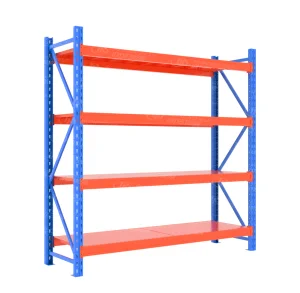
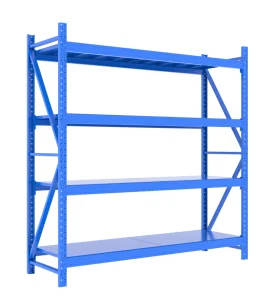
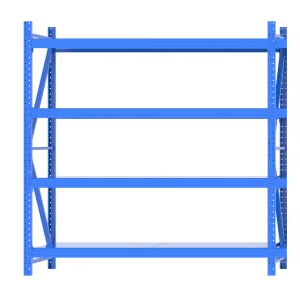
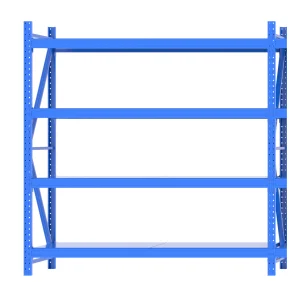
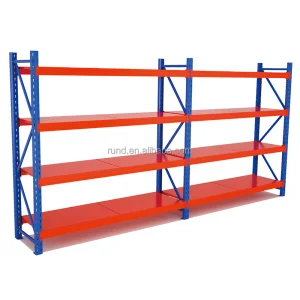
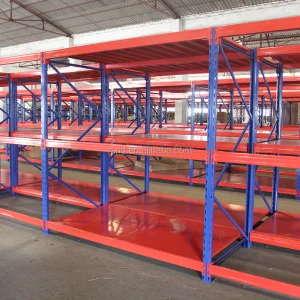
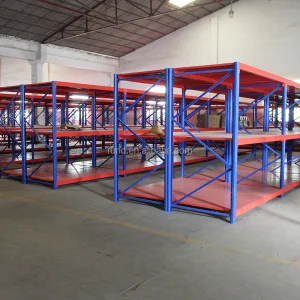
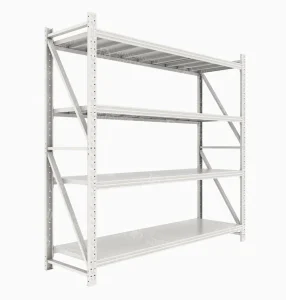
Third-party logistics (3PL) and e-commerce giants handle a vast variety of SKUs (Stock Keeping Units) with highly dynamic turnover rates. The key requirement here is adaptability. Our Boltless Adjustable Longspan Steel Racks and Selective Pallet Racks allow operators to easily adjust beam elevations in increments of 50mm or 75mm without specialized tools. This versatility accommodates changing packaging dimensions while maintaining 100% selectivity for forklift operators.
For operations aiming to maximize vertical cube utilization, VNA Steel Pallet Racks represent the industry standard. These systems operate with aisle widths as narrow as 1.5 to 1.8 meters, utilizing specialized wire-guided or rail-guided turret trucks. By scaling heights up to 15 meters, VNA layouts increase the effective storage volume per square meter. Our R&D team designs these structures with tight vertical alignment tolerances to prevent dangerous frame sway when picking heavy pallets at high elevations.
Cold-storage facilities require significant energy to maintain freezing temperatures, making storage density paramount. Drive-In and Shuttle Racking Systems are ideal for cold chain logistics because they eliminate traditional forklift aisles, operating on a Last-In, First-Out (LIFO) or First-In, First-Out (FIFO) basis. Special low-temperature steel formulations and specialized powder coatings are utilized to prevent low-temperature embrittlement and surface peeling caused by condensation.
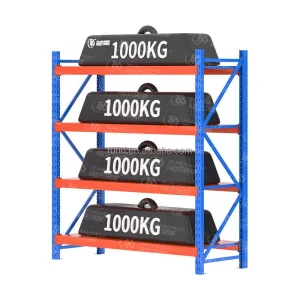
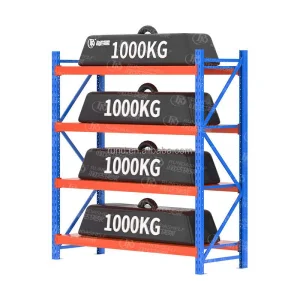
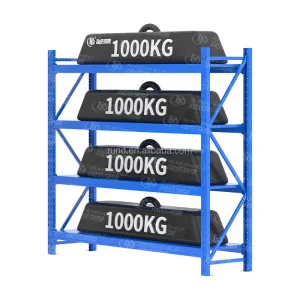
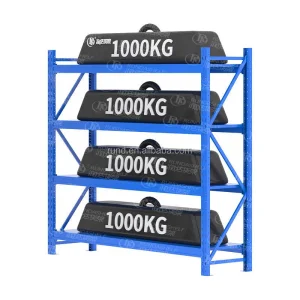
Manufacturing plants and automotive repair facilities must organize dense, irregularly shaped components such as dies, engine blocks, and raw steel tubes. Our Heavy Duty 4-Layer Garage Stacking Racks and Metallic Steel Shelves, with customized load capacities ranging from 1500kg to 4500kg per level, provide the rugged structural stability required to withstand impact from heavy machinery and industrial tooling.
As the logistics sector embraces Industry 4.0, warehouse storage shelves are no longer considered passive steel structures. The future of warehousing lies in the seamless integration of structural engineering with automation, digital twin modeling, and green manufacturing processes.
Modern distribution centers are rapidly transitioning to Automated Storage and Retrieval Systems (ASRS). These systems utilize computerized stacker cranes or autonomous shuttle robots to retrieve goods. ASRS requires structural racking built with incredibly strict dimensional tolerances. Even a deviation of a few millimeters over a 20-meter vertical rise can cause a robotic shuttle to jam. Suzhou CraftRack’s R&D department leverages Finite Element Structural Analysis (FEA) to simulate structural behaviors under various static, dynamic, and thermal loads, ensuring perfect alignment and compatibility with advanced warehouse control systems (WCS).
Environmental, Social, and Governance (ESG) compliance has become a major criteria for global corporate procurement. Multinational enterprises are actively seeking suppliers who minimize their carbon footprint. Sustainable manufacturing involves using energy-efficient roll-forming lines, switching to heavy metal-free powder coatings, and utilizing steel sourced from mills with green smelting technology. Our facility prioritizes waste heat recovery from curing ovens and employs closed-loop water filtration systems during the chemical pre-treatment phase to meet international environmental standards.
Buying heavy-duty warehouse storage racks is a major capital investment that directly impacts a facility's operational safety and efficiency. To ensure long-term value and minimize risks, procurement teams should follow a structured evaluation methodology:
Technical answers to the most common queries from industrial buyers and warehouse managers.
Q235B is a low-carbon structural steel with a yield strength of 235 MPa, ideal for standard industrial shelving and selective pallet racking. Q345B is a low-alloy, high-strength steel with a yield strength of 345 MPa, which is selected for heavy-duty columns, deep VNA systems, and installations in active seismic zones where higher load performance and elasticity are required.
FEA utilizes computer models to simulate complex stress points, bending moments, and load behaviors under various conditions. For high-bay systems like VNA and ASRS, it allows engineers to predict how the uprights will behave during forklift impacts or seismic activity, helping design safer structures while optimizing material weight.
NDT, including ultrasonic testing and magnetic particle inspections, looks for internal defects such as micro-cracks, incomplete weld penetration, or voids within the weld seam without damaging the component. This guarantees that each structural joint can handle its maximum rated capacity safely.
Yes. Cold-storage systems require specialized low-temperature carbon steels to prevent cold embrittlement. They also utilize tailored polyester powder coatings that resist peeling under high condensation levels and freeze-thaw cycles common in cold chain environments.
For custom-engineered orders, our 32 R&D engineers typically complete structural FEA layouts and CAD designs within 5 to 7 working days. Once the engineering drawings are approved, manufacturing and surface coating generally take between 20 and 35 days, depending on the overall order volume.
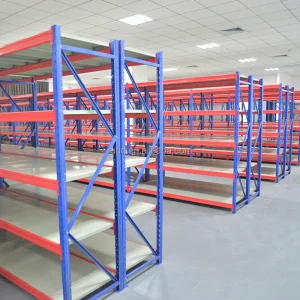
Explore our specialized heavy-duty components designed for deep lane stacking, high selectivity, and automated shuttle interfaces.
 CraftRack