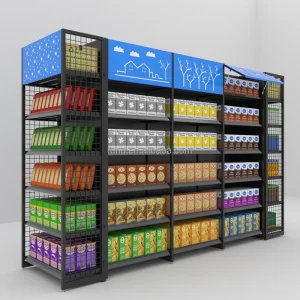
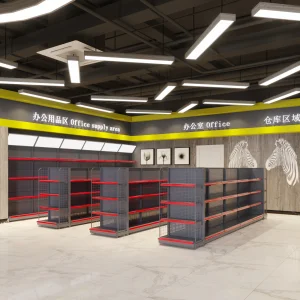
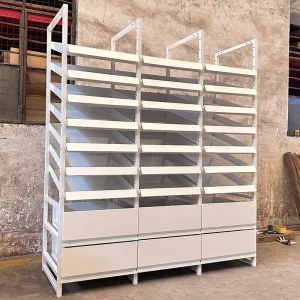
Explore our premium range of industrial boltless storage shelves, retail display racks, and specialized material handling systems built for optimal utility.
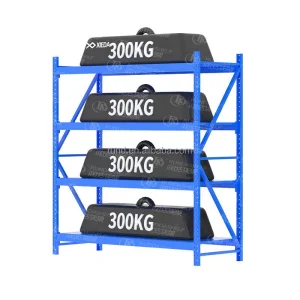
Pioneering Heavy-Duty Structural Storage Engineering with Advanced R&D and Certified Non-Destructive Testing
Suzhou CraftRack Heavy Duty Storage Equipment Co., Ltd. was established in 2014. Backed by 8 years of annual export experience and 14 years of deep industry expertise, we deliver world-class warehouse logistics solutions worldwide. We operate an OEM & ODM direct-manufacturing trade background, serving main markets across North America, Western Europe, and Southeast Asia.
Quality is at our core. We implement strict Non-Destructive Testing (NDT) and Ultrasonic Weld Inspection using state-of-the-art product inspection methods. We maintain strong ties with over 1,200 supply chain partners, catering mainly to 3PL logistics hubs, large-scale e-commerce fulfillment centers, and industrial manufacturing plants. Our robust R&D capability centers on Automated Storage and Retrieval Systems (ASRS) & Finite Element Structural Analysis. We offer extensive custom options, including seismic resistance rating, custom load capacity engineering, and specialized powder coating finishes. In the past year alone, we achieved 45 new product launches, driven by a talented team of 32 R&D engineers.
Step inside our state-of-the-art facility where automated machinery and strict engineering standards guarantee the integrity of our steel structures.
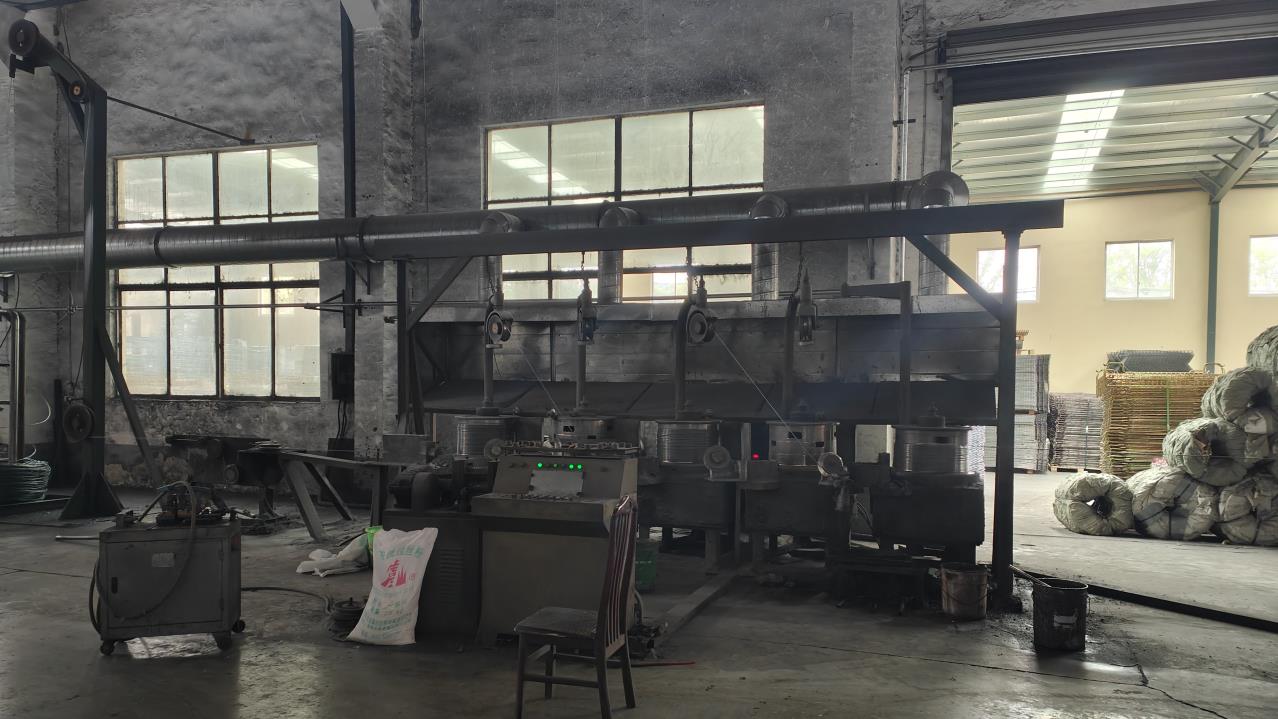
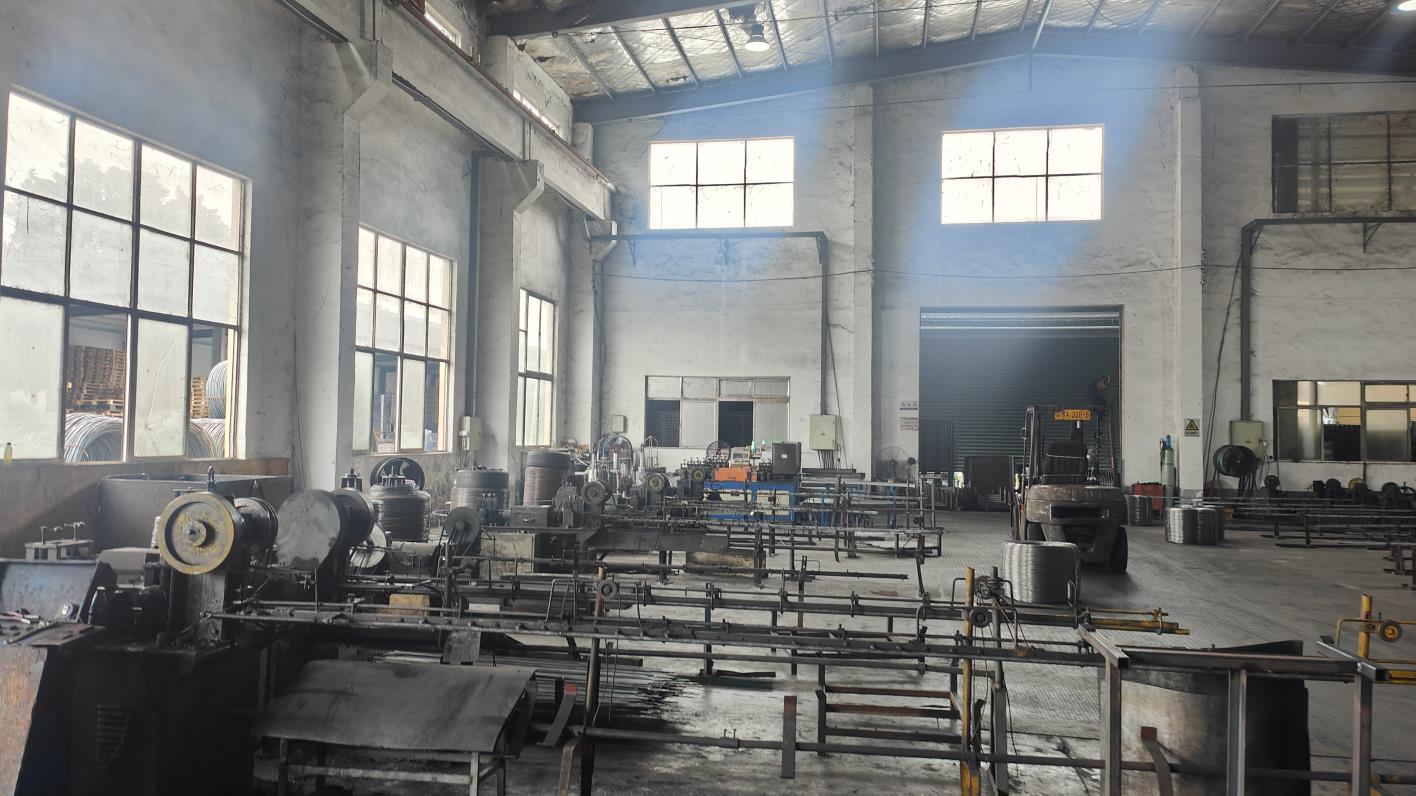
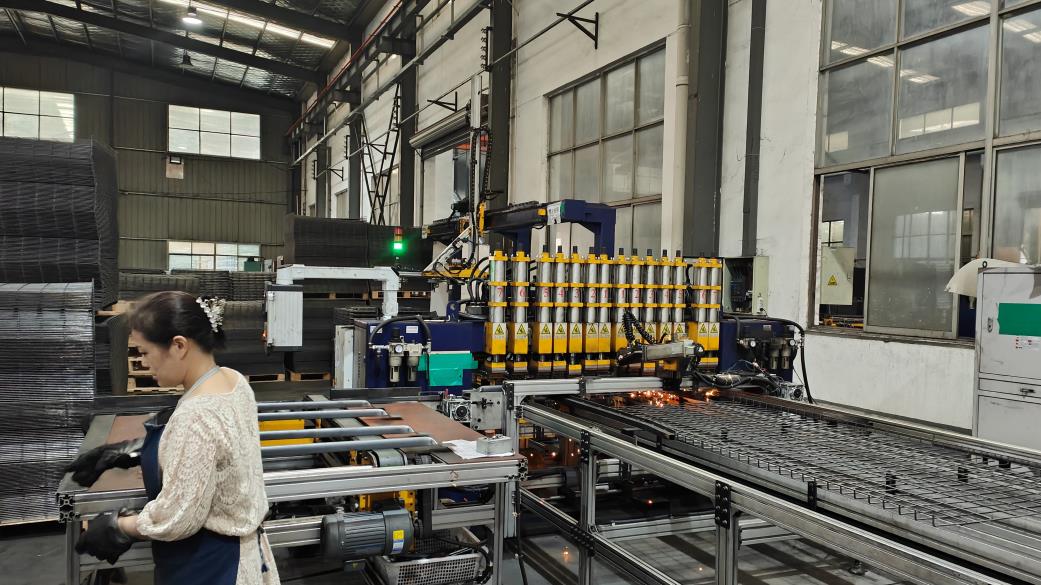
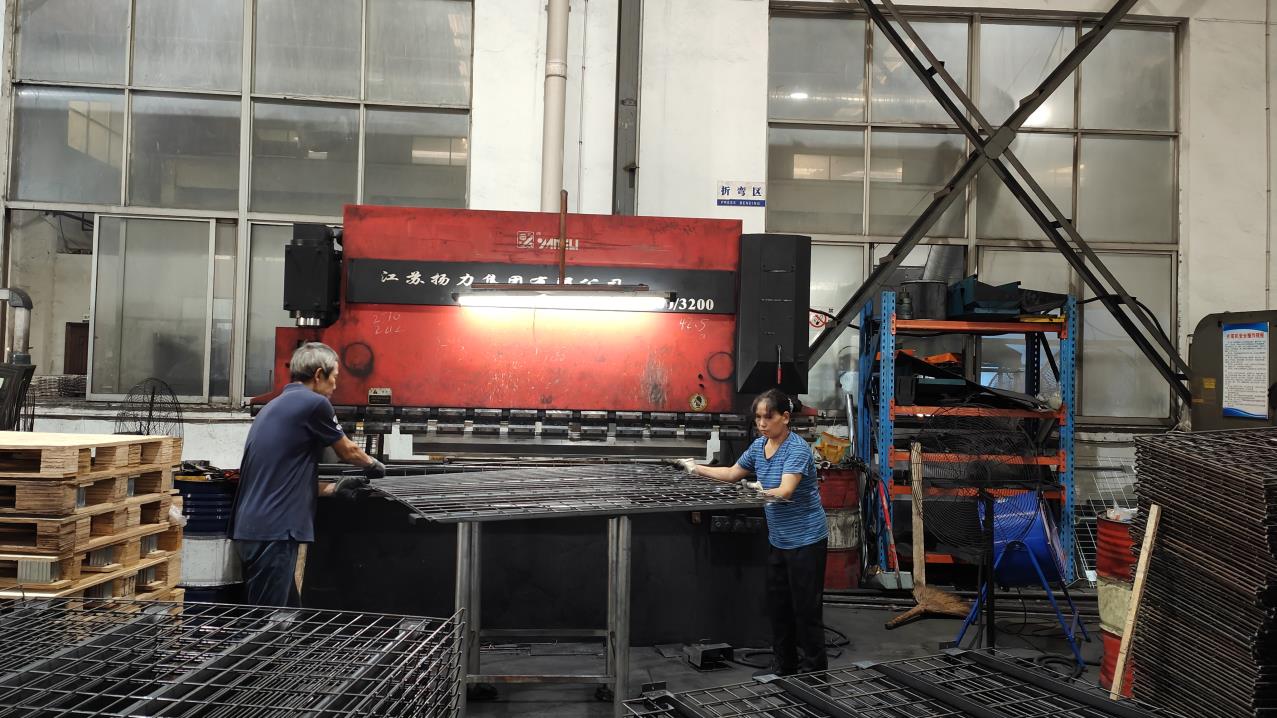
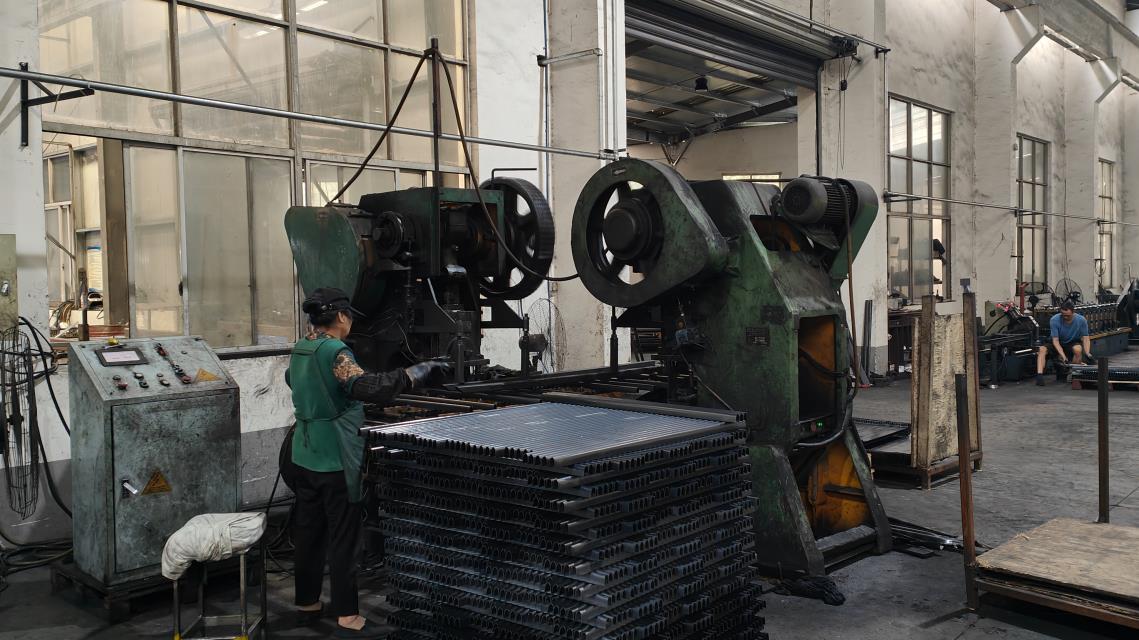
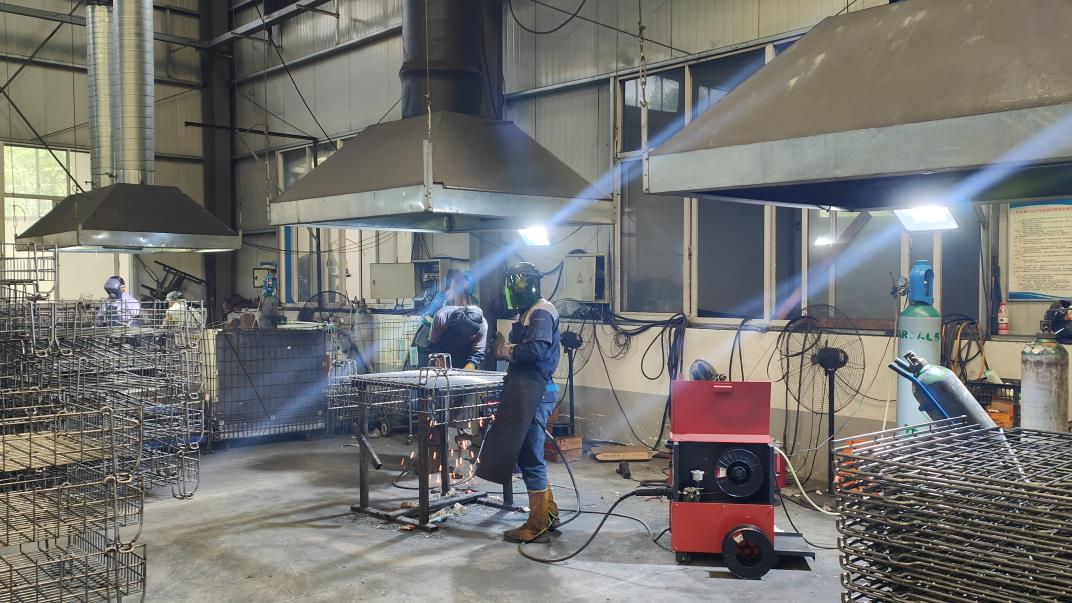
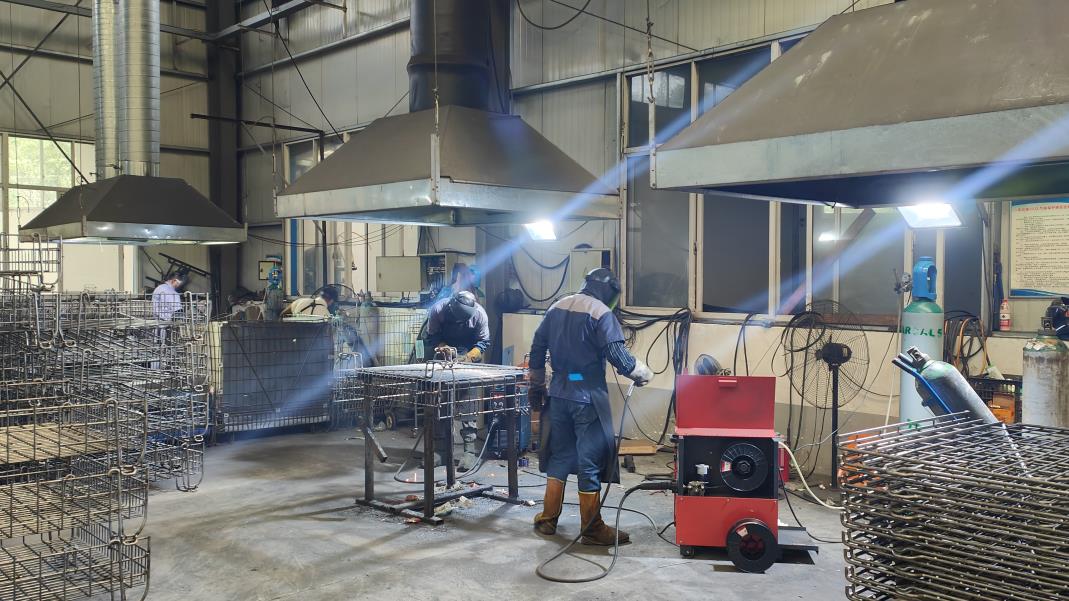
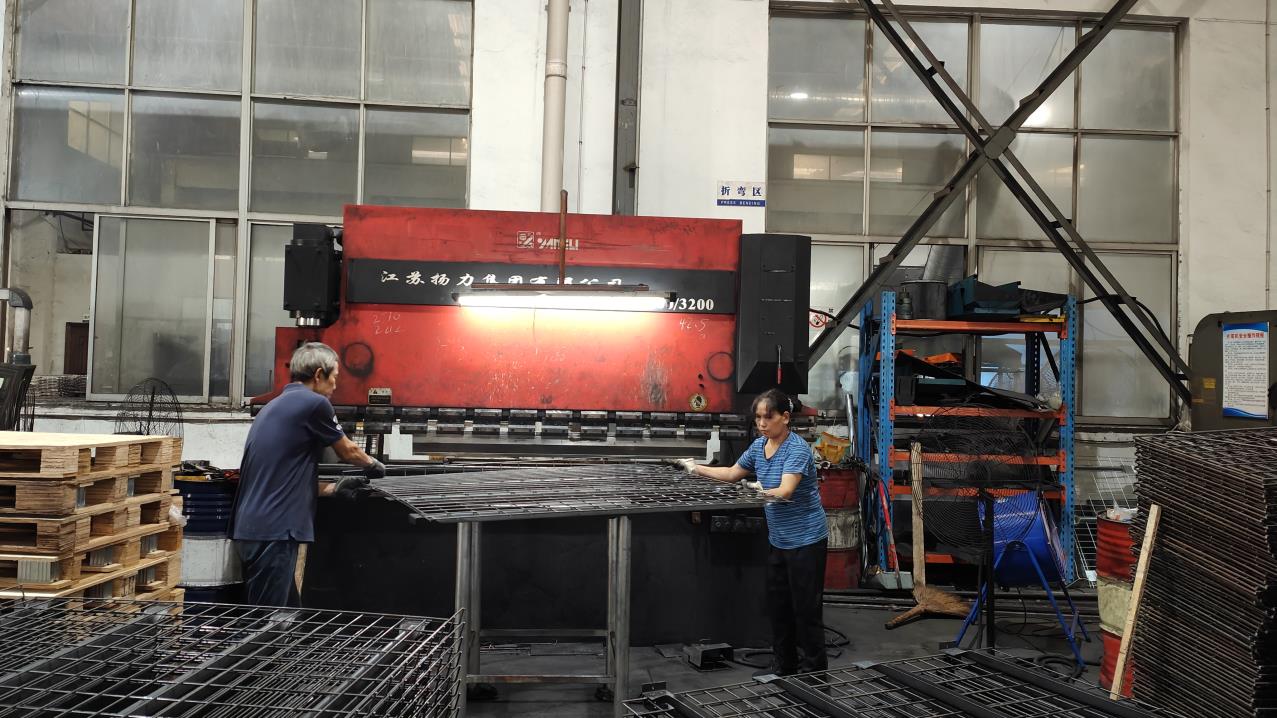
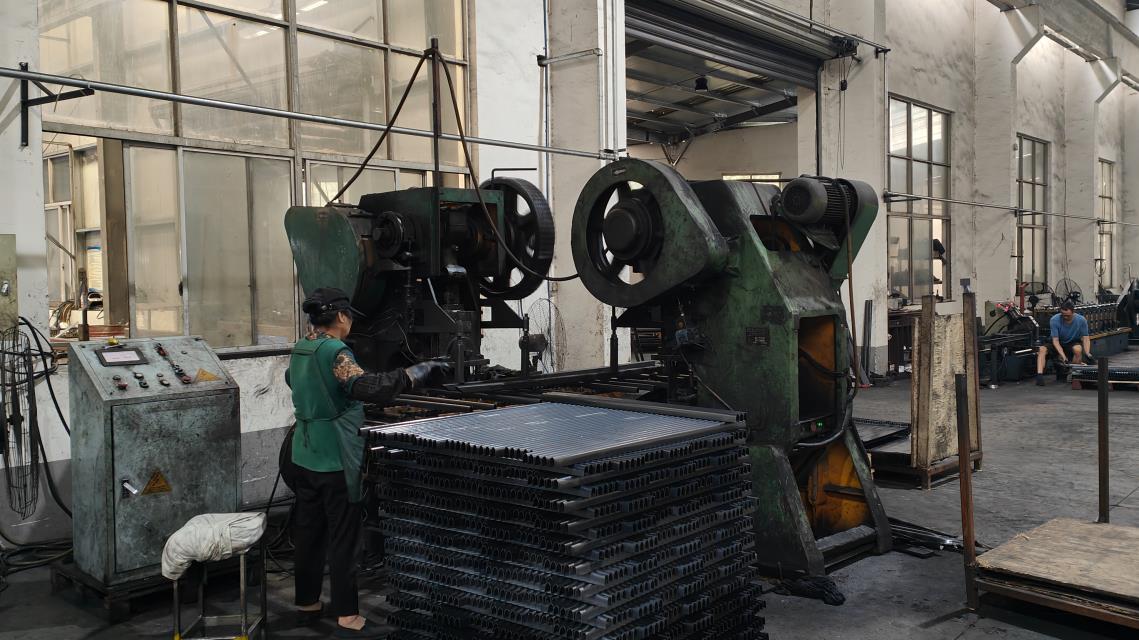
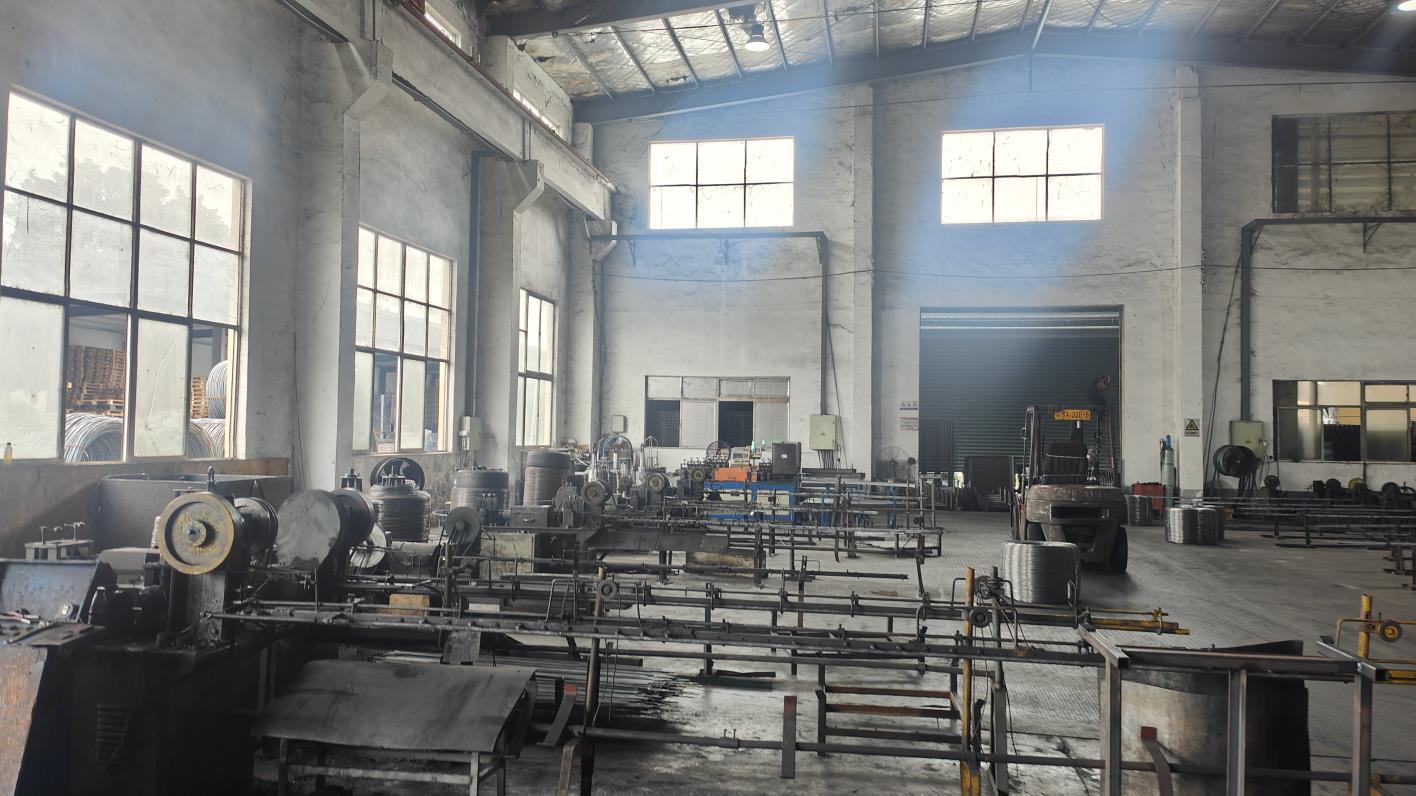
Analyzing structural cost advantages, raw steel procurement quality, and deep manufacturing execution standards.
In the global market for industrial storage solutions, Chinese warehouse rack manufacturers have evolved from low-cost providers to leaders in engineering, structural design, and smart automation. Direct raw material access to high-grade industrial structural steel (specifically Q235B and Q345B carbon steel variants) provides a stable metallurgical baseline. By aligning steel sourcing with regional industrial smelters, Suzhou CraftRack achieves predictable stress-strain limits for heavy-duty columns and bracing beams.
Advanced logistics solutions require automated production tools. The integration of continuous profile cold-roll forming mills and automated punching centers ensures custom pitch configurations on vertical uprights. By operating 8 separate automated welding lines, factories maintain precise dimensions in structural parts. When weld beads are aligned without variation, structural weaknesses are eliminated, ensuring the integrity of high-bay installations. Under seismic load tests, these processes reduce internal stress concentrations that often cause standard frames to buckle.
SEO Insight & Information Gain: For enterprise supply chain leaders, selecting a Chinese factory partner is no longer just about reducing cost per pallet position. The decision depends on design-phase engineering capabilities, finite element safety margins, and verification methods like Non-Destructive Testing (NDT) to prevent structural failures under static and dynamic loading.
Furthermore, China’s industrial ecosystem provides an integrated supply chain for surface treatments. Utilizing epoxy-polyester powder formulations applied through automatic electrostatic coating lines ensures protection in humid environment applications, such as cold-chain food storage facilities. This coating system undergoes strict testing (including ASTM B117 salt spray standards) to prevent atmospheric corrosion, guaranteeing long-term usability in demanding environments.
The transformation from static shelving structures to dynamic, ASRS-integrated high-density systems.
Integrating automated cranes, vertical shuttles, and precise tolerances to enable continuous operation in high-bay setups up to 40 meters.
Utilizing Finite Element Analysis to design columns, baseplates, and frame connectors that absorb kinetic forces during seismic events.
Moving towards volatile organic compound (VOC) free epoxy-polyester formulas that resist corrosion without adding environmental hazards.
Modern logistics hubs require higher storage density. Static pallet storage is giving way to dynamic solutions, including pallet flow, drive-in, and automated radio shuttle systems. Because these layouts carry heavier dynamic loads, the tolerance requirements for roll-formed profiles have become much tighter. A deflection deviation of just 2 millimeters can cause automated cranes or AGVs to malfunction. As a result, factory production lines must achieve precision within fractions of a millimeter.
Additionally, seismic design has become a standard requirement in Western markets. The Rack Manufacturers Institute (RMI) standards require that load capacities must be calculated based on site-specific seismic data. Using Finite Element Analysis (FEA) modeling, engineers can simulate structural stress during seismic events. This allows them to optimize the layout of upright frames, increase baseplate dimensions, and reinforce bracing connections to protect workers and maintain structural integrity.
Custom structural engineering for demanding warehouse environments, cold chains, and retail spaces.
Third-Party Logistics (3PL) providers require versatile racking systems that handle diverse product dimensions and weight profiles. Standard Selective Pallet Racking systems remain popular because they provide direct access to every pallet position. For high-volume setups, warehouses use double-deep or narrow-aisle (VNA) designs to reduce aisle widths, saving up to 40% of floor space while maintaining fast throughput.
E-commerce fulfillment centers require fast processing and multi-tiered setups. Multi-tier shelving systems, integrated with high-performance boltless snap-in shelving and wire mesh decking, allow workers to pick inventory on multiple levels simultaneously. These structures are designed to interface with conveyor systems, spiral chutes, and AGVs, requiring strict structural alignment and flat floor installations.
Cold storage space is expensive to operate. High-density drive-in systems or mobile racking setups maximize storage capacity within cold rooms. Steel structures must be engineered to prevent low-temperature brittleness, which can compromise standard carbon steel. CraftRack utilizes steel grades with specified impact toughness values at low temperatures, protected by double-layer powder coating finishes to resist condensation and frost damage.
Heavy manufacturing plants handle heavy, irregular items like steel coils, motors, and press molds. Custom cantilever racks and heavy-duty structural steel platforms provide secure storage for these bulky profiles. Cantilever arms are engineered with upward incline angles to prevent goods from sliding off, while integrated load-bearing columns distribute heavy loads safely to concrete floor slabs.
How procurement teams evaluate structural capacity, weld inspections, and shipping logistics.
For international supply chain managers, buying industrial warehouse racking requires verifying compliance with international quality standards. Below is a checklist for auditing manufacturing quality:
Logistics & Container Packaging: Warehouse racking is heavy and bulky. Professional manufacturers optimize container loading plans by bundling uprights, step beams, and diagonal braces with custom steel pallets. This packaging prevents shifting and surface scratching during transport, ensuring components arrive in perfect condition for installation.
Addressing common technical and procurement questions about industrial racking and shelving systems.
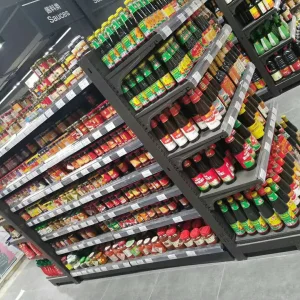
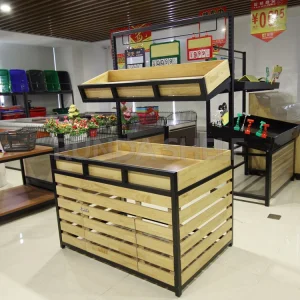
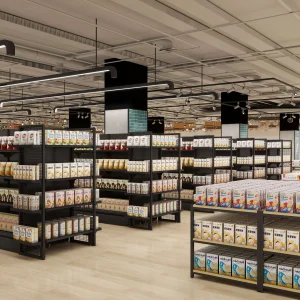
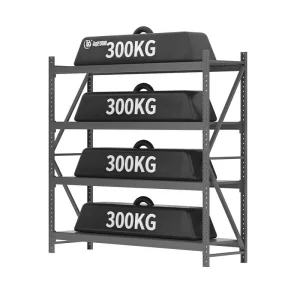
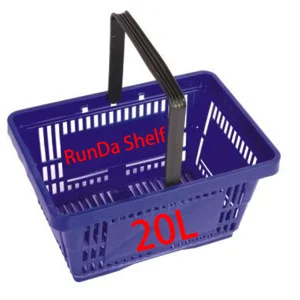
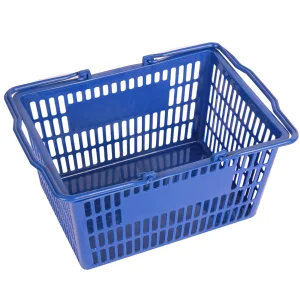
Premium checkout counters, modular supermarket display stands, heavy-duty warehouse racking, and handling baskets.
 CraftRack