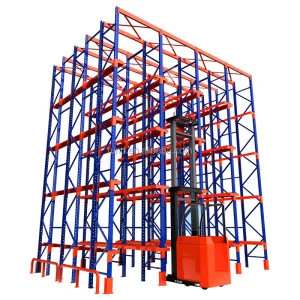
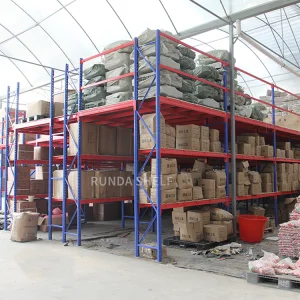
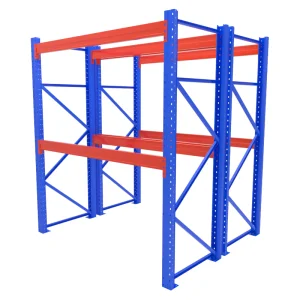
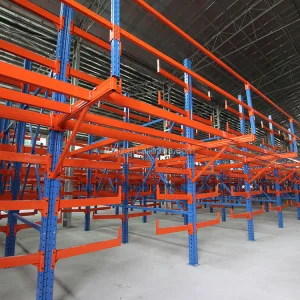
Engineered to handle extreme loads, ensure operator safety, and optimize structural spatial density in global warehouses.
Analyzing the global trade routes, warehousing demand shifts, and structural engineering compliance governing modern industrial shelving.
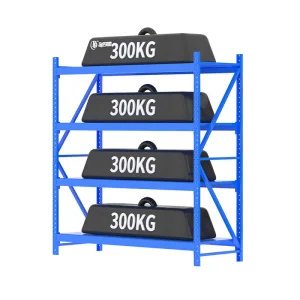
The global demand for high-density material handling systems is undergoing a significant transformation. Driven by the rapid expansion of third-party logistics (3PL), global cross-border e-commerce networks, and high-value manufacturing hubs, industrial operators are under intense pressure to maximize vertical space. Heavy storage shelves are no longer treated as passive metal brackets, but as critical components of integrated, structural-safety-compliant warehouse assets. The current global supply chain landscape requires structures capable of supporting payloads from 1,000 kg to over 5,000 kg per pallet level under dynamic loading, cyclic fatigue, and variable environmental stresses.
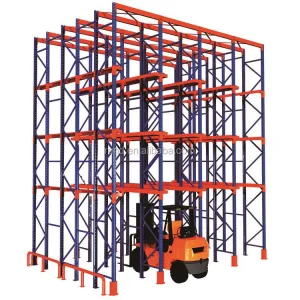
In highly industrialized areas like North America, Western Europe, and rapidly expanding manufacturing sectors in Southeast Asia, warehousing operations face severe space constraints due to rising industrial land costs. This challenge has fueled the adoption of ultra-narrow aisle (VNA) configurations, double-deep selective pallet racking, and drive-in high-density modules. These systems demand strict raw material certifications, precise deflection ratios, and reliable seismic performance. As raw material costs fluctuate globally, structural engineers must strike a balance between material optimization and safety margins. To prevent catastrophic failure, structural design is strictly regulated by international codes like the Rack Manufacturers Institute (RMI) standards in America, EN 15512 in Europe, and AS 4084 in Australia.
Simultaneously, environmental conditions such as coastal humidity, industrial chemical exposure, and sub-zero cold chain operations demand advanced surface treatments. Galvanized steel, epoxy polyester powder coatings, and specialized electrostatic discharge (ESD) protective finishes are essential to ensure the longevity of high-load storage systems. This technological necessity has shifted the focus from low-cost, low-tolerance systems to engineered structures that offer documented testing profiles, material traceability, and certified structural performance.
Deep domain expertise backed by rigorous quality assurance, advanced structural engineering, and comprehensive OEM/ODM manufacturing capabilities.
Suzhou CraftRack Heavy Duty Storage Equipment Co., Ltd. was established in 2014. Our facility covers a sprawling building area of 38,000 m², supported by an annual export revenue reaching $28,000,000. Backed by 8 years of annual export experience and 14 years of deep industry expertise, we deliver world-class warehouse logistics solutions worldwide.
Quality is at our core. We implement strict Non-Destructive Testing (NDT) and Ultrasonic Weld Inspection using state-of-the-art product inspection methods, overseen by a dedicated team of 45 QC specialists. Operating with an OEM & ODM direct-manufacturing trade background, our primary markets span North America, Western Europe, and Southeast Asia. We maintain strong ties with over 1,200 supply chain partners, catering mainly to 3PL logistics hubs, large-scale e-commerce fulfillment centers, and industrial manufacturing plants.
Our robust R&D capability centers on Automated Storage and Retrieval Systems (ASRS) & Finite Element Structural Analysis. We offer extensive custom options, including seismic resistance rating, custom load capacity engineering, and specialized powder coating finishes. In the past year alone, we achieved 45 new product launches, driven by a talented team of 32 R&D engineers.
This deep industrial presence is anchored in our compliance with global quality and safety standards. Suzhou CraftRack does not cut corners on structural safety. We manufacture from premium, certified structural carbon steel (including Q235B and Q355B steel grades). This choice of raw material ensures high yield strength and elongation limits capable of absorbing unexpected load spikes. Every welding seam is critical. Our robotic welding lines undergo strict Ultrasonic Flaw Detection to ensure zero internal voids or inclusions, maintaining a safety margin of at least 1.5 times the rated load capacity.
How CraftRack designs and deploys optimized shelving systems across distinct industrial and commercial environments.
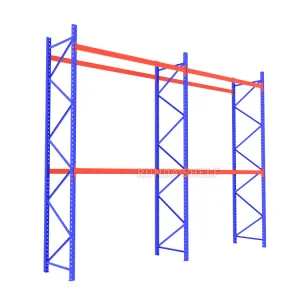
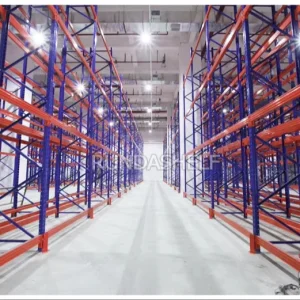
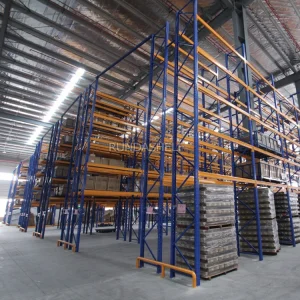
Designed for dynamic environments with high turnover rates. CraftRack provides high-yield Q355B selective pallet racking systems compatible with reach trucks and VNA equipment. All cold-storage configurations feature hot-dip galvanized finishes to resist rust at temperatures as low as -30°C.
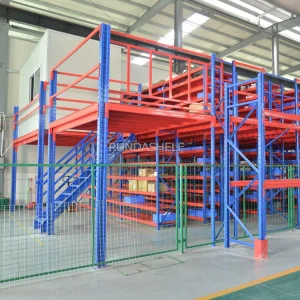
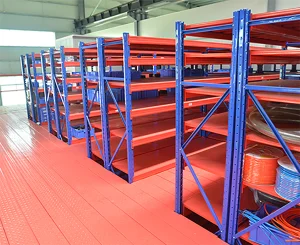
To maximize vertical square footage, we design multi-level structural mezzanines and steel attic rack systems. These systems incorporate double-sided high-density storage aisles, built-in ESD protection, safety netting, and integrated heavy-duty steel stairs to safely support manual and automated order pickers.
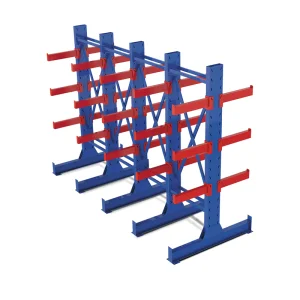
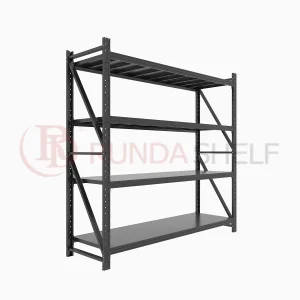
Designed for extreme concentrated loads like automotive injection molds and raw metal coils. Featuring heavy-duty, boltless roll-formed profiles and structural C-sections. These units include thick security bar backstops and customized column protectors to withstand accidental forklift impacts.
A multi-year engineering strategy centered on IoT sensor integration, green steel manufacturing, and structural seismic design.
As smart warehousing matures, standard racking systems are evolving into intelligent, responsive assets. Suzhou CraftRack is currently developing integration protocols to embed stress-gauge sensors and IoT accelerometers directly into our dynamic upright profiles. This engineering roadmap focuses on real-time load distribution tracking, structural deflection alarms, and automated fatigue reporting. This technology will safeguard warehouse operators and automated systems by identifying overloading or structural issues before they cause failures.
Furthermore, our engineering team is refining our cold-formed steel profiles using Finite Element Method (FEM) software. By simulating cyclic seismic stresses, we optimize material thickness across our racking uprights. This design approach maintains structural safety while reducing steel consumption, directly supporting ESG initiatives. In alignment with global environmental goals, we have transitioned our powder coating processes to zero-VOC, thermosetting resins. These finishes provide excellent abrasion resistance and a low carbon footprint, meeting the stringent requirements of modern green logistics facilities.
Using finite element simulations under variable seismic loading parameters to optimize load capacity profiles for high-risk zones.
Expanding automated ultrasonic weld testing across our production lines to ensure 100% penetration and zero internal defects.
Embedding strain sensors within main columns to enable live load monitoring and predict maintenance needs in automated warehouses.
Inside CraftRack's 38,000 m² state-of-the-art production plant, where advanced engineering standards translate to reliable physical performance.
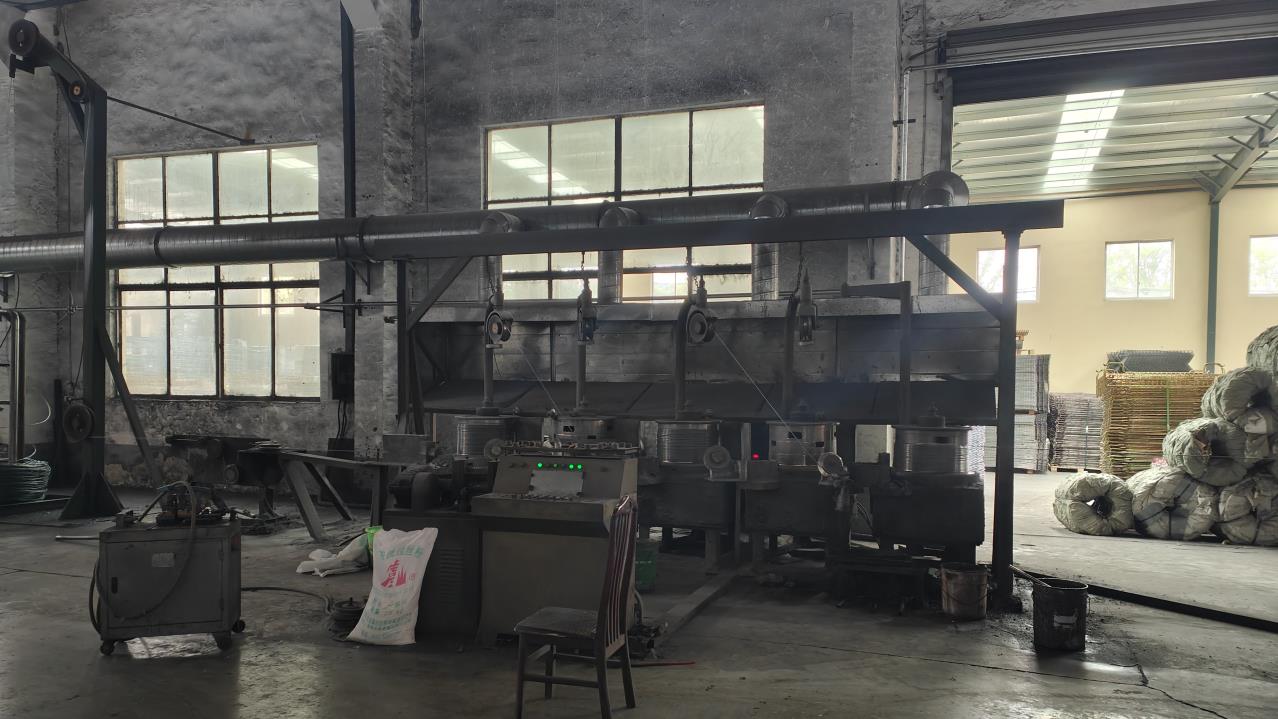
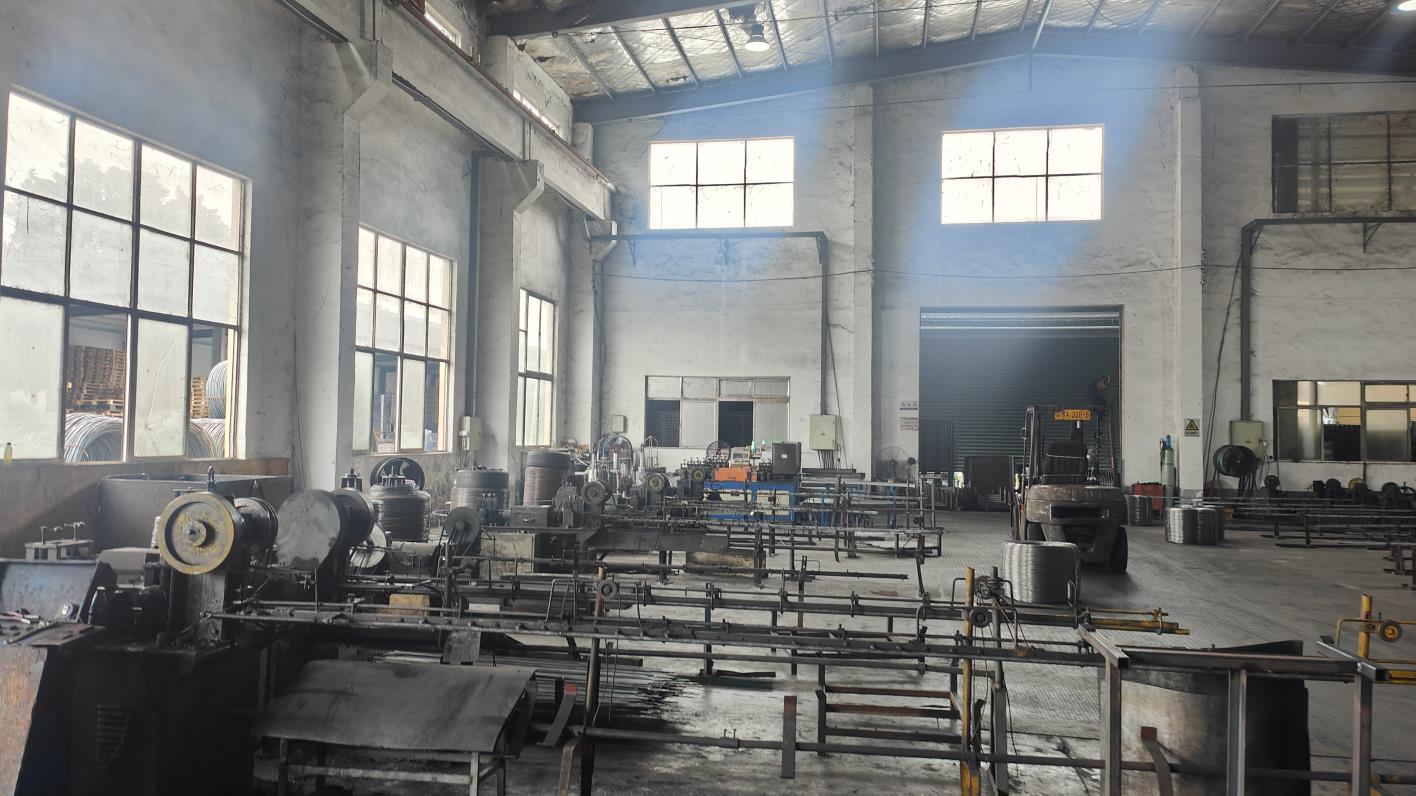
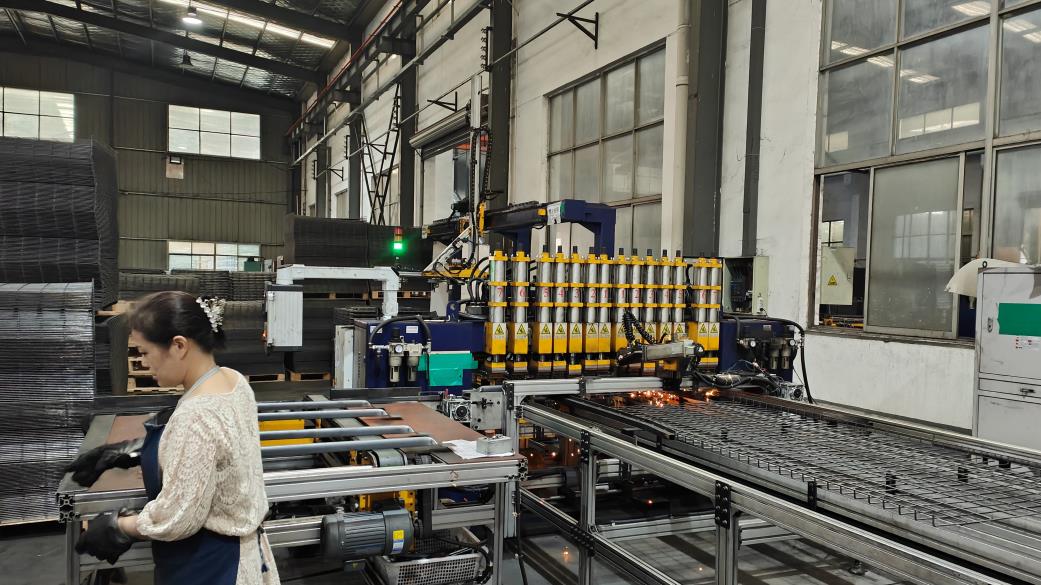
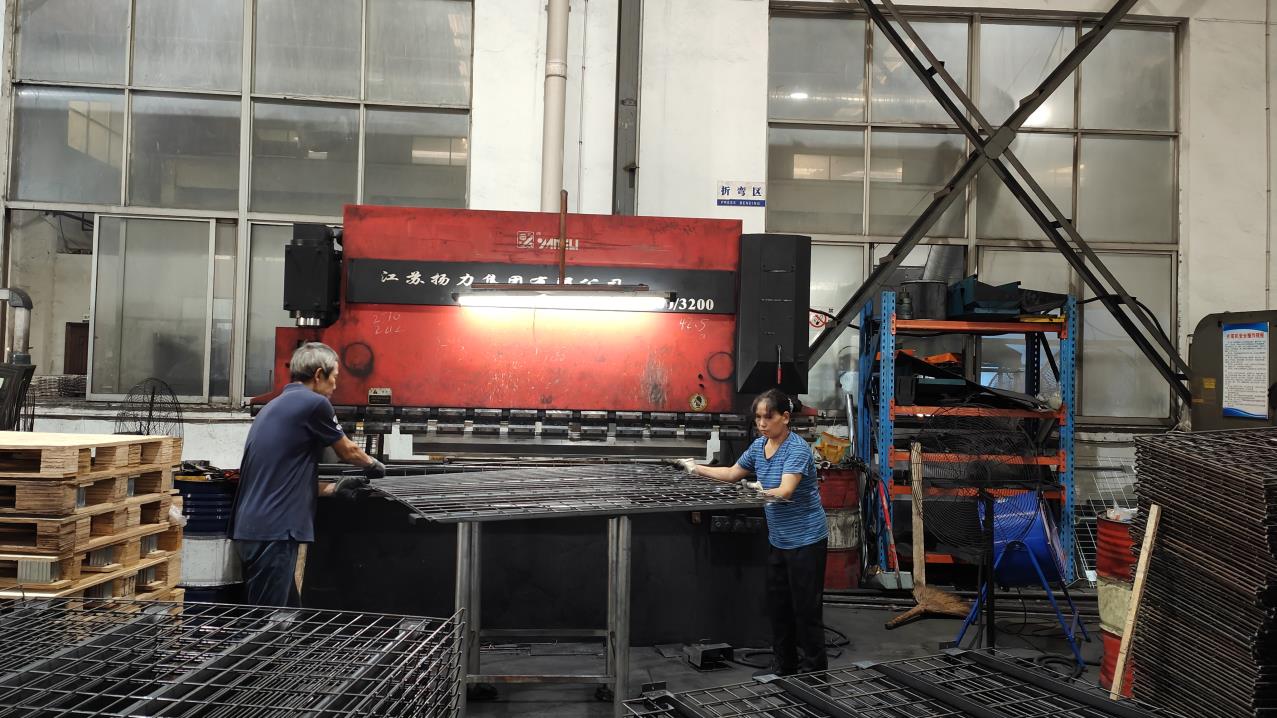
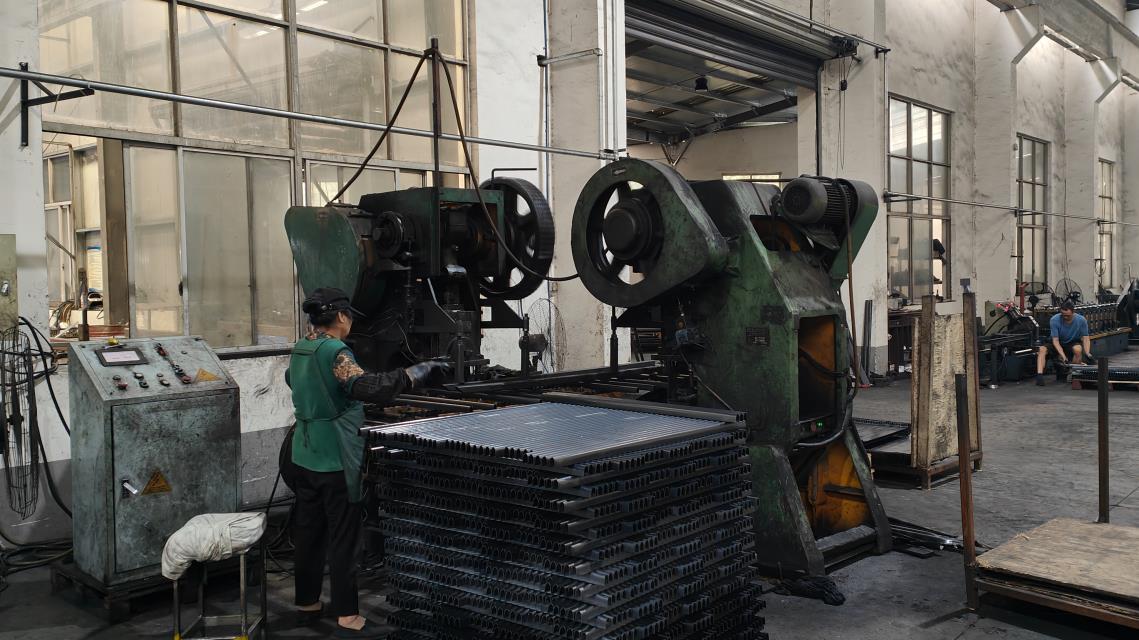
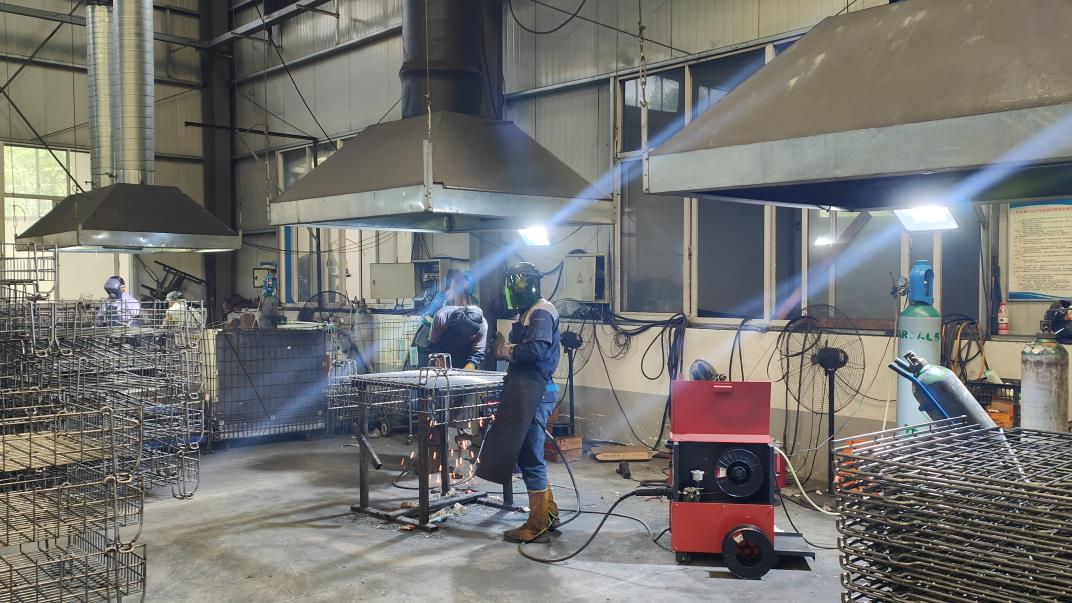
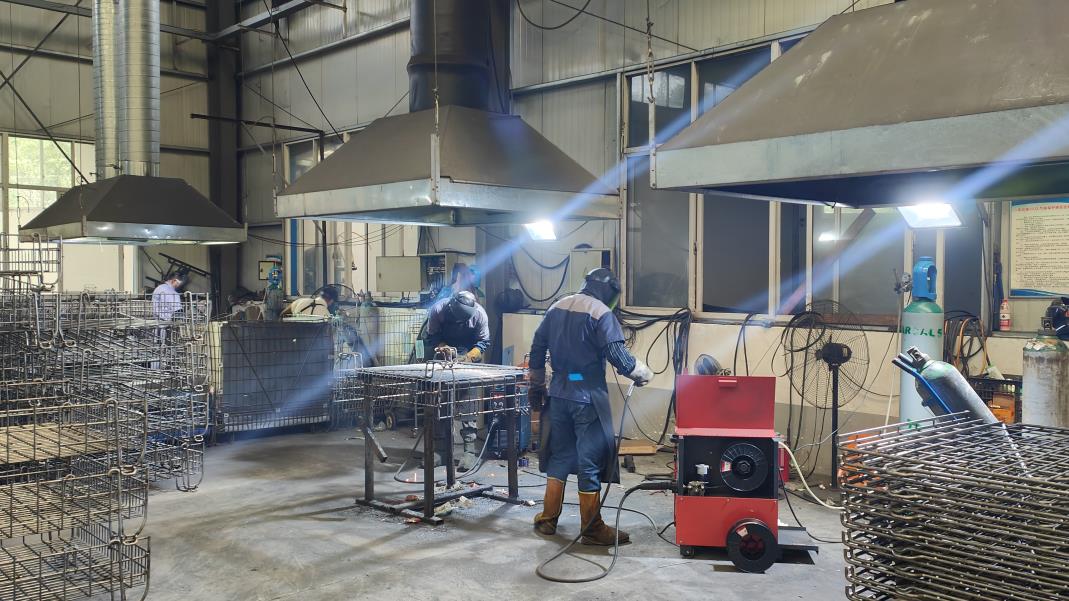
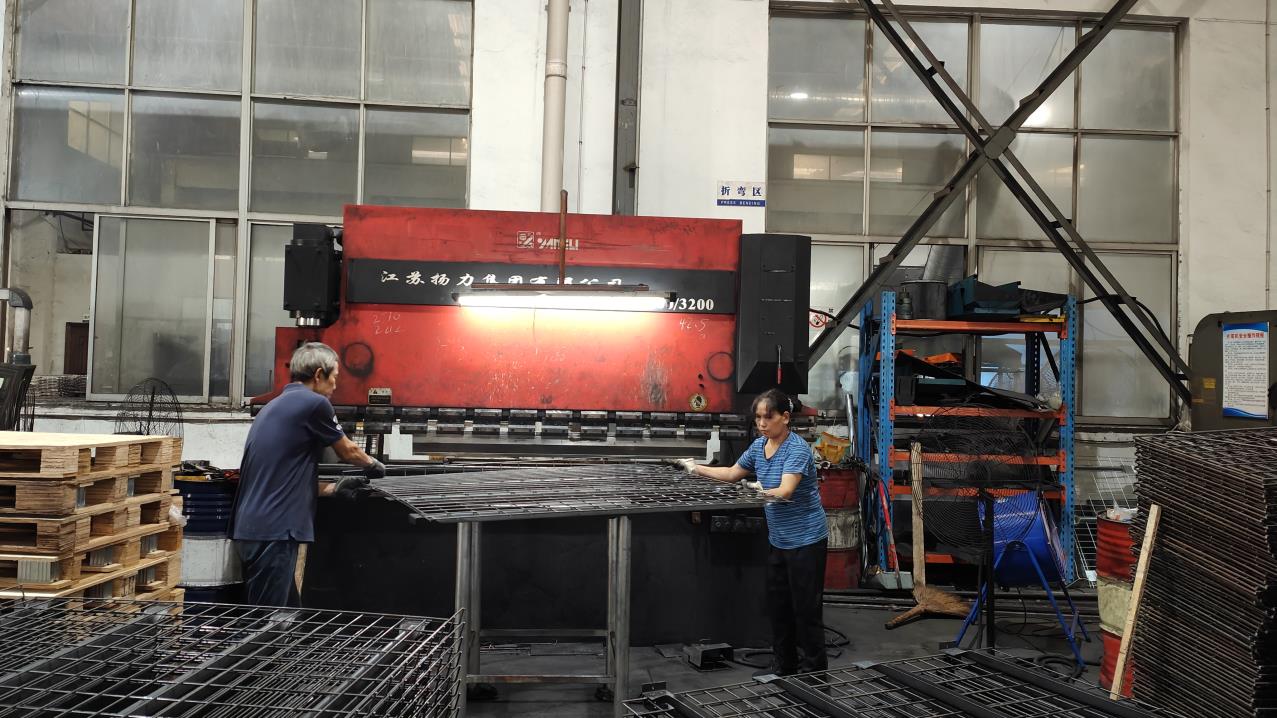
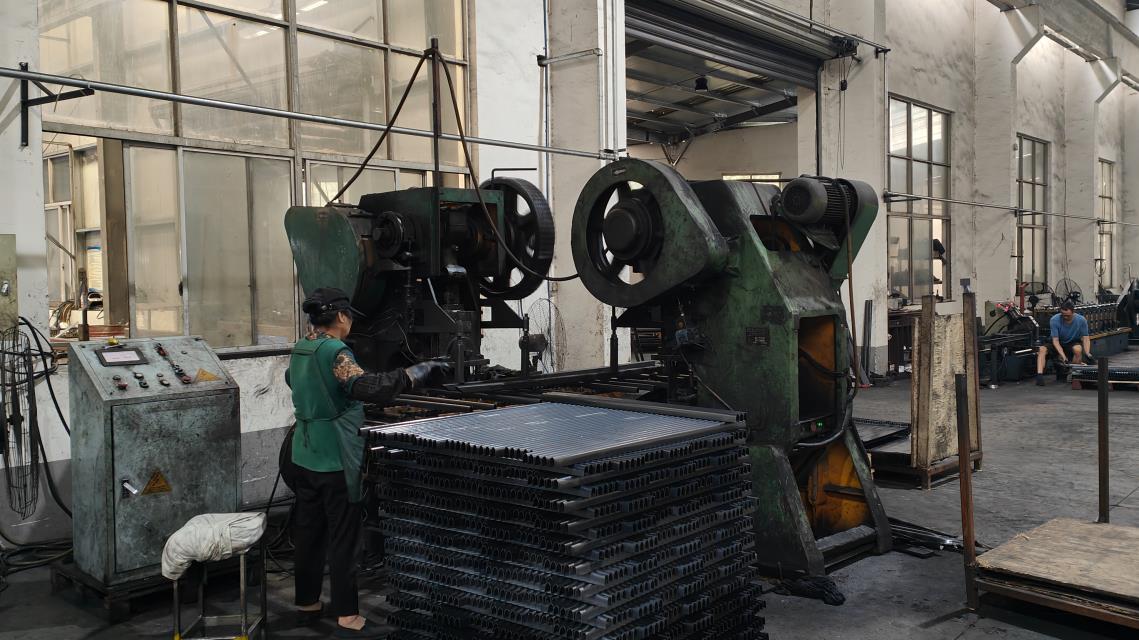
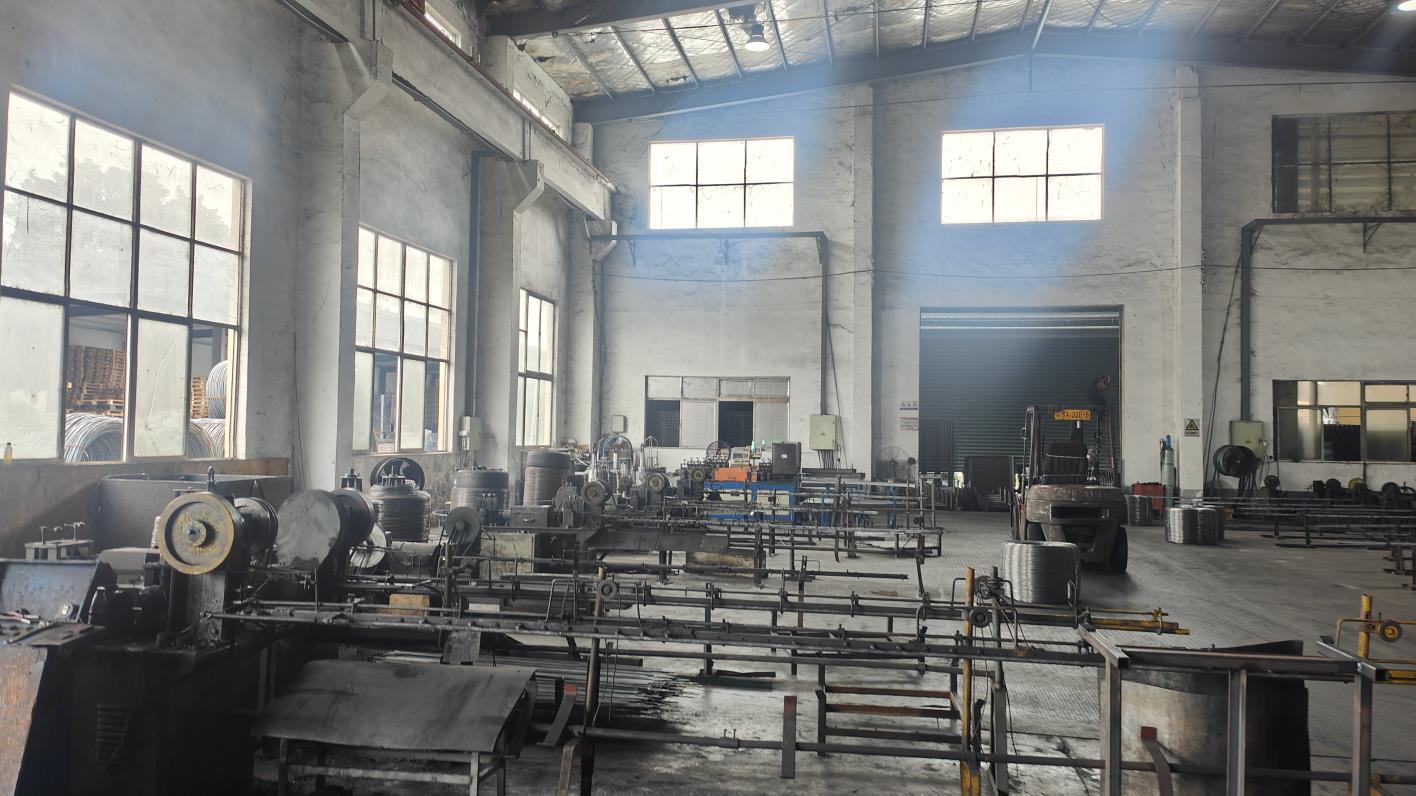
Heavy-duty, high-performance pallet racking and warehouse shelving options engineered for global compliance.
Essential design guidelines, compliance standards, and risk-mitigation strategies for high-capacity warehouse racking.
When selecting industrial shelving, analyzing structural load distribution is critical for warehouse safety. Dynamic loading scenarios—such as high-speed forklift operation and pallet placement variations—exert intense local forces on racking frames. A quality heavy storage system must maintain structural integrity under all planned operational conditions. Key engineering protocols include:
Our quality control program covers the entire production cycle, from raw sheet uncoiling to final paint curing. Every batch of cold-rolled coils undergoes mechanical testing for tensile strength. In addition, our automated welding cells are inspected using non-destructive testing (NDT) to ensure consistent weld penetration. Choosing certified heavy racking systems minimizes workplace risk, ensures regulatory compliance, and protects valuable inventory assets.
Crucial insights on compliance, custom load engineering, surface treatment selection, and safety standards.
 CraftRack