Executive Abstract for Retail Engineers & Procurement Officers: As hypermarkets and warehouse superstores scale globally, the physics of spatial utilization, load distributions, and structural longevity are key margin-drivers. This whitepaper analyzes the mechanical criteria, localizations, and structural innovations behind high-capacity supermarket shelving, engineered by Suzhou CraftRack Heavy Duty Storage Equipment Co., Ltd.
The global retail landscape is undergoing a structural division. On one end, small-format convenience stores require light modular shelving; on the other, warehouse-style superstores (such as Costco, Sam's Club, and Decathlon) demand hybrid systems that serve as both consumer-facing display matrices and heavy industrial racking. Modern superstores operate under a dual-load mandate: they must present products accessibly to the consumer while storing palletized reserve inventory directly above on integrated racks.
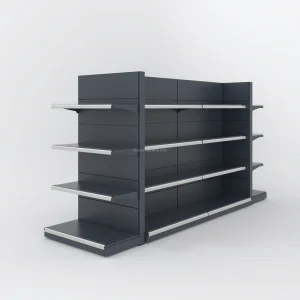
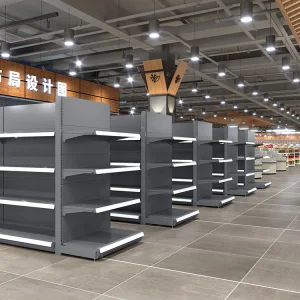
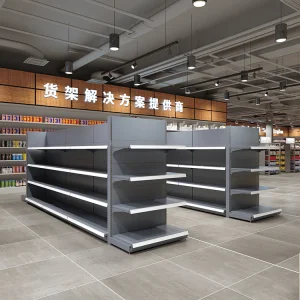
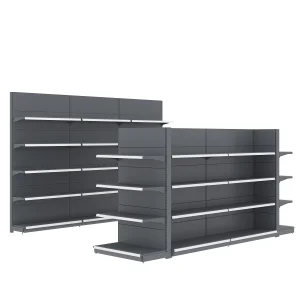
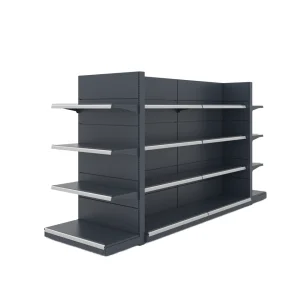
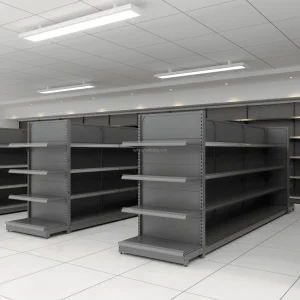
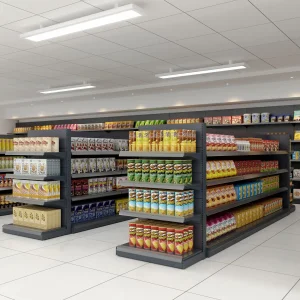
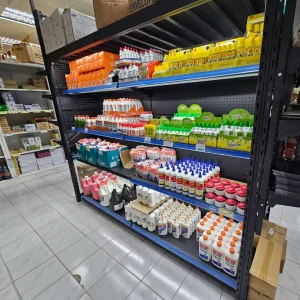
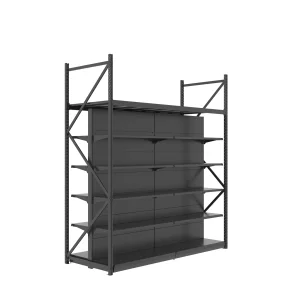
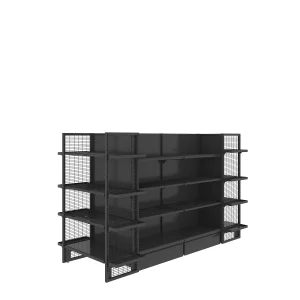
From an engineering standpoint, this hybrid model alters the yield strength and deflection tolerance calculations. Conventional retail displays are rated for uniform loads of 50kg to 80kg per level. In contrast, superstore bays, such as those holding bulk grains, cooking oils, or beverages (e.g., the RD 36# Heavy Double-Sided Q235B Steel Freestanding Rack), must support upwards of 300kg per layer without exceeding the allowable structural deflection ratios (commonly L/300 under international FEM 10.2.02 codes).
Additionally, the globalization of retail supply chains demands that shelf manufacturers design units adaptable to varied architectural geometries, concrete slab tolerances, and local seismic hazards. A failure in the structural integrity of a single gondola run in a high-traffic zone presents severe liability risks, making load ratings, weld quality, and structural stability the core concerns of corporate safety protocols.
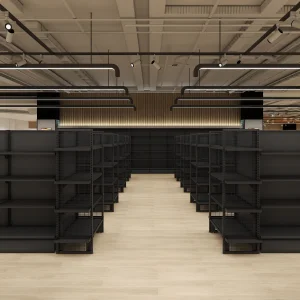
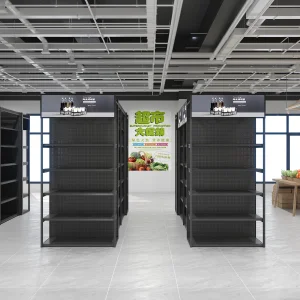
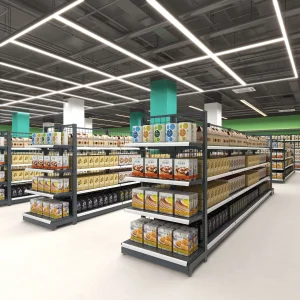
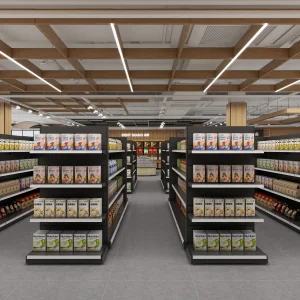
Optimal space utilization requires diverse shelving designs tailored to specific regional consumer patterns and operational environments:
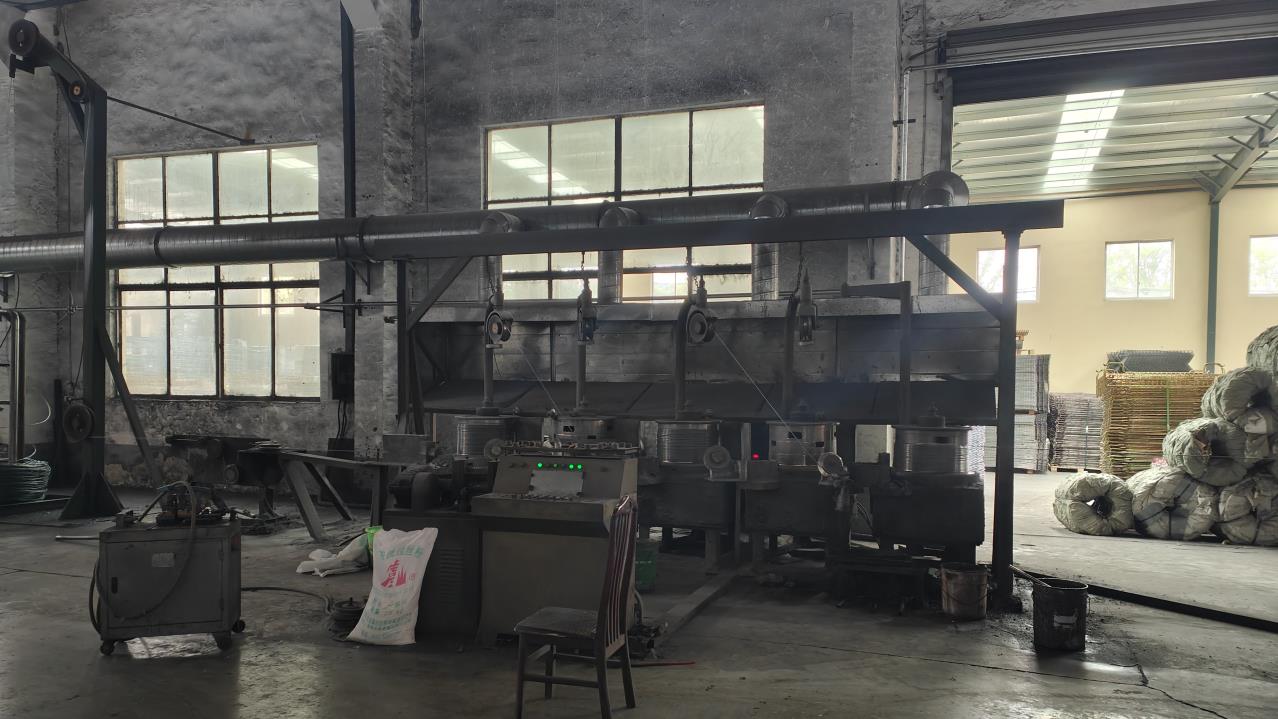
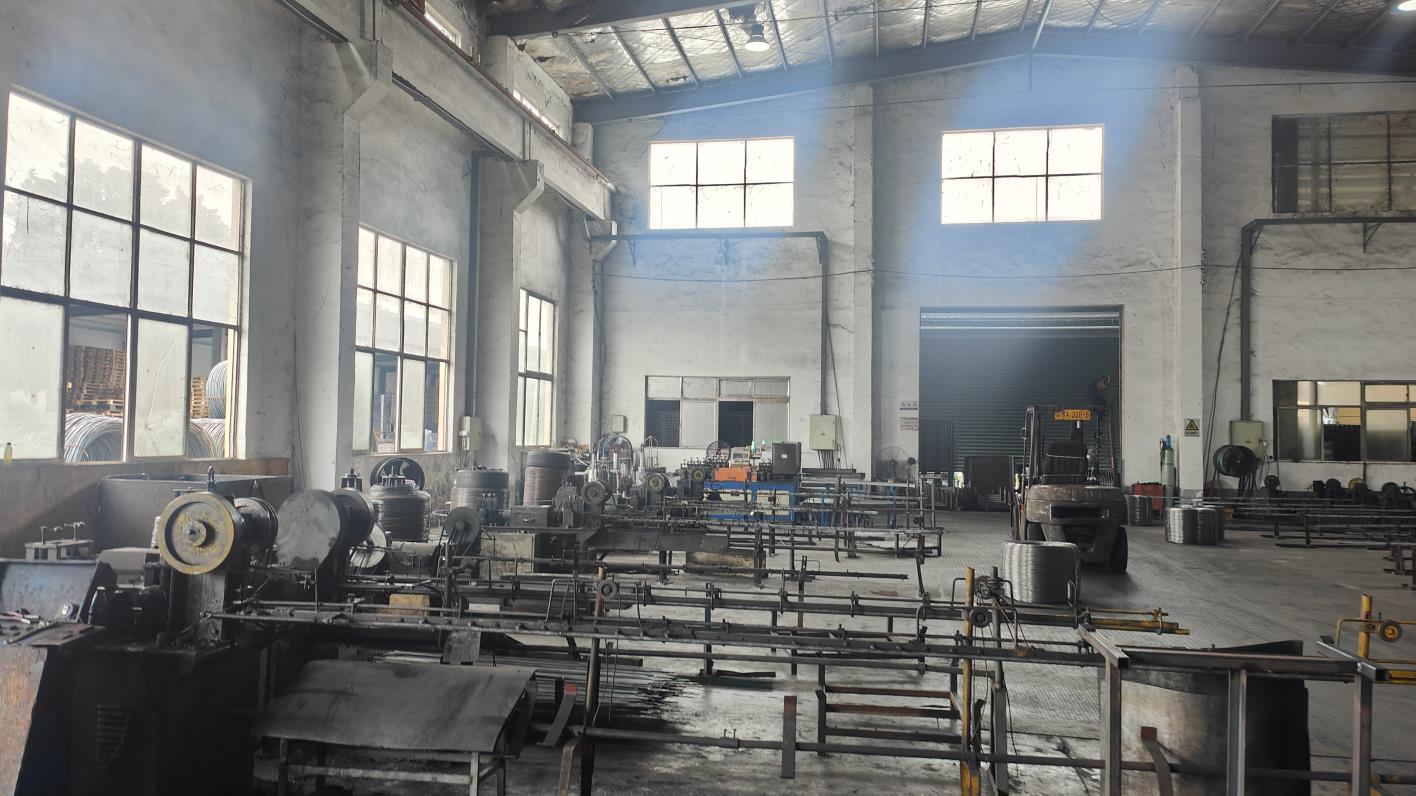
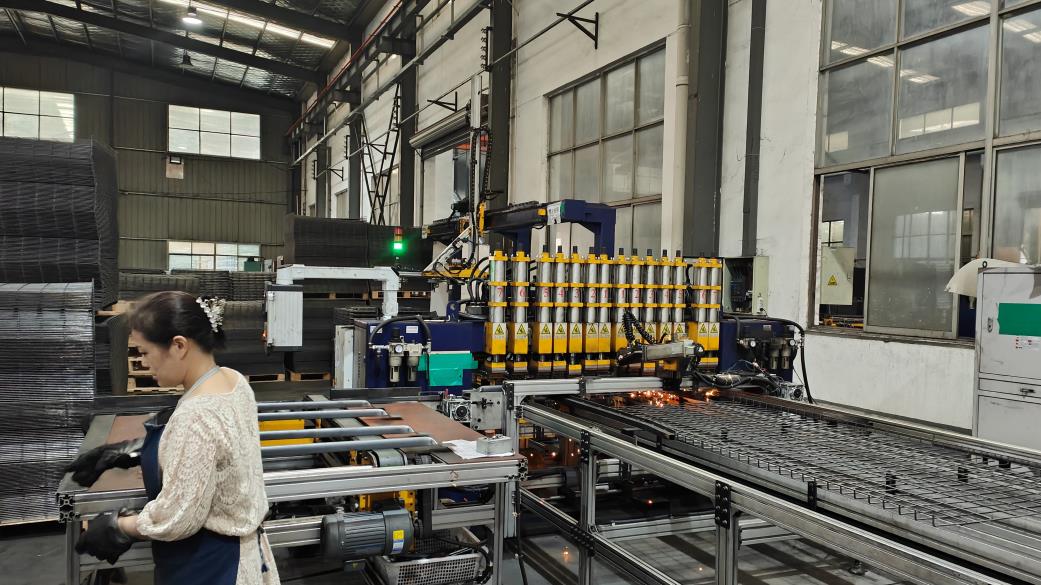
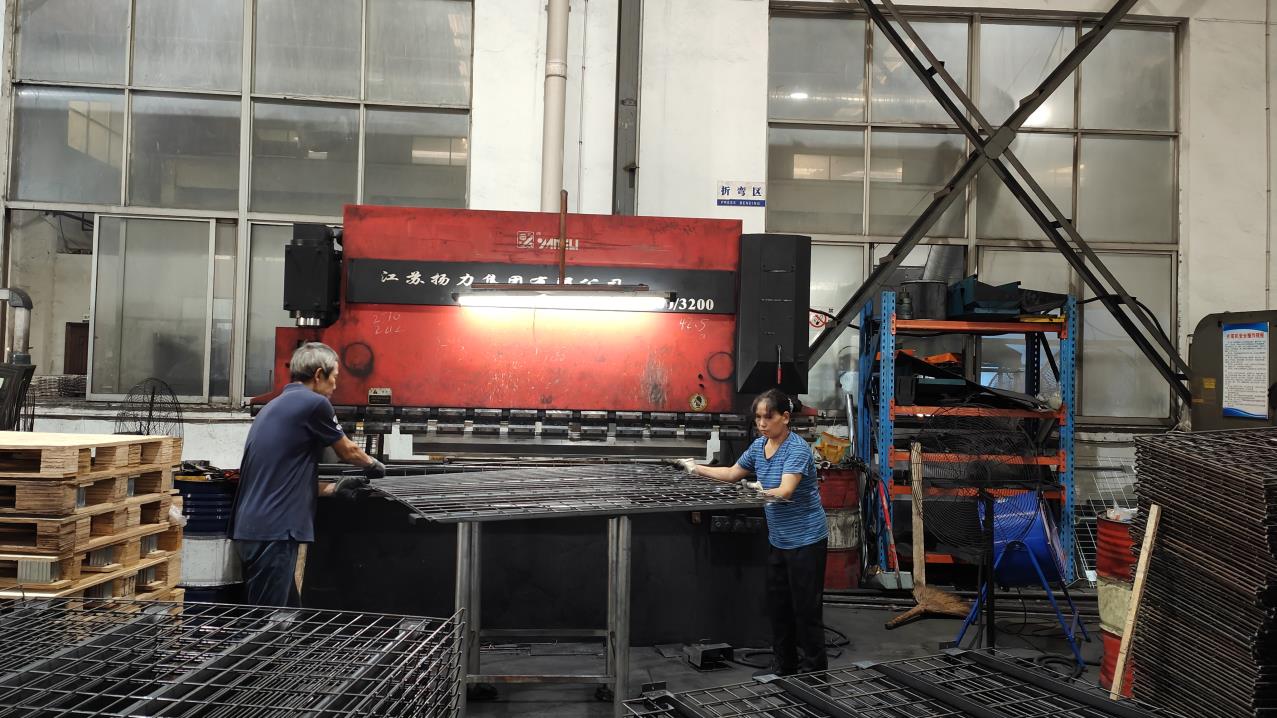
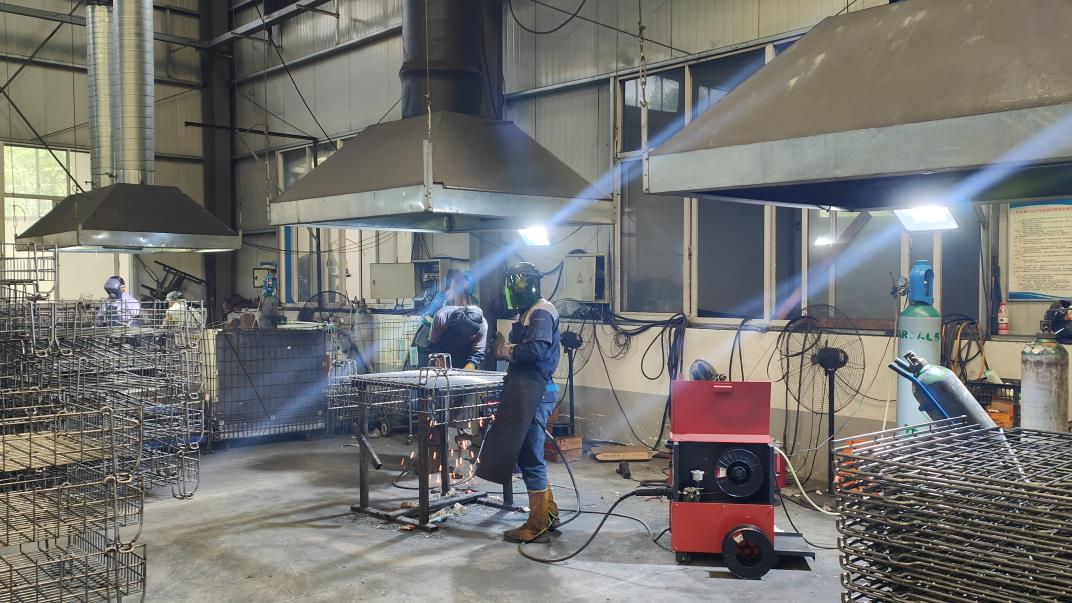
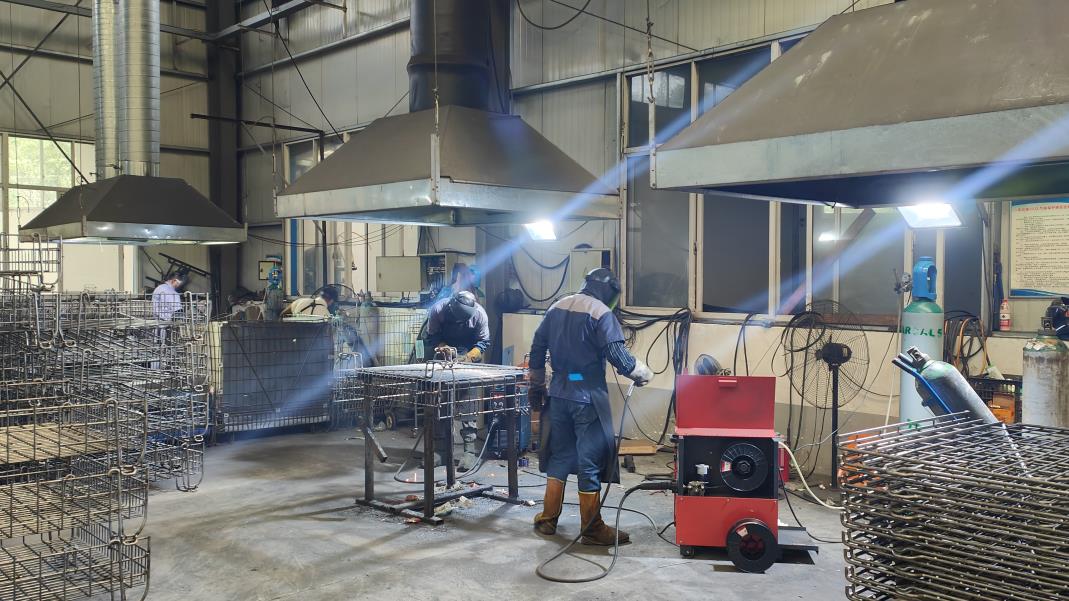
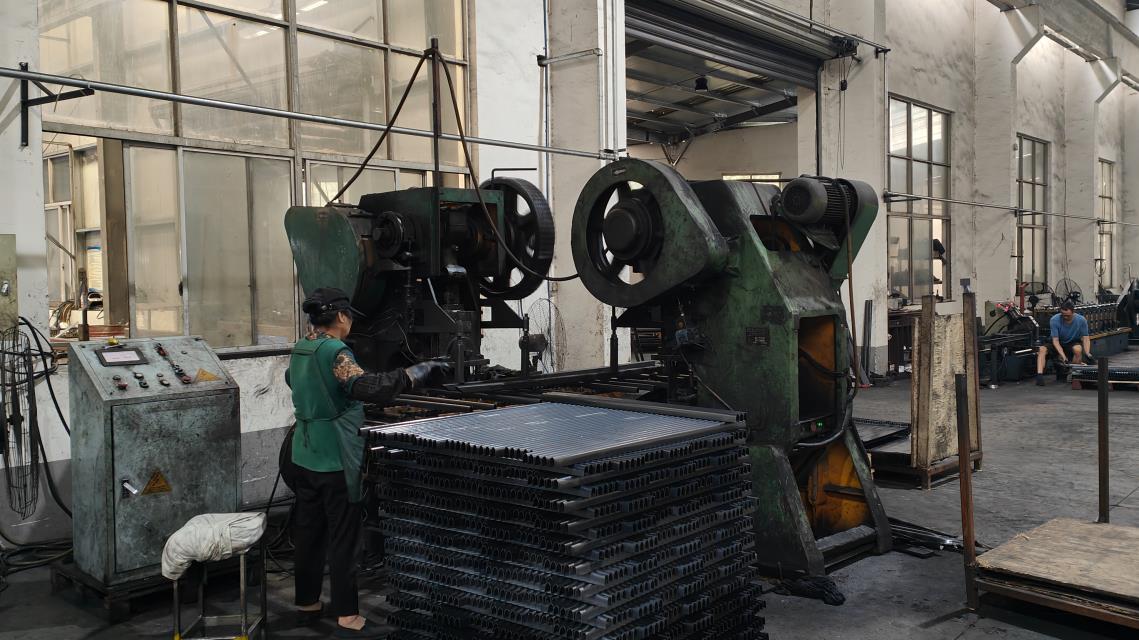
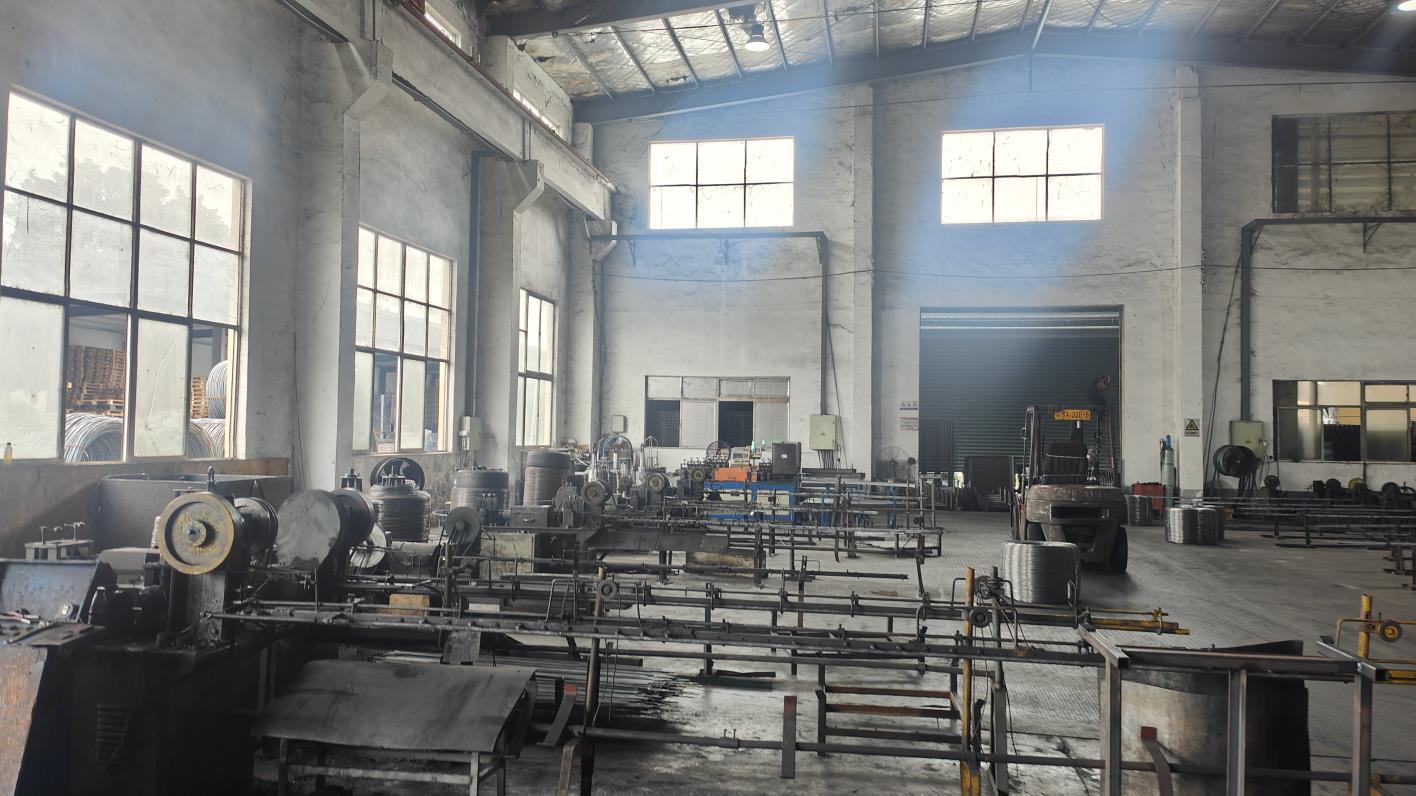
The manufacturing efficiency of premium storage equipment is anchored in regional supply chain clusters. Located in the Yangtze River Delta industrial zone, Suzhou CraftRack Heavy Duty Storage Equipment Co., Ltd. leverages a highly integrated manufacturing model. With a 38,000 m² facility, CraftRack operates within a dense cluster of upstream steel mills, precision tooling providers, and automated coating suppliers.
Our raw material procurement is standardized on premium Q235B cold-rolled steel. This grade is chosen for its ideal ratio of tensile strength to ductility, allowing for uniform load distribution under extreme stresses. Our vertically integrated production process ensures complete quality control over every step:
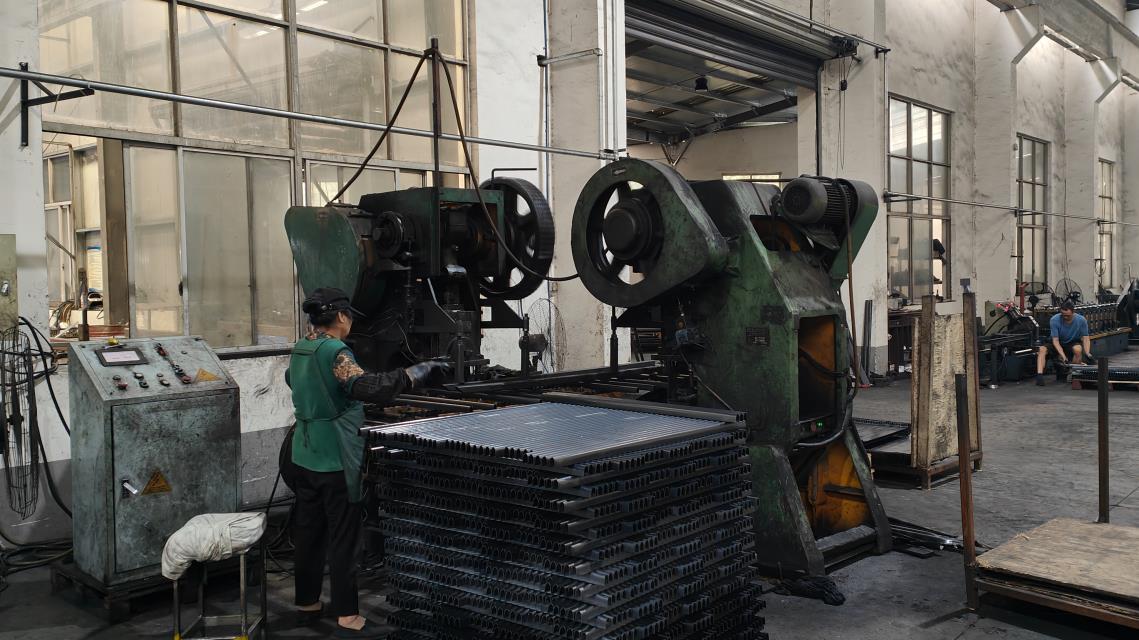
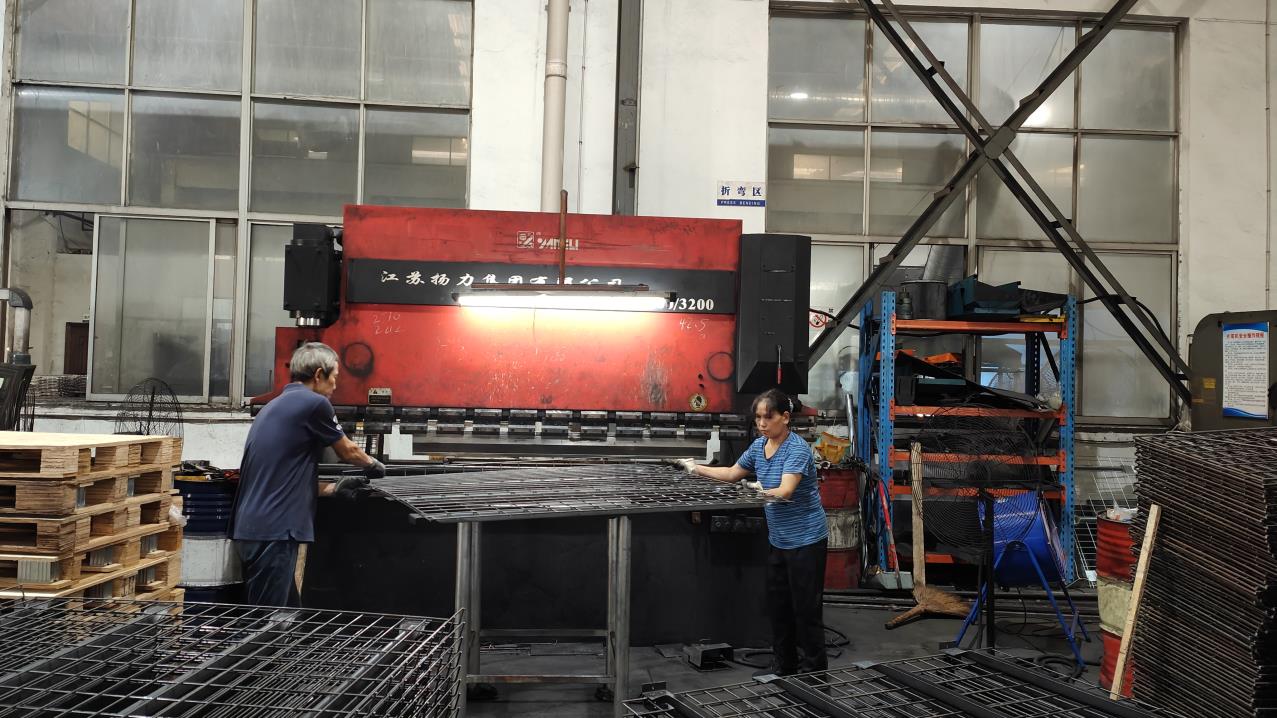
Structural reliability in retail shelving relies on rigorous engineering analysis. At CraftRack, our design department of 32 R&D engineers utilizes Finite Element Analysis (FEA) to simulate real-world physical forces. We analyze upright column geometries, base footplate configurations, and beam connections under static and dynamic loads. This mathematical analysis ensures our racking holds up safely during seismic activity.
For markets in earthquake-prone regions, we supply customized, seismically-rated baseplates, thicker profiles, and floor-anchoring configurations. Our systems utilize high-tensile locking pins to secure beams to uprights, preventing dislodgement from pallet contact. This safety design protects both store personnel and shoppers in high-traffic retail aisles.
Looking ahead, retail display infrastructure is merging with digital asset management. Upright designs are adapting to accommodate electronic shelf labels (ESLs) and digital headers. In automated warehouses, shelving must integrate seamlessly with Robotic Pickers and AGVs (Automated Guided Vehicles).
We are currently engineering smart racks equipped with built-in micro-strain sensors. These sensors detect weight distribution in real-time, alerting managers via cloud interfaces if a shelf is overloaded. Additionally, our R&D team is developing post-consumer recycled steel alloys and eco-friendly, zero-VOC powder coatings to help global retail brands meet their ESG carbon reduction goals.
Deploying major retail racking projects requires compliance with diverse regional building codes and safety regulations. CraftRack provides comprehensive engineering packages, including detailed load calculations and spatial drawings. We align our manufacturing processes with international testing standards, such as RMI (Rack Manufacturers Institute) guidelines for North America and EN 15512 specifications for the European Union. This systematic testing ensures our systems facilitate easy municipal safety sign-offs during new store handovers.
Q235B is carbon structural steel with a yield strength of 235 MPa, ideal for standard double-sided gondolas and medium-duty shelves. Q355B has a yield strength of 355 MPa and is reserved for heavy structural columns and high-bay pallet racking. It provides higher capacity with thinner profiles, reducing overall system weight.
Our quality control process is managed by a team of 45 QC specialists. We utilize Non-Destructive Testing (NDT) and Ultrasonic Weld Inspection on load-bearing joints to identify internal voids or defects, ensuring every batch complies with structural calculations before shipping.
Yes. Our team of 32 R&D engineers designs custom seismic configurations. We perform localized seismic calculations to increase baseplate size, add anchoring points, and reinforce connection points, ensuring compliance with local codes.
Standard OEM/ODM orders require 25 to 35 days from technical approval of the CAD drawings to production completion. Custom powder coat formulations or non-standard steel gauges may extend manufacturing times by 5 to 10 days.
We apply an electrostatic epoxy powder coating over a multi-stage zinc phosphate pre-treatment. This coating is cured at 200°C, producing a dense cross-linked polymer layer that prevents moisture penetration, protecting components from rusting in tropical environments.
 CraftRack