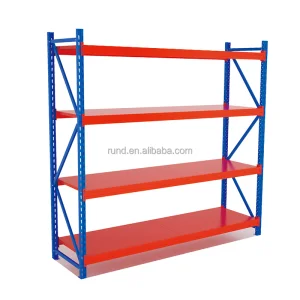
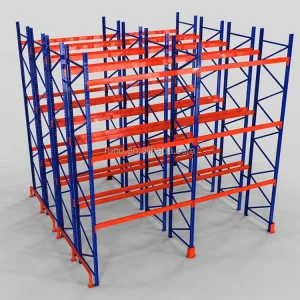
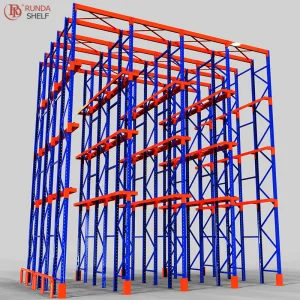
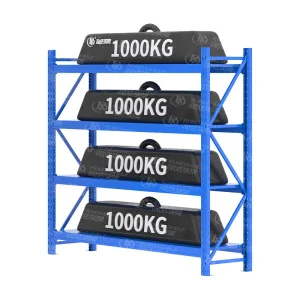
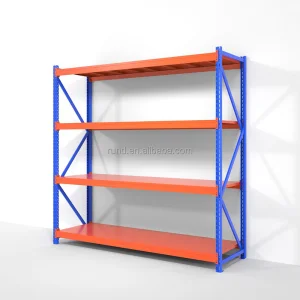
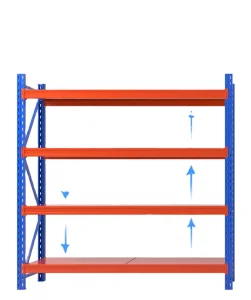
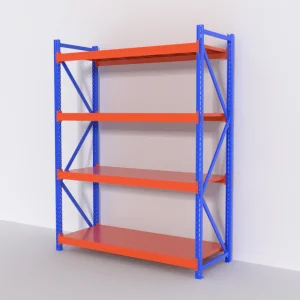
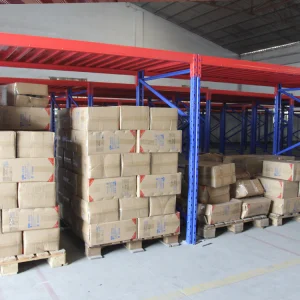
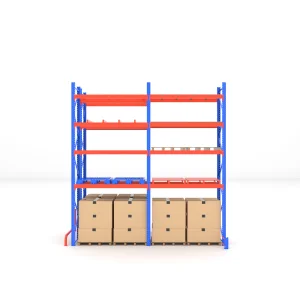
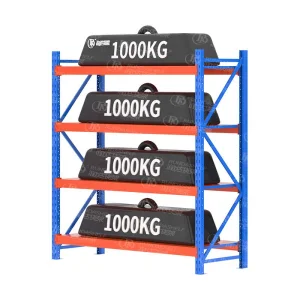
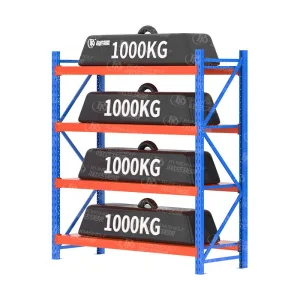
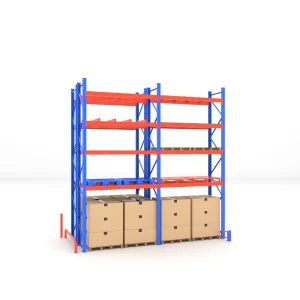
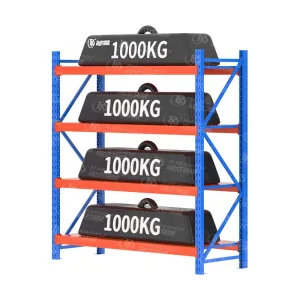
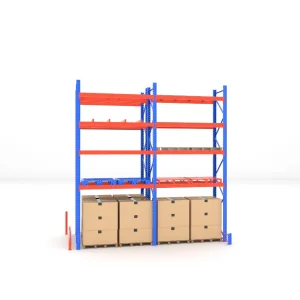
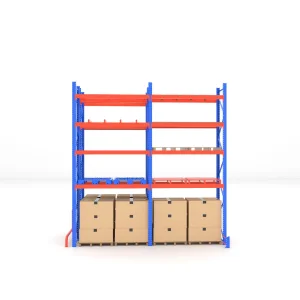
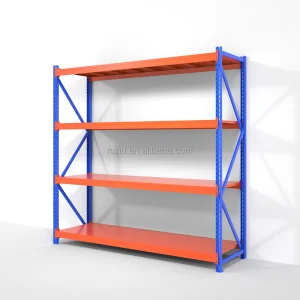
Engineered storage solutions engineered to handle heavy payloads over 500KG per layer
An in-depth review of industrial racking developments, safety parameters, and structural integrity requirements
In modern industrial warehousing, the demands placed on structural racking have increased significantly. As supply chains move faster and real estate becomes more expensive, maximizing density while ensuring safety is critical. Modern high-capacity storage racks (supporting load profiles exceeding 500KG and often ranging up to 3000KG per shelf layer) are no longer simple steel shelves. They are highly engineered, dynamic load-bearing structures designed using advanced structural calculations.
To design these systems, manufacturers must focus on material properties, seismic performance, and structural limits. Selecting raw materials like high-grade steel (e.g., Q235B or Q355B cold-rolled steel profiles) is essential. The structural profile of upright frames and load beams must be engineered to resist both static loads and dynamic operational stresses, such as impacts from forklift loading and unloading. Structural integrity is calculated using finite element analysis (FEA) to confirm that stress concentration points stay well within elastic limits, maintaining a safety margin of at least 1.5 to 2.0 under full capacity.
Global supply chain managers face several challenges when procuring industrial storage systems. Heavy-duty structural integrity must align with regional safety standards, including ANSI/RMI MH16.1 in North America, the EN 15512 standard in Western Europe, and AS4084 in the Asia-Pacific region. These standards govern key performance areas like member buckling, beam deflection ratios (typically restricted to L/200 or L/300 to minimize sag), and load-bearing tolerance under lateral and seismic forces.
Additionally, multinational corporations focus on total cost of ownership (TCO). While the initial purchase price is important, factors like long-term durability, adaptability, and standard compliance have a greater impact on overall value. High-quality corrosion protection, such as electrostatic thermosetting powder coating, helps prevent rust and physical wear. This durability reduces maintenance and replacement costs, ensuring the racking remains safe and functional over a long service life.
We utilize certified high-tensile carbon steel profiles to optimize the strength-to-weight ratio, ensuring maximum load distribution and structural safety.
All load-bearing profiles are designed and tested to comply with international RMI, EN, and AS4084 guidelines, ensuring high reliability under full load.
Engineered with precise dimensional tolerances to support integration with automated cranes, shuttles, and standard material handling machinery.
E-E-A-T Certified OEM & ODM Manufacturing and Global Export Operations
Suzhou CraftRack Heavy Duty Storage Equipment Co., Ltd. was established in 2014. Our facility covers a sprawling building area of 38,000 m², supported by an annual export revenue reaching $28,000,000. Backed by 8 years of annual export experience and 14 years of deep industry expertise, we deliver world-class warehouse logistics solutions worldwide.
Quality is at our core. We implement strict Non-Destructive Testing (NDT) and Ultrasonic Weld Inspection using state-of-the-art product inspection methods, overseen by a dedicated team of 45 QC specialists. Operating with an OEM & ODM direct-manufacturing trade background, our primary markets span North America, Western Europe, and Southeast Asia. We maintain strong ties with over 1,200 supply chain partners, catering mainly to 3PL logistics hubs, large-scale e-commerce fulfillment centers, and industrial manufacturing plants.
Our robust R&D capability centers on Automated Storage and Retrieval Systems (ASRS) & Finite Element Structural Analysis. We offer extensive custom options, including seismic resistance rating, custom load capacity engineering, and specialized powder coating finishes. In the past year alone, we achieved 45 new product launches, driven by a talented team of 32 R&D engineers.
At Suzhou CraftRack, we use a comprehensive engineering approach to ensure our systems perform reliably in demanding conditions. Our R&D team analyzes factors like static loading, transient dynamic impact forces, and seismic accelerations. Using advanced software, we simulate loads and verify frame stability, preventing dynamic buckling and ensuring safety under uneven load distribution.
Our manufacturing processes are designed to meet strict dimensional tolerances. This precision is essential for manual pallet access as well as modern, high-speed automated warehouses (ASRS) and radio shuttle systems, where misalignment of even a few millimeters can cause operational downtime. Using high-quality welding technology, robotic assembly, and automatic powder-coating lines, we produce heavy-duty systems that meet high industry standards.
A look at the precision metalworking and quality-controlled assembly processes behind our heavy-duty industrial shelving
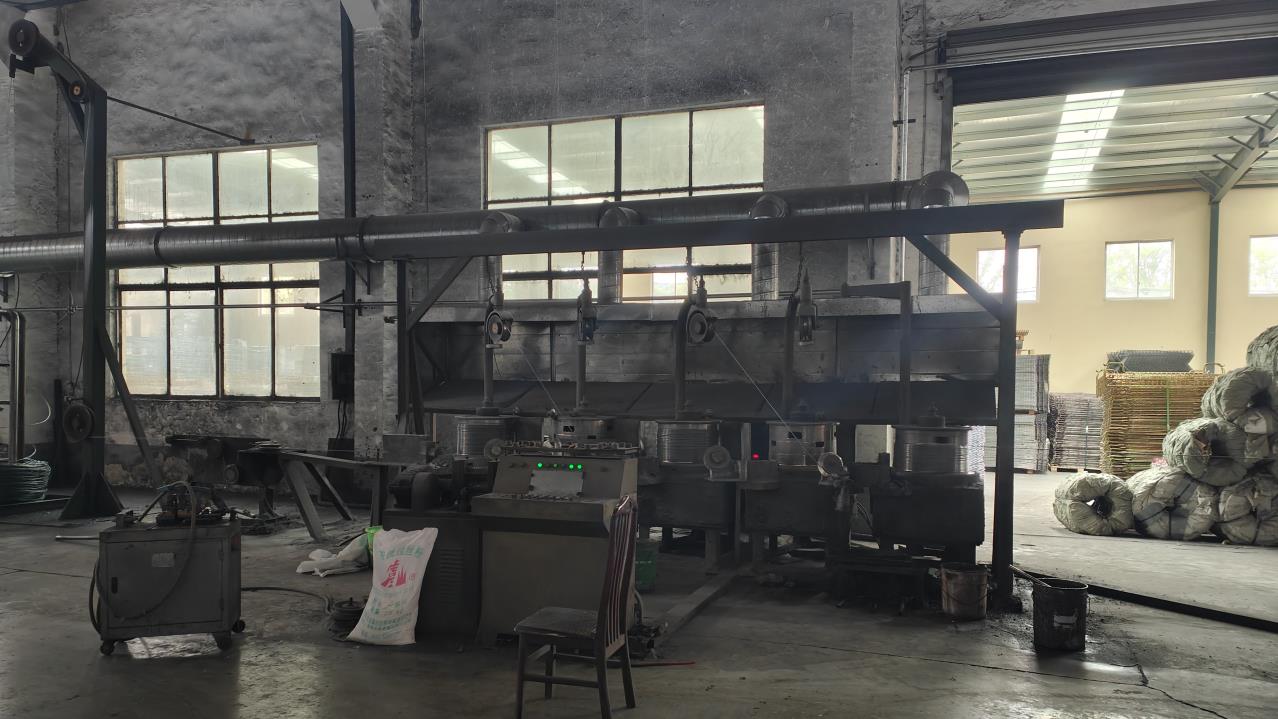
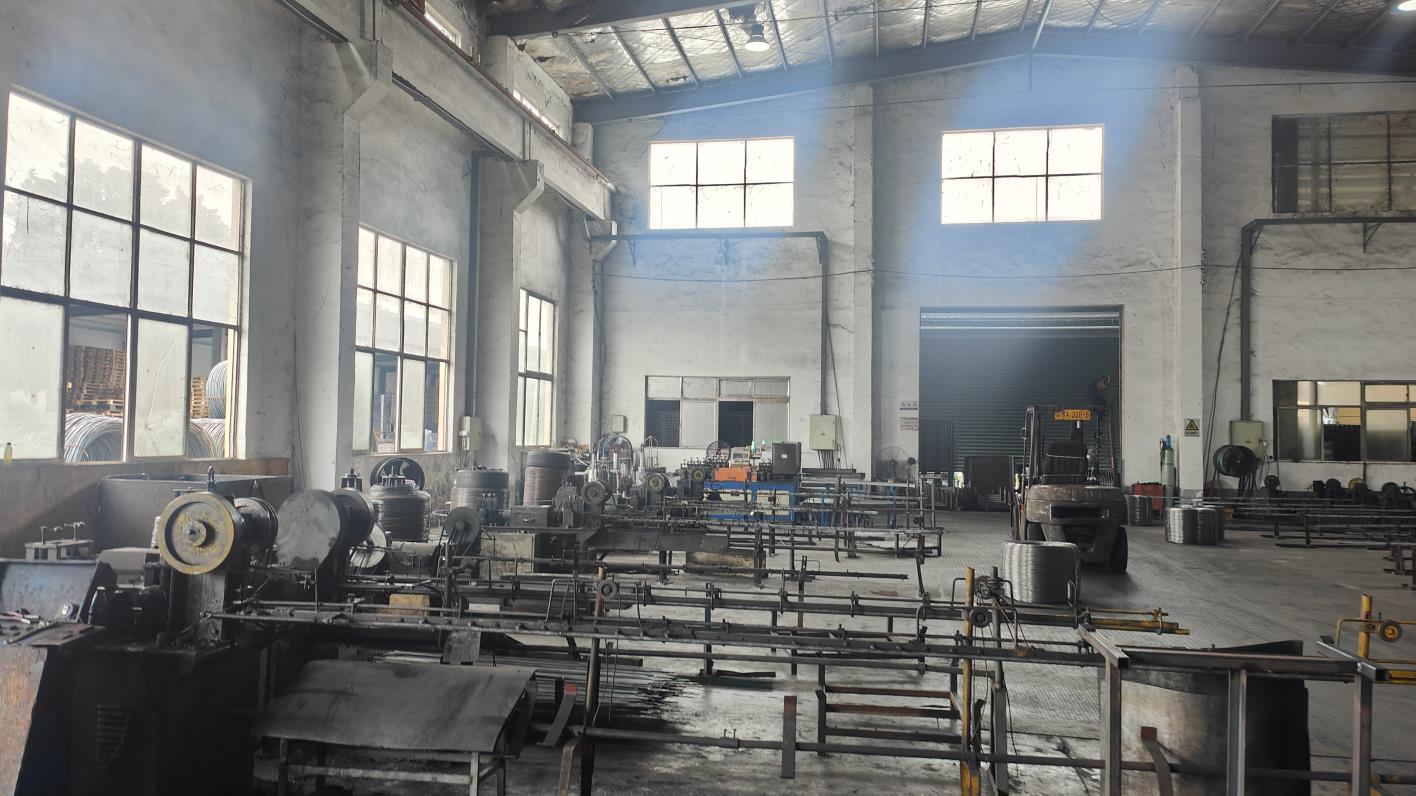
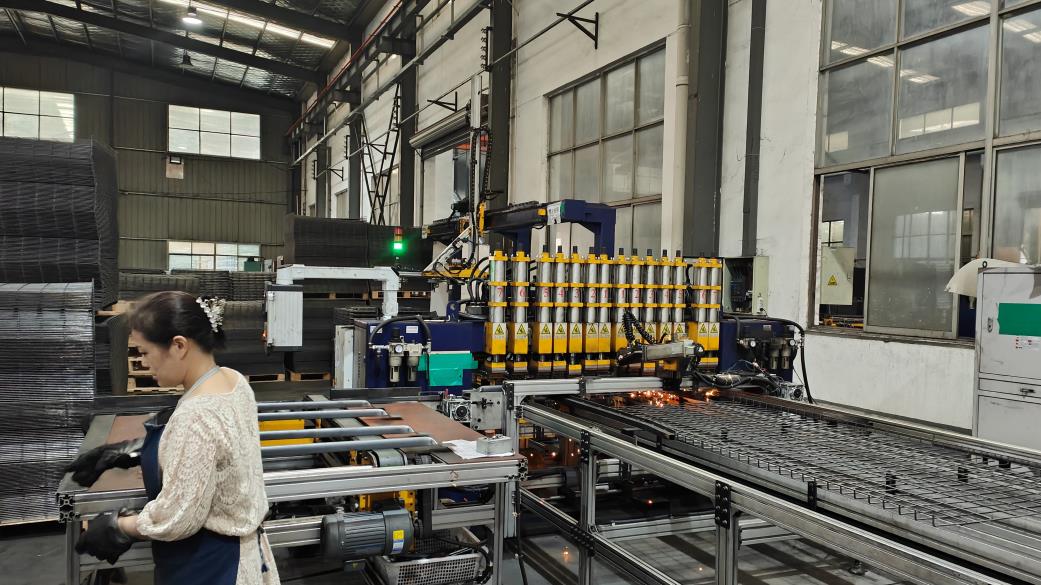
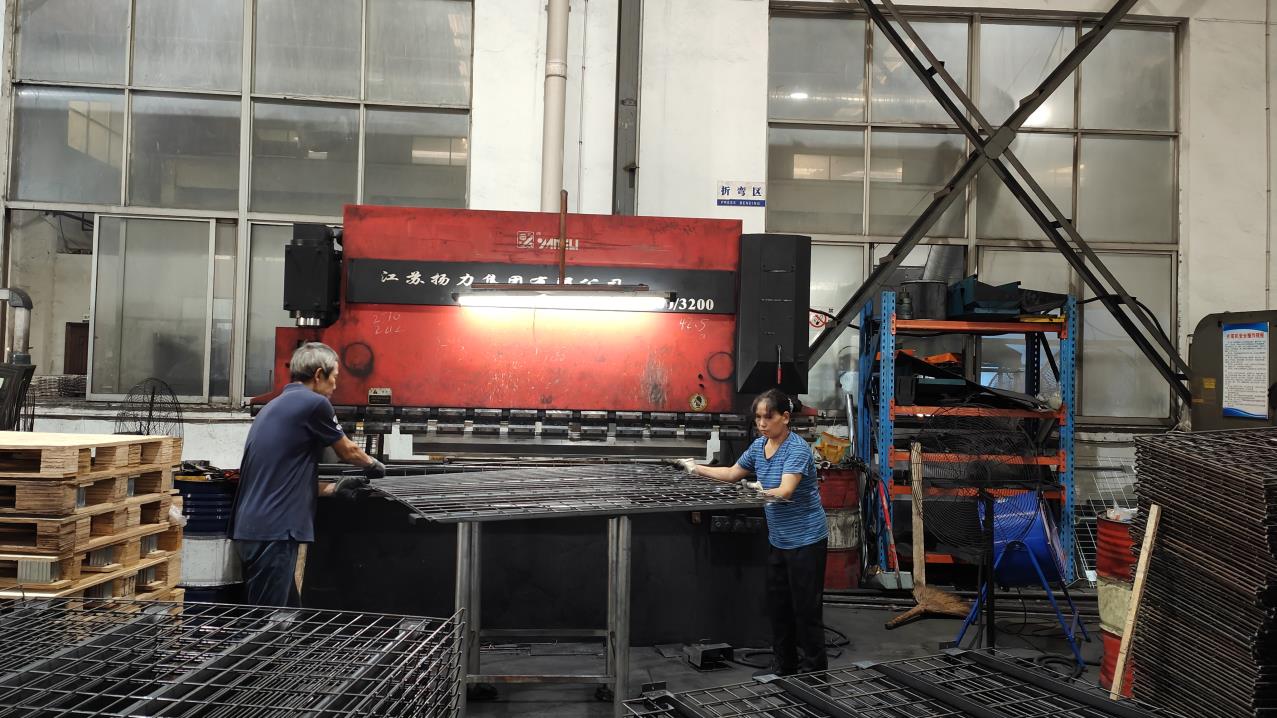
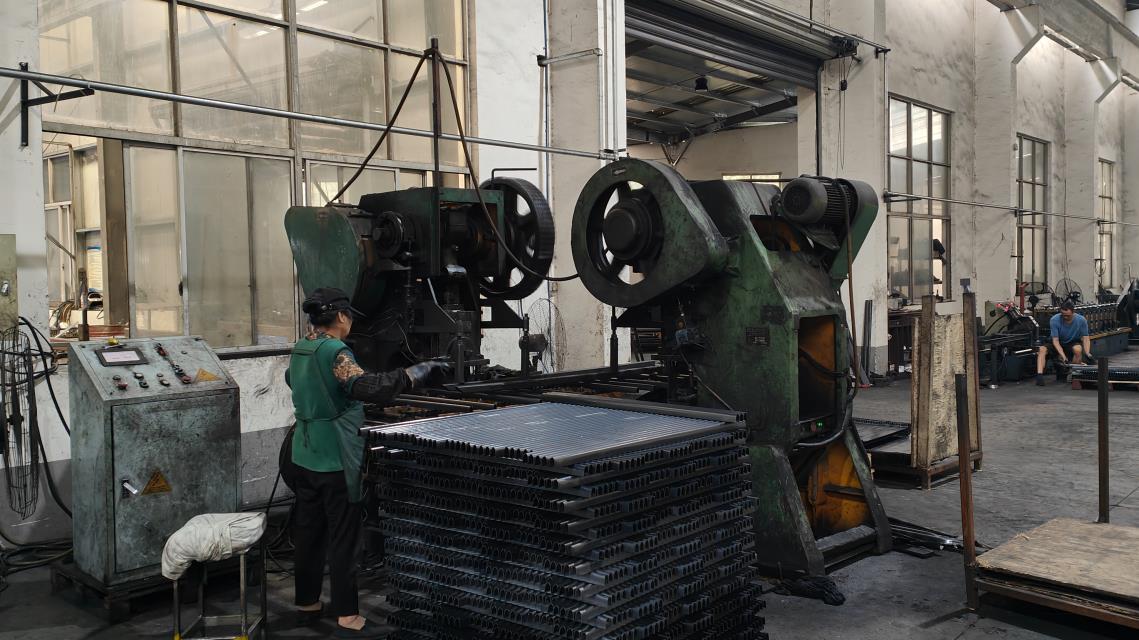
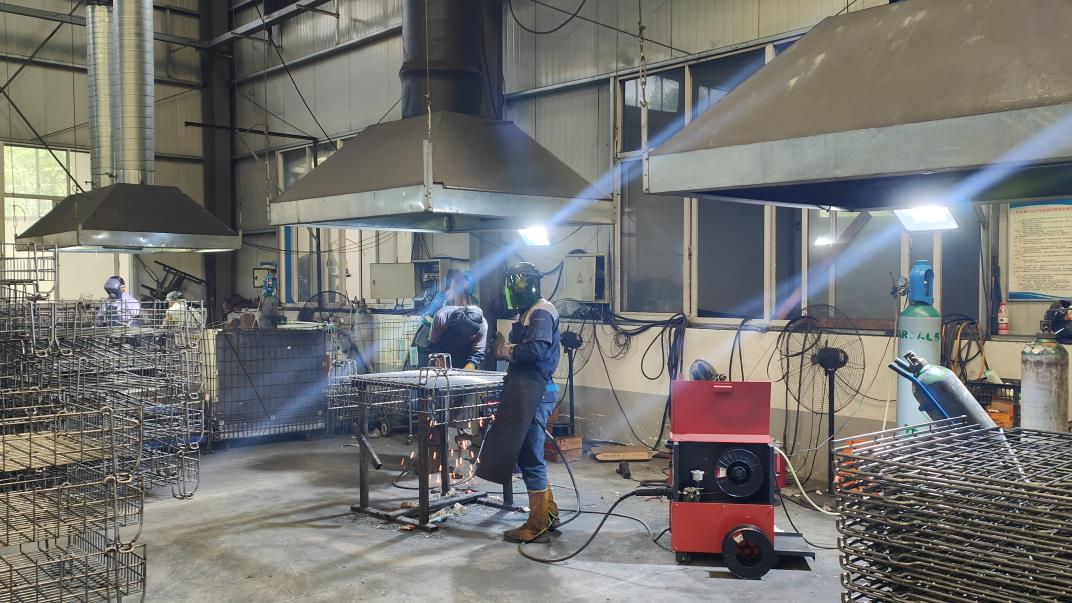
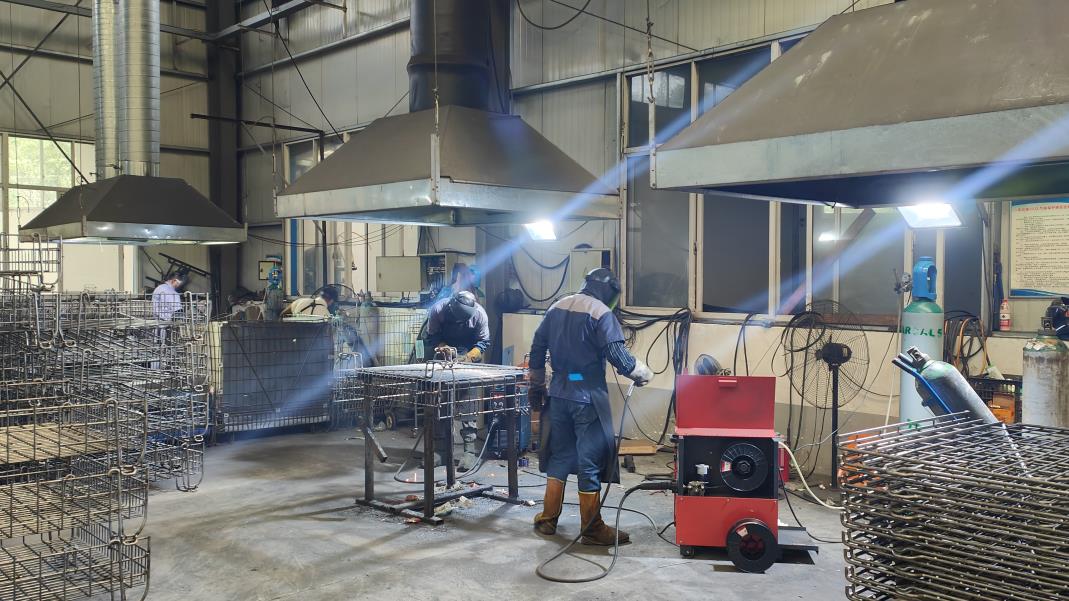
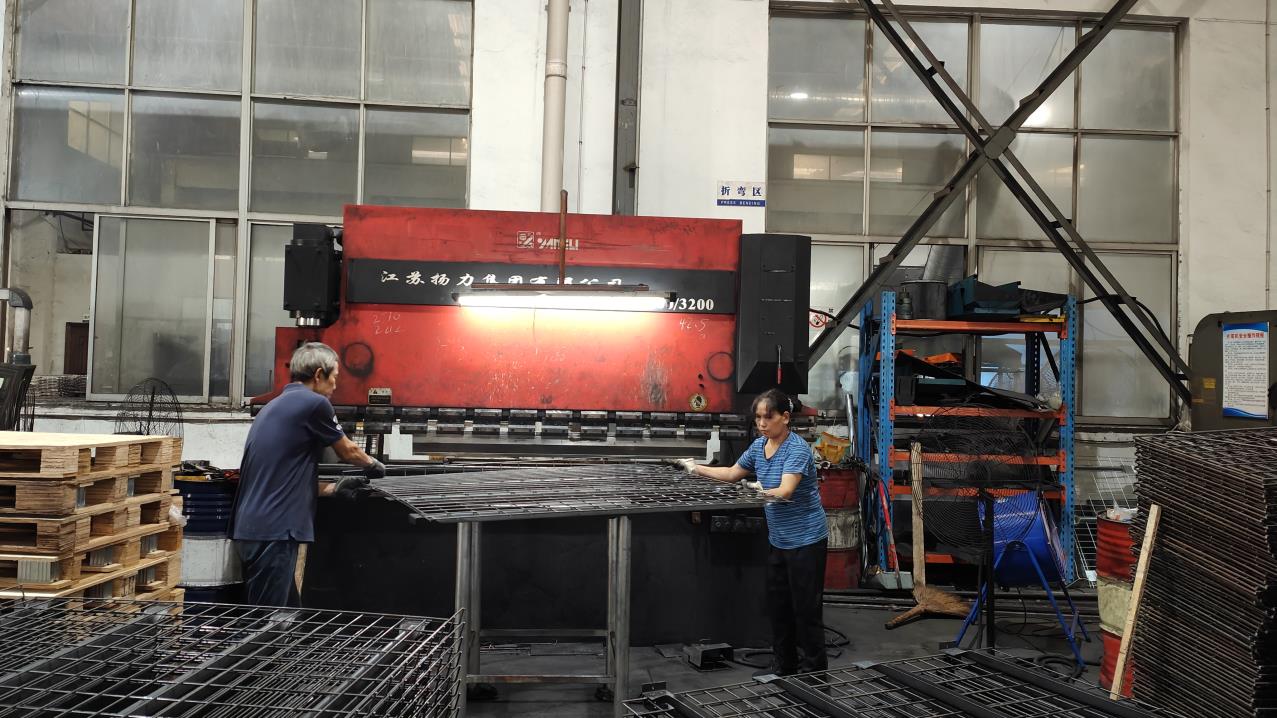
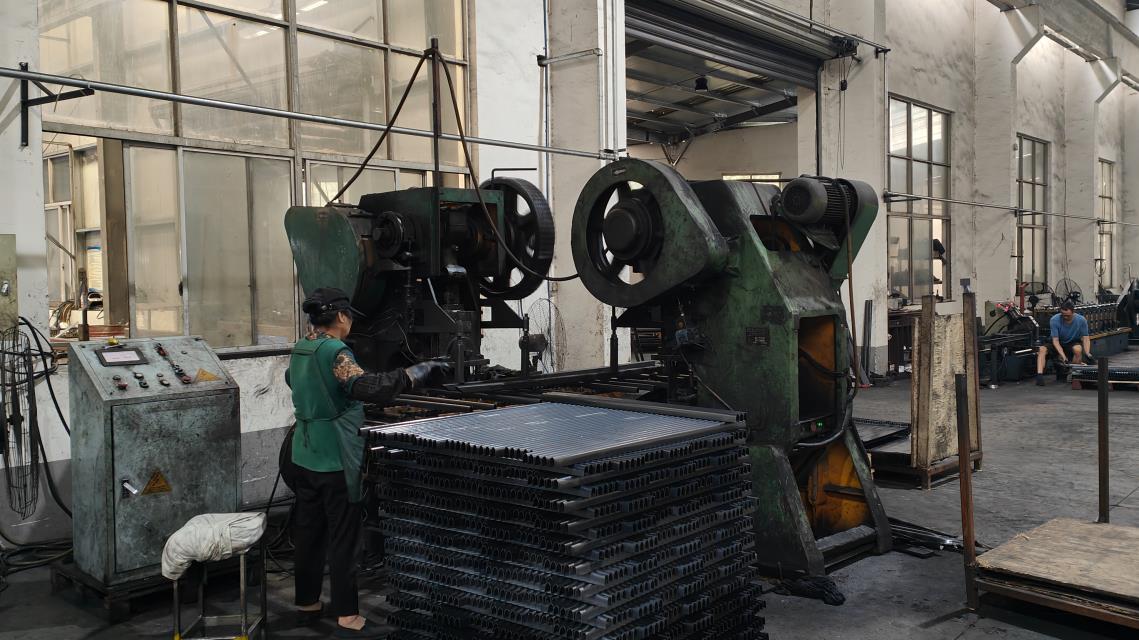
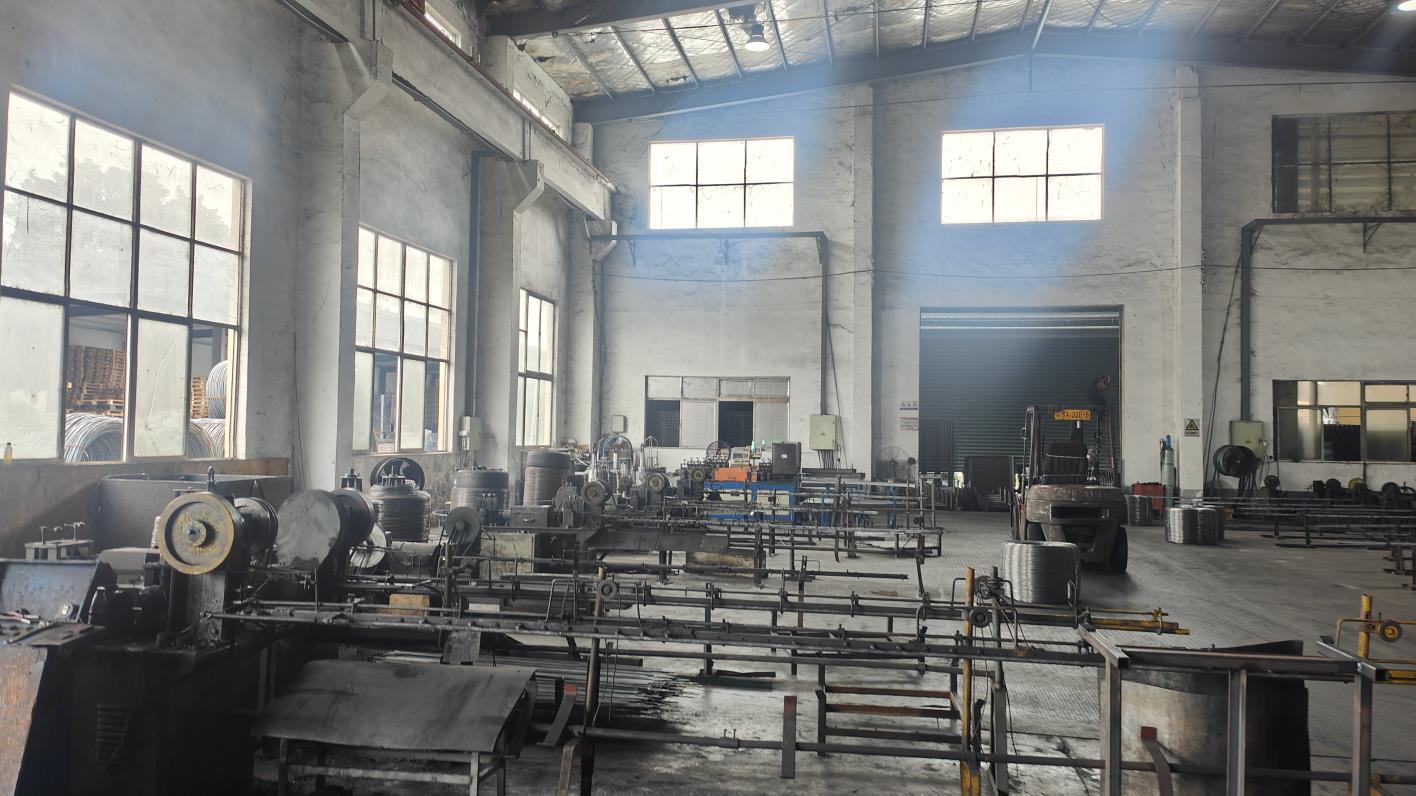
Standardized baseline data for heavy warehouse storage configuration (>500KG capacity)
To ensure high performance and safety in industrial environments, our systems are manufactured to meet clear technical parameters. Below is a summary of the engineering standards, materials, and design tolerances used across our heavy-duty product range:
| Performance Indicator | Technical Metric / Specification | Compliance Standard |
|---|---|---|
| Load Capacity Range | 500 KG to 4,500 KG per level (uniformly distributed load) | EN 15512 / ANSI/RMI MH16.1 |
| Raw Material Grade | High-strength structural carbon steel (Q235B, Q345B, Q355) | ASTM / GB/T 1591 |
| Safety Factor (SF) | Minimum 1.5 up to 2.0 based on load configuration | RMI Standard / FEM 10.2.02 |
| Welding Quality Level | Fully penetrative automated carbon-arc welding with NDT verification | AWS D1.1 / EN ISO 17640 |
| Seismic Resistance | Custom engineered up to Seismic Zone 4 configurations | ASCE 7 / UBC / CBC |
| Deflection Limit | Maximum L/200 to L/300 under full load capacity | FEM 10.2.02 / AS4084 |
| Surface Protection | 60-90 micron electrostatic thermosetting epoxy-polyester coating | ISO 9227 (Salt Spray Resistance) |
Expert answers addressing the primary design, safety, and logistical questions of industrial engineers and procurement managers
Heavy duty systems, structural accessories, and customized industrial solutions
 CraftRack