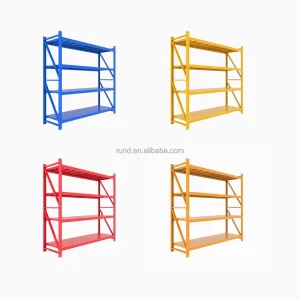
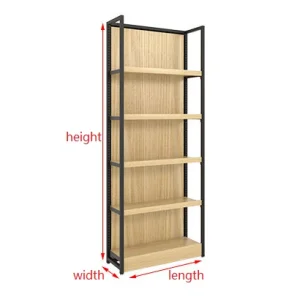
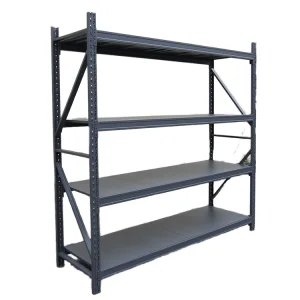
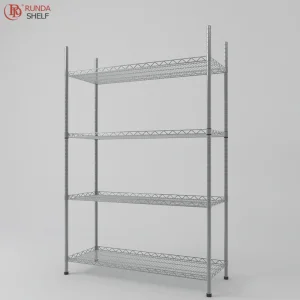
Information Gain Insight: While typical industrial racking is designed for climate-controlled environments, outdoor deployment introduces complex physical loading variables: non-uniform wind-shear forces, thermal expansion/contraction cycle fatigue, and accelerated electrochemical corrosion. Selecting the appropriate structural profiles and protective metallurgy is critical to preventing catastrophic collapse and maintaining absolute supply chain velocity.
For modern logistics managers, municipal project leads, and industrial engineers, procurement of outdoor storage equipment cannot be treated as a commoditized shelf purchase. Heavy-duty structures situated outdoors are subject to environmental degradation mechanisms that indoor warehouses do not experience. Under the standards defined by the American National Standards Institute (ANSI) and European Norms (EN), structural integrity calculations must account for regional seismic coefficients and local wind loads, alongside maximum static and dynamic mass profiles. Establishing a baseline of reliable manufacturing expertise is essential to minimize liabilities and secure long-term physical asset lifespans.
Outdoor storage equipment is vulnerable to UV radiation, relative humidity spikes, chemical pollutants, and salt-mist exposure in coastal ports. High-quality systems counter these threats by utilizing specialized powder coatings, zinc-rich primers, and hot-dip galvanization processes. For extreme conditions, using heavy-duty stainless steel (SUS304 or SUS316) provides inherent protection against oxidation and chemical wear.
Finite Element Analysis (FEA) is utilized to simulate wind forces, snow loads, and seismic activities. This level of planning ensures that structural steel frames remain stable under unpredictable stress, helping to safeguard inventory, material handling equipment, and, most importantly, warehouse staff.
Enterprise logistics hubs depend on reliable racking to keep operations moving efficiently. Racking systems are designed to integrate seamlessly with various material handling setups, such as:
Established in 2014, Suzhou CraftRack Heavy Duty Storage Equipment Co., Ltd. has developed into a recognized global manufacturer of advanced warehouse logistics and heavy-duty storage systems. Operating from a modern 38,000 m² facility, the company supports a broad supply chain network with an annual export revenue of $28,000,000. Supported by 8 years of annual export experience and 14 years of deep industry expertise, CraftRack designs and delivers robust storage systems tailored for international markets.
CraftRack maintains high standards of quality through systematic Non-Destructive Testing (NDT) and Ultrasonic Weld Inspection, overseen by 45 QC specialists. As an experienced OEM & ODM direct-manufacturer, the company serves primary markets in North America, Western Europe, and Southeast Asia. CraftRack maintains strong ties with over 1,200 supply chain partners, catering mainly to 3PL logistics hubs, large-scale e-commerce fulfillment centers, and industrial manufacturing plants.
R&D activities focus on Automated Storage and Retrieval Systems (ASRS) & Finite Element Structural Analysis (FEA). Standard custom options include seismic resistance rating, custom load capacity engineering, and specialized powder coating finishes. Reflecting a commitment to continuous product development, the company completed 45 new product launches last year, supported by a specialized team of 32 R&D engineers.
Our Suzhou facility uses automated production lines to maintain dimensional accuracy and structural strength across all racking components. Below is an overview of our main workflow stages and specialized production equipment:
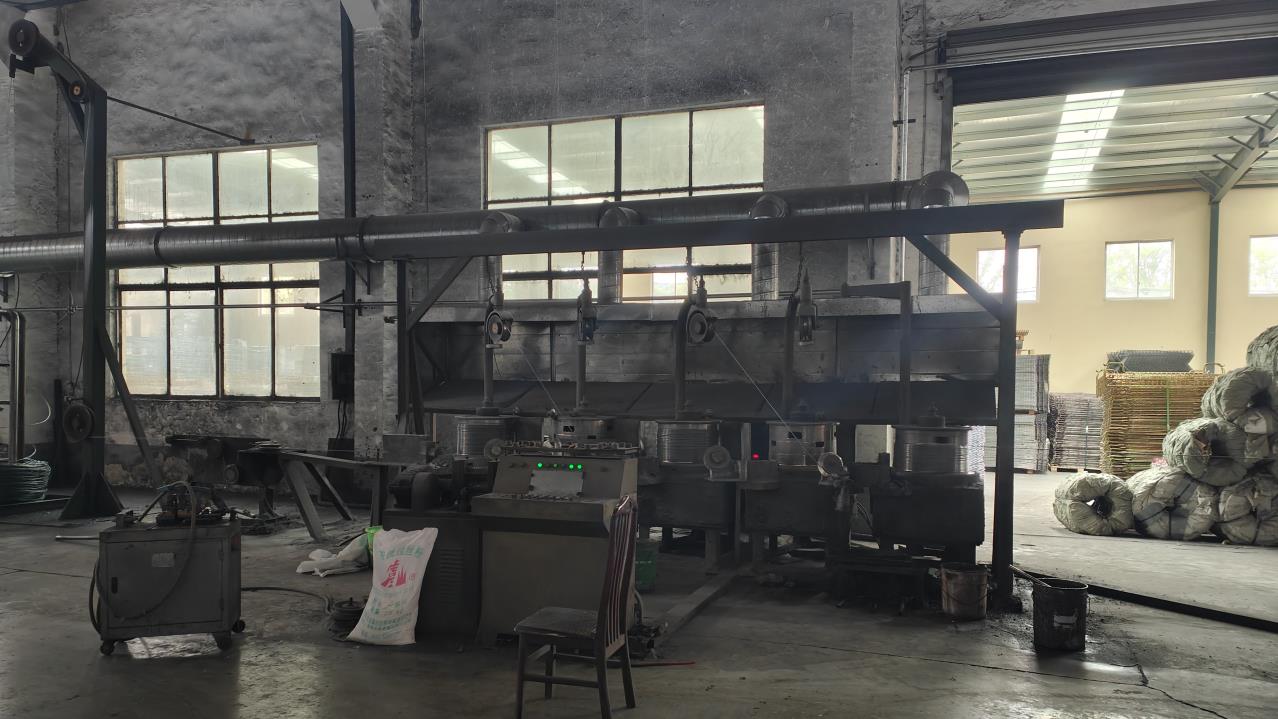
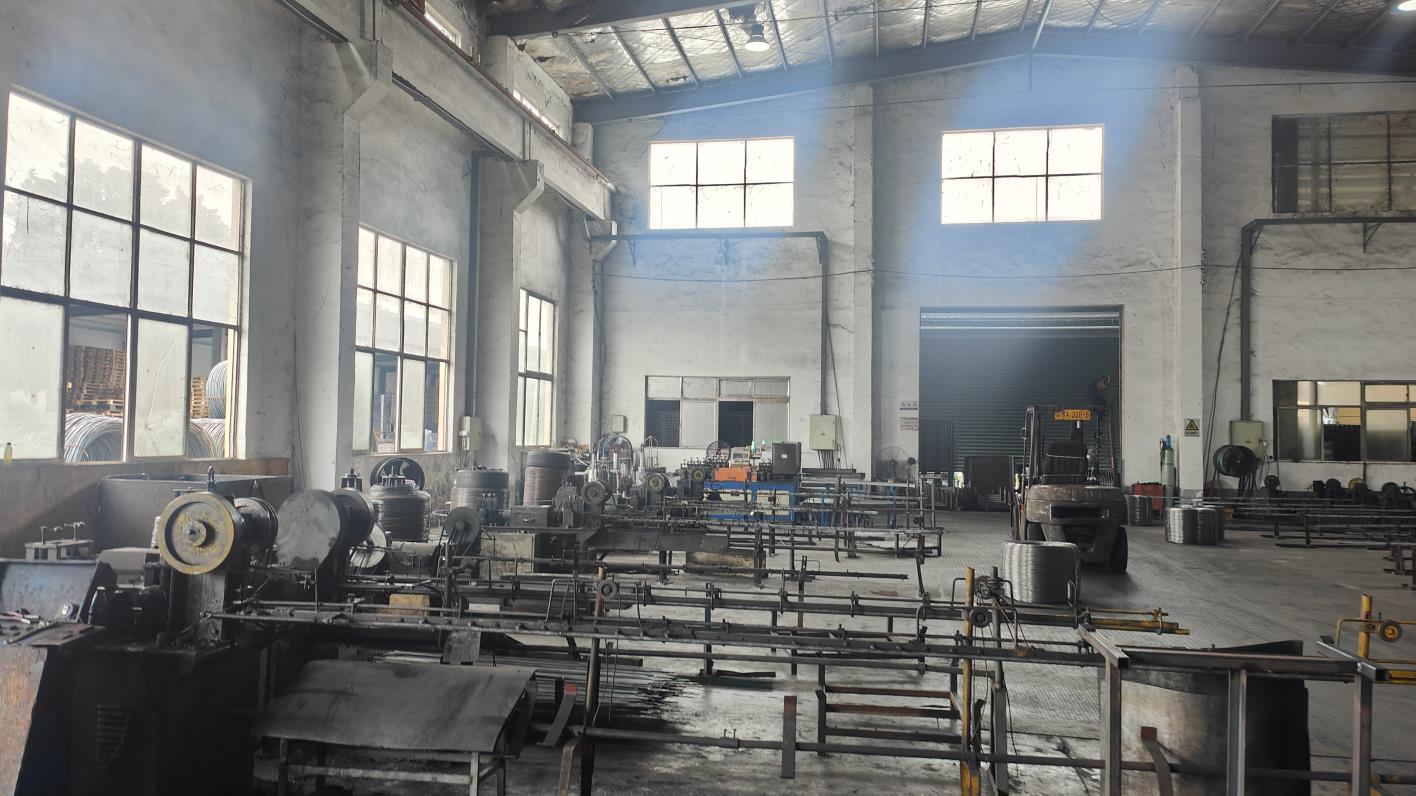
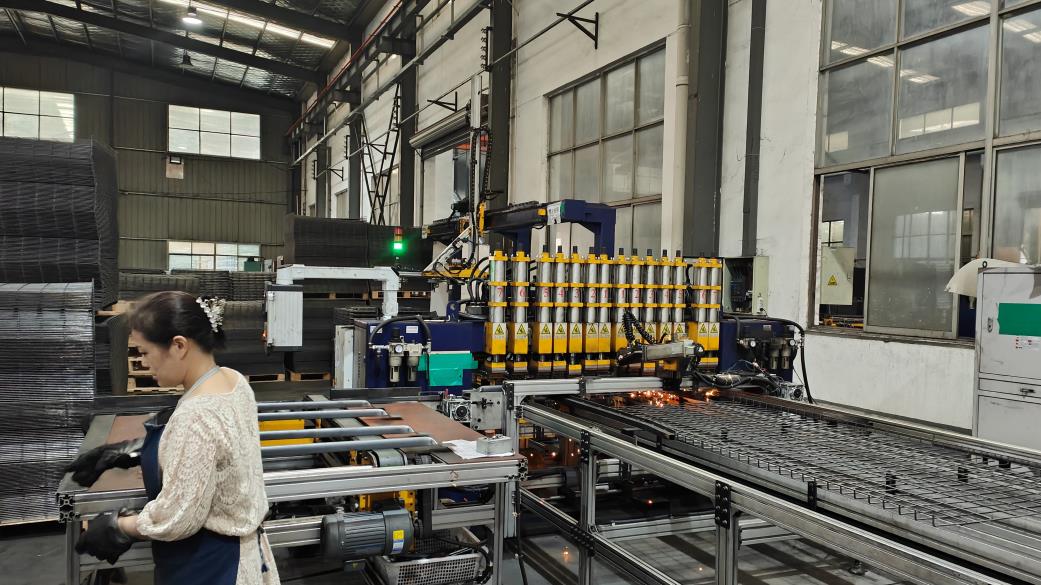
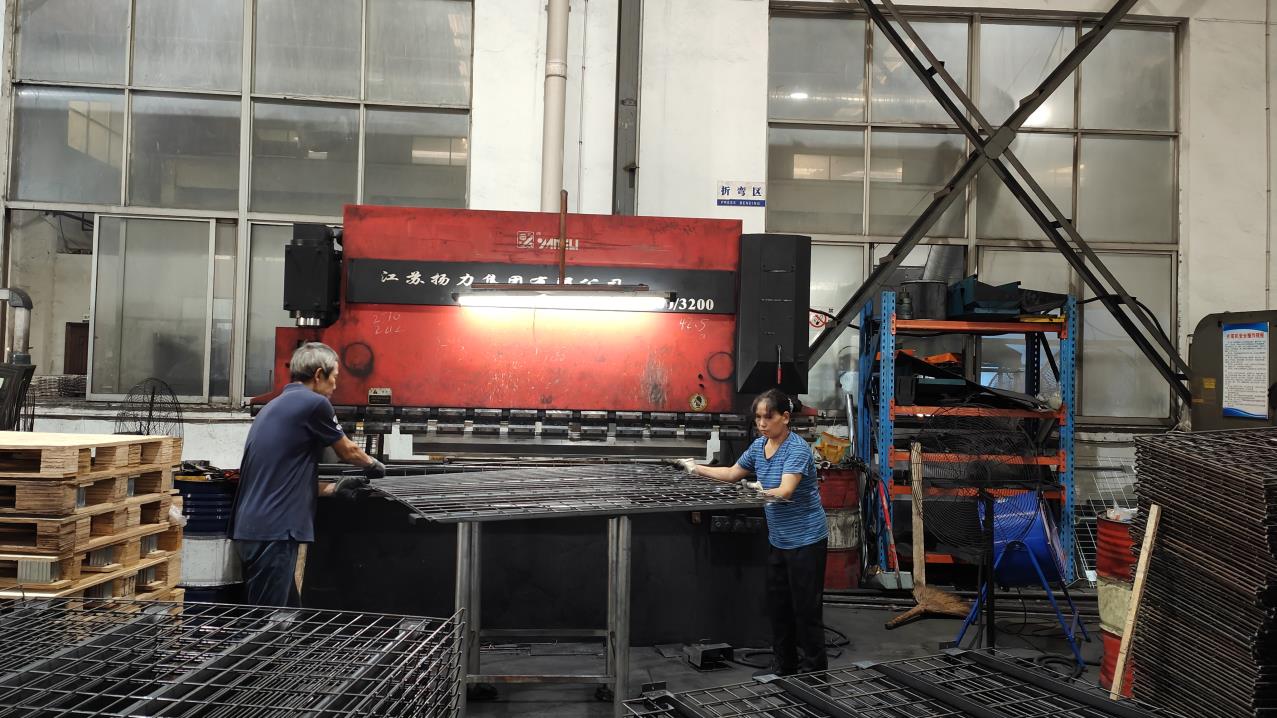
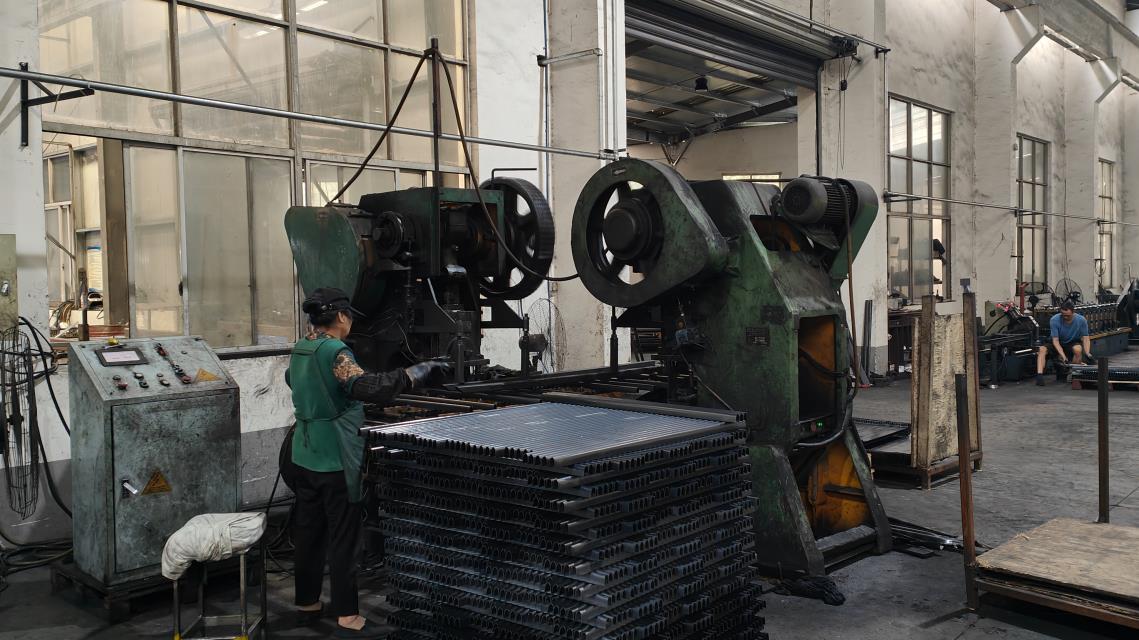
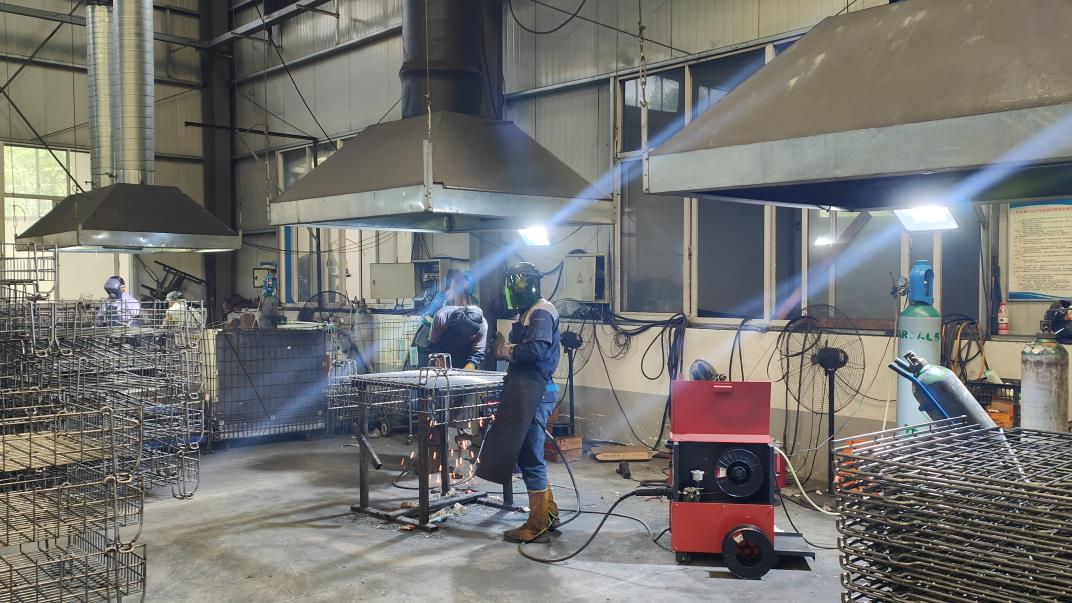
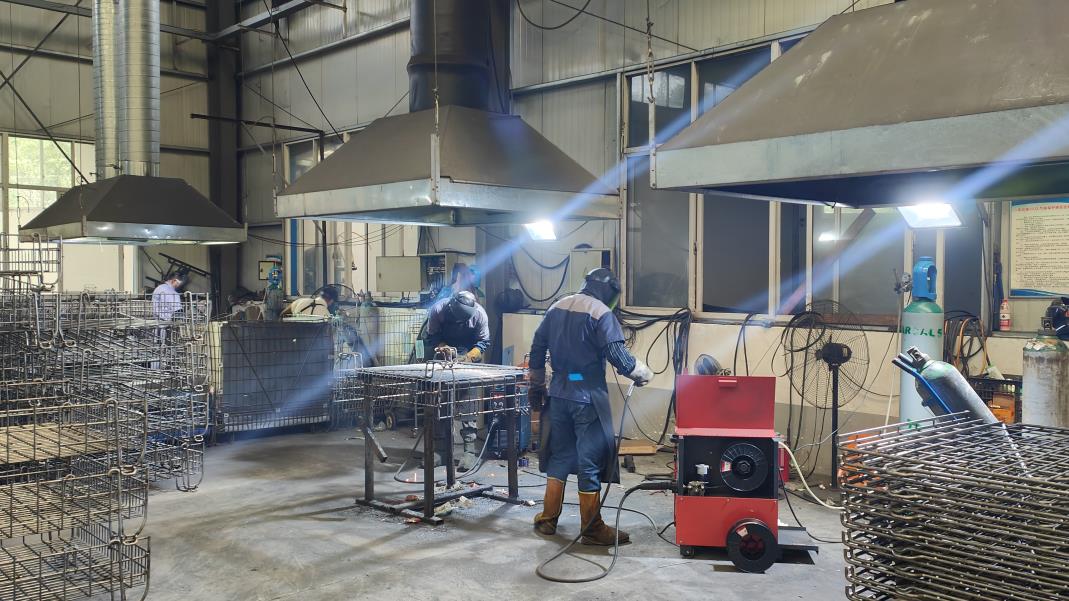
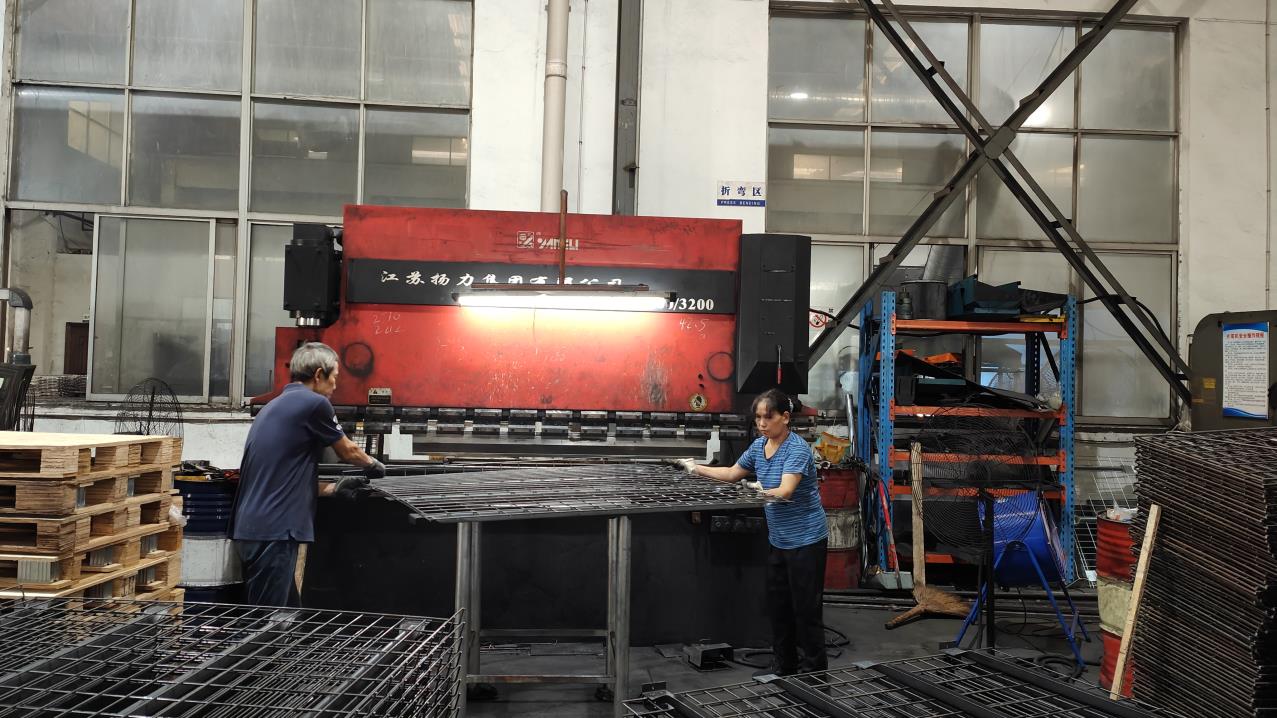
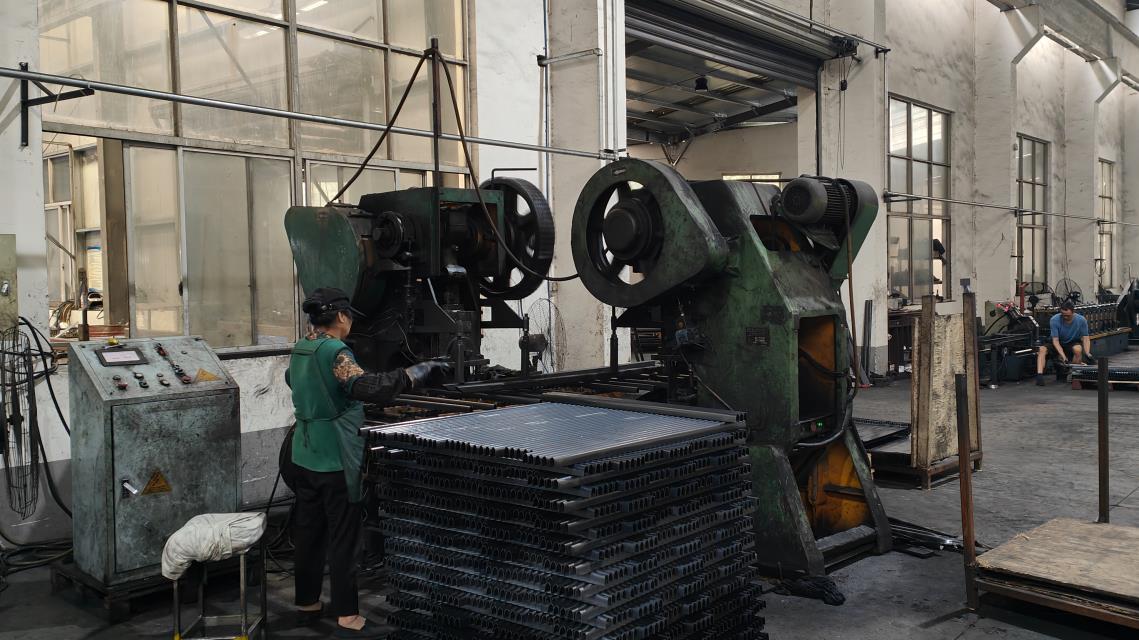
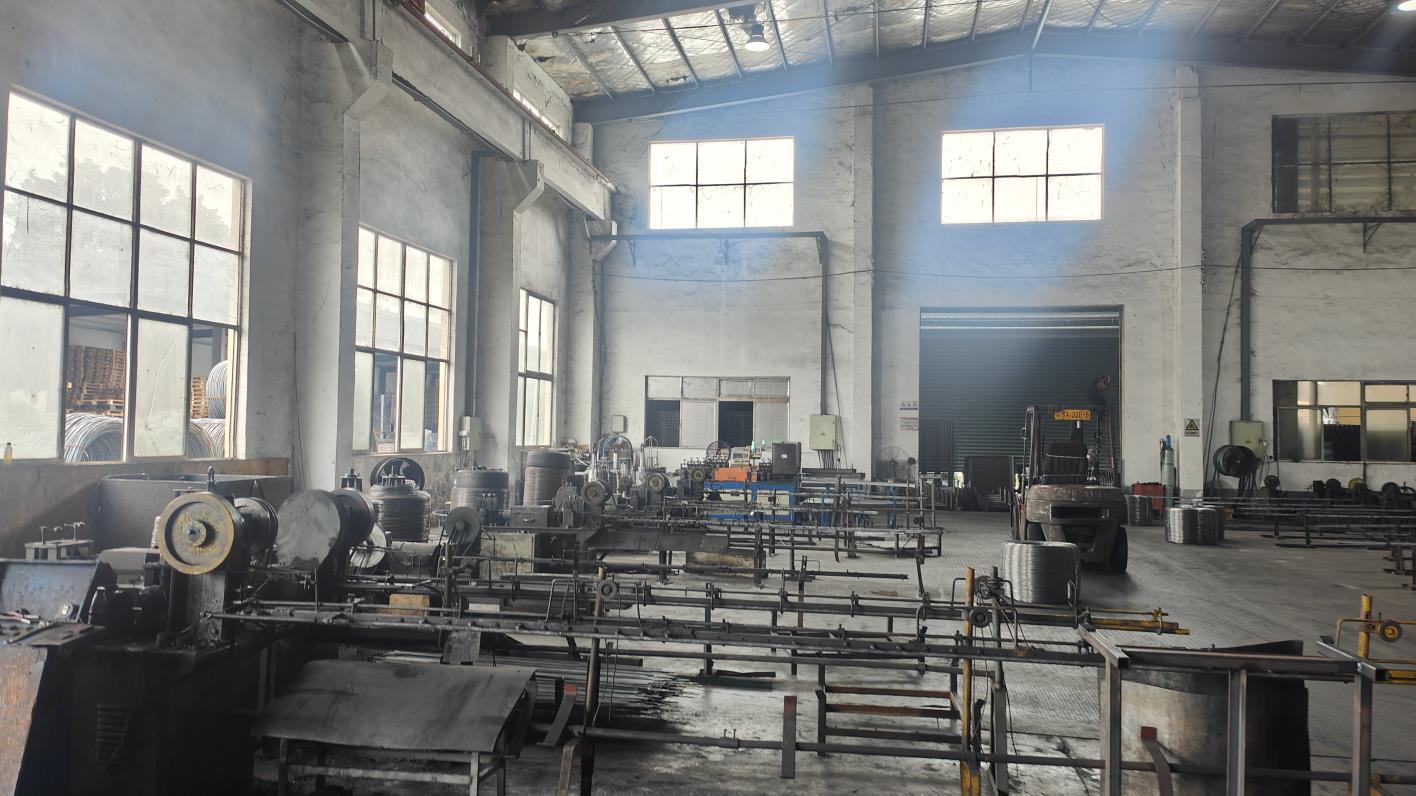
Operating a vertically integrated facility allows for structured, step-by-step quality control. Materials are inspected starting from the initial high-tensile steel wire straightening, continuing through automated bending, and on to multi-axis punching. Each structural component is verified using ultrasonic testing before moving to final surface treatment. This consistent oversight is a key factor in how Suzhou CraftRack ensures reliability across high-capacity orders.
Industrial storage continues to evolve through the application of advanced materials science and data-driven designs. Manufacturers are shifting toward smart systems capable of providing real-time performance feedback, especially in demanding environments.
Modern sustainability requirements are shifting production away from traditional chemical baths. The industry is adopting low-VOC, heavy-metal-free thermosetting powders that offer high UV resistance. Additionally, self-healing coatings are being researched to help protect steel substrates even when surfaces are scratched during handling.
Future outdoor racking designs are incorporating IoT-enabled strain gauges and tilt sensors. These devices monitor load distributions and structural changes caused by shifting soil or seismic movements, providing alert systems to help prevent failures before they occur.
By simulating wind tunnels, thermal stresses, and seismic activity in high-fidelity virtual environments, engineers can optimize structural configurations. This simulation process helps reduce total steel weight while maintaining required safety coefficients, making structures more resource-efficient without compromising safety.
Deploying heavy storage infrastructure internationally requires adherence to local engineering and safety codes. Industrial racking installations must meet region-specific criteria to comply with safety audits and operational insurance requirements.
Storage structures installed in the United States and Canada must comply with the Rack Manufacturers Institute (RMI) standards. These regulations dictate structural design criteria under seismic stress, specific testing rules for beam-to-column connections, and clear labeling of load ratings to ensure worker safety.
European installations conform to EN 15512 regulations, which govern the structural design of adjustable pallet racking. Complying with these standards involves applying rigorous safety factors to limit beam deflection and requires clear CE marking to confirm structural material safety.
Suzhou CraftRack coordinates with international engineering firms to supply site-specific calculations, certified drawings, and dynamic modeling. This support helps clients streamline local permitting processes and ensures compliance with workplace safety standards.
A1: Indoor racking systems typically use standard powder-coated steel. Outdoor racking, however, requires enhanced corrosion resistance. This is achieved by utilizing hot-dip galvanized steel (processed to ISO 1461 standards) or zinc-rich primers underneath high-durability polyester coatings. These treatments shield the underlying steel from moisture, road salts, and UV degradation.
A2: Wind loads act as dynamic lateral forces that can destabilize high-profile structures. Design calculations must evaluate local wind speed statistics, terrain conditions, and the projected surface area of stored materials. Structural engineers use these inputs to specify larger base plates, heavy-duty anchor bolts, and reinforced bracing systems to prevent tipping.
A3: Q235B and Q345B carbon steels offer balanced mechanical properties, combining high yield strength with good ductility and weldability. Q345B steel, in particular, has a higher yield point, making it suitable for high-density vertical systems and cold-temperature installations where resistance to brittle fracture is required.
A4: Weld locations are susceptible to localized corrosion due to structural changes in the heat-affected zone. To address this, we remove surface oxides through shot-blasting, utilize matching filler metals, and apply multi-coat protective finishes to seal the joint interfaces from humidity and oxygen.
A5: Our engineering team performs Finite Element Analysis (FEA) in accordance with RMI and EN guidelines. We customize the design of column sections, floor-level connections, and upright frames to withstand calculated seismic accelerations, supplying certified documentation to support local site approvals.
A6: We offer comprehensive custom engineering, including variable frame depths, beam heights, custom powder-coat color schemes, specialized load configurations, and integrated safety barriers. Additionally, we provide full CAD and 3D layout services to visualize and optimize space utilization prior to manufacturing.
A7: Our quality assurance workflow combines automated robotic welding with manual testing. A team of 45 quality control specialists performs Non-Destructive Testing (NDT) and Ultrasonic Weld Inspections on load-bearing joints to identify and resolve internal voids or structural imperfections before shipment.
A8: Standard manufacturing cycles take 3 to 5 weeks from technical drawing approval to container loading. Our logistics team handles international ocean freight packaging, export documentation, and container optimization, delivering products to main hubs in North America, Western Europe, and Southeast Asia.
 CraftRack