The global warehousing market is undergoing a seismic shift driven by the rapid rise of multi-channel distribution networks, automated material handling setups, and the need to maximize volumetric footprint. Industrial developers and logistics managers no longer view storage shelves as simple passive structures; they are dynamic components of modern intralogistics ecosystems. Heavy storage shelves, high-density pallet racking, and automated retrieval racks form the physical backbone of global supply chains.
Factors such as rising real estate costs per square meter and shifting global distribution strategies are forcing companies to build upward. High-bay warehouses rising over 40 meters rely heavily on the engineering precision of structural steel frames. Standard cold storage facilities, e-commerce fulfillment hubs, and heavy-duty manufacturing storage bays must operate with strict structural stability margins. Any material degradation, poor engineering configuration, or weld fatigue poses severe operational risks, making the choice of manufacturer a critical safety and business continuity decision.
Modern racking structures are increasingly engineered as the structural framework for Automated Storage and Retrieval Systems (ASRS). This integration requires ultra-low tolerance profiles, strict vertical alignment, and advanced structural deflection control to accommodate high-speed cranes and robotic shuttles.
With warehousing hubs located in seismically active zones globally, high-grade structural designs must integrate Finite Element Analysis (FEA). Advanced structural calculations guarantee dynamic load stability during seismic shifts, minimizing risk of system collapses.
Industrial buyers now assess the carbon footprint of structural steels. Eco-friendly powder coatings that emit zero Volatile Organic Compounds (VOCs) and provide high resistance to salt spray and chemical corrosion are setting new sustainability and lifecycle standards.
Established in 2014, Suzhou CraftRack Heavy Duty Storage Equipment Co., Ltd. stands as a premier design and manufacturing powerhouse. Spanning a state-of-the-art facility of 38,000 m², we cater to demanding global markets with an annual export value exceeding $28,000,000. Our operations balance 8 years of annual export experience with a deep-rooted history of 14 years of design and production expertise in warehouse storage solutions.
Quality assurance represents the cornerstone of CraftRack's structural commitment. Our inspection workflow employs rigid Non-Destructive Testing (NDT) and Ultrasonic Weld Inspection protocols, overseen by our dedicated team of 45 QC specialists. Leveraging a robust OEM & ODM manufacturing foundation, we deliver custom, high-durability systems to major distributors in North America, Western Europe, and Southeast Asia. Supported by an integrated network of over 1,200 supply chain partners, CraftRack provides structural reliability for 3PL logistics facilities, massive e-commerce fulfillment hubs, and heavy industrial plants worldwide.
Our in-house design capabilities are driven by 32 R&D engineers who launched 45 new product variations over the past fiscal year. By utilizing advanced Finite Element Analysis (FEA) and structural load calculations, we customize racking configurations to specific seismic zones, load constraints, and corrosion conditions.
To achieve consistently tight structural tolerances, Suzhou CraftRack implements a closed-loop automated manufacturing process. From raw material straightening to robotic multi-point welding and high-precision bending, every phase is tracked under strict quality control standards. Below is the operational sequencing profile representing our factory's capabilities:
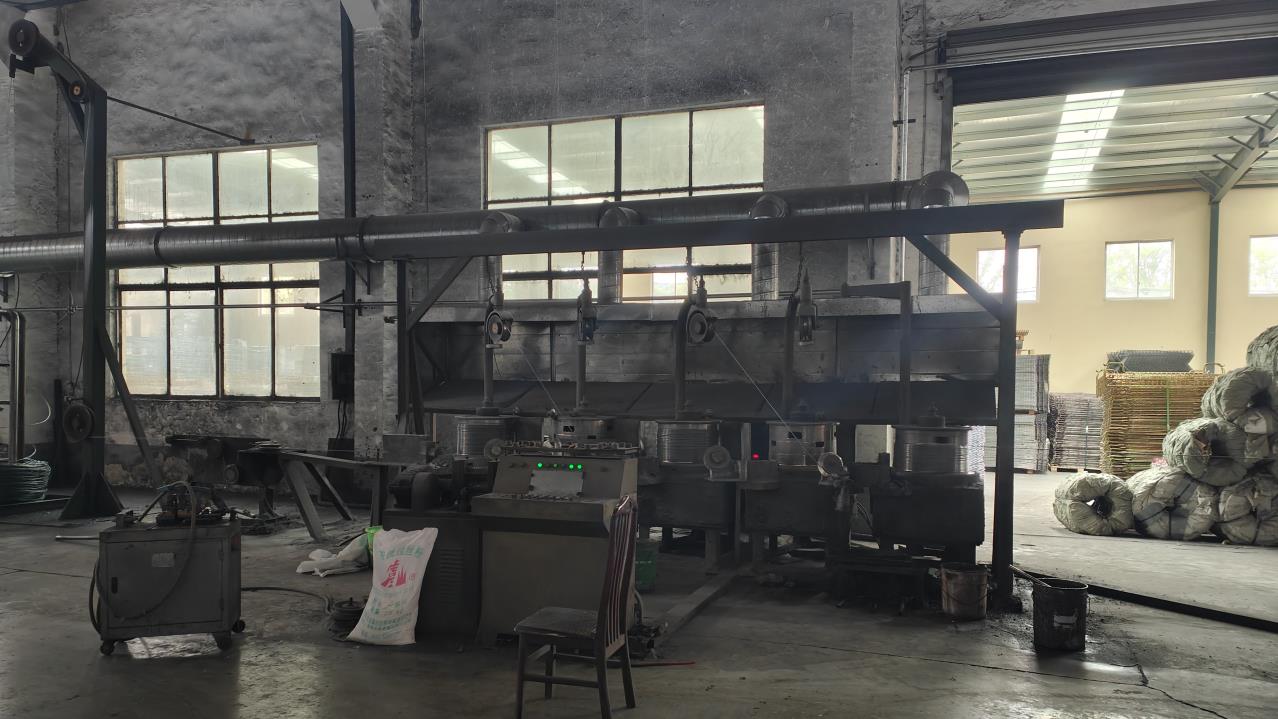
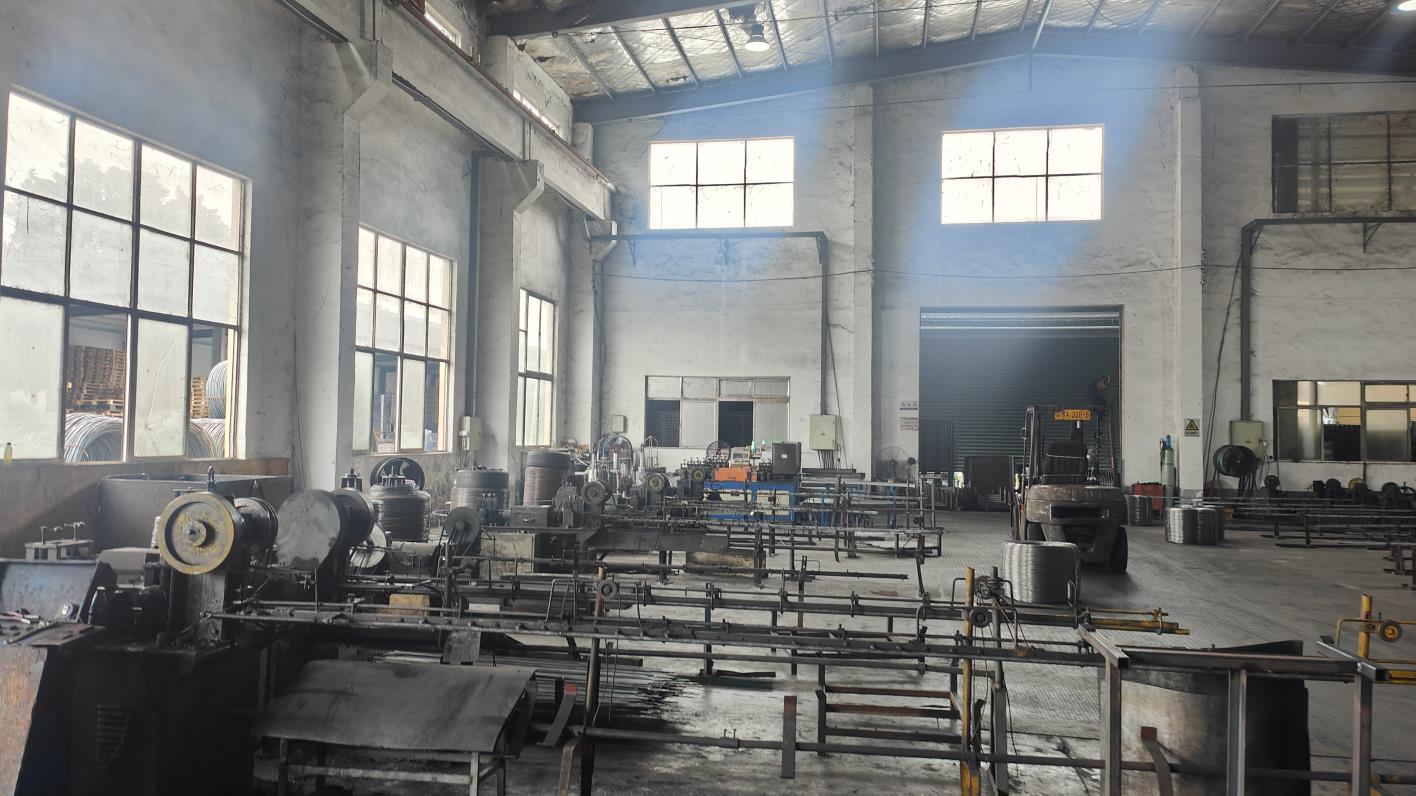
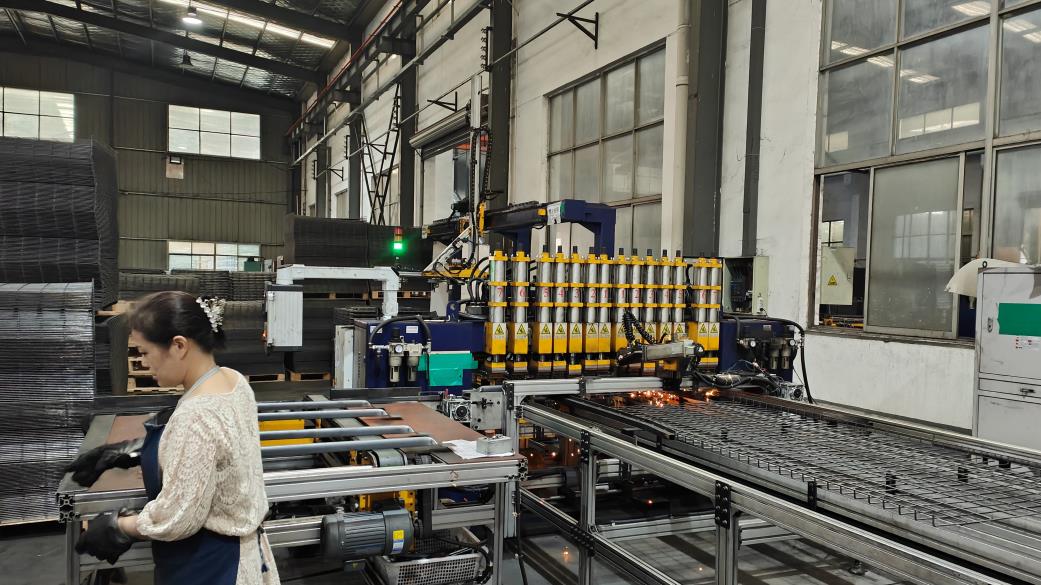
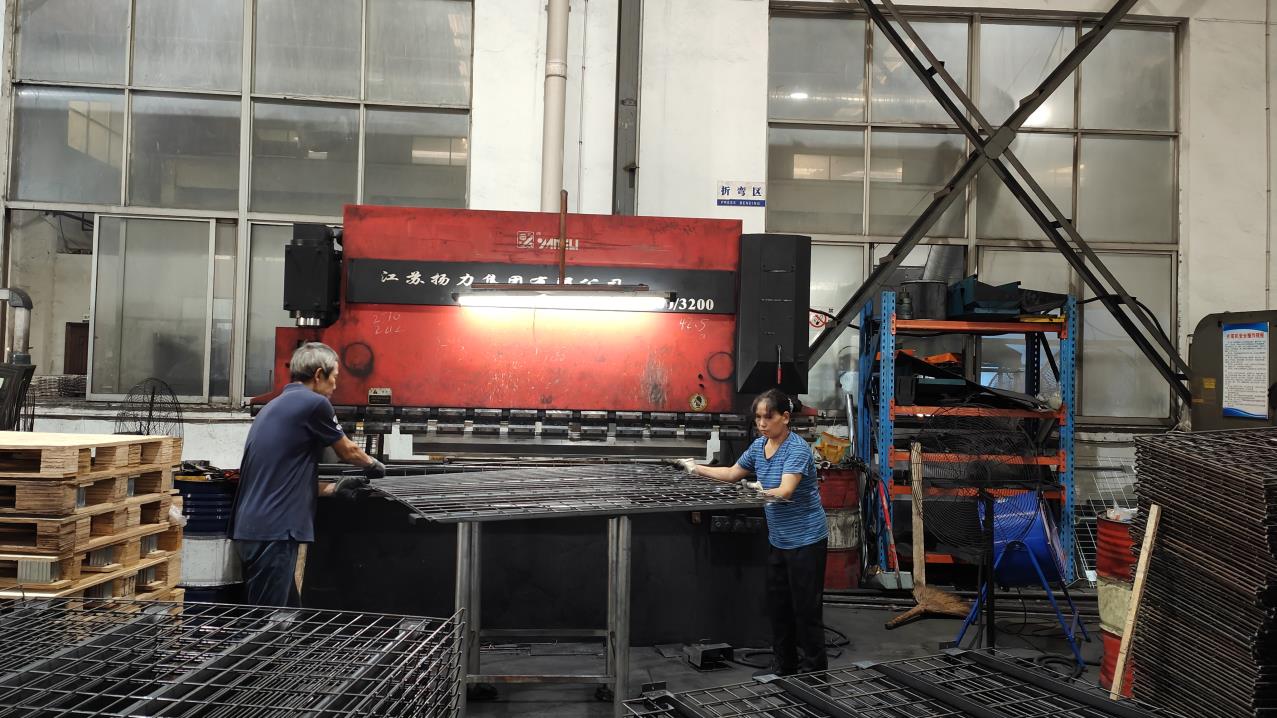
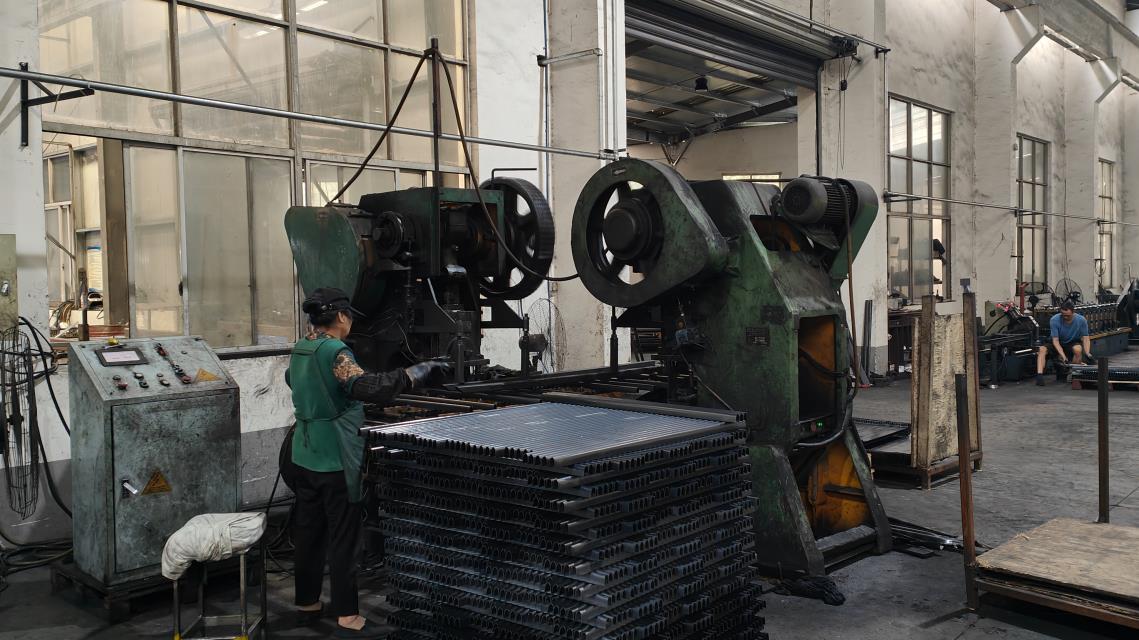
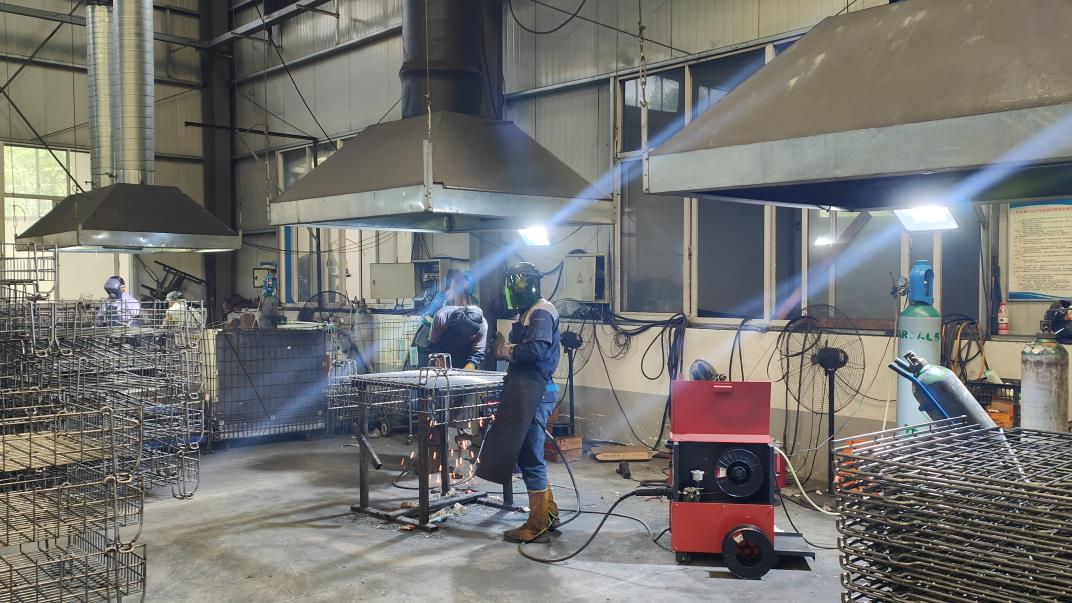
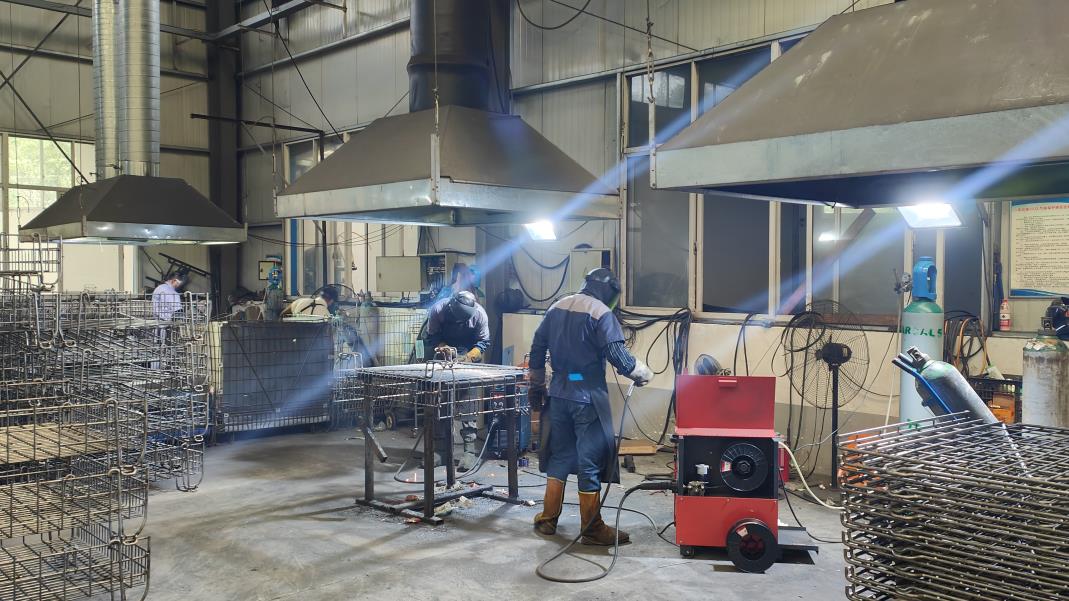
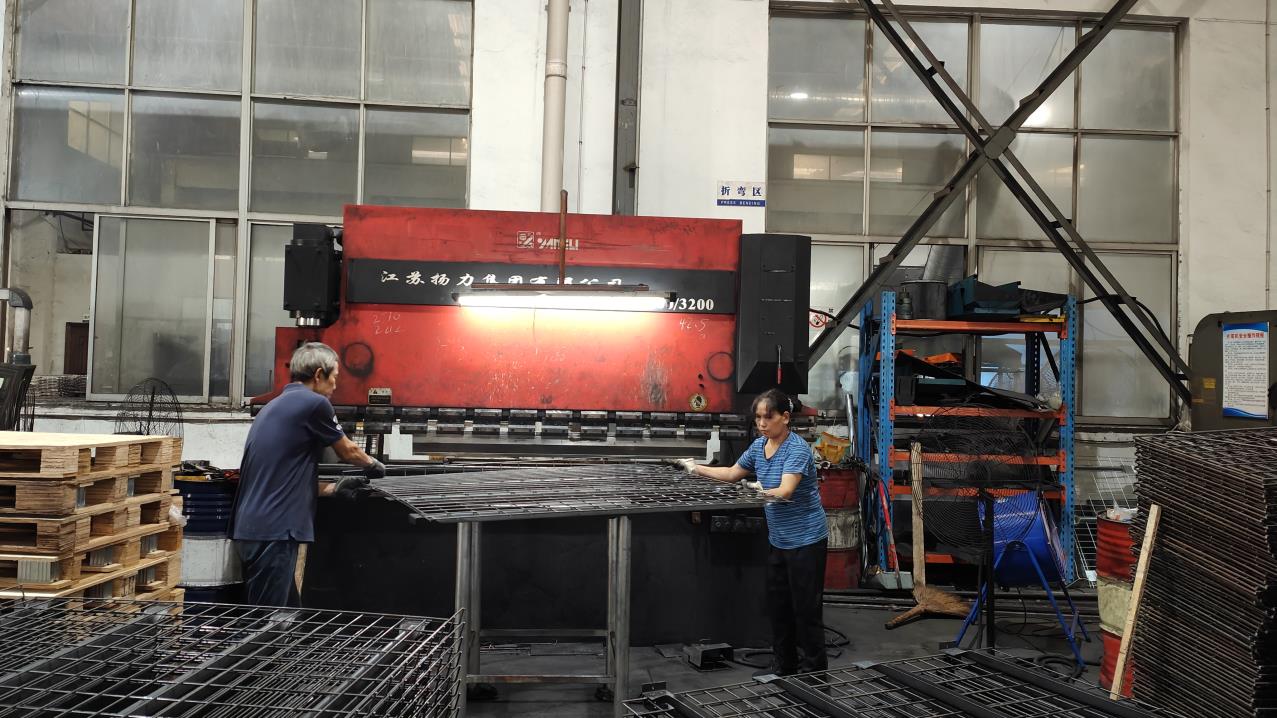
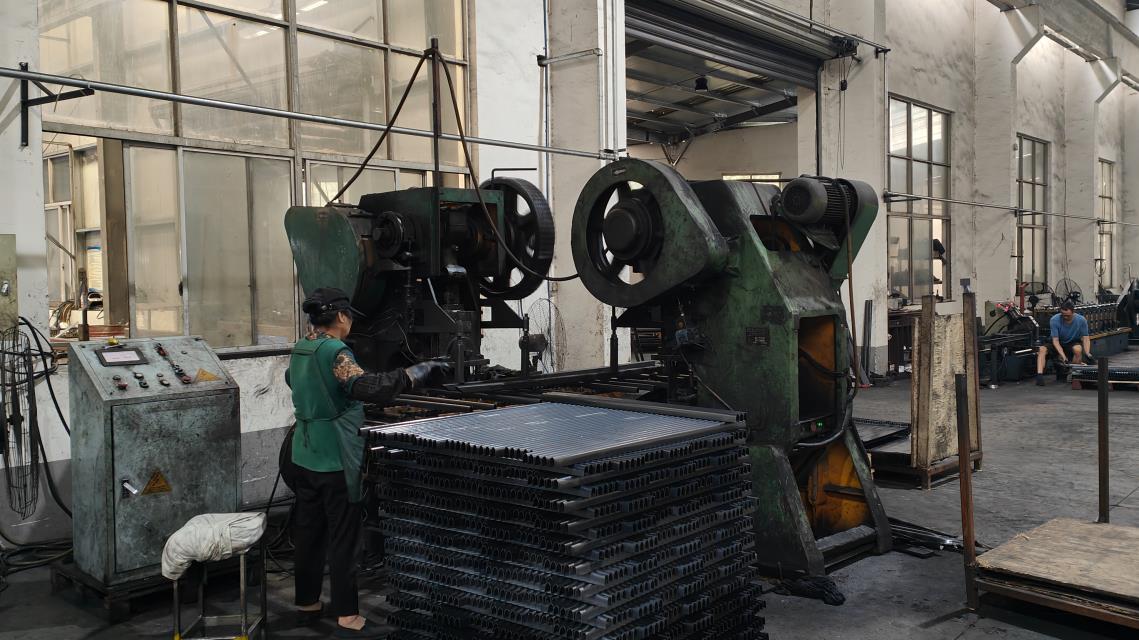
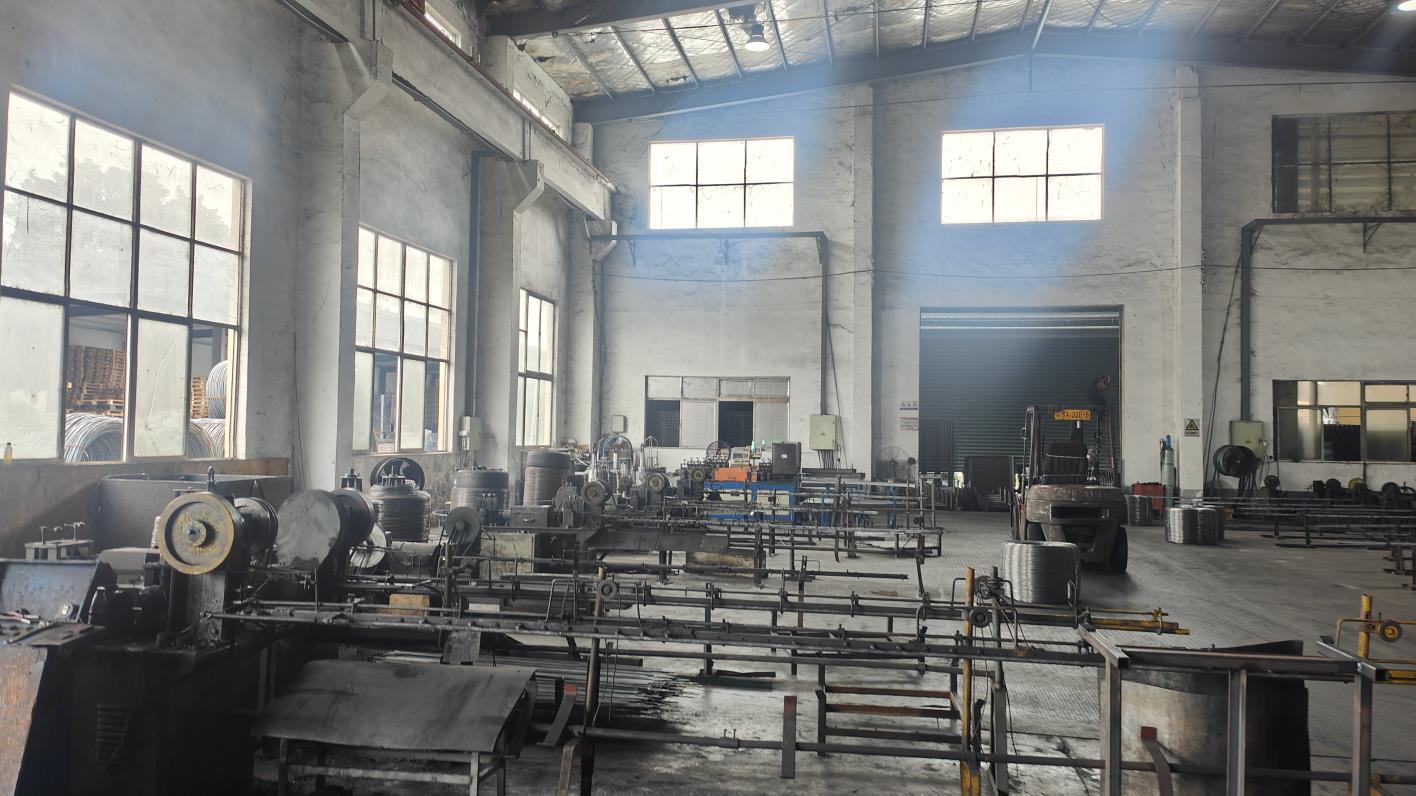
By leveraging automated steel coil feeders, multi-stage punching presses, and robotic welding arms, our manufacturing line yields uniform load-distribution profiles across all upright frames and beams. Through real-time dimensional monitoring, we maintain a linear deflection tolerance under 0.05%, surpassing global regulatory requirements and ensuring smooth installations on site.
Purchasing agents, plant managers, and supply chain directors must evaluate heavy storage rack manufacturers beyond cost per unit. The total cost of ownership (TCO) is influenced by installation speed, structural safety margins, shipment freight consolidation, and regulatory compliance. Structural steel failure results in significant regulatory liabilities, asset loss, and risk to workforce safety.
To support corporate buyers in their sourcing processes, our engineering department outlines key metrics that define certified heavy storage products:
| Evaluation Parameter | Technical Industry Requirement | Suzhou CraftRack Standard Compliance |
|---|---|---|
| Steel Grade | Q235B, Q355 structural hot-rolled or cold-rolled steel | Certified high-grade Q235B structural carbon steel |
| Safety Factor | Minimum of 1.5 to 1.8 structural factor based on dry loads | 1.5 to 2.0 safety compliance rating (RMI standard aligned) |
| Weld Integrity | AWS D1.1 structural welding code compliance | 100% Non-Destructive Testing (NDT) & Ultrasonic Inspection |
| Powder Coating | 60-80 microns thickness, ASTM corrosion-resistance | Electrostatic powder coating, scratch & UV resistant |
| Seismic Rating | Seismic design categories (A through F) calculated per site | Finite Element Analysis (FEA) tailored structural frames |
Operating at temperatures below sub-zero levels requires steel structures that resist low-temperature embrittlement. Standard systems fail in these conditions; we utilize specialized carbon steel grades and corrosion-resistant powder coatings to ensure structural reliability in high-humidity cold storage facilities.
High-throughput fulfillment demands racking designs optimized for fast cycle times. Our modular configurations support dynamic shelf adjustments, integrate seamlessly with automated conveyor lines, and withstand constant impact from heavy forklifts.
Storing heavy engine assemblies, sheet metal dies, and metal castings requires high load capacities. Our custom-engineered beam cross-sections and thick-walled upright columns prevent deflection under concentrated static and dynamic loads.
Sourcing reliable industrial racking systems requires evaluating the industry's top global suppliers. Here is an overview of the leading heavy storage shelf manufacturers, based on product range, engineering capabilities, and market footprint:
 CraftRack