How commercial shopping infrastructure is shifting under regulatory pressures, ergonomic imperatives, and structural sustainability demands.
Modern global commerce environments are far more complex than simple customer collection hubs. Today, high-traffic retail spaces require fleet systems designed for maximum efficiency, absolute safety, and long operational life. Shopping carts and logistics trolleys are no longer simple mechanical structures; they are dynamic material handling units that represent the primary physical interaction point between consumers and the retail brand.
With the rise of large-format membership warehouse stores, omni-channel fulfillment centers, and high-frequency discount chains, supermarket and retail equipment must survive extremely demanding environments. They are subjected to outdoor thermal variation, exposure to moisture, rough multi-surface pavement transit, continuous chemical disinfection protocols, and mechanical impacts from heavy parking lot collection. As a result, procurement directors worldwide are looking past low-cost options in favor of CE certified options that offer documented performance metrics, long-term structural integrity, and low total cost of ownership (TCO).
The transition to eco-friendly composite plastics and fully recyclable alloys meets strict European environmental policies, helping corporate buyers achieve net-zero carbon goals.
Reducing physical strain during transport is essential. Design improvements focus on low rolling resistance, natural wrist positioning, and active noise dampening.
Modern fleets integrate electronic wheel locks, RFID tracking chips, and telemetry brackets. These features help prevent cart loss and optimize asset allocation across locations.
Industrial-scale design and high-precision manufacturing systems supplying reliable retail and warehouse equipment to global markets since 2014.
Suzhou CraftRack Heavy Duty Storage Equipment Co., Ltd. was established in 2014. Our facility covers a sprawling building area of 38,000 m², supported by an annual export revenue reaching $28,000,000. Backed by 8 years of annual export experience and 14 years of deep industry expertise, we deliver world-class warehouse logistics solutions worldwide.
Quality is at our core. We implement strict Non-Destructive Testing (NDT) and Ultrasonic Weld Inspection using state-of-the-art product inspection methods, overseen by a dedicated team of 45 QC specialists. Operating with an OEM & ODM direct-manufacturing trade background, our primary markets span North America, Western Europe, and Southeast Asia. We maintain strong ties with over 1,200 supply chain partners, catering mainly to 3PL logistics hubs, large-scale e-commerce fulfillment centers, and industrial manufacturing plants.
Our robust R&D capability centers on Automated Storage and Retrieval Systems (ASRS) & Finite Element Structural Analysis. We offer extensive custom options, including seismic resistance rating, custom load capacity engineering, and specialized powder coating finishes. In the past year alone, we achieved 45 new product launches, driven by a talented team of 32 R&D engineers.
Every step of our production process, from wire drawing to precision assembly, is monitored to meet CE safety and reliability standards.
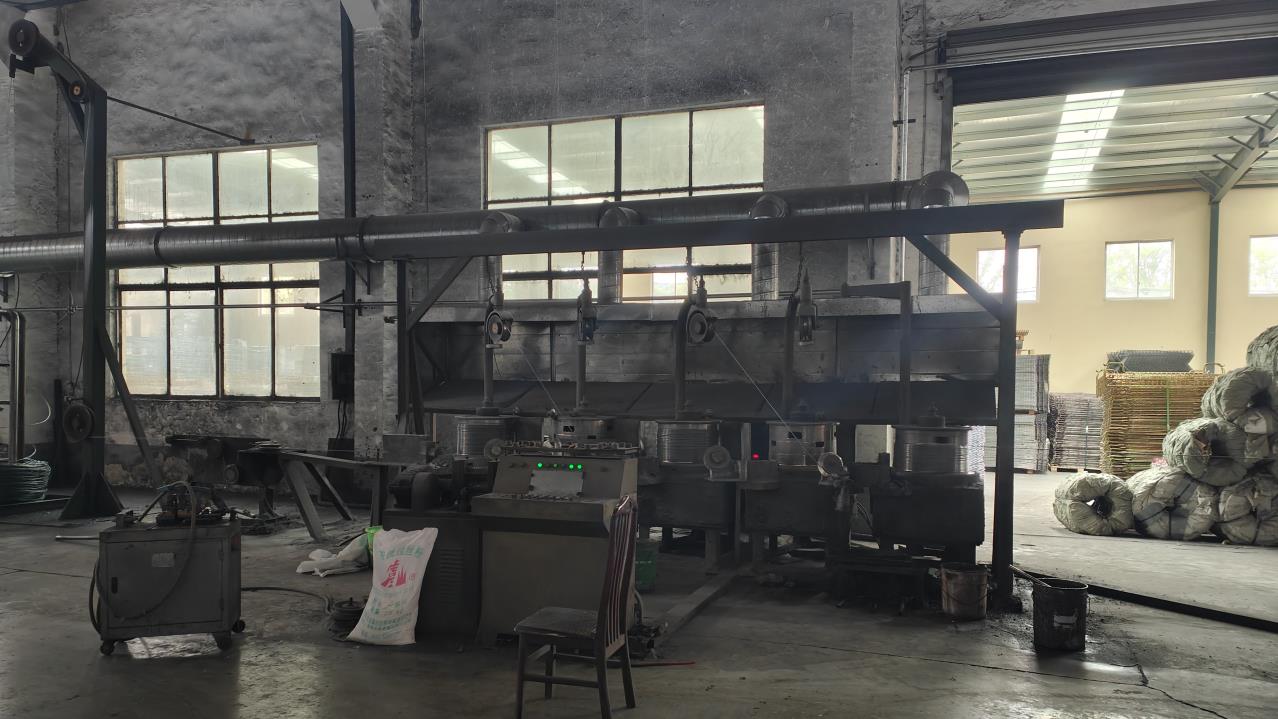
Pulling
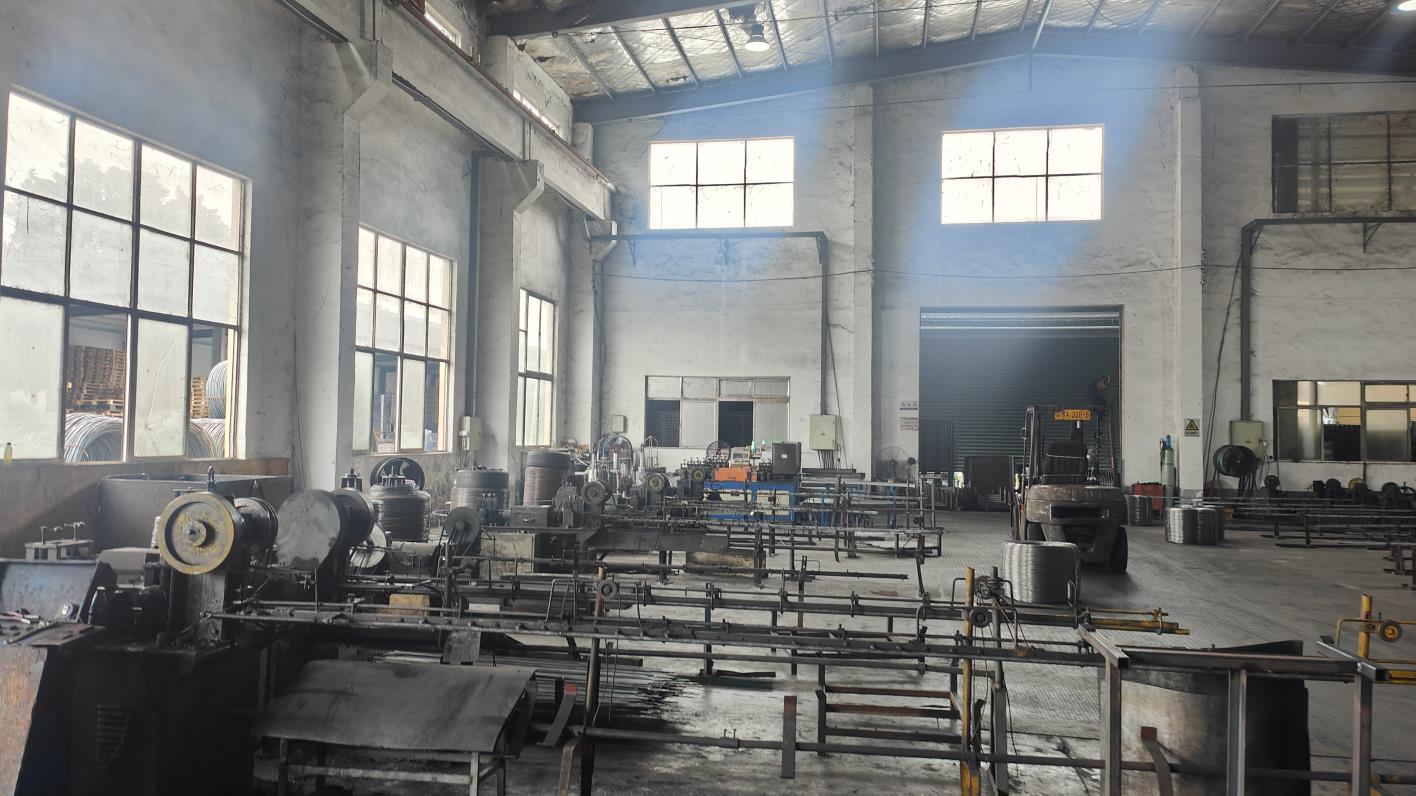
Align
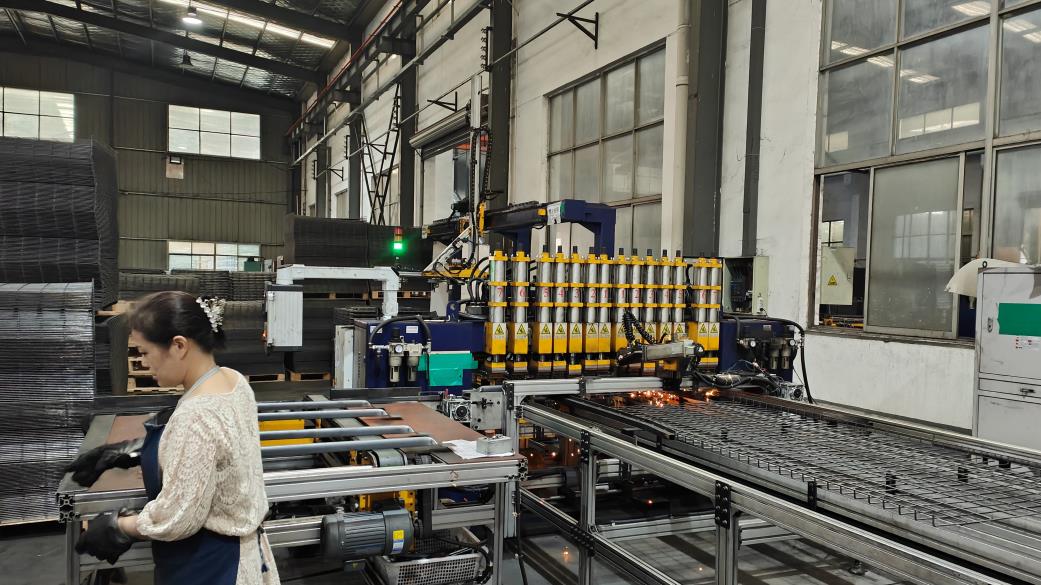
Welding 1
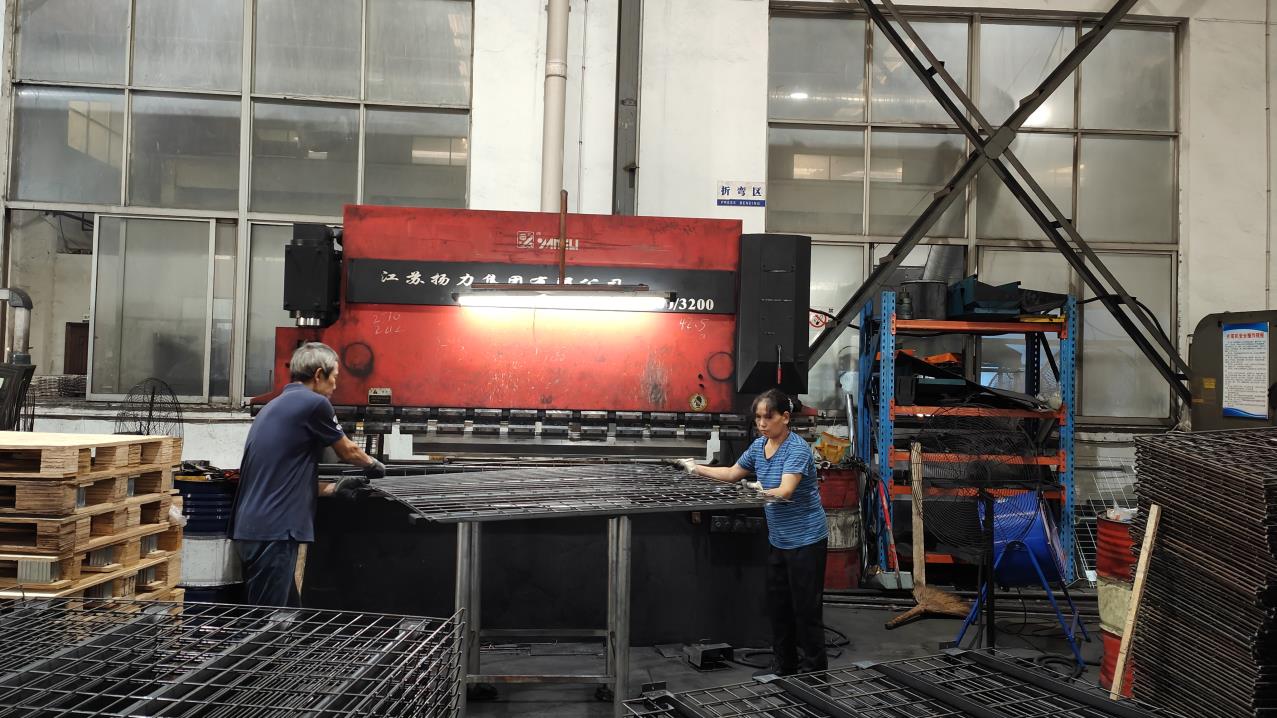
Bending
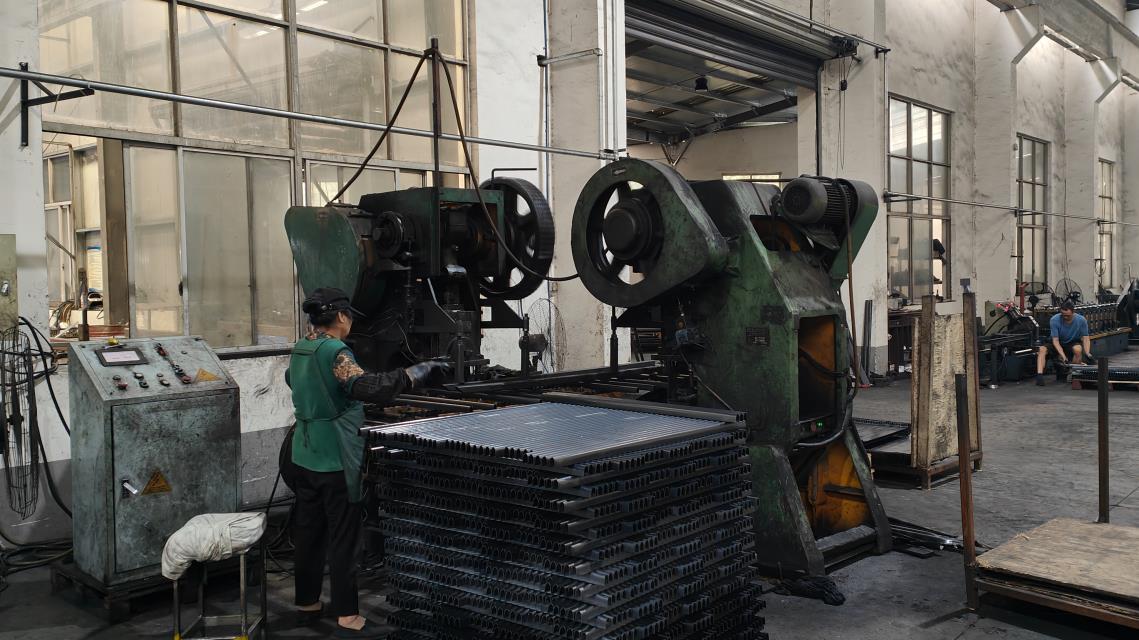
Punching
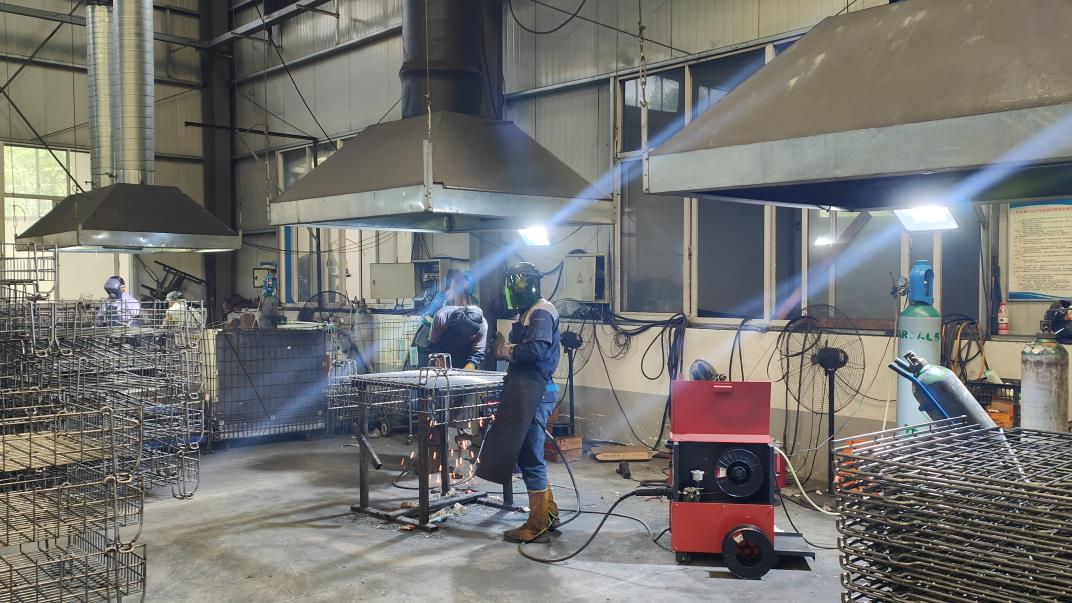
Welding 2
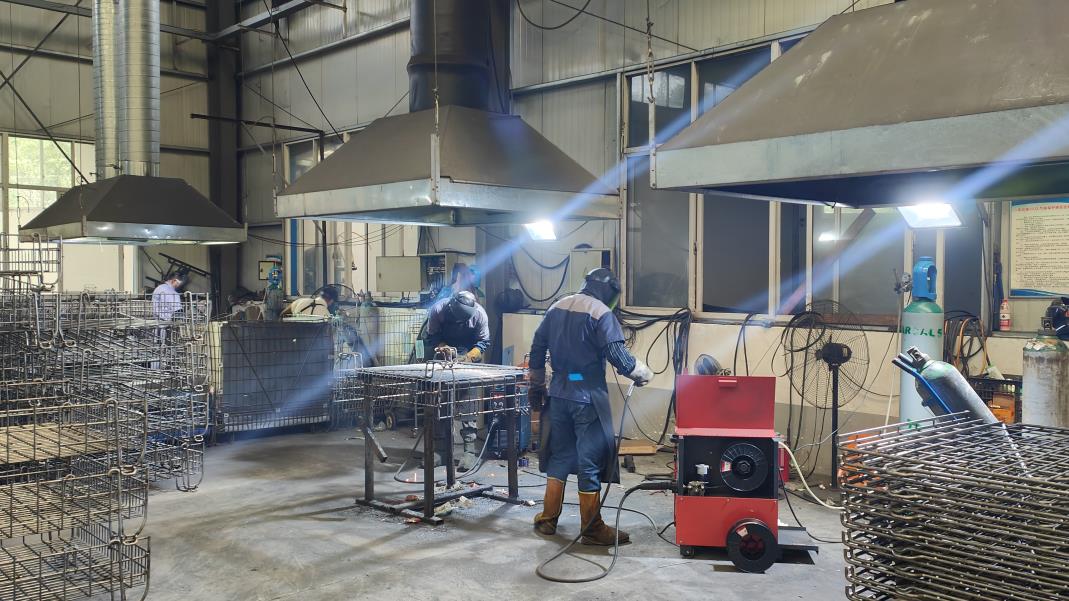
Welding Machine
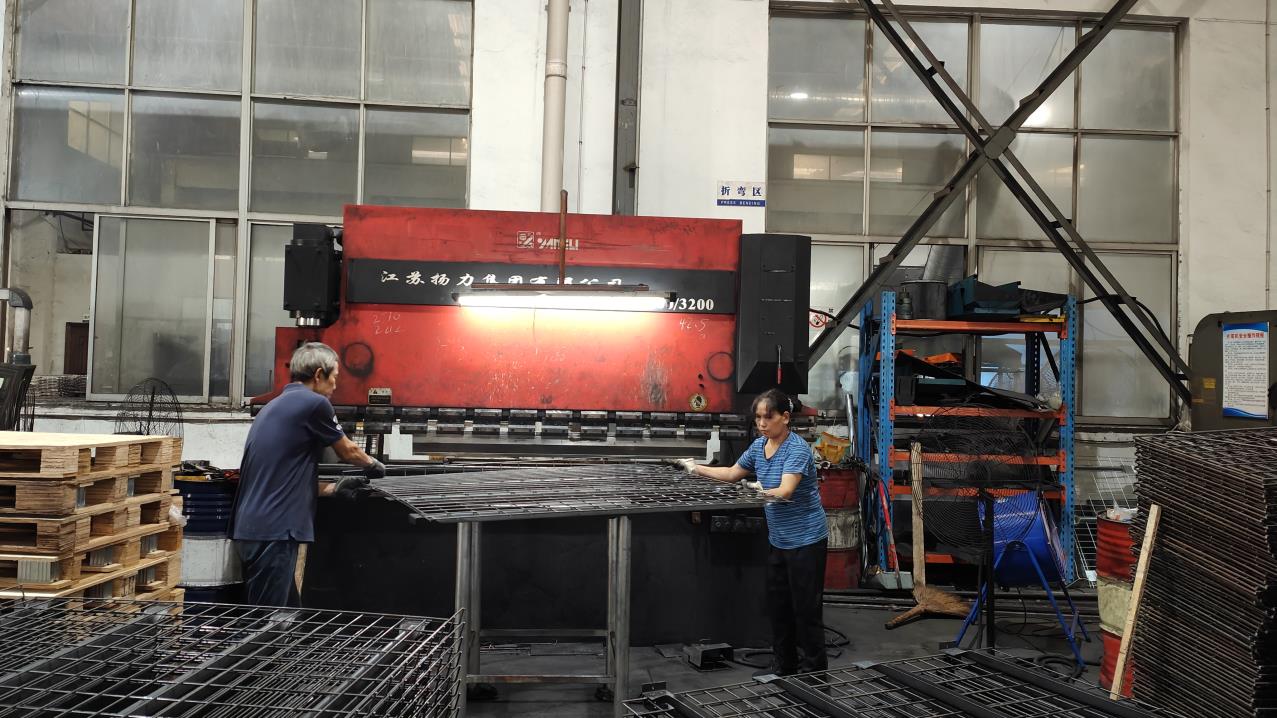
Bending Machine
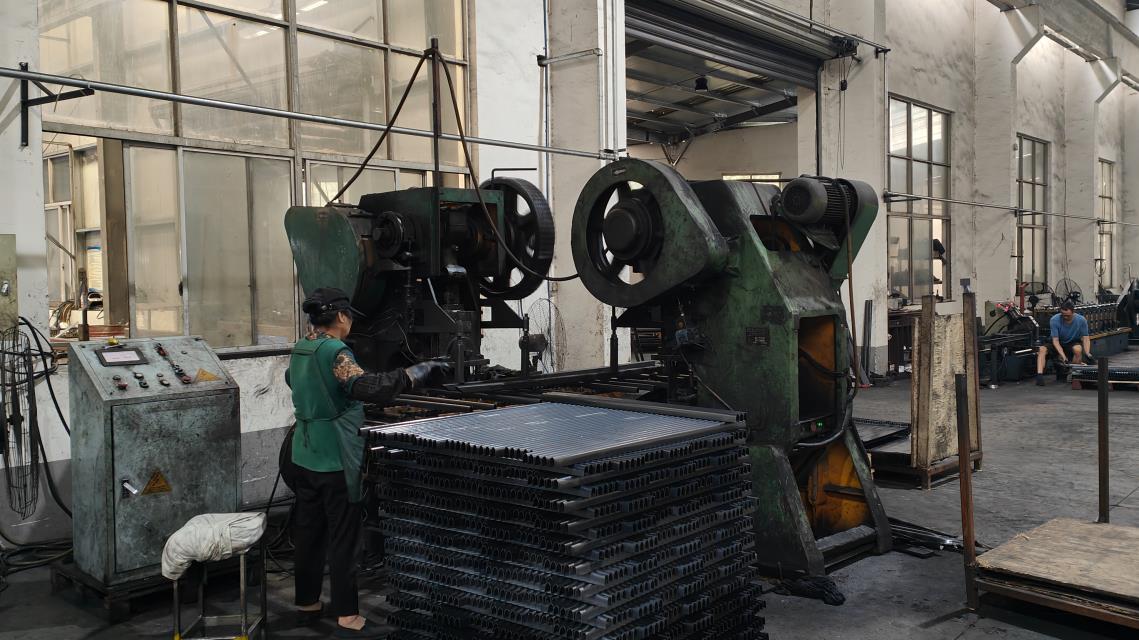
Punching Machine
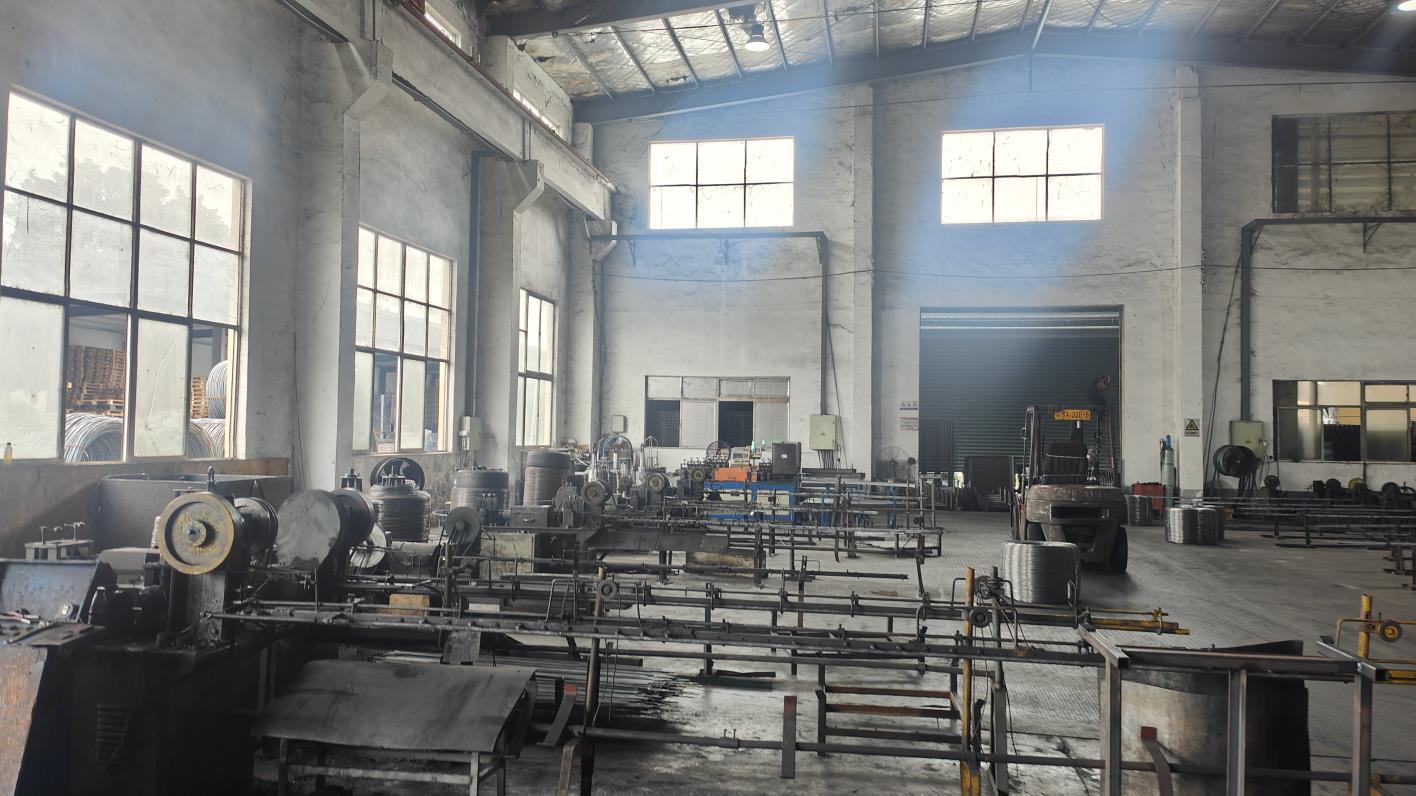
Wire Straightener
Why regulatory compliance is critical for safety, liability prevention, and structural performance in high-traffic retail settings.
In the European Economic Area (EEA) and global markets that follow similar regulations, the CE Mark is not just a label—it is a legal declaration of compliance with essential safety, health, and environmental standards. For shopping carts and transport fleets, this compliance is guided by the EN 1929 standard series (Parts 1 to 4). This standard outlines strict design requirements, testing guidelines, and safety criteria for retail equipment.
Under EN 1929, retail trolleys must pass a series of performance tests before receiving certification:
Corrosion resistance is critical for retail equipment used in damp climates, coastal stores, or outdoor parking lots. Our steel components receive advanced protective treatments:
Using non-compliant trolleys can expose retail chains to significant liabilities. If a structural failure or tipping accident leads to customer injury, documented compliance with EN 1929 provides essential liability protection. It shows that the retail operator selected equipment engineered to meet established safety regulations.
Key considerations for procurement managers, logistics officers, and retail buyers during equipment sourcing.
Procurement teams at multinational supermarket chains, warehouse clubs, and third-party logistics (3PL) centers face unique challenges. Balancing upfront purchasing costs against long-term maintenance costs requires looking closely at product design and materials. When purchasing large numbers of shopping carts or heavy-duty logistics equipment, several key factors influence the decision:
A cheaper cart often costs more over time if it requires frequent wheel replacements, weld repairs, or premature disposal. High-grade castors and protective coatings extend operational life and reduce maintenance needs.
Retail floor space is valuable. Shopping carts must nest tightly together to minimize their footprint in lobbies and outdoor cart corrals, maximizing the usable selling area.
In modern retail systems, carts must move smoothly from store aisles directly to backroom staging areas. Seamless compatibility with material handling systems keeps workflows efficient.
Additionally, supply chain transparency is a growing priority. Corporate buyers need manufacturing partners who can provide comprehensive material tracking certificates, environmental compliance documentation, and ethical labor guarantees. Suzhou CraftRack supports these needs with our extensive manufacturing capacity, reliable supply chains, and transparent quality control systems.
Developing integrated equipment strategies that connect front-end retail spaces with back-end storage and fulfillment hubs.
Efficient retail environments rely on a smooth flow of goods and customers. The equipment used in different areas of the store must work together seamlessly to keep operations running smoothly. CraftRack designs integrated solutions that bridge the gap between front-end customer areas and back-end logistics operations:
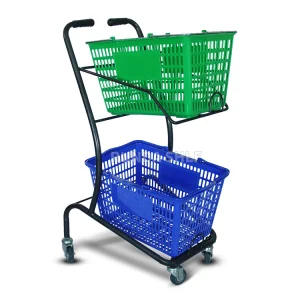
Our lightweight, easy-to-steer hybrid and wire shopping carts are optimized for retail aisles. Features like low-noise polyurethane (PU) wheels, protective corner bumpers, and ergonomic basket heights make shopping comfortable and convenient for customers.
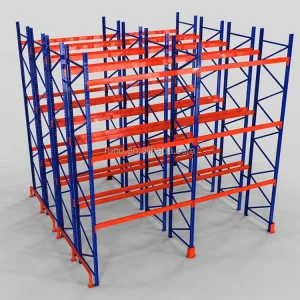
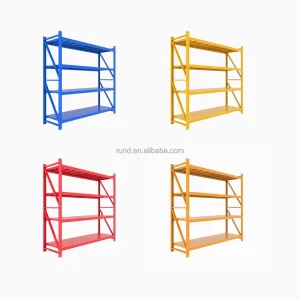
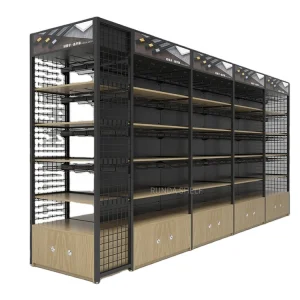
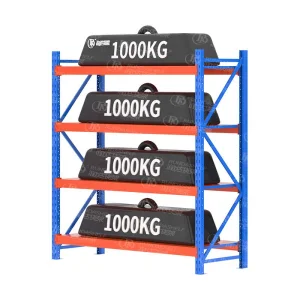
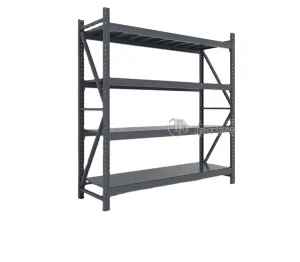
For replenishment and storage, we offer heavy-duty warehouse racking, industrial pallet racks, and metal stacking cages. These products are built to withstand forklift impacts, support heavy loads, and organize inventory for rapid restocking.
By using matching material handling systems throughout your facility, you can reduce transport damage, simplify employee training, and keep products moving quickly from delivery trucks to checkout counters. Our design team uses finite element analysis (FEA) and site layout mapping to help retail operators maximize their storage density and improve store traffic flow.
Developing next-generation retail fleets equipped with IoT tracking, self-disinfecting materials, and eco-friendly lifecycle designs.
As brick-and-mortar retail stores integrate more digital tools, shopping cart designs are adapting to support smart systems. Suzhou CraftRack is currently developing and testing several key technologies designed to improve fleet management, reduce operating costs, and enhance the customer experience:
Integrating low-power Bluetooth (BLE) and RFID tags into cart frames allows managers to track cart locations, monitor usage patterns, and prevent theft.
Developing handle coatings that use photocatalytic materials to continuously break down bacteria and viruses, keeping contact points cleaner.
Expanding the use of ocean-bound recycled plastics for hybrid cart baskets to support circular economy initiatives and reduce carbon emissions.
Improving digital perimeter security systems to automatically lock cart wheels when they leave designated store parking boundaries.
By designing these upgrade options into our current cart frames, we ensure our clients can adopt smart technologies gradually without needing to replace their entire fleet prematurely.
Managing delivery lead times, customs clearance, and long-term parts availability through an established global partner network.
Buying retail equipment from overseas manufacturers can sometimes raise concerns about shipping delays, customs processes, and after-sales support. Suzhou CraftRack addresses these concerns through our global supply chain network and dedicated customer service systems:
Whether you are opening new supermarkets, expanding warehouse operations, or updating a retail fleet, our support team helps ensure the project stays on schedule and within budget.
Direct answers to technical, regulatory, and quality control questions for retail and warehouse buyers.
The EN 1929 standard defines a series of testing procedures, including a static load test (verifying that the basket can hold 2.5 times its rated capacity without bending), an impact test (running a loaded cart into a barrier at 1 m/s), stability tests on ramps up to 15 degrees, and castor endurance tests that run the cart over a bumpy track for several kilometers.
We use robotic welding systems to ensure precise, consistent welds across all production batches. Additionally, our quality control team uses ultrasonic weld inspection and non-destructive testing (NDT) to identify and correct any internal voids or weak joints before parts move to the coating line.
For humid or outdoor environments, we recommend a zinc plating layer covered by a highly durable organic transparent lacquer, or a double-layer powder coating. This combination protects the steel from salt air and moisture, helping prevent red rust and paint flaking.
Yes. Our R&D team can design custom carts that include matching brand colors, logo-stamped handles, customized coin locks, baby seats, or brackets for scanners and mobile devices, ensuring the equipment fits your store's operations.
 CraftRack