Premium structural wood integrations, medical dispensary systems, and industrial pallet configurations optimized for modern Boston infrastructure.
An expert analysis of regulatory requirements, geographic challenges, and material engineering demands in the Greater Boston Area.
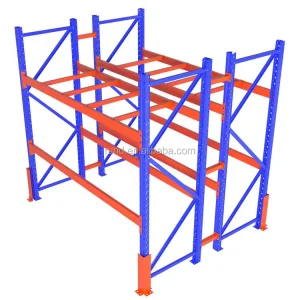
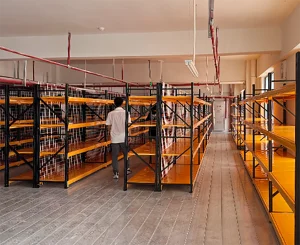
The Greater Boston market presents a complex operational landscape for warehouse operators, retail managers, and supply chain logistics directors. Characterized by a historical architectural layout, from the 19th-century brick-and-beam structures in the Seaport District and South End to the modern logistics hubs along the I-95/Route 128 corridor, spaces are highly varied. These architectural variations necessitate highly versatile, modular shelving and heavy-duty racking solutions. Traditional off-the-shelf storage systems frequently fail to maximize the spatial cube density required in Boston’s high-cost urban floor plans.
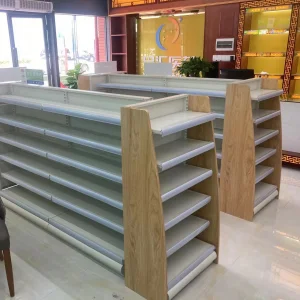
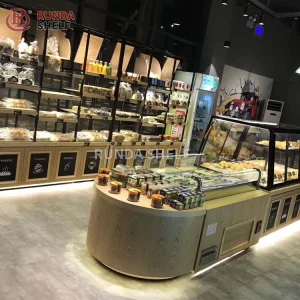
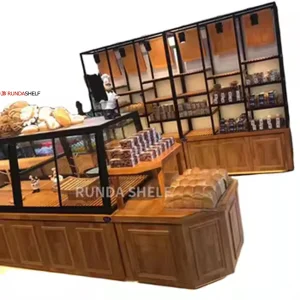
Additionally, the New England market has experienced a significant shift in retail expectations. Consumers in metro Boston demand high-end, tactile, and natural shopping environments. This has driven massive local demand for hybrid wooden display shelves that integrate natural wood aesthetics with the durability of heavy industrial steel. Modern grocers, high-end dispensaries, and boutique retail establishments are moving away from cold, industrial metal shelves in favor of wood-composite structures that convey brand authenticity and environmental responsibility.
E-E-A-T Sourcing Note
In high-cost regional markets like Boston, spatial utilization represents a key differentiator. Upgrading to customized structural platforms with precise load-capacity specifications and high-aesthetic finishes can drive significant increases in revenue per square foot for retail, and operational efficiency for local distribution centers.
When selecting industrial warehouse racking or commercial shelving systems for installation within the Commonwealth of Massachusetts, strict compliance with the **Massachusetts State Building Code (780 CMR)** is mandatory. The Boston market enforces unique regulatory protocols that differentiate it from other regional markets:
Highly adaptable configurations built for logistics hubs, manufacturing sites, and high-density retail operations across New England.
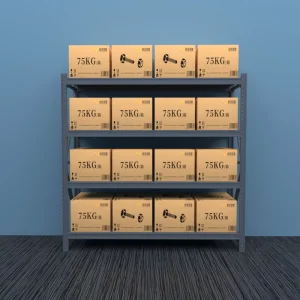
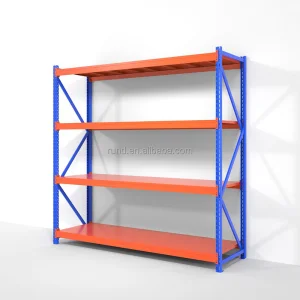
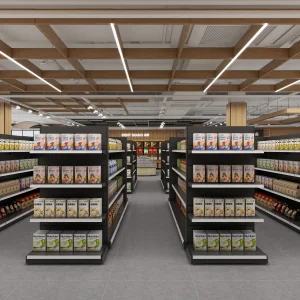
Direct factory logistics infrastructure designed to fulfill volume enterprise procurement for North American markets.
Suzhou CraftRack Heavy Duty Storage Equipment Co., Ltd. (est. 2014) operates at the forefront of automated industrial warehousing and commercial display shelving production. By integrating advanced production equipment with a robust engineering department, we offer Boston businesses the reliability of domestic distribution networks combined with the cost efficiency of direct-to-factory manufacturing. Our global engineering team includes 32 R&D engineers focused on Finite Element Structural Analysis (FEA) and automated warehouse design (ASRS), yielding 45 new product launches last year alone.
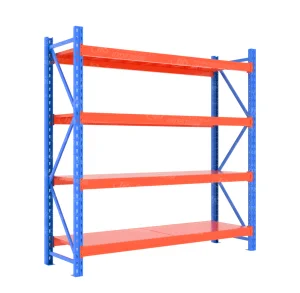
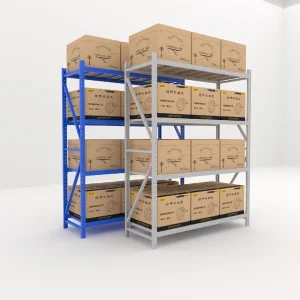
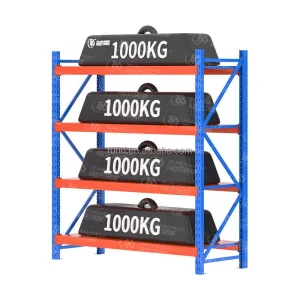
Quality control is central to our manufacturing process. Every production run undergoes structural integrity validation. We deploy strict Non-Destructive Testing (NDT), including Ultrasonic Weld Inspection across structural joint configurations. This ensures our high-capacity warehouse uprights, cross beams, and load-bearing components meet or exceed North American ANSI/RMI MH16.1 guidelines, providing reliable safety margins under full load conditions.
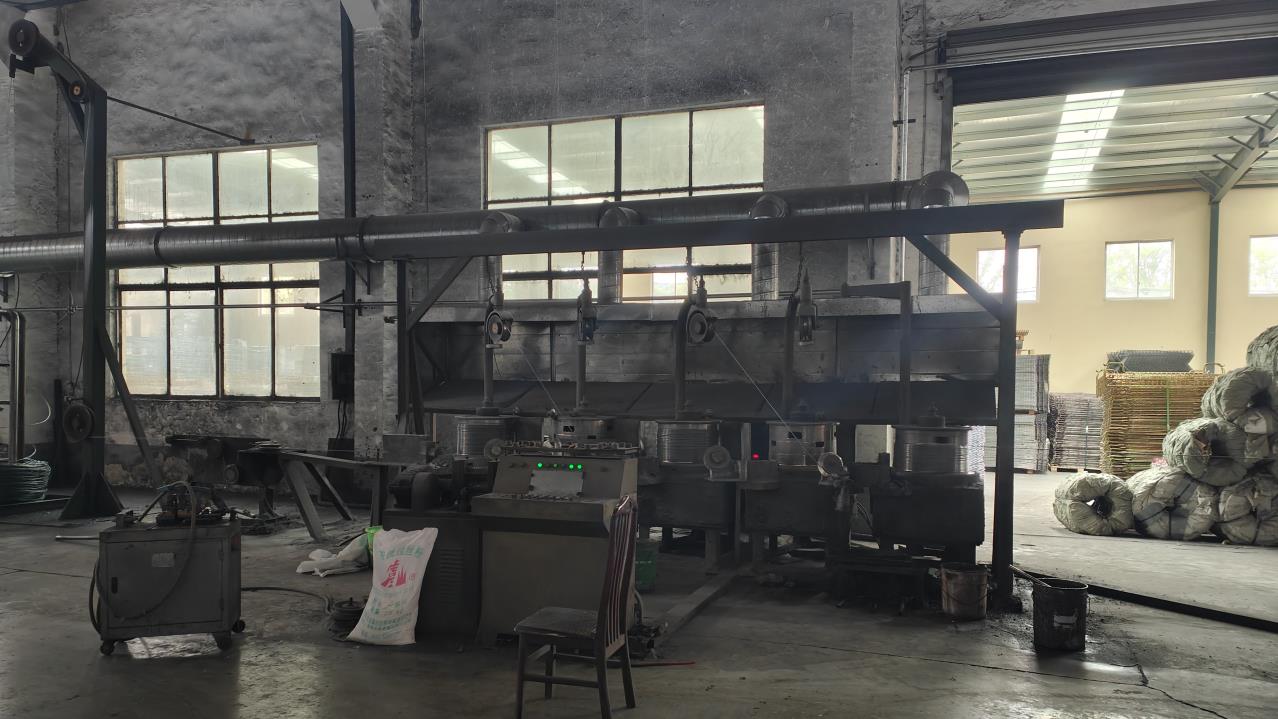
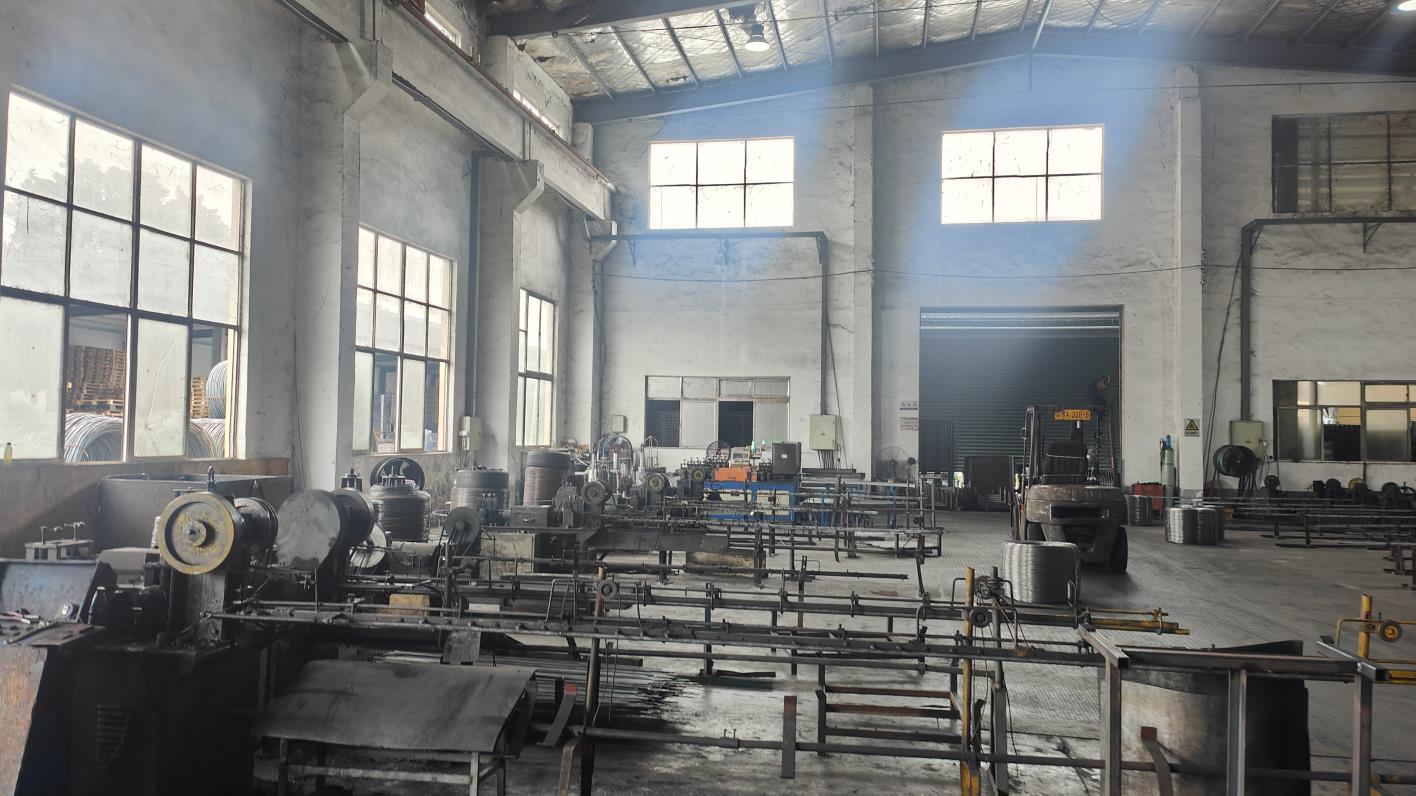
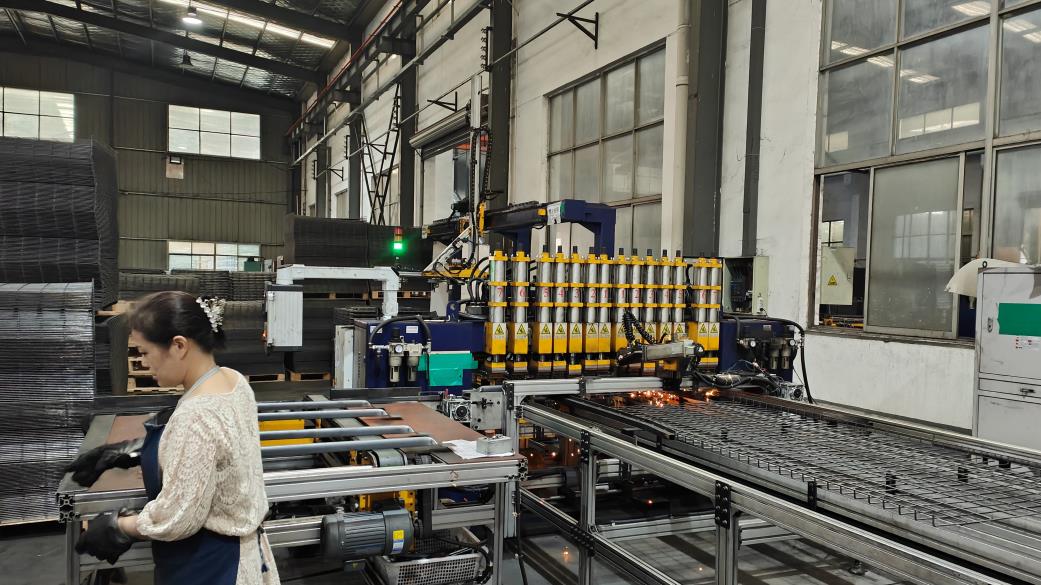
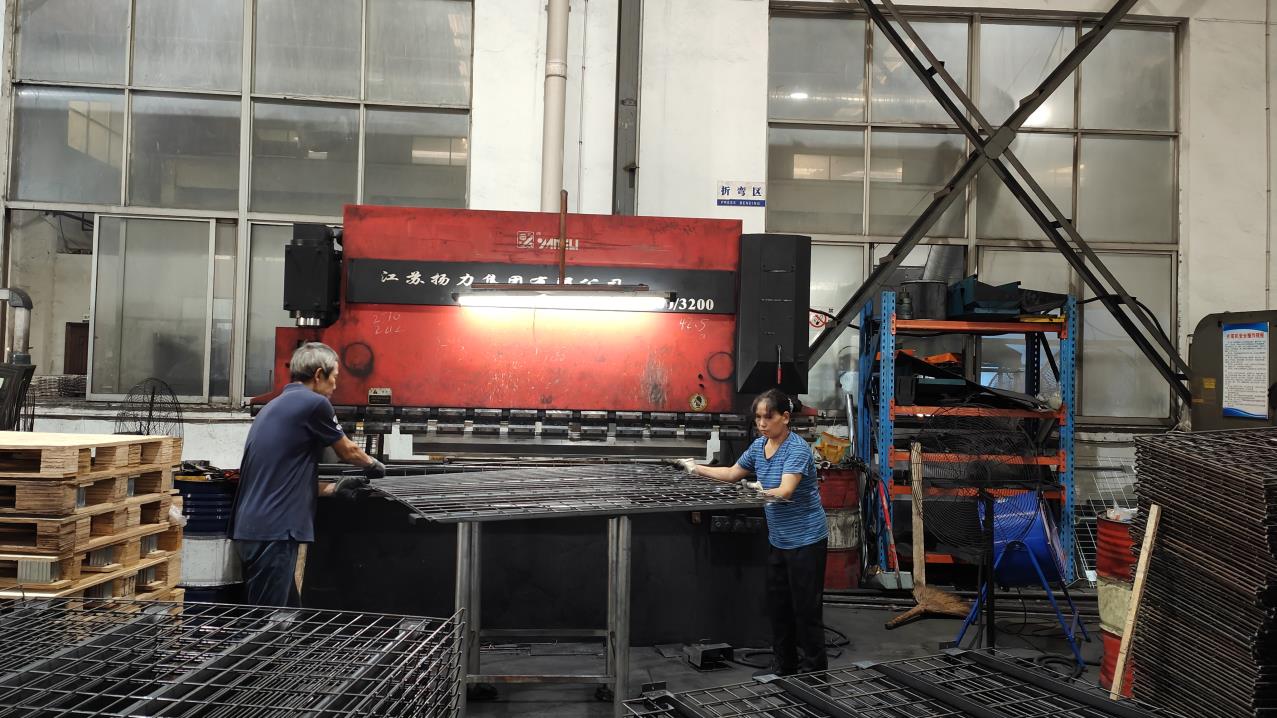
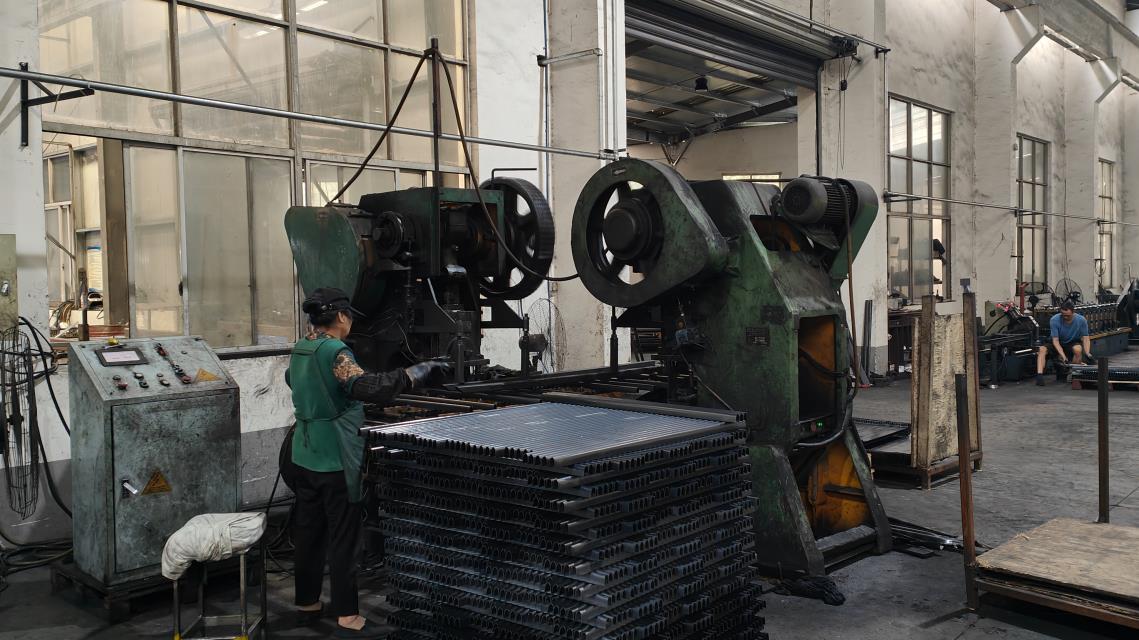
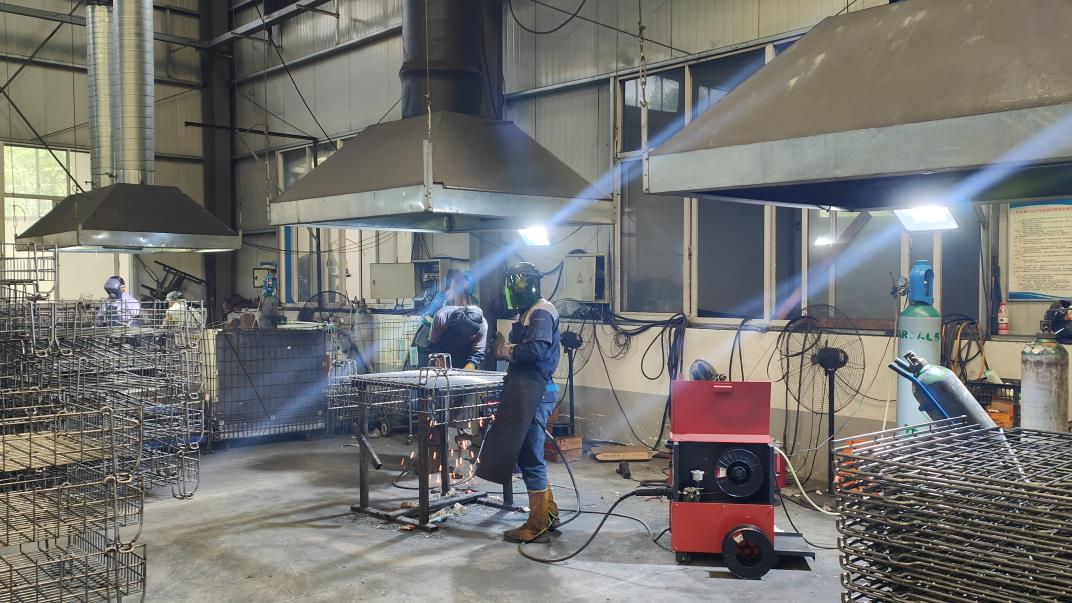
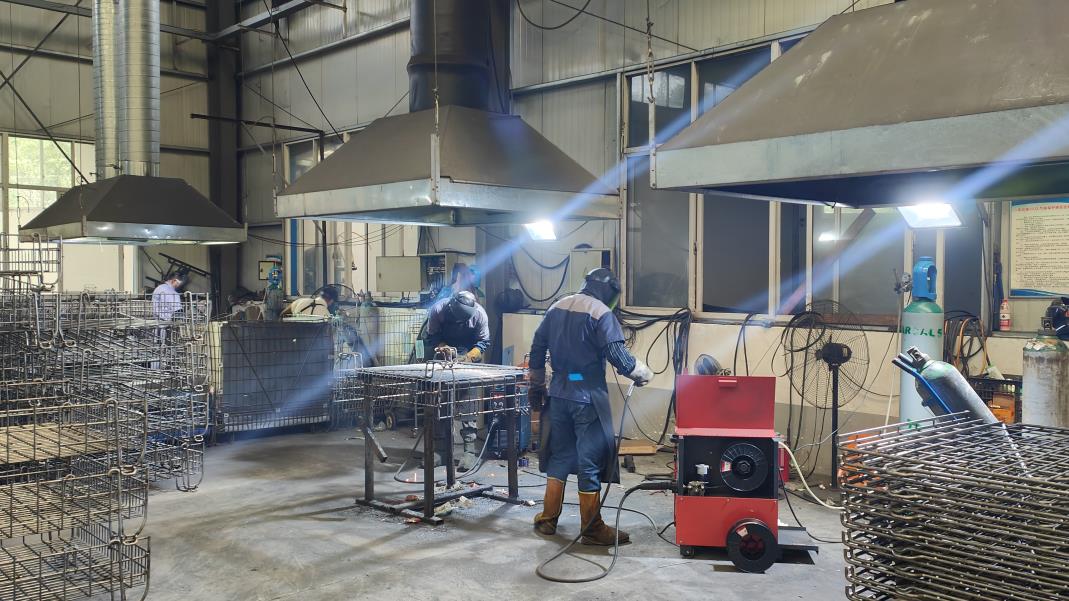
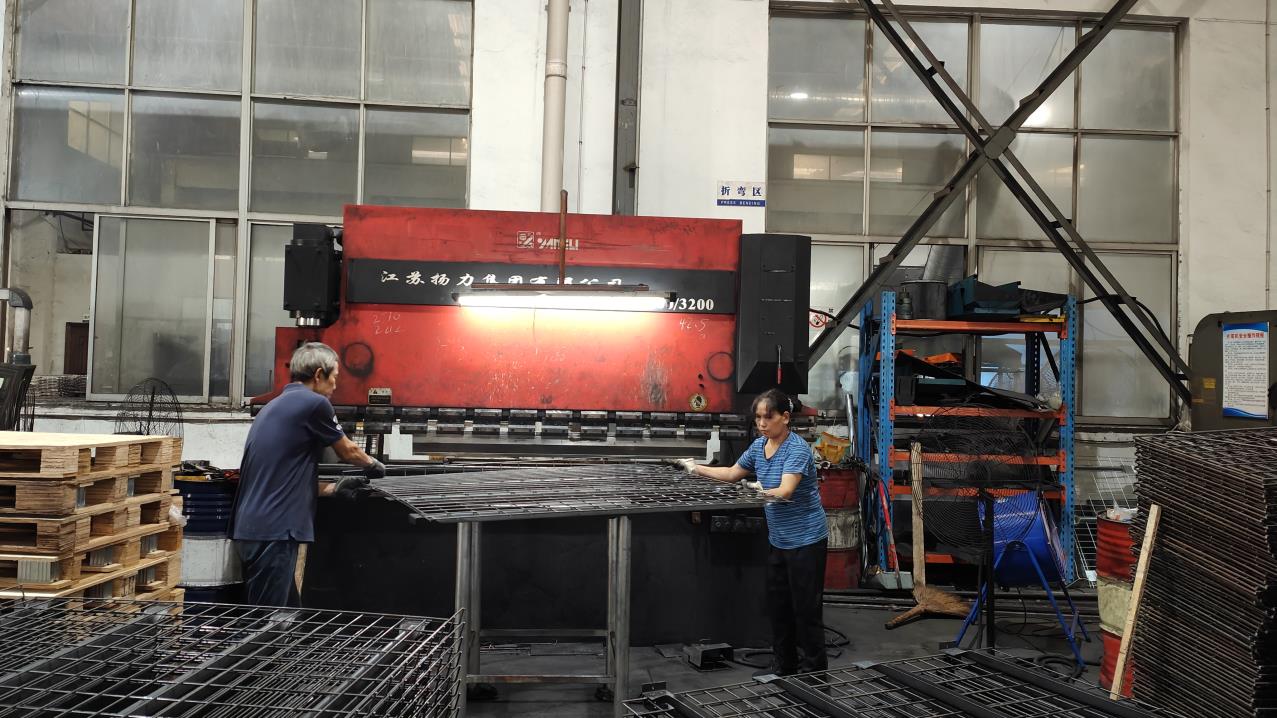
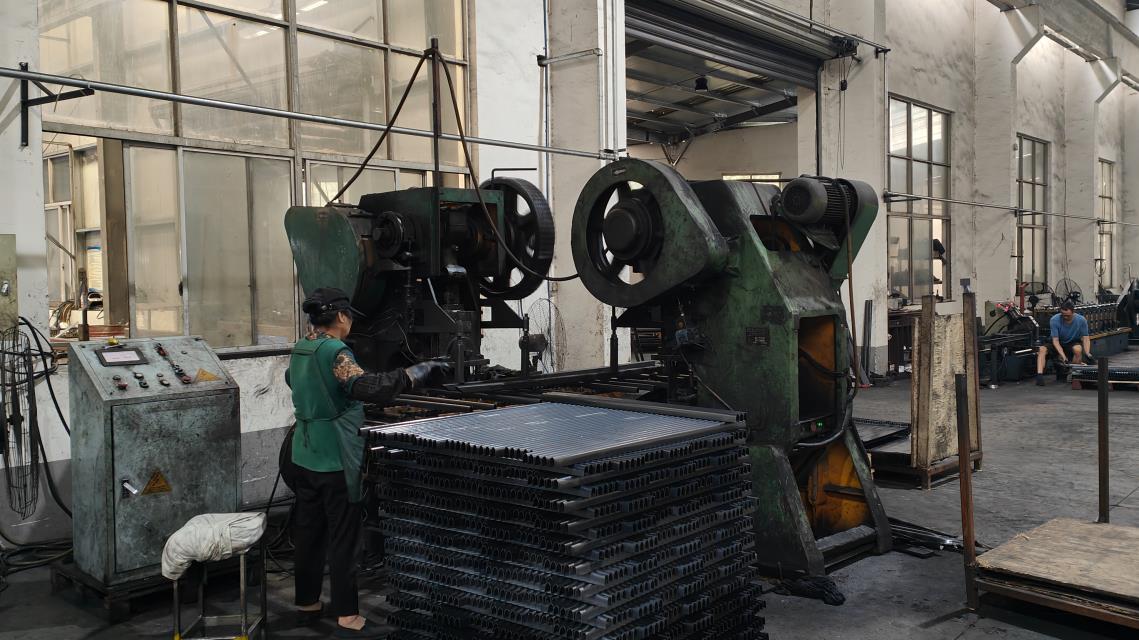
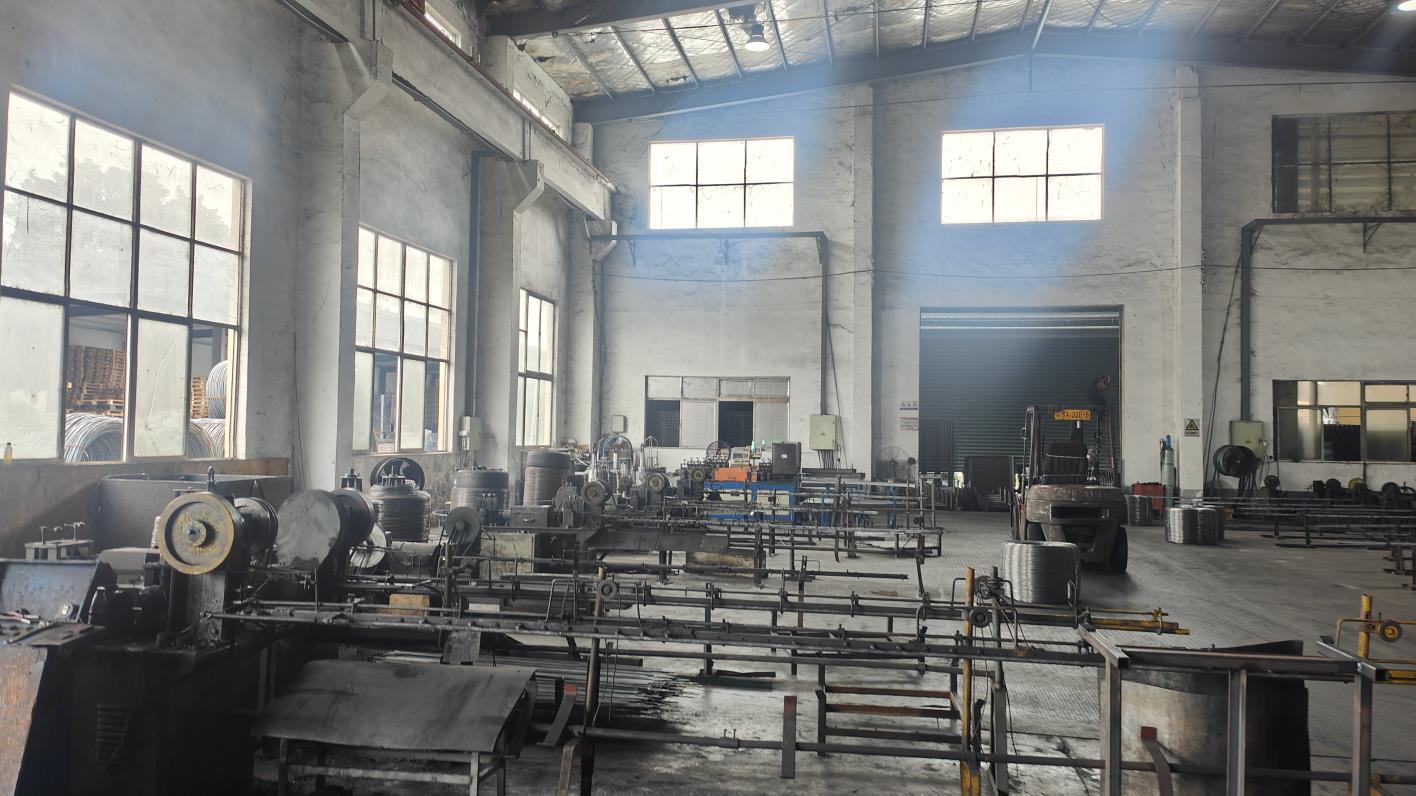
Strategic positioning of retail systems and structural design parameters to optimize operations.
Sourcing strategies for global retail chains and logistics enterprises have shifted focus toward structural longevity, modular deployment, and supplier supply chain resilience. Traditional low-grade wood shelving often leads to high long-term maintenance costs due to warping under humidity fluctuations, which are common in coastal New England. In response, modern procurement managers prioritize the following criteria:
Our tailored wooden shelving and heavy-duty storage configurations are utilized across various sectors in Boston and the wider New England area:
Supermarkets in historical urban pockets (such as the North End, Back Bay, and Cambridge) require compact, double-sided, wood-framed metal gondola systems. These systems maximize merchandising space while supporting heavy loads of organic produce and specialty preserves without bending or sagging.
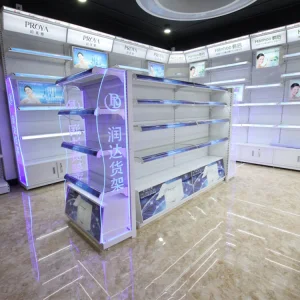
Located in the heart of Cambridge and South Boston's lab clusters, local pharmaceutical networks deploy our high-tech cleanroom-compatible wire shelving units and modular cabinets. These units feature corrosion-resistant properties to ensure chemical safety compliance.
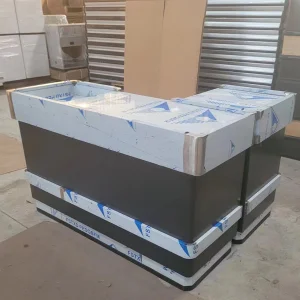
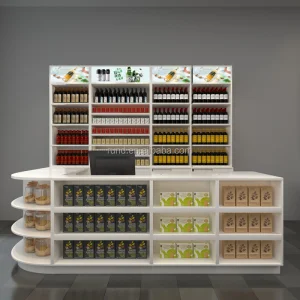
Historic retail corridors like Newbury Street require customized wooden showcases and metal checkout counters that match interior design aesthetics. These setups must support high load limits while integrating seamlessly with local architectural restrictions.
Code Compliance Advisory
Always consult your local design engineer to verify that racking height-to-depth ratios do not exceed 4:1. If this ratio is exceeded, structural anchors, base plate upgrades, or overhead ties are required to comply with local safety standards.
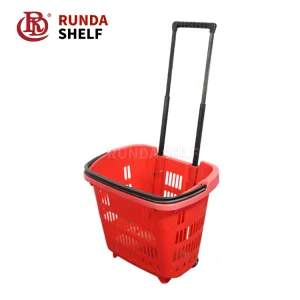
Complete line of storage accessories, retail display systems, and checkouts optimized for the commercial needs of Boston businesses.
Answers to common technical, logistics, and compliance questions from procurement officers in New England.
Partner directly with Suzhou CraftRack's design engineers to construct custom, compliant shelving and racking systems tailored for the Greater Boston Area.
Request Technical Consultation CraftRack