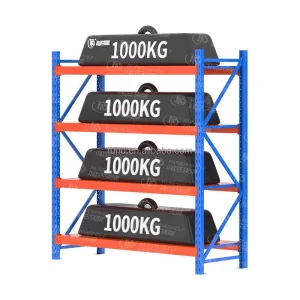
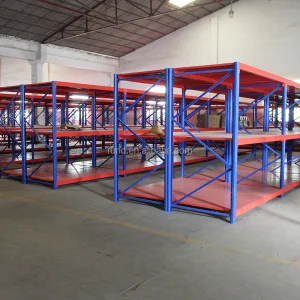
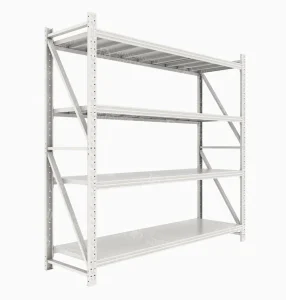
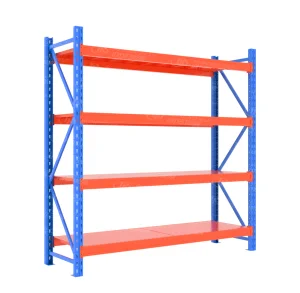
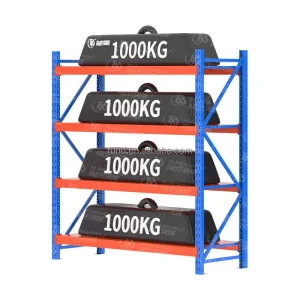
Pre-engineered structural steel shelving configurations matching Canadian industrial specifications
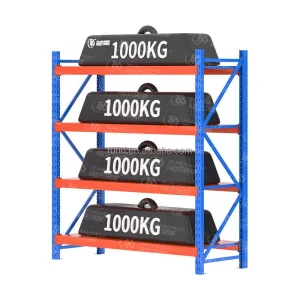
The Canadian logistics and warehousing market is undergoing a significant transformation. Key industrial nodes such as the Greater Toronto Area (GTA), Metro Vancouver, the Calgary-Edmonton corridor, and the Montreal industrial basin are experiencing unprecedented demand for modern distribution facilities. Low vacancy rates coupled with skyrocketing real estate costs have forced operations to pivot from horizontal expansion to vertical volume optimization.
Third-Party Logistics (3PL) providers and major e-commerce fulfillment centers are rapidly scaling up operations to service key population centers. These high-density configurations require highly specialized storage systems—such as Selective Pallet Racks, Very Narrow Aisle (VNA) racking, and automated shuttle systems—engineered to withstand the continuous stress of high-frequency cycles.
Canada’s vast geography requires distinct regional warehousing strategies. In Vancouver, where land is scarce and bordered by mountains and the ocean, high-density VNA systems and multi-tier mezzanine shelving are crucial to maximizing the spatial footprint. In contrast, the Calgary and Edmonton hubs, serving as major distribution Gateways to Western Canada, favor expansive selective pallet rack configurations capable of handling bulk industrial goods, mining machinery, and agricultural supplies.
Furthermore, Canada’s severe winter climate necessitates specialized cold-chain logistics hubs for food, beverages, and pharmaceuticals. Storage systems built for these sub-zero environments require anti-corrosive powder finishes or hot-dip galvanization to maintain structural integrity and prevent brittle fracture under low temperatures.
Importing and deploying industrial storage systems in Canada requires strict adherence to regional structural codes. Unlike less-regulated markets, Canadian municipal inspectors and safety officers mandate documented engineering compliance before allowing occupancy or operation of industrial shelving structures.
The primary standard governing steel storage racks in Canada is the CSA A344 standard (User guide for steel storage racks), which outlines design parameters, installation protocols, and maintenance standards. Steel elements must also align with CSA S16 (Design of steel structures) guidelines. Any reputable warehouse storage shelf manufacturer must design and manufacture their racking components to meet or exceed these CSA provisions, ensuring structural reliability under extreme loading conditions.
Compliance with the National Building Code of Canada (NBC) requires detailed seismic calculations, especially in high-activity zones like British Columbia and parts of Quebec.
Under Ontario's Occupational Health and Safety Act, rack installations must undergo a Pre-Start Health and Safety Review (PSR) signed by a licensed Professional Engineer.
All upright columns and load-bearing beams must be fitted with certified capacity plaques clearly stating maximum load-carrying limits per bay.
To assist Canadian enterprises and procurement teams in securing municipal approval, Suzhou CraftRack offers structural design verification services, Finite Element Analysis (FEA) reports, and engineered shop drawings tailored to the specific climatic and seismic loads of your facility’s Canadian postal code.
A global leader in industrial storage engineering and high-precision steel roll-forming
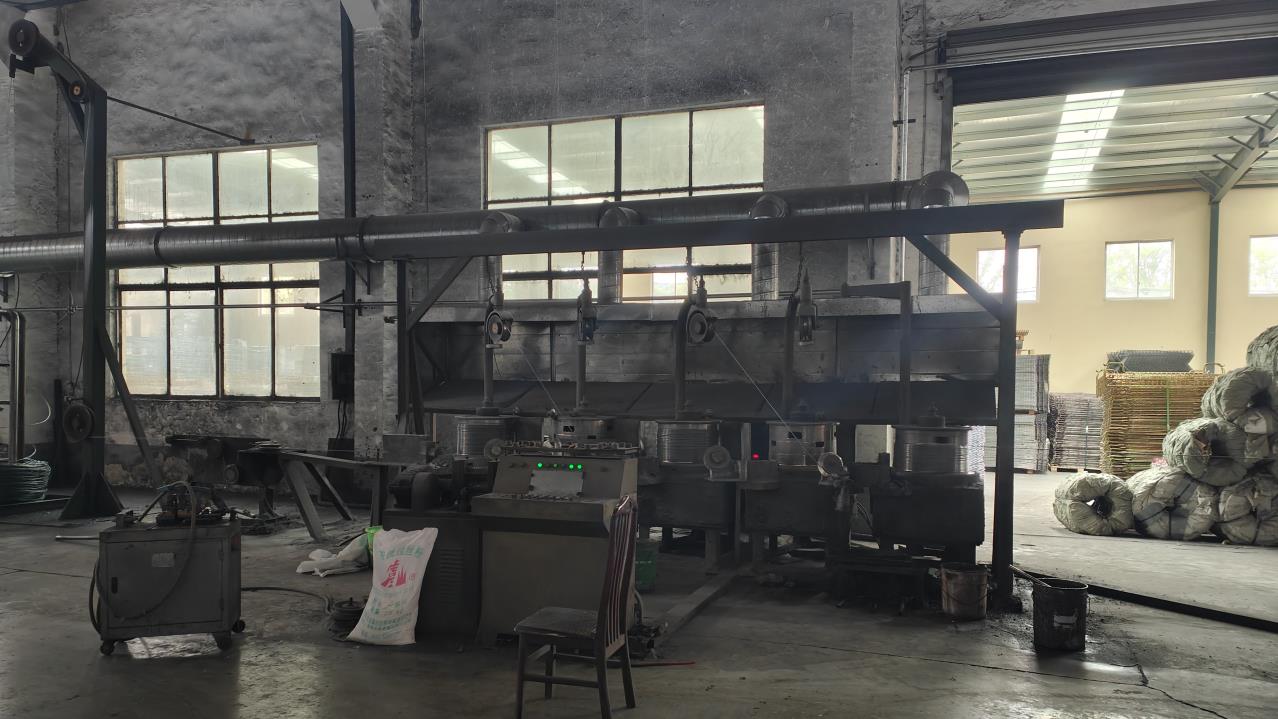
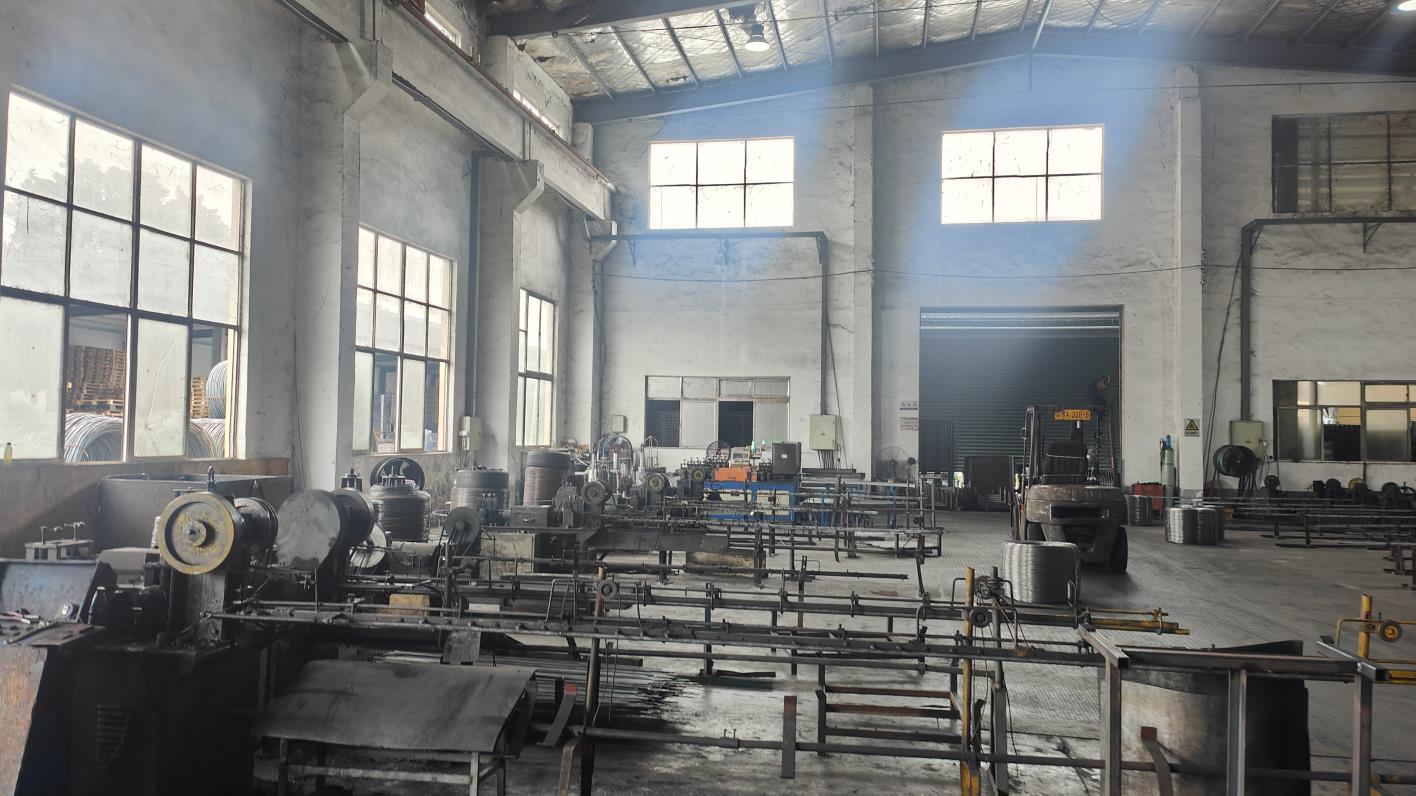
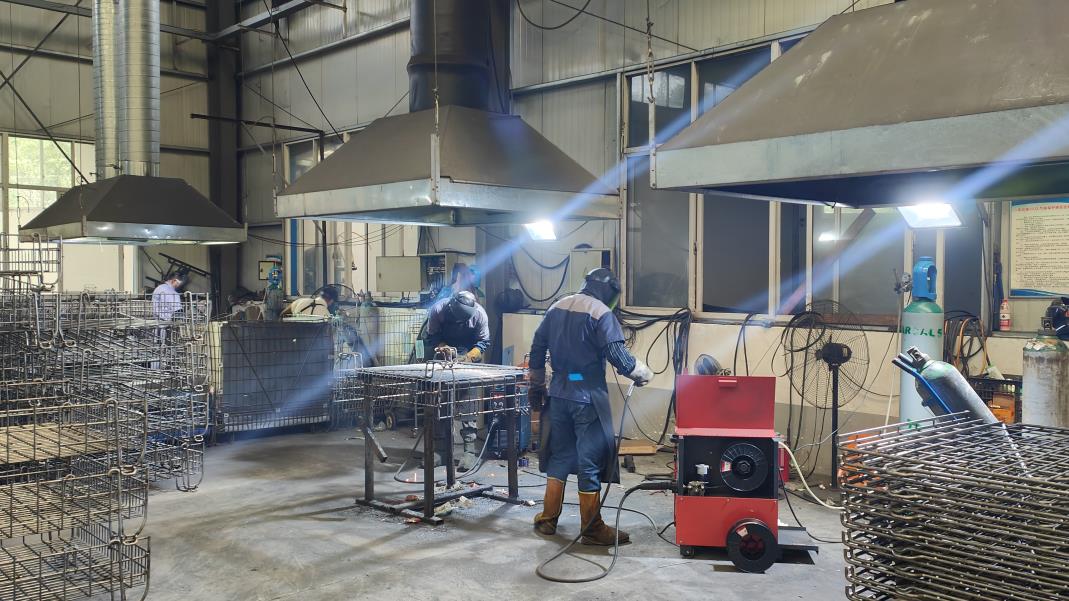
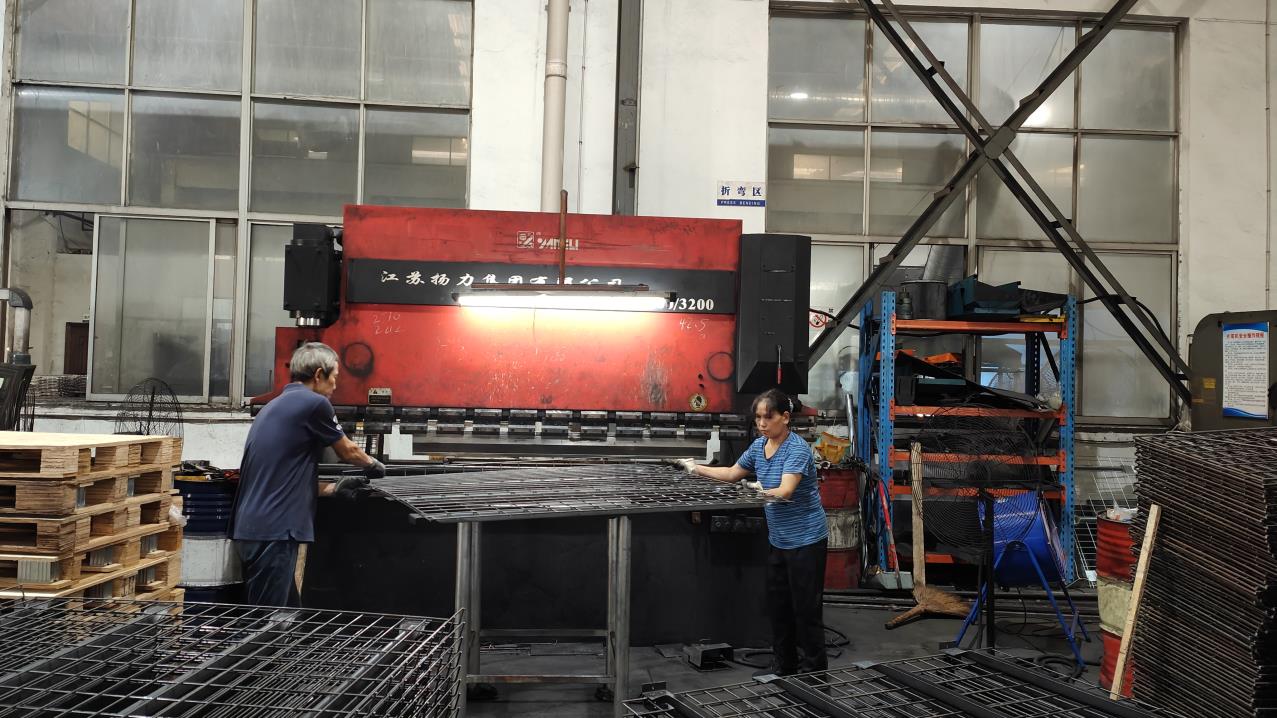
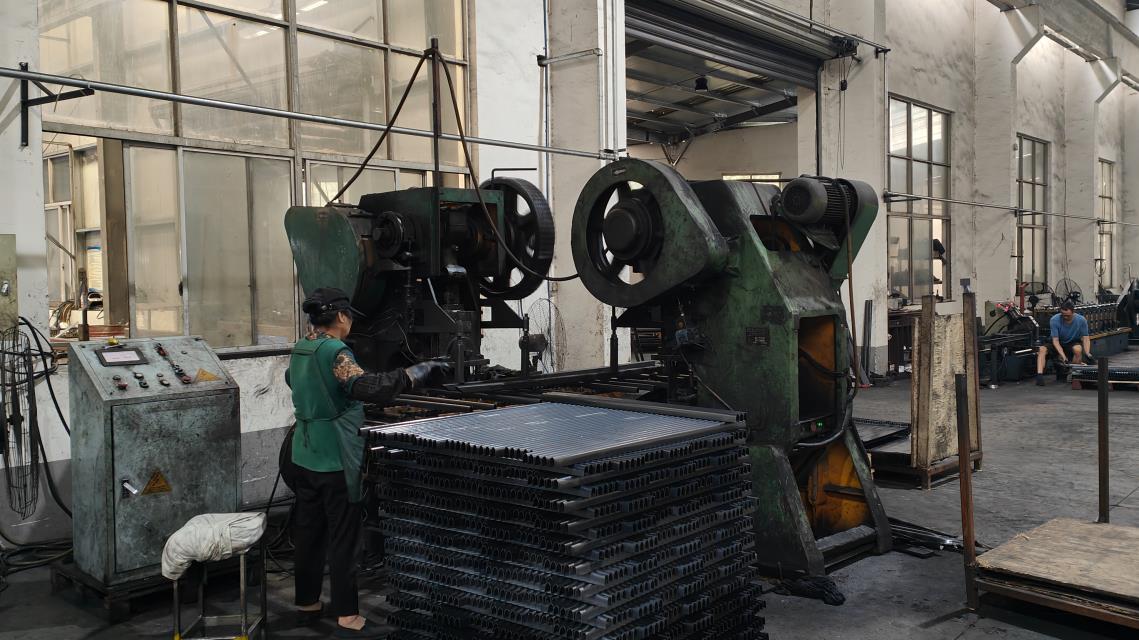
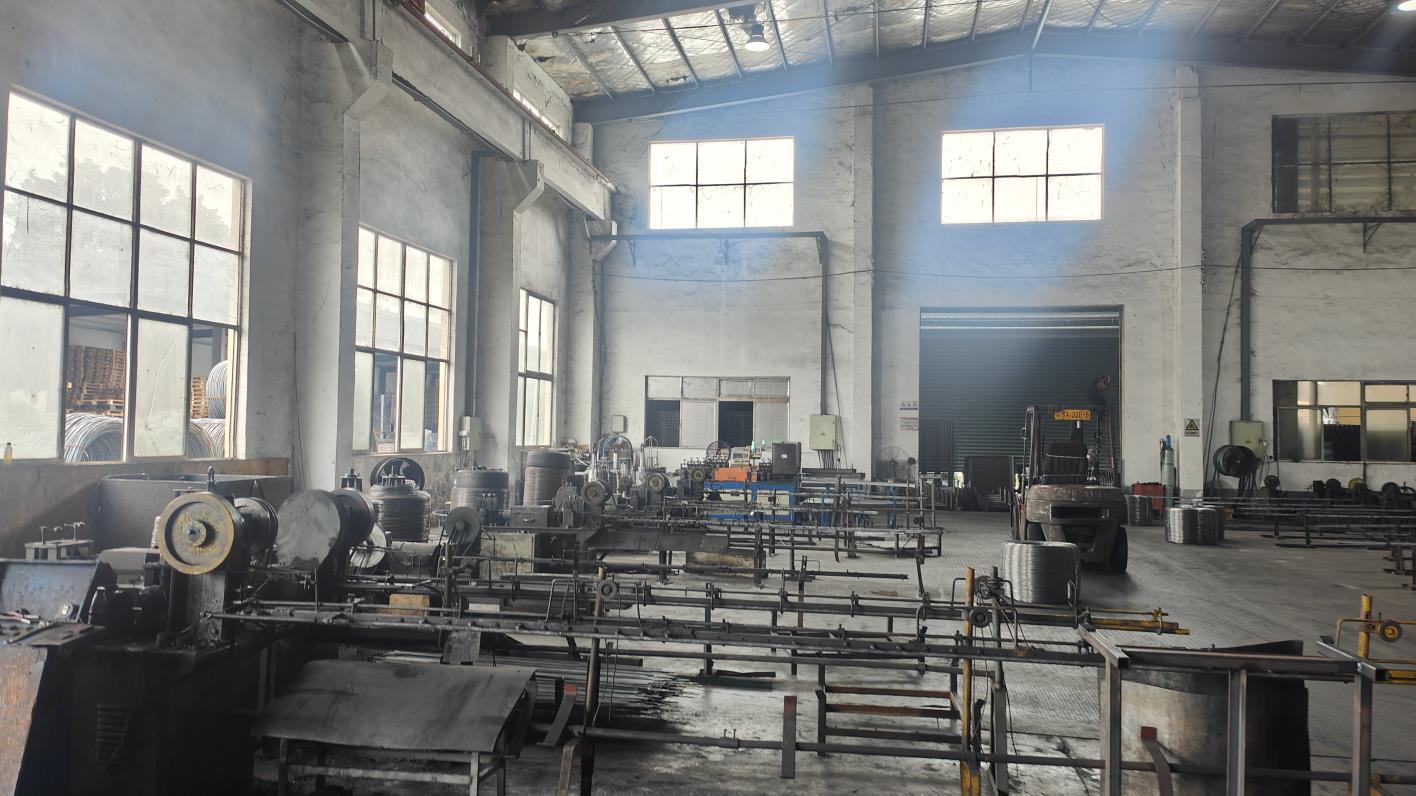
Suzhou CraftRack Heavy Duty Storage Equipment Co., Ltd. was established in 2014. Our facility covers a sprawling building area of 38,000 m², supported by an annual export revenue reaching $28,000,000. Backed by 8 years of annual export experience and 14 years of deep industry expertise, we deliver world-class warehouse logistics solutions worldwide.
Quality is at our core. We implement strict Non-Destructive Testing (NDT) and Ultrasonic Weld Inspection using state-of-the-art product inspection methods, overseen by a dedicated team of 45 QC specialists. Operating with an OEM & ODM direct-manufacturing trade background, our primary markets span North America, Western Europe, and Southeast Asia. We maintain strong ties with over 1,200 supply chain partners, catering mainly to 3PL logistics hubs, large-scale e-commerce fulfillment centers, and industrial manufacturing plants.
Our robust R&D capability centers on Automated Storage and Retrieval Systems (ASRS) & Finite Element Structural Analysis. We offer extensive custom options, including seismic resistance rating, custom load capacity engineering, and specialized powder coating finishes. In the past year alone, we achieved 45 new product launches, driven by a talented team of 32 R&D engineers.
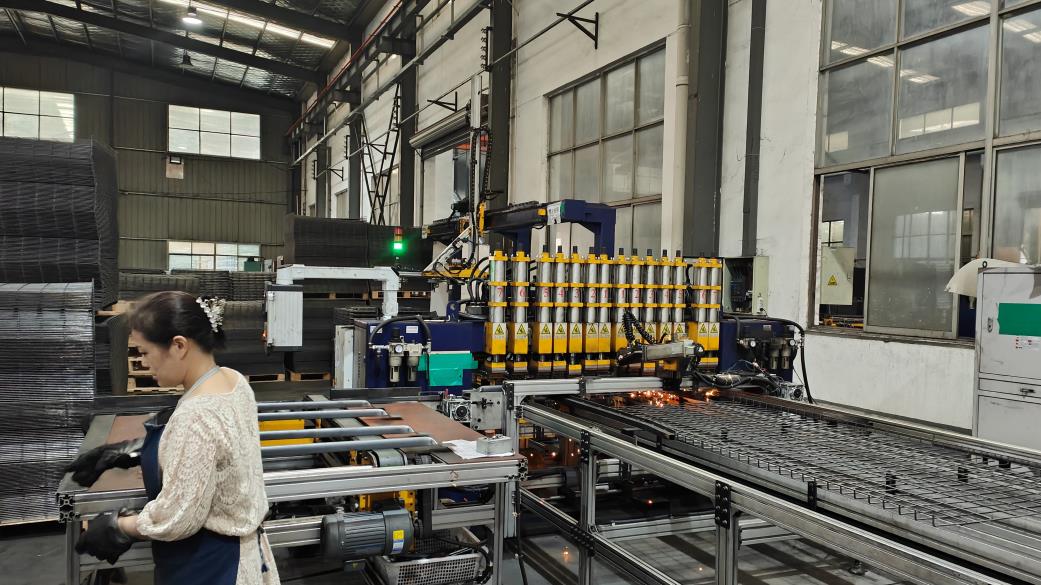
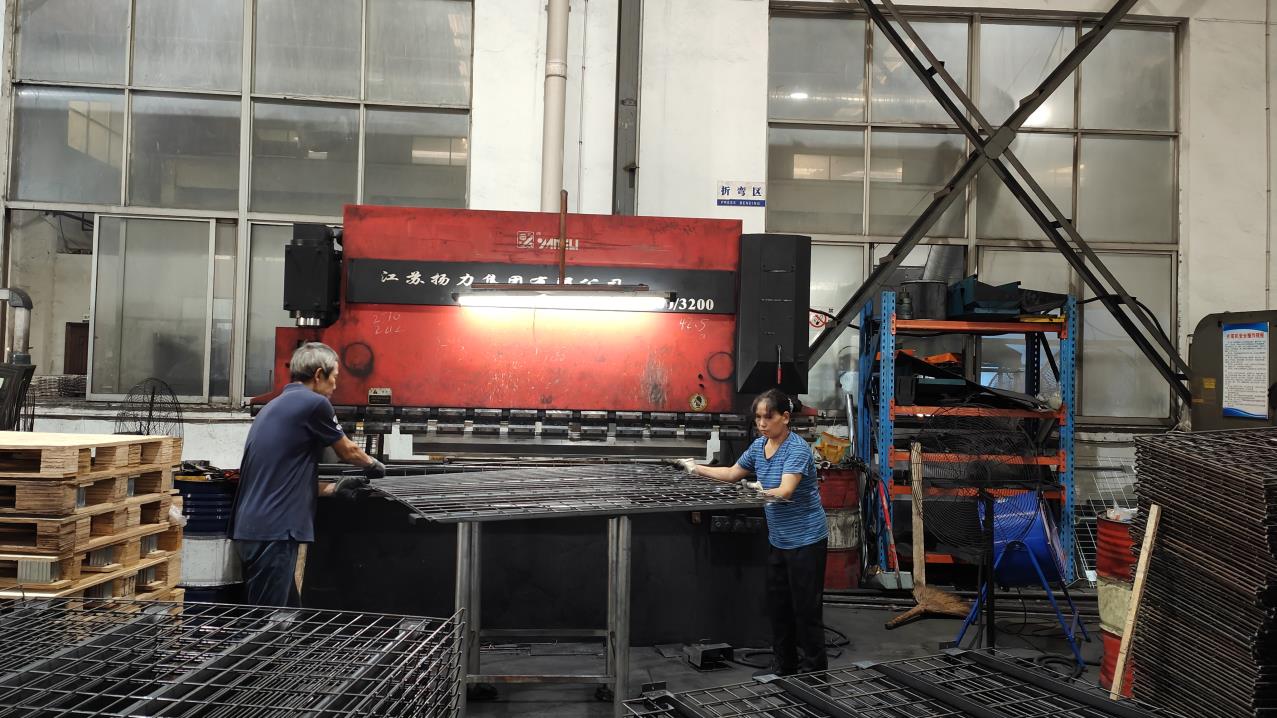
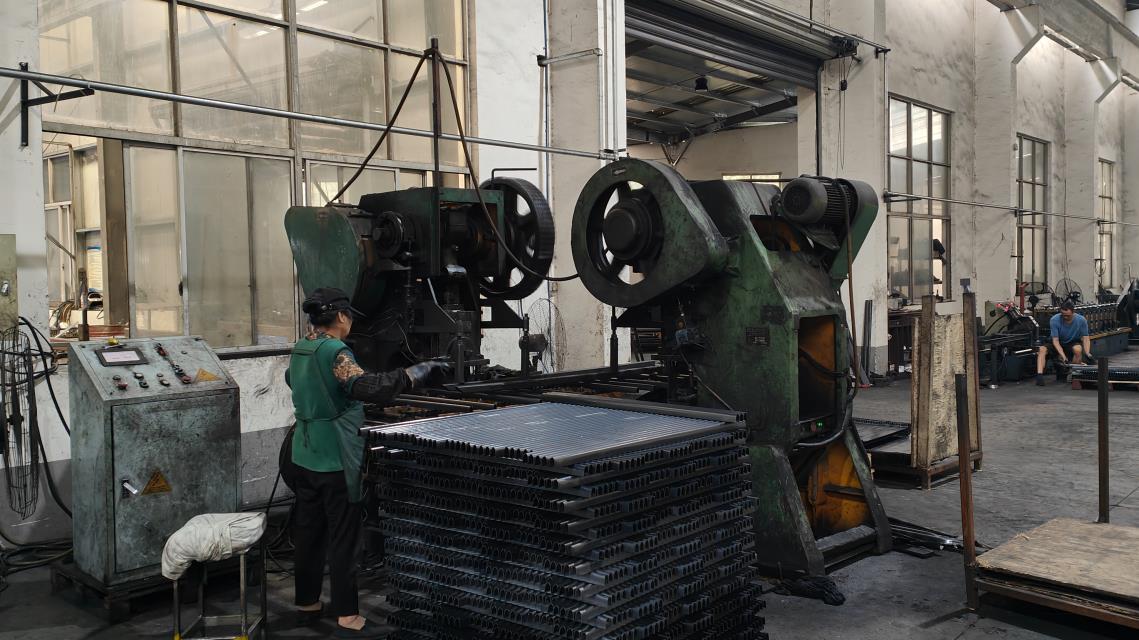
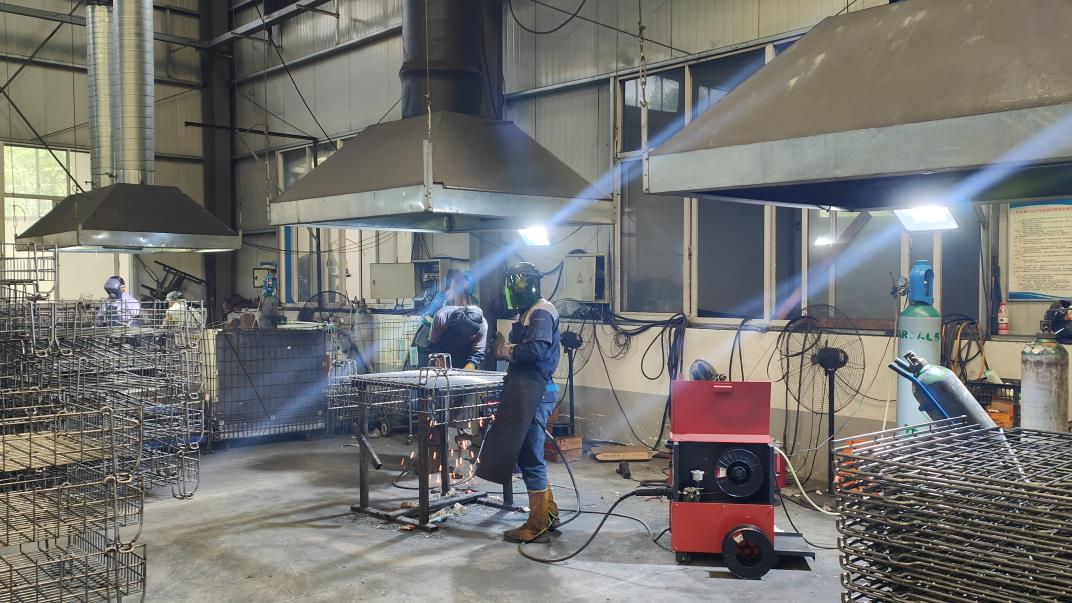
Many Canadian warehouse planners and supply chain executives hesitate to buy storage systems directly from overseas manufacturers due to shipping logistics, quality controls, and lead times. However, the direct-to-manufacturer model with Suzhou CraftRack offers unparalleled financial and structural design benefits that offset local distribution margins.
Our systems utilize premium grade Q235B and Q355B structural steel. This grade of cold-rolled steel provides excellent yield points and load-bearing properties, crucial for minimizing dynamic deflection under heavy pallets.
With a 38,000 m² automated manufacturing facility, Suzhou CraftRack produces in quantities that significantly reduce per-unit production costs. Sourcing directly saves up to 35% compared to North American distributors.
We implement continuous Non-Destructive Testing (NDT) and Ultrasonic weld inspections. The process ensures that load-bearing joints, frames, and upright connections contain no micro-cracks or faults.
To address shipping times, we coordinate container logistics directly to Canada's major maritime gateways, including Vancouver, Montreal, and Halifax. By utilizing optimized container-packing engineering, we maximize container space, lower freight-per-ton costs, and ensure all steel items are secured with anti-moisture barrier packaging to prevent rust during sea transit.
Multinational corporations and leading logistics conglomerates maintain highly detailed procurement protocols. When selecting racking manufacturers, these enterprises look far beyond pricing. Key requirements include proven compliance with international quality management systems (ISO 9001), environmental footprint certifications (ISO 14001), and supply chain continuity guarantees.
Furthermore, modern fulfillment centers are increasingly incorporating technological components. Industry trends indicate that standard racking setups are transforming into interactive infrastructure platforms. Let’s look at the primary technological trends taking over Canadian industrial infrastructure:
Suzhou CraftRack’s dedicated R&D team of 32 engineers works hand-in-hand with systems integrators. This ensures our steel frames are formed to exact tolerances (fractions of a millimeter) to support the smooth movement of automated high-speed shuttles, elevators, and sensor-based inventory tracking devices.
Premium steel warehouse storage shelves, selective pallet racks, VNA racking, and light-duty boltless shelves
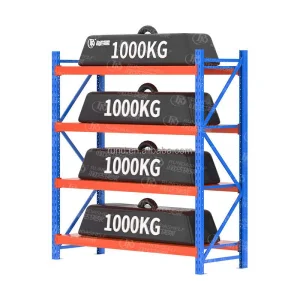
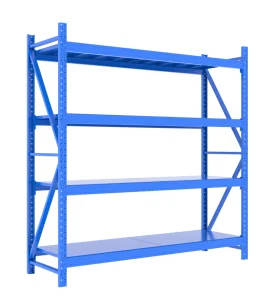
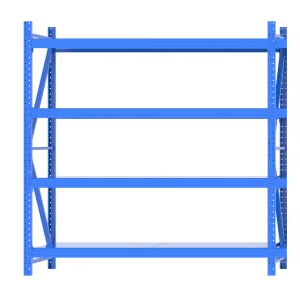
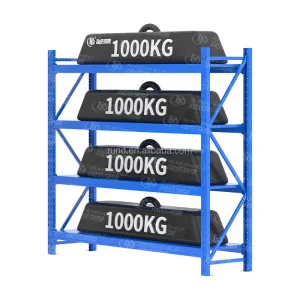
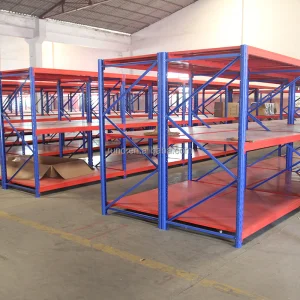
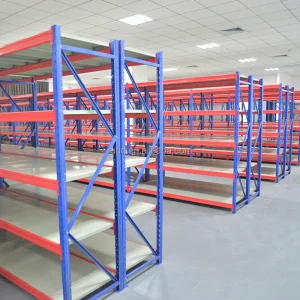
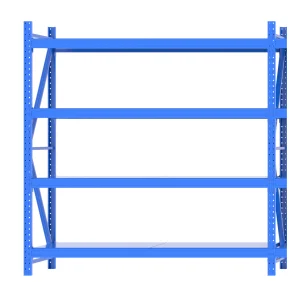
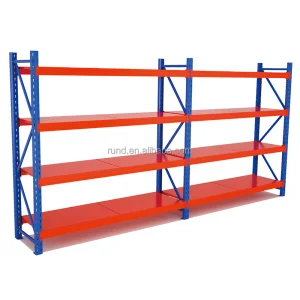
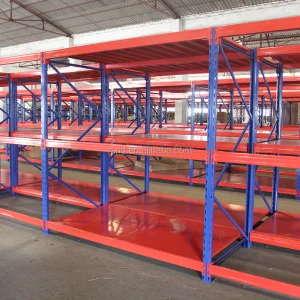
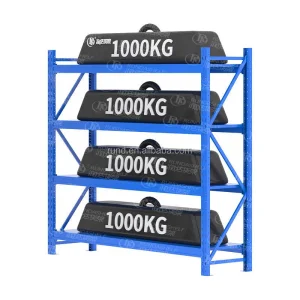
To ensure optimal spatial design, warehouse storage racking must be matched precisely to operational workflows. Understanding these matches allows operations engineers to specify appropriate load capacities, dynamic safety limits, and aisle configurations. Let's outline the primary storage setups across Canada:
With companies like Amazon and various 3PL players dominating logistics in the GTA and Vancouver, multi-level selective racks integrated with wire decking are critical. These permit high-visibility storage of small-to-midsize carton packaging while satisfying strict fire safety codes, as the open mesh structure of wire decking lets overhead sprinkler water pass through in case of emergency.
In cold-chain warehousing, the structural steel frames must survive temperatures as low as -30°C. Cold storage facilities use Drive-In Racks, Shuttle Racking, or VNA Pallet Systems to maximize storage density, minimizing the volume of air requiring refrigeration. Suzhou CraftRack uses specialized powder-coating formulas and hot-dip galvanized steel to prevent corrosion, paint peeling, and brittleness in cold environments.
Southwestern Ontario serves as the heart of Canada’s automotive manufacturing sector. Racking setups in this region must handle heavy, concentrated metal parts and stamping dies. Heavy-duty pallet racks with capacity ratings up to 4500kg per level are utilized here. Suzhou CraftRack customizes beam sections and adds box profiles to secure operations during loading and unloading.
Expert answers addressing compliance, engineering calculations, logistics, and design standards
Under the National Building Code of Canada (NBC), industrial racking systems are categorized as structural steel items. Designing these setups requires calculations that factor in the seismic hazard values of your specific postal code. High-risk zones, such as Vancouver Island or Metro Vancouver, require dynamic structural designs with thicker steel sections, wider baseplates, and heavier-duty floor anchors to withstand potential lateral earth movements.
In Ontario, Section 7 of the Industrial Establishments Regulation mandates a PSR for any industrial racking installation. Sourcing from an overseas manufacturer like Suzhou CraftRack requires providing structural documentation, including raw material test certifications, welding parameters, and Finite Element Analysis (FEA) models. A licensed professional engineer in Ontario will then review these calculations to certify that the setup is safe for warehouse staff.
Shipments departing from China to Eastern Canadian cities like Toronto or Montreal typically travel via maritime transit to the Port of Vancouver or Prince Rupert, before moving by rail (CN or CP Rail) to local hubs. Transit times range from 28 to 35 days. Standard customs clearance requires a Bill of Lading, Commercial Invoice, Packing List, and HS Code classification. All steel structures are cleared in compliance with the Canada Border Services Agency (CBSA) guidelines.
At low temperatures, carbon steel can suffer from reduced impact toughness, making it more brittle. Racking systems deployed in cold rooms or freezers must use steel with certified grain sizes and chemical composition designed to handle low temperatures without cracking under sudden impacts. Additionally, electrostatic powder coating must be properly cured to avoid cracking and flaking caused by structural thermal expansion and contraction.
Ready to optimize your Canadian warehouse layout? Contact our R&D engineers to receive custom layout drawings, load calculations, and a direct-to-factory quote.
Send Inquiry Now CraftRack