Premium fixtures engineered to enhance product visibility and maximize supermarket shelf space utilization in Chile
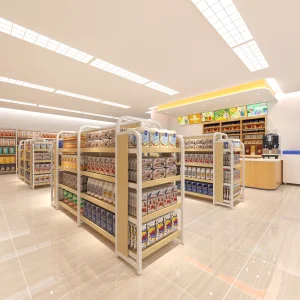
Analyzing market dynamics, seismic compliance, and modernization requirements across Chilean provinces
The supermarket and retail sector in Chile represents one of the most mature, consolidated, and highly competitive markets in Latin America. Dominated by retail giants such as Cencosud (Jumbo, Santa Isabel), Walmart Chile (Líder, Express de Líder, SuperBodega Acuenta), SMU (Unimarc, Alvi, Mayorista 10), and Falabella (Tottus), the requirement for high-durability, space-efficient, and structurally sound supermarket accessories has reached unprecedented levels. Modern stores from Santiago to Puerto Montt are undergoing rapid aesthetic and digital modernizations, shifting from static shelving units to smart, dynamic configurations.
Crucially, Chile's unique geographical profile demands engineering rigor. Positioned directly on the Pacific Ring of Fire, all retail shelving systems, warehouse mezzanine racks, and point-of-sale fixtures must conform to the stringent Chilean Seismic Design Standard NCh433 Of.96 and NCh2369. Standard global shelving configurations often fail under horizontal structural stress, rendering the selection of certified, high-grade steel manufacturers paramount. Importers and local procurement departments must verify the structural calculation protocols, seismic anchoring mechanisms, and load distribution analysis of every shelving unit deployed.
Furthermore, coastal locations such as Valparaíso, Viña del Mar, and San Antonio experience elevated levels of salt spray and ambient moisture due to the cold Humboldt Current. This localized microclimate accelerates the oxidation of standard steel supermarket accessories. Consequently, there is an surging market preference for specialized industrial powder coatings (epoxy-polyester coatings with minimum 80-micron thickness) and high-grade stainless steel options to ensure corrosion resistance, hygiene, and extended service life.
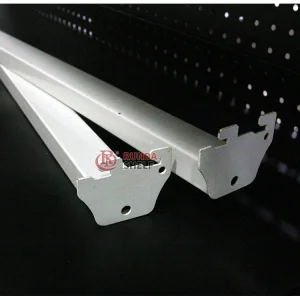
Specially reinforced upright configurations, base plates, and safety locks built to absorb and dissipate lateral shockwaves under NCh433 guidelines.
Electrostatic powder coatings with high salt-spray resistance ratings, ideal for coastal warehouses and high-humidity environments across Chile.
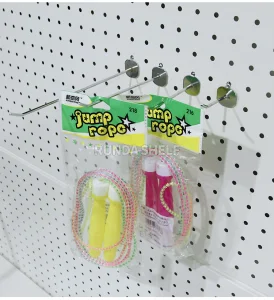
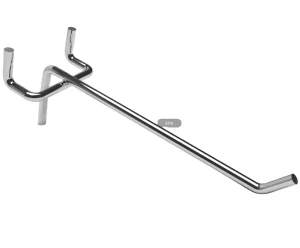
Adaptable slotting systems, crossbars, and pegboards that enable rapid product re-configurations to respond dynamically to consumer demand cycles.
Why Tier-1 Chinese manufacturers provide unmatched cost-to-performance ratio for Chilean retail logistics
For supermarket chains operating in Chile, managing the Total Cost of Ownership (TCO) of commercial fixtures is a primary driver of operational profitability. While sourcing locally within South America offers shorter lead times, the raw material constraints, lack of specialized automation, and higher labor overheads result in a significant price premium. Conversely, partnering directly with a leading Chinese manufacturing facility like Suzhou CraftRack Heavy Duty Storage Equipment Co., Ltd. allows procurement officers to leverage the power of industrial clustering, massive economies of scale, and advanced automated production processes.
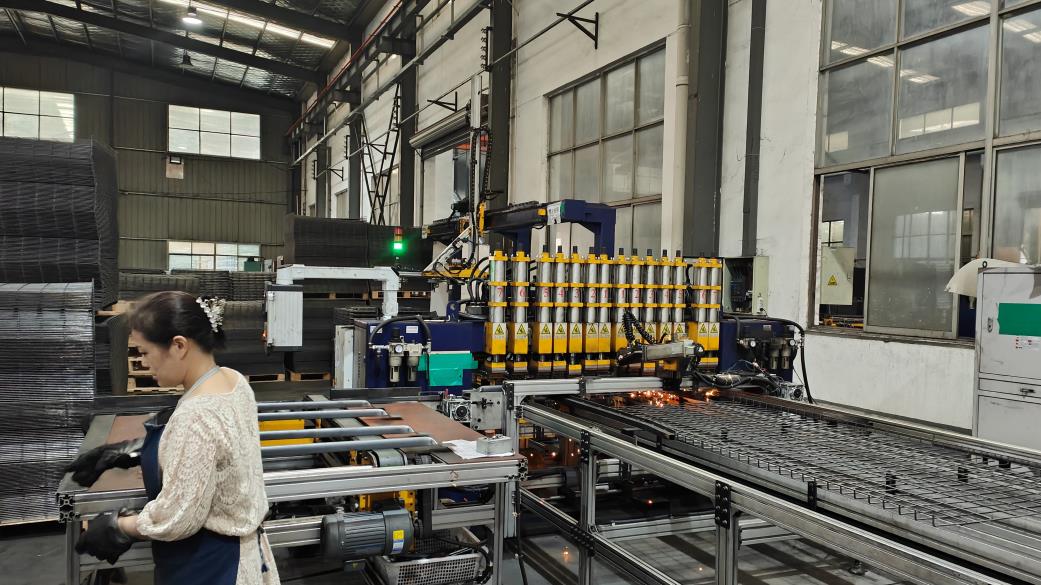
The efficiency of a modern Chinese factory is not built solely on cost-competitiveness; it is fundamentally driven by high-tech engineering and supply chain integration. With specialized processes like automated robotic welding, multi-stage chemical pretreatment lines, and advanced rolling mills, Chinese manufacturers produce supermarket components that are highly standardized, geometrically precise, and structurally reliable. For Chilean buyers, this translates to minimal assembly issues during store build-outs, uniform load capacities across thousands of rack units, and predictable long-term wear resistance.
Furthermore, direct-from-factory sourcing opens up access to sophisticated engineering support. Rather than selecting from standard catalogs, large-scale distributors and supermarket chains in Santiago can collaborate directly with R&D teams to run Finite Element Method (FEM) analysis on custom shelf configurations. This ensures that every racking column, crossbeam, and bracket is optimized to withstand target weight envelopes while conserving steel, avoiding expensive over-engineering without compromising on structural safety margins.
Connect with our engineering experts to review structural calculations, request sample finishes, and receive detailed competitive quotations for bulk orders.
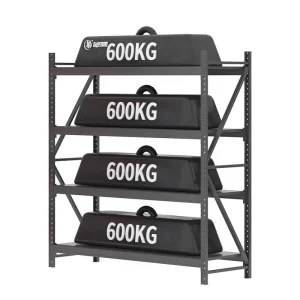
Robust logistics racking and high-efficiency product organization systems engineered for heavy loading
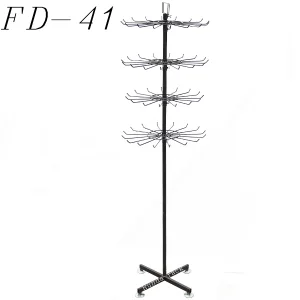
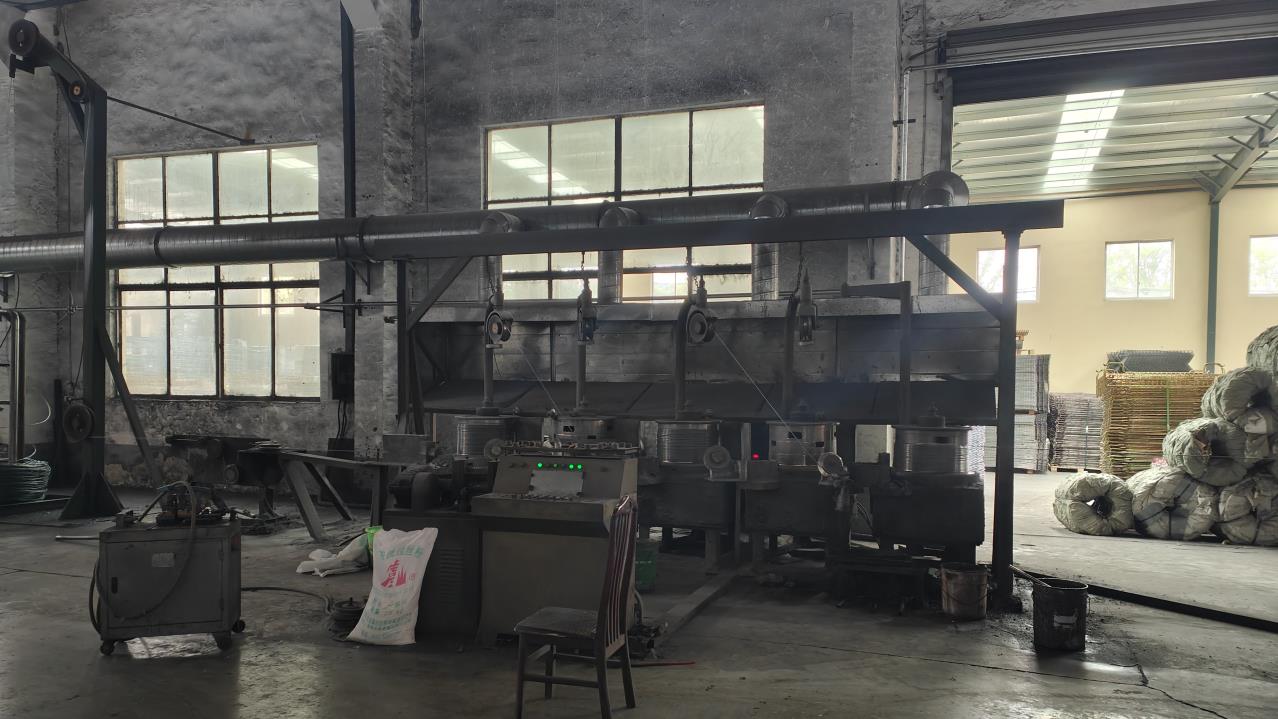
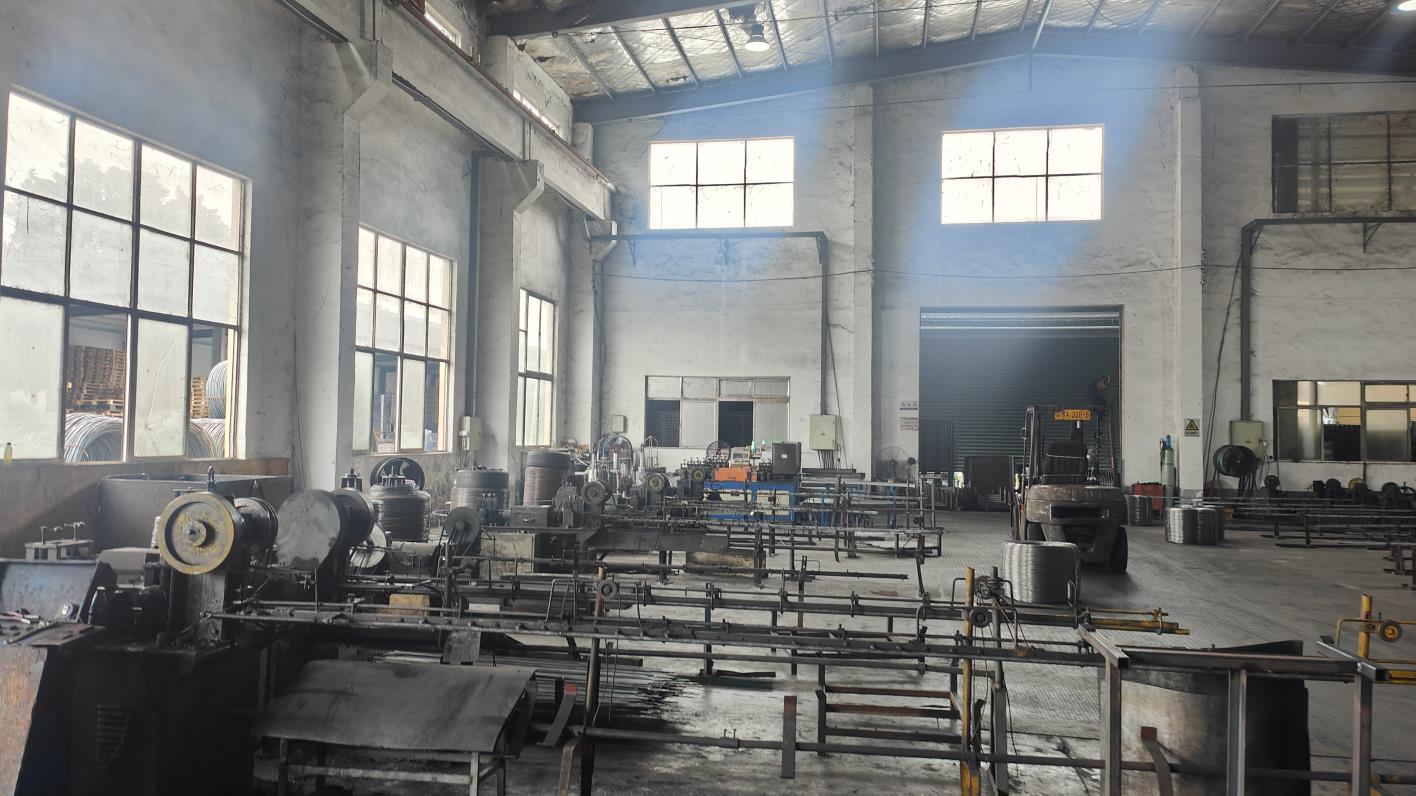
Discover the engineering capability, advanced machinery, and rigorous quality systems behind our solutions
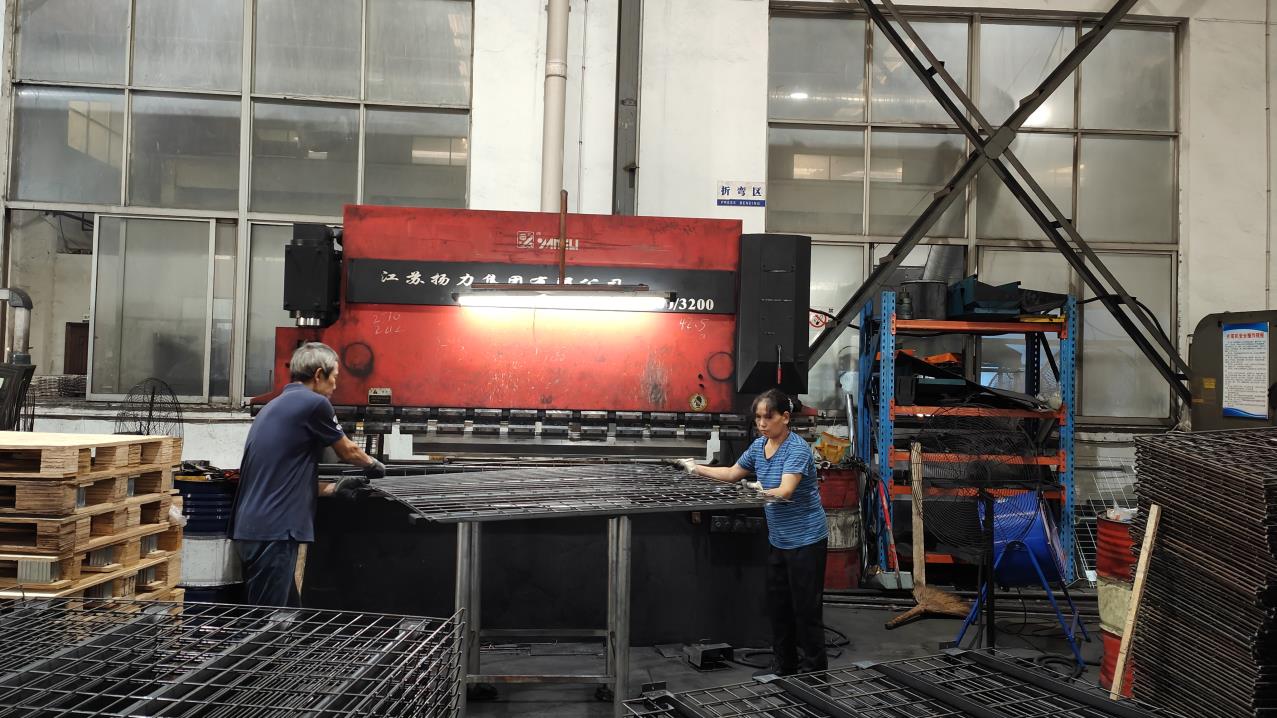
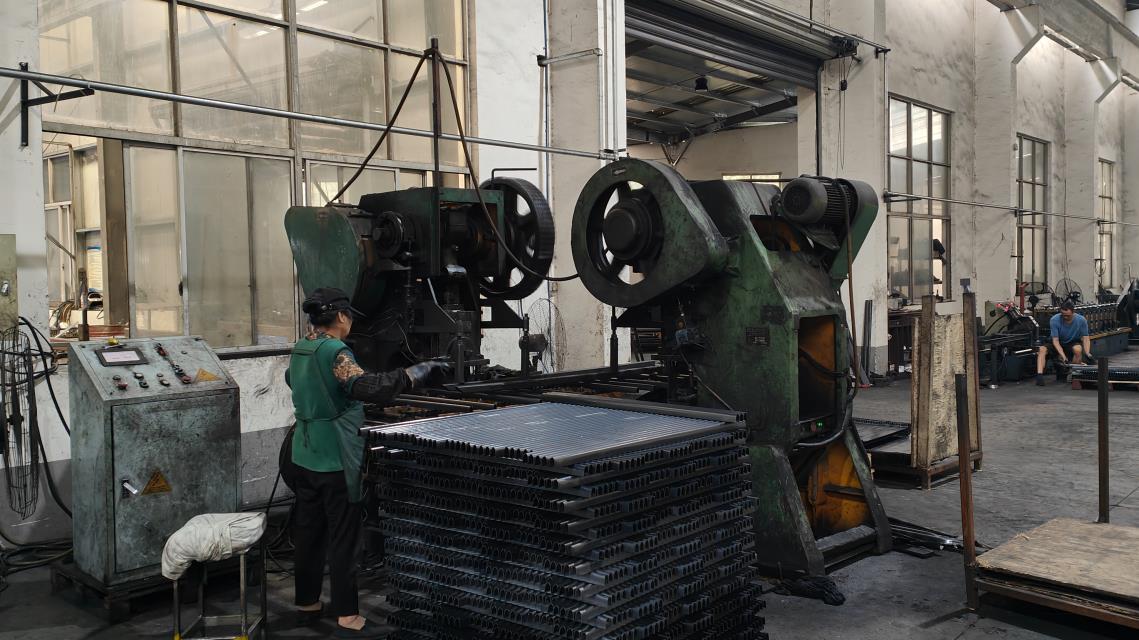
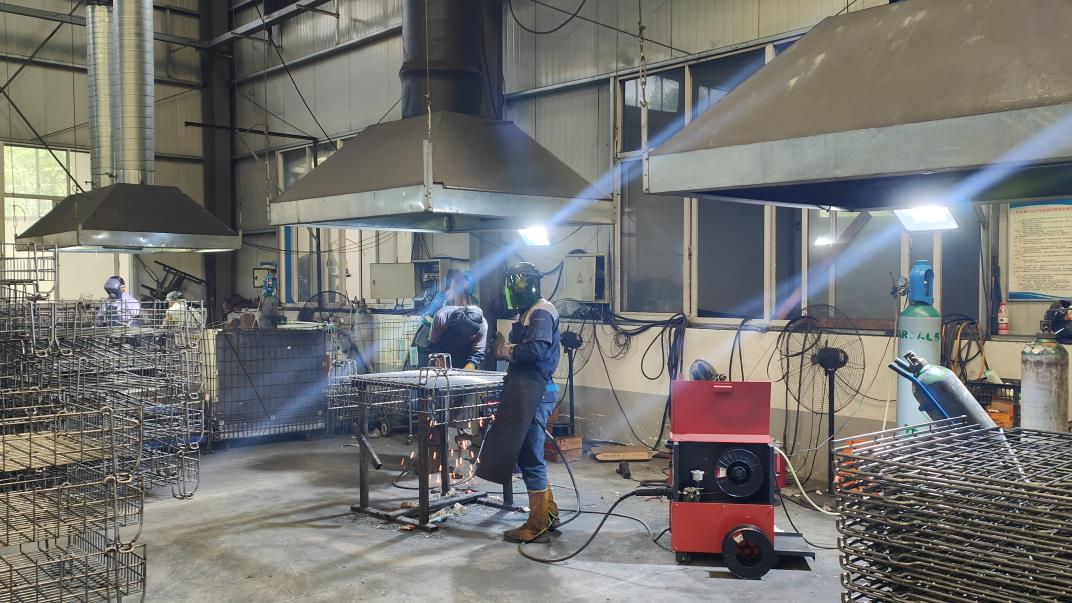
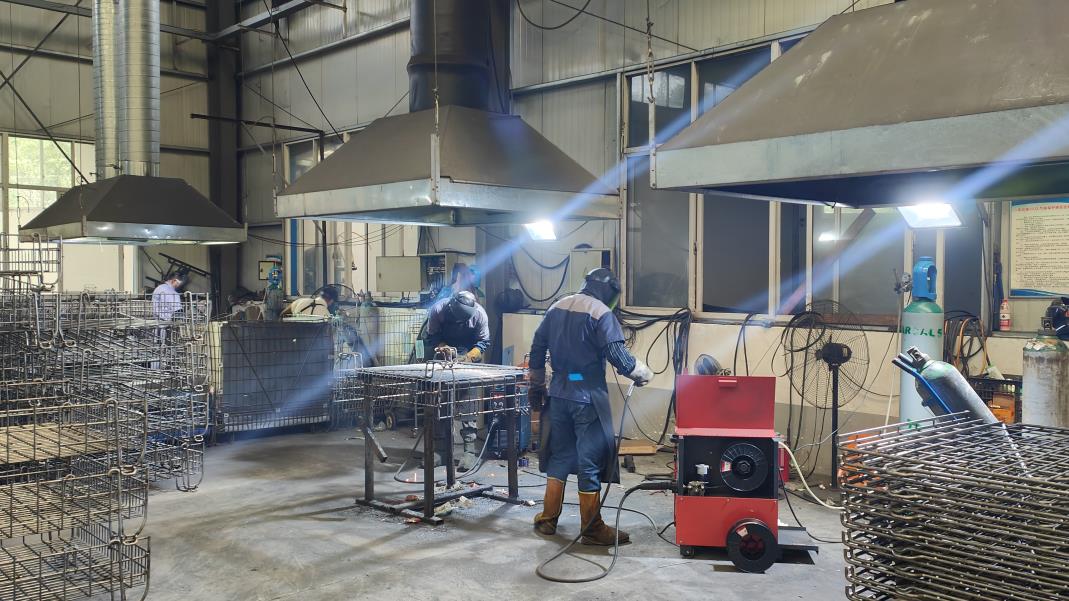
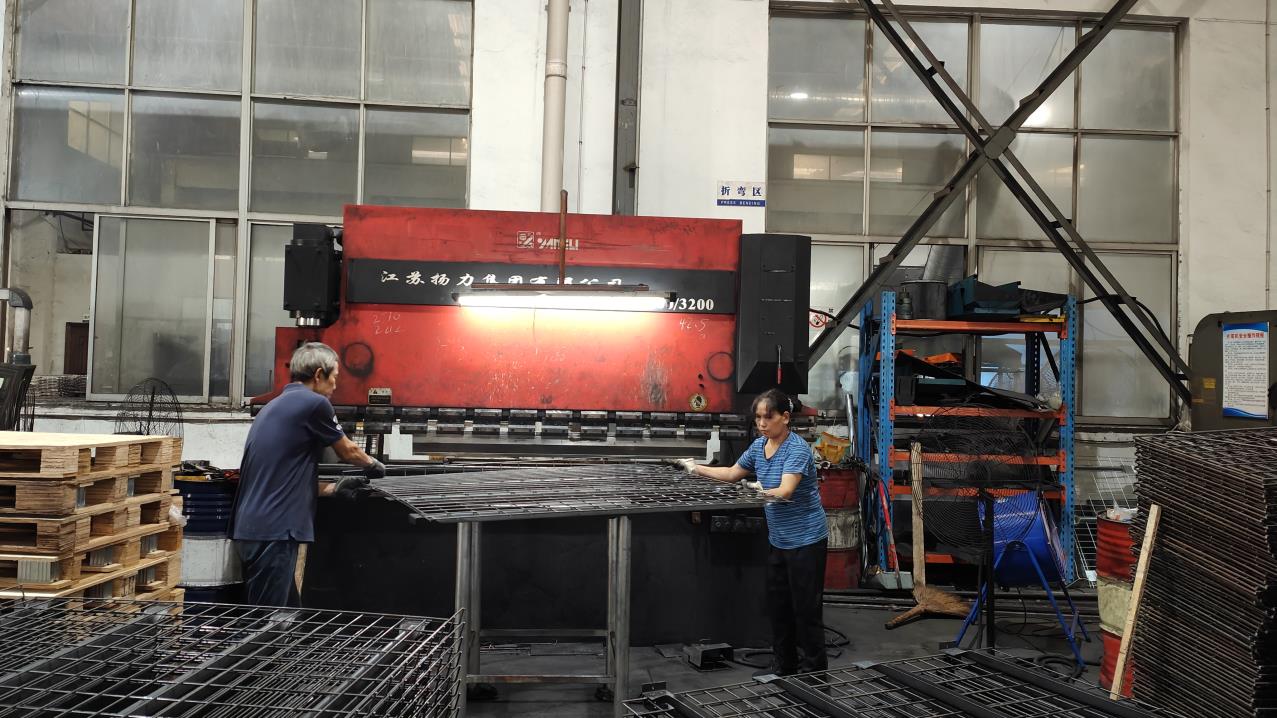
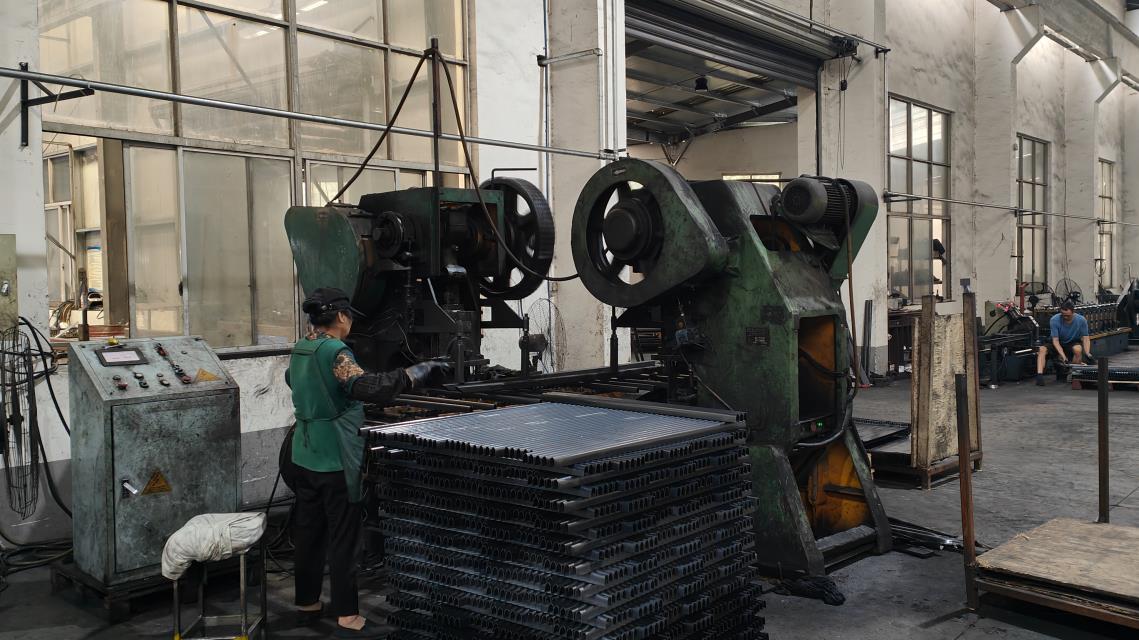
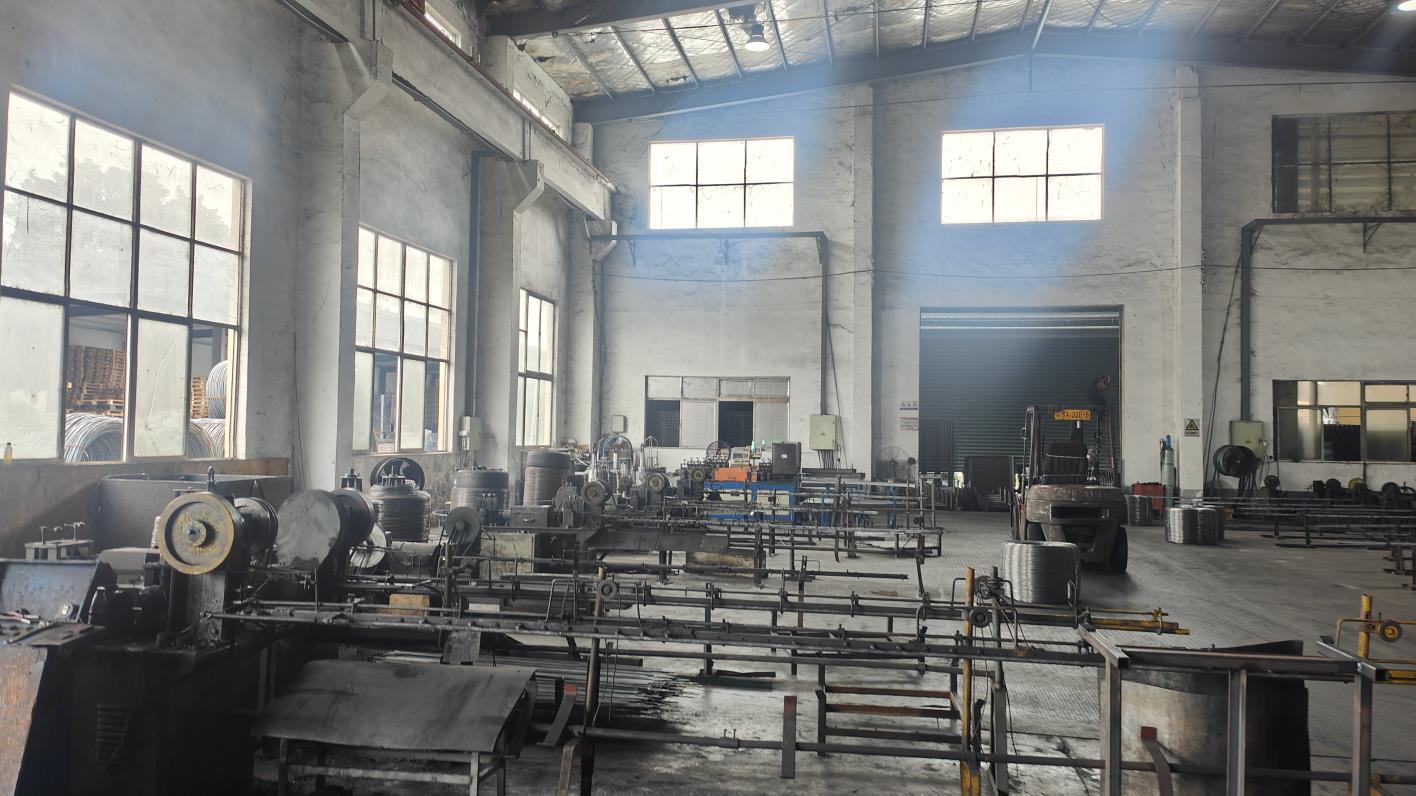
Suzhou CraftRack Heavy Duty Storage Equipment Co., Ltd. was established in 2014. Our facility covers a sprawling building area of 38,000 m², supported by an annual export revenue reaching $28,000,000. Backed by 8 years of annual export experience and 14 years of deep industry expertise, we deliver world-class warehouse logistics solutions worldwide.
Quality is at our core. We implement strict Non-Destructive Testing (NDT) and Ultrasonic Weld Inspection using state-of-the-art product inspection methods, overseen by a dedicated team of 45 QC specialists. Operating with an OEM & ODM direct-manufacturing trade background, our primary markets span North America, Western Europe, and Southeast Asia. We maintain strong ties with over 1,200 supply chain partners, catering mainly to 3PL logistics hubs, large-scale e-commerce fulfillment centers, and industrial manufacturing plants.
Our robust R&D capability centers on Automated Storage and Retrieval Systems (ASRS) & Finite Element Structural Analysis. We offer extensive custom options, including seismic resistance rating, custom load capacity engineering, and specialized powder coating finishes. In the past year alone, we achieved 45 new product launches, driven by a talented team of 32 R&D engineers.
Analyzing modern shopping dynamics, ergonomics, and material technological innovations in Latin America
The convergence of physical shopping experiences and digital tools is shaping the retail framework across major Chilean cities. Consumers are looking for seamless, clean, and intuitive experiences. Two distinct trends are driving changes in the design of retail accessories:
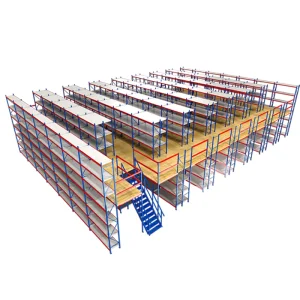
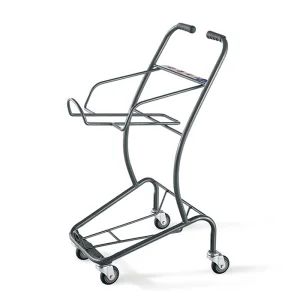
1. Micro-Fulfillment Centers and Dark Stores: High urban land costs in central Santiago, Concepcion, and Viña del Mar have spurred the growth of dark stores and micro-fulfillment centers. These spaces utilize high-density storage solutions, such as mezzanine configurations and customized metal racks, to organize food products and electronics in compact spaces. They require flexible wire deck dividers, heavy-duty shelving, and smooth-rolling picking carts that can navigate narrow aisles quickly. This helps operations handle high daily orders efficiently while reducing logistics costs.
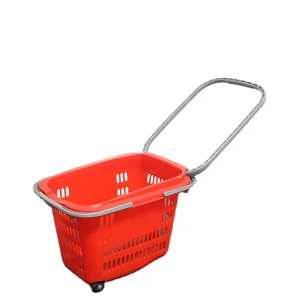
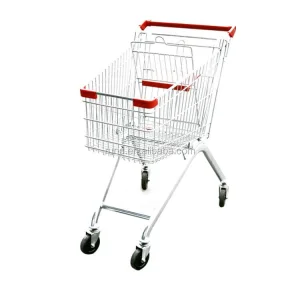
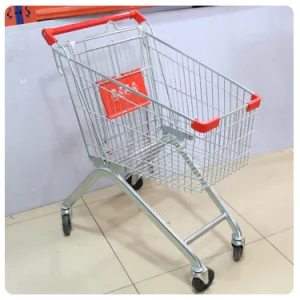
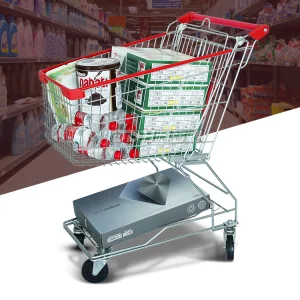
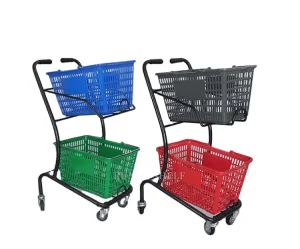
2. Ergonomics and Store Mobility: High-performance polymer and hybrid steel-plastic shopping trolleys are steadily replacing older all-metal shopping carts. Modern supermarket operators prioritize lightweight configurations equipped with sound-dampening PU (Polyurethane) castor wheels, coin-lock mechanisms to prevent cart loss, and integrated child seats. These features improve the in-store shopping experience, encourage longer store dwell times, and help lower annual equipment maintenance and repair costs.
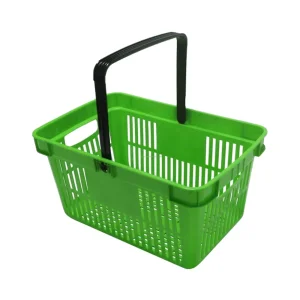
Highly durable, quiet, and ergonomically designed shopping carts and basket systems for South American commercial centers

Addressing crucial engineering, logistics, and compliance questions for technical buyers in Chile
Our engineering department executes Finite Element Analysis (FEA) based on the structural loading limits defined in NCh433 and NCh2369. We design the steel uprights with increased steel gauge thickness (using high-tensile Q235B or Q355 steel) and add customized base plate anchoring systems to ensure stability during dynamic lateral movements. Full calculations and test documents can be shared upon project review.
For coastal regions like Valparaíso, San Antonio, or Antofagasta, we recommend using a multi-stage pre-treatment, followed by a thick layer of electrostatic epoxy-polyester powder coating (exceeding 80-90 microns) or direct marine-grade zinc plating with clear passivated finishes. For meat, produce, or fish zones, we supply SUS 304 stainless steel shelves and hooks to prevent salt air rust and meet health code demands.
Yes, we provide full OEM and ODM services. We match exact brand colors (RAL/Pantone systems) for both structural plastics (baskets, handles, child seats) and steel powder coatings. We can also integrate brand logos into the handle sleeve moldings or add custom coin-lock systems configured for Chilean Peso coins ($100 / $500 coins) or custom tokens.
Our QA process involves strict raw material incoming checks, followed by ultrasonic weld testing and Non-Destructive Testing (NDT) across the manufacturing cycle. Our team of 45 quality control specialists ensures each manufacturing step—from pulling and aligning to final powder-coating—meets international structural safety requirements (including European EN 15512 and ISO 9001 standards).
Manufacturing lead times average between 20 to 30 days depending on the customization scope. Shipping from Shanghai or Ningbo port to the primary Chilean ports of Valparaíso or San Antonio generally takes between 35 to 45 days. We load products into containers with custom wooden crating and protective wraps to avoid shifts or damage during transpacific transit.
Yes, we supply detailed 3D layouts, mechanical assembly drawings, load distribution charts, and step-by-step videos. For large-scale projects like logistics centers or supermarket dark stores, our engineering department can coordinate digital consults with local contractors to clarify calculations, structural details, and torque specs for anchor bolts.
 CraftRack