Engineered for maximizing floor efficiency under severe structural parameters. Heavy-duty modular units compliant with Tokyo and Osaka regional seismic logistics standards.
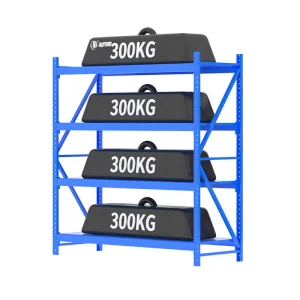
Japan's industrial warehousing sector operates under some of the most challenging geographical constraints globally. With usable flat land concentrated in narrow coastal plains around Tokyo Bay, Osaka Bay, and Nagoya, real estate costs are exceptionally high. Consequently, vertical optimization of space is not simply a preference; it is a critical commercial survival metric. Companies operating third-party logistics (3PL) terminals, automated cold chain operations, and e-commerce distribution networks must stack inventory as high as safety regulations permit.
This necessity for height is compounded by Japan’s geographical vulnerability to earthquakes. Every storage system erected in Japan must conform strictly to the Building Standards Act and localized seismic structural mandates. Under these guidelines, conventional static shelving is insufficient. Industrial engineers rely heavily on modular stacking racks and custom-fabricated heavy-duty steel mezzanine platforms designed to withstand severe lateral kinetic loads. Material choice is critical: structures are calculated using Finite Element Analysis (FEA) to confirm plastic deformation limits, ensuring safety under peak seismic acceleration levels (up to 1.0G or higher depending on the hazard zone).
The Japanese warehousing sector is undergoing a profound structural shift driven by an acute demographic challenge: an aging population and a corresponding labor shortage. The logistics industry has responded by accelerating the transition toward Automated Storage and Retrieval Systems (ASRS), automated guided vehicles (AGVs), and smart warehouse management software.
This shift directly impacts how physical stacking racks and steel shelves are designed and manufactured. Multi-tier shelving and rack structures must offer:
For global procurement teams setting up operations in Japan or expanding regional distribution hubs, selecting the right racking supplier involves navigating complex compliance frameworks. Cross-border logistics, product quality guarantees, and manufacturing verification are critical factors.
Professional procurement mandates strict raw material verification. Supplier documentation must include Mill Test Certificates (MTC) proving the chemistry of the steel (e.g., carbon, manganese, and phosphorus levels) matches standardized load calculations. Weld integrity is equally critical; suppliers must provide Non-Destructive Testing (NDT) reports—specifically Ultrasonic Testing (UT) or Magnetic Particle Testing (MT) on main column splices and structural load-bearing baseplates—to ensure complete weld penetration and eliminate structural failure risks.
To balance performance and cost, global procurement networks utilize the manufacturing capabilities of China’s advanced Factory 4.0 industrial facilities. Leading this market is Suzhou CraftRack Heavy Duty Storage Equipment Co., Ltd.
Established in 2014, Suzhou CraftRack operates a massive 38,000 m² manufacturing facility, driving an annual export revenue of $28,000,000. Built on 14 years of structural engineering expertise and 8 years of dedicated export operations, CraftRack specializes in delivering high-performance, seismic-rated storage solutions directly to high-standard markets like Japan.
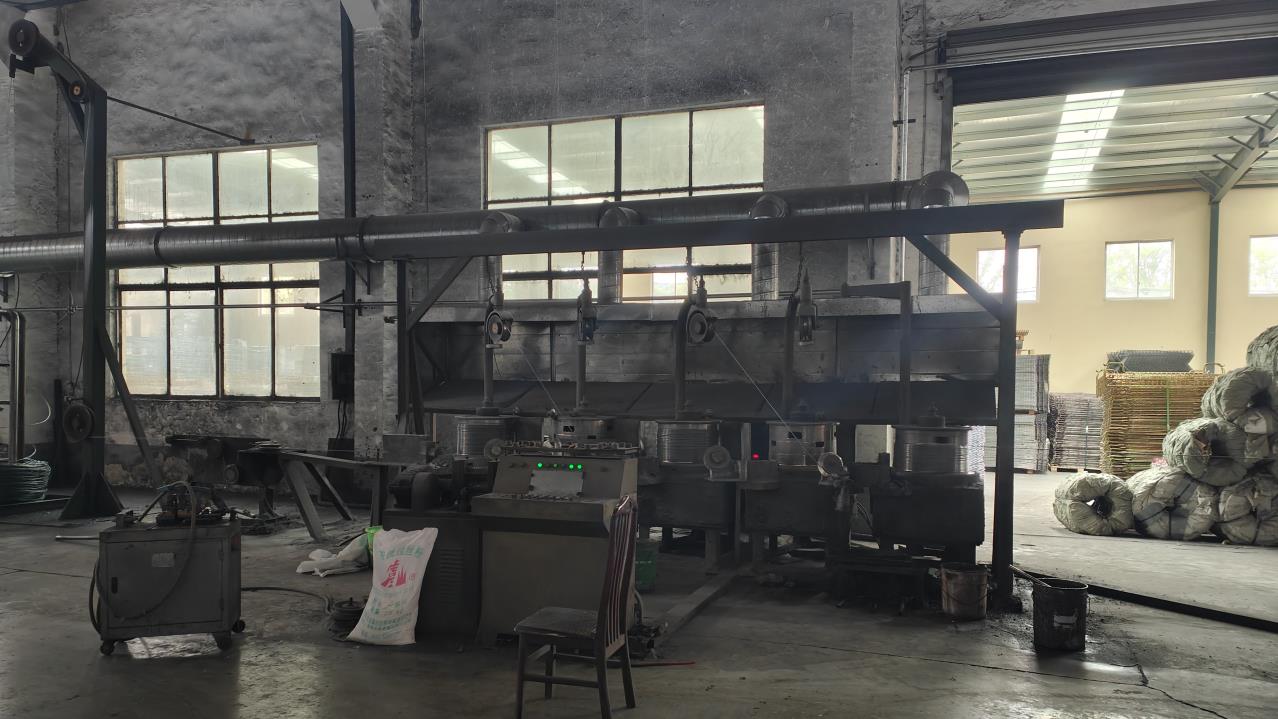
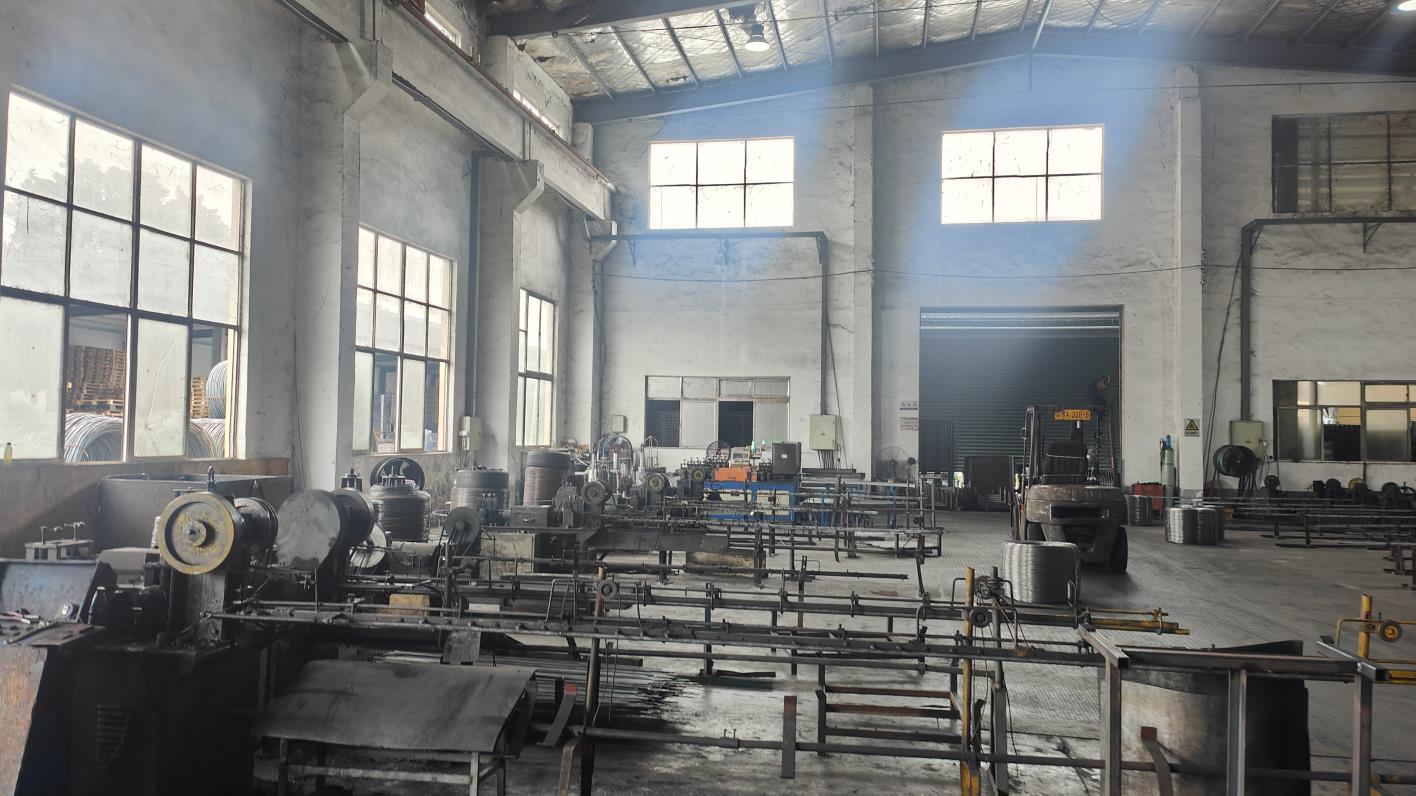
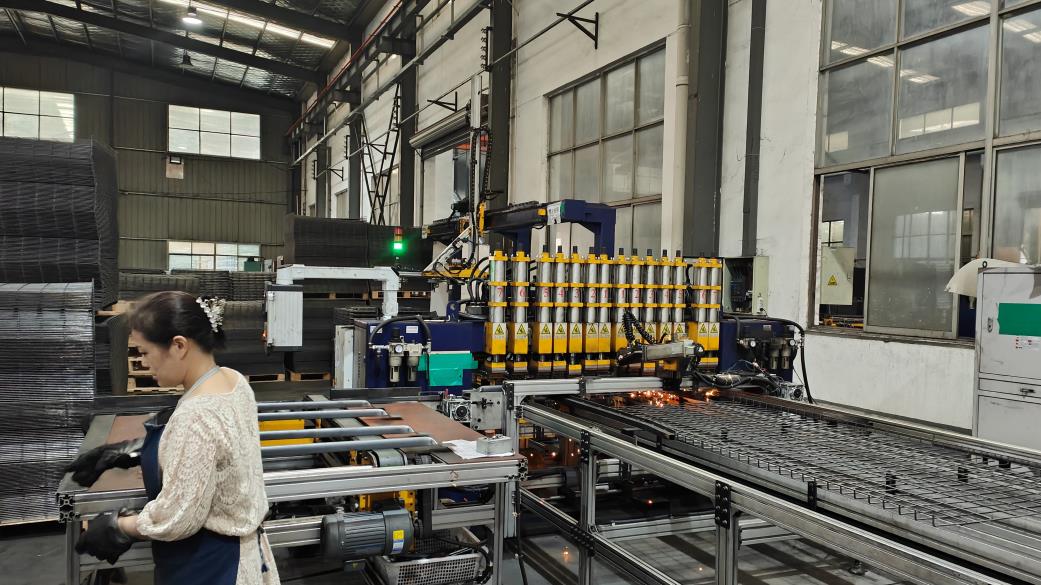
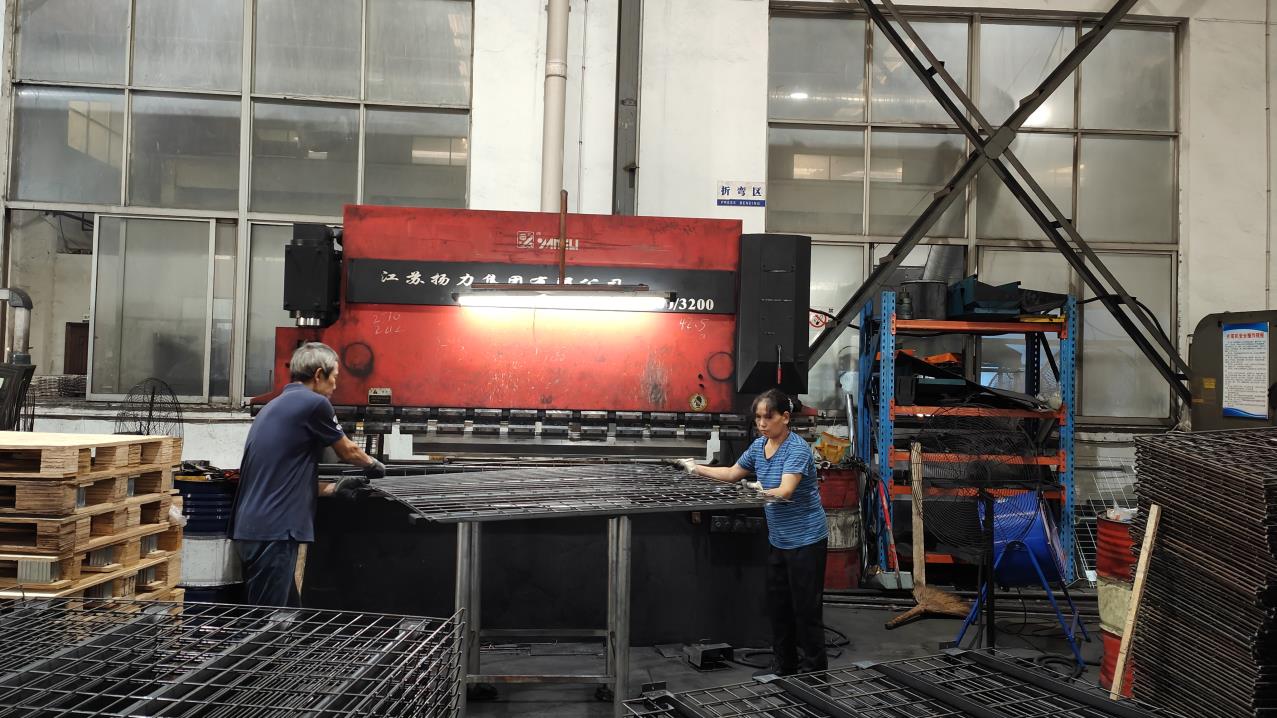
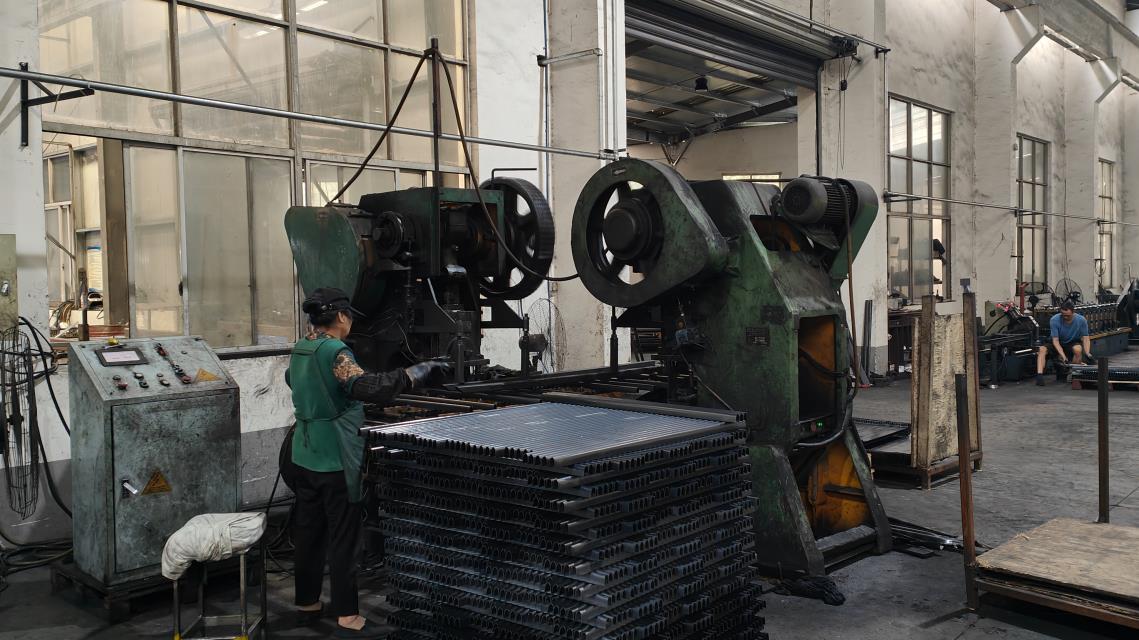
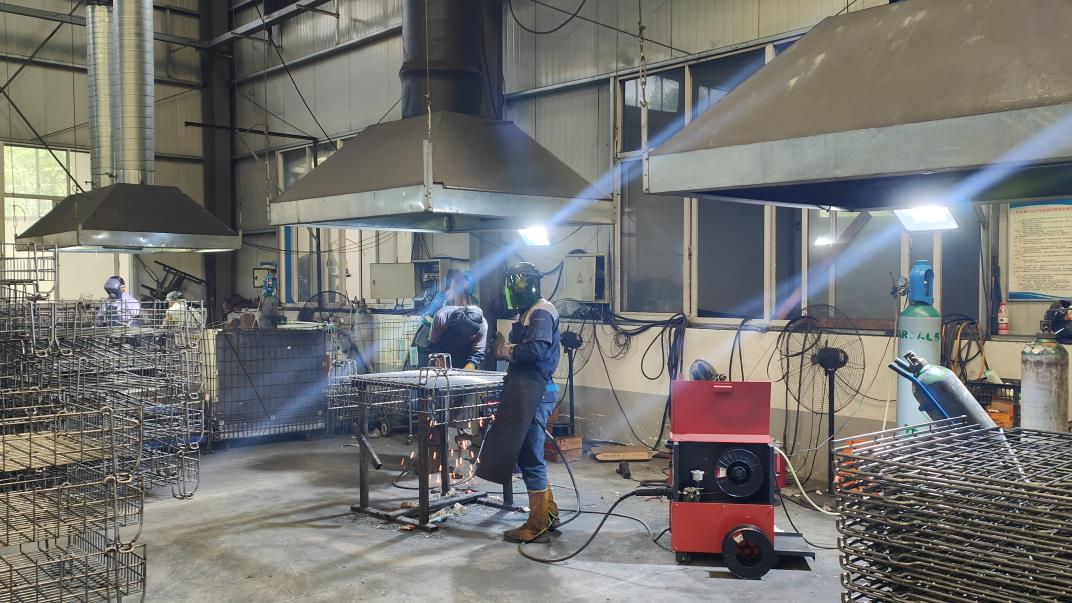
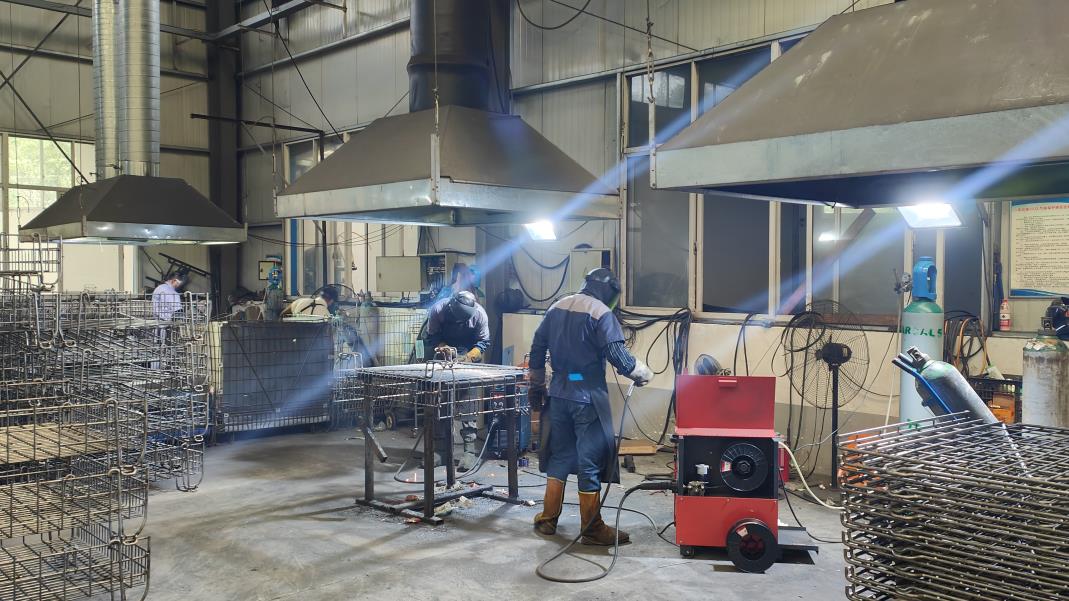
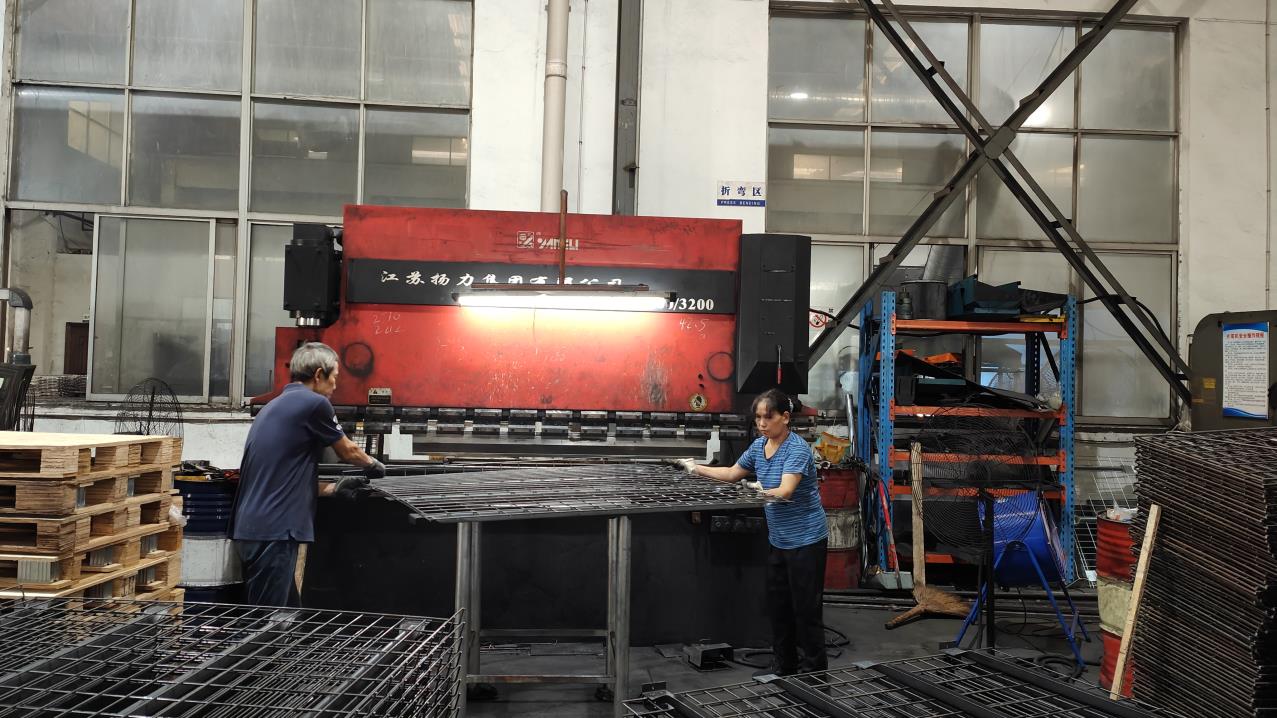
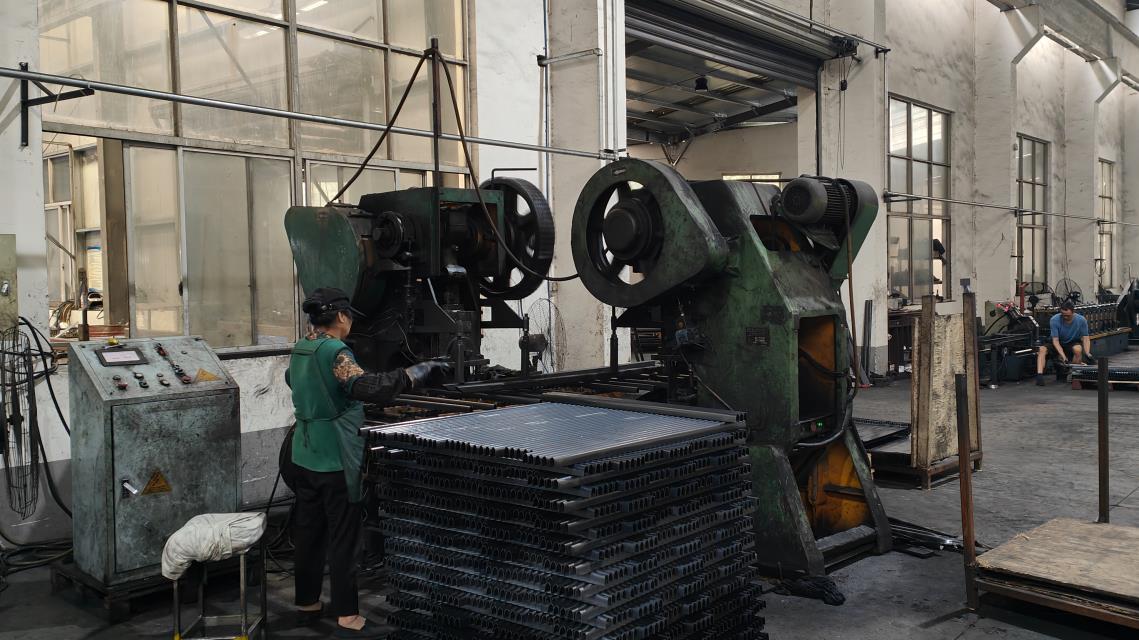
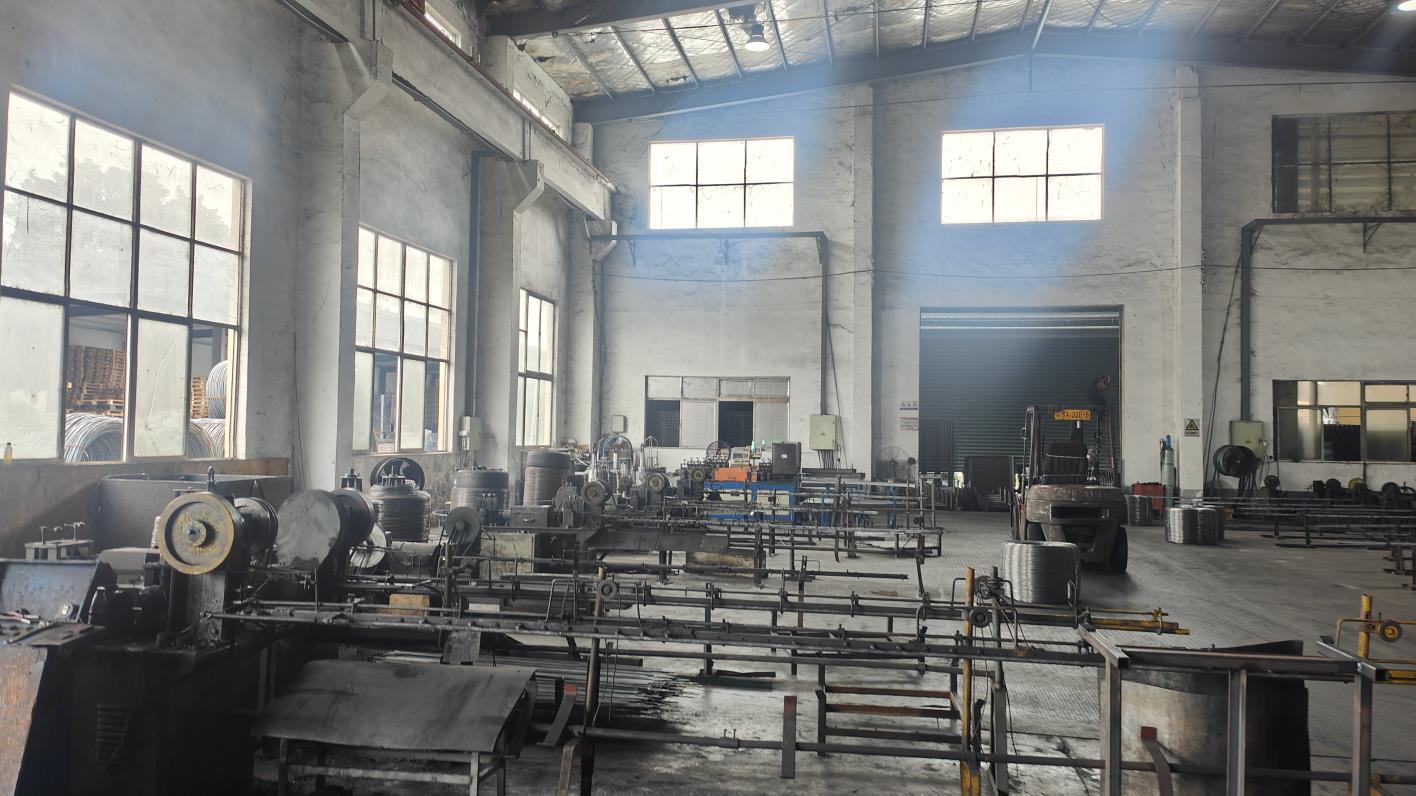
CraftRack's manufacturing plant integrates automated bending lines, multi-angle punching machines, and robotized welding stations that guarantee dimensional consistency. Operating with a deep OEM & ODM direct-manufacturing trade background, the company maintains a dedicated team of 45 QC specialists and 32 R&D engineers, focusing on Finite Element Analysis (FEA) structural simulations and Automated Storage and Retrieval Systems (ASRS) engineering.
High-performance racking systems must be customized to meet the distinct operational challenges of different industries across Japan:
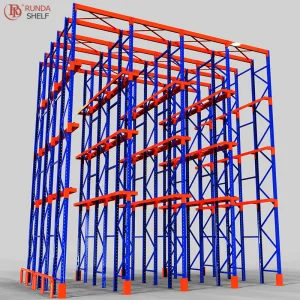
Heavy-duty modular stacking racks designed to store heavy castings, powertrain components, and stamping dies, optimized for rapid forklift retrieval cycles without floor anchor failure.
Specialized low-temperature steel alloys and zinc-rich coatings that prevent embrittlement and surface degradation in cold storage facilities down to -30°C.
Multi-tiered mezzanine structures and pick shelves integrated with smart conveyor lines, designed to handle thousands of SKUs with maximum spatial efficiency.
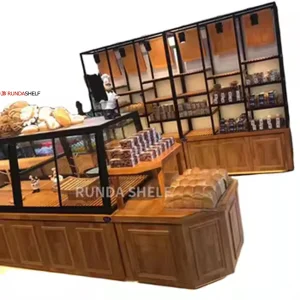
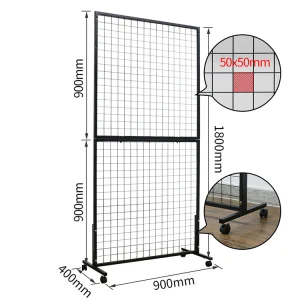
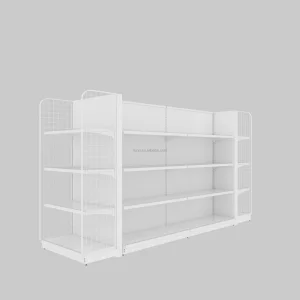
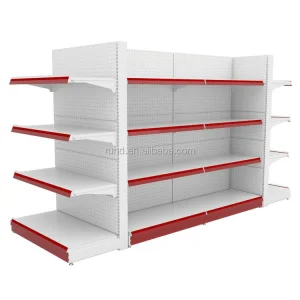
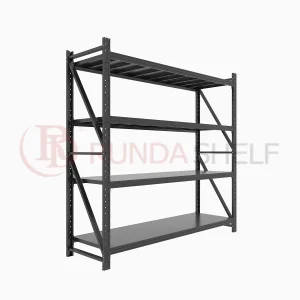
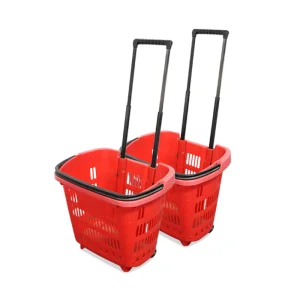
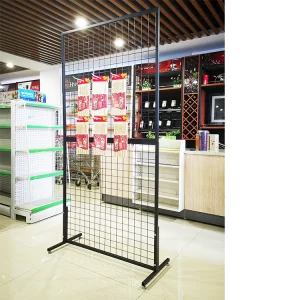
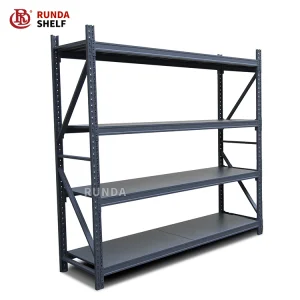
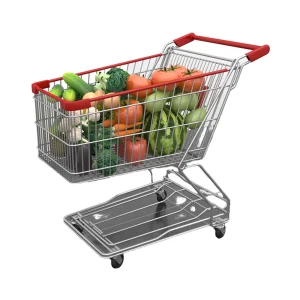
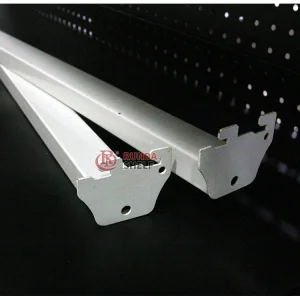
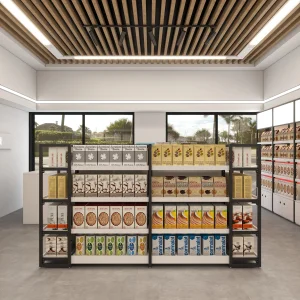
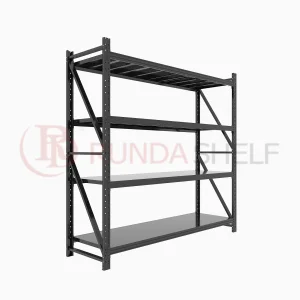
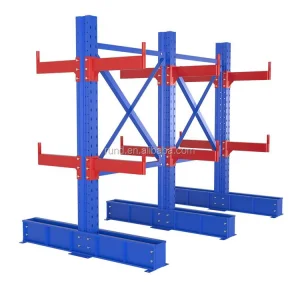
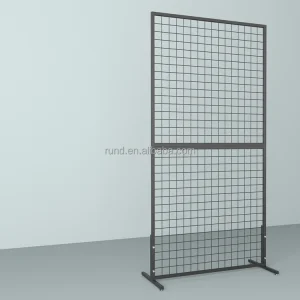
Explore our complete range of certified steel storage solutions, supermarket shelving, and specialized retail display systems tailored for the Japanese market.
Contact our structural engineering team today to receive a detailed Finite Element Analysis configuration and a competitive quote matching Japanese Industrial Standards.
Send Inquiry Now CraftRack