CraftRack
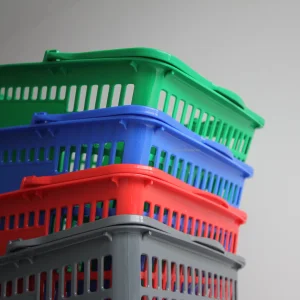
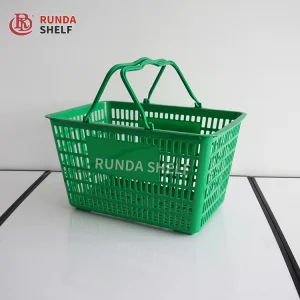
New Zealand Commercial & Retail Shopping Basket Landscape
The commercial retail and warehouse logistics landscape in New Zealand (NZ) is undergoing an unprecedented structural transition. Dominated by major supermarket networks (Foodstuffs, Woolworths NZ) and a growing ecosystem of independent organic grocers, bulk stores, and specialized industrial warehouses, the demand for durable material-handling infrastructure has reached a critical inflection point. As environmental regulations tighten under the Climate Change Response (Zero Carbon) Amendment Act and local retail brands prioritize Circular Economy methodologies, shopping baskets are no longer viewed as simple plastic commodities. They are now evaluated as complex logistics units that must optimize store-floor flow, support consumer ergonomic comfort, resist harsh coastal salinity and UV radiation, and endure rigorous sanitize-and-wash processes.
Under modern retail metrics, selecting the appropriate shopping basket manufacturer involves assessing heavy-duty load capacities, material durability profiles, and local compliance standards to ensure optimal return on investment.
Localized Application Scenarios in New Zealand
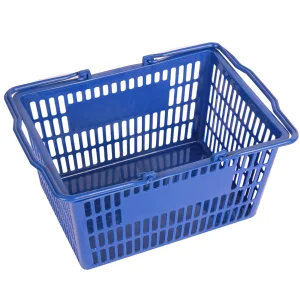
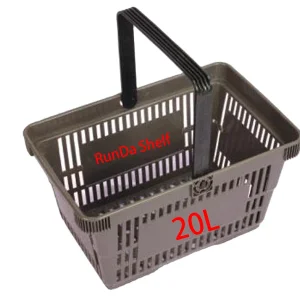
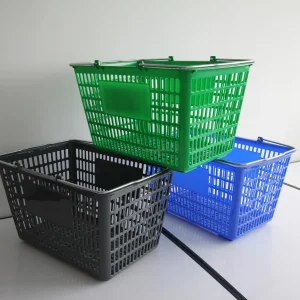
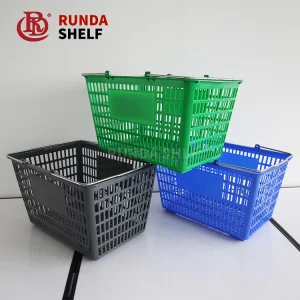
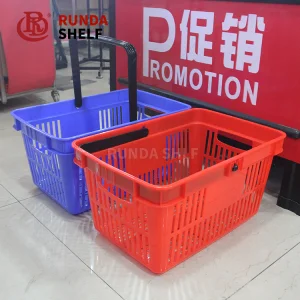
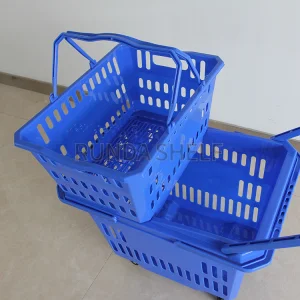
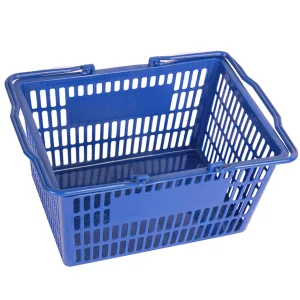
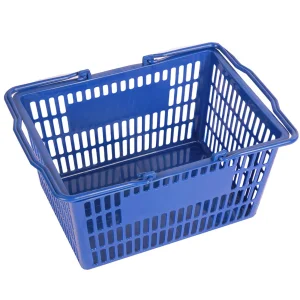
In New Zealand, spatial limitations within urban grocery outlets in metropolitan centers like Auckland Central, Wellington CBD, and Christchurch Central place a premium on visual floor layout. In these contexts, 2-Layer mobile rollable baskets with wheels and high-capacity 50L plastic baskets replace bulky metal shopping trolleys. They prevent aisle congestion and allow smooth maneuverability in tight aisles.
Furthermore, NZ's unique agricultural, horticultural, and DIY hardware ecosystems call for hybrid performance profiles:
- High-Salinity Coastal Retail: Coastal suburbs in regions like Tauranga, Nelson, and Napier require shopping baskets built from medical-grade, corrosion-free polypropylene (PP) or hot-dip galvanized, electroplated steel wires with protective sleeves to prevent premature rusting from marine air.
- Organic Grocers & Cooperatives: Modern health hubs in Dunedin and Queenstown prioritize woven grass, wicker-style aesthetics, or PCR (Post-Consumer Recycled) plastic baskets to align with regional zero-waste, eco-conscious consumer values.
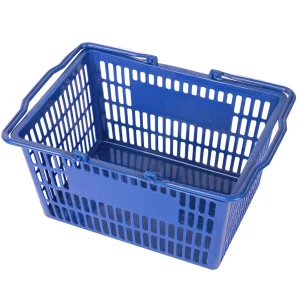
- DIY and Industrial Logistics: Commercial distribution centers, building suppliers, and agricultural supply houses require heavy-duty reinforced baskets with dual handles to carry high-density metal tools and construction hardware safely.
Technological Roadmap & Future Outlook (2024-2030)
The next generation of shopping basket technology centers around data, smart materials, and environmental tracking. Key developments include:
- RFID-Enabled Inventory Tracking: Integrating radio-frequency identification tags directly into the plastic injection-molding step. This helps managers trace trolley and basket movement, map customer traffic paths, and prevent inventory loss.
- Antibacterial Composite Materials: Imparting silver-ion additives into the PP plastic matrix during manufacturing. This blocks bacterial growth on handles and surface touchpoints, which remains a key priority for post-pandemic sanitization.
- High UV-Stabilization: Utilizing Southern Hemisphere UV-protective polymer compounds. This ensures baskets kept in outdoor racks or exposed to direct NZ sunlight do not become brittle, crack, or fade.
China-to-NZ Supply Chain Resilience: The Suzhou CraftRack Advantage
New Zealand companies often face issues with long lead times, volatile shipping rates, and limited local production scale. Partnering with a large manufacturer like Suzhou CraftRack Heavy Duty Storage Equipment Co., Ltd. resolves these supply chain challenges.
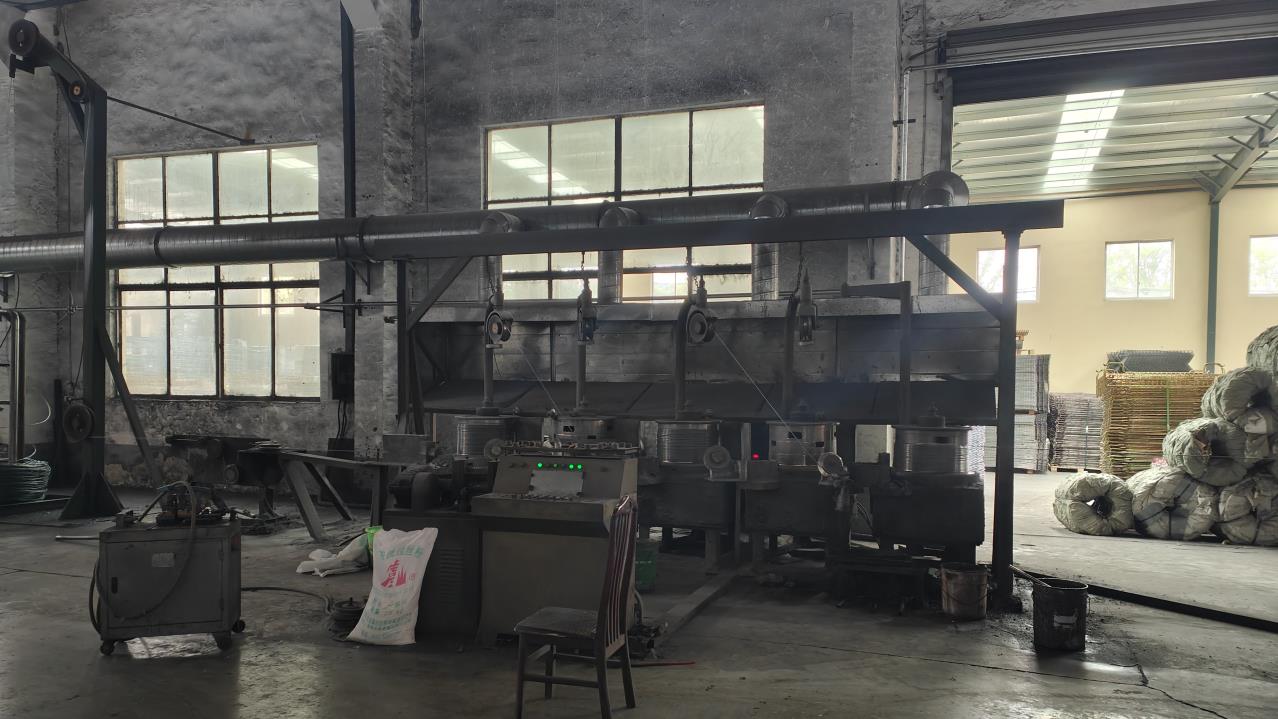
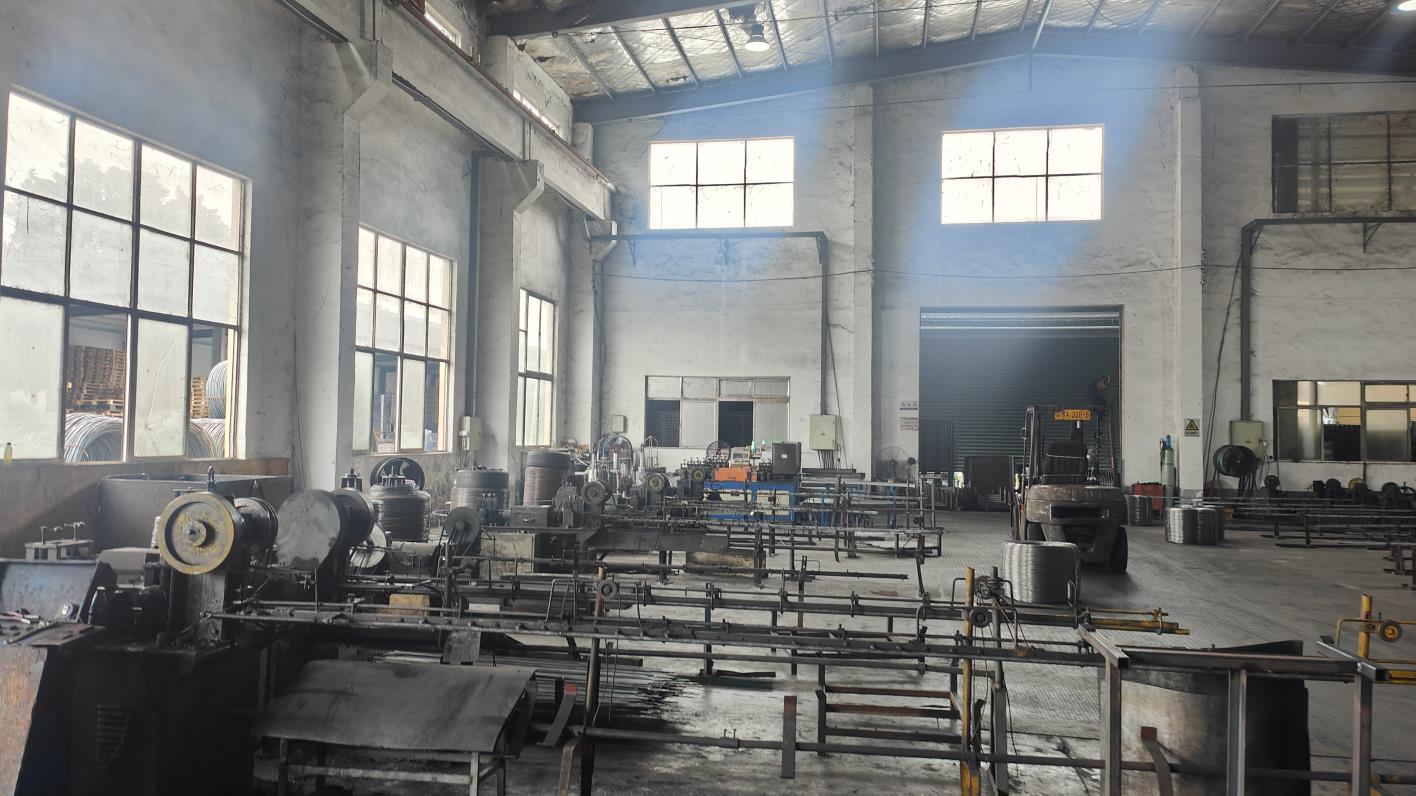
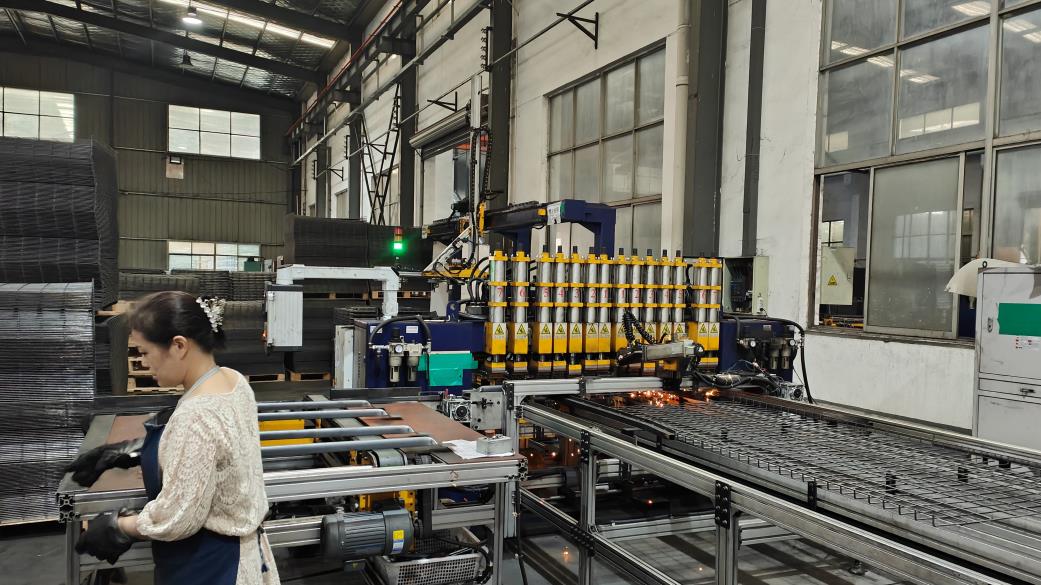
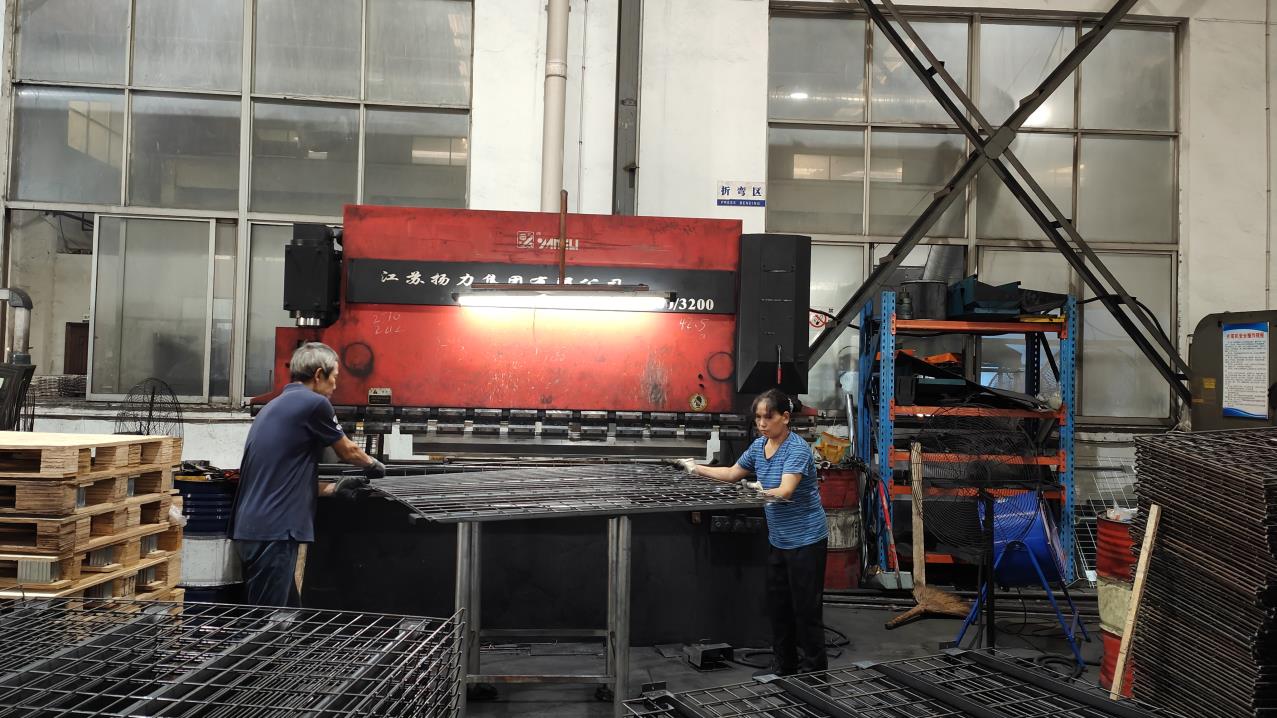
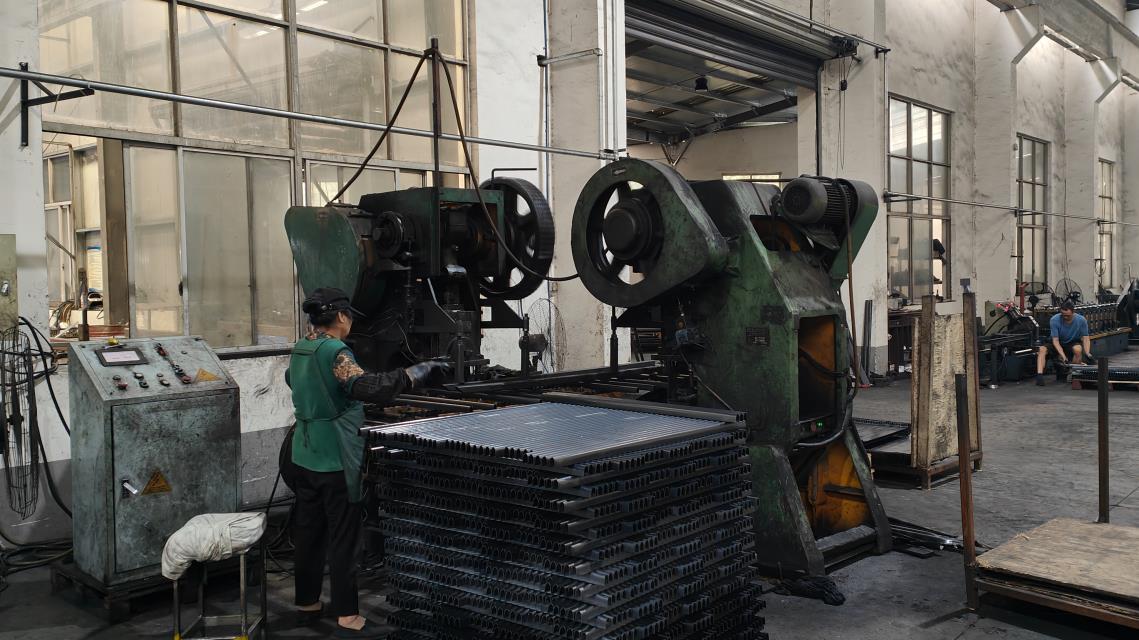
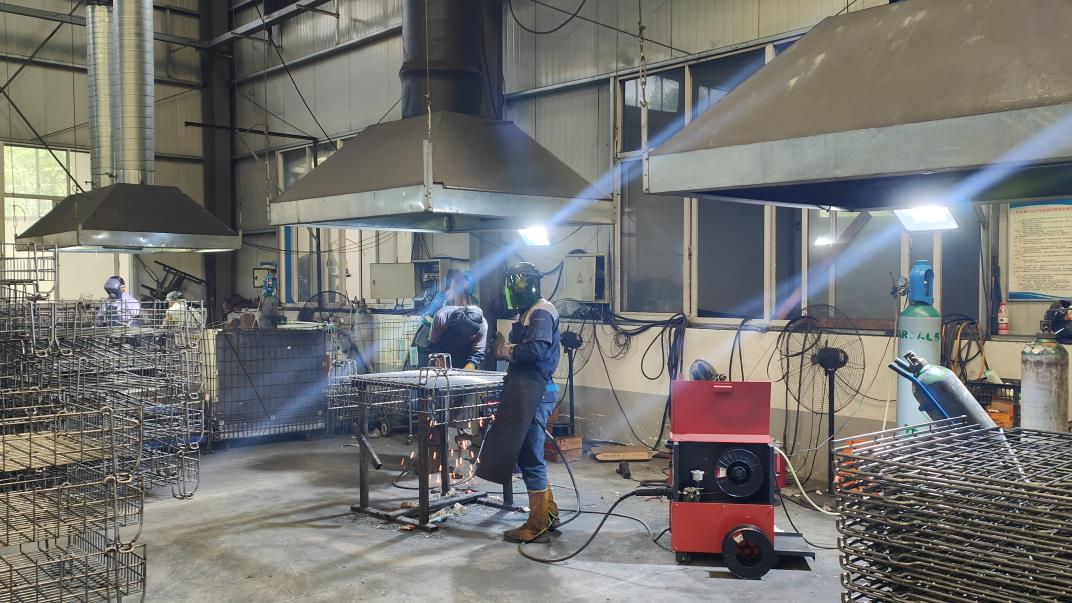
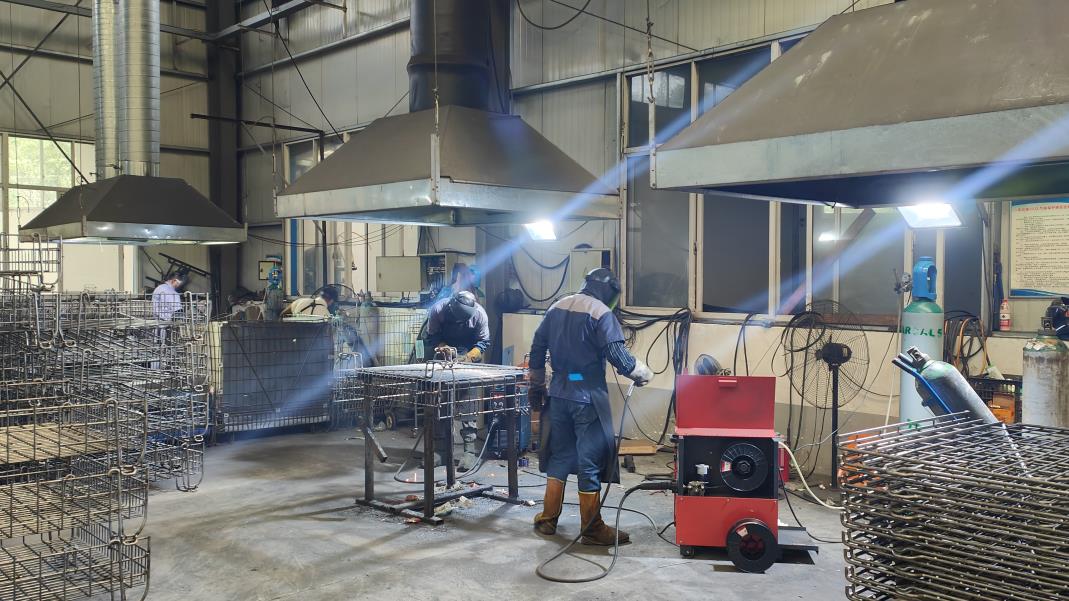
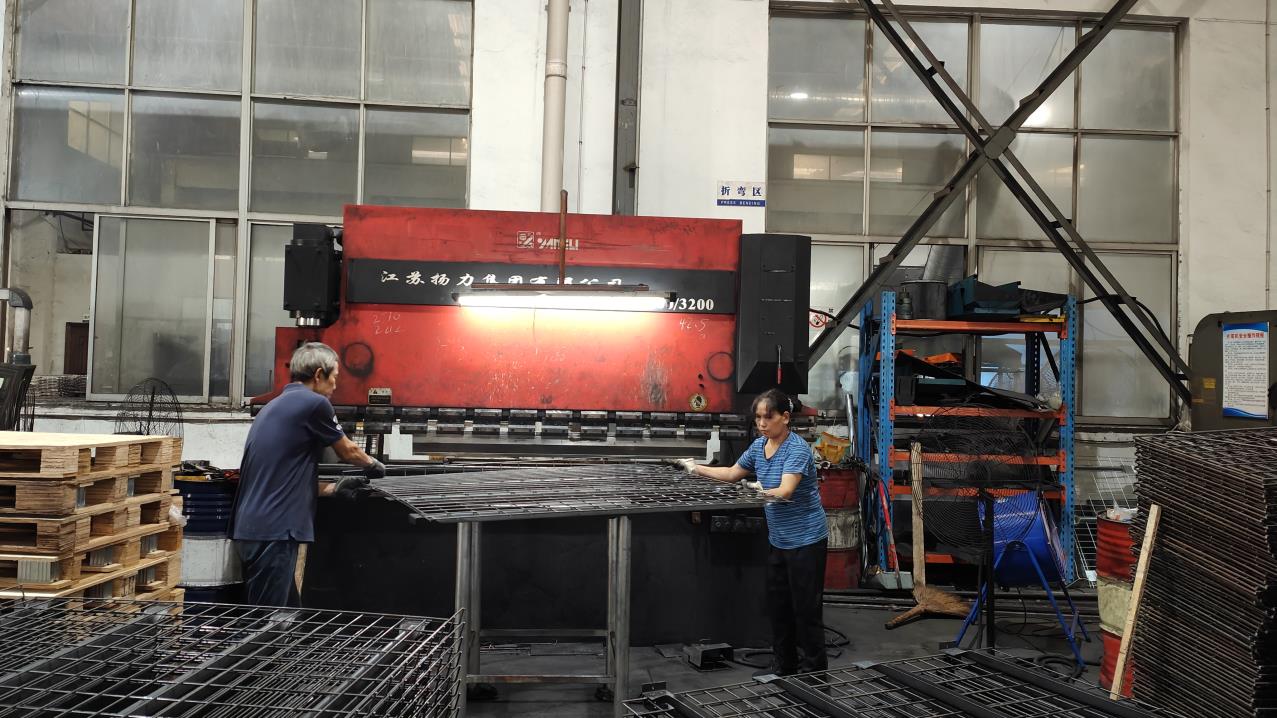
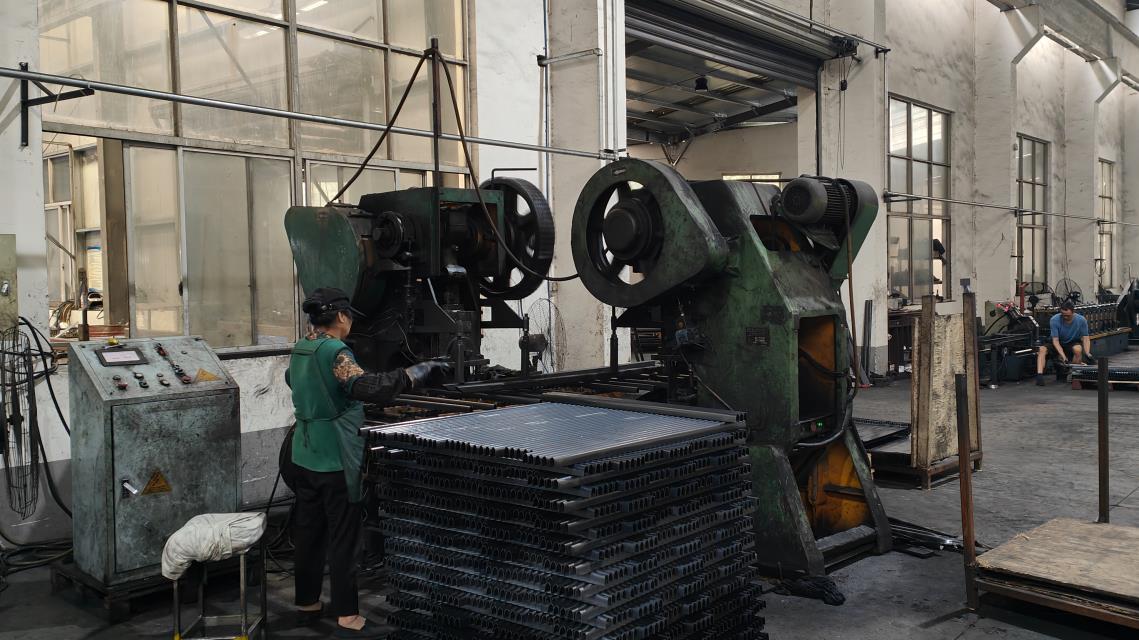
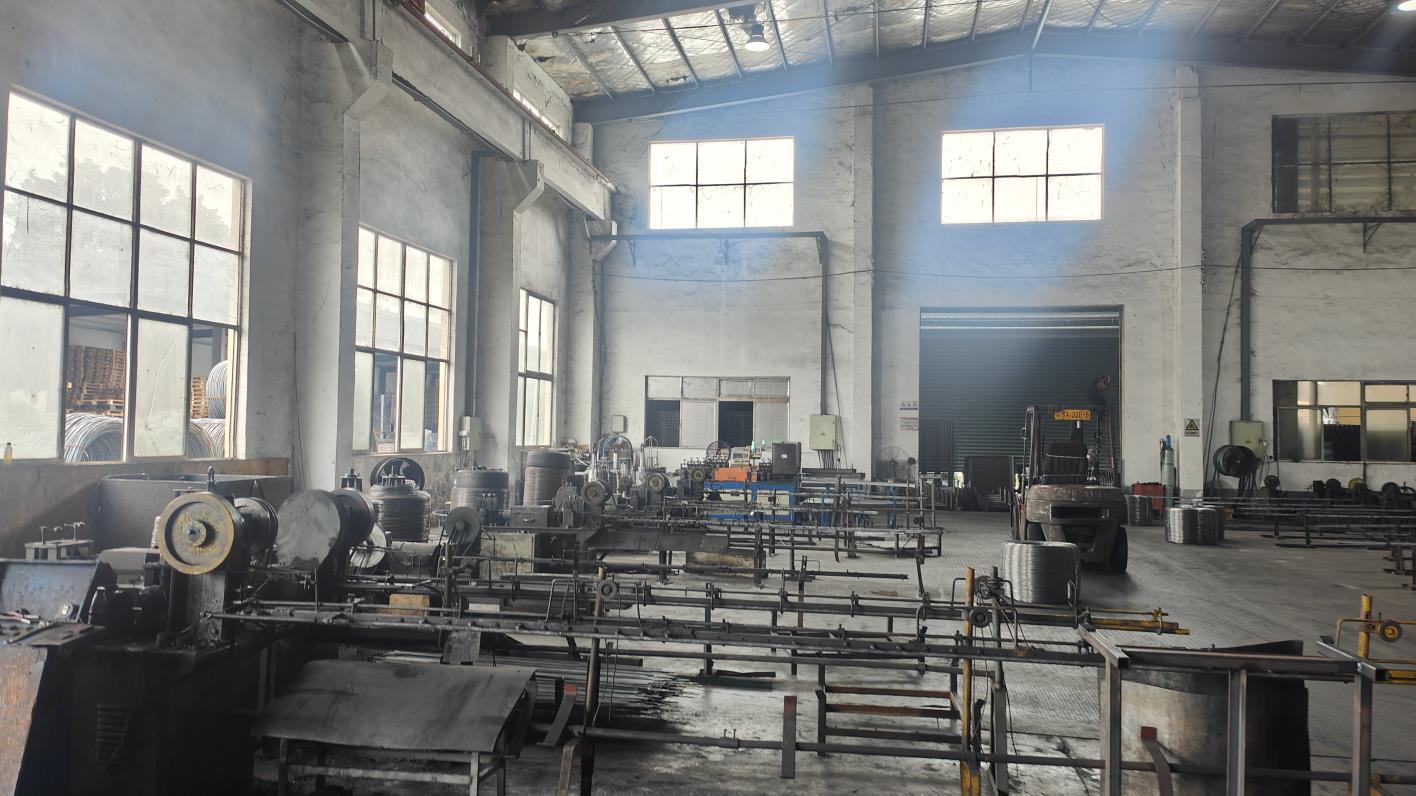
Operating from a 38,000 m² state-of-the-art facility, CraftRack generates an annual export revenue of $28,000,000. Supported by 14 years of heavy manufacturing experience, they use Automated Storage and Retrieval Systems (ASRS), Finite Element Structural Analysis (FEA), and strict 45-person QC protocols to guarantee defect-free batches.
Whether fulfilling orders for Auckland port delivery or custom-engineering a design, CraftRack's industrial scale ensures competitive pricing and robust production capacity.