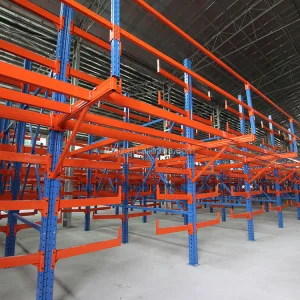
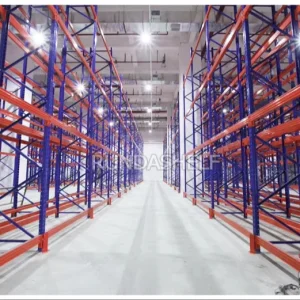
Engineered to satisfy RMI structural compliance standards for high-capacity warehouse hubs across the United States.
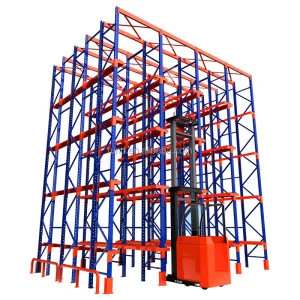
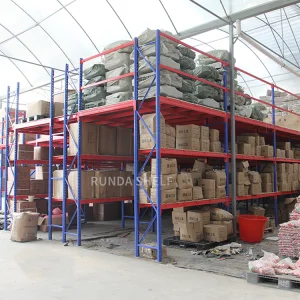
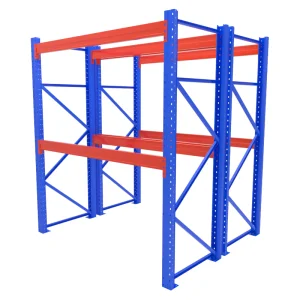
The United States warehouse and logistics infrastructure is undergoing a massive transformation. Driven by accelerated e-commerce demand, supply chain reshoring, and the growth of third-party logistics (3PL) providers, industrial space utilization has evolved beyond traditional floor plans. According to real estate logistics data, warehouse clear heights in newly constructed class-A facilities across logistics hubs—such as California's Inland Empire, Dallas-Fort Worth, Chicago, and the Port of New York/New Jersey—now routinely exceed 36 to 40 feet. This height extension requires structural rack configurations capable of supporting high dead loads while mitigating significant dynamic forces.
As vertical capacity expands, modern facilities are shifting from standard selective pallet racks to complex, high-density storage configurations. Industrial operators are prioritizing spatial optimization, selecting drive-in systems, push-back racking, dynamic gravity flow assemblies, and automated storage and retrieval systems (ASRS). Heavy storage shelves are no longer considered simple steel hardware; they are now engineered load-bearing structural components critical to operational safety, supply chain continuity, and facility efficiency.
“To support massive e-commerce throughput and critical supply chain operations, US industrial operations demand heavy storage racking systems engineered for high density, dynamic stability, and absolute structural compliance.”
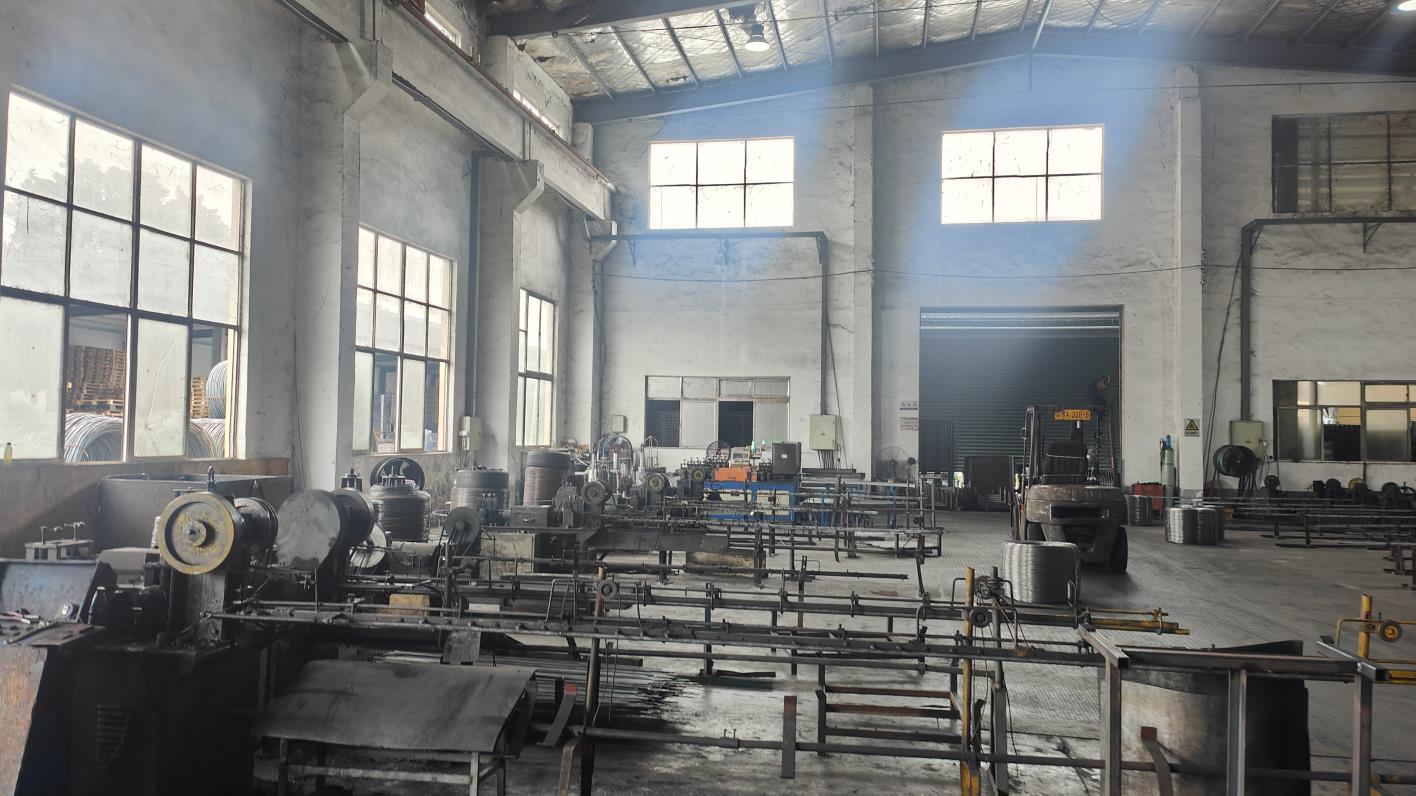
Established in 2014, Suzhou CraftRack Heavy Duty Storage Equipment Co., Ltd. has developed into a leading global OEM/ODM direct manufacturer of industrial racking systems. Covering a 38,000 m² state-of-the-art facility, we export our premium structural steel configurations to critical hubs across North America, Western Europe, and Southeast Asia.
Our global reputation is built on strict design standards and quality control. With 8 years of export experience and a network of over 1,200 supply chain partners, we deliver custom-engineered seismic racking systems, heavy-duty industrial shelving, and mezzanine systems to 3PL logistics networks, large e-commerce platforms, and automotive manufacturing plants worldwide.
Operating storage systems in the United States requires compliance with local building codes, safety regulations, and industry standards. Failing to meet these standards can lead to structural failures, OSHA fines, increased insurance liability, and operational shutdowns.
The core standard governing industrial steel storage racks is ANSI MH16.1 (Specification for the Design, Testing and Utilization of Industrial Steel Storage Racks), published by the Rack Manufacturers Institute (RMI). This standard defines the calculations required for determining load capacities, beam deflection limits, upright column strength, and baseplate sizes. Additionally, the Occupational Safety and Health Administration (OSHA), under OSHA 1910.176, requires employers to maintain safe storage configurations, free from damage, with clearly posted load capacity placards.
Seismic engineering is another critical requirement for US installations. Under the International Building Code (IBC) and ASCE 7, warehouse racks are classified as "non-building structures." Depending on the facility's location, it may fall into a high-risk Seismic Design Category (SDC D, E, or F), requiring oversized baseplates, heavy-duty anchors, and additional cross-bracing. At Suzhou CraftRack, our design engineers use advanced Finite Element Method (FEM) analysis to simulate seismic loads and customize structural components for US facilities.
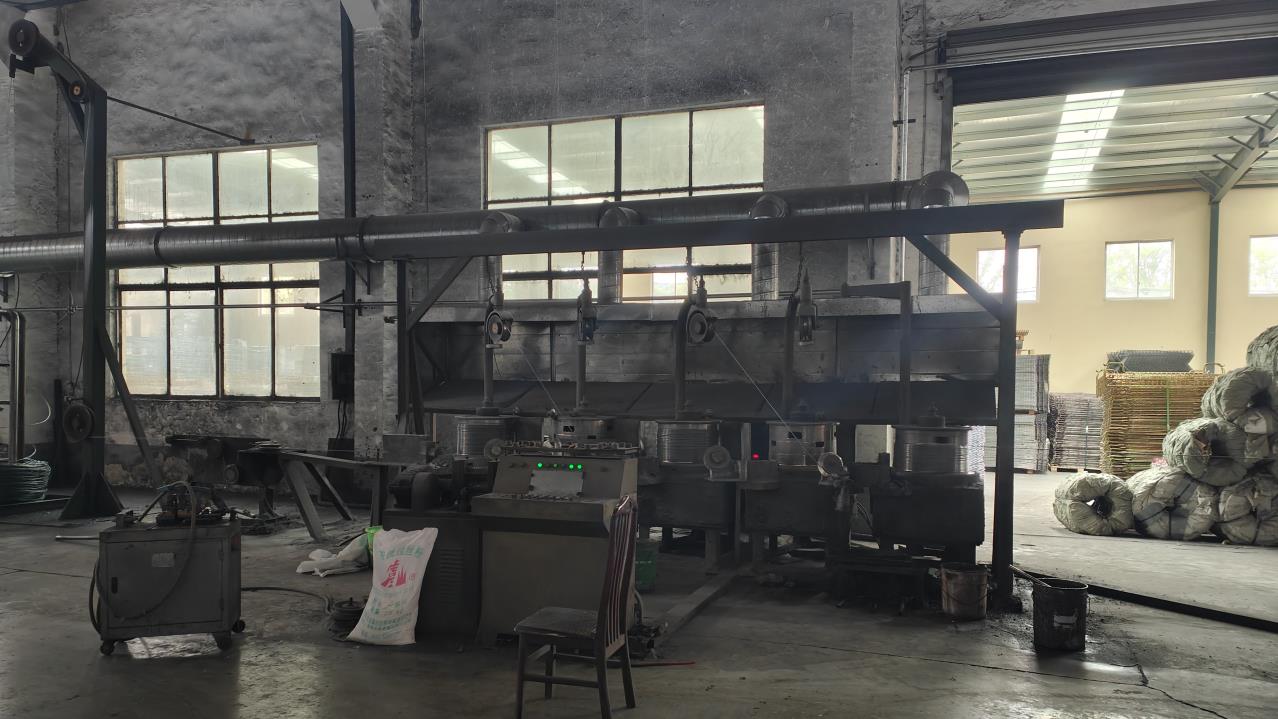
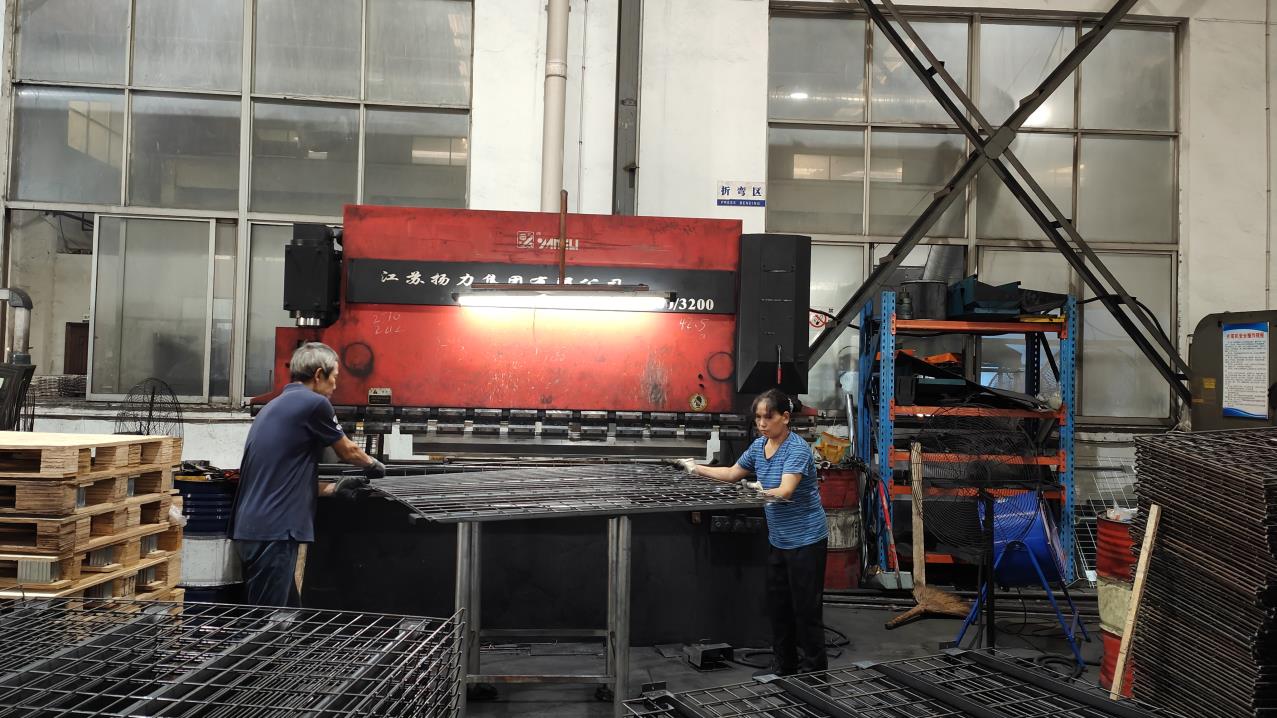
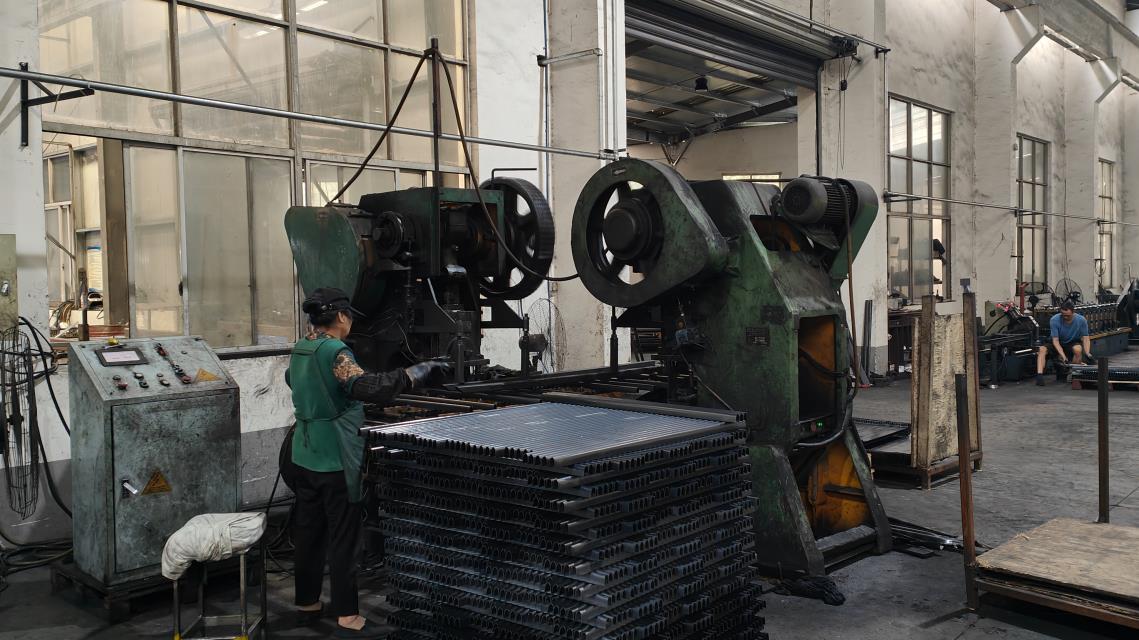
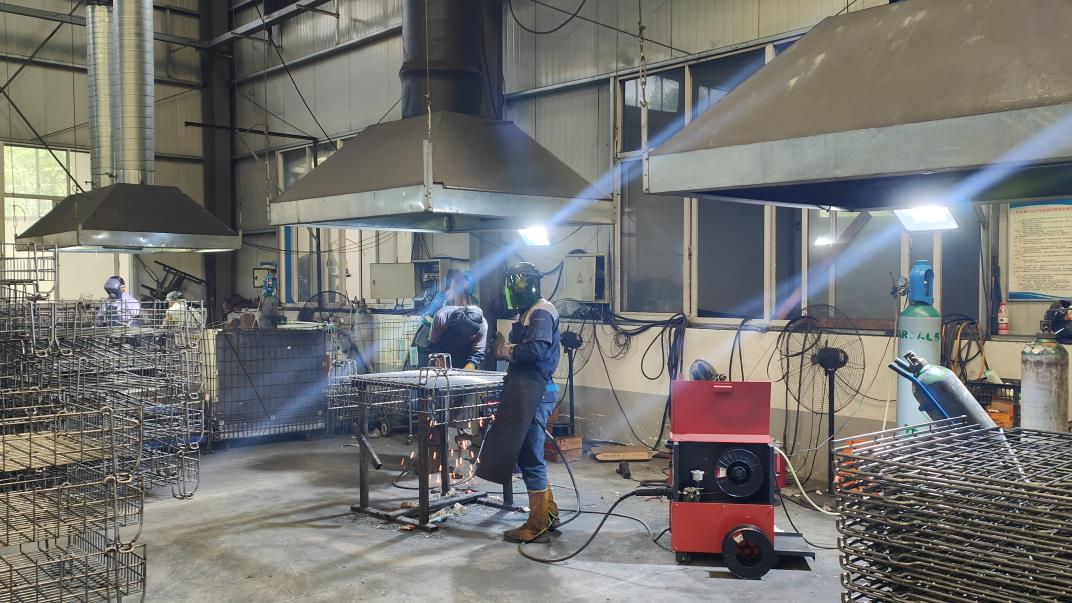
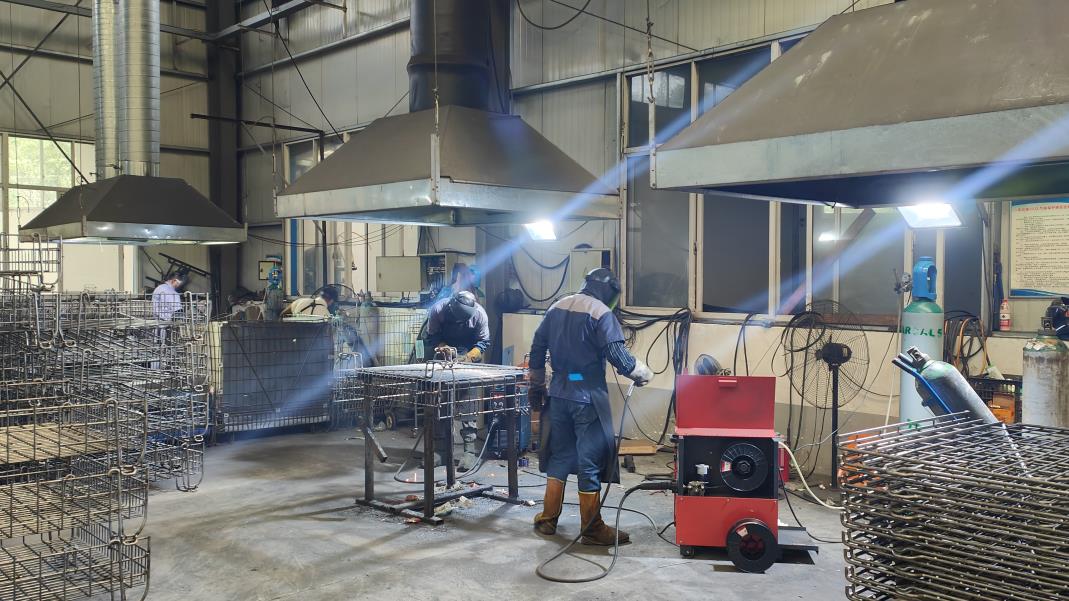
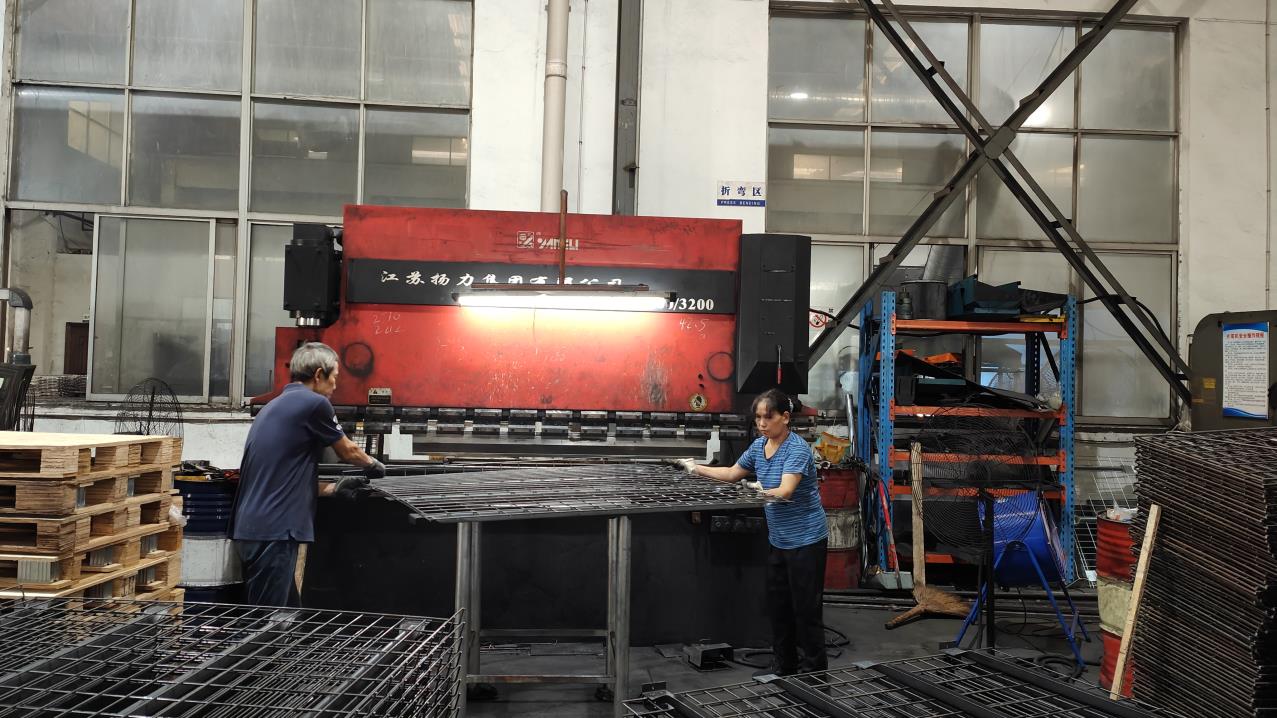
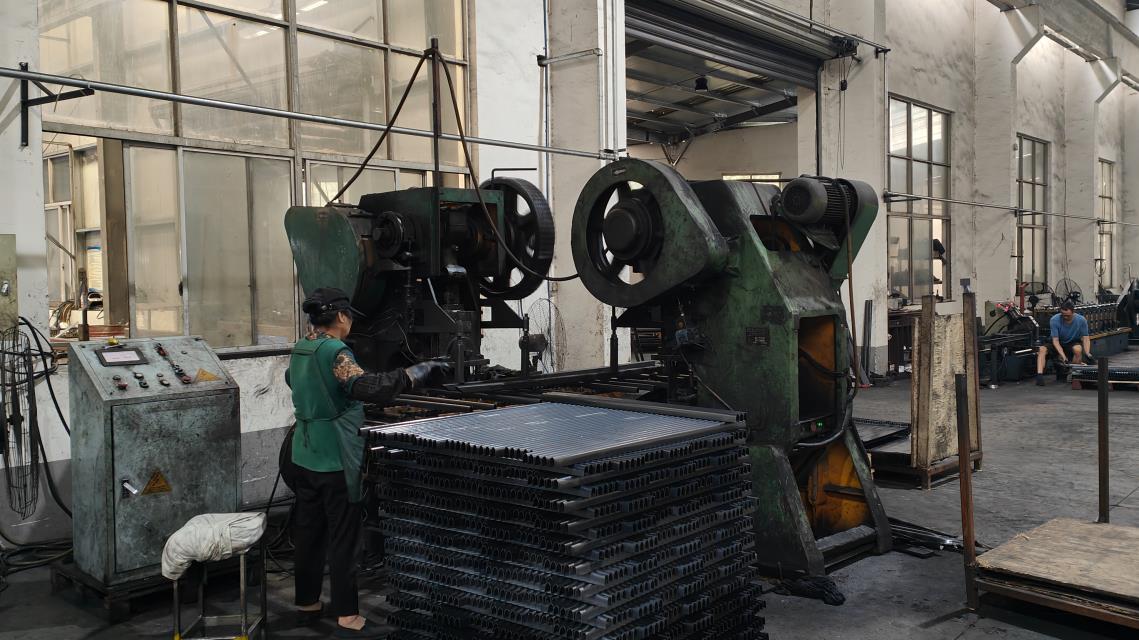
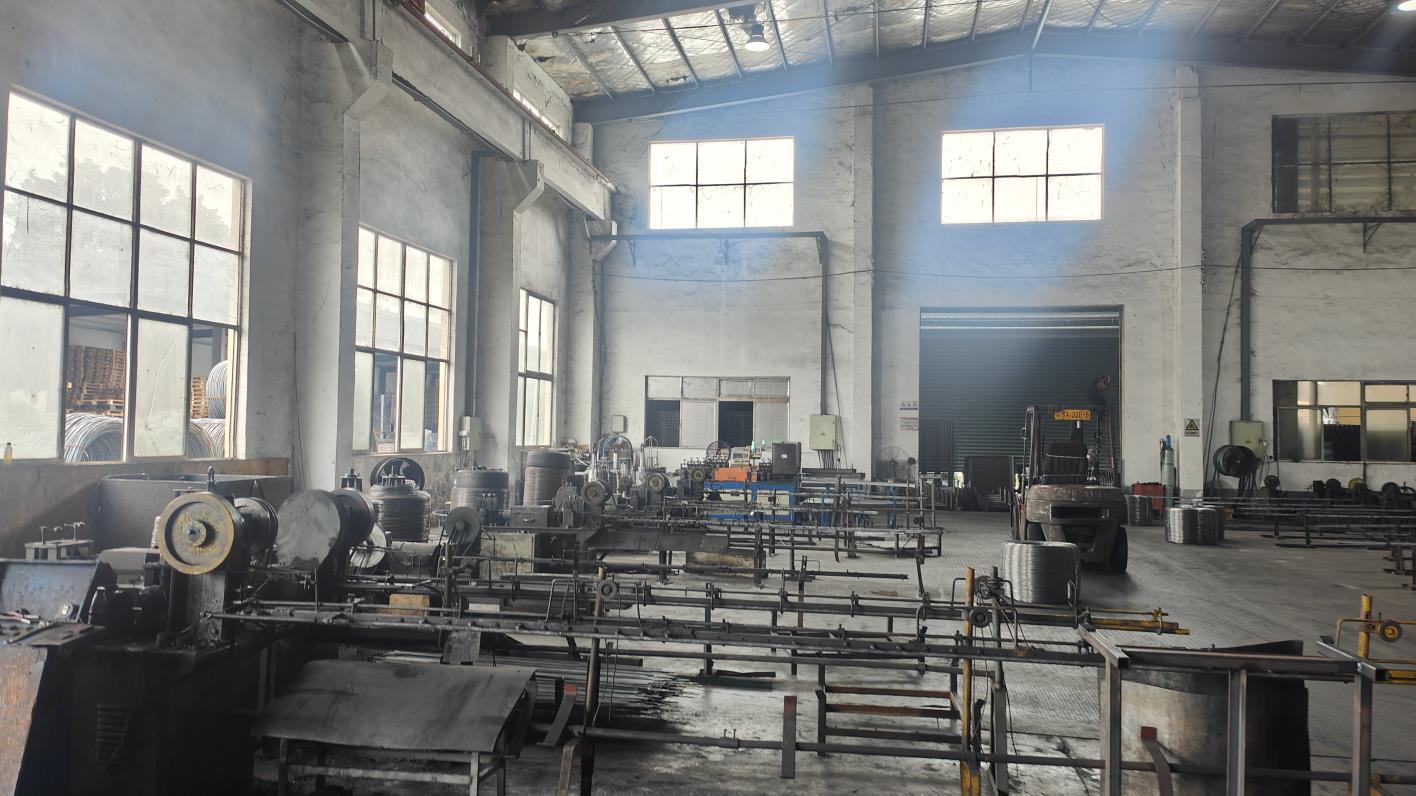
Global supply chain management requires a balance of manufacturing speed, quality control, and cost efficiency. Suzhou CraftRack's Factory 4.0 production framework addresses these needs by integrating automated production lines with rigorous quality control processes.
Our quality management system is backed by 45 dedicated QC specialists who oversee the manufacturing process. We conduct Non-Destructive Testing (NDT), including ultrasonic weld inspection and magnetic particle testing, to confirm structural integrity before shipment. By using high-tensile structural steel grades (such as Q235 and Q355, equivalent to ASTM A36 and ASTM A572 Grade 50), we produce racking components that provide the strength and durability required for heavy-duty industrial storage.
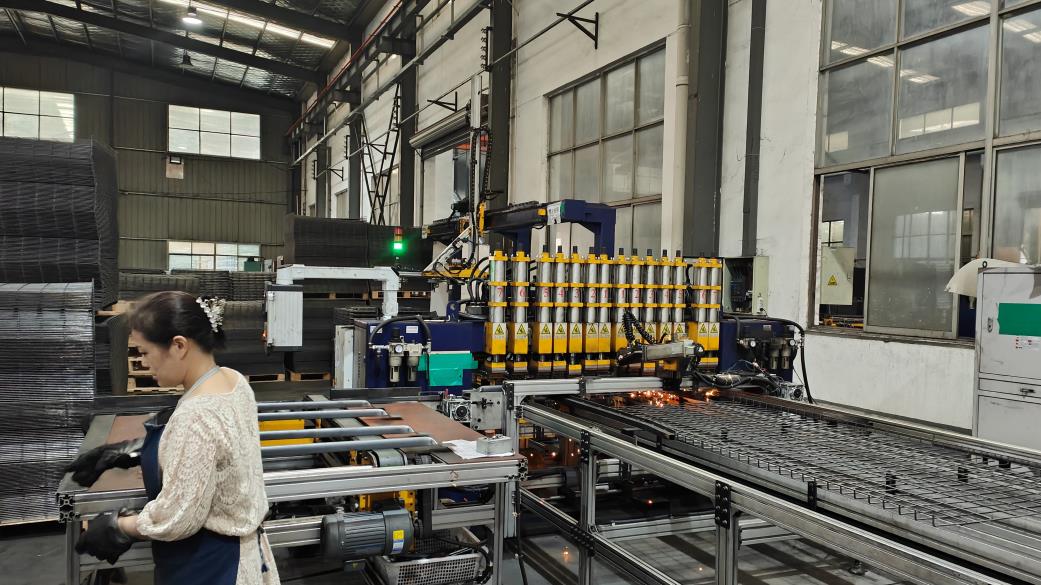
Modern industrial warehousing is shifting toward automation and systems integration. Our technical roadmap supports this transition by developing components compatible with Automated Storage and Retrieval Systems (ASRS), Autonomous Mobile Robots (AMRs), and high-speed pallet shuttles.
ASRS components require strict manufacturing tolerances. While standard manual systems tolerate variance, automated cranes and shuttles demand precise alignment. A few millimeters of deflection can disrupt optical sensors or cause machine collisions. To prevent this, our production processes maintain tight profile tolerances, ensuring reliable operation for dynamic warehousing installations.
Furthermore, our research team focuses on developing durable protective finishes. We offer specialized electrostatic powder coatings and hot-dip galvanized finishes designed to withstand harsh industrial environments, high moisture, and sub-zero cold chain storage conditions.
Different industries face unique storage and material handling challenges. A standard racking design rarely meets the specific operational demands of every sector. We engineer customized storage systems tailored to key verticals:
Engineered using specialized steel grades that maintain impact strength in sub-zero environments (down to -30°F), with finishes that resist rust and corrosion.
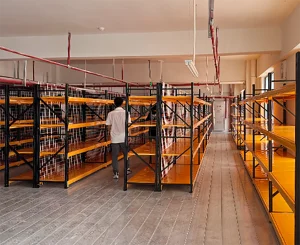
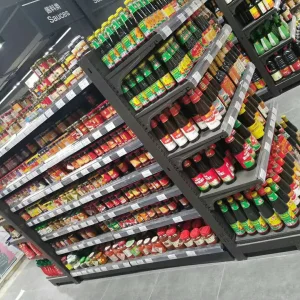
Configured for high selectivity and quick configuration changes, supporting high product turnover and diverse SKU types.
Heavy-duty cantilever and mold racks designed to support heavy machinery, sheet metals, steel coils, and bulky industrial parts safely.
Explore our wide selection of RMI-compliant heavy-duty storage configurations designed for global distribution networks.
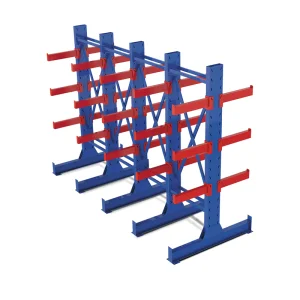
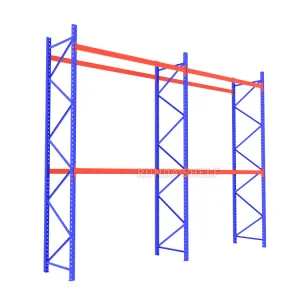
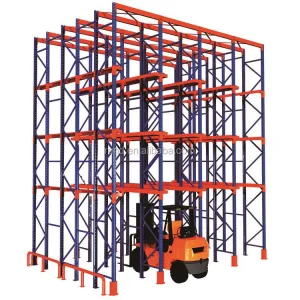
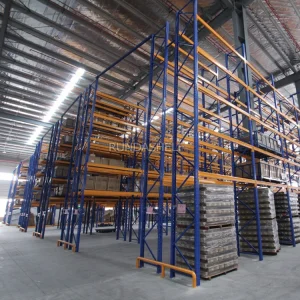
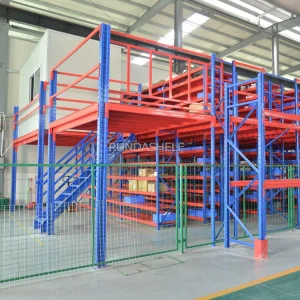
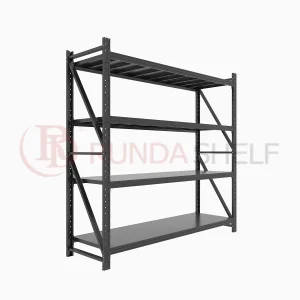
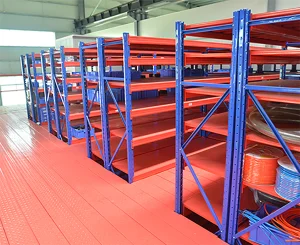
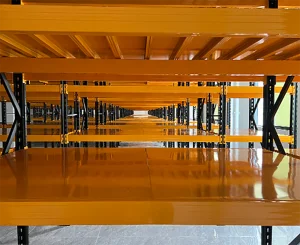
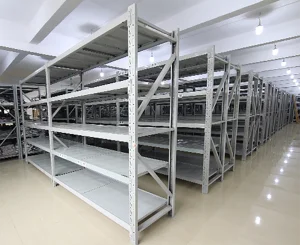
When sourcing heavy storage racking for large-scale operations in the United States, evaluating the Total Cost of Ownership (TCO) is more effective than comparing initial purchase prices alone. TCO includes the upfront equipment cost, shipping, custom clearance, installation, structural compliance certifications, and maintenance costs over the system's operational lifespan.
Sourcing directly from a manufacturer like Suzhou CraftRack offers clear advantages. By eliminating intermediaries, buyers can reduce markup costs. However, managing direct importing requires clear planning for logistics and port-to-door delivery. To help navigate this, we work with experienced logistics partners to manage customs clearance and land freight, ensuring delivery directly to your US job site.
Additionally, choosing structural steel over standard roll-formed configurations can reduce long-term maintenance costs. Structural steel components are manufactured from hot-rolled steel channels, which offer higher resistance to forklift impacts. This reduces the frequency of component replacement and helps prevent structural damage in busy warehouse environments.
 CraftRack