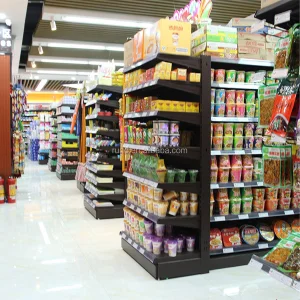
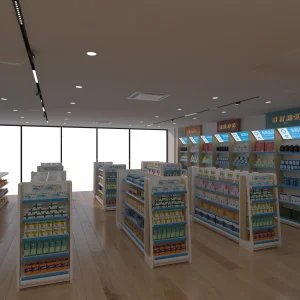
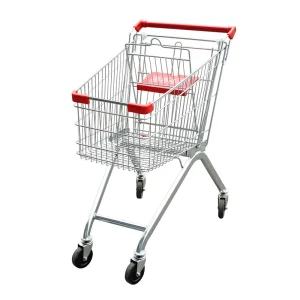
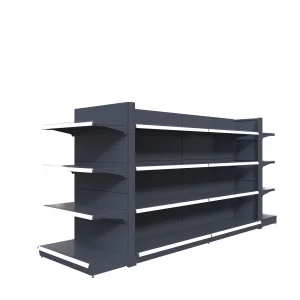
Premium display configurations designed to optimize space utilization, preserve product freshness, and enhance visual merchandising at major Tokyo agricultural distribution hubs.
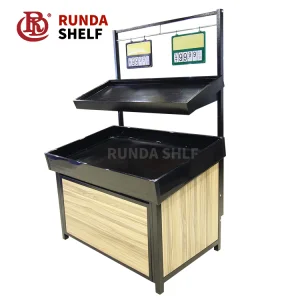
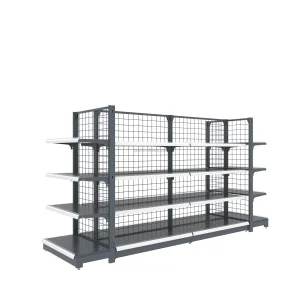
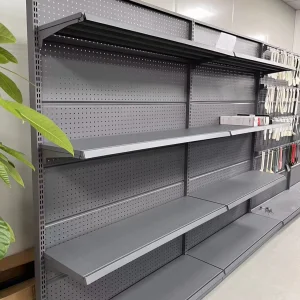
Tokyo, as one of the world's most densely populated and economically vibrant metropolitan areas, runs on an incredibly sophisticated and fast-moving fresh produce supply chain. Every day, tons of fresh fruits and vegetables flow through central wholesale markets like the historic Toyosu Market and Ota Market. These hubs act as the beating heart of distribution, feeding millions of residents through thousands of high-density retail channels, convenience stores (konbini), and premium supermarkets.
For fresh fruit and vegetable exporters, factories, and distribution partners looking to gain a foothold in the Tokyo market, the challenge is not just sourcing quality produce; it is navigating the strict architectural constraints, space limits, and high hygiene expectations of Japanese retail environments. Modern commercial operations require high-capacity, seismic-resistant, and aesthetically clean display and storage racking systems to keep products flowing smoothly from cold storage warehouses directly to the customer's shopping cart.
In Tokyo's retail real estate, space is rented at a premium. Supermarkets and grocery distribution hubs require heavy-duty storage racks that utilize vertical space without sacrificing structural safety. Furthermore, because Japan is situated in an active seismic zone, all storage and display fixtures must conform to rigorous earthquake resistance standards. Racks that fail under load or during low-level seismic tremors present unacceptable liabilities for operations and public safety.
Efficient food distribution requires a seamless bridge between heavy-duty back-of-house storage and attractive front-of-house retail displays. For fruit and vegetable processing factories in Tokyo, industrial cantilever systems and heavy-duty steel shelves support high-turnover logistics. Raw crates of incoming citrus, apples, and root vegetables must be sorted, kept under cold chain controls, and stacked safely on pallets.
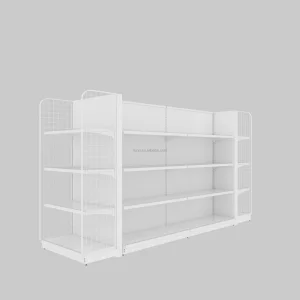
Simultaneously, the front-of-house retail environment demands highly specialized modular gondola shelving. Produce displays must withstand moisture from misting systems (used to keep leafy greens crisp) and hold heavy loads of dense fruits like melons and potatoes. Single-sided and double-sided steel display units with advanced powder coatings prevent rust, resist bacteria growth, and provide structural flexibility to accommodate changing seasonal harvests.
Meeting these strict retail and warehousing specifications requires deep manufacturing expertise. Suzhou CraftRack Heavy Duty Storage Equipment Co., Ltd. (established in 2014) is at the forefront of providing custom engineered logistics and display infrastructure. Operating out of a sprawling 38,000 m² facility, CraftRack generates an annual export revenue of $28,000,000, backed by 14 years of deep industry expertise.
CraftRack's advanced research capabilities focus on Automated Storage and Retrieval Systems (ASRS) and Finite Element Structural Analysis. This ensures that every racking component—from double-sided convenience store shelving to industrial cantilever warehouse racks—is engineered to withstand specific seismic ratings and load limits requested by Japanese procurement departments.
Why do major Tokyo fresh fruit and vegetable exporters and retail supermarket groups choose to collaborate with Chinese manufacturers like Suzhou CraftRack? The answer lies in the synergistic advantages of cost-effective mass production, rigorous quality testing, and robust supply chain integration.
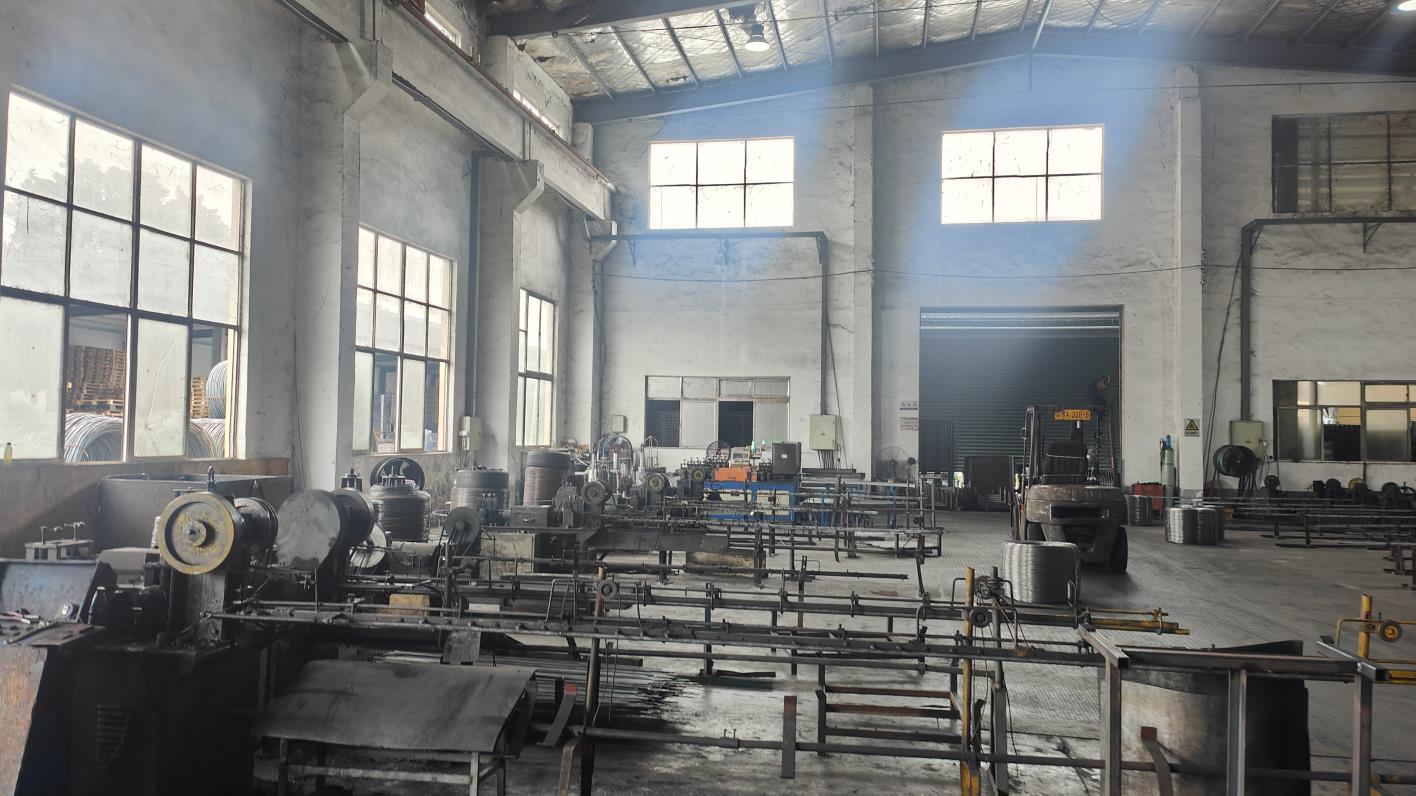
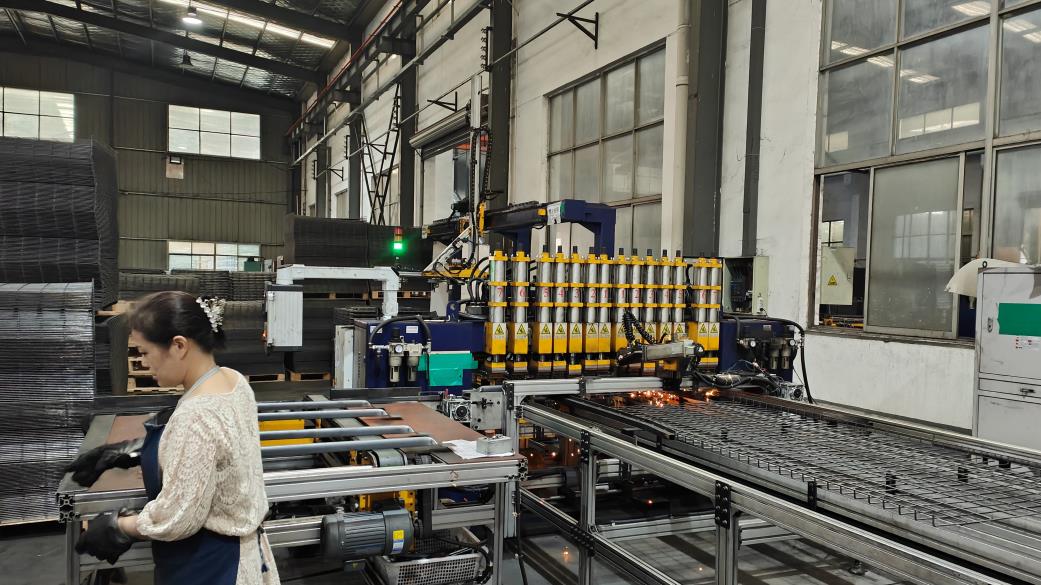
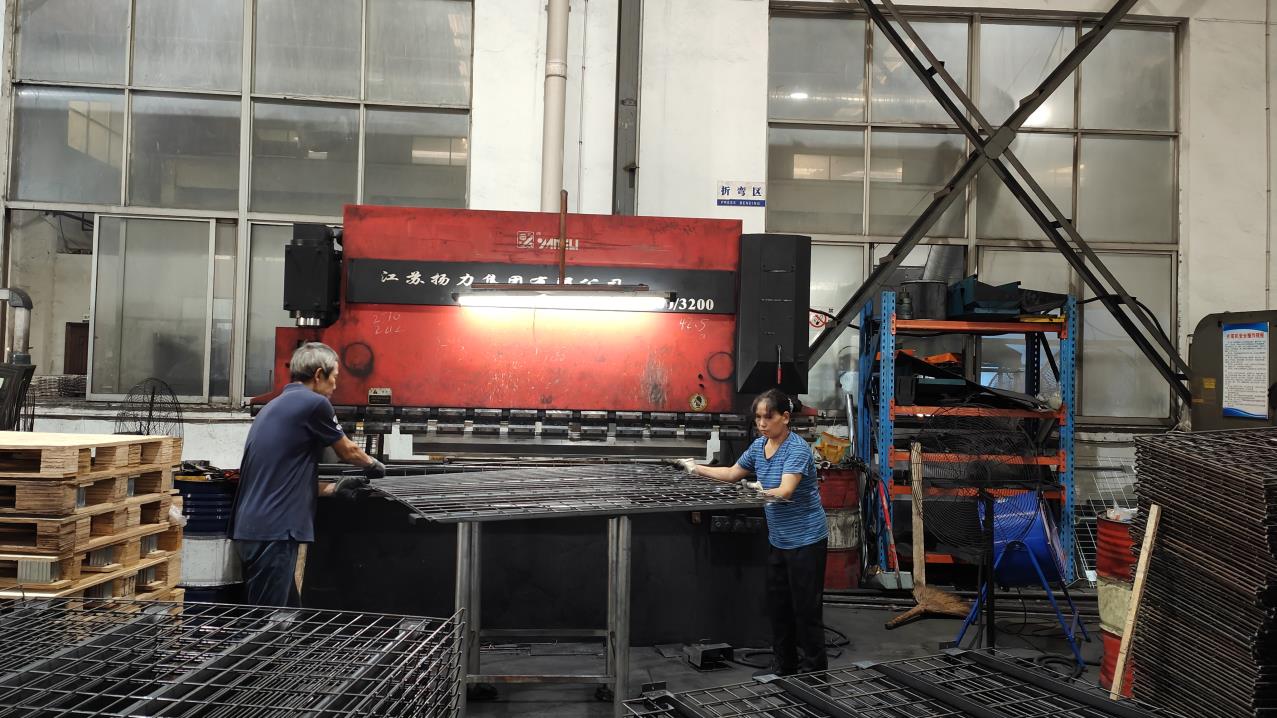
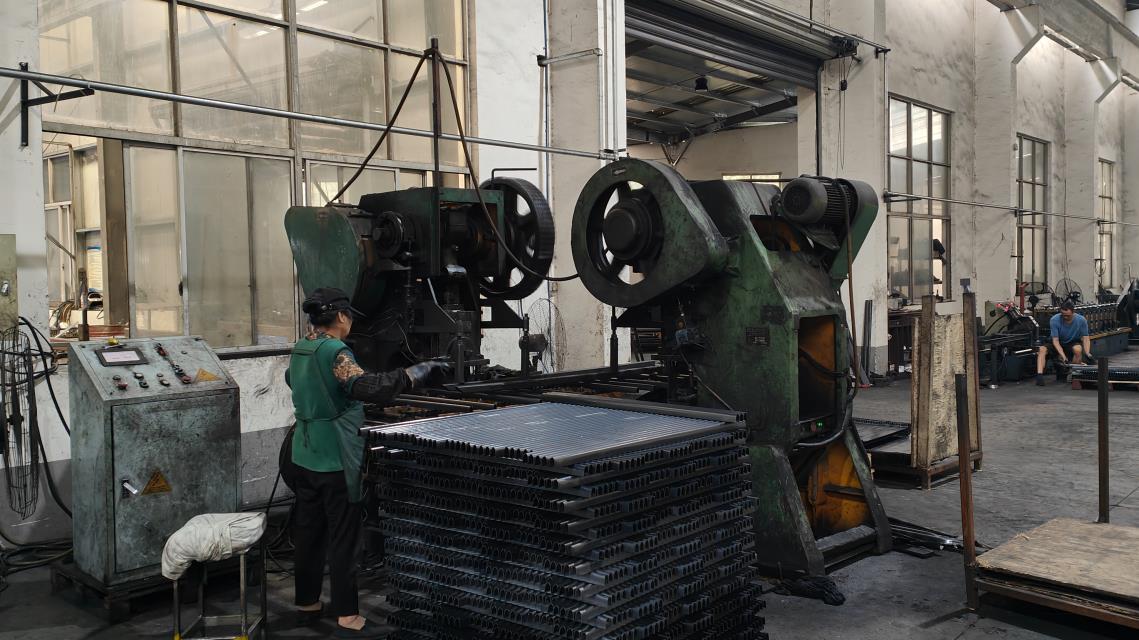
At our manufacturing center, every step of the fabrication process—from raw steel coil manipulation to robotic assembly—is optimized for precision and durability. Below are real glimpses into the manufacturing workflow that fuels Tokyo's retail supply chains.
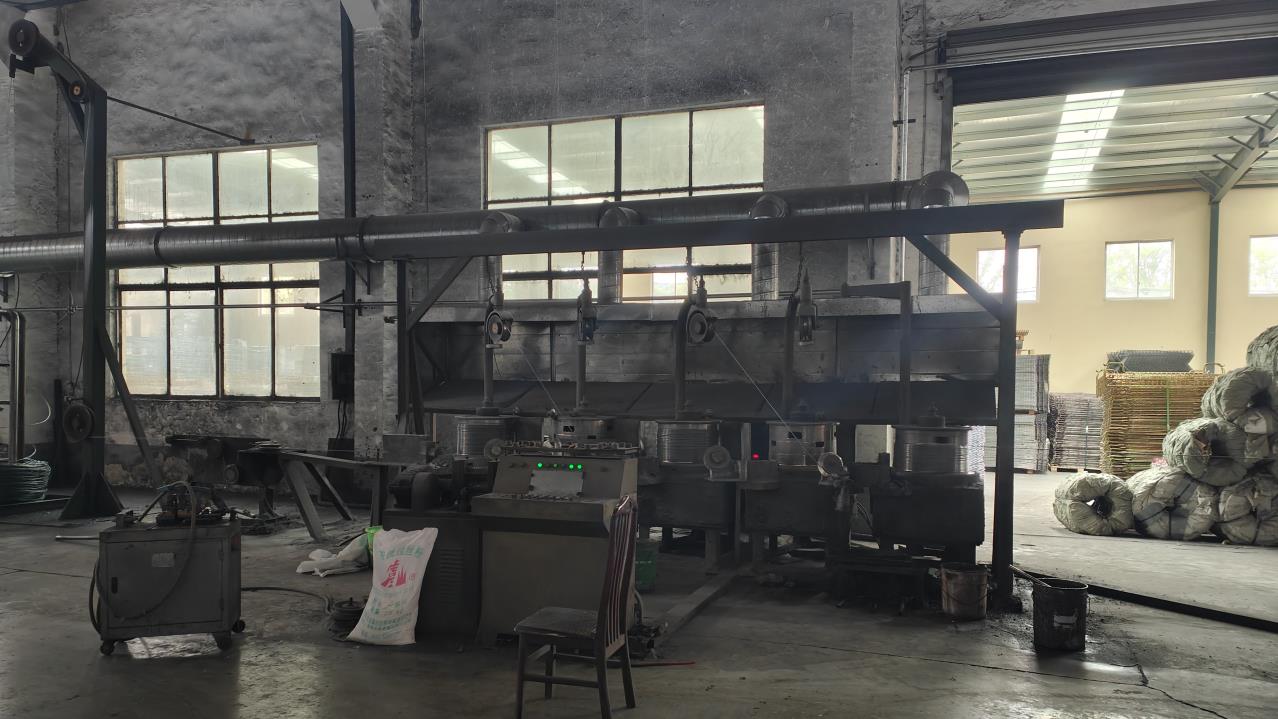
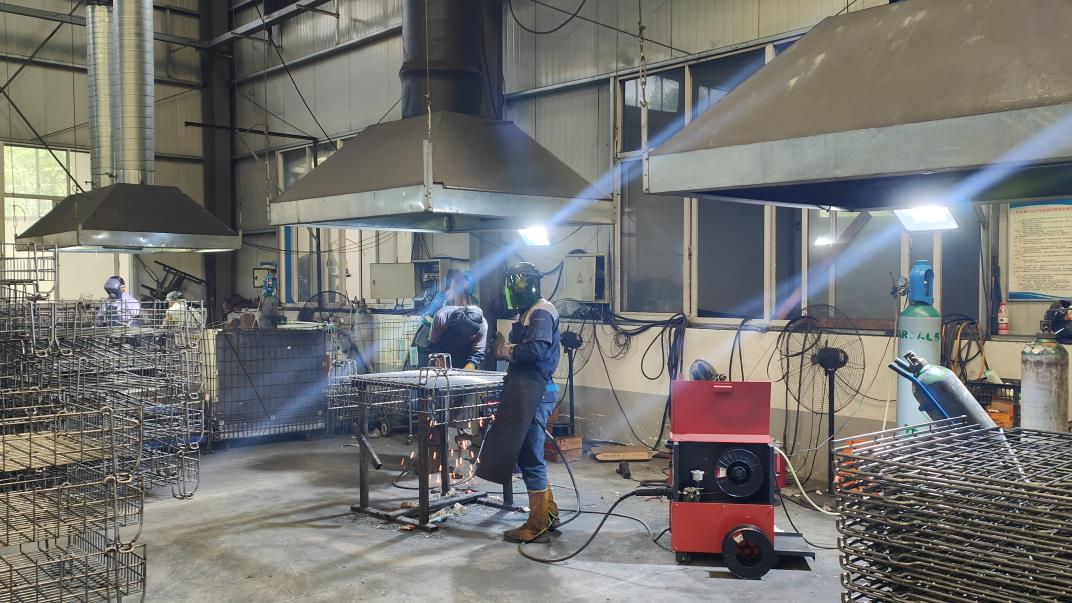
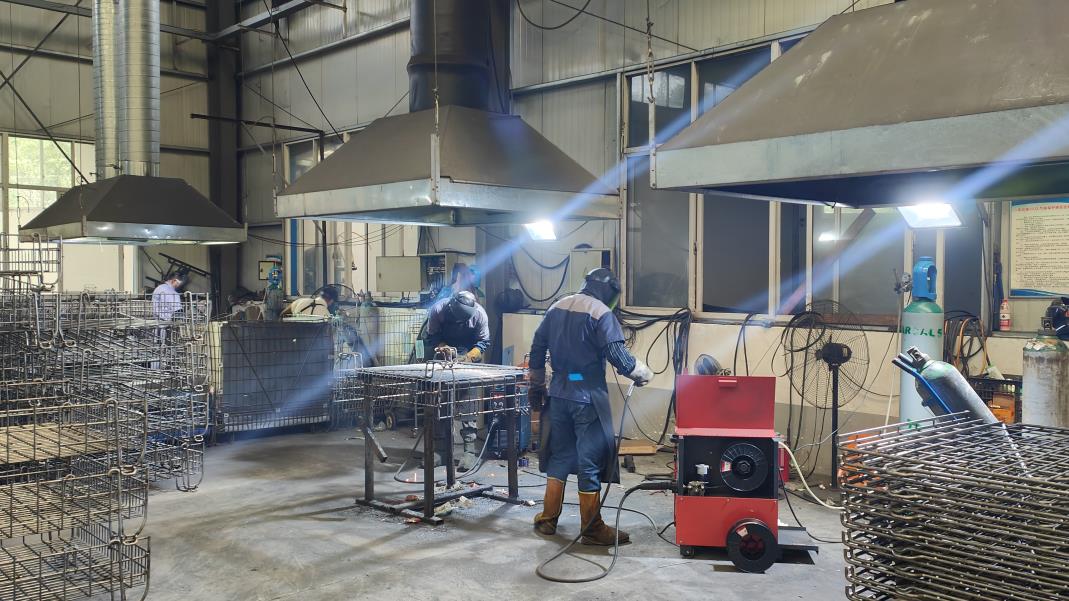
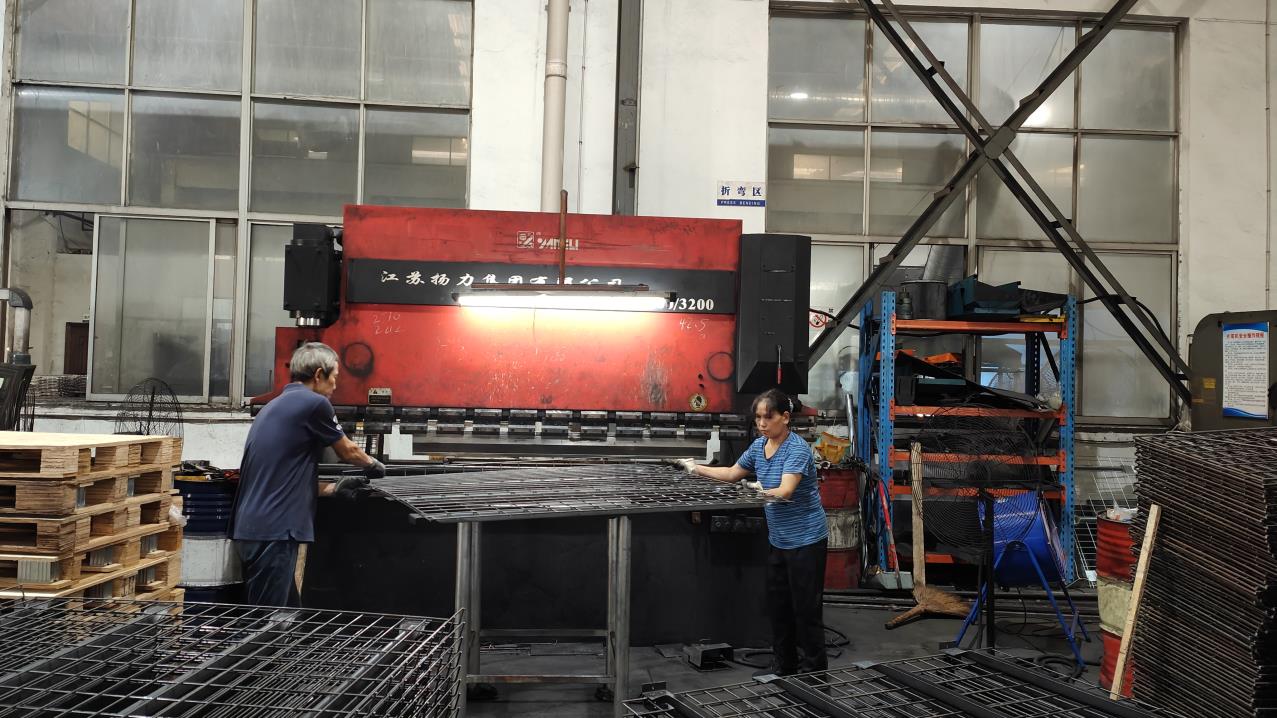
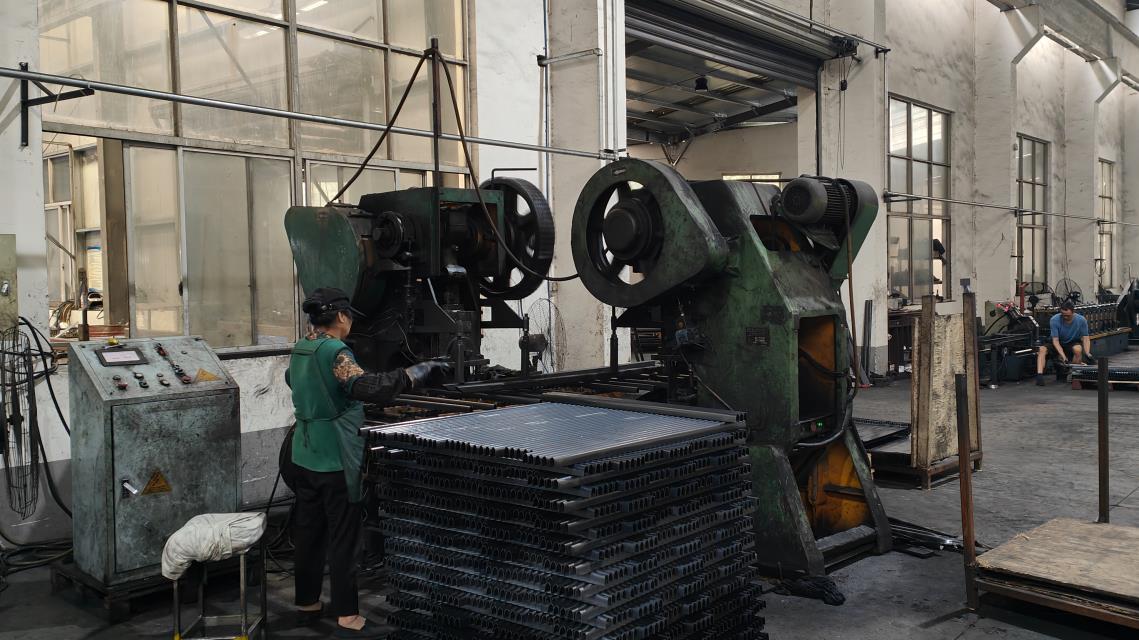
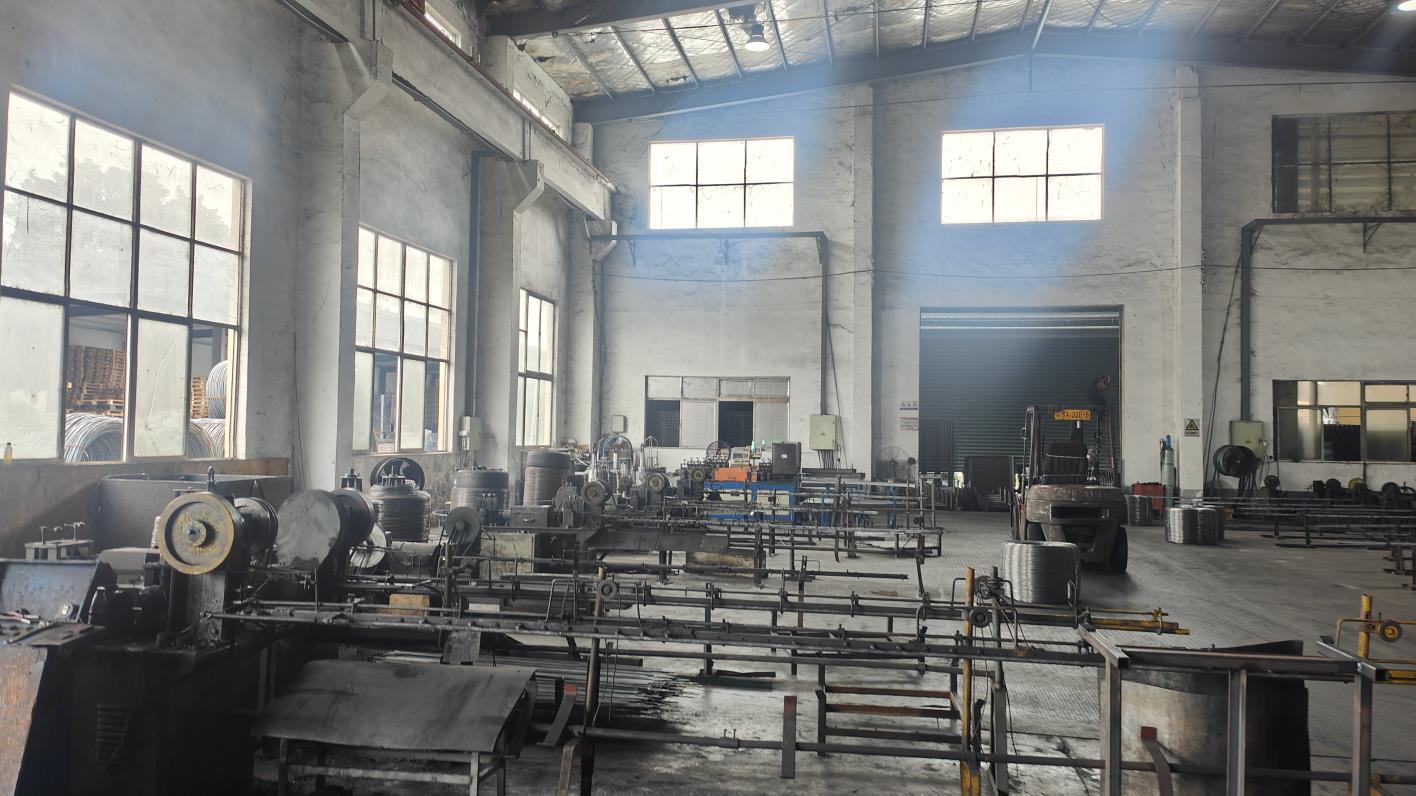
Understanding how local operators implement storage and merchandising fixtures highlights the necessity of robust product engineering:
As we look towards the next decade, two key trends dominate the food logistics and retail storage landscape in Tokyo:
A comprehensive inventory of heavy-duty storage racks, checkout modules, convenience store shelves, and logistics equipment to streamline your operations from farm to consumer.
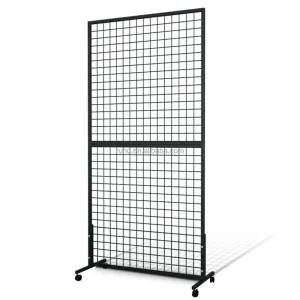
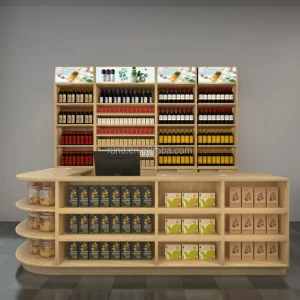
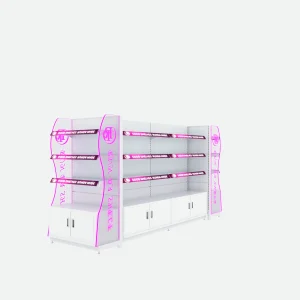
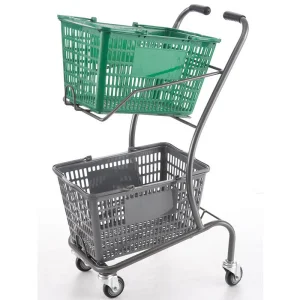
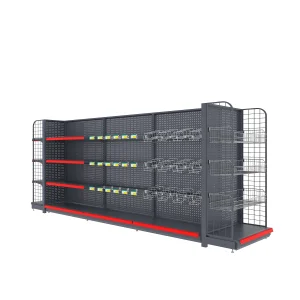
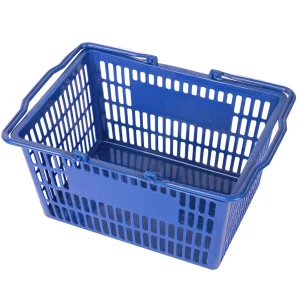
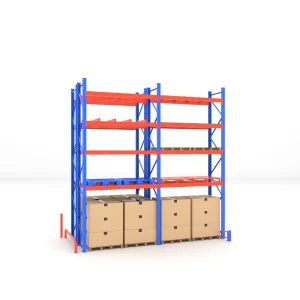
Procurement teams and project managers representing Tokyo retail chains and cold-chain hubs must analyze several critical parameters when investing in storage structures:
Get professional technical insights on structural engineering, seismic safety, and localized specifications for the Japanese market.
Q: What seismic calculations are required for installing racking in Tokyo warehouses?
Under the Japanese Building Standards Act, industrial racks are classified as structural installations. Any storage exceeding 3.1 meters in height must undergo rigorous structural analysis to withstand seismic activities (Level 1 and Level 2 ground accelerations). Suzhou CraftRack performs full Finite Element Structural Analysis to optimize baseplate thickness, anchor bolt sizes, and structural bracing to ensure full compliance.
Q: How do you prevent rusting in cold storage fruit and vegetable warehouses?
We apply a multi-layer thermo-setting epoxy polyester powder coating. Prior to coating, the steel components undergo a meticulous chemical cleaning process (including phosphate treatment and pickling) to ensure optimal adhesion. This creates a non-porous protective barrier that prevents moisture from reaching the steel core, maintaining structural integrity in high-humidity cold chain environments.
Q: Can the gondola shelving layouts be customized for small, high-density Tokyo retail outlets?
Yes, our direct-manufacturing setup offers extensive OEM and ODM customization. We design single-sided and double-sided gondolas with shallow depths and high vertical profiles, specifically suited for the narrow aisles typical of Tokyo convenience stores. Additionally, we provide 3D store layouts to visualize product flow before manufacturing begins.
Q: What weight capacities can your light-duty grocery display shelves support?
Our standard light-duty steel grocery shelves (like the FS-02 series) support 50kg to 100kg per level. For heavier agricultural displays containing root vegetables or watermelons, we provide custom heavy-duty steel options capable of supporting up to 150kg per level, reinforced with heavy-gauge support channels.
Q: What is the typical lead time for custom warehouse rack shipments to Tokyo?
Standard manufacturing and quality inspection processes require 20 to 30 days. Shipping from our Suzhou facility via nearby ports (like Shanghai or Ningbo) to Tokyo Port typically takes 3 to 5 days, making the total procurement turnaround highly competitive.
 CraftRack