In the contemporary UK logistics landscape, particularly within the Greater London Area bounded by the M25 motorway, warehouse space has transformed into one of the most expensive and fiercely contested real estate commodities in Western Europe. Key commercial hubs like Park Royal, Heathrow, and the Thames Gateway face unprecedented rental premium pressures alongside stringent municipal emissions and sustainability mandates. For logistics operations directors, 3PL managers, and food distribution stakeholders in London, standard selective racking systems no longer yield viable financial metrics. The requirement has shifted definitively toward maximum volumetric utilization.
Drive-in pallet racking (commonly referred to as drive-in shelving) presents the most structurally robust answer to this spatial crunch. By eliminating dedicated service aisles, drive-in systems operate on a First-In, Last-Out (FILO) inventory logic that permits forklifts to drive directly into the storage bays. This architectural design compresses the physical footprint required for bulk pallet storage by up to 85% compared to selective configurations. It represents not just an incremental improvement in storage capacity, but a strategic structural pivot that alters the cost-per-pallet metric dramatically.
Information Gain Note for Logistics Procurement: Standard warehouse space in West London currently commands prime rents exceeding £25 to £30 per square foot annually. By implementing a high-density drive-in racking configuration, operators can effectively double their pallet storage count within the exact same structural footprint, mitigating real estate expansion costs and optimizing indoor thermal efficiency for temperature-controlled storage spaces.
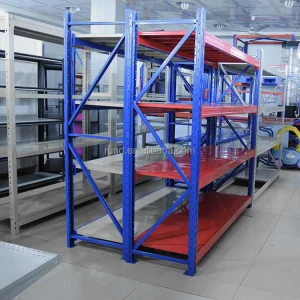
Drive-in shelving systems rely on a structural paradigm where pallets rest on continuous horizontal rails supported by heavy-duty upright frames rather than traditional crossbeams. The forklift enters the racking structure horizontally to deposit or retrieve loads. Because the material handling equipment enters the structural matrix, engineering tolerances must be meticulously planned. Deflection criteria, column guard robustness, and floor flatness ratings (FM1 or FM2 in accordance with the TR34 standard) must align precisely to prevent structural collision and catastrophic systemic failure.
Eliminates access aisles to double storage density. Ideally suited for SKU profiles with high pallet counts per product line, such as raw ingredients, beverage depots, and bulk consumer goods.
Unmatched performance in cold storage and deep-freeze environments (-30°C to -2°C). Minimizes the total refrigerated envelope volume, leading to drastic drops in utility overheads.
Engineered with structural floor guides, heavy-duty column protectors, and high-visibility entry warning panels to guard against forklift impact and operational wear.
Unlike selective racking where the load distribution is localized on crossbeams, a drive-in shelf relies heavily on the rigid connection between the upright columns, the cantilevered rails, and the top and back portal bracing. At Suzhou CraftRack, we execute exhaustive Finite Element Method (FEM) analysis on each customized configuration to address static load deflection and dynamic sway risks during loading operations.
The steel chosen for our profiles is standard Q235B and Q355B high-tensile cold-rolled structural steel, ensuring structural elasticity without brittle failure modes under sub-zero temperatures. The columns are punched using advanced CNC-controlled tooling to ensure exact vertical alignment, preventing even minor misalignments that could compound over a 10-meter vertical rise.
Because drive-in racking is missing the traditional beam connections at the aisle side, the lateral and longitudinal stiffness of the structure relies entirely on top and rear portal bracing frames. These frames distribute horizontal shear loads back into the warehouse floor and overhead tie-ins. Without specialized structural analysis, dynamic forces from a forklift decelerating inside a storage lane could trigger progressive buckling. Our engineers design these bracing systems in compliance with BS EN 15512 standards to ensure that even when loaded to 100% capacity (typically up to 1,500 kg per pallet position), safety factors exceed the required 1.5:1 ratio.
Established in 2014, Suzhou CraftRack Heavy Duty Storage Equipment Co., Ltd. is a leading developer and direct-manufacturer of industrial warehousing logistics solutions. Operating from our advanced facility spanning over 38,000 m², we support heavy-duty storage installations across North America, Western Europe, and Southeast Asia. Supported by 8 years of dedicated export operations and 14 years of industry expertise, we specialize in high-capacity racking systems optimized for 3PL providers, large-scale e-commerce fulfillment hubs, and temperature-controlled cold chains.
Quality assurance is central to our production process. Our QA team of 45 QC specialists utilizes strict Non-Destructive Testing (NDT) and Ultrasonic Weld Inspection to certify the integrity of our load-bearing weldments. With a strong engineering backbone comprising 32 R&D engineers, we focus on Automated Storage and Retrieval Systems (ASRS) and Finite Element Structural Analysis, launching 45 new product profiles last year alone to meet evolving logistical challenges.
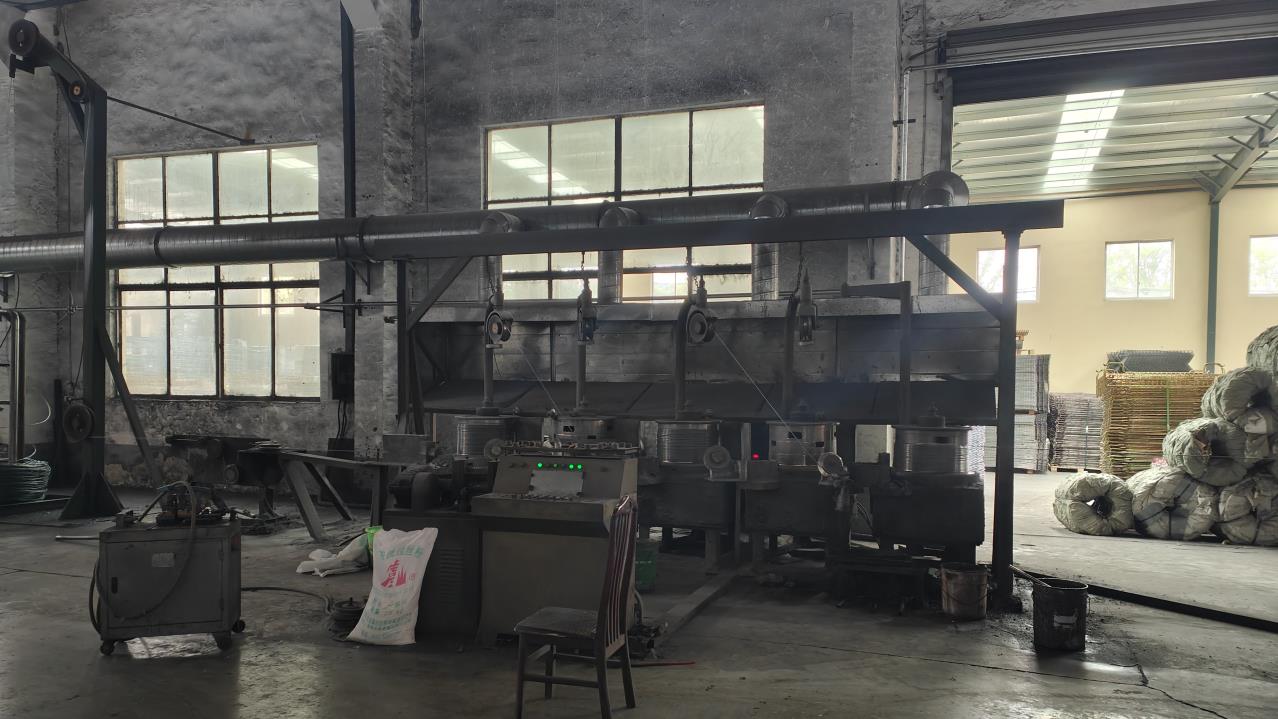
Pulling
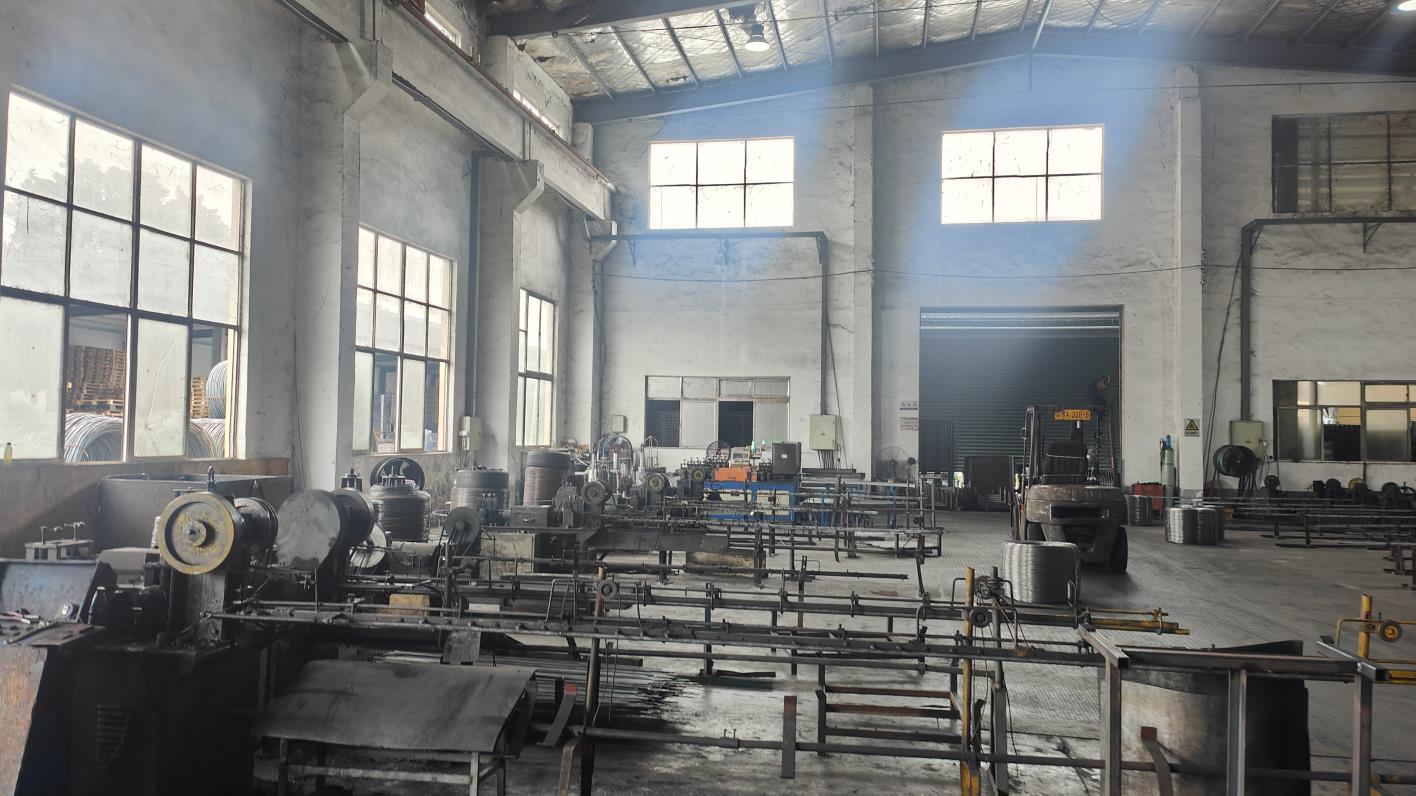
Align
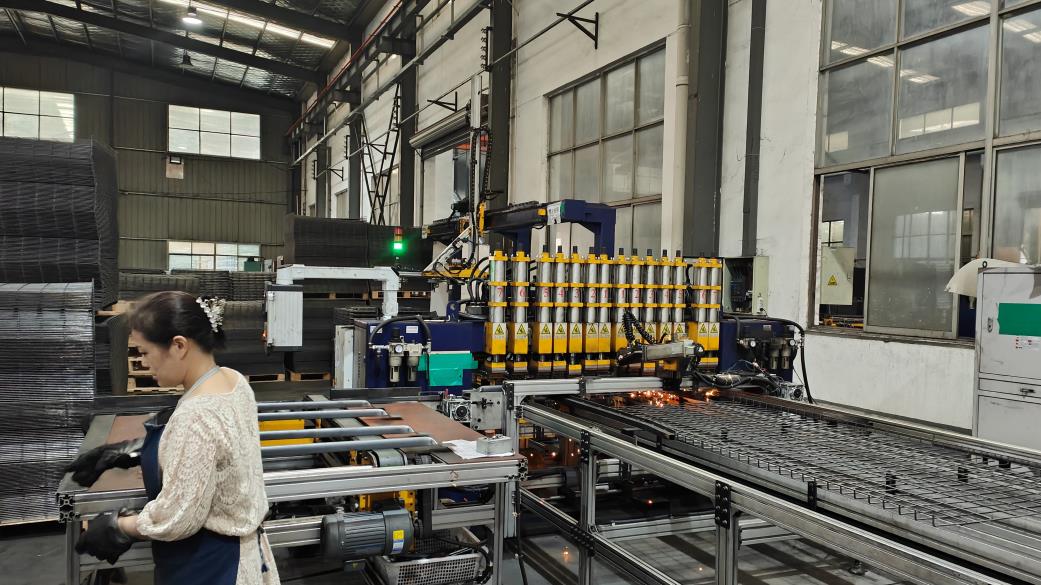
Welding 1
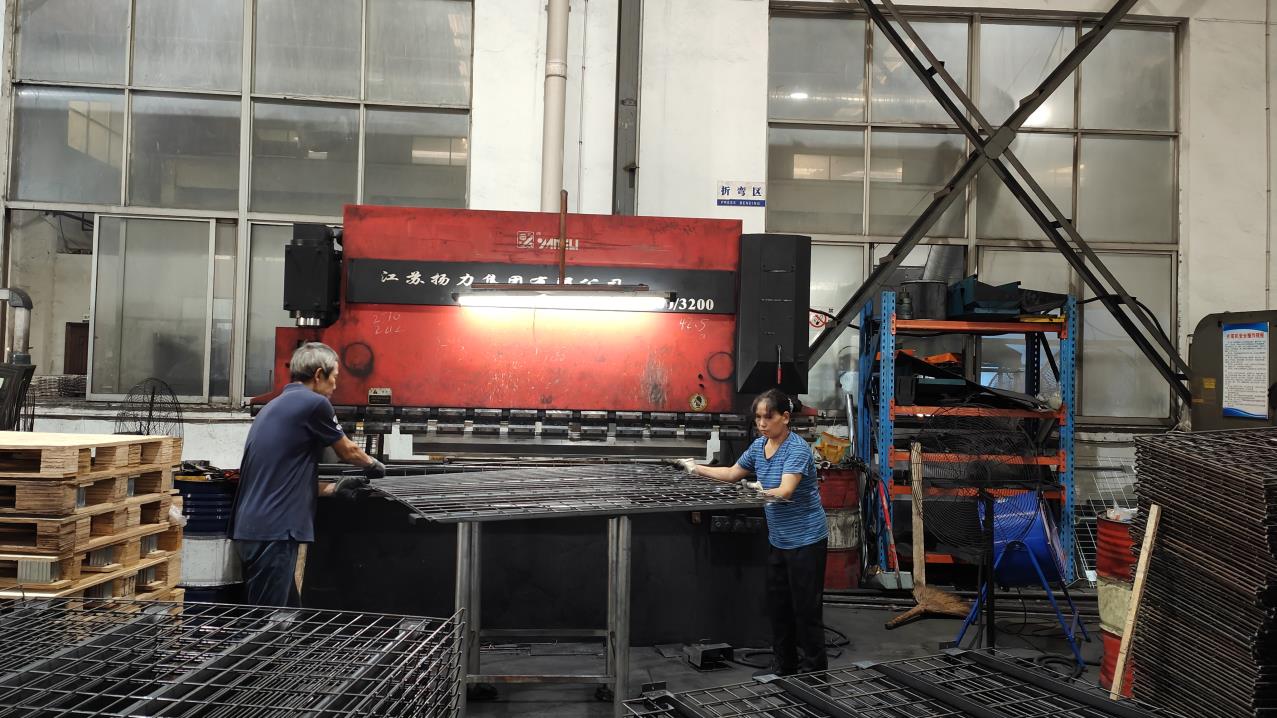
Bending

Punching
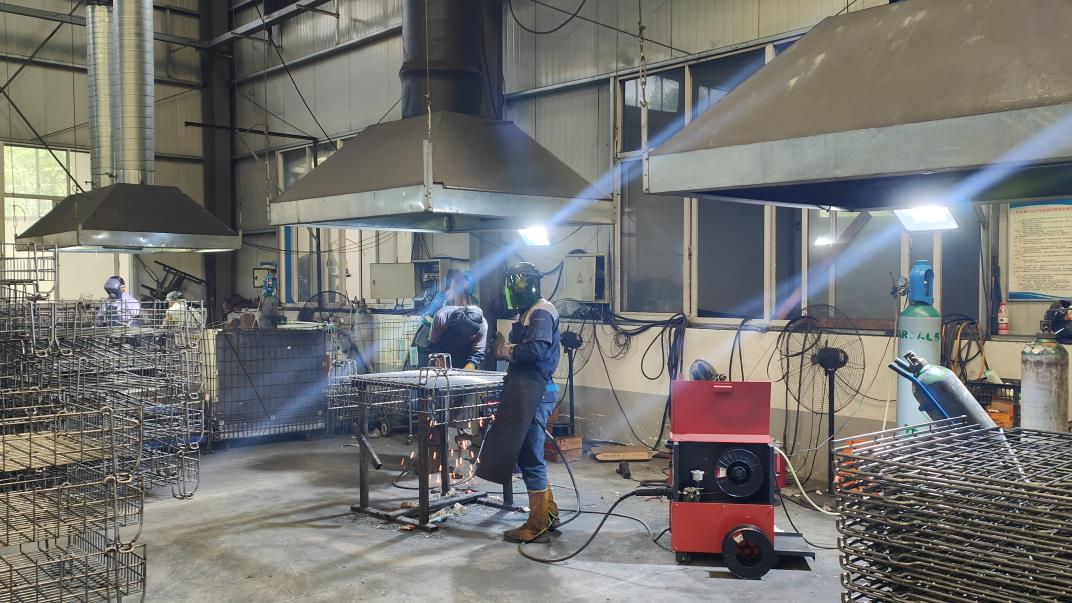
Welding 2
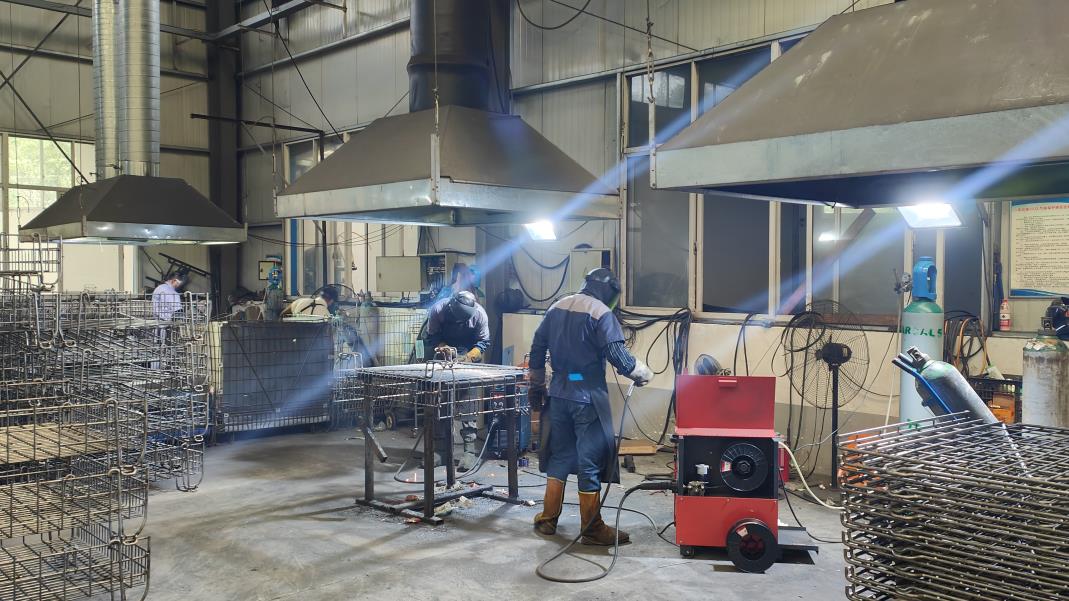
Welding Machine
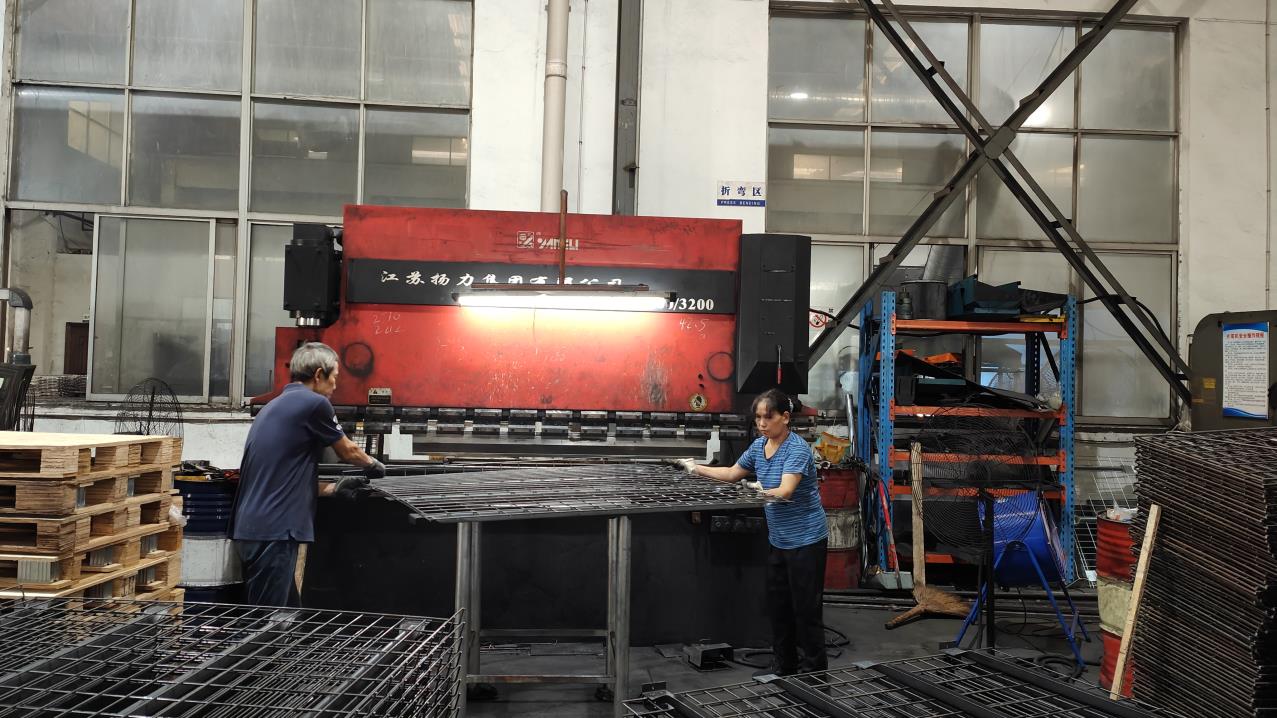
Bending Machine
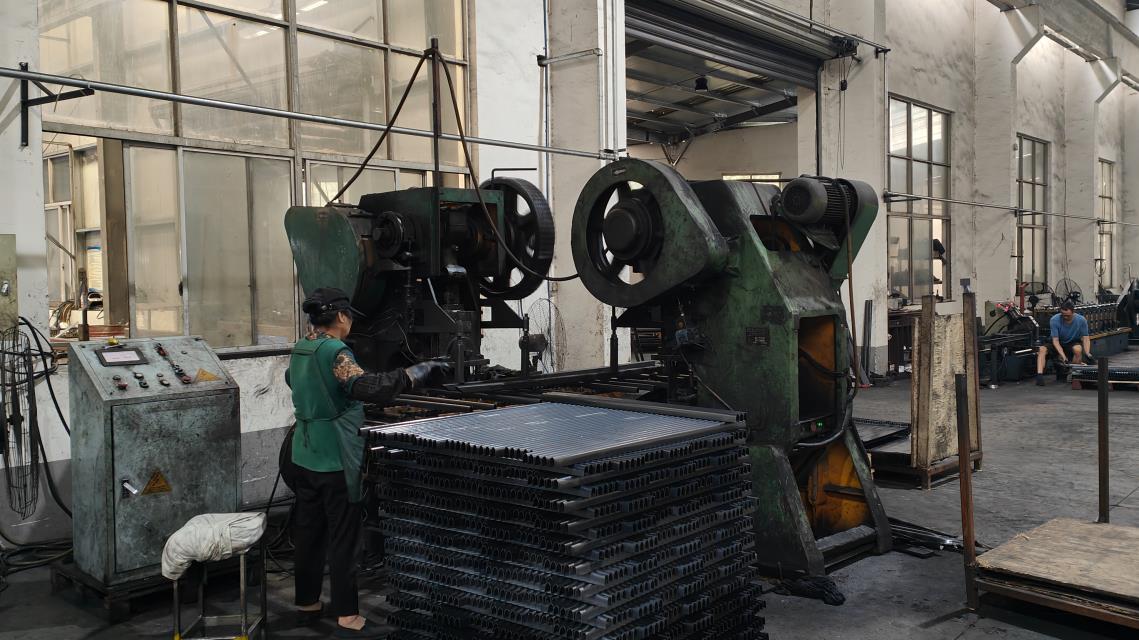
Punching Machine
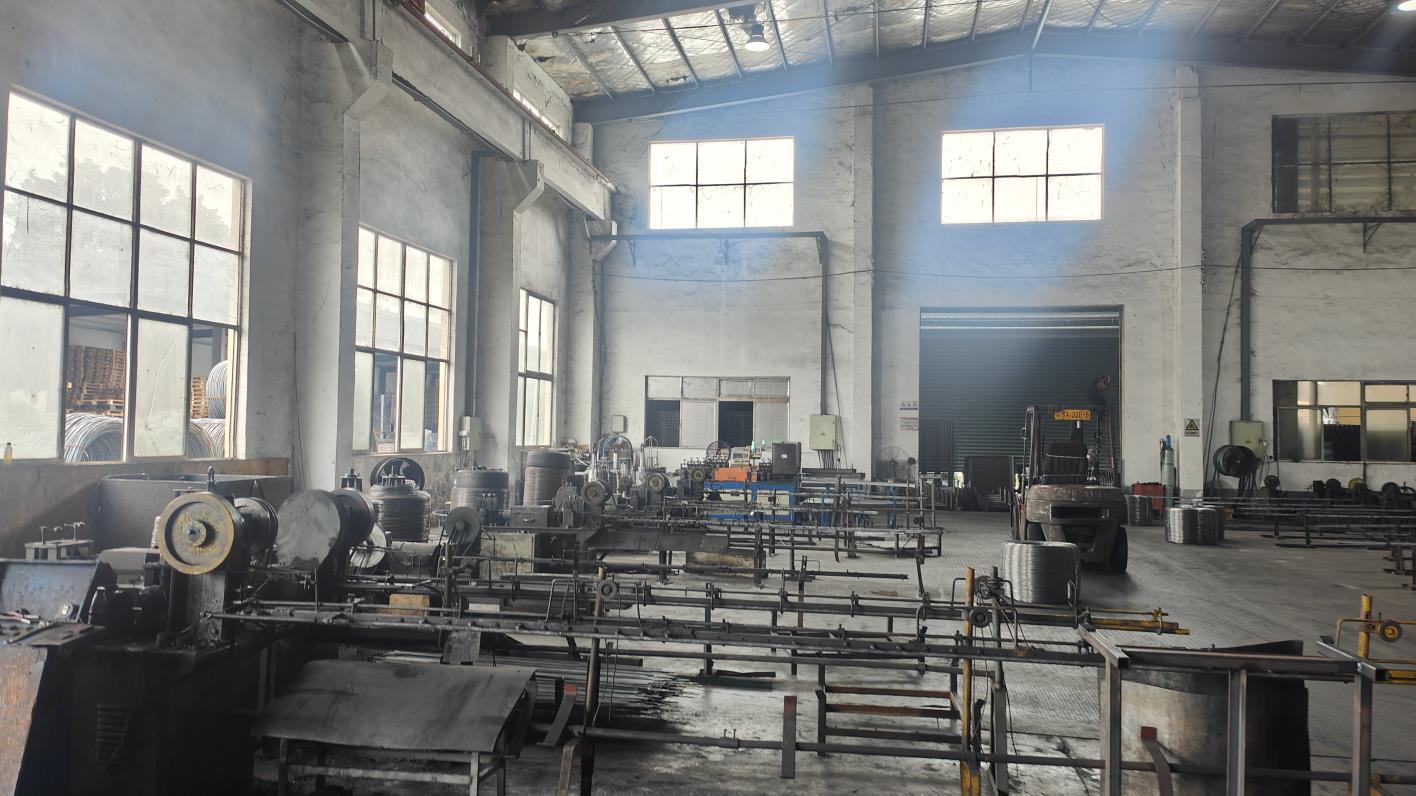
Straightening Machine
In the cold chain logistics sector, refrigeration costs are directly proportional to the total volume of the refrigerated chamber. Selective racking systems, which require extensive aisle space, waste valuable refrigerated air space. Drive-in shelving minimizes these voids by packing pallets tightly together, creating a compact block of thermal mass. This thermal density helps maintain target temperatures during high-throughput operations.
However, cold storage presents specific engineering challenges. Condensation and sub-zero temperatures can accelerate structural rust and lead to hydrogen embrittlement in low-grade steel. Suzhou CraftRack addresses this by using hot-dip galvanized finishes or specialized, low-VOC electrostatic powder coatings that resist peeling and corrosion under extreme temperature shifts.
When exporting to the UK and Greater London, compliance is a regulatory requirement rather than a optional feature. Suzhou CraftRack systems conform strictly to BS EN 15512:2020 (Steel static storage systems) and the design standards set by the Storage Equipment Manufacturers' Association (SEMA). Our testing procedures include loading validation, weld ultrasonic tests, and paint thickness measurements, ensuring our systems meet UK structural codes.
For corporate procurement teams, the decision to import structural racking from China involves balancing direct cost savings against regulatory compliance, lead times, and structural safety. Suzhou CraftRack mitigates import risks by acting as both manufacturer and exporter. By controling the entire chain from raw steel processing to final loading, we eliminate middleman markups while enforcing strict testing protocols.
Our logistics department handles export procedures to the UK, including customs clearance, duty calculations, and direct delivery to your site in Greater London or the Home Counties. Our technical team works alongside local UK installers to ensure that on-site assembly matches our design drawings and meets SEMA safety codes.
Contact our engineering desk for a custom layout design, structural load simulation, and direct wholesale pricing for your project in London.
Send Inquiry Now CraftRack