CraftRack
Oman's Retail Evolution and Logistics Boom
Analyzing structural shifts under Oman Vision 2040 and the direct design demands for retail infrastructure.
The Sultanate of Oman is witnessing an unprecedented transition in its retail ecosystem. Driven by the strategic objectives of Oman Vision 2040, the country is actively diversifying its economy away from hydrocarbon dependency, positioning itself as a primary logistics and tourism hub within the Gulf Cooperation Council (GCC). This macro-economic shift has sparked extensive commercial developments across major municipalities, including Muscat, Sohar, and Salalah. The expansion of multi-scale residential communities and tourism zones has fueled demand for modern hypermarkets, supermarket chains, and high-convenience neighborhood outlets.
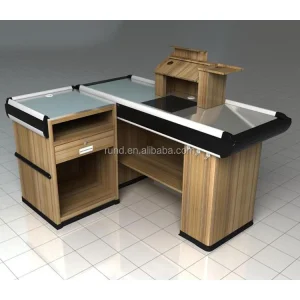
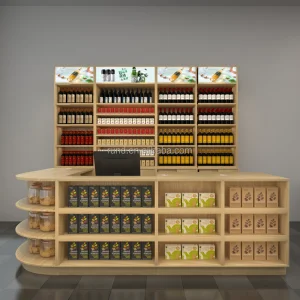
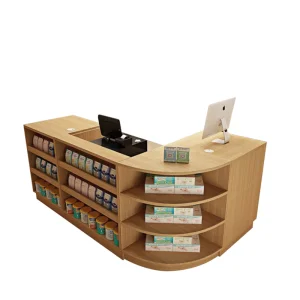
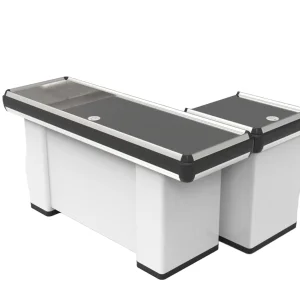
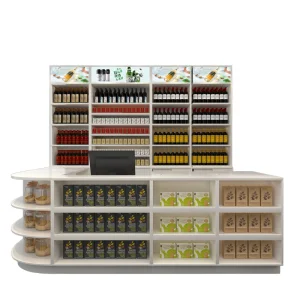
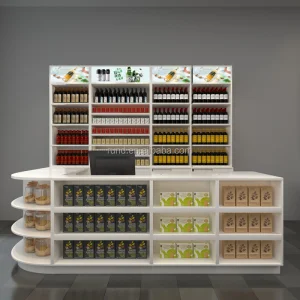
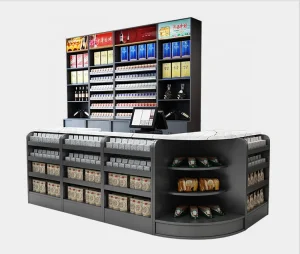
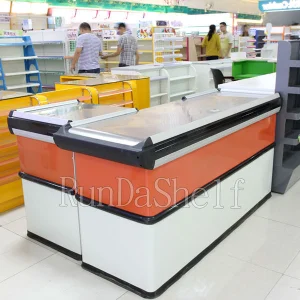
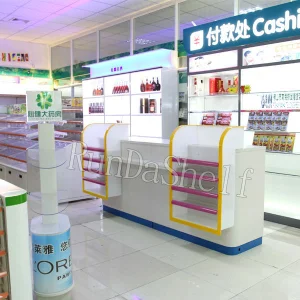
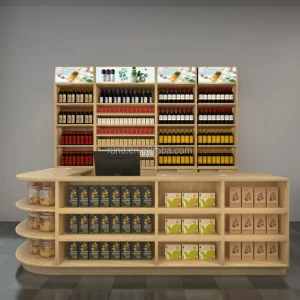
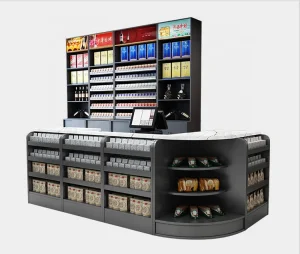
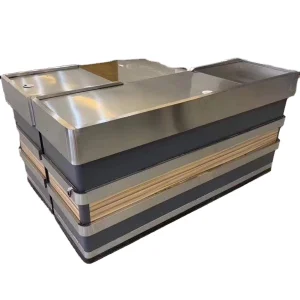
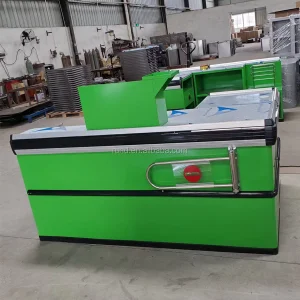
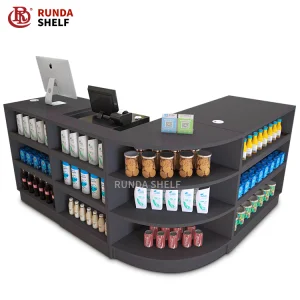
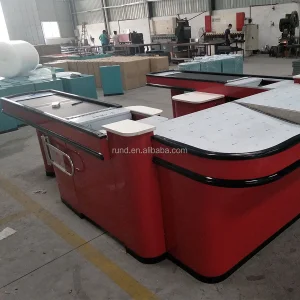
Consequently, the need for top-tier retail infrastructure—especially high-performance checkout counters—has grown critical. Modern commercial developments in cities like Bawshar and Seeb are moving away from traditional layout schemes, replacing them with high-density, automated transaction zones. To maintain peak throughput, Omani merchants must balance ergonomic cashier workspace layout design with high structural integrity. This requires checkout systems capable of sustaining continuous wear in highly populated areas, particularly under the coastal atmospheric conditions of the Arabian Peninsula.
Vision 2040 Retail Alignment
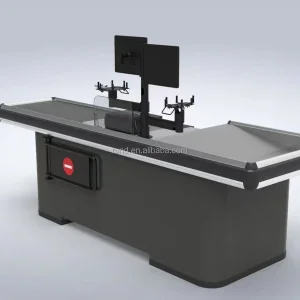
Omani commercial projects are integrating localized retail tech systems. Checkout systems must conform to international standard shapes while retaining adaptive profiles for GCC-specific POS integrations, thermal label units, and digital payment terminal mounts.
Environmental Durability
Oman's coastal environments exhibit high humidity levels. Checkout counters require advanced surface treatments, such as electroplated powder coatings and high-grade 304/316 stainless steel tops, to prevent oxidative deterioration over extended service lifetimes.