Premium-grade structural racking and commercial displays tailored for Australian distribution and retail environments.
Sydney's industrial and logistics landscape is undergoing a structural transformation. With industrial vacancy rates in the Outer West and South West submarkets sitting at historic lows, the cost per square meter of industrial land has reached unprecedented levels. Modern enterprises operating within the Western Sydney Employment Area (WSEA), including major logistics corridors in Eastern Creek, Kemps Creek, and Erskine Park, are facing critical pressures to optimize spatial efficiency. This economic reality has accelerated the transition from traditional, low-profile storage layouts to high-bay, narrow-aisle, and automated structural beam shelf configurations.
In New South Wales, the design, structural calculations, and maintenance of warehouse storage are governed strictly by Australian Standards—principally AS 4084:2012 / AS 4084:2023 (Steel Storage Racking) and SafeWork NSW guidelines. A compliant beam shelf system is no longer just a functional utility; it is a critical safety infrastructure asset. Standard selective pallet racking utilizing high-tensile steel roll-formed box or step beams provides the structural foundation required to handle load capacities exceeding 1,000kg to 4,000kg per pair of beams. For Sydney-based third-party logistics (3PL) providers, cold storage operators, and e-commerce distribution centers, procuring certified, high-grade steel beam shelves is primary to minimizing workplace liability and maximizing cubic space utilization.
Under Australian legislation, storage systems must undergo structural verification to handle seismic loads, wind loads (for external installations), and accidental impact scenarios. The AS 4084 standard outlines strict testing procedures for upright frames, beam connections, and baseplates. Selecting an offshore supplier that understands these nuances is paramount. Racking components must undergo Finite Element Analysis (FEA) to confirm performance limits. Crucially, the connection between the upright and the beam must utilize locking safety pins that can withstand an upward force of at least 5kN without failure, preventing accidental beam dislodgement during forklift loading operations.
Worldwide logistics networks are feeling the impact of rapid omni-channel retail scaling and localized manufacturing hubs. In response, global procurement managers are shifting away from generic commodity storage systems toward custom-engineered solutions. Racking systems are now required to integrate seamlessly with sophisticated Automated Storage and Retrieval Systems (ASRS), autonomous mobile robots (AMRs), and specialized cold-chain operations.
This macro transition places extreme demands on manufacturing precision. In high-bay ASRS applications, a tolerance deviation of merely ±1.5mm along a 12-meter upright frame can cause system jams, sensor misalignments, and catastrophic operational downtime. Consequently, international procurement teams demand rigorous manufacturing consistency. Structural integrity must be backed by mill test certificates, verifying chemical composition (e.g., carbon, manganese, silicon contents) and mechanical properties (yield strength, tensile strength) conforming to grades equivalent to Australian G450 or G550 high-tensile steel, or European S355 and S450 structural steels.
Global standards require racking structures to absorb and dissipate lateral seismic energy. Systems must utilize heavy-duty floor baseplates, dynamic bracing patterns, and high-tensile floor anchors tailored to local geological profiles.
For high-humidity or cold storage configurations, components must undergo specialized powder-coating with zinc-rich primers, or hot-dip galvanization (conforming to EN ISO 1461 standards) to prevent rust and material fatigue.
Direct Manufacturer & Custom Design Engineering Partner for Industrial Storage and Commercial Shelving
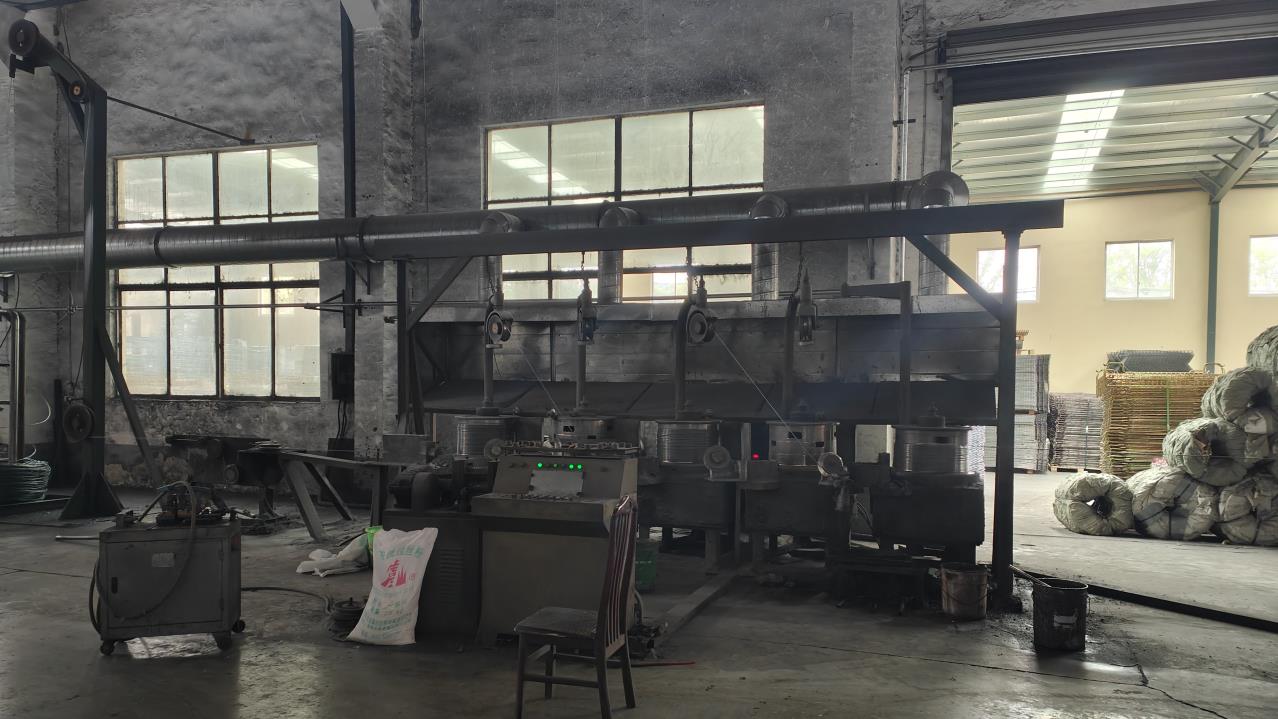
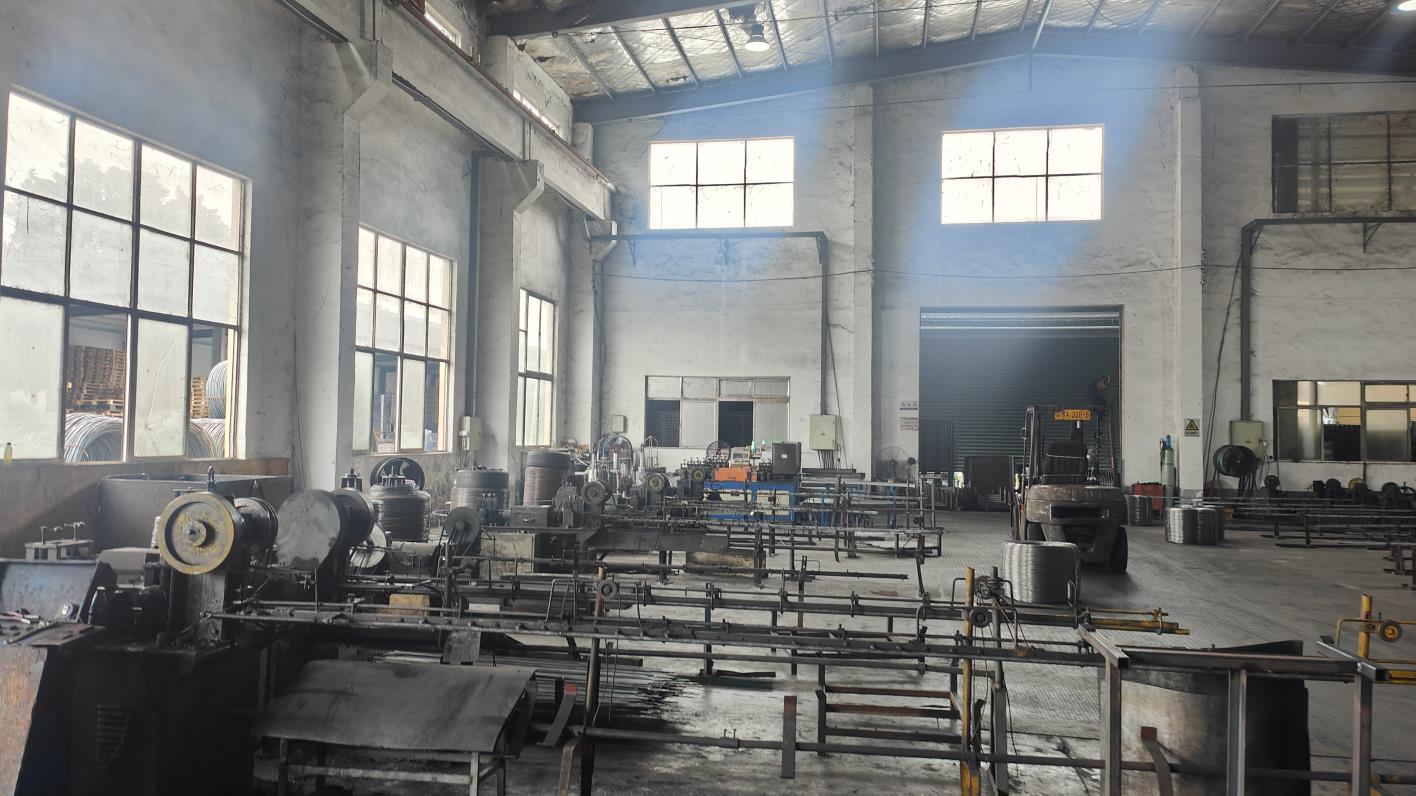
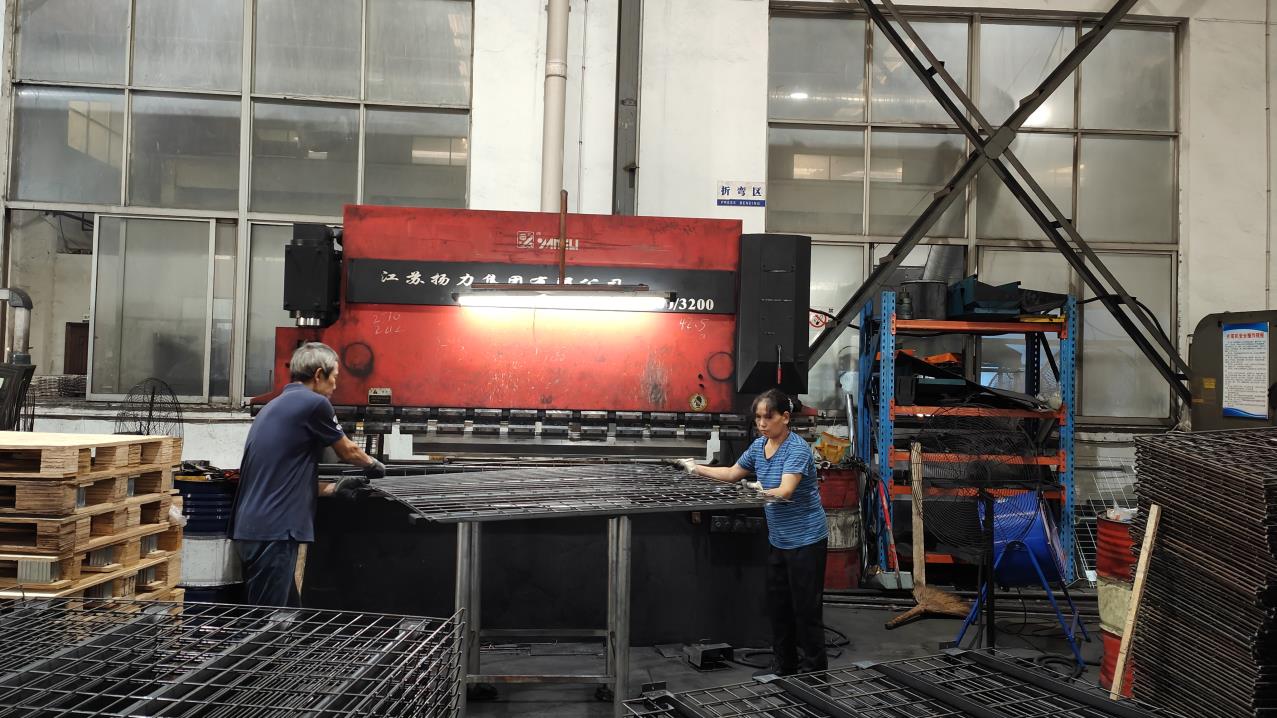
Established in 2014, Suzhou CraftRack Heavy Duty Storage Equipment Co., Ltd. operates a sprawling 38,000 m² modern facility engineered to serve global supply chains. Backed by 8 years of annual export experience, we deliver world-class warehouse logistics and display systems to North America, Western Europe, Southeast Asia, and Oceania, including dedicated distribution solutions for Sydney and broader Australian industrial markets.
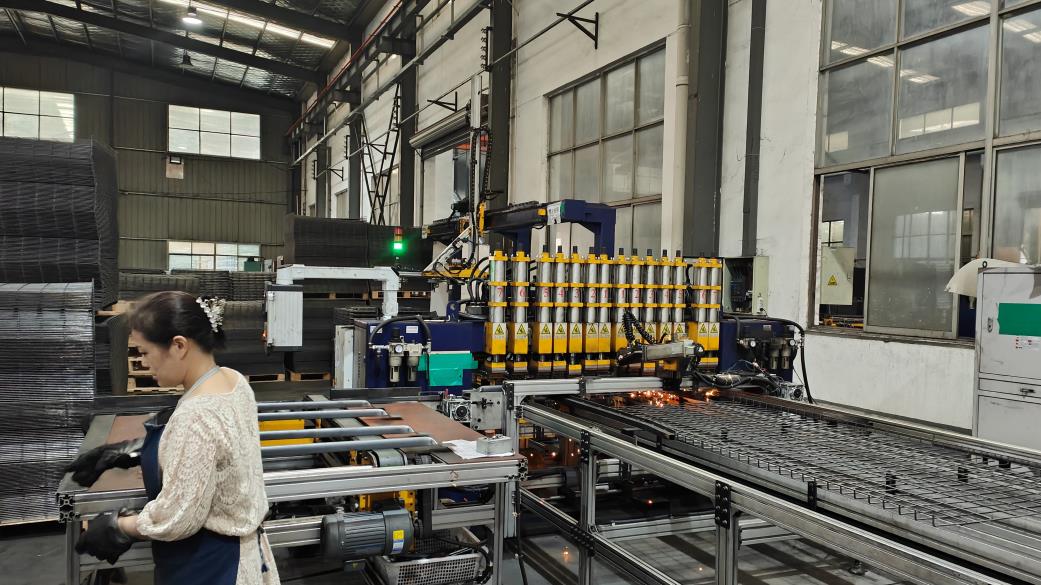
Quality and precision are at our core. We implement strict Non-Destructive Testing (NDT) and Ultrasonic Weld Inspection using state-of-the-art product inspection methods, overseen by a dedicated team of 45 QC specialists. Operating with an OEM & ODM direct-manufacturing trade background, we maintain strong ties with over 1,200 supply chain partners, catering mainly to 3PL logistics hubs, large-scale e-commerce fulfillment centers, and industrial manufacturing plants. Our robust R&D capability centers on Automated Storage and Retrieval Systems (ASRS) & Finite Element Structural Analysis, achieving 45 new product launches in the past year alone, driven by a talented team of 32 R&D engineers.
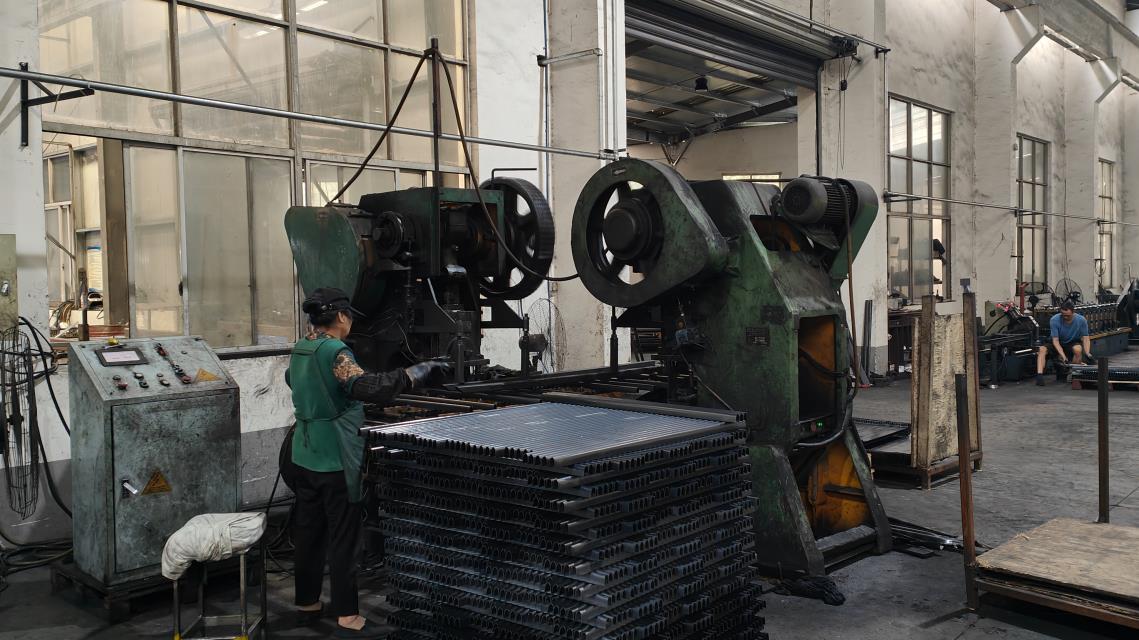
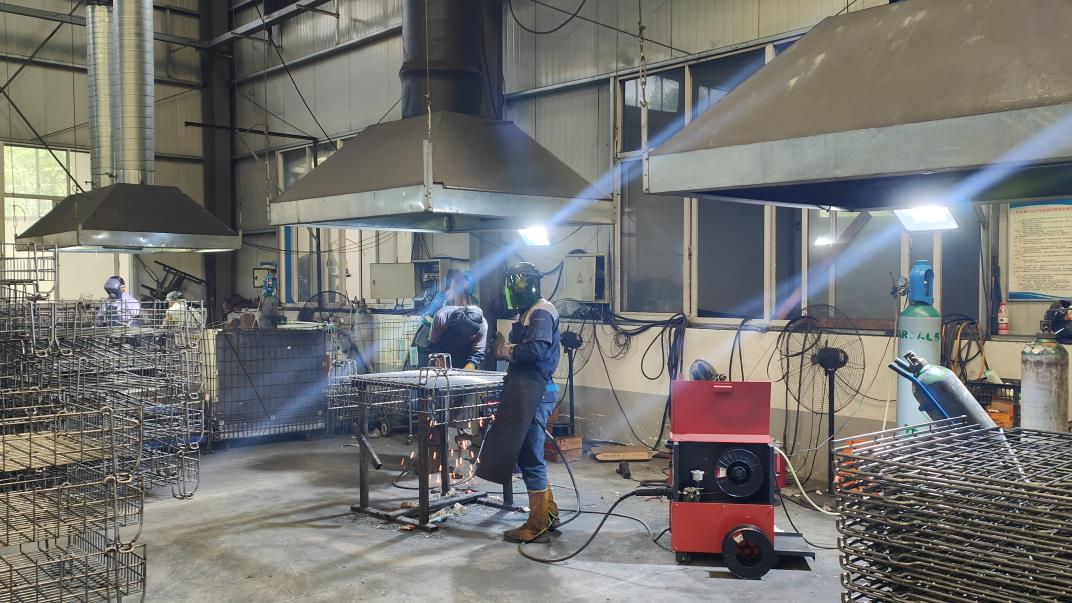
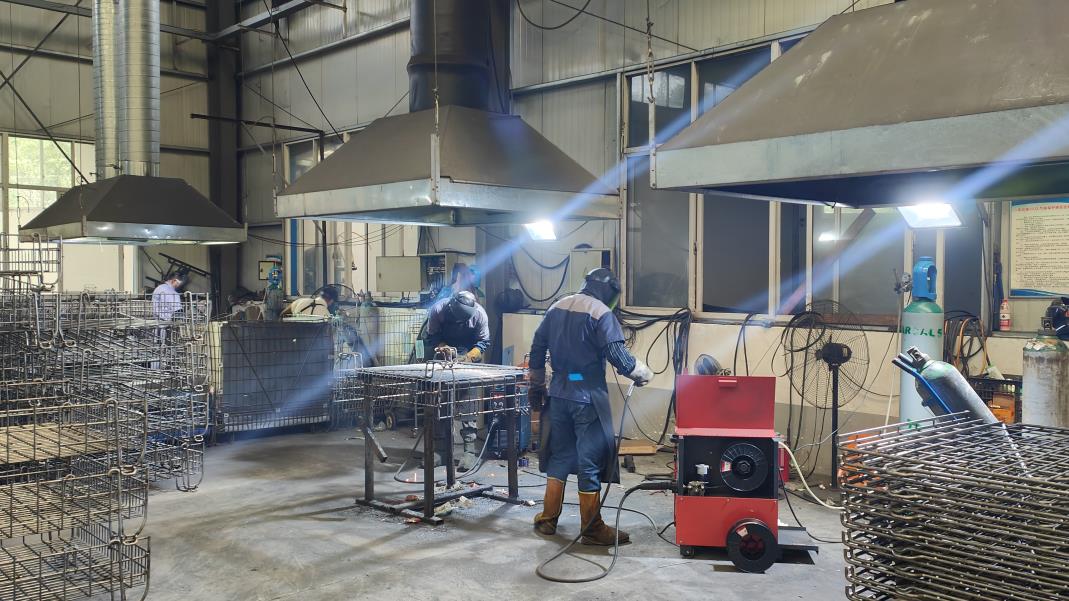
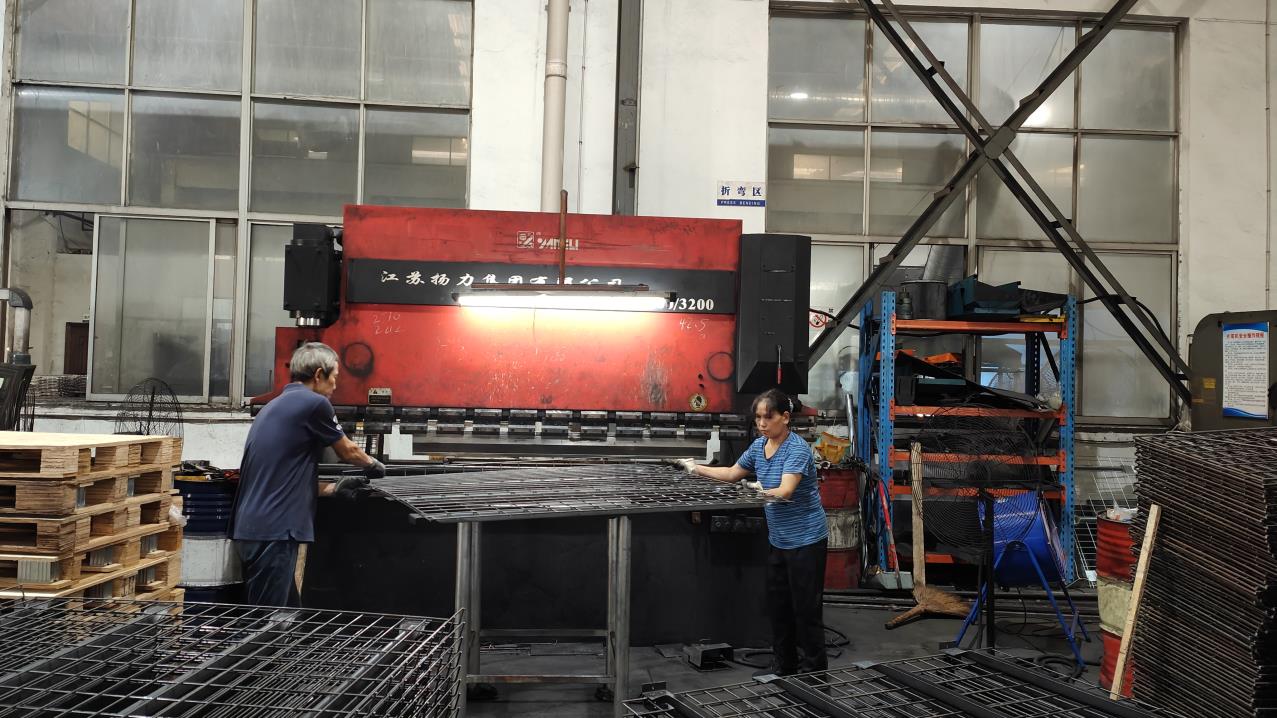
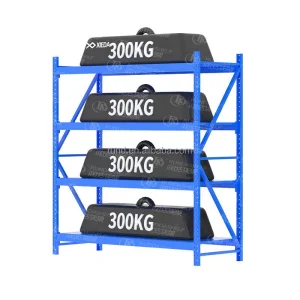
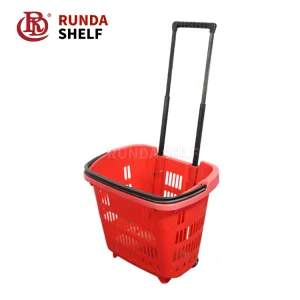
Versatile configurations for commercial outlets, retail floor displays, and light industrial workshops across Greater Sydney.
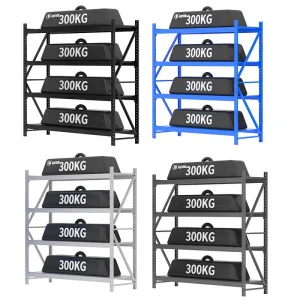
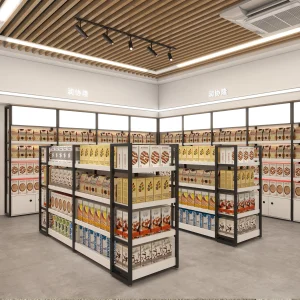
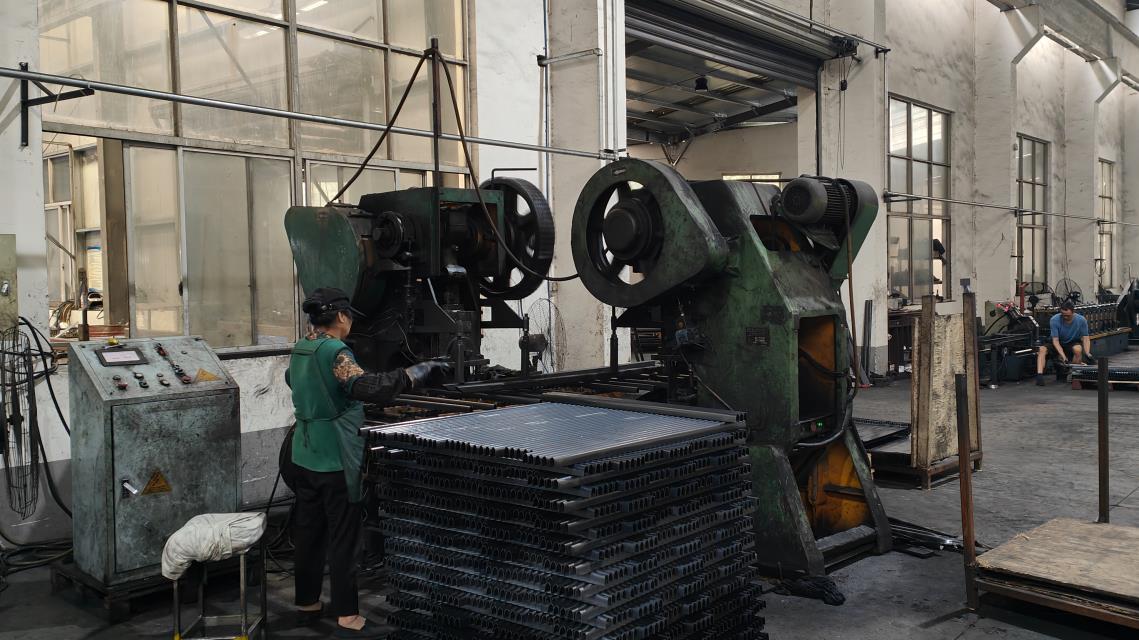
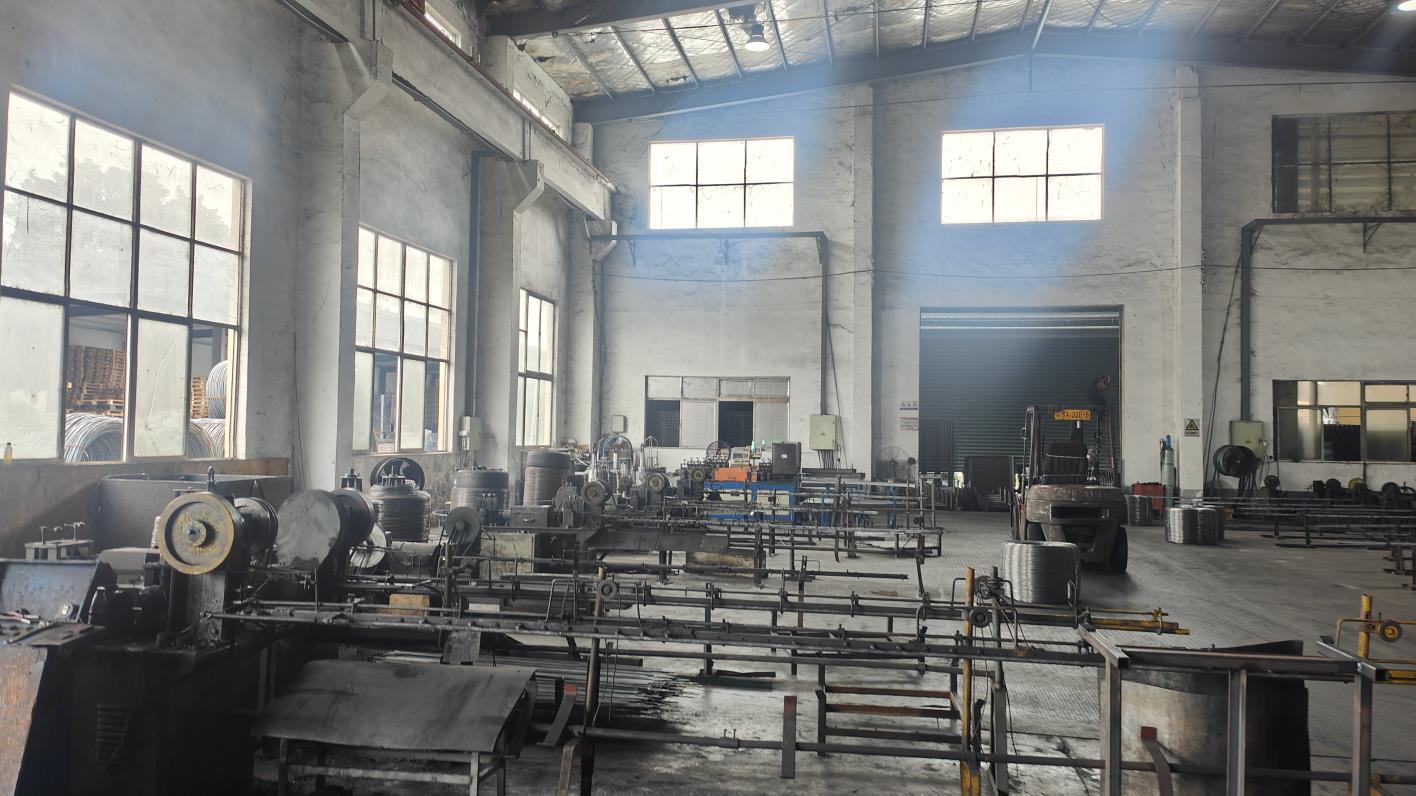
The global steel storage industry relies heavily on the advanced metallurgical manufacturing clusters in East China. The efficiency of a specialized factory like Suzhou CraftRack is rooted in integrated supply chain logistics, automated tooling, and continuous production cycles. Operating from Suzhou, adjacent to the world's largest steel raw material suppliers and major shipping ports (such as Shanghai and Ningbo), provides unparalleled advantages in raw material procurement speed, cold-rolling tube formation, and surface treatment technologies.
Our factory's efficiency is characterized by:
Before steel is loaded into shipping containers, Suzhou CraftRack's 32 R&D engineers perform extensive load-deflection simulations based on the specific warehouse layout of the client. By utilizing Finite Element Structural Analysis (FEM), we calculate the precise behavior of beam deflection under maximum capacity loads. These models account for critical design criteria: the Ultimate Limit State (ULS), ensuring the rack will not collapse during extreme overload or seismic events, and the Serviceability Limit State (SLS), ensuring beam deflection remains within acceptable visual and functional limits (typically L/200, where deflection does not exceed 1/200th of the beam length).
From large industrial hubs to commercial retail chains, discover how our configurations integrate into Sydney’s business sectors.
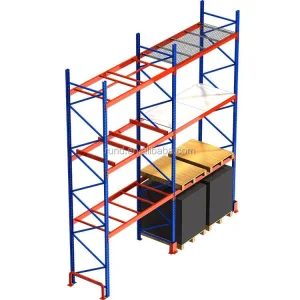
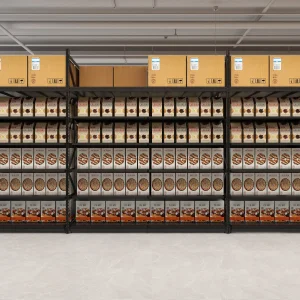
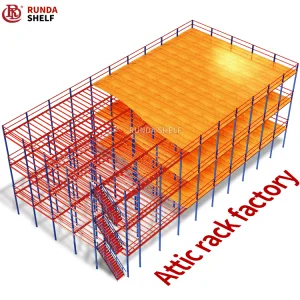
High-density warehousing in suburbs like Eastern Creek requires high-capacity beam shelves. These systems allow quick forklift access, flexible shelf adjustments, and seamless handling of heavy palletized consumer goods.
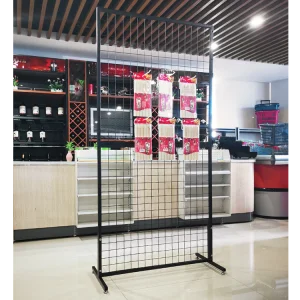
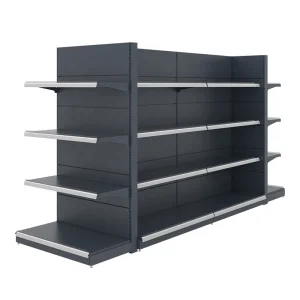
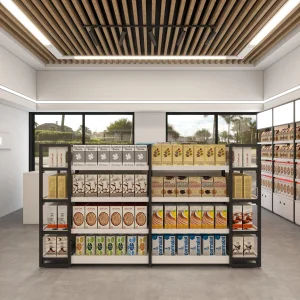
From inner-city convenience stores in Surry Hills to large supermarkets in Parramatta, single-sided and double-sided heavy-duty gondola shelving units maximize display areas and withstand daily high-traffic use.
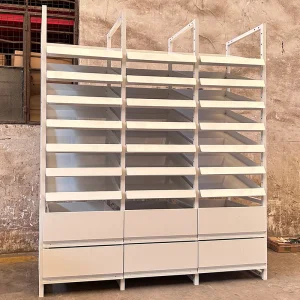
Specialized modular display shelving systems designed for health, beauty, and pharmaceuticals provide hygiene-friendly surfaces, clear product visibility, and adjustable layout structures.
The industrial storage sector is evolving beyond static structures. To support green supply chain goals and higher operational throughput, contemporary designs are shifting toward eco-friendly and smart systems. Modern warehouse managers are implementing solutions that integrate structural engineering with digital technologies:
1. Smart Structural Health Monitoring (SHM): Real-time stress and strain sensors are increasingly integrated directly into upright frames and primary beams. In high-density settings, these sensors detect structural deviations and damage from forklift collisions, sending alerts to maintenance managers to prevent failures.
2. Low-Carbon Green Steel Manufacturing: Sustainability is a key priority for global companies. Manufacturers are reducing carbon footprints by using steel produced via Electric Arc Furnaces (EAF) and utilizing VOC-free, low-emission powder coatings, helping clients meet environmental compliance standards.
3. Dynamic High-Density Integration: Advanced designs feature close integration with automated shuttle carts (Radio Shuttles) and vertical lift modules. This enables dense deep-lane storage with computerized stock control, reducing reliance on conventional access aisles.
Purchasing heavy-duty storage equipment requires careful evaluation of safety compliance and technical specifications. When planning a warehouse installation, procurement teams should prioritize the following factors:
Ensure the manufacturer provides mill certificates verifying structural steel grades (such as Q235B, Q355B, or equivalent) to confirm yield and tensile strength compliance.
Confirm that the beam design adheres to a maximum deflection limit of L/200 under full load conditions to maintain system stability and safety.
Verify that all load-bearing welds undergo non-destructive ultrasonic testing to identify internal defects and guarantee long-term joint integrity.
Critical engineering and logistical questions answered by our structural design team.
A: Our racking structures are designed and manufactured using structural steel profiles that meet the mechanical properties required by AS 4084. We perform structural load analysis and physical component testing to verify that beam-to-upright connections, baseplates, and frame bracing meet the design, safety, and testing requirements specified in the Australian racking code.
A: We provide a comprehensive documentation package for import clearance, including detailed Commercial Invoices, Packing Lists, Bills of Lading, Certificate of Origin (for duty benefits under free trade agreements), Mill Test Certificates (MTC) verifying raw steel chemistry, and our internal QC/NDT inspection reports.
A: Yes. Our engineering team uses Finite Element Analysis (FEA) to customize structures according to specific local seismic acceleration coefficients. Adjustments include increasing baseplate dimensions, thickening structural uprights, and adding specialized diagonal seismic bracing to meet required safety levels.
A: For high-moisture or cold storage settings, we recommend either hot-dip galvanized (HDG) steel (conforming to EN ISO 1461) or specialized multi-layered epoxy powder coating. Both treatments provide excellent barrier protection against rust and corrosion down to temperatures of -30°C.
A: Standard manufacturing cycles take 20 to 30 days depending on order volume. Maritime transit from Shanghai Port to Port Botany (Sydney) typically requires 15 to 22 days, resulting in a total estimated lead time of 6 to 8 weeks to site.
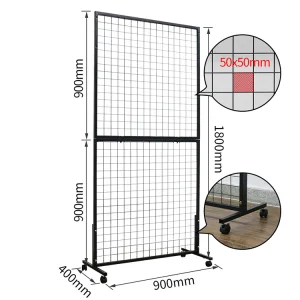
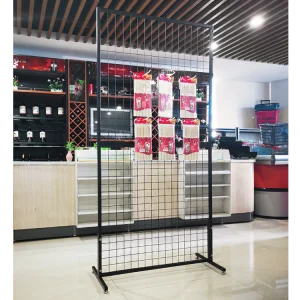
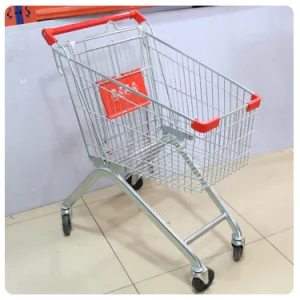
Our core range of heavy-duty warehouse storage components, mobile retail towers, and grocery store displays.
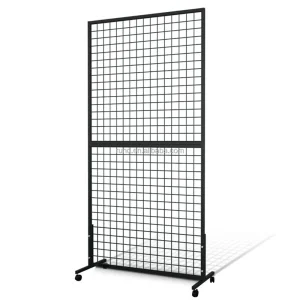
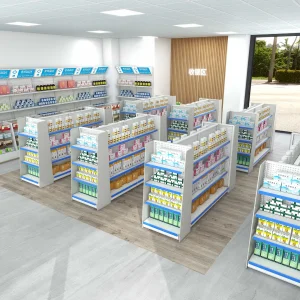
Contact our technical engineering team for custom drawings, load calculations, and competitive pricing for your Sydney warehouse project.
Send Inquiry Now CraftRack