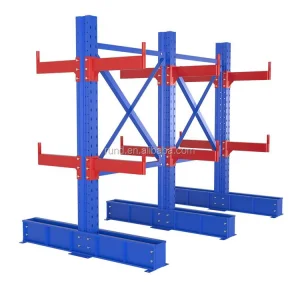
Pre-engineered heavy-duty storage configurations optimized for Indian industrial distribution hubs and warehouses.
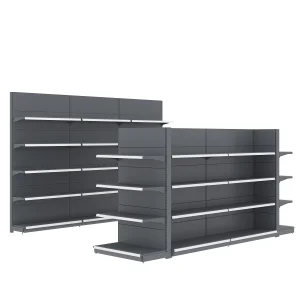
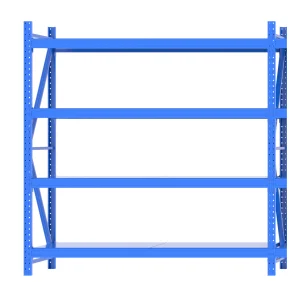
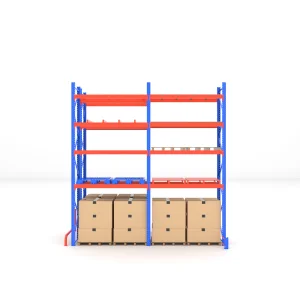
In the contemporary industrial landscape of the Indian subcontinent, land valuation is climbing exponentially. Driven by the "Make in India" initiative, rapid infrastructure upgrades, and the expansion of the logistics sector, corporations are forced to look upward. Attic shelves, commonly known as structural steel mezzanine systems, multi-tier racking, or raised storage platforms, represent the most cost-effective and highly adaptive engineering response to this space crisis.
This whitepaper analyzes the commercial, structural, and chemical engineering prerequisites of attic shelves designed specifically to thrive under Indian ambient climates, operational practices, and seismic regulations, highlighting the high-efficiency supply chain advantages offered by Chinese manufacturing leaders like Suzhou CraftRack Heavy Duty Storage Equipment Co., Ltd.
"By implementing multi-tier mezzanine attic shelving, Indian logistics operations can expand their functional workspace by 100% to 300% without acquiring additional physical land footprint. This mitigates civil construction costs and drastically minimizes payback periods."
The Indian logistics sector has shifted from basic godowns to class-A distribution hubs. Key cities like the National Capital Region (NCR - including Gurgaon and Bilaspur), Mumbai-Pune industrial belt, Bangalore logistics corridors, and Chennai automotive nodes are seeing unprecedented demand for floor-space optimization.
Unlike Western facilities characterized by fully automated robotic configurations, Indian warehouse floors rely on a **hybrid operations model** blending human-led order picking with semi-automated material handling equipment (MHE) such as forklifts, reach trucks, and stackers. Attic shelf systems (mezzanines) engineered for India must be structurally customized for:
Worldwide, the supply chain is adapting to the demands of dynamic e-commerce fulfillment. Companies are moving away from permanent civil-concrete floor expansions to modular structural-steel mezzanines. Integrated with **ASRS (Automated Storage and Retrieval Systems)**, attic racking acts as the physical skeleton supporting multi-tier conveyors, vertical reciprocating conveyors (VRCs), and autonomous mobile robots (AMRs).
Global organizations now mandate strict adherence to international storage standards, including the European Racking Federation (ERF) codes, EN 15512, and the American Racks Manufacturers Institute (RMI) standards. For Indian importers, sourcing attic platforms engineered to these global baselines guarantees seamless compliance with multinational corporate audits.
| Standard/Spec Parameter | EN 15512 (European Union) | RMI Standards (United States) | BIS / IS 1893 (India Market) |
|---|---|---|---|
| Steel Grades Typically Utilized | S235, S355 Structural Steel | A1011, Grade 50 Steel | Q235B / Q345B Steel Equivalence |
| Deflection Limitation Ratio | L/200 to L/300 | L/240 max deflection | Strict compliance with IS 800 standards |
| Seismic Coefficient Focus | Location-based Eurocode 8 | ASCE 7 structural design parameters | Zone II, III, IV, and V classifications |
| Anti-Corrosive Finish | Epoxy Powder Coat / Galvanized | Electrostatic Spray Painting | Enhanced Salt Spray Resistant Coatings |
Procuring heavy-duty warehouse infrastructure requires striking a balance between structural safety and cost efficiency. Suzhou CraftRack Heavy Duty Storage Equipment Co., Ltd. addresses this challenge by combining advanced material engineering with massive production capacity.
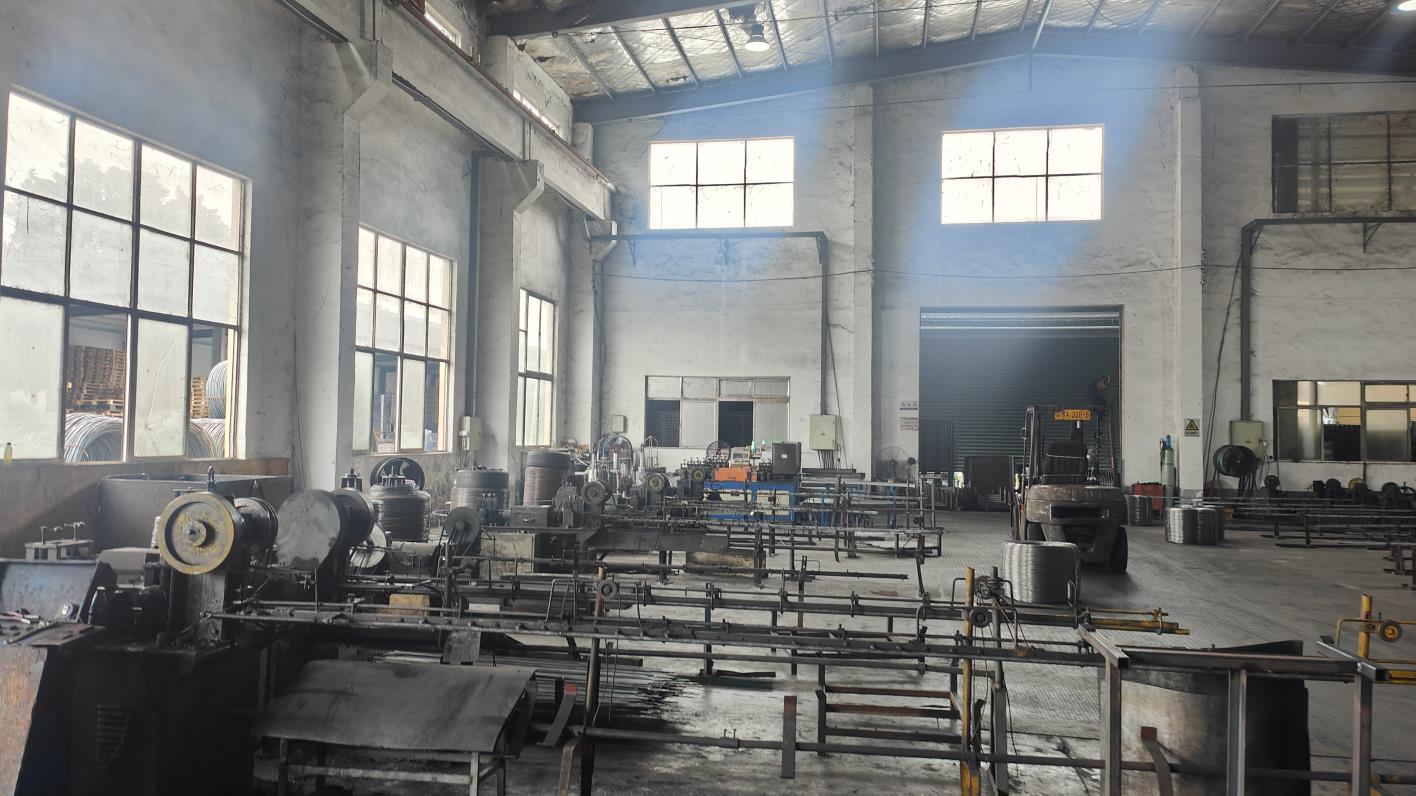
Our manufacturing plant spans a **38,000 m² building area** and maintains an **annual export revenue of $28,000,000**. Backed by **8 years of annual export experience** and **14 years of deep industry expertise**, we understand the technical demands of the Indian market.
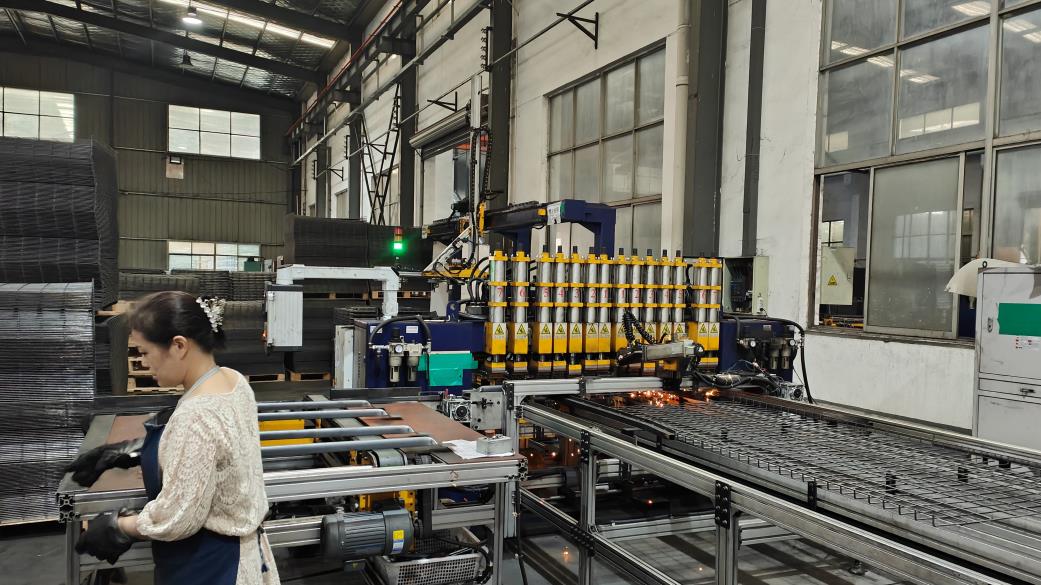
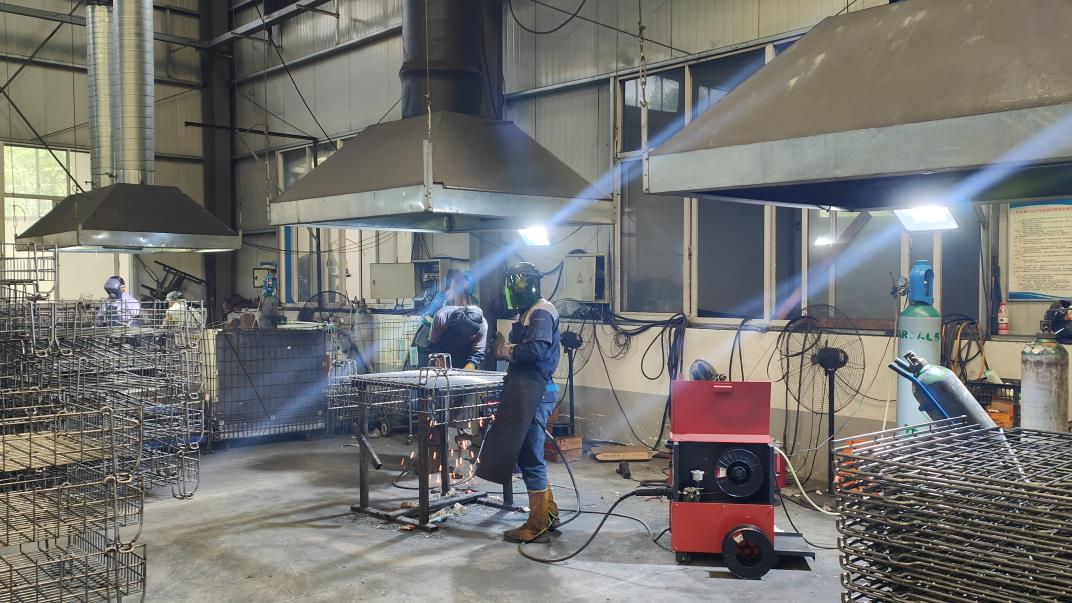
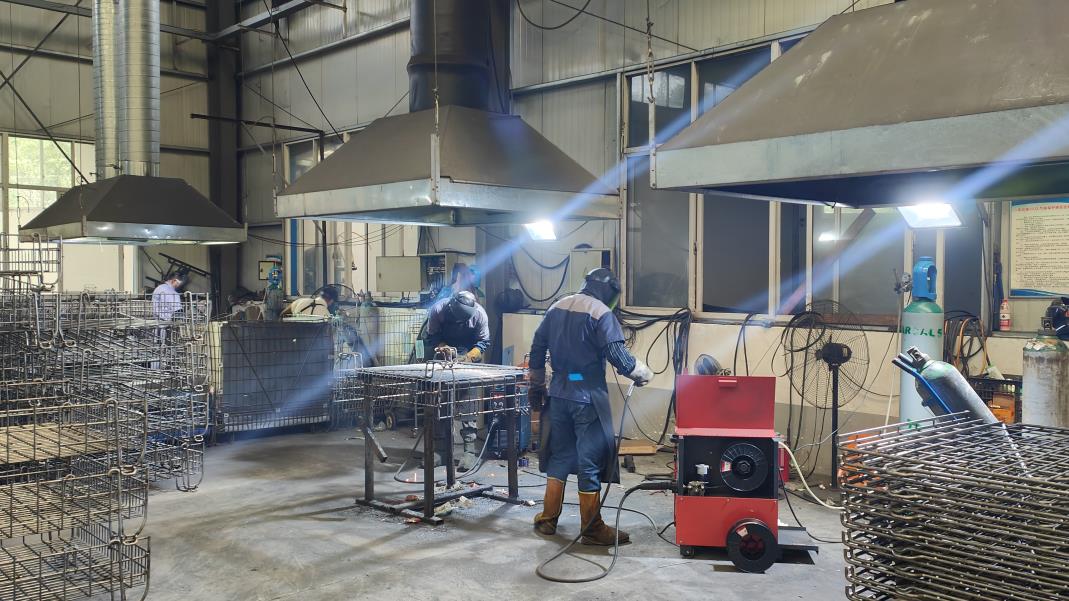
We employ strict **Non-Destructive Testing (NDT) and Ultrasonic Weld Inspection** methods. Overseen by a dedicated team of **45 QC specialists**, we ensure every weld joint, baseplate, and load-bearing beam is built to specification. Operating with a robust **OEM & ODM direct-manufacturing trade background**, we offer tailored architectural solutions, including custom load capacities, seismic resistance engineering, and specialized powder coatings.
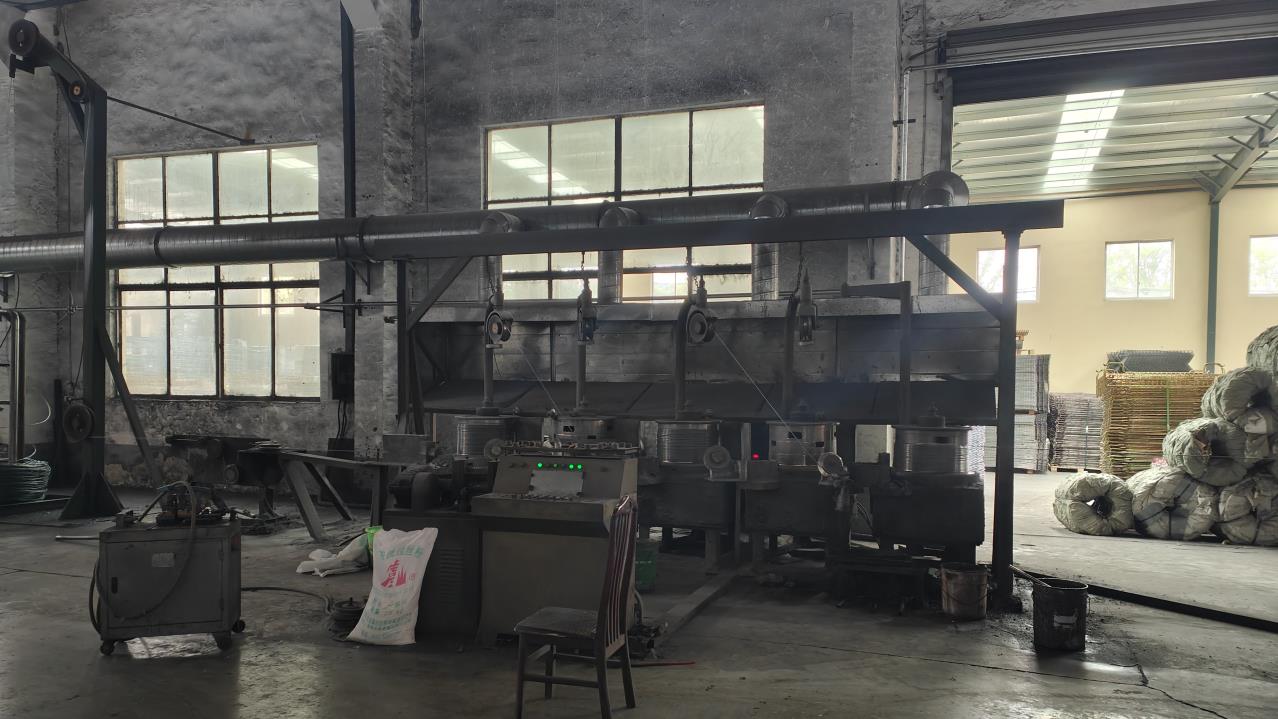
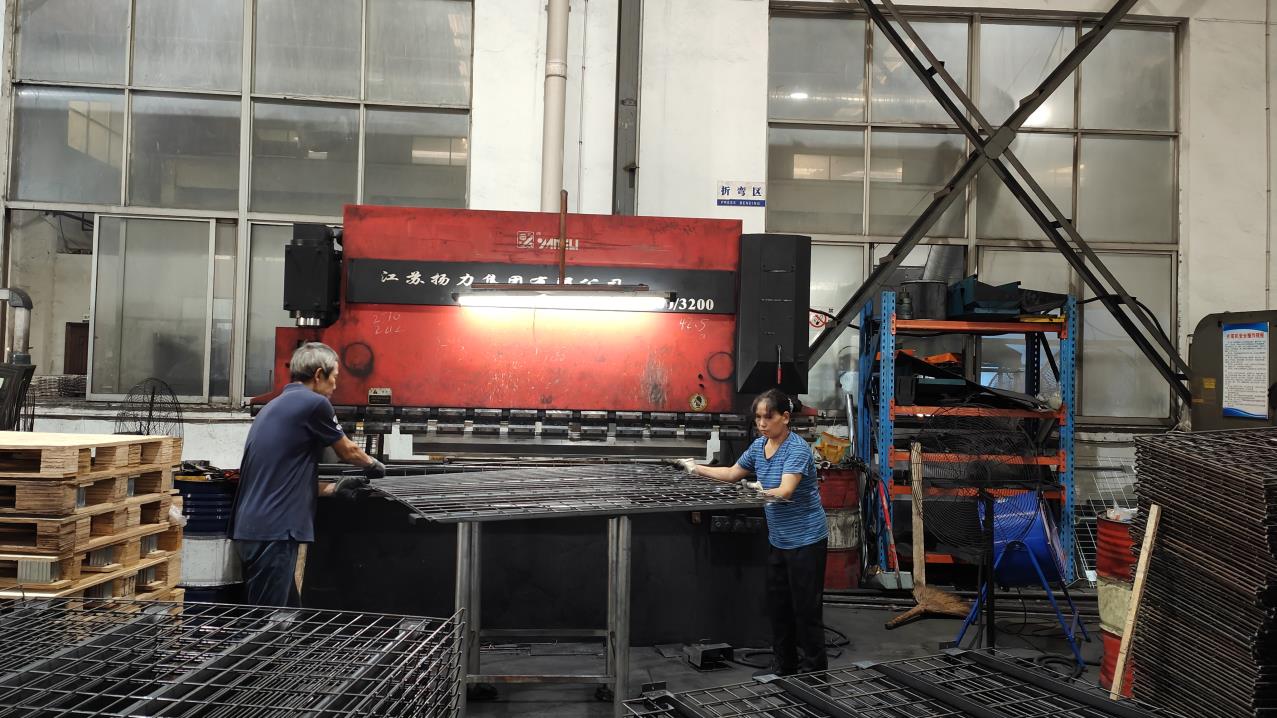
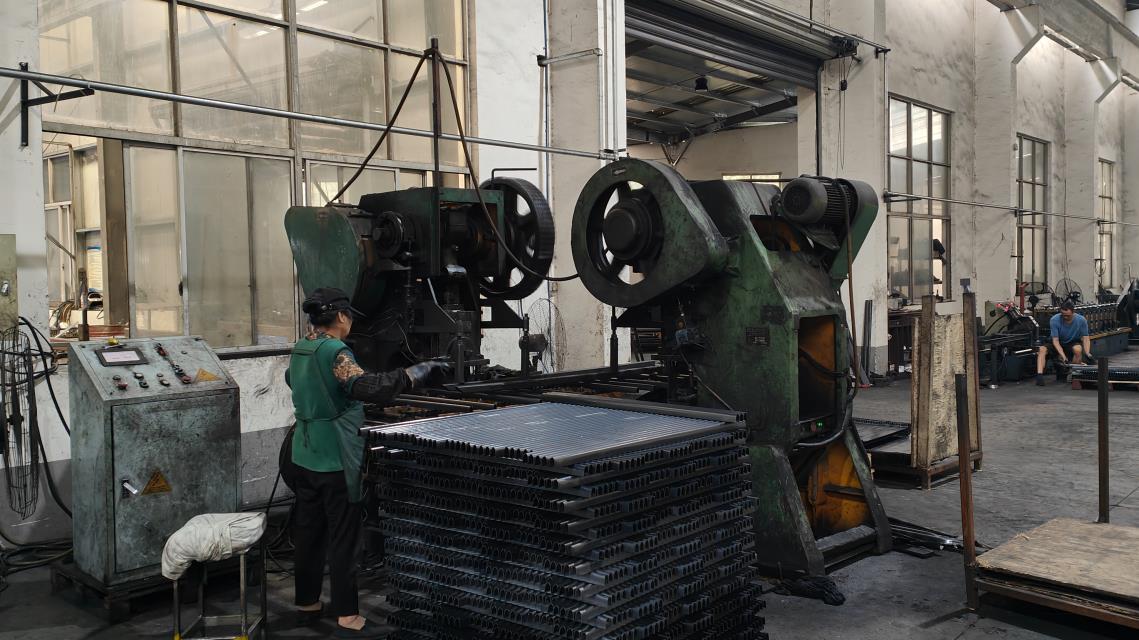
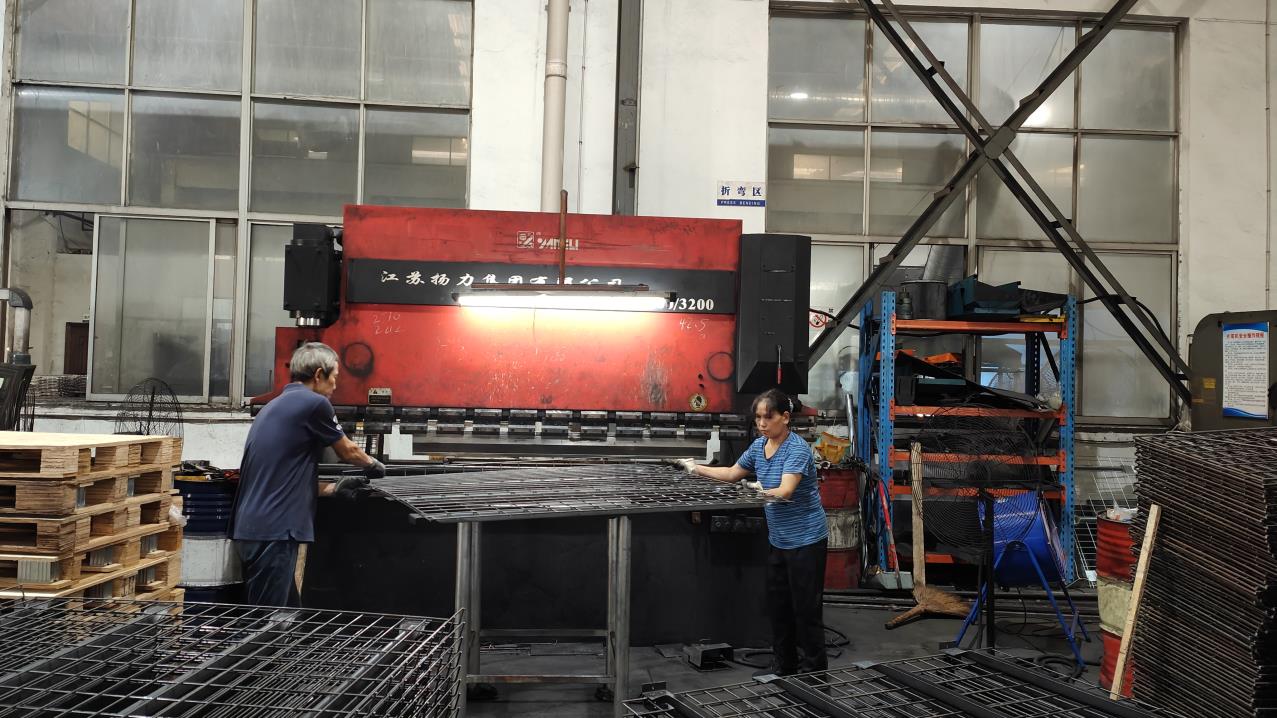
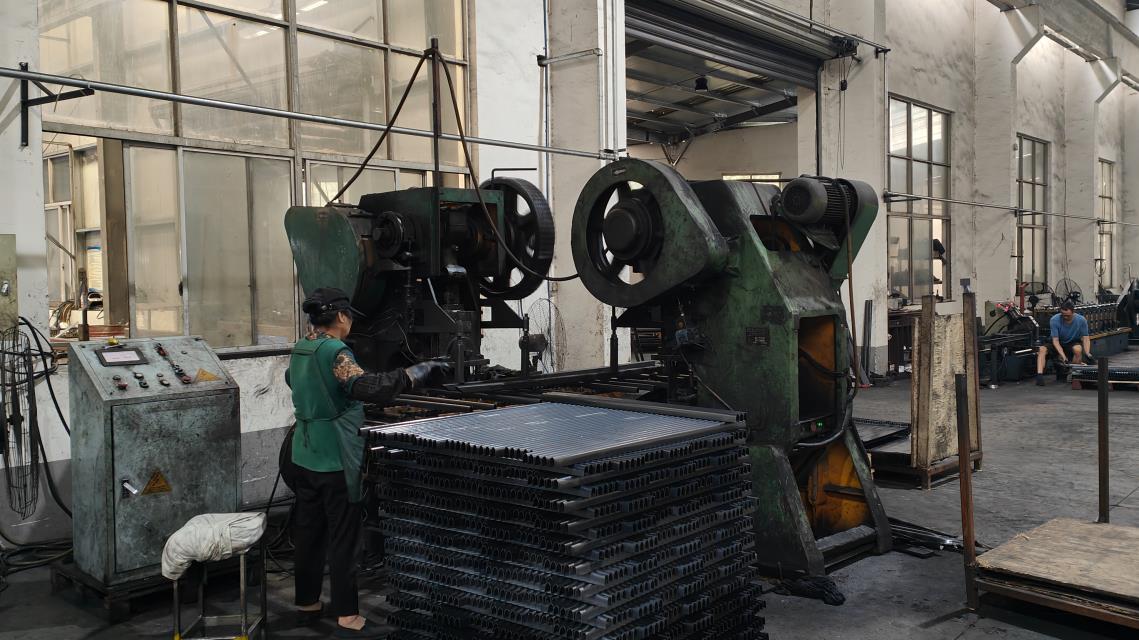
State-of-the-art metalworking machinery ensuring precision roll-forming and high-integrity structural welding.
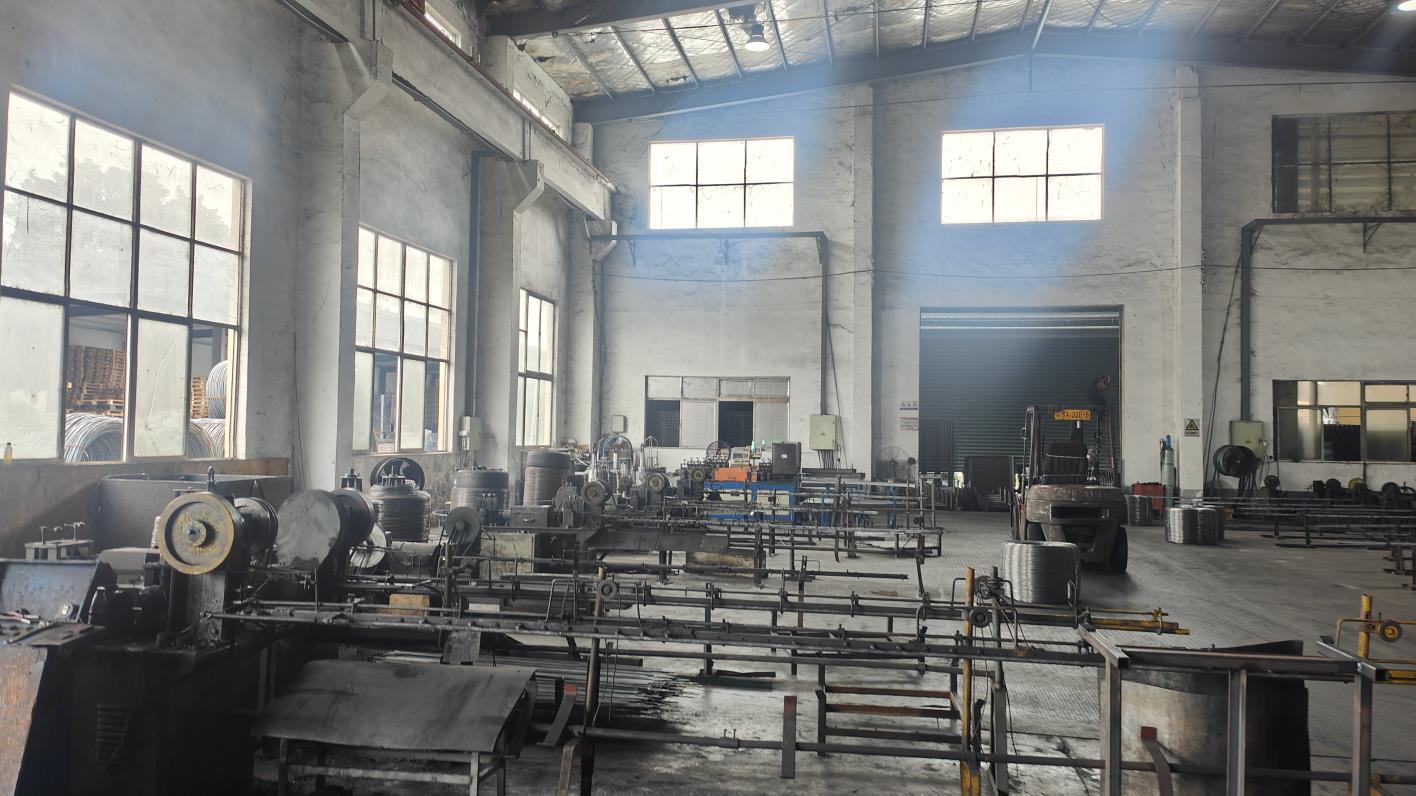
Indian operating conditions require specialized design considerations. Rather than standard, one-size-fits-all platforms, we engineer attic shelving systems tailored to specific industrial sub-sectors:
E-commerce fulfillment centers face high SKU diversity and turnover rates. Our multi-tier light-duty systems feature **adjustable deck layouts** and **integrated mesh safety panels**, allowing manual picker access on levels 1 and 2, while bulk storage remains on ground level.
Automotive logistics demand high structural loading capacities to store components like engines, gearboxes, and suspension modules. Here, we implement **structural H-beams** and **thick-walled roll-formed steel columns** to handle heavy concentrated loads.
Pharmaceutical facilities must maintain cleanroom-grade hygiene. Our solutions feature **antibacterial, electrostatically applied epoxy finishes** that resist sanitization chemicals, preventing oxidation and shedding.
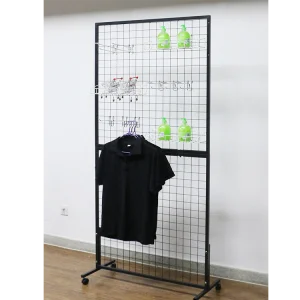
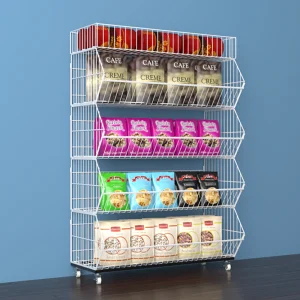
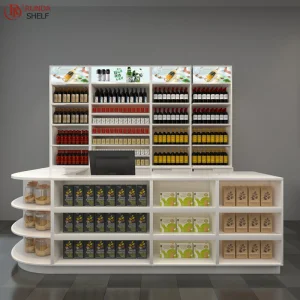
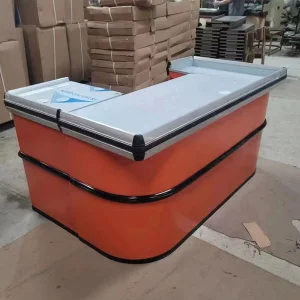
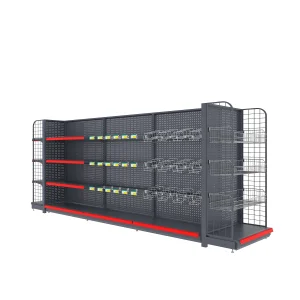
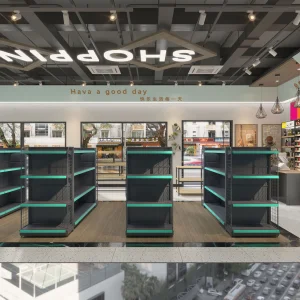
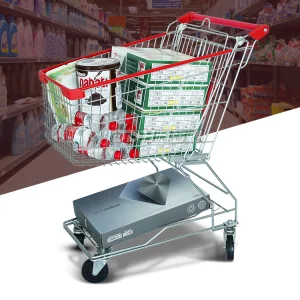
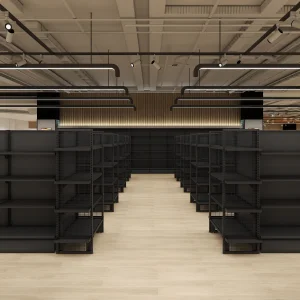
Integrating retail checkout, store display layouts, and specialty structures to streamline operations in retail outlets across India.
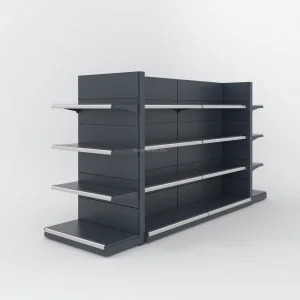
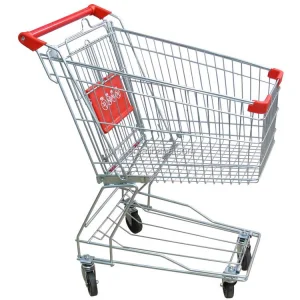
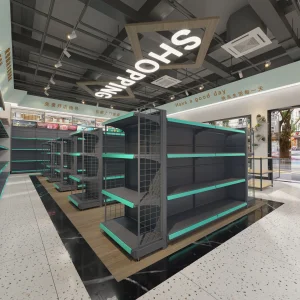
Before manufacturing custom attic shelves for Indian clients, Suzhou CraftRack's structural engineering department executes extensive Finite Element Analysis (FEA). FEA simulation enables our design group to run simulated stresses, calculating vertical load deflection, bucking tendencies, and shear performance under intense load points.
For Indian buyers situated in Zones III, IV, or V (such as Assam, Bihar, and the Himalayan belts), structural safety is paramount. Our team adjusts upright profile thickness, incorporates dynamic bracing systems, and designs heavy-duty seismic baseplates to ensure the mezzanine stands secure against horizontal load displacement during seismic events.
The performance of a storage mezzanine depends on its base metals. We utilize high-yield strength structural carbon steel, specifically Q235B and Q345B. These steel classifications offer a balance of high yield strength, excellent ductility for cold forming, and superior weldability under robotic gas metal arc welding (GMAW) processes.
Sourcing structural materials internationally requires navigating logistics, customs, and standards. To streamline this process, we recommend following these steps:
Detailed technical answers for B2B procurement heads, engineers, and facility managers.
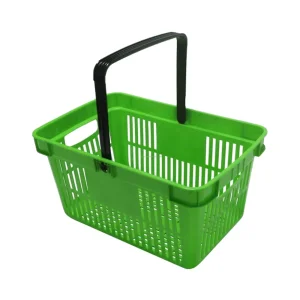
Durable checkouts, display systems, and retail logistics carts optimized for modern Indian supermarkets and hypermarkets.
 CraftRack