Engineered structural steel storage configurations tailored to global warehouse standards and high-load capacities.
The core structural backbone of heavy industrial storage and supply chain optimization
Industrial storage requirements have shifted dynamically over the past decade. Conventional pallet racking systems excel at holding uniform cuboidal loads, but they falter dramatically when presented with long, heavy, or irregularly shaped goods. This is where Cantilever Shelving Systems enter the picture as an indispensable structural standard across the globe. By omitting front columns, cantilever designs offer unobstructed horizontal access, allowing specialized logistics centers to easily store materials like timber, steel pipes, PVC conduits, drywall sheets, and even automotive components.
Today, the global logistics footprint relies on streamlined industrial cantilever racking to support multi-billion-dollar supply chains. With rapid industrialization in North America, Western Europe, and Southeast Asia, warehouse space carries premium real estate costs. Companies can no longer afford wide, inefficient floor layouts. They must build vertically. Heavy-duty cantilever columns reaching heights up to 10-12 meters are now common in 3PL distribution hubs, necessitating precision fabrication techniques that guarantee dimensional stability and structural resilience under colossal load cycles.
Ideal for piping, lumber, extrusions, and heavy metal components that cannot fit inside conventional rack frames.
Engineered upright configurations built to withstand critical seismic actions and complex structural shifts.
Direct forklift alignment and structural security ensure minimal turnaround times in high-throughput fulfillment centers.
"In heavy industrial storage design, load deflection limit is not just a safety threshold—it is the operational metric that determines the longevity of your warehouse infrastructure under maximum load factors."
How top China cantilever shelving factories ensure safety and peak load distribution
Cantilever design relies fundamentally on cantilever beam bending moments and column torsion analysis. Unlike conventional racks where beams are loaded in pure shear and simple bending, a cantilever arm creates a massive concentrated moment on the upright column. Consequently, top China cantilever shelving factories prioritize Finite Element Analysis (FEA) to simulate structural behaviors under extreme loading combinations.
Utilizing high-grade Q235 and Q355 steel sections. Roll-formed profile gauges or structural hot-rolled H-beams are chosen depending on the application load parameters (ranging from light duty up to 5,000 kg per arm level).
Arms are engineered with a specific upward incline (taper angle) of 2% to 4%. When loaded, the gravitational elastic deformation straightens the arm, preventing cargo from sliding off the edge under maximum load.
Using structural grade-8.8 bolts or specialized heavy-duty locking pins. Pivot arms allow free upward movement to protect against vertical lift impact from forklift operators.
For decades, roll-formed steel dominated commercial shelving setups. Using cold-rolled coil materials, factories could build cost-effective racks with complex profiles and slots. However, for extremely harsh heavy-industrial settings, hot-rolled structural steel is the industry standard. Structural steel H-beams and I-beams resist lateral torsional buckling far better and can withstand forklift impacts without structural failure. In high-velocity yards, hot-rolled structural steel systems offer a significantly lower Total Cost of Ownership (TCO) by reducing replacement frequency.
How Suzhou CraftRack executes international grade production sequences with state-of-the-art machinery
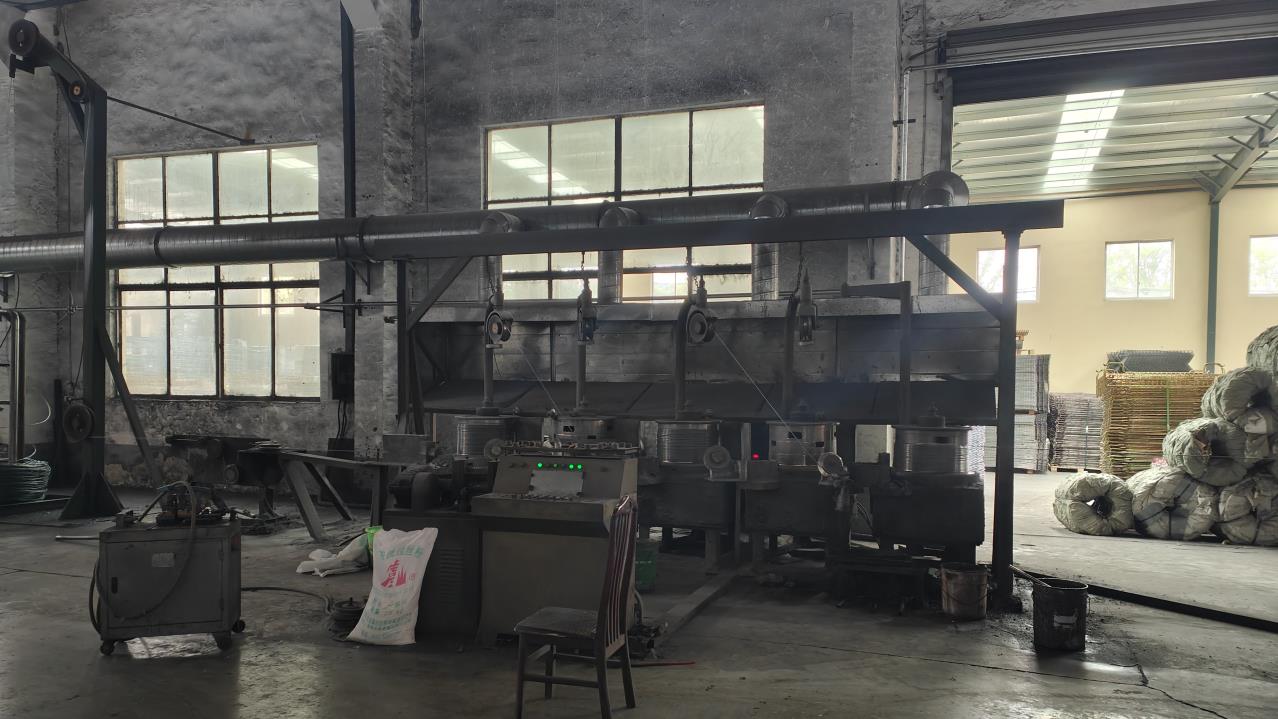
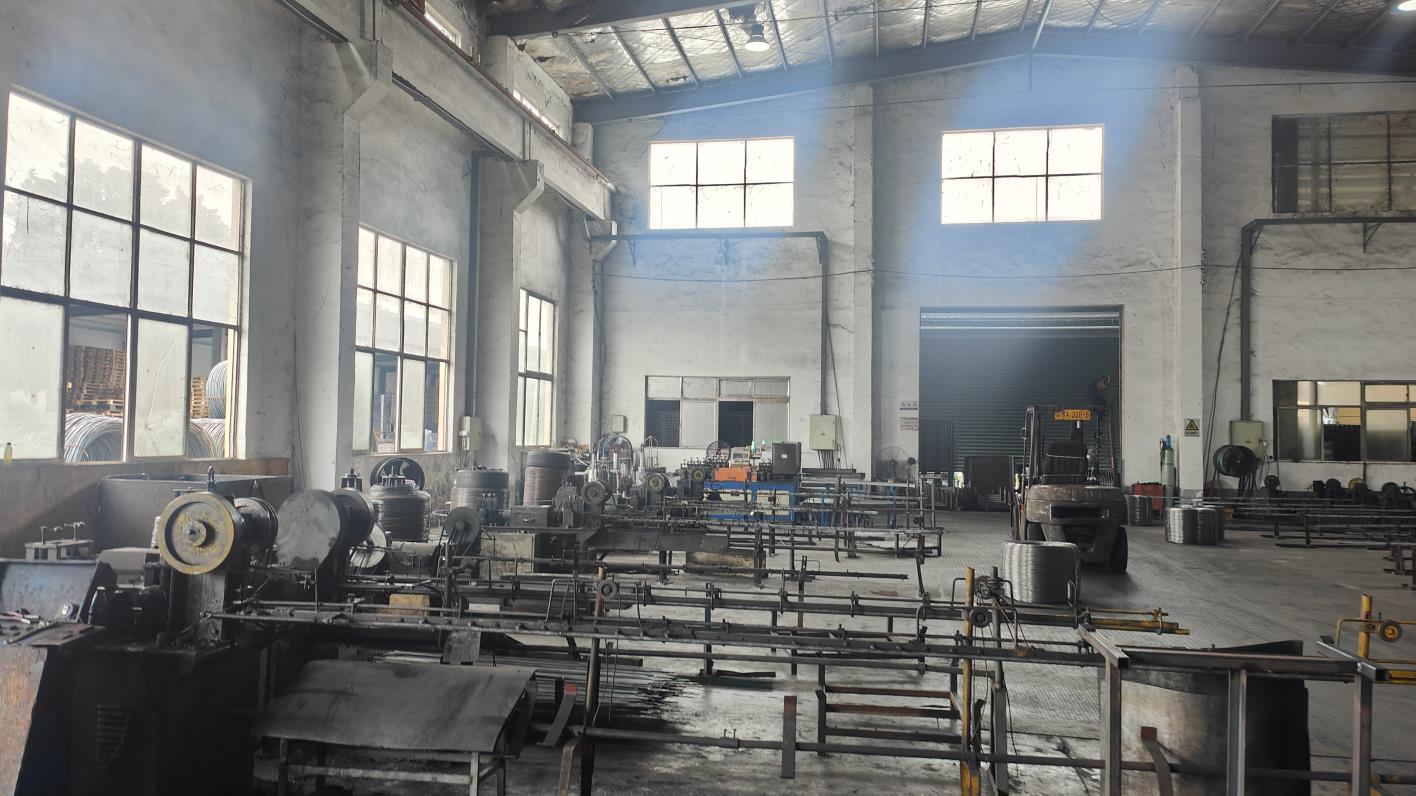
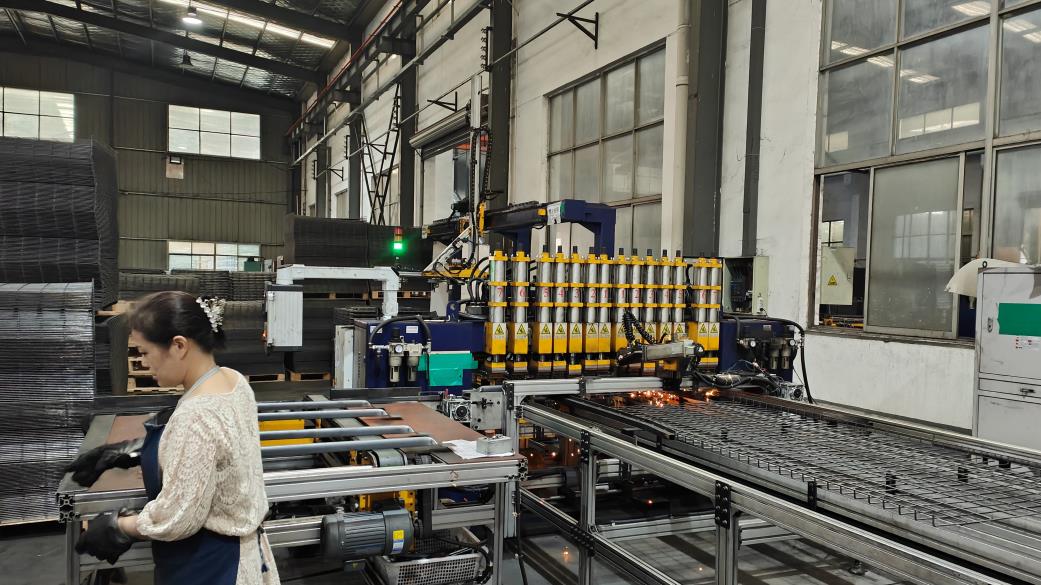
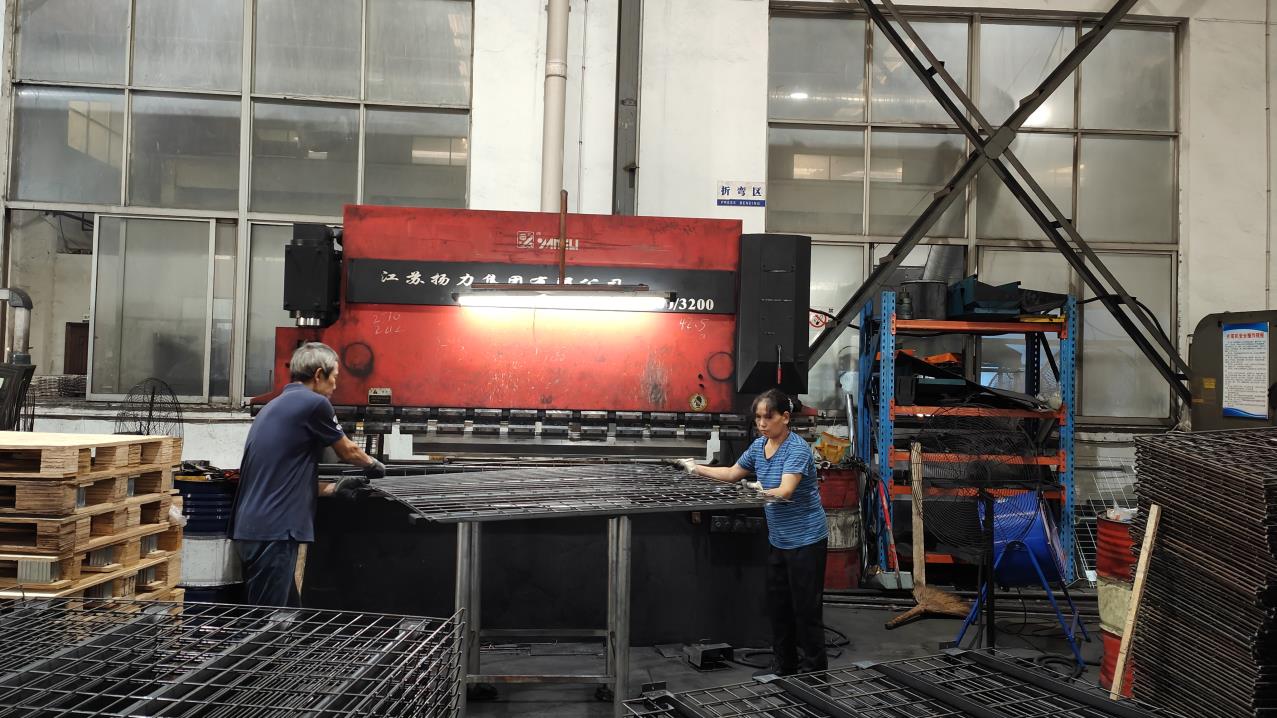
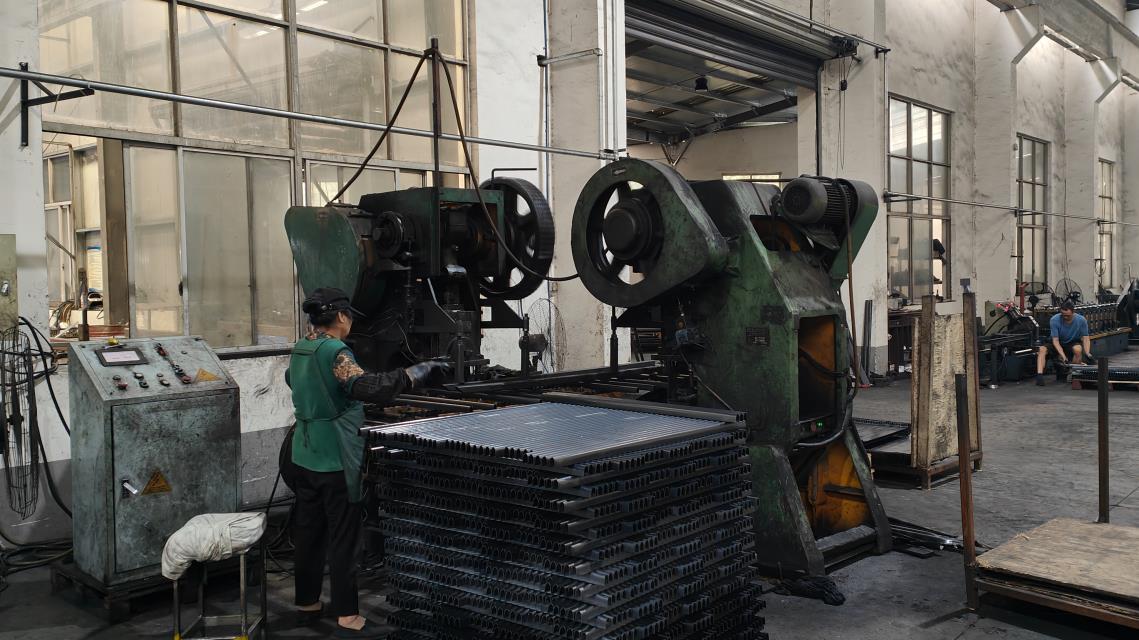
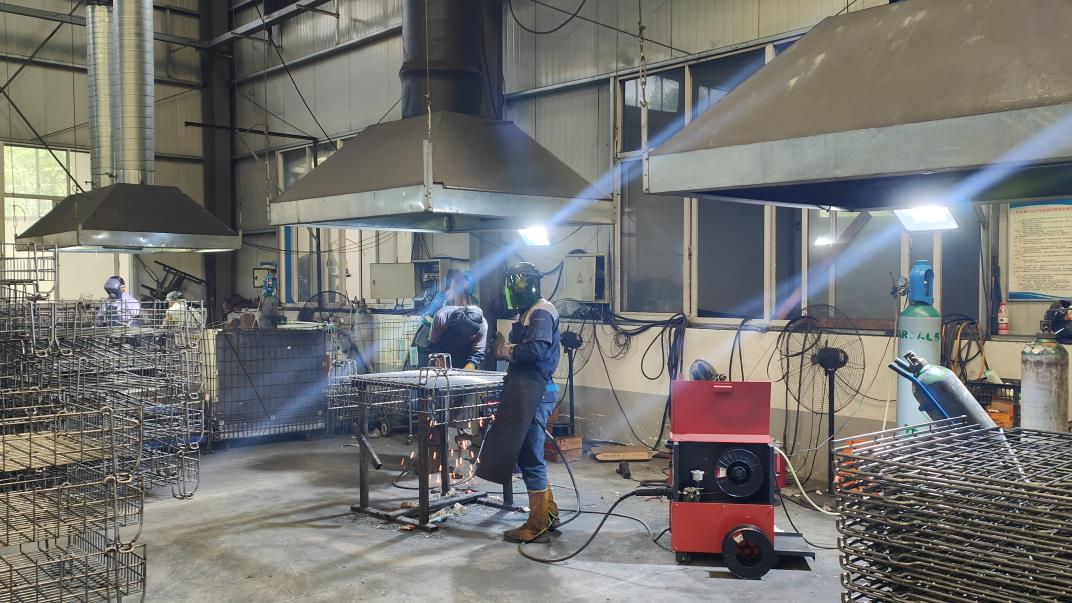
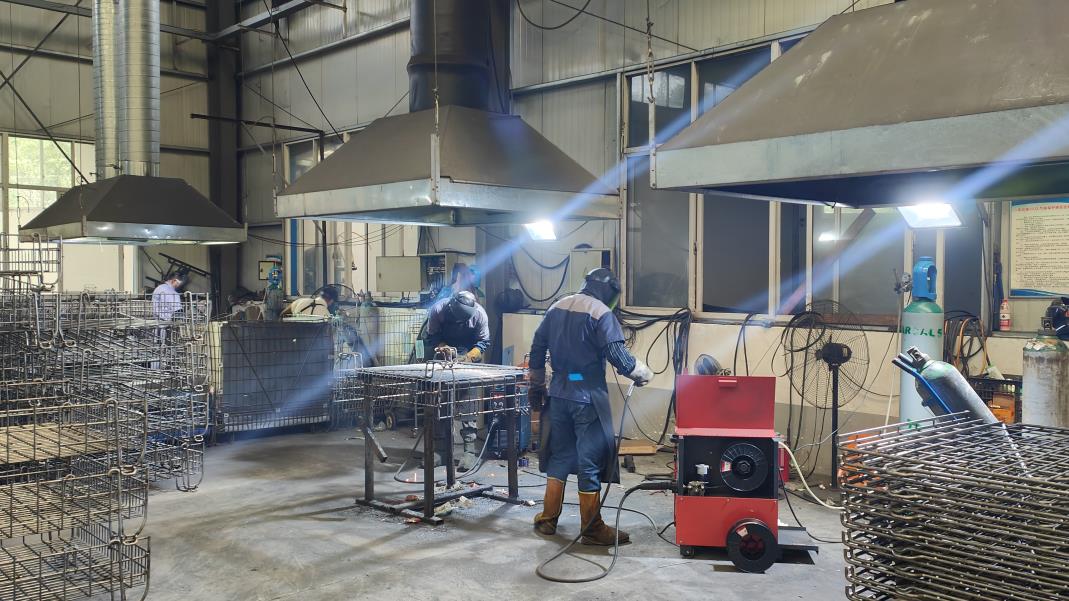
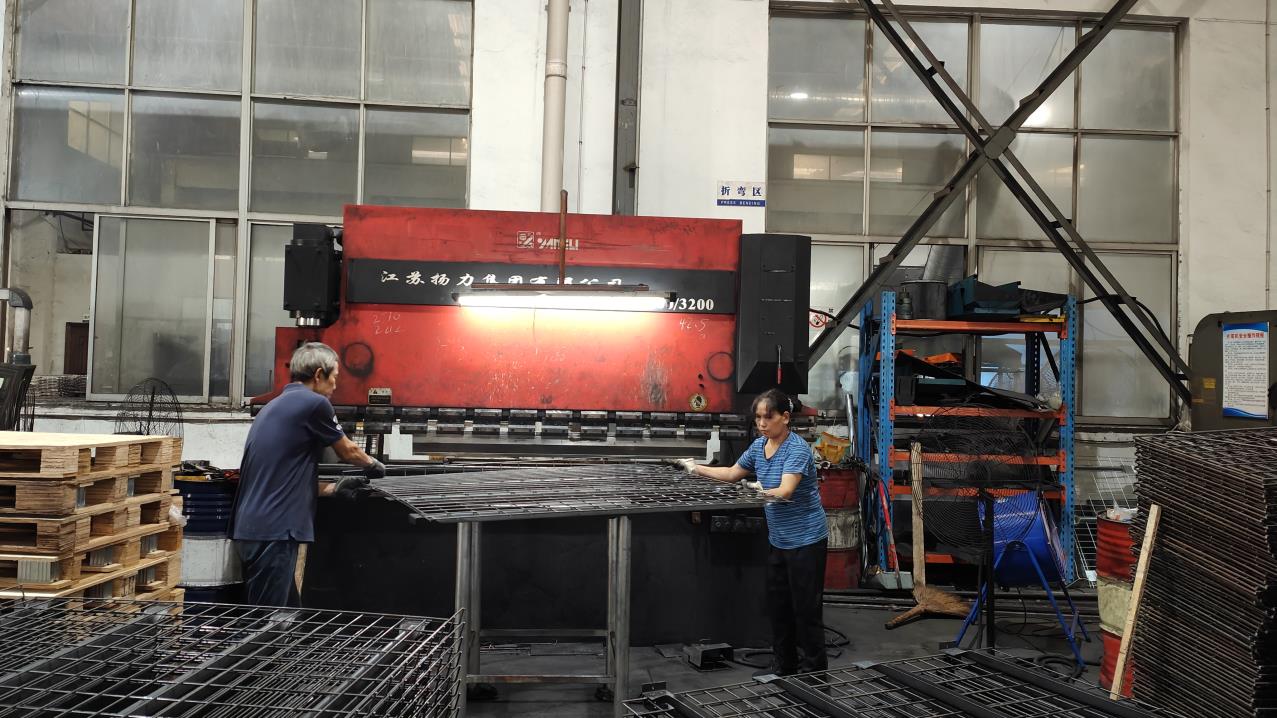
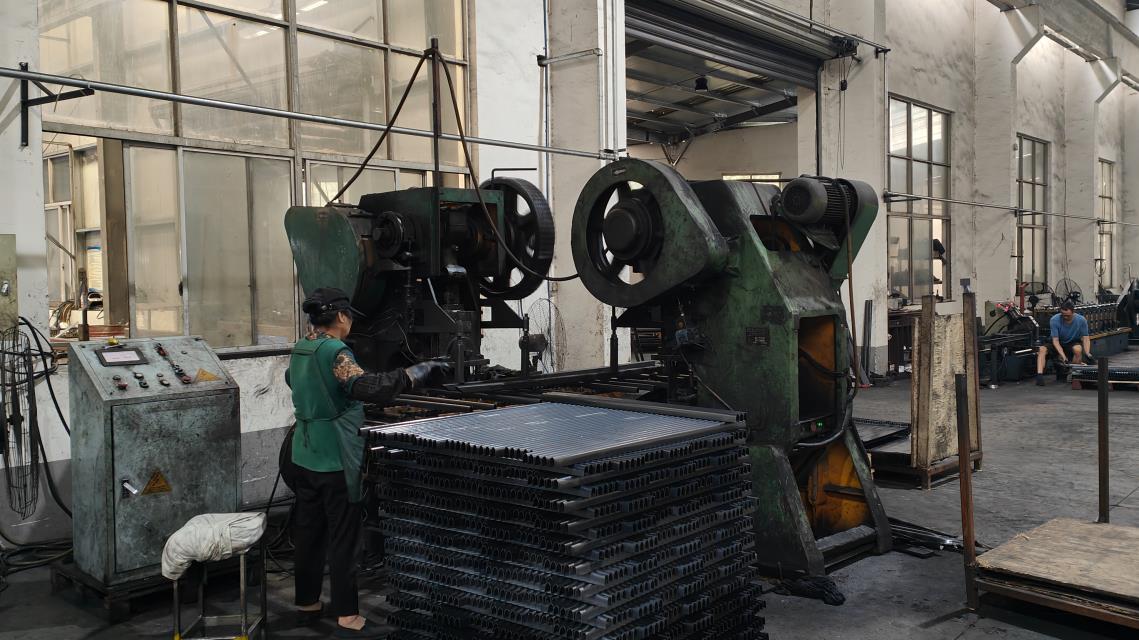
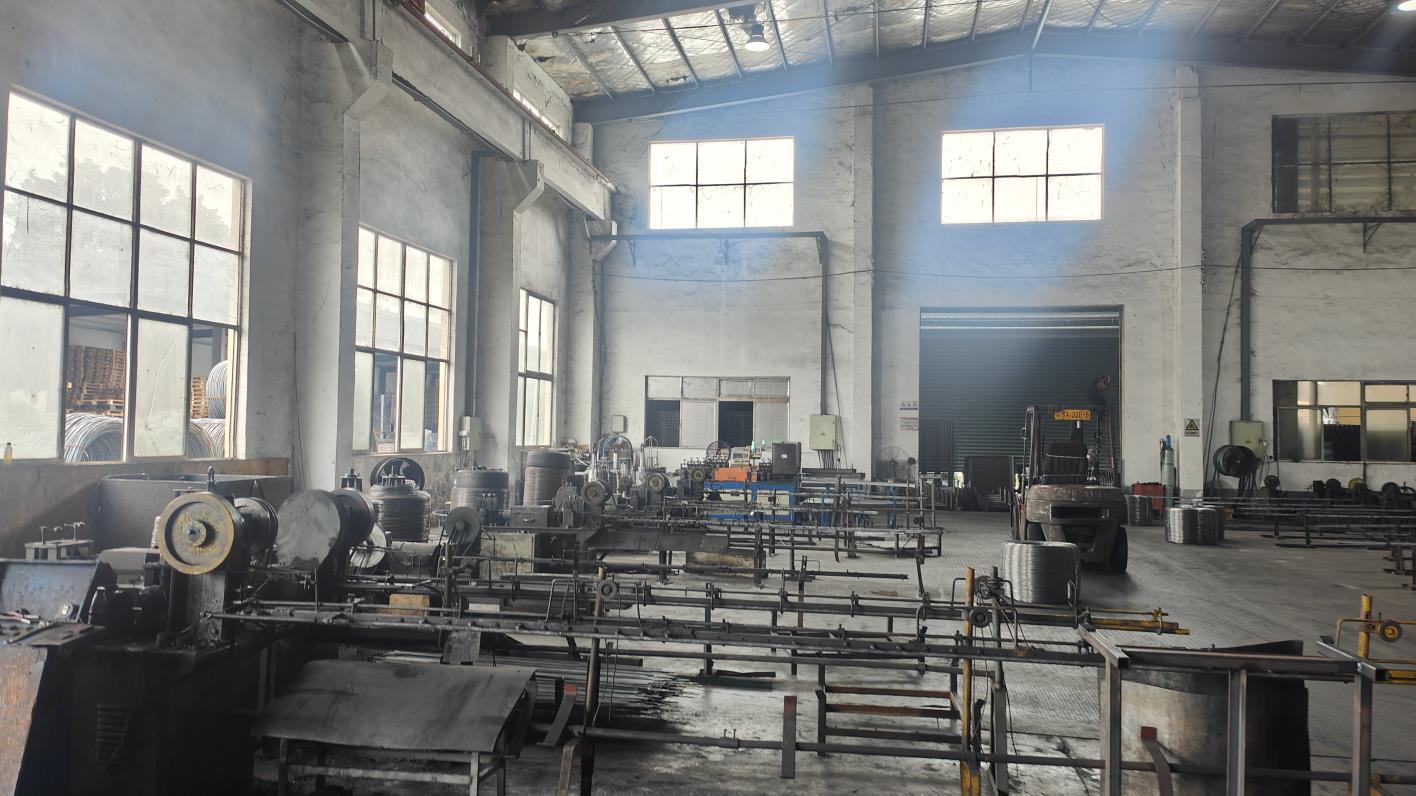
High-end structural fabrication demands consistent control across every step. Suzhou CraftRack Heavy Duty Storage Equipment Co., Ltd. utilizes a fully integrated manufacturing loop. Through rigorous physical and mechanical operations, including Non-Destructive Testing (NDT) and Ultrasonic Weld Inspection, every batch meets stringent international limits (such as FEM, RMI, and AS4084).
Unlocking logistics potential and industrial capacity with advanced racking expertise
Suzhou CraftRack Heavy Duty Storage Equipment Co., Ltd. was established in 2014. Our facility covers a sprawling building area of 38,000 m², supported by an annual export revenue reaching $28,000,000. Backed by 8 years of annual export experience and 14 years of deep industry expertise, we deliver world-class warehouse logistics solutions worldwide.
Quality is at our core. We implement strict Non-Destructive Testing (NDT) and Ultrasonic Weld Inspection using state-of-the-art product inspection methods, overseen by a dedicated team of 45 QC specialists. Operating with an OEM & ODM direct-manufacturing trade background, our primary markets span North America, Western Europe, and Southeast Asia. We maintain strong ties with over 1,200 supply chain partners, catering mainly to 3PL logistics hubs, large-scale e-commerce fulfillment centers, and industrial manufacturing plants.
Our robust R&D capability centers on Automated Storage and Retrieval Systems (ASRS) & Finite Element Structural Analysis. We offer extensive custom options, including seismic resistance rating, custom load capacity engineering, and specialized powder coating finishes. In the past year alone, we achieved 45 new product launches, driven by a talented team of 32 R&D engineers.
Analyzing the path forward for automated, high-density industrial cantilever layouts
As labor costs rise and spatial efficiency remains a key bottleneck, the warehouse logistics sector is turning to ASRS Cantilever integrations. Conventional cantilever racks require manual forklift retrieval, which poses vertical alignment challenges at heights over 8 meters. By replacing human operators with computer-controlled cranes, shuttle systems, and automated laser guidance, storage centers achieve millimeter-level accuracy. The ASRS computer tracking system moves long profiles through tight aisles, boosting spatial efficiency by up to 50% compared to traditional layouts.
Global supply chains require systems designed for local tectonic activities. Factories in China must engineer racks to meet local seismic demands, such as those defined by the International Building Code (IBC) and Rack Manufacturers Institute (RMI) guidelines in North America. By using thicker steel grades, robust anchors, and heavy-duty baseplates, Suzhou CraftRack provides structures that resist shear forces. Our engineering teams utilize specialized simulations to verify that the upright-to-base and arm-to-upright configurations maintain structural integrity during seismic events.
Depending on the storage environment, selecting the appropriate surface treatment is critical:
Comprehensive engineering and procurement answers based on global rater guidelines
Cantilever arm capacity is calculated based on uniformly distributed loads (UDL). The load center point is positioned at half the length of the arm. For example, if a 1000mm arm is rated at 1000kg, the load must be distributed evenly across the arm, keeping the center of gravity at the 500mm mark. Placing load near the tip increases bending moment stresses and can cause dynamic structural failure.
Roll-formed racks are manufactured from cold-rolled steel coils, making them lightweight and easy to adjust. Structural steel racks are constructed from heavy, hot-rolled steel shapes (I-beams and channels). Structural steel is better suited for outdoor yards, high capacity profiles, and areas with frequent forklift movement, as it offers superior structural impact resistance.
Top Chinese factories like Suzhou CraftRack design systems that comply with EN 15512 (European standard), RMI Specification (ANSI MH16.1 for North America), and AS4084 (Australian steel storage racking standard). This compliance ensures seamless customs clearance, structural approvals, and integration with local insurance requirements.
Because a cantilever system relies on cantilever arm connections, the weld at the arm boot plate handles high tension forces. Factories use NDT (Non-Destructive Testing) such as Ultrasonic Weld Testing to check for internal voids, cracks, or lack of fusion without damaging the product. This testing ensures the integrity of every load-bearing connection.
For typical custom configurations (e.g. including seismic engineering, custom powder coat color schemes, and specific arm styles), production ranges from 25 to 35 days post-drawing approval. Dynamic engineering reviews (FEA analysis reports) are typically finalized in the first week of project onboarding.
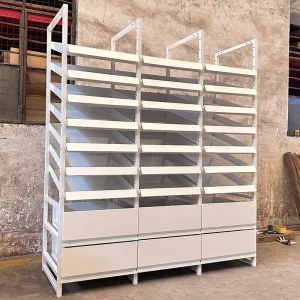
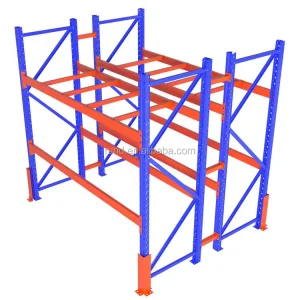
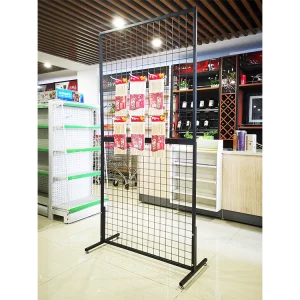
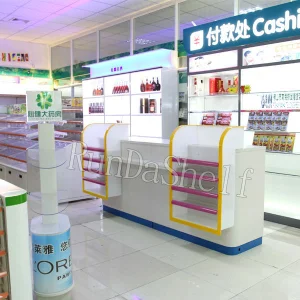
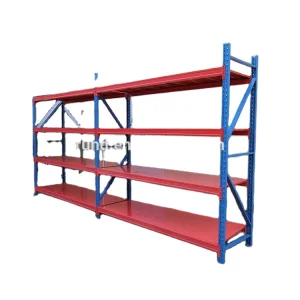
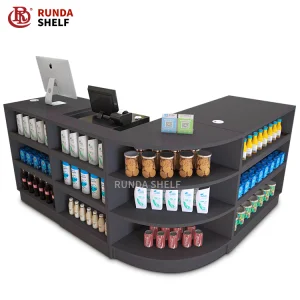
Premium display stands, medium-duty logistics racks, and heavy-duty storage designs.
 CraftRack