Select industrial-grade racking and display systems designed to maximize vertical space, improve structural safety, and optimize picking workflows.
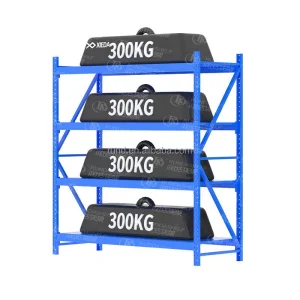
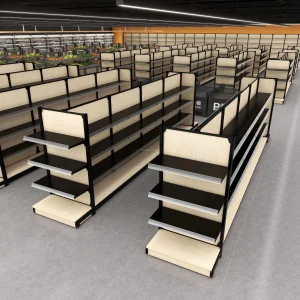
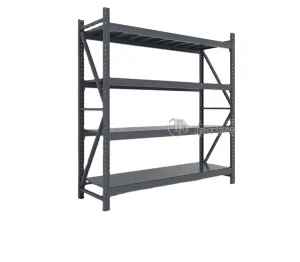
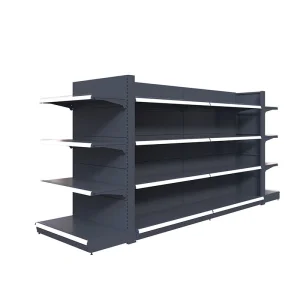
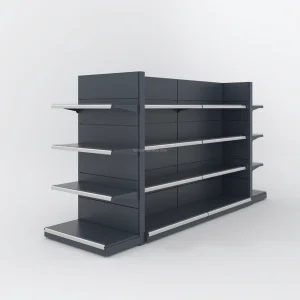
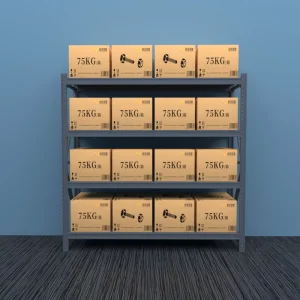
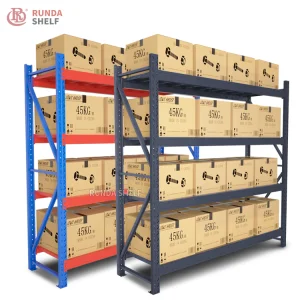
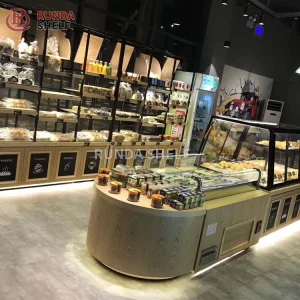
Modern warehouse logistics have evolved far beyond basic product staging. In today's dynamic global supply chain, driven by high-velocity e-commerce and strict 3PL service level agreements (SLAs), structural storage racking systems are highly sophisticated mechanical systems. Every square meter of warehouse space represents significant capital overhead; thus, vertical volumetric optimization has become critical to commercial viability.
For operations directors, procurement managers, and civil engineers, choosing the right storage system requires balancing load capabilities, safety, layout adaptability, and local regulatory compliance. Structural steel storage structures must withstand severe loads, dynamic forklift impacts, and potential seismic activities. Consequently, selecting a high-quality supplier is one of the most critical decisions in establishing a distribution center.
Information Gain Insight: While many manufacturers present static load capabilities, actual warehouse safety margins must be calculated under dynamic loading conditions. Key performance indicators like structural deflection ratios (e.g., L/200 or L/300 guidelines), load impact factors, and the mechanical properties of cold roll-formed steel determine long-term durability and safety.
Deploying storage systems internationally requires adhering to a complex framework of regional engineering standards. Industrial racking is regulated like standard buildings because failure can lead to catastrophic accidents and business disruptions. High-quality manufacturers design their structures according to regional compliance guidelines, including:
Compliance also extends to seismic engineering. In seismically active zones (such as parts of North America and Japan), racking must feature oversized baseplates, high-ductile anchoring systems, and upgraded frame bracings. Certified manufacturers use Finite Element Analysis (FEA) to simulate earthquake stresses, ensuring the physical steel structure can absorb lateral seismic energy without buckling.
The reliability of a warehouse storage rack starts with raw steel selection. Most heavy-duty industrial systems use high-grade structural carbon steel, such as Q235B or Q355 (equivalent to ASTM A36 and ASTM A572 Grade 50). Q235B is known for its excellent ductility, weldability, and yield strength, making it ideal for roll-formed profiles. For taller structures, high-bay warehouses, and ASRS integrations, Q355 steel is selected for its higher yield strength (355 MPa), allowing thinner profiles to support heavier loads.
Beyond steel grade, manufacturing quality depends heavily on the surface finish. Industrial powder coatings protect the steel against oxidation and wear. A high-quality coating line uses multi-stage chemical pre-treatments, such as zinc phosphating, followed by electrostatic powder deposition (typically 60 to 80 microns thick) and high-temperature curing. For cold storage and harsh chemical environments, hot-dip galvanization is preferred. This process deposits a durable layer of zinc-iron alloys, offering long-term protection in sub-zero temperatures (down to -30°C).
| Steel Grade | Yield Strength (MPa) | Tensile Strength (MPa) | Elongation (%) | Primary Applications |
|---|---|---|---|---|
| Q235B (Equivalent to ASTM A36) | ≥ 235 | 370 - 500 | ≥ 26 | Standard pallet racking, light-to-medium shelving, retail display racks, mezzanine floor decks. |
| Q355 (Equivalent to ASTM A572) | ≥ 355 | 470 - 630 | ≥ 22 | High-bay ASRS uprights, seismic-engineered pallet frames, heavy-duty industrial cantilevers. |
| Pre-Galvanized Coil | ≥ 250 | 320 - 480 | ≥ 20 | Outdoor storage systems, coastal environments, humid pharmaceutical cleanrooms. |
To ensure structural integrity and prevent unexpected field failures, reliable factories employ rigorous testing methodologies. Non-Destructive Testing (NDT), including magnetic particle testing and ultrasonic weld inspections, is used to identify micro-cracks and voids in high-stress welded components, such as load-beam connector brackets.
Additionally, regular destructive testing (such as compression testing on upright profiles and shear testing on beam connectors) helps verify that raw materials and manufacturing runs match simulated engineering models. This systematic approach to quality control is a key differentiator for premium global logistics suppliers.
Providing industrial-grade storage solutions, from custom pallet racking to integrated automated systems.
Established in 2014, Suzhou CraftRack Heavy Duty Storage Equipment Co., Ltd. has grown into a leading manufacturer of advanced warehouse logistics and heavy-duty storage racking. The company's production facility covers 38,000 m², supported by an annual export revenue of $28,000,000. Backed by 8 years of export experience and 14 years of industry expertise, CraftRack designs, manufactures, and exports systems for warehouses worldwide.
Quality control is central to CraftRack's manufacturing process. The factory uses advanced testing methods, including Non-Destructive Testing (NDT) and Ultrasonic Weld Inspection, managed by a dedicated team of 45 quality specialists. The company operates as a direct OEM & ODM manufacturer, with primary markets in North America, Western Europe, and Southeast Asia. CraftRack maintains relationships with over 1,200 supply chain partners, supplying 3PL logistics hubs, large-scale e-commerce fulfillment centers, and industrial manufacturing plants.
The company's R&D team focuses on Automated Storage and Retrieval Systems (ASRS) and Finite Element Structural Analysis. They offer custom configurations for seismic resistance, specific load capacities, and specialized powder-coated finishes. Reflecting their commitment to innovation, the team of 32 R&D engineers launched 45 new products in the past year alone.
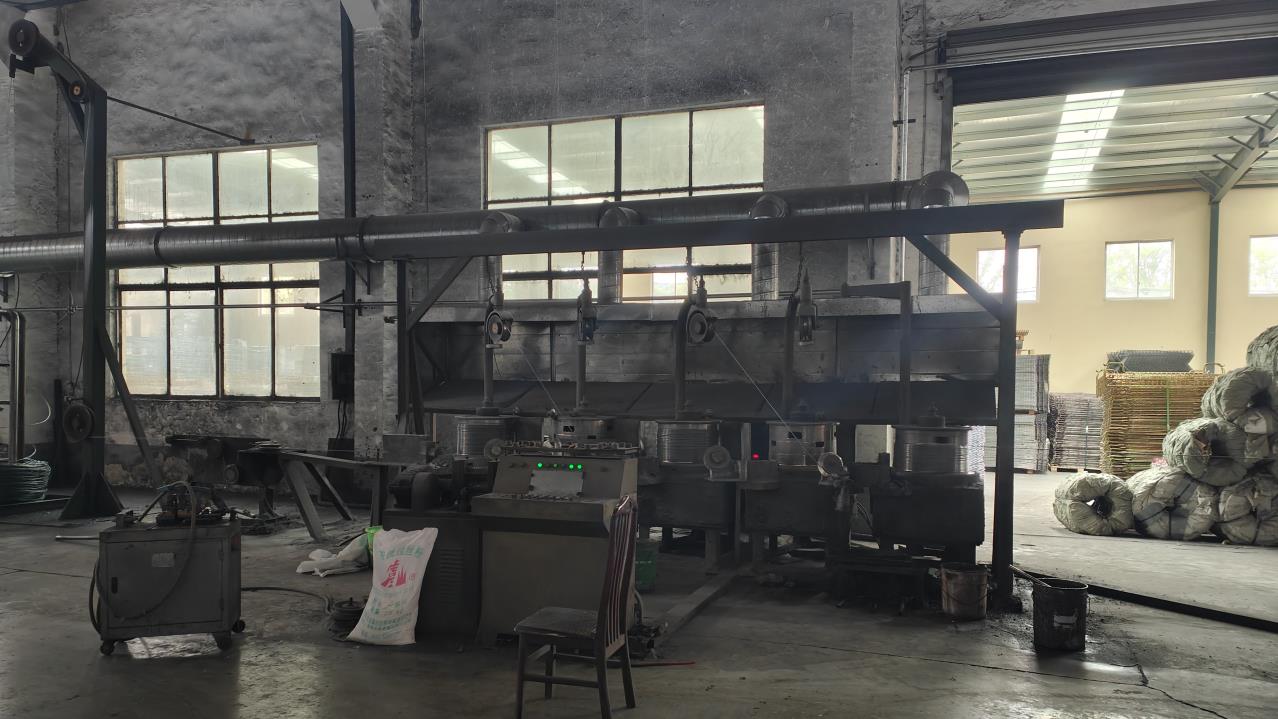
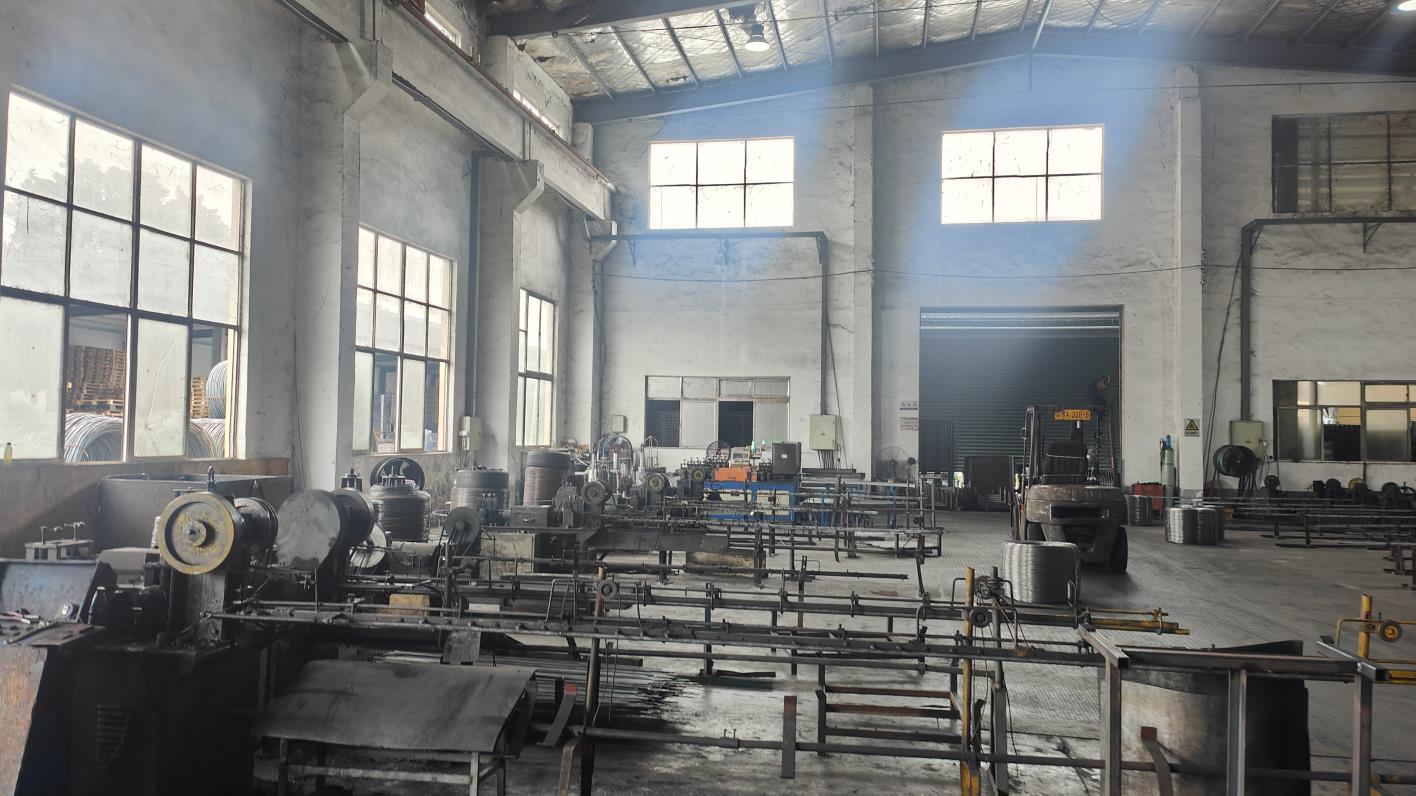
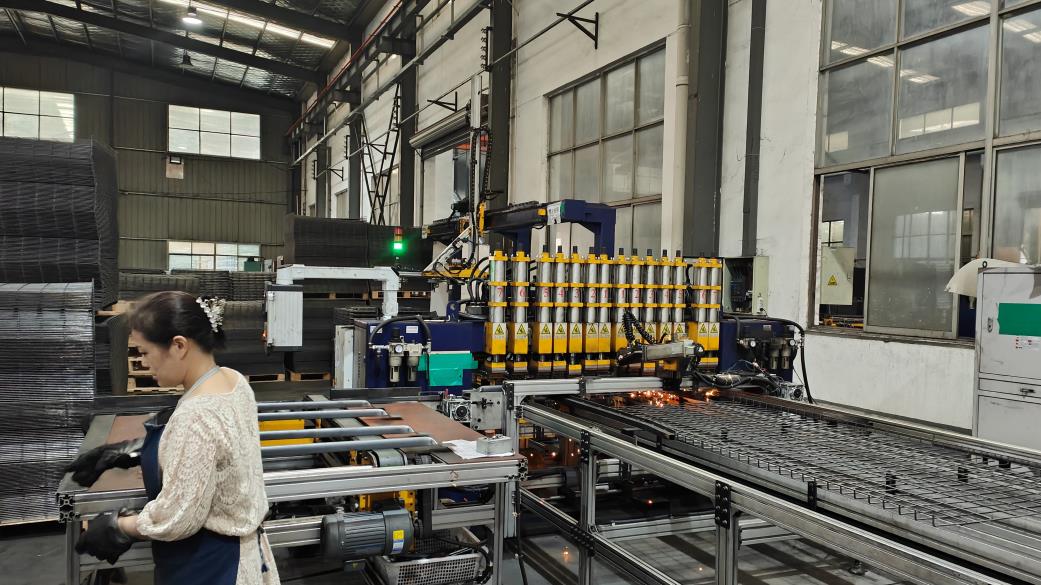
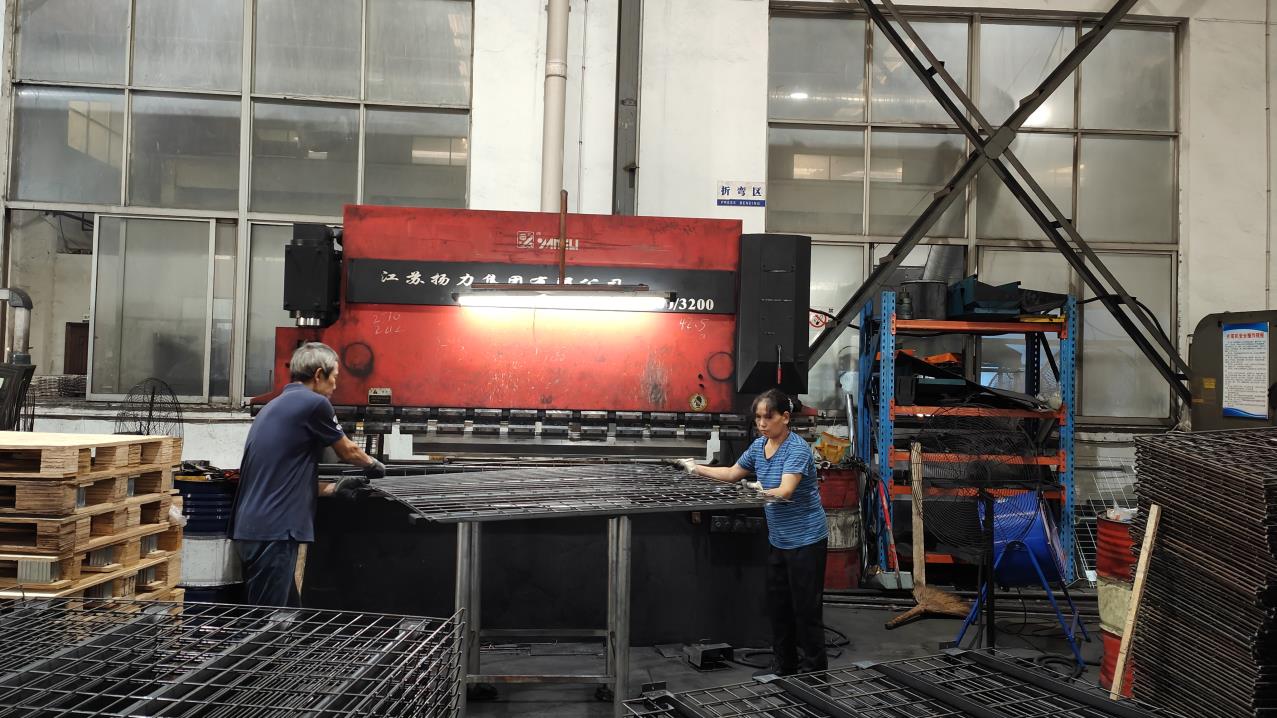
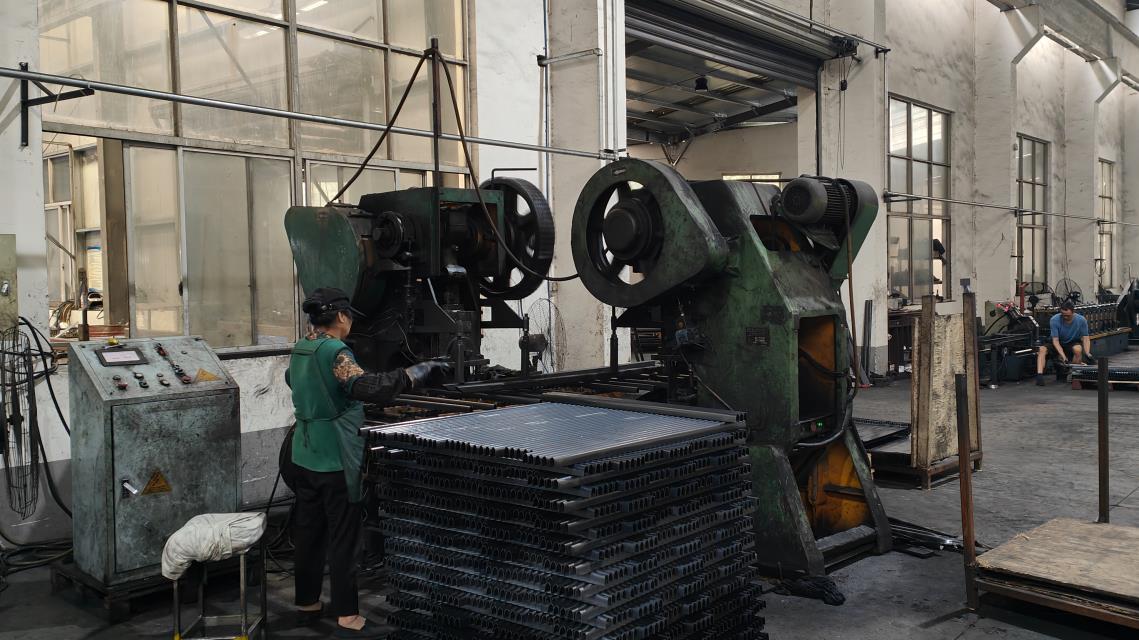
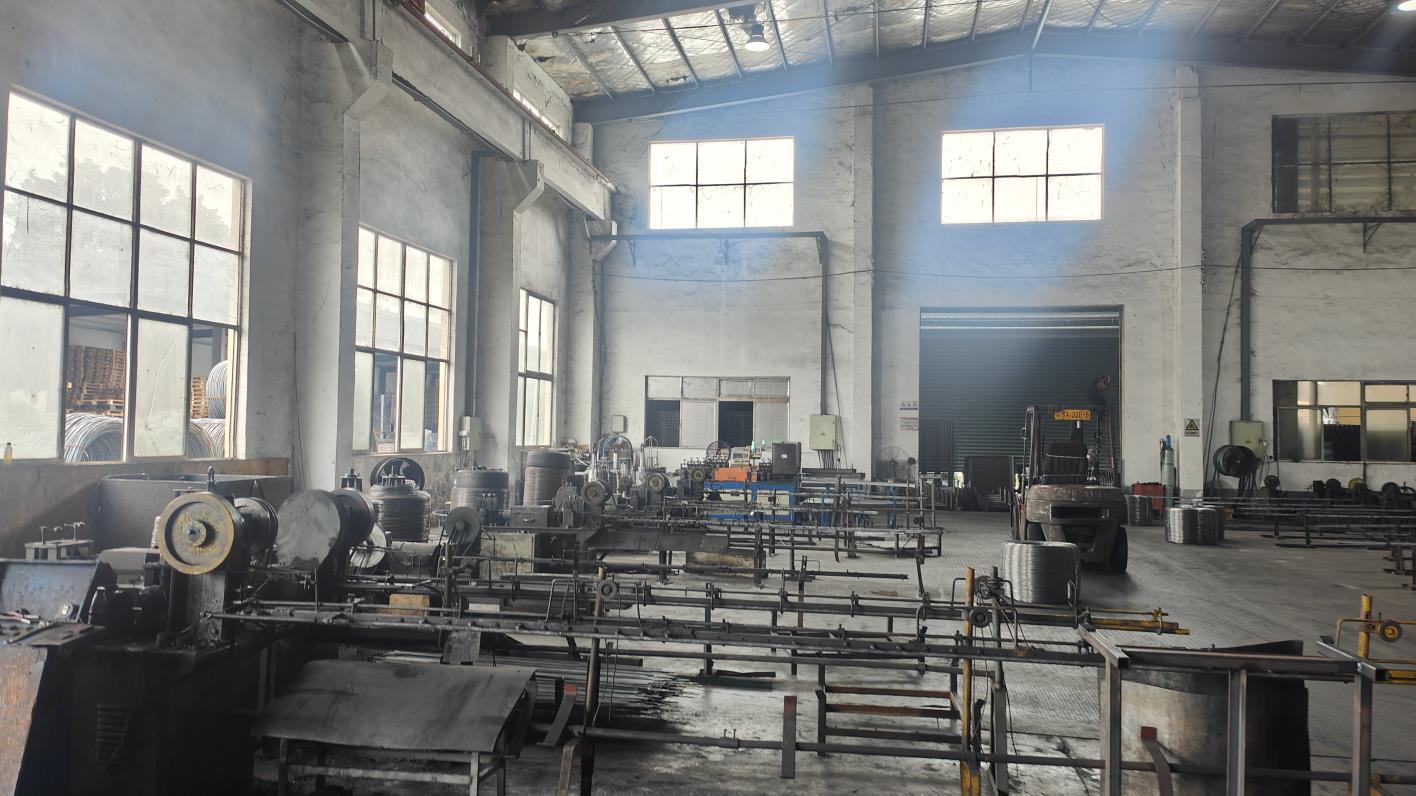
Take a step inside Suzhou CraftRack's high-precision manufacturing floor to see the automated production cycle in action:
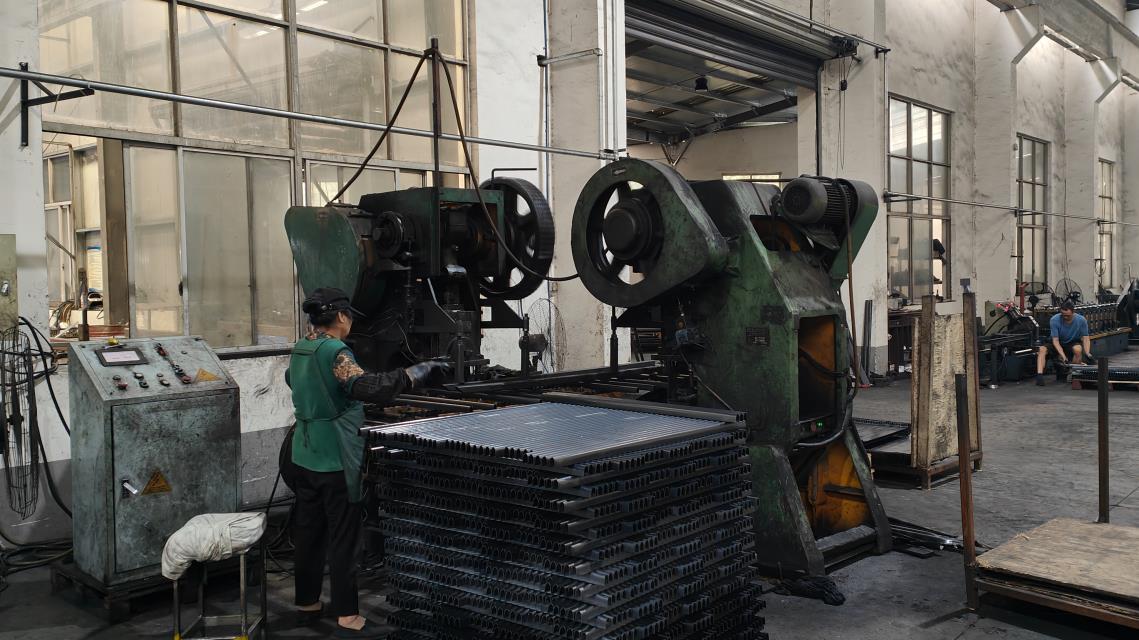
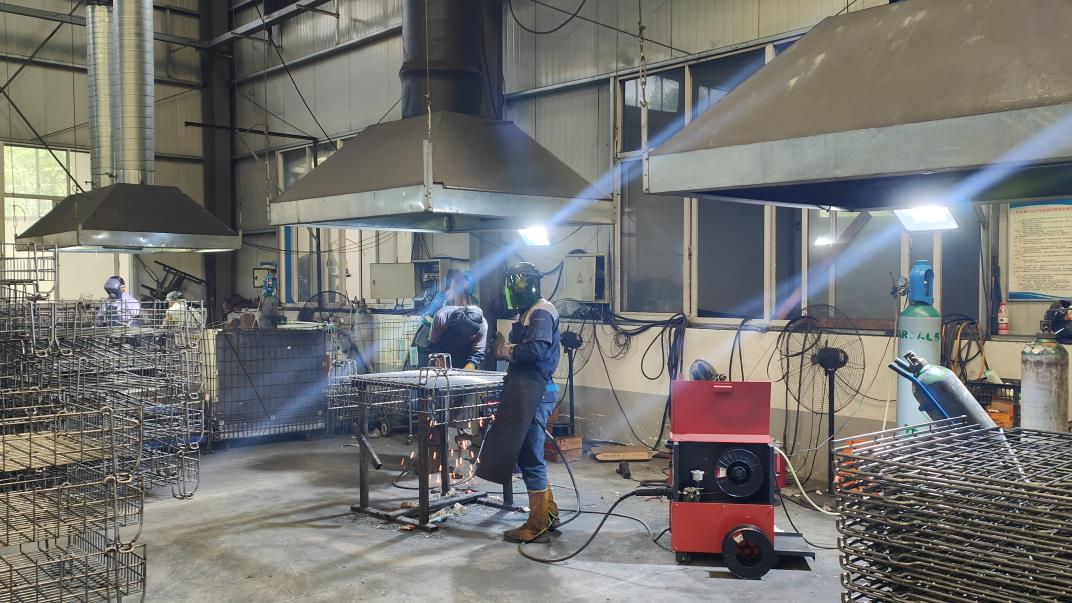
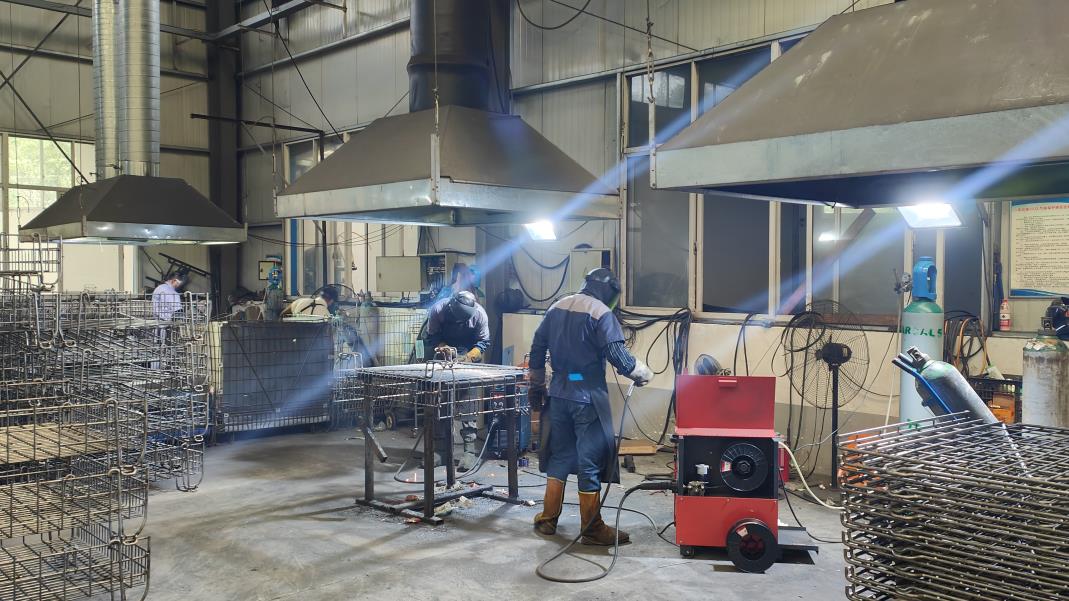
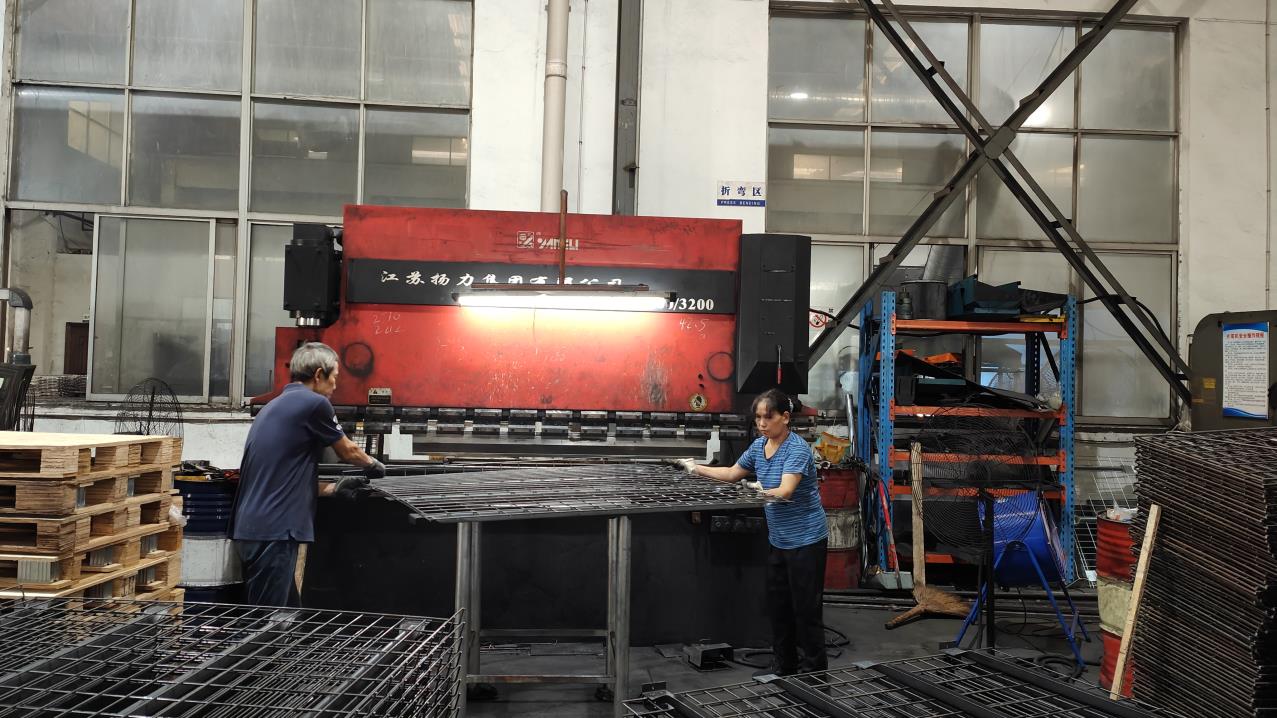
Purchasing warehouse racking systems from China provides significant strategic benefits for global logistics planners. These advantages extend beyond lower initial labor costs, encompassing the depth of the manufacturing ecosystem, material sourcing efficiency, and advanced process technologies.
Industrial storage configurations must match the operational profile of the facility. Different layouts suit different inventory types, throughput rates, and material handling equipment. Here are the primary application scenarios for modern storage systems:
Cold chain facilities operate at temperatures from 0°C to -30°C. These cold environments place high demands on steel structures, as standard structural steel can become brittle and susceptible to cracking under impact. Consequently, cold chain systems require high-strength steel with low-temperature impact toughness, such as Q355D, paired with hot-dip galvanized finishes or specialized low-temperature powder coatings. Dynamic layouts like **Drive-In Racking** and **Radio Shuttle Systems** are often preferred in cold storage to minimize open space, reduce refrigeration volumes, and maximize storage density.
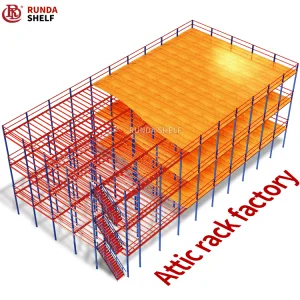
E-commerce warehouses manage vast catalogs of distinct SKUs, requiring rapid, direct access for order picking. To optimize efficiency, these facilities use multi-level mezzanine structures, pick modules, and light-duty shelving networks. This design splits the vertical space into multiple levels, allowing warehouse personnel or autonomous mobile robots (AMRs) to pick products across different levels simultaneously. Standardized box sizes, integrated safety wire mesh decks, and impact-resistant column guards are key features in these high-velocity hubs.
3PL operators require maximum flexibility to accommodate a rotating mix of client goods. **Selective Pallet Racking** remains the standard choice, offering direct access to every pallet position. For high-density storage of uniform goods, operators use Double-Deep or Push-Back racking. Additionally, modular teardrop frames are widely used in the Americas, allowing swift reconfiguration of beam heights to match varying pallet dimensions without requiring specialized tooling.
Manufacturing plants deal with heavy, awkward loads, such as raw steel coils, structural pipes, tooling dies, and machinery components. These heavy loads require robust storage systems, such as heavy-duty cantilever racks or custom die-storage racks. These systems are engineered with heavy-duty structural steel shapes and feature high-tensile bolted connections, preventing structural failure under eccentric load conditions.
The warehouse racking sector is undergoing a major shift, transitioning from static storage systems to fully dynamic, automated ecosystems. Driven by labor shortages, rising land values, and the need for higher order accuracy, companies are increasingly adopting automation.
Answers to common technical and structural questions regarding the design, purchasing, and safety of industrial warehouse racking.
Roll-formed racking is manufactured from sheet steel coils passed through a series of rollers at room temperature to create the desired profile shapes. It is lightweight, cost-effective, and easy to adjust, making it ideal for standard commercial warehouses. In contrast, structural steel racking is made from hot-rolled structural steel shapes (such as channels). It is much heavier, stiffer, and highly resistant to forklift impacts, making it the preferred choice for heavy manufacturing, high-capacity food distribution hubs, and demanding industrial environments.
Racking capacities are determined using FEA structural modeling verified by physical destructive load testing. Under RMI and FEM guidelines, structural beams must support their rated load with a safety factor of at least 1.67. The deflection limit refers to the maximum allowable bending of a load-bearing beam under its full capacity. The standard limit is L/200, which means the deflection at the center of the beam cannot exceed the beam length divided by 200 (for example, a 2700mm beam can flex up to 13.5mm without compromising safety margins).
In seismic zones, racking must be engineered to withstand lateral forces. Key design considerations include increasing baseplate dimensions, using high-tensile seismic expansion anchors, upgrading structural frame bracings, and selecting higher yield strength steels. Finite Element analysis simulates ground acceleration to ensure the racking configuration remains stable under local seismic codes, preventing buckling and collapse during earthquakes.
Non-Destructive Testing (NDT) and Ultrasonic Weld Inspections detect internal defects, micro-voids, and weld cracks that are invisible to the naked eye. In heavy-duty pallet racking, load connector brackets are subject to high shear forces. Hidden welding flaws can lead to sudden failures under load, making NDT testing critical to ensuring long-term structural safety.
For chemical storage and sub-zero environments, hot-dip galvanization is the industry standard. This process immerses steel components in molten zinc, creating a durable metallurgical bond that resists rust and physical wear. For standard cold-storage facilities, specialized low-temperature powder coatings can also protect steel frames down to -30°C without cracking.
Explore specialized storage solutions, checkout fixtures, and retail displays designed for seamless operations.
 CraftRack