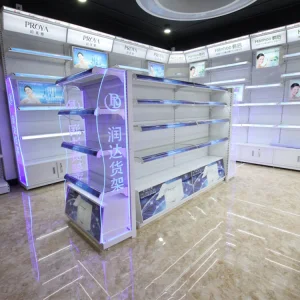
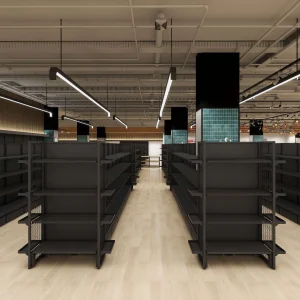
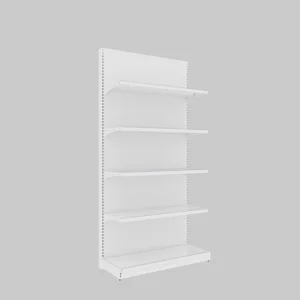
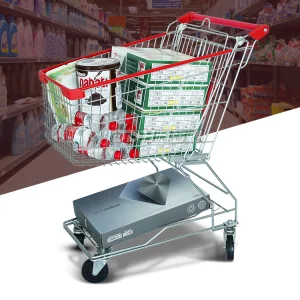
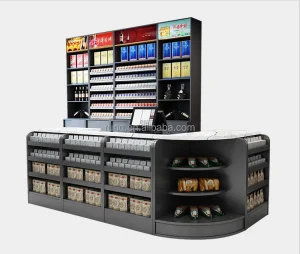
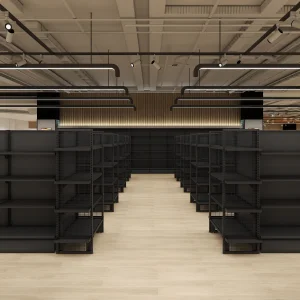
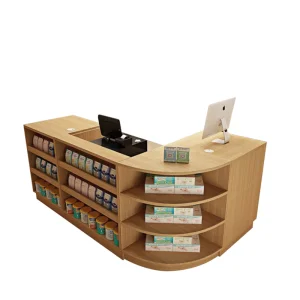
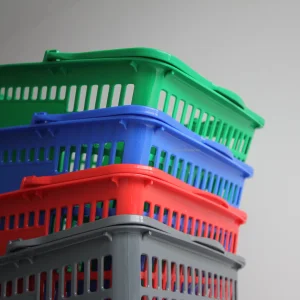
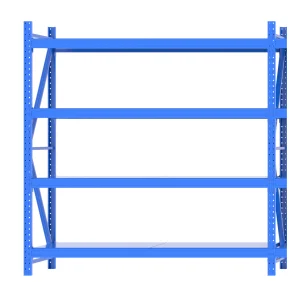
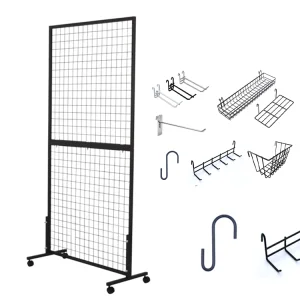
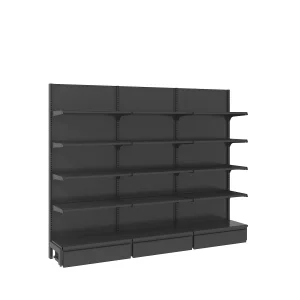
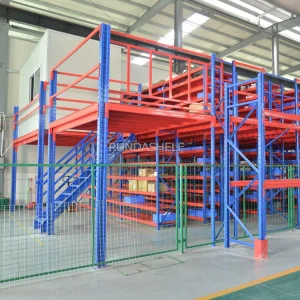
Engineered to optimize structural safety thresholds and vertical volume storage efficiencies. View our core commercial checkouts and heavy-duty industrial rack configurations below.
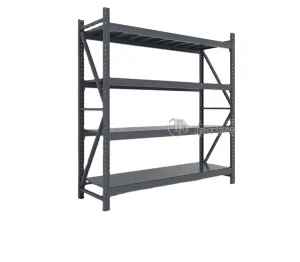
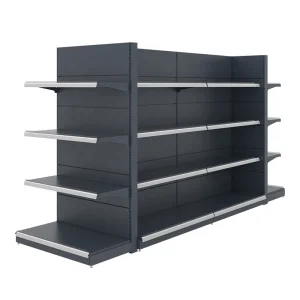
In the modern global supply chain landscape, space has transcended physical dimension to become a primary economic variable. With industrial real estate lease prices scaling dramatically in metropolitan logistics corridors across North America, Western Europe, and Asia-Pacific, organizations are forced to optimize their warehouse designs. The paradigm has shifted from footprint-based storage (horizontal square footage) to vertical cubical volume utilization. Heavy-duty overhead storage installations represent the engineering answer to this challenge, converting underutilized space above logistics operations into active structural load planes.
"The optimization of overhead clearances in logistics and material handling centers yields an average footprint utilization efficiency increase of 42% to 68%. This directly impacts bottom-line ROI by bypassing the capital expenditures associated with physical facility expansion."
Overhead racking solutions, modular heavy-duty mezzanines, and structural attic storage units require robust engineering disciplines. These structures operate directly above personnel work zones and automated processing lines, making safety margins and material selection non-negotiable. As a result, global procurement officers are prioritizing international engineering compliance, certified welding practices, and rigorous non-destructive testing (NDT) methodologies when selecting their overseas manufacturing and exporting partners.
The manufacturing of heavy-duty overhead structures relies heavily on structural steel quality. Primary materials, such as hot-rolled or cold-rolled Q235B and Q355B steel, are selected for their predictable yielding limits, weldability, and structural resilience. Heavy industrial storage is typically engineered around critical criteria, utilizing Finite Element Analysis (FEA) to simulate dynamic and seismic loads prior to the commencement of production lines.
To qualify as an elite exporter of overhead racking systems, manufacturers must compute mechanical calculations based on recognized international regulatory frameworks:
Pioneering Next-Gen Warehouse Infrastructures and Industrial Storage Equipment Globally.
Suzhou CraftRack Heavy Duty Storage Equipment Co., Ltd. is a leading manufacturer in the industrial storage sector. Operating from our advanced facility in Suzhou, China, our company represents over 14 years of deep manufacturing expertise and 8 years of global export compliance history. We cater specifically to large-scale third-party logistics (3PL) providers, global e-commerce fulfillment hubs, and heavy industrial manufacturing operations.
Our operational capabilities are underpinned by a robust R&D department consisting of 32 specialized engineers. We focus on integrating Automated Storage and Retrieval Systems (ASRS) and executing Finite Element Structural Analysis on customized configurations. From high-capacity structural load designs to custom powder-coated anti-corrosive finishes, Suzhou CraftRack translates complex logistics challenges into high-efficiency storage realities.
Exposing the sequence of high-precision metallurgical fabrication processes. Quality is monitored systematically at every stage from raw steel coil handling to automated welding structures.
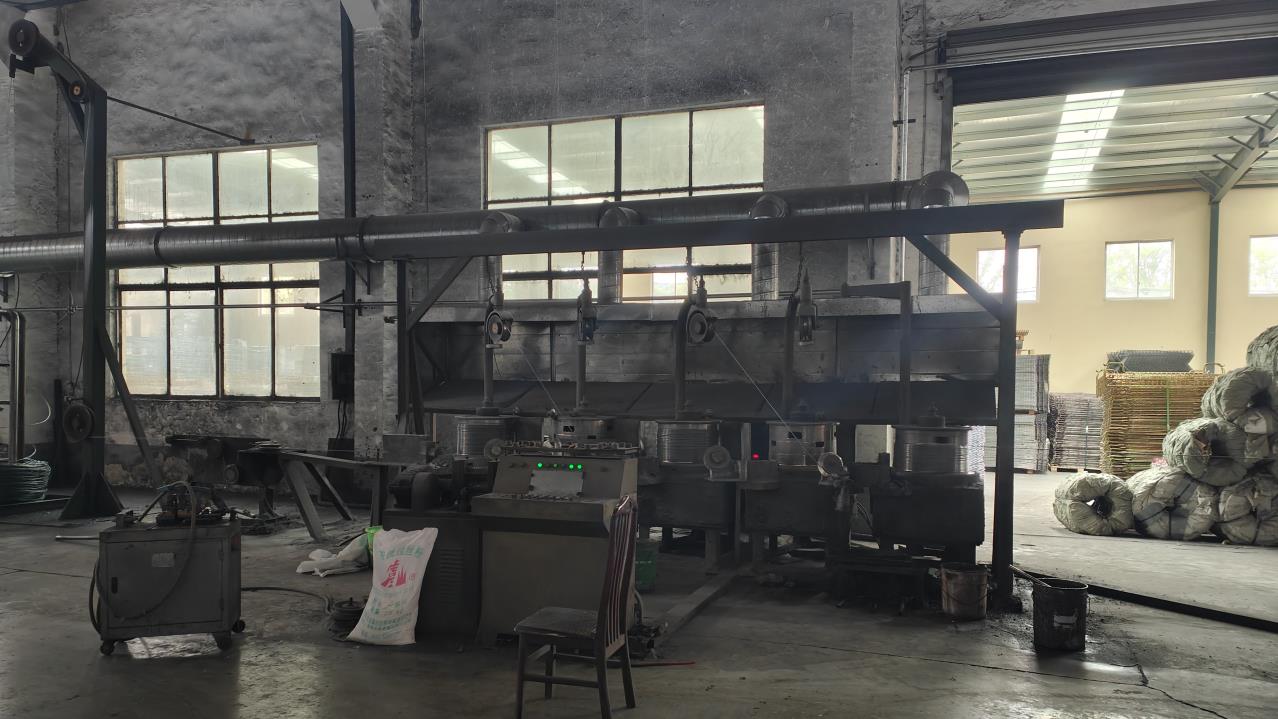
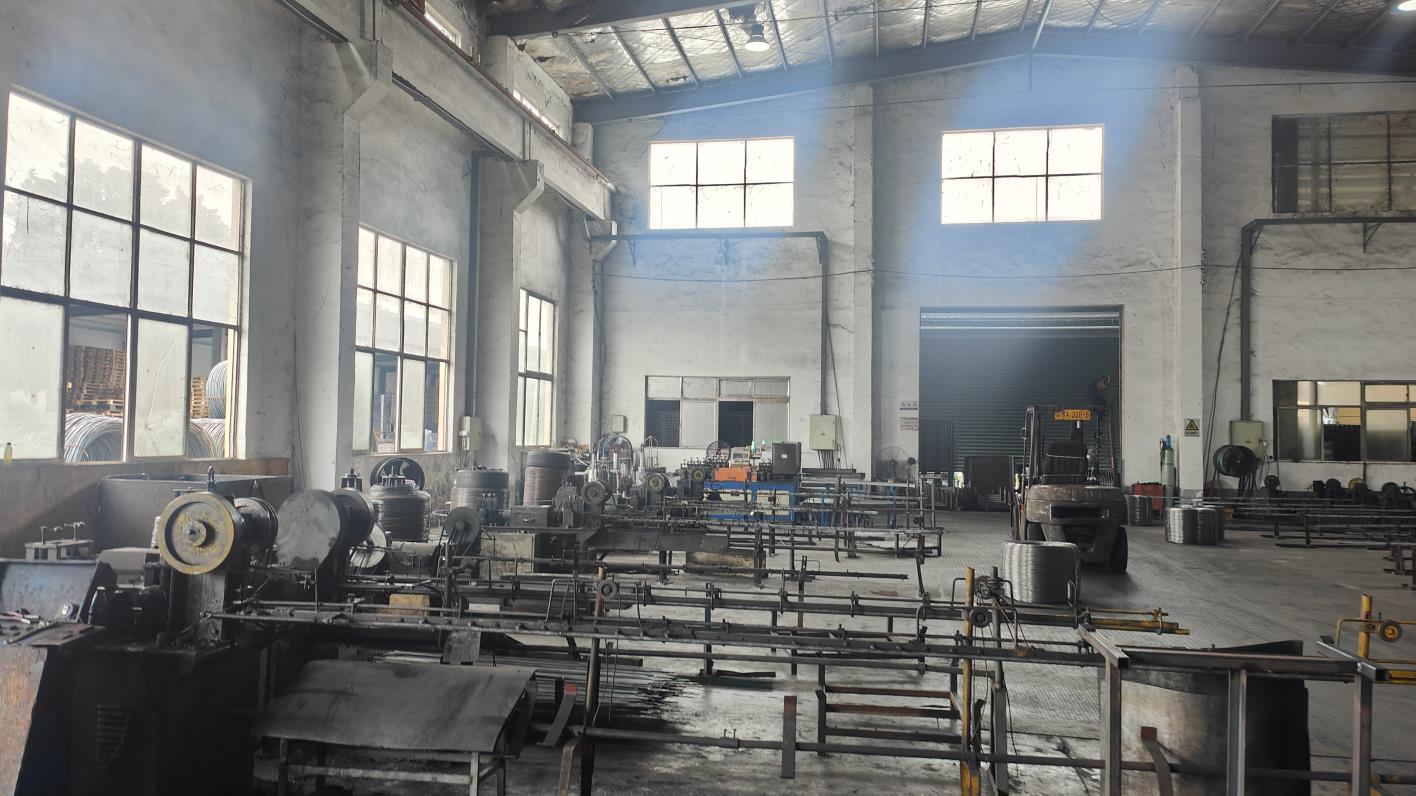
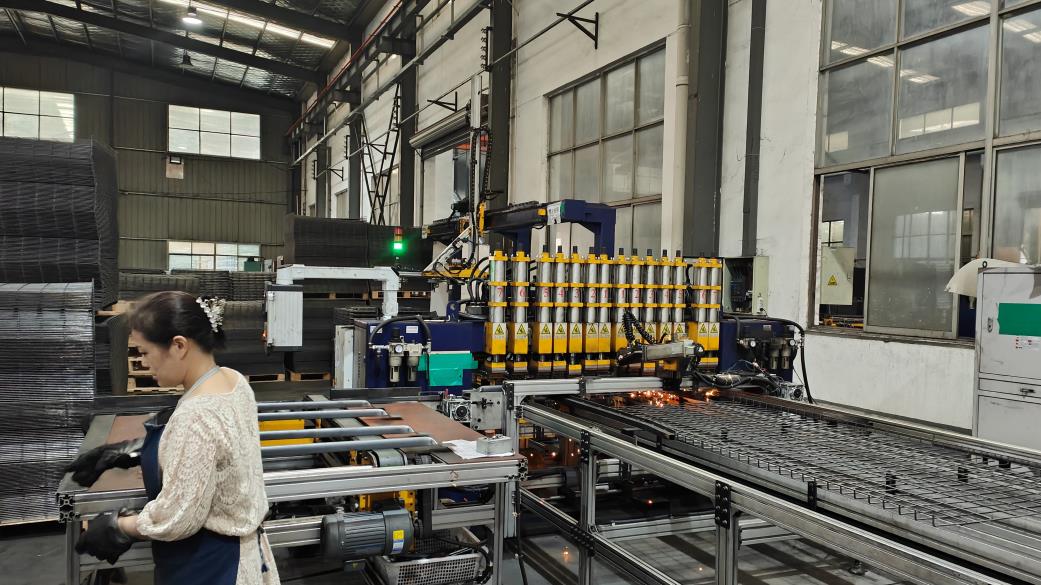
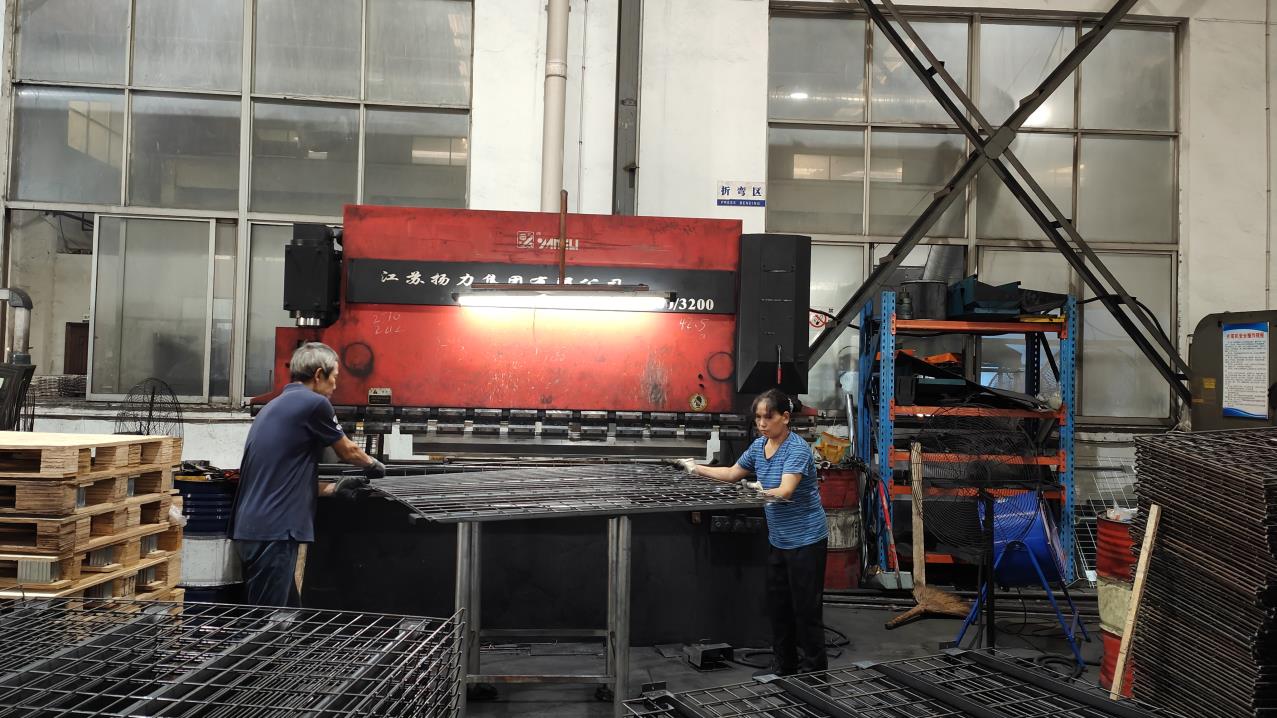
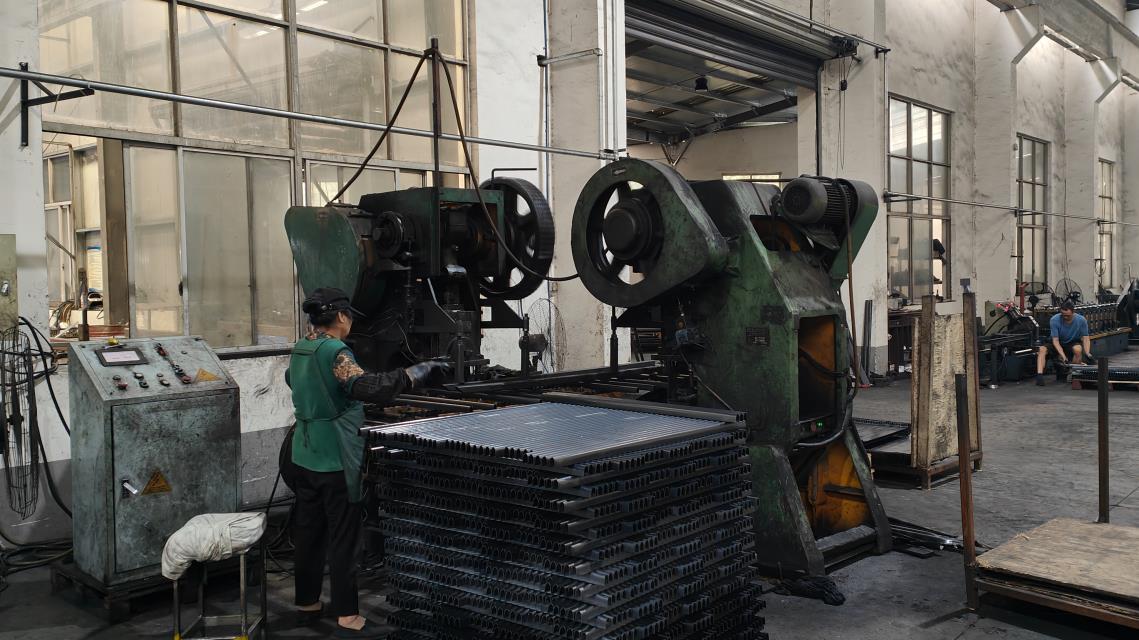
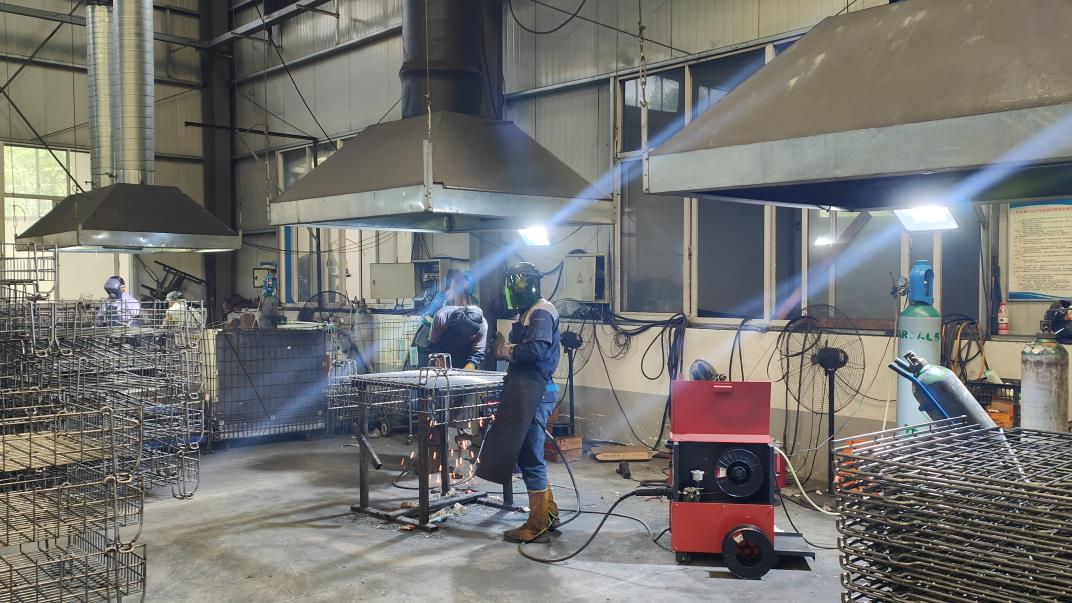
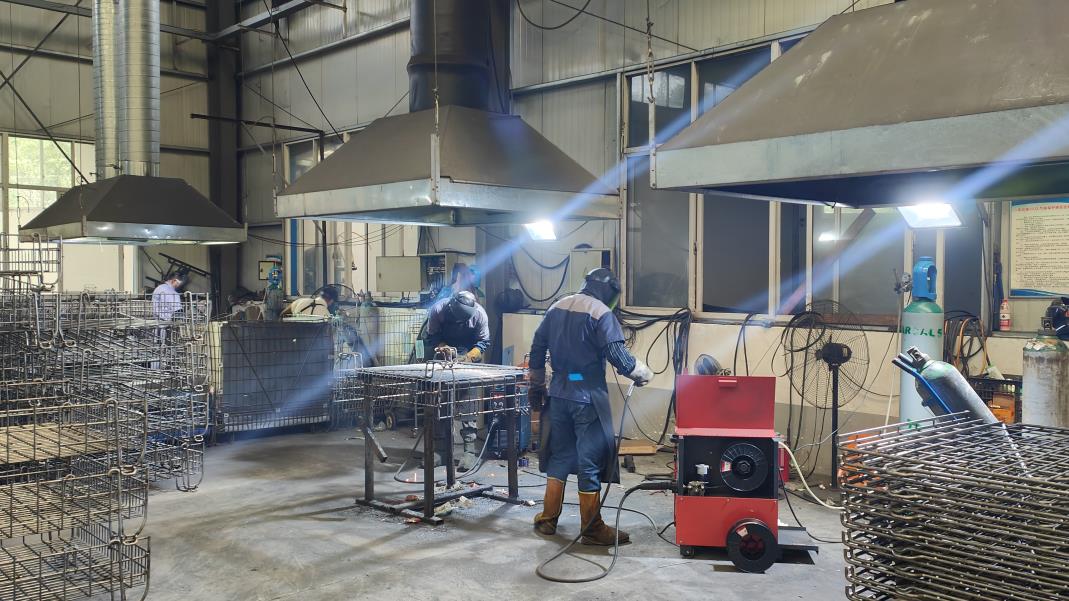
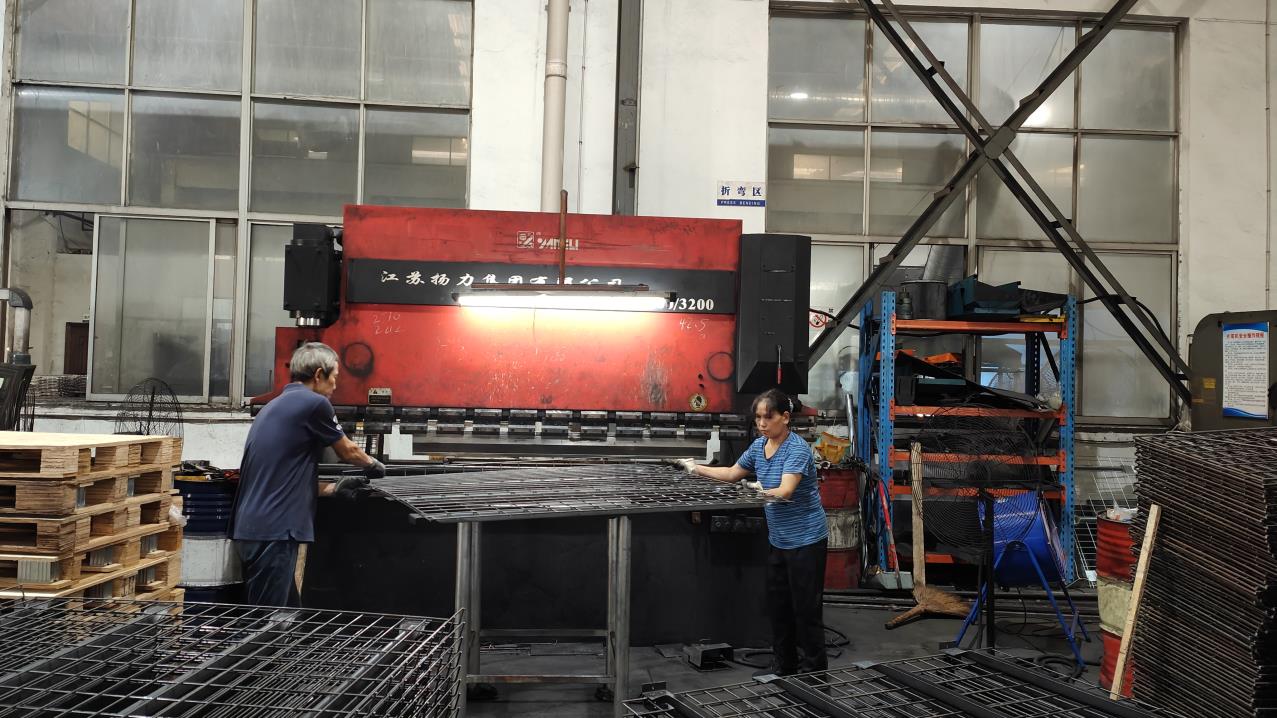
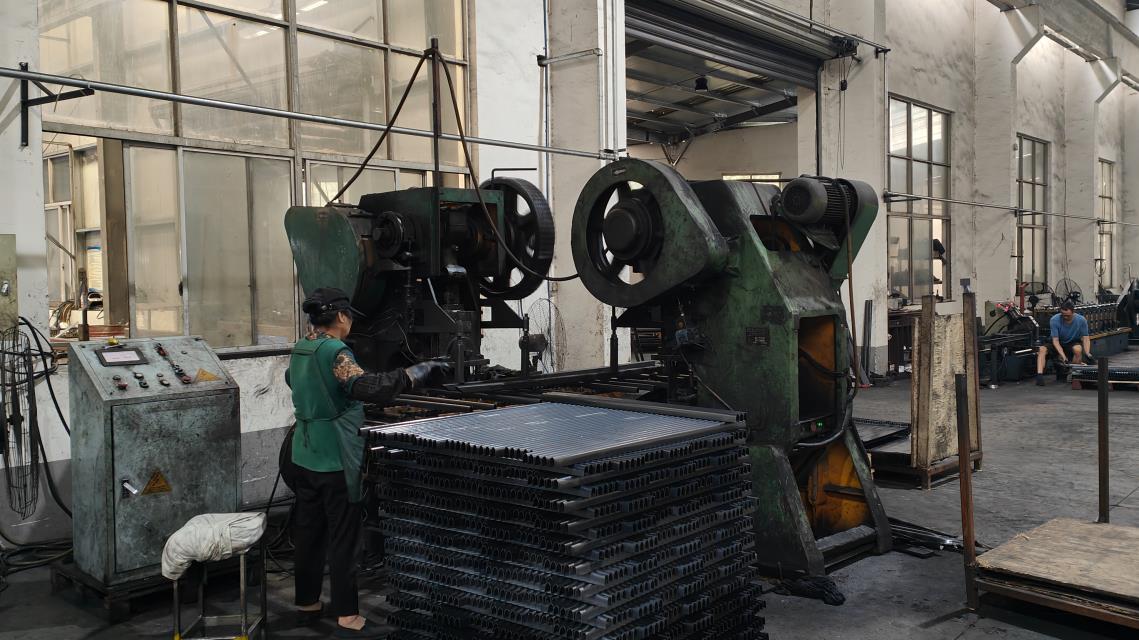

A rack's safety is only as reliable as its weakest weld joint. To maintain zero-defect export records, our quality assurance protocols utilize a series of advanced inspection methods:
Suzhou CraftRack's team of 45 quality assurance specialists coordinates structural testing sequences for every export lot, providing client compliance certificates detailing chemical steel profiles, hardness tests, and structural load calculations.
A comprehensive benchmark comparison to assist procurement officers in evaluating international racking suppliers across critical technical metrics.
| Manufacturer Segment | Primary Standards Compliance | Material Thickness Range | Testing Methods (NDT) | Key Competitive Advantage |
|---|---|---|---|---|
| Suzhou CraftRack | ANSI/RMI MH16.1, EN 15512, ISO 9001 | 1.8mm – 3.2mm Structural Steel | Ultrasonic, Magnetic Particle, Coating Adhesion | Integrated ASRS capabilities, 45-person active NDT QC team, custom seismic solutions. |
| EU Specialist Racking Exporters | EN 15512, EN 15635, FEM 10.2.02 | 1.5mm – 2.5mm Alloy Steel | Visual Weld Inspection, Tensile Testing | Optimized for light-alloy profiles, highly automated production for standardized Euro pallets. |
| US Heavy Duty Fabricators | ANSI/RMI MH16.1, AWS D1.1 Welding | 2.0mm – 4.0mm Hot-Rolled | Visual, Dye Penetrant Testing | Thicker hot-rolled options, high custom local compliance but elevated baseline production costs. |
| APAC Standard Commodity Exporters | General Regional Standards | 1.2mm – 2.0mm Commercial Steel | Basic Load Testing Only | Low cost, best suited for low-risk, non-seismic retail shelving applications. |
Insightful information addresses typical structural, engineering, and logistics questions from professional engineers and logistics directors.
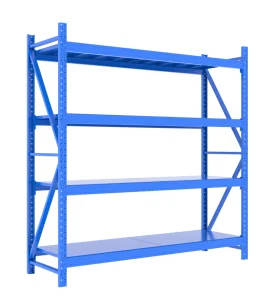
Engineered to withstand heavy duty cycles and variable loads. Explore our commercial and industrial components optimized for modern logistics.
 CraftRack