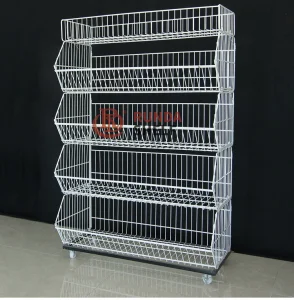
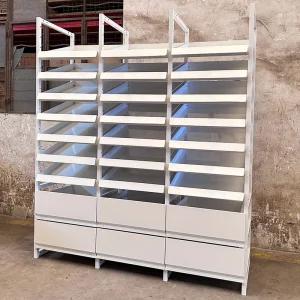
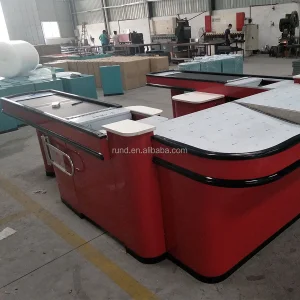
In the modern retail ecosystem, the cart is no longer merely a physical carriage for commodities. It represents the crucial structural interface between consumer behavior, logistics density, and store conversion efficiency. Modern retail procurement departments face high pressure to optimize floor layouts, reduce shrink, minimize localized noise levels, and improve customer transit times. This whitepaper establishes a framework for comparing the top 10 grocery carts factories and exporters globally, offering critical information gain on structural engineering, sourcing strategies, and automated logistics integration.
For operations directors looking to scale hypermarkets, logistics hubs, or regional convenience stores, choosing a manufacturing partner requires looking beyond simple per-unit costs. It involves identifying providers that integrate advanced structural steel processing, modern zinc/chrome plating technologies, and robust polymer formula engineering to withstand outdoor elements, heavy cargo loads, and mechanical wear over years of continuous deployment.
Proximity to major steel refining and chemical clusters in Jiangsu and Zhejiang provinces allows local manufacturers to source top-tier Q235 structural steel and industrial-grade PP/PE resins with minimal transport overhead, insulating procurement prices from supply chain volatility.
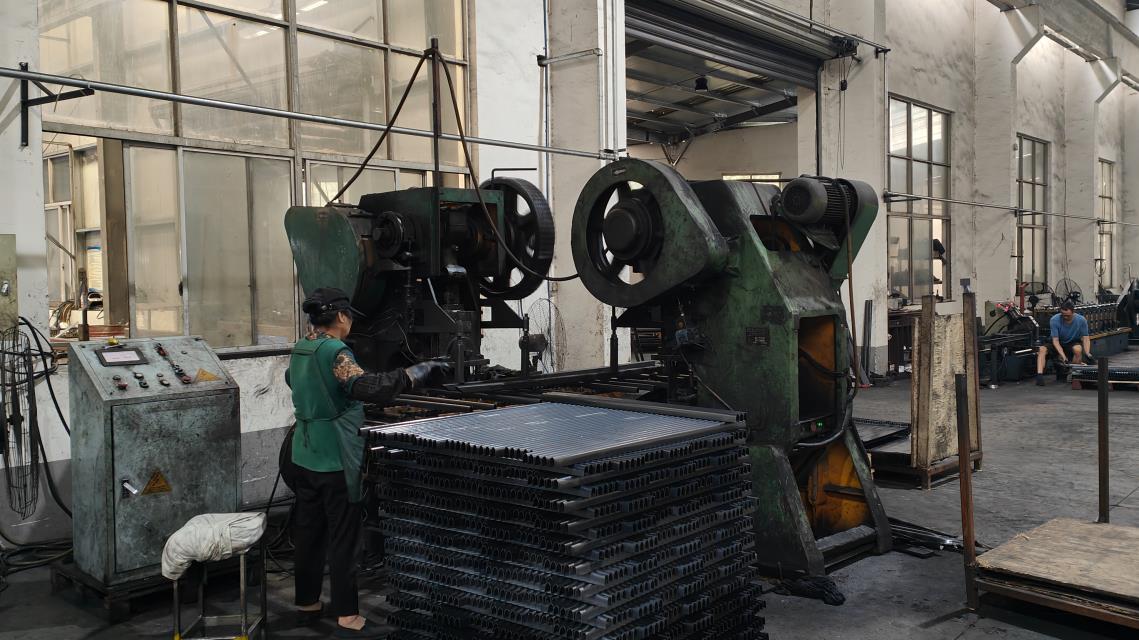
Equipped with automated chrome plating, high-performance powder coating lines, and hot-dip galvanizing lines, Chinese facilities deliver carts that survive up to 1,000 hours in salt spray testing, exceeding typical outdoor durability targets for coastal retail zones.
With extensive engineering teams utilizing advanced Finite Element Method (FEM) software, local factories can take custom sizing requests, coin-lock system adjustments, and smart RFID-rack designs from conceptual drawing to functional prototype in 7 to 14 days.
The supermarket and warehousing landscape is undergoing rapid transformation, guided by automation and shifting consumer preferences. Understanding these movements is critical for supply chain managers looking to future-proof their logistics investments:
As self-checkout and cashierless grocery setups expand globally, cart manufacturers are re-engineering wire configurations. They are introducing specific scanning tray placements and anti-shielding materials to allow seamless RFID tag recognition within the basket.
Global retail brands are demanding circular materials. Leading exporters are responding with Post-Consumer Recycled (PCR) polymer options for hand baskets and hybrid metal-plastic shopping trolleys, matching structural integrity targets while meeting carbon audit requirements.
Backroom logistics are scaling upward. Supermarket display structures are being supplemented by high-density Automated Storage and Retrieval Systems (ASRS) and heavy-duty steel mezzanine platforms, minimizing inventory footprint and accelerating order packing.
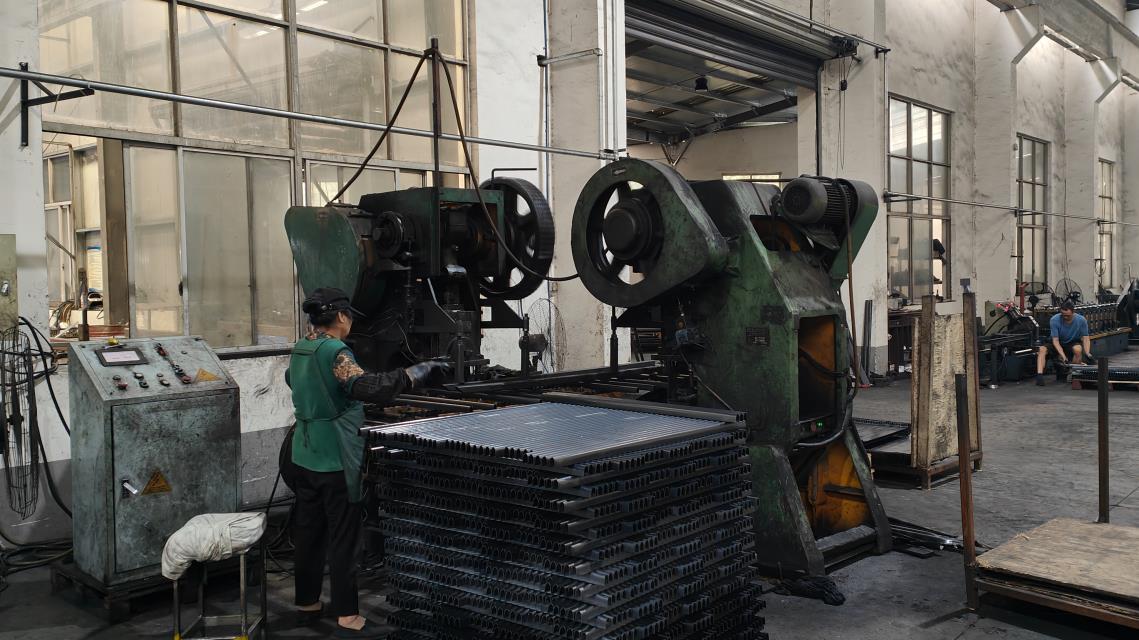
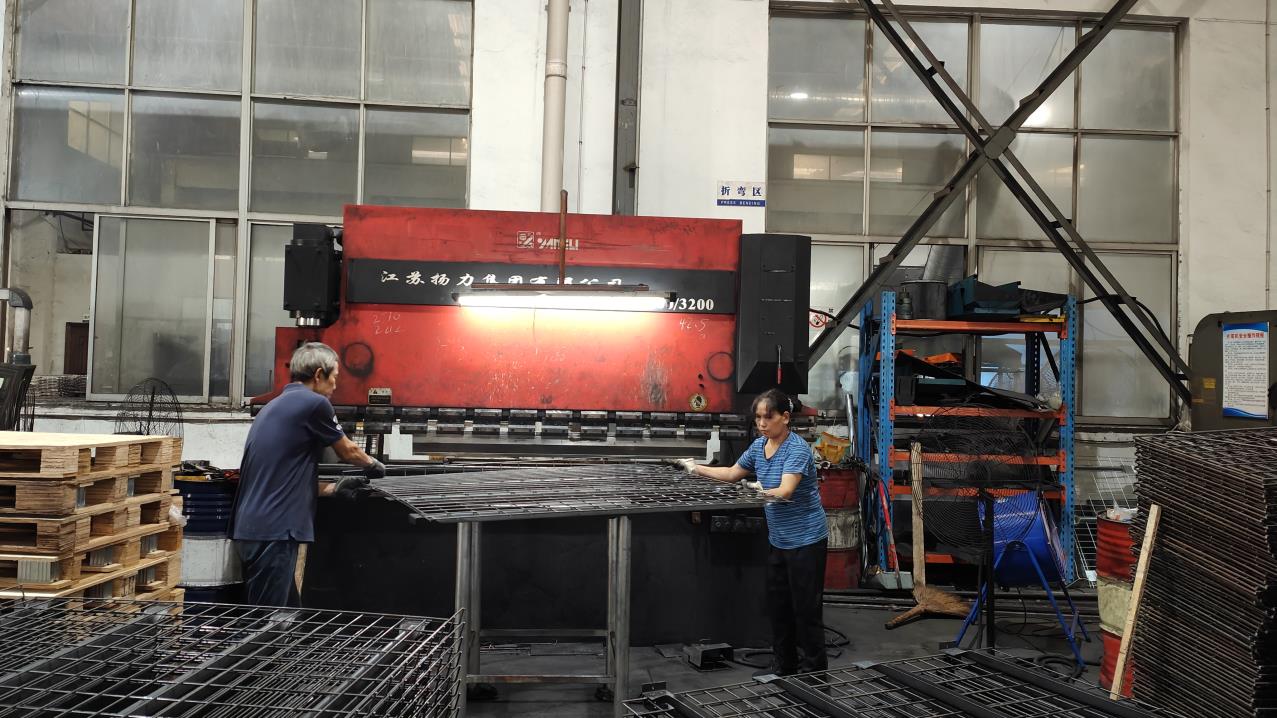
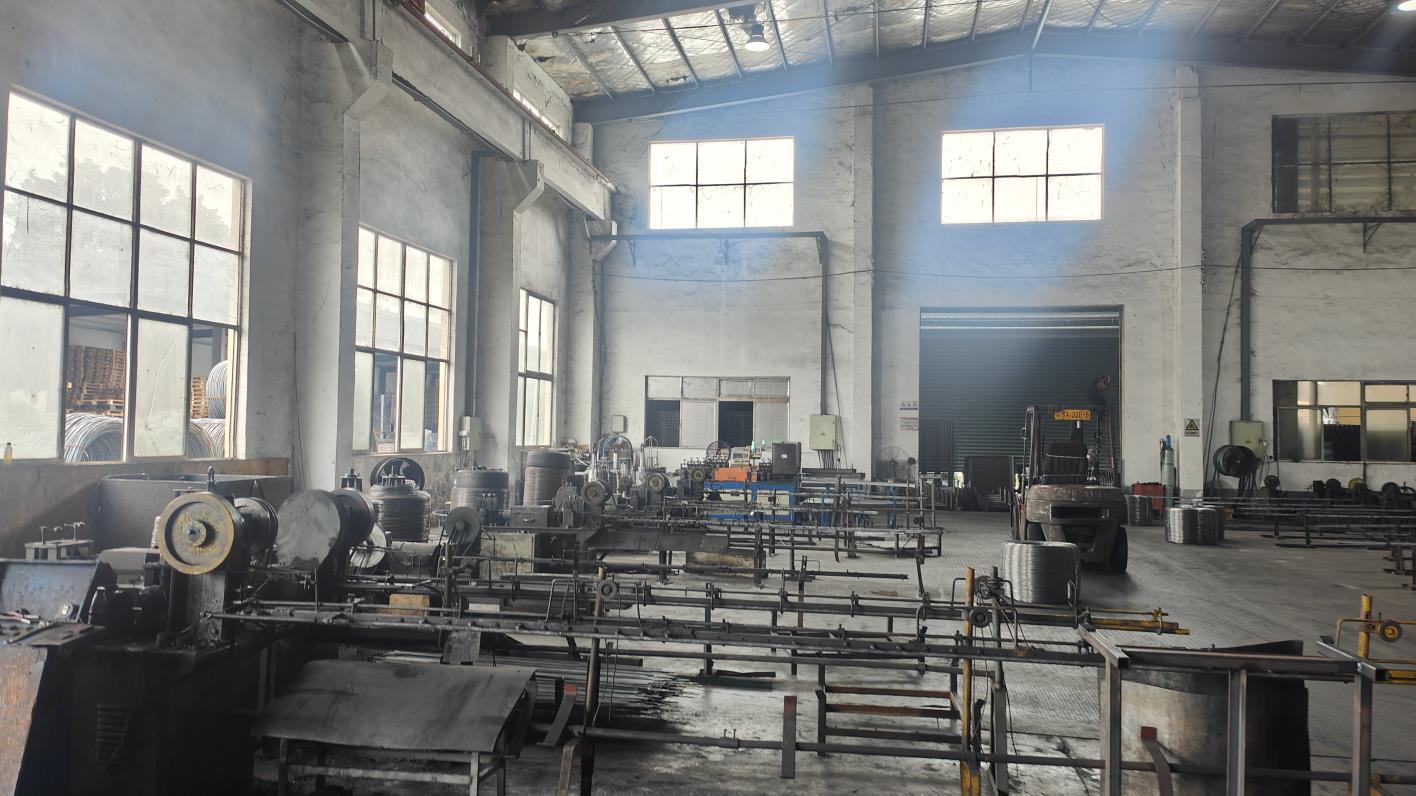
Suzhou CraftRack Heavy Duty Storage Equipment Co., Ltd. was established in 2014. Our facility covers a sprawling building area of 38,000 m², supported by an annual export revenue reaching $28,000,000. Backed by 8 years of annual export experience and 14 years of deep industry expertise, we deliver world-class warehouse logistics solutions worldwide.
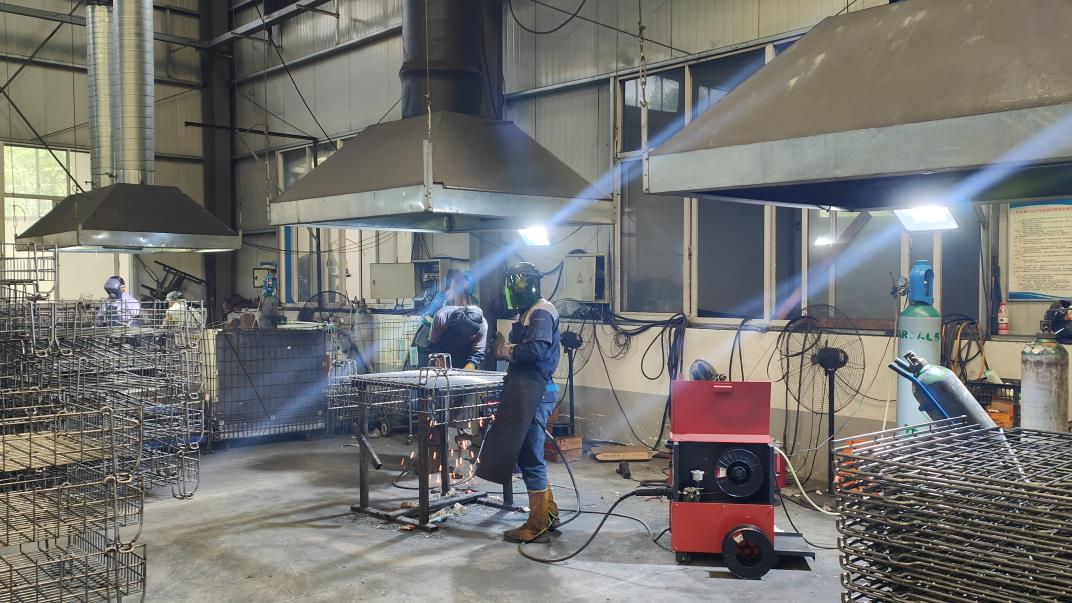
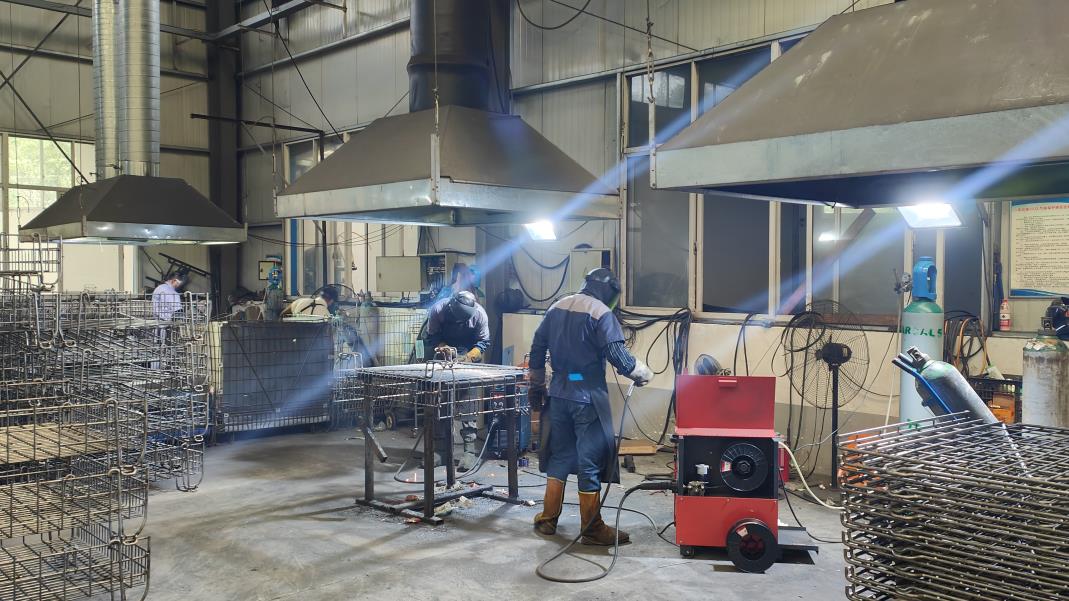
Quality is at our core. We implement strict Non-Destructive Testing (NDT) and Ultrasonic Weld Inspection using state-of-the-art product inspection methods, overseen by a dedicated team of 45 QC specialists. Operating with an OEM & ODM direct-manufacturing trade background, our primary markets span North America, Western Europe, and Southeast Asia. We maintain strong ties with over 1,200 supply chain partners, catering mainly to 3PL logistics hubs, large-scale e-commerce fulfillment centers, and industrial manufacturing plants.
Our robust R&D capability centers on Automated Storage and Retrieval Systems (ASRS) & Finite Element Structural Analysis. We offer extensive custom options, including seismic resistance rating, custom load capacity engineering, and specialized powder coating finishes. In the past year alone, we achieved 45 new product launches, driven by a talented team of 32 R&D engineers.
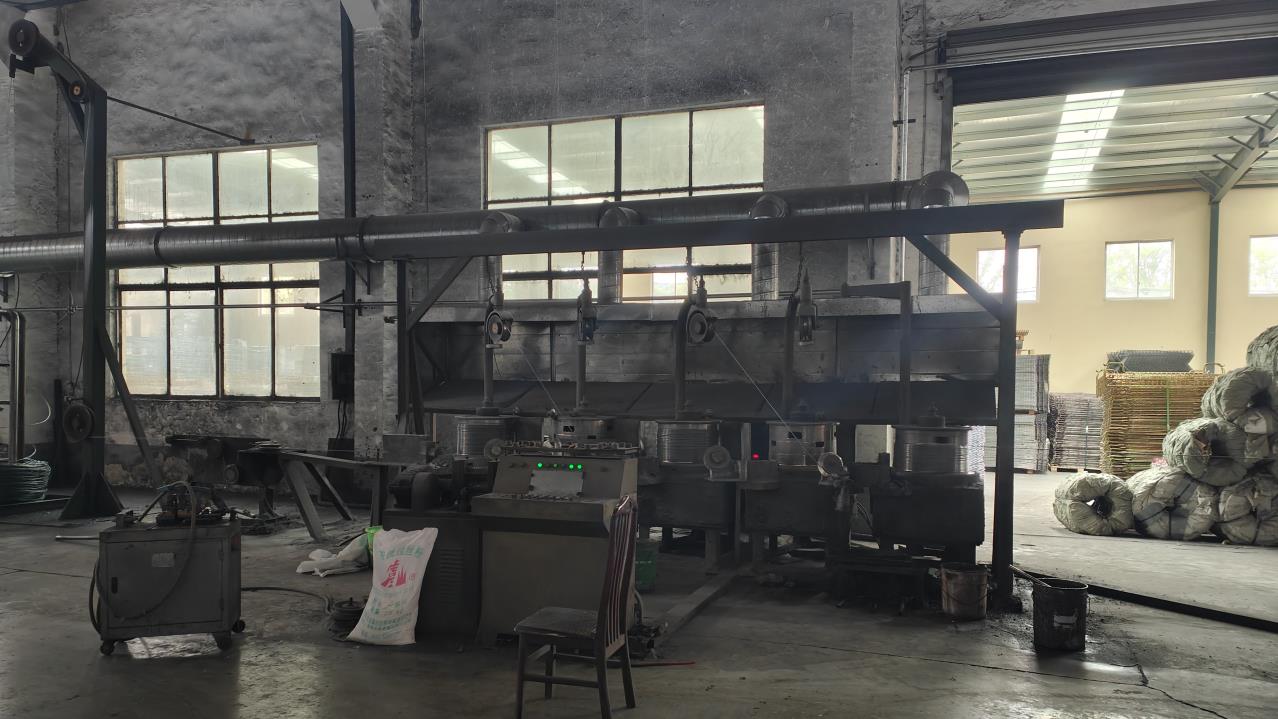
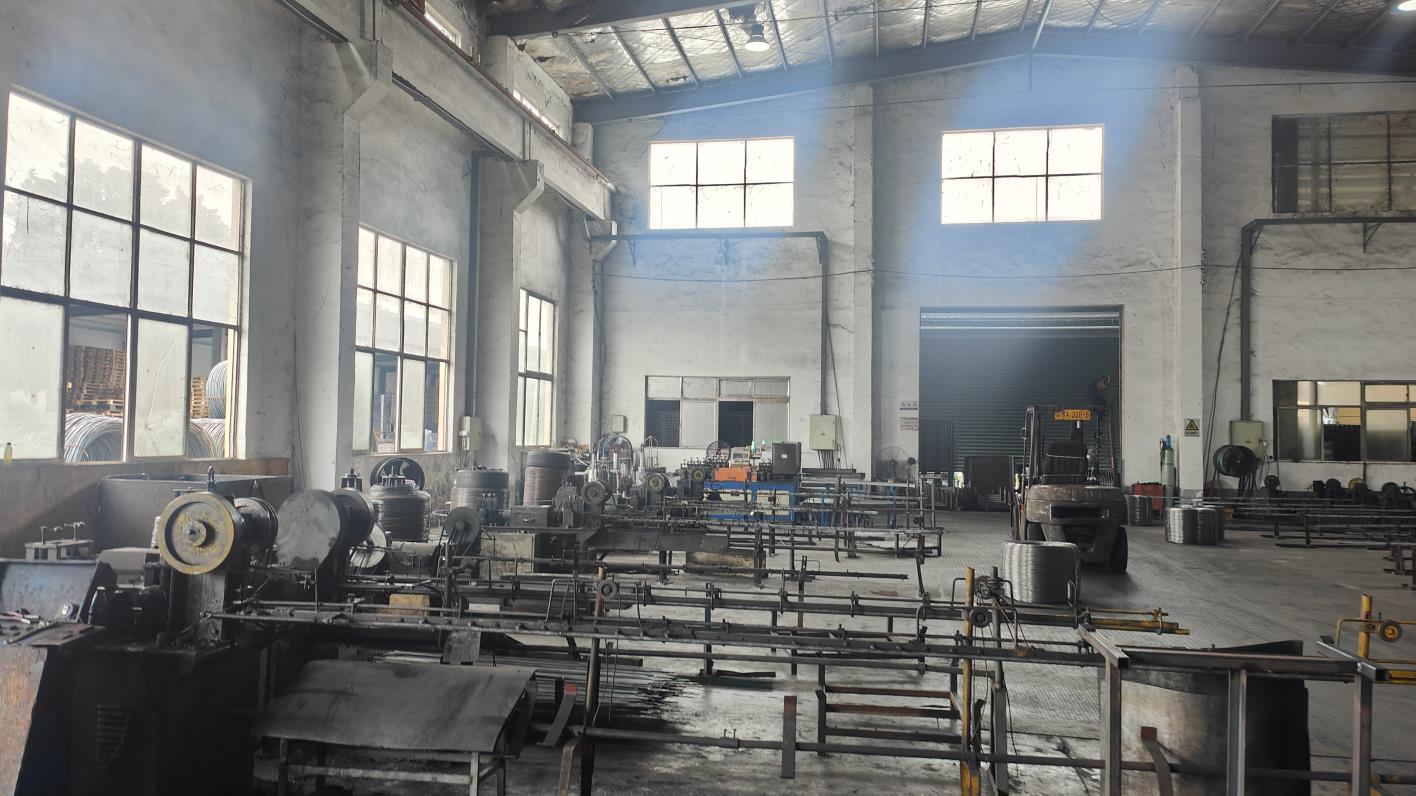
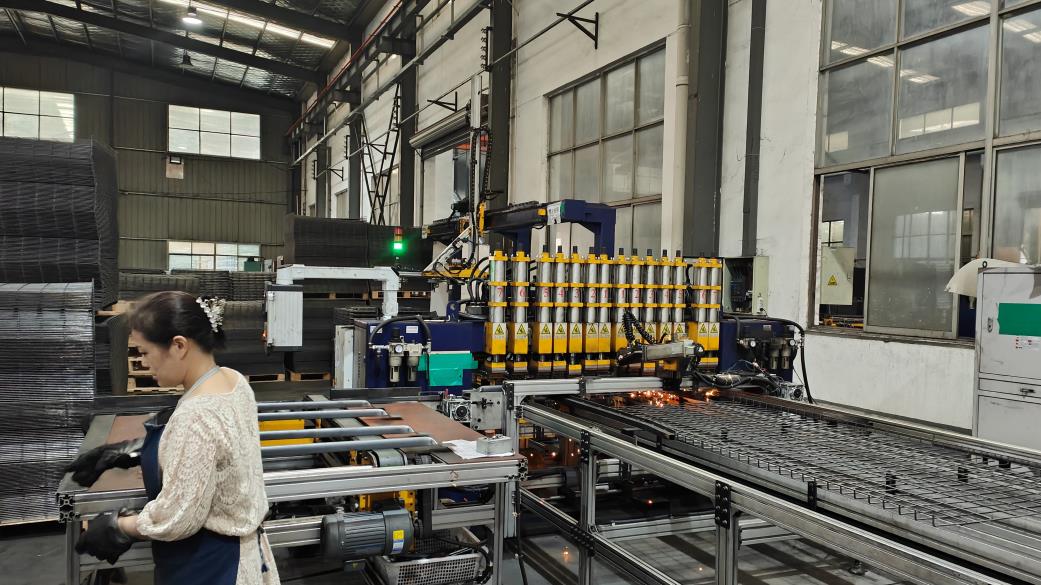
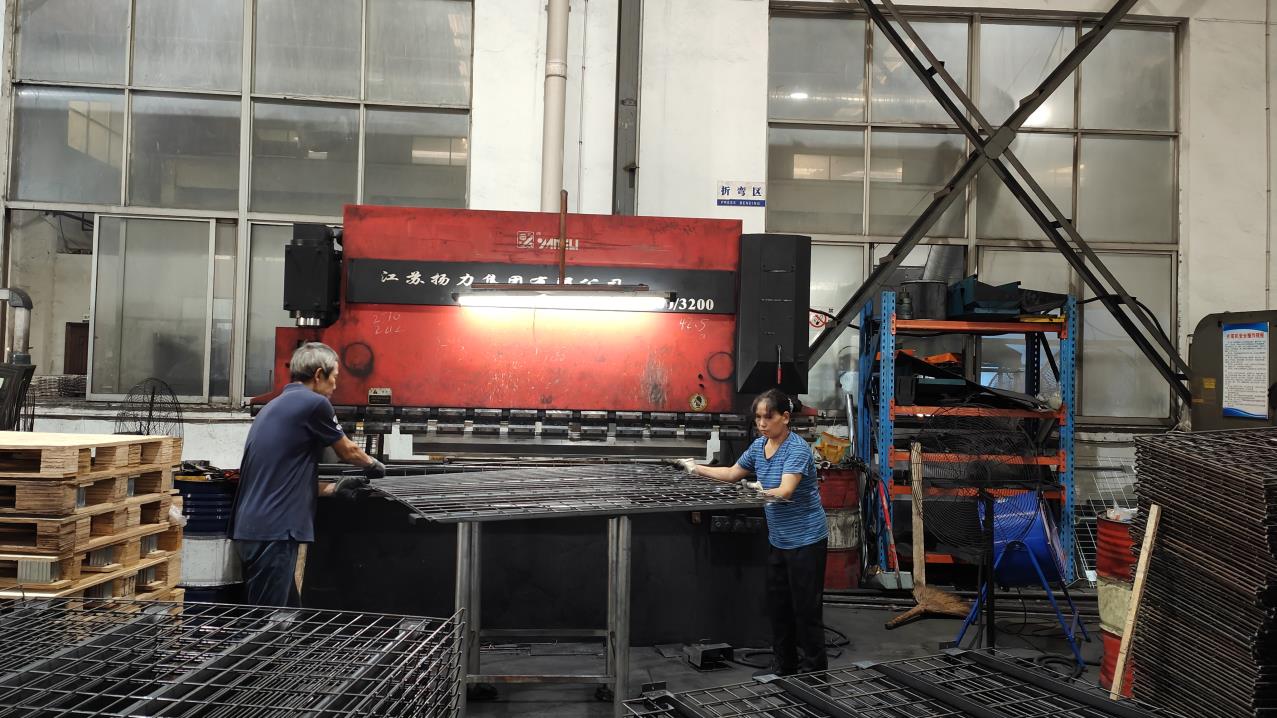
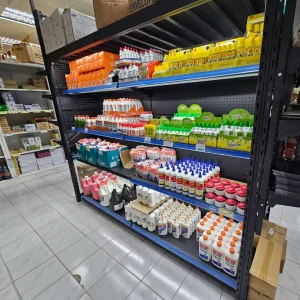
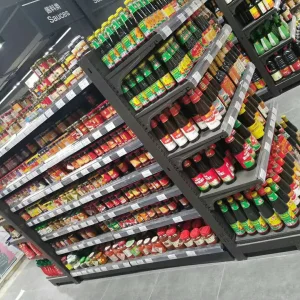
Modern retail operators must match the physical cart and shelving configuration with regional buyer demographics, localized spatial constraints, and typical transaction profiles. Below is an overview of how top-tier equipment designs optimize specific operational formats:
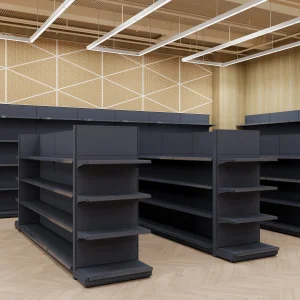
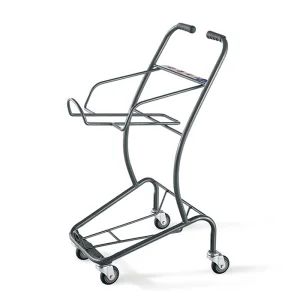
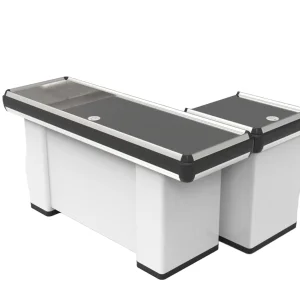
Required Equipment: High-capacity 150L-240L metal wire trolleys, steel structural double-sided gondolas, and automated registers.
Large formats require high structural durability. Trolleys must feature robust base designs and premium dual-bearing polyurethane castor wheels to handle high load capacity. Multi-level storage racking systems are required for rapid backroom inventory staging.
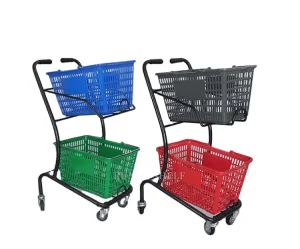
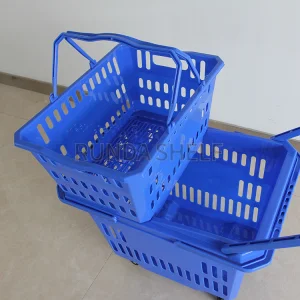
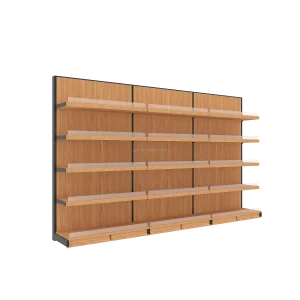
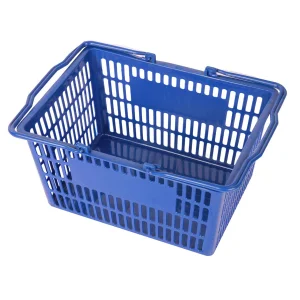
Required Equipment: Ergonomic PP hand baskets, compact folding metal trolleys, and modular wall-mount display shelves.
Urban sites require layout flexibility. Space constraints demand light-duty gondolas, narrow-aisle grocery carts with high nesting efficiency, and stackable baskets to encourage impulse shopping without causing aisle bottlenecks.
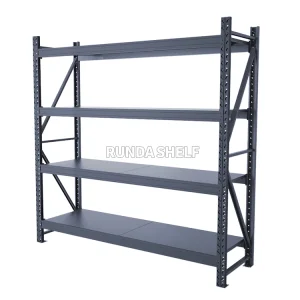
Required Equipment: Heavy-duty warehouse racking, steel mezzanine platforms, and industrial stacking containers.
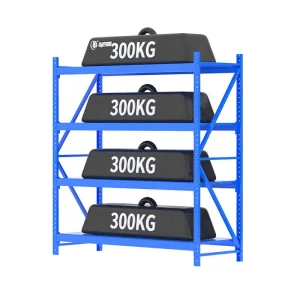
These centers require high load limits. Storage systems must utilize heavy-duty beams, powder-coated finishes, and boltless structural designs rated for up to 500kg-1000kg load distributions per tier, ensuring compatibility with forklift and pallet jack configurations.
Procuring commercial equipment at scale involves managing significant risk across raw material grades, chemical coating standards, and manufacturing precision. To protect your brand investment, apply the following performance metrics before placing large OEM orders:
Verify the weld quality of critical load-bearing joints. Industrial display systems and supermarket racks should utilize robotic MIG welding to eliminate weak spots. For carts, ensure castor brackets are reinforced with additional steel plates and locked with self-tightening nylon nuts. Furthermore, always demand proof of continuous quality testing, including drop test results, wheel wear resistance reports, and shelf load stress analysis.
 CraftRack