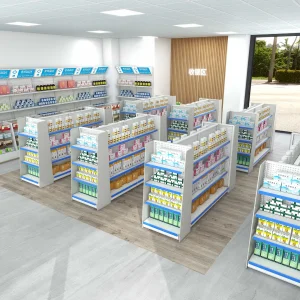
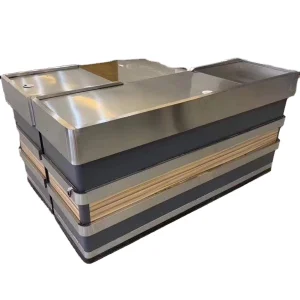
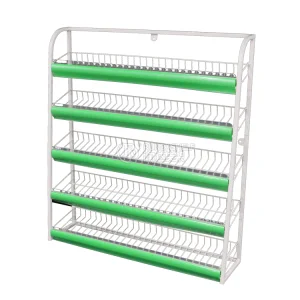
Engineered to optimize structural durability, spatial efficiency, and supply chain continuity globally.
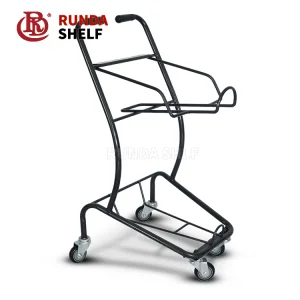
Analysis of global supply chain variables, modern micro-fulfillment demands, and engineering thresholds.
In an era characterized by localized micro-fulfillment networks, rapid e-commerce expansion, and complex commercial storage requirements, the global procurement of storage systems has shifted from generic supply options to highly specialized, structurally analyzed configurations. Modern pantry shelving and warehouse rack setups are no longer passive steel assemblies; they form the mechanical foundation of modern cold chain distribution, global food service storage, and large-scale industrial distribution hubs. As architectural footprints become increasingly expensive, optimizing density through custom OEM/ODM solutions is the primary lever for operational cost control.
A key factor driving this evolution is the integration of advanced material sciences into structural designs. High-tensile steel grades such as Q235B and Q355 have become the industry baseline, enabling shelving systems to withstand significant seismic stresses and load variations without compromising material integrity. In commercial pantry and sanitary food warehousing applications, wire shelving configurations are selected for their natural airflow advantages, reduction of dust settlement, and unimpeded water penetration for fire safety systems (NFPA compliance).
"Optimal spatial efficiency requires a systematic alignment of material selection, load vector engineering, and surface treatments. Suzhou CraftRack continues to redefine global standards by addressing localized wind load and seismic rating needs."
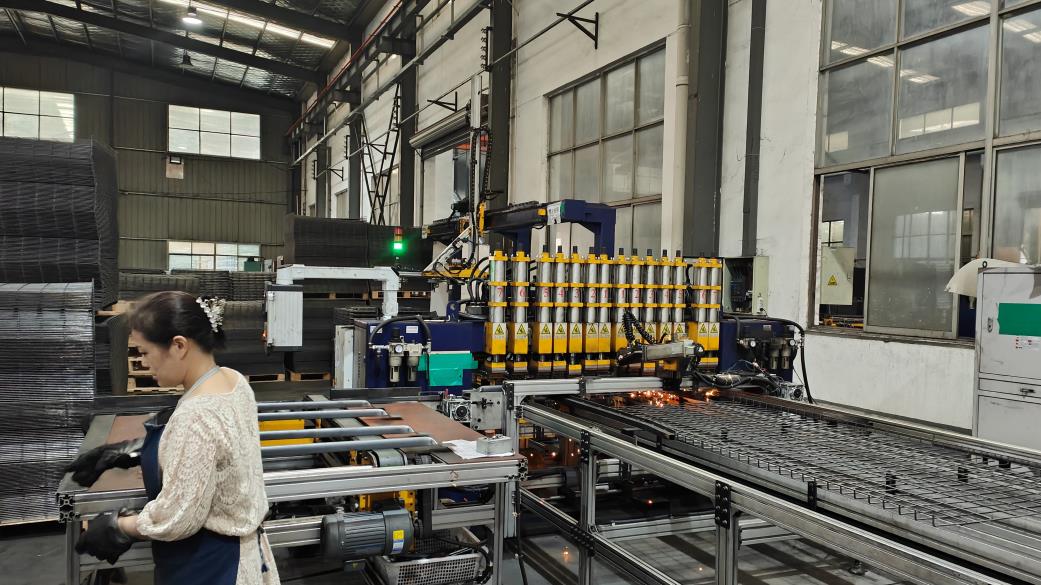
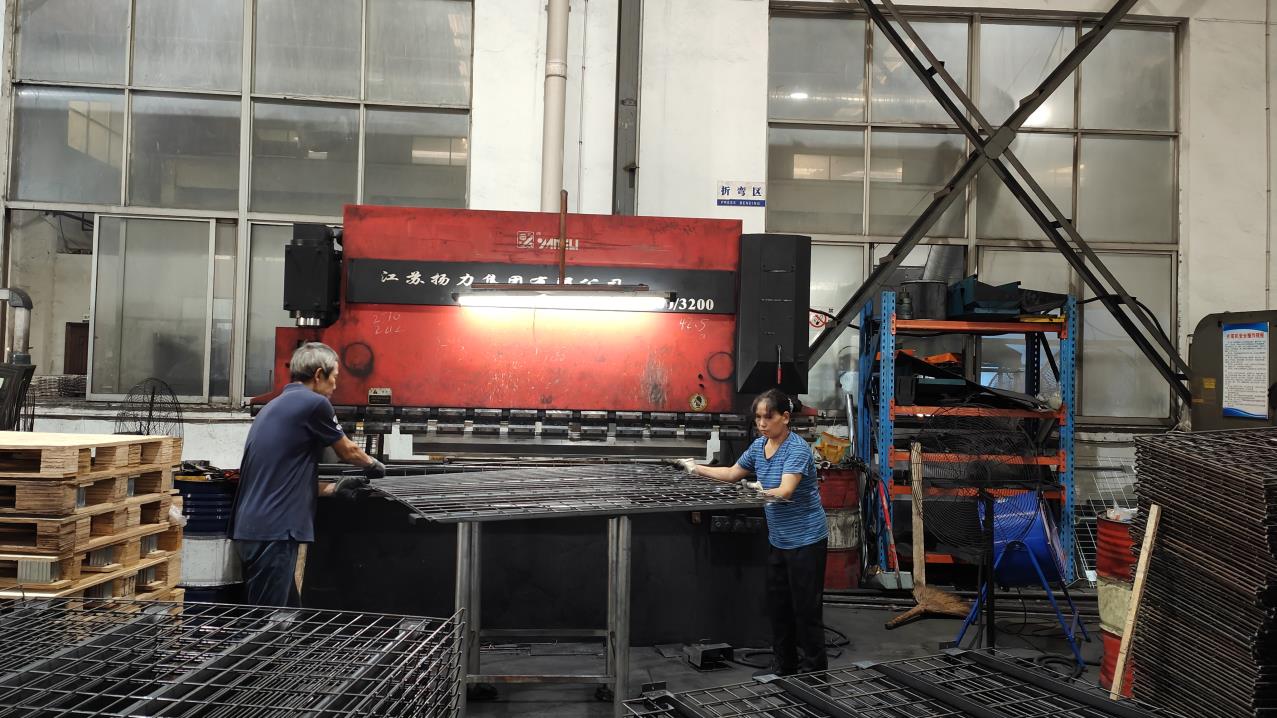
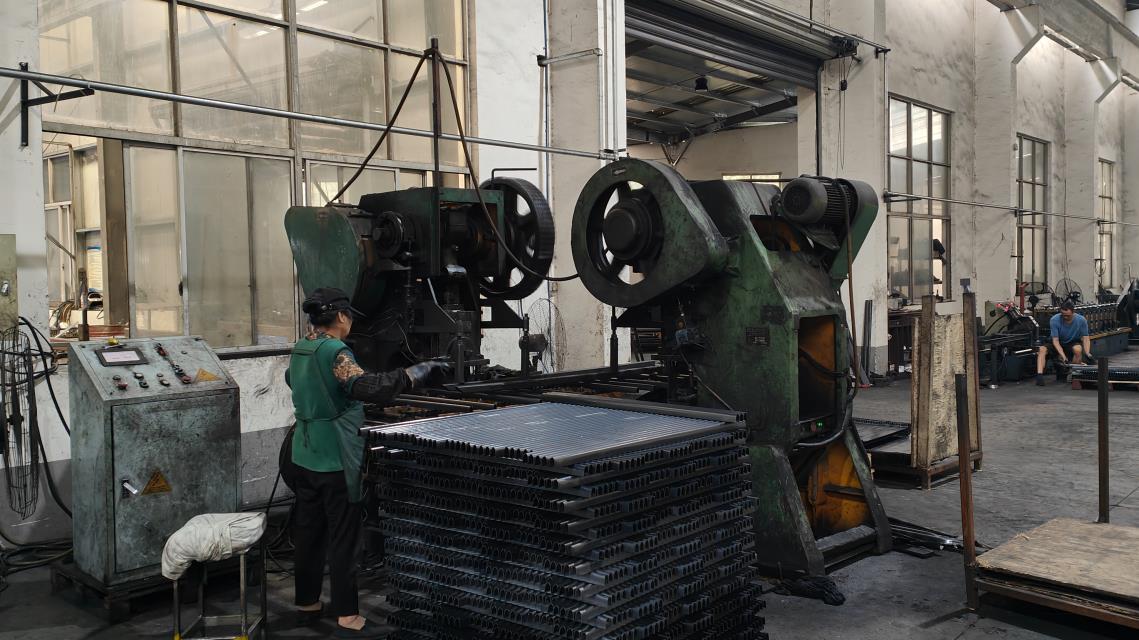
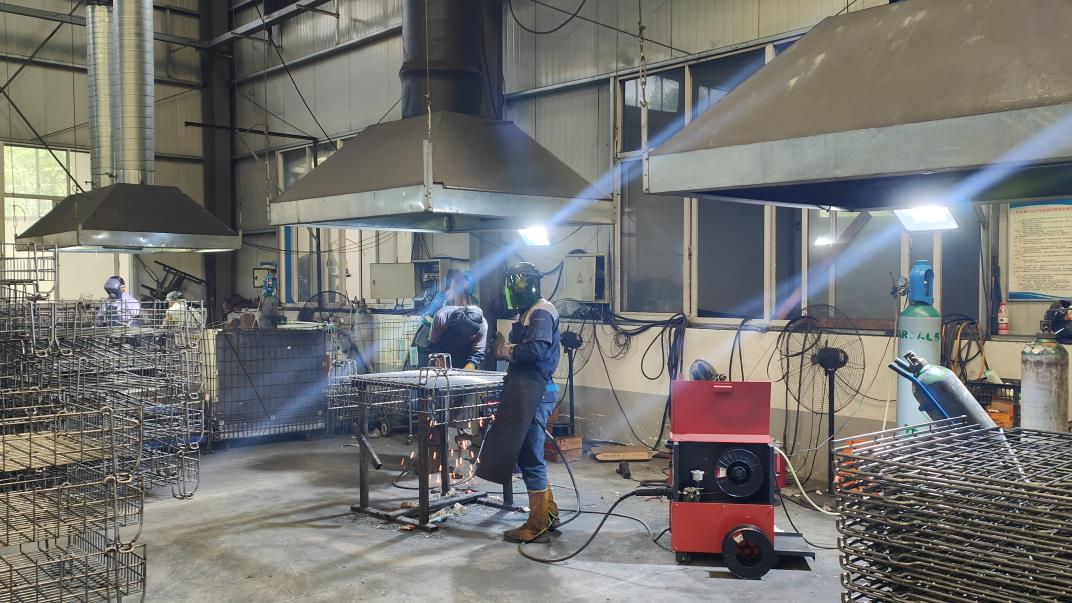
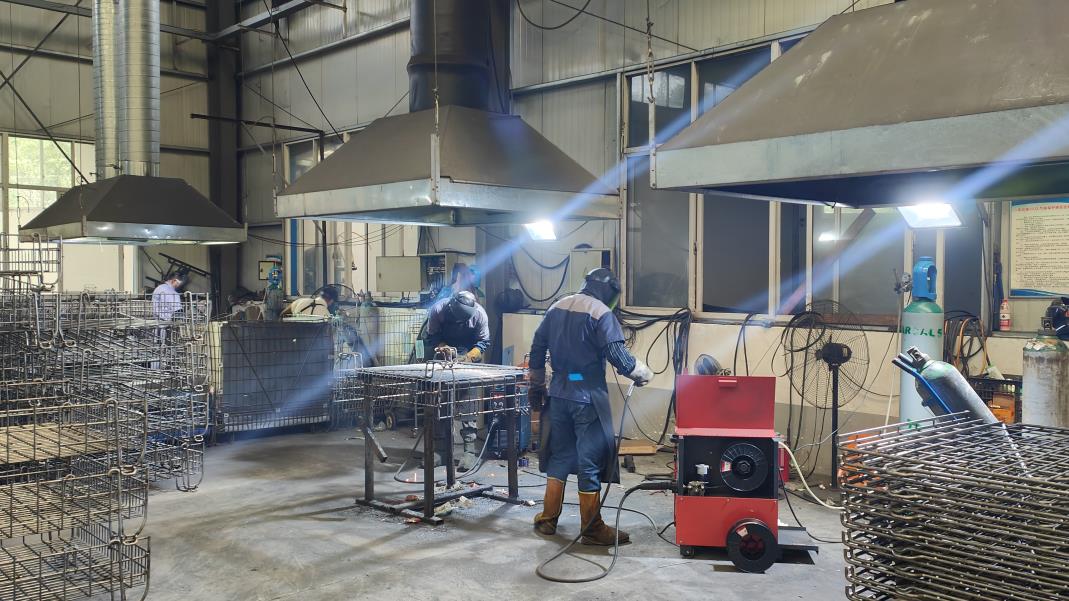
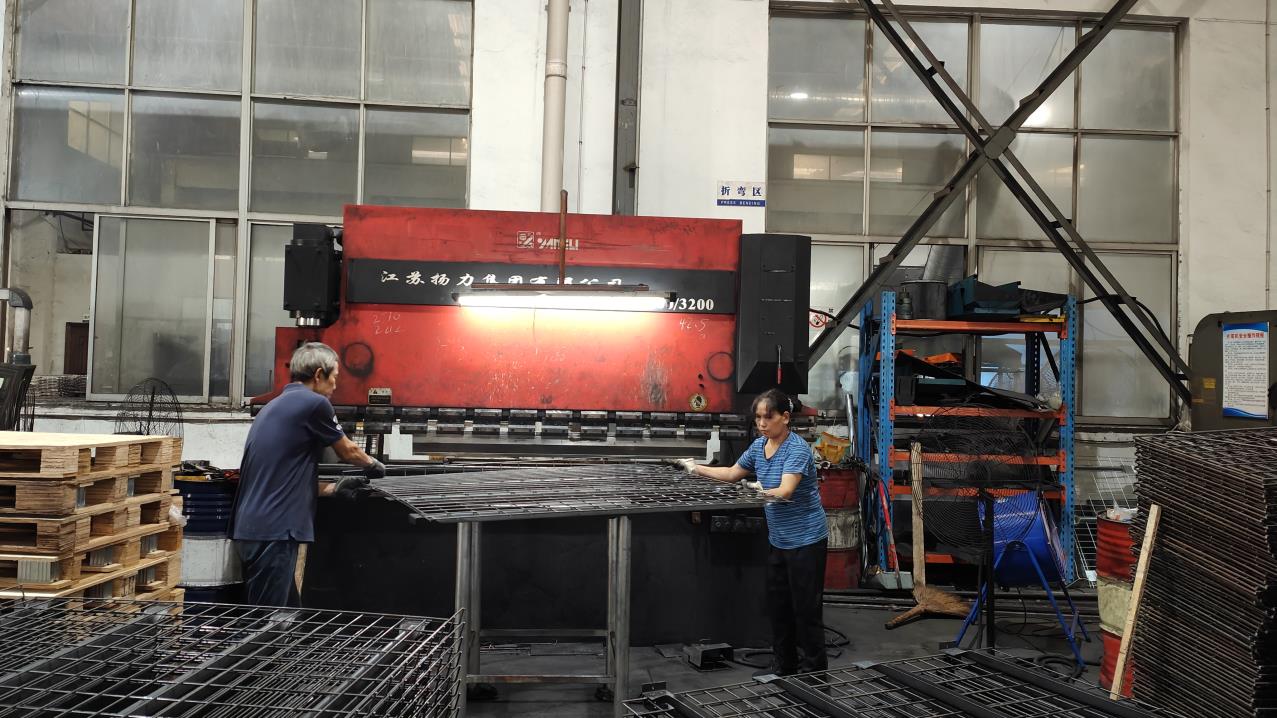
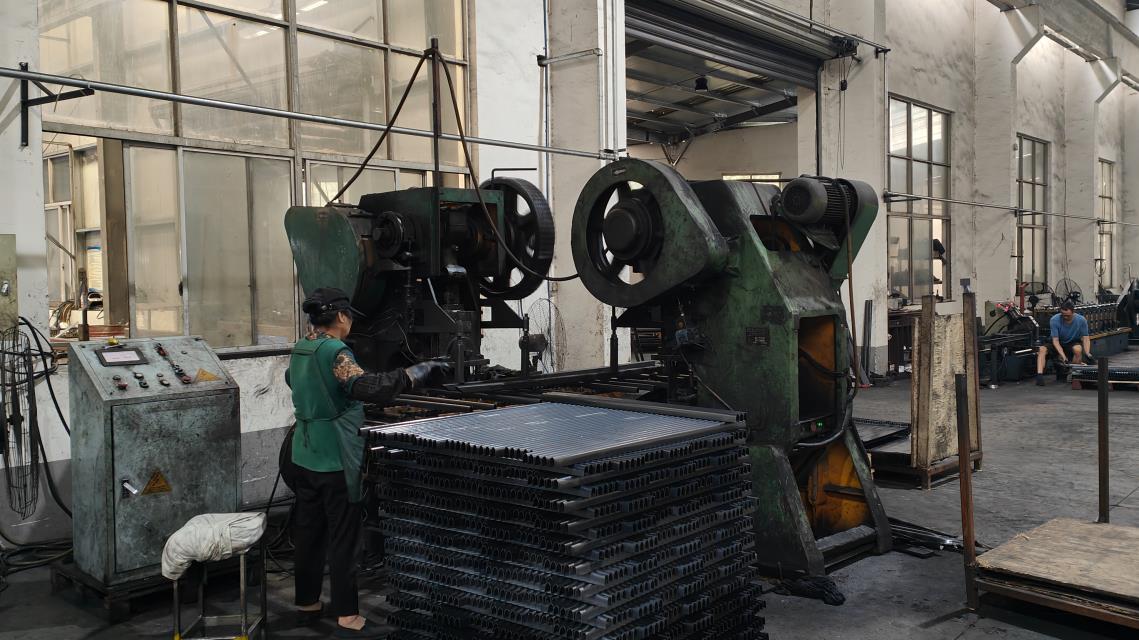
Additionally, the growth of automated storage and retrieval systems (ASRS) has necessitated tighter mechanical tolerances in metal fabrication. While traditional manual shelving tolerated slight alignment offsets, automated picking systems demand structural variances below 1.5mm. This shift requires factories to transition to computerized CNC punch presses, robotic multi-point welding matrices, and precision cold-rolled profile lines.
Empowering the world's most resilient logistics and commercial hubs since 2014.
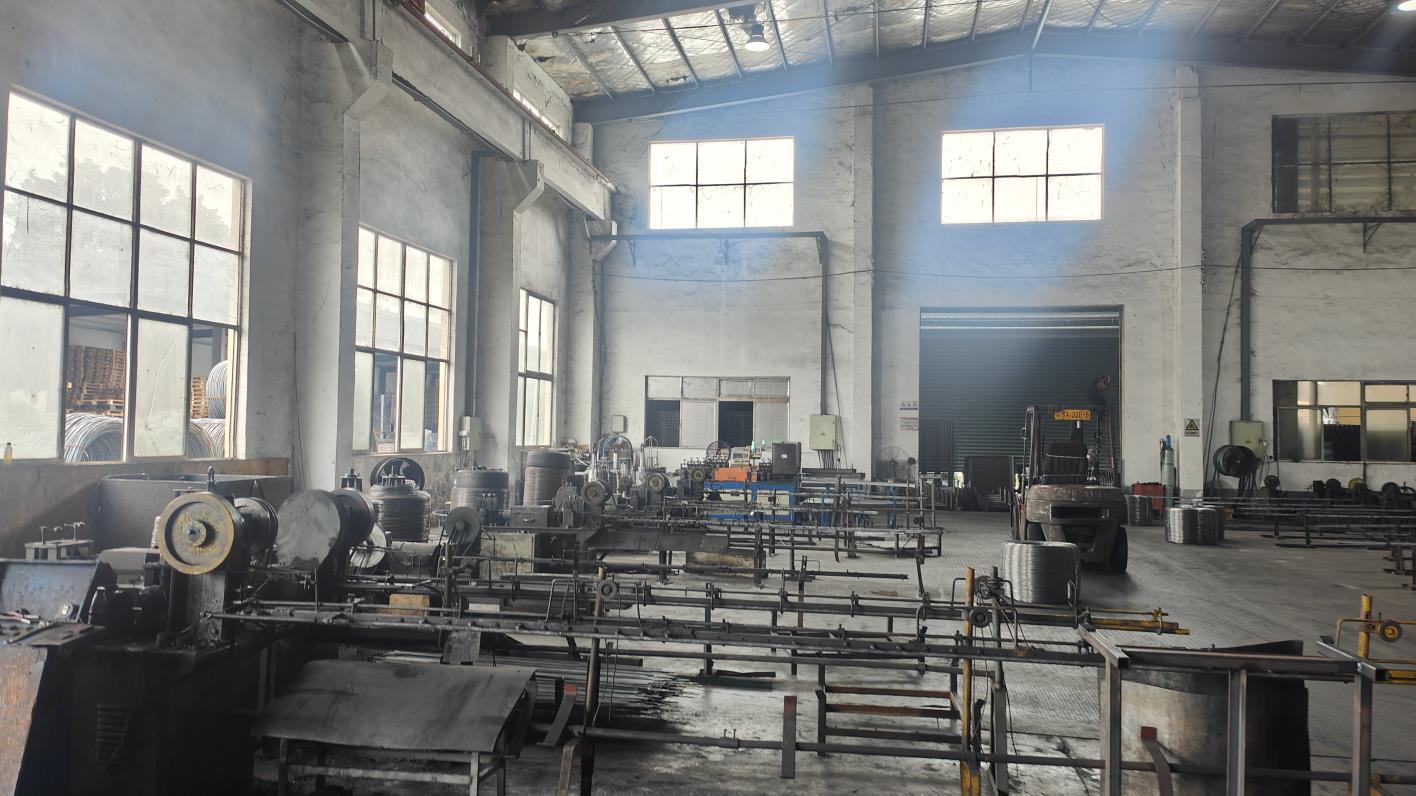
Established in 2014, Suzhou CraftRack Heavy Duty Storage Equipment Co., Ltd. operates at the intersection of structural engineering and steel fabrication. Backed by 8 years of annual export experience, the company delivers heavy-duty shelving, industrial rack systems, and commercial retail displays to high-demand environments globally. Operating with a comprehensive OEM & ODM direct-manufacturing trade background, CraftRack primarily serves North America, Western Europe, and Southeast Asia.
Quality assurance is central to the manufacturing workflow. The production facility utilizes rigorous Non-Destructive Testing (NDT) and Ultrasonic Weld Inspection protocols, overseen by a dedicated team of 45 QC specialists. R&D capabilities focus on Automated Storage and Retrieval Systems (ASRS) & Finite Element Structural Analysis, allowing clients to specify seismic ratings, custom load profiles, and specialized powder-coated finishes. Last year alone, the R&D team of 32 engineers completed 45 new product launches.
Why geographic industrial concentration, supply chain density, and technical expertise matter for global buyers.
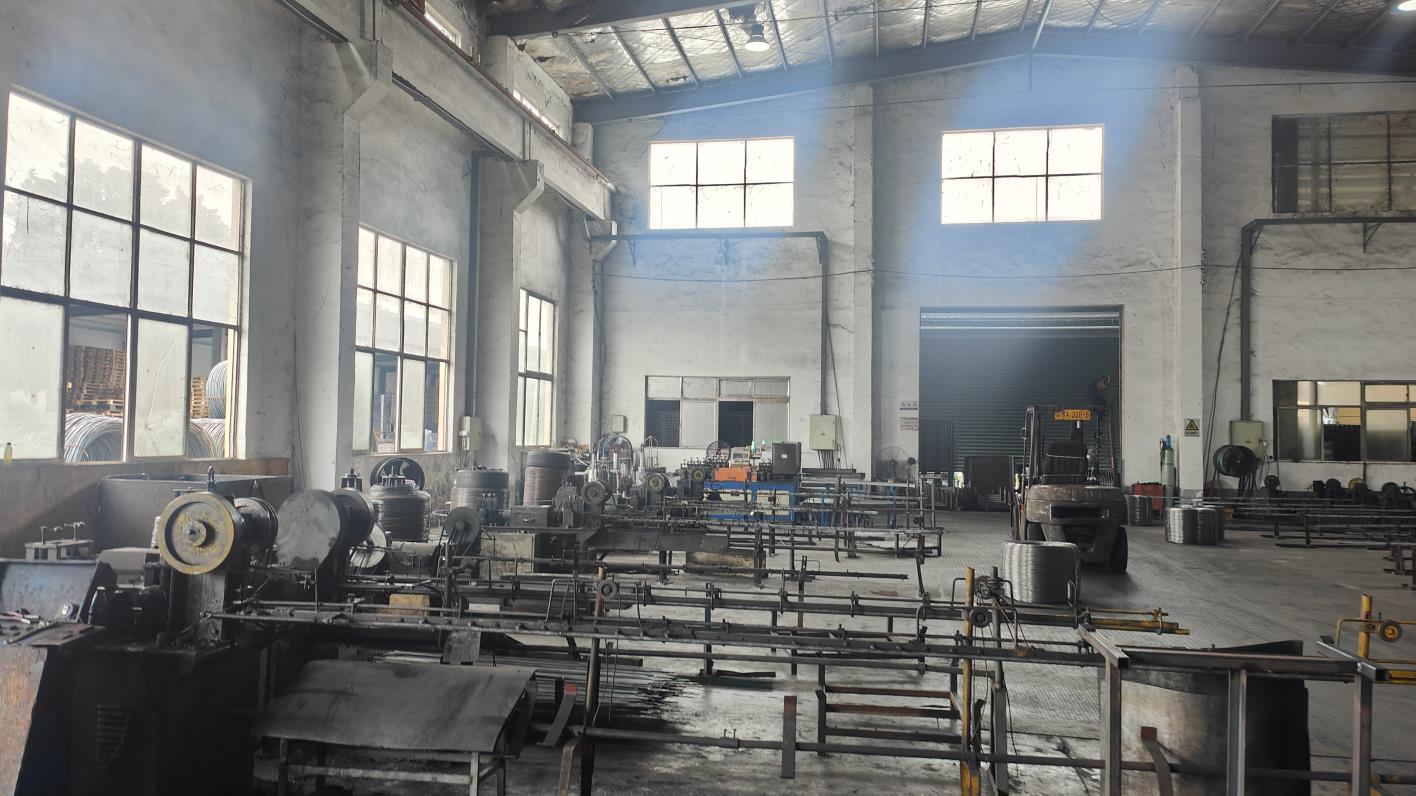
The global dominance of Chinese shelving exporters, particularly in the Suzhou industrial corridor, is driven by structural clustering. Unlike isolated production facilities, manufacturers in the Yangtze River Delta benefit from proximity to steel mills, surface treatment providers, and specialized shipping terminals. This proximity minimizes raw material transport costs and insulates buyers from sudden supply chain disruptions.
Suzhou CraftRack leverages this industrial ecosystem to control every stage of production:
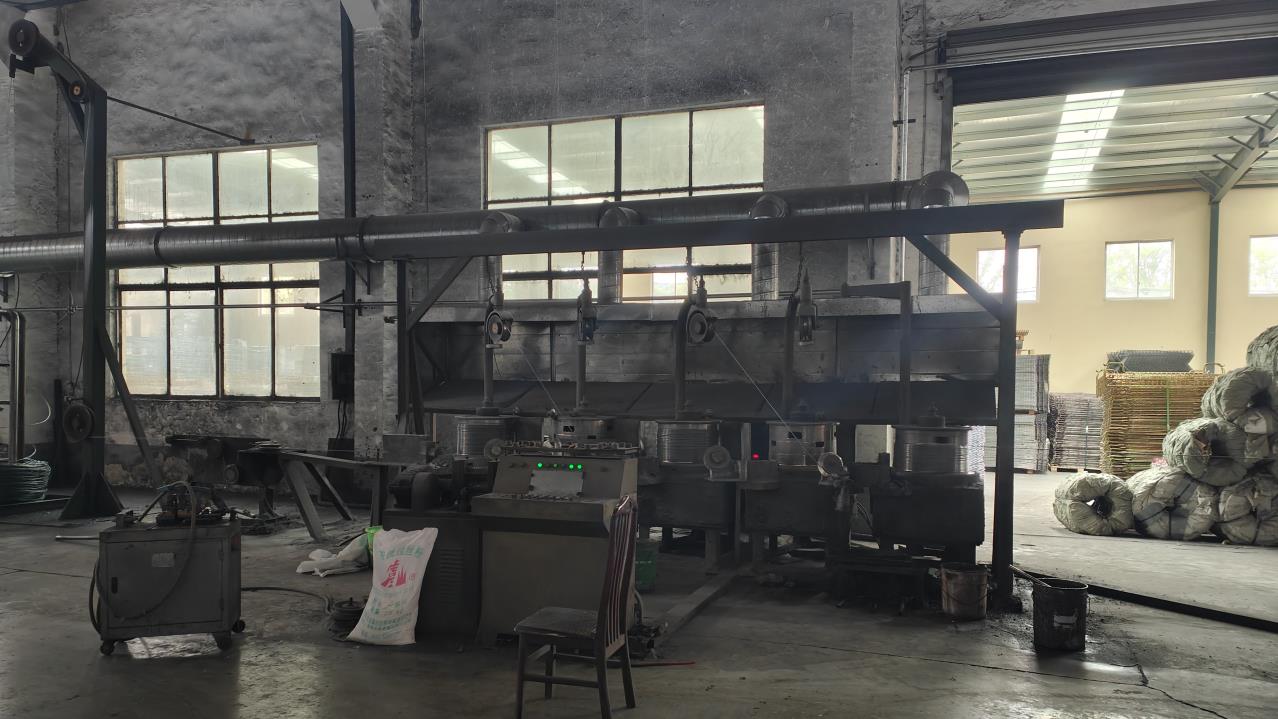
Reliable heavy-duty storage relies on consistent steel metallurgy. By sourcing hot-rolled and cold-rolled steel coils from reputable regional mills, CraftRack ensures that chemical parameters—such as carbon, manganese, and silicon content—comply with ASTM and EN structural standards. This level of quality control prevents brittle fractures in cold-storage and seismic applications.
For pantry and commercial kitchen settings, surface durability is critical. Inadequate coating leads to oxidation under high humidity, creating sanitary risks. CraftRack employs multi-stage chemical pre-treatments (including zinc-phosphate conversion coatings) followed by electrostatic powder deposition. This process produces non-porous, scratch-resistant finishes that withstand aggressive sanitizers and washdowns.
Using engineering simulation to guarantee physical performance under maximum load limits.
Before production begins on custom OEM/ODM projects, Suzhou CraftRack engineers conduct Finite Element Analysis (FEA). This process simulates mechanical stress, deflection limits, and safety factor distributions under varying load conditions.
FEA Engineering Insight: Design calculations must evaluate physical performance under both static loads (prolonged storage) and dynamic loads (forklift loading, automated retrieval). Deflection must not exceed L/240 (Span divided by 240) to prevent long-term deformation.
For heavy-duty warehouse applications where beams carry over 1,000 kg, safety margins are verified through physical load destruction testing. In-house testing rigs apply vertical forces up to three times the rated capacity to determine ultimate failure limits. This empirical data ensures that systems deployed in third-party logistics (3PL) hubs and automated warehouses perform reliably under continuous operation.
Custom-engineered configurations tailored to specific operational environments and regional standards.
High-humidity, low-temperature environments require open-wire shelving to prevent ice accumulation and ensure uniform air circulation. Anti-corrosive epoxy and zinc-plated coatings are utilized to prevent oxidation.
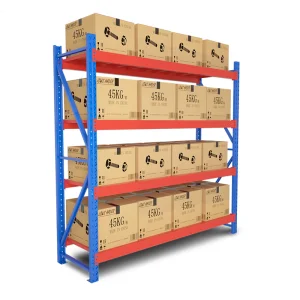
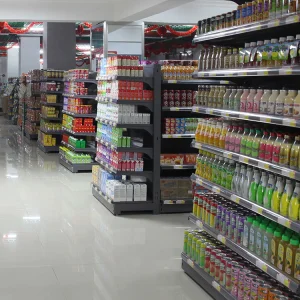
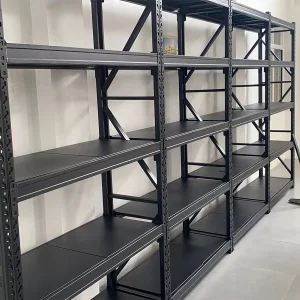
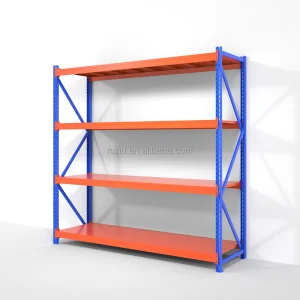
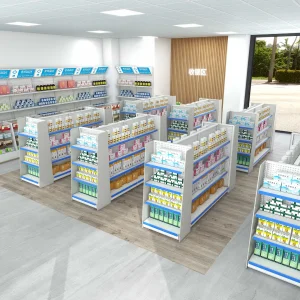
Integrating gravity-fed carton flow racks and light-duty multi-tier systems allows operations to maximize pick rates and optimize vertical space utilization.
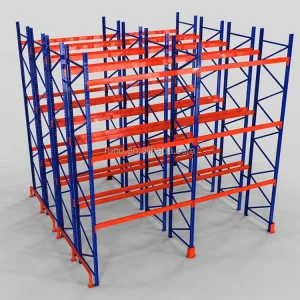
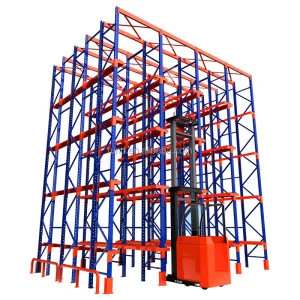
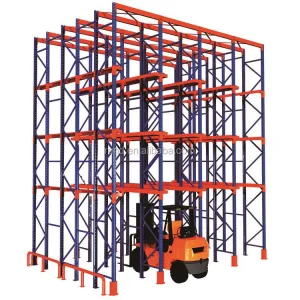
Heavy-duty, rigid steel structures designed for heavy pallets. Featuring seismic-certified upright profiles, safety locking pins, and protective barriers to resist forklift impacts.
Answers to key engineering, compliance, and logistical considerations for global procurement managers.
We use specialized Finite Element Analysis (FEA) software to model seismic ground accelerations specific to your project site. Based on these models, we customize the upright column profiles, increase baseplate dimensions, utilize high-tensile anchor bolts, and add diagonal structural bracing to ensure compliance with IBC (International Building Code) and RMI (Rack Manufacturers Institute) guidelines.
For customized OEM/ODM projects, the standard production timeline ranges from 25 to 35 days from the final approval of CAD drawings. The process begins with drawing confirmation, followed by prototyping, sample stress-testing, automated roll-forming, robotic welding, electrostatic powder coating, and final packaging. Shipping transit times depend on the destination port.
Our quality control department consists of 45 specialists. We conduct raw material chemical testing, ultrasonic weld inspection, paint coating thickness checks (magnetic method), and load-to-destruction verification. Buyers are welcome to appoint third-party inspection firms (such as SGS, BV, or TÜV) to audit the manufacturing process prior to shipment dispatch.
For cold-chain storage and high-moisture commercial pantries, we recommend hot-dip galvanized steel or specialized anti-microbial epoxy-powder coatings over a zinc-phosphate base. These surface treatments prevent moisture penetration and resist corrosion, ensuring long-term structural integrity and compliance with food safety standards.
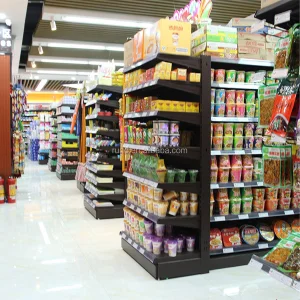
High-capacity solutions designed for distribution hubs, supermarkets, and industrial facilities.
 CraftRack