Engineered structural equipment manufactured to strict international quality standards for demanding commercial and retail environments.
Understanding the micro and macro-economic factors driving demand in high-capacity warehousing, curing, and structural retail systems.
In the contemporary global logistics chain, the term "Drying Racks" extends far beyond residential laundry fixtures. Modern industry defines high-capacity drying, display, and storage racks as highly specialized, structural load-bearing assets critical for material processing, high-density storage, retail presentation, and product curing. The market is witnessing unprecedented capital expenditure allocation toward modern fulfillment frameworks, driven by the expansion of cross-border e-commerce, automated warehouse networks, and fast-moving pharmaceutical supply chains.
Across key manufacturing hubs, from high-capacity industrial sectors in Southeast Asia to specialized facilities in North America and Western Europe, the requirements for commercial steel storage systems are rigid. System failure in these settings is not merely a localized issue—it presents systemic operational risks, potential supply chain blockages, and substantial physical hazard liabilities. As globally recognized OEM/ODM drying racks exporters, high-tier fabricators must deploy advanced materials science, precise load-distribution math, and strict rust preventative finishes to ensure structural integrity across diverse regional thermal zones.
Furthermore, semantic evolution in industrial procurement shows that purchasing managers no longer search for generic "shelving." Instead, they seek precise configurations like Q235B cold-rolled steel structures, seismic-rated configurations, and systems designed to interface with Automated Storage and Retrieval Systems (ASRS). This transition toward customized, highly integrated spatial layouts has placed a distinct emphasis on professional engineering methodologies, where finite element analysis (FEA) and non-destructive testing (NDT) act as core baselines for manufacturing approvals.
Racking systems designed to align perfectly with worldwide ISO shipping standards, intermodal logistics networks, and automated sorting centers.
Adaptable layout options engineered via CAD/3D modeling to address challenging spatial, temperature, and weight distribution configurations.
Manufactured using audited NDT (Non-Destructive Testing) standards under ISO9001 quality controls with full material trace certifications.
A deep look at our manufacturing footprint, technological infrastructure, and compliance framework.
Established in 2014, Suzhou CraftRack Heavy Duty Storage Equipment Co., Ltd. has grown to become an international force in the manufacturing of heavy-duty, medium-duty, and specialized retail display structures. Over the last decade, our facility has expanded to cover a sprawling building area of 38,000 m², powered by an annual export revenue of $28,000,000. Our global operational footprint is built upon 8 years of dedicated export operations and 14 years of deep mechanical design and metallurgical expertise.
We pride ourselves on offering comprehensive OEM & ODM capabilities that address the precise requirements of major logistics networks. Quality is not a secondary metric at CraftRack—it forms the core of our business model. We implement strict Non-Destructive Testing (NDT) and Ultrasonic Weld Inspection techniques, utilizing modern product inspection equipment. This rigorous process is monitored by our internal quality control department consisting of 45 QC specialists, ensuring that every batch meets ASTM and European CE structural safety protocols.
Our focus centers heavily on Automated Storage and Retrieval Systems (ASRS) & Finite Element Structural Analysis. In an era where building space is expensive, structural safety cannot be compromised. The design team at CraftRack utilizes advanced software to calculate exact weight load profiles, wind tolerances, and seismic resistance ratings. With a dedicated team of 32 R&D engineers, we successfully launched 45 new product variations last year, serving 3PL hubs, cold-chain warehouses, and large-scale retail entities across North America, Western Europe, and Southeast Asia.
A step-by-step display of our industrial steel fabrication, roll-forming, and welding workflow.
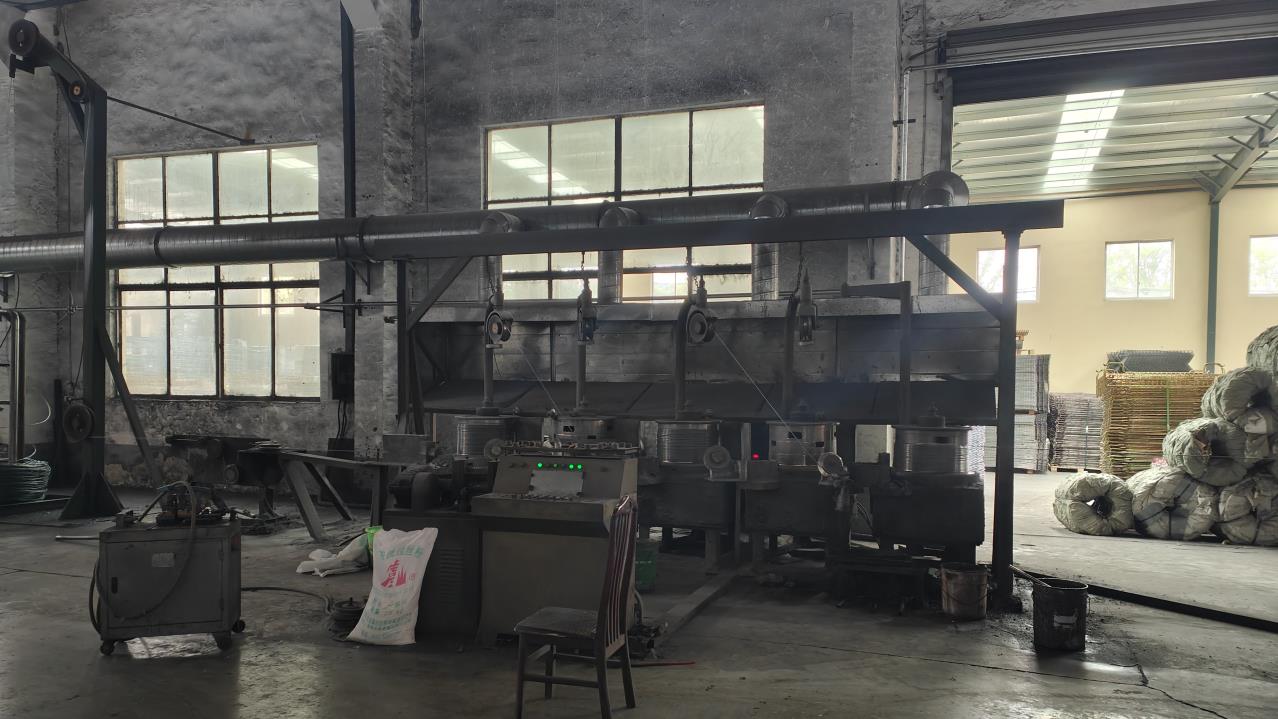
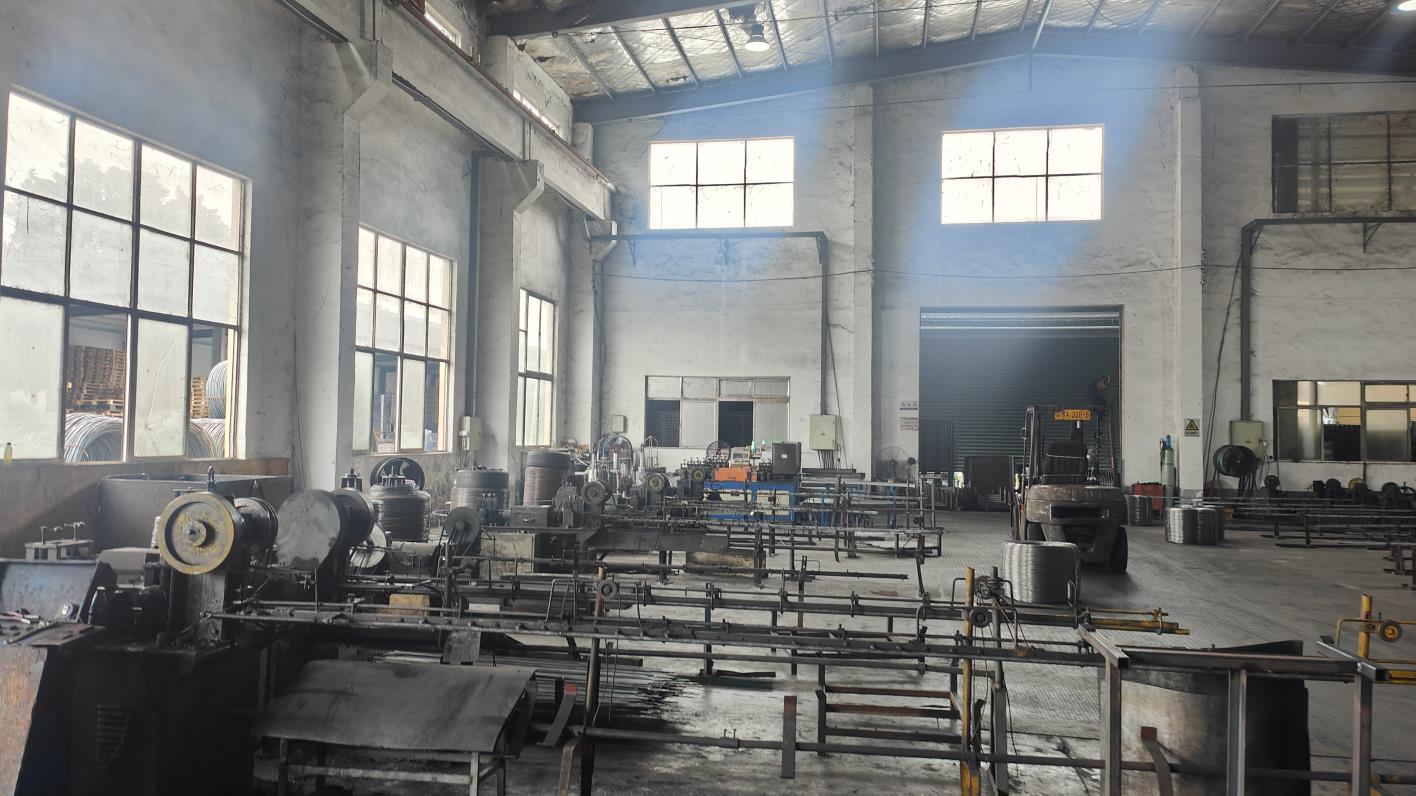
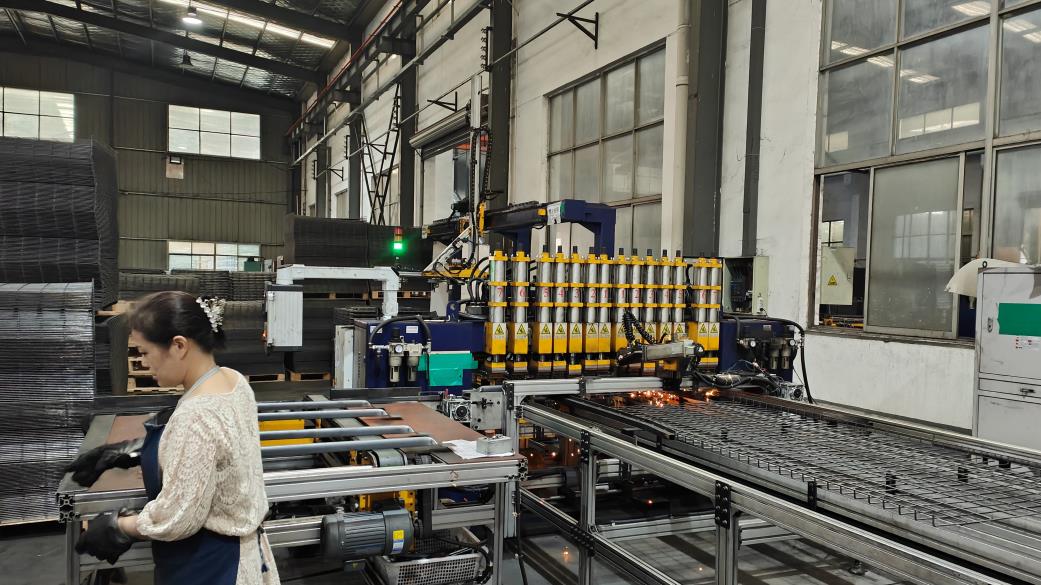
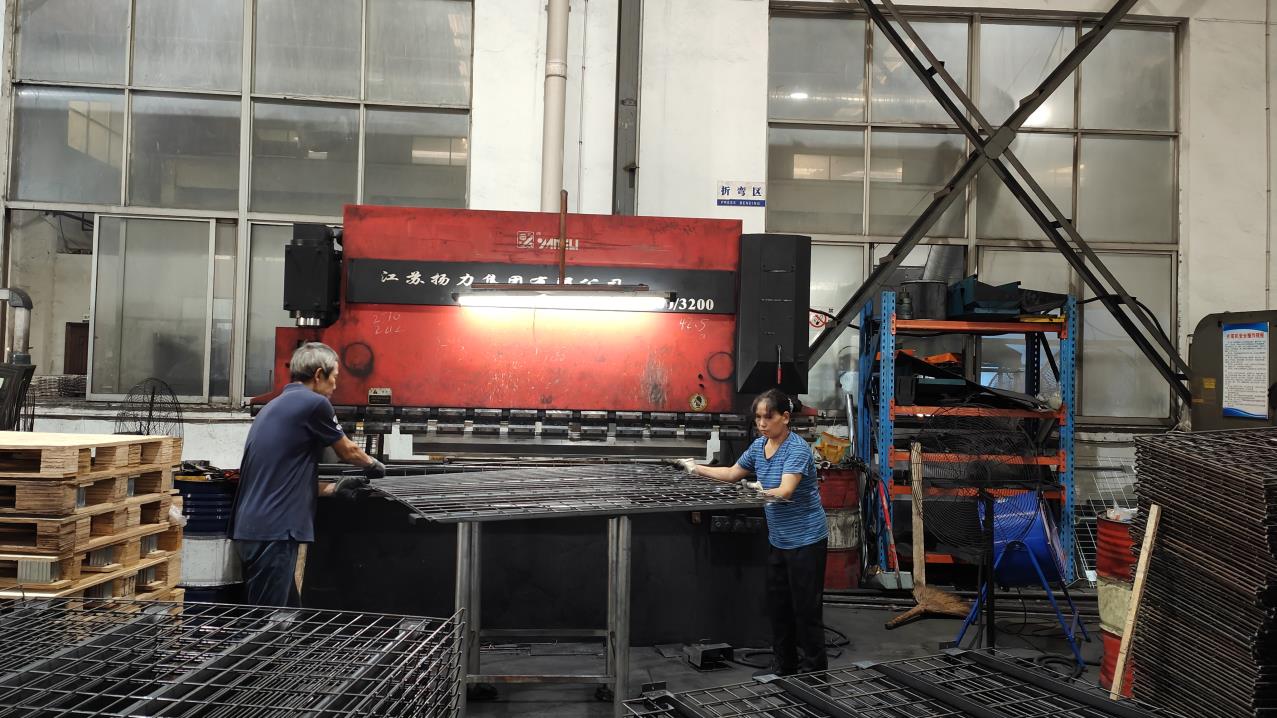
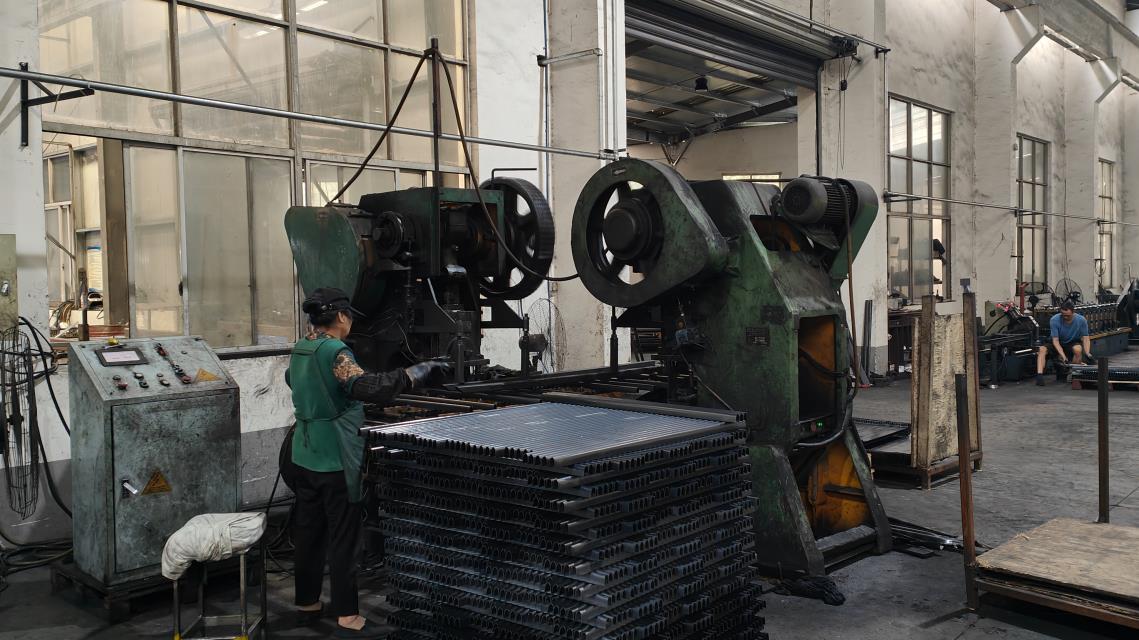
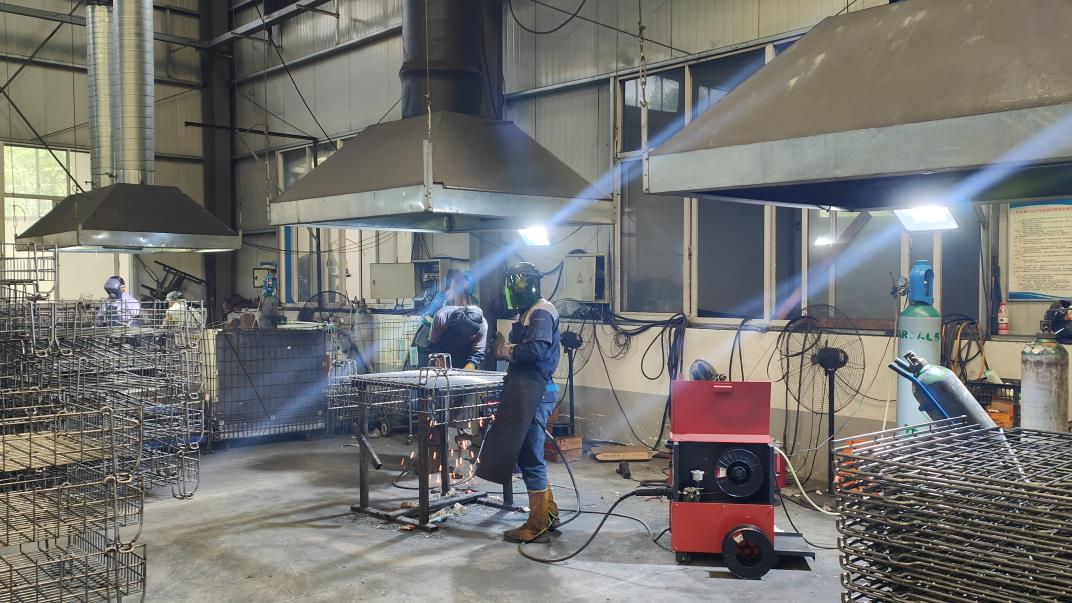
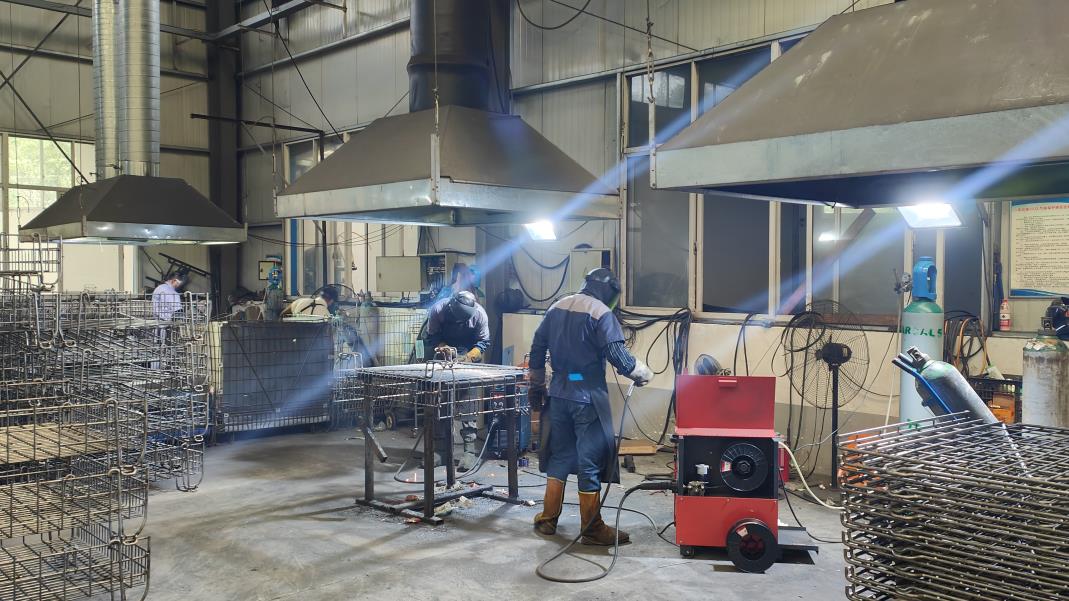
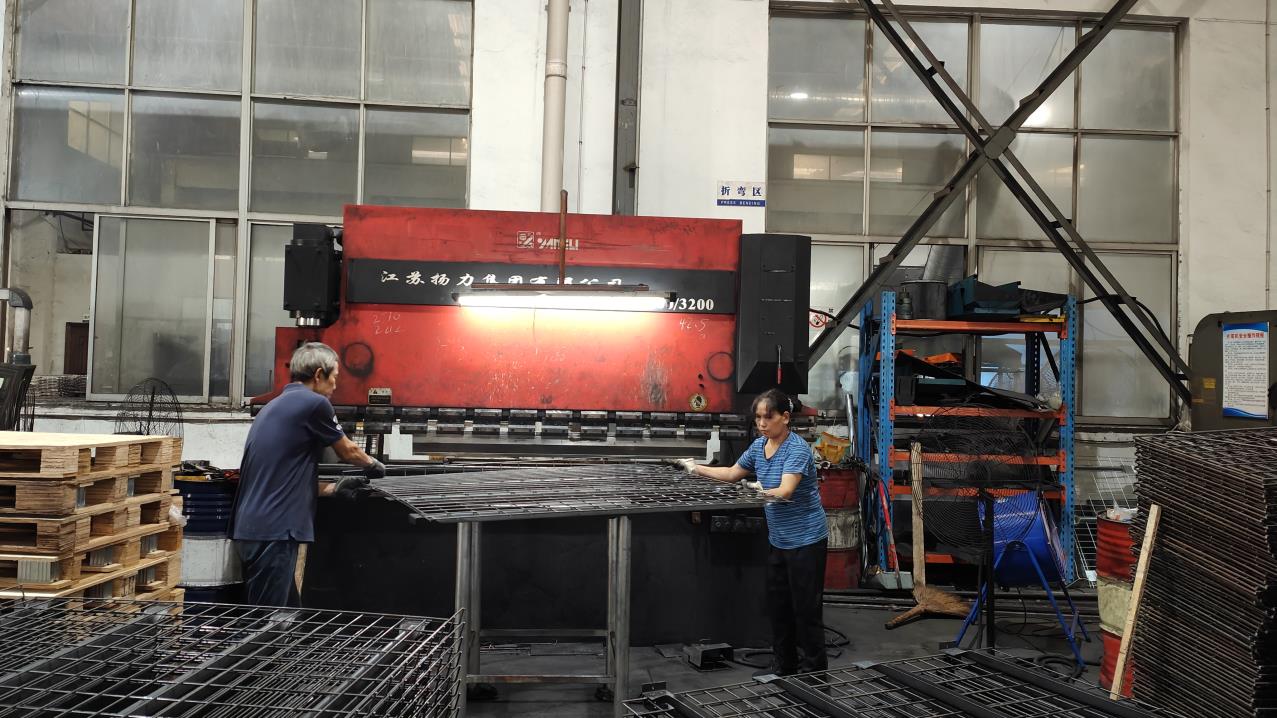
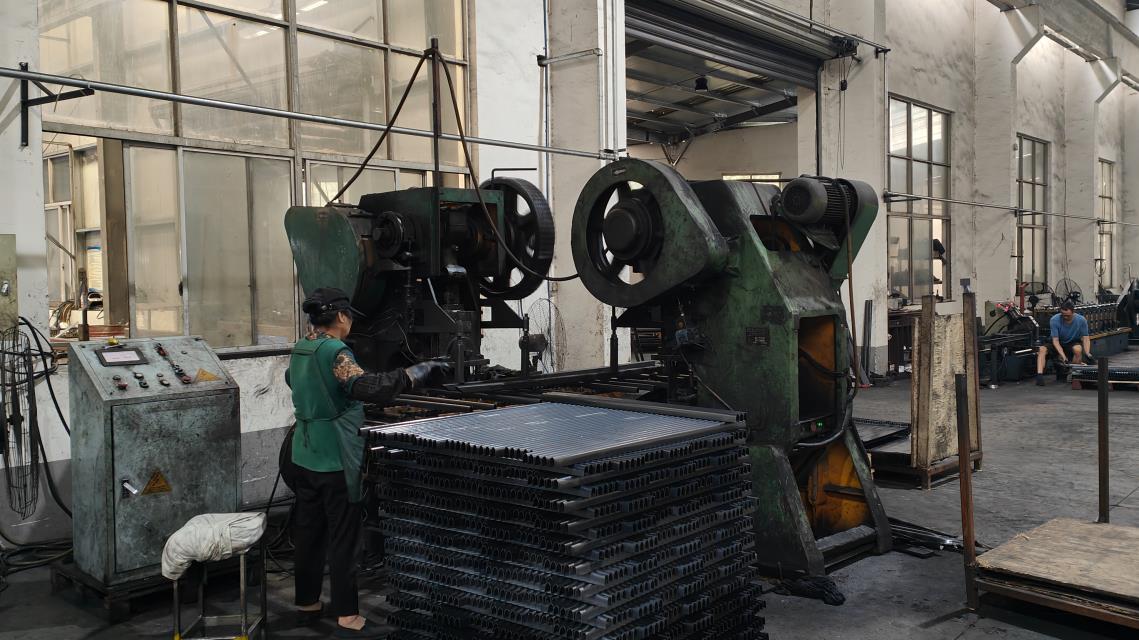
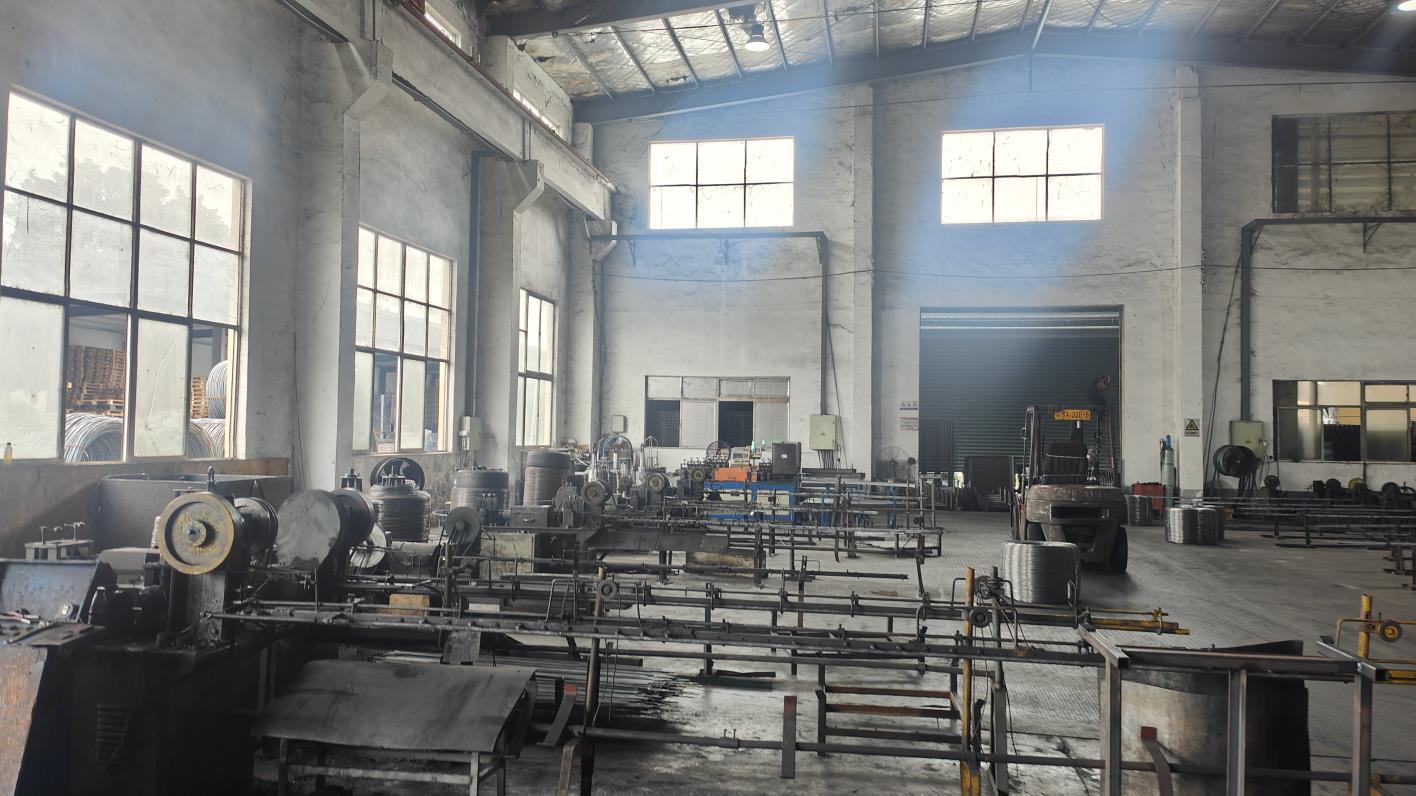
Pioneering advancements in structural materials, eco-friendly surface chemistry, and automated racking designs.
The industrial storage and commercial display sectors are moving toward high-efficiency materials. Traditional structural designs are yielding to high-strength, thin-walled profiles. By utilizing advanced grades like S355MC or Q355 structural steel, we can reduce overall steel volume requirements by 12% to 18% without compromising total structural load limits. This development decreases static dead load limits while improving structural resilience under dynamic force loads.
In parallel, the surface treatment industry is shifting toward more sustainable processes. Heavy-duty display and drying racks operate in challenging settings, including coastal shipping ports and high-humidity curing facilities. The transition toward dry, volatile organic compound (VOC)-free powder coatings has allowed manufacturers to deliver superior corrosion resistance. Today, standard salt spray testing criteria for high-end systems regularly exceed 500 hours, ensuring long service lives in harsh commercial environments.
From a spatial design perspective, the rise of e-commerce has required warehouses to maximize height utilization. Standard 6-meter racking setups are giving way to tall configurations reaching 15 to 25 meters, which are operated by automated wire-guided systems or robotic retrieval machinery. As these automated warehouses become common, manufacturing tolerances must tighten. Frame upright alignment variations must be kept within ±1mm per meter of height, highlighting the need for advanced cold-rolling processes and computerized quality tracking.
Exploring how custom structural systems improve efficiency across diverse physical operating sectors.
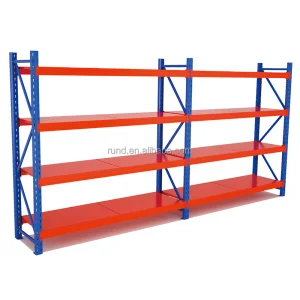
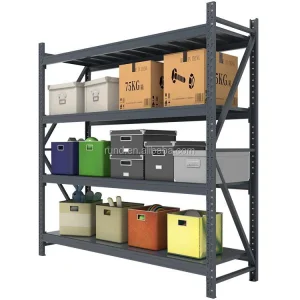
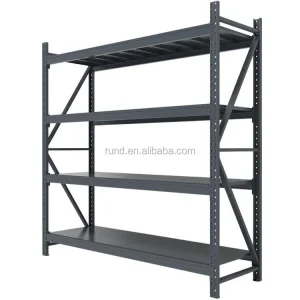
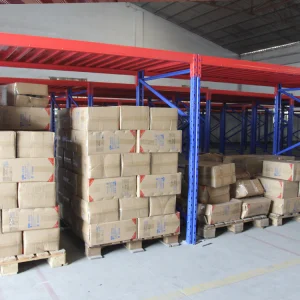
Designed for high-throughput environments, our heavy-duty configurations support rapid stock changes. Integrated seismic connectors and impact protector columns ensure structure safety during high-frequency forklift operations.
Utilizing high-grade steel and custom powder coatings that withstand temperature fluctuations from -30°C to +40°C. Smooth surfaces prevent condensation buildup and simplify washdowns.
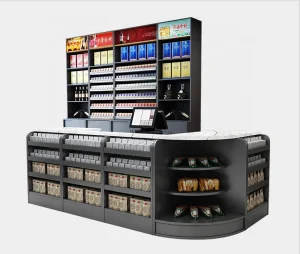
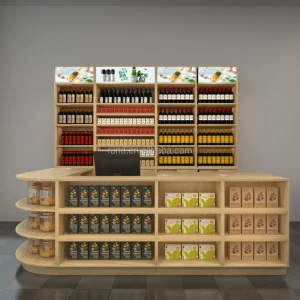
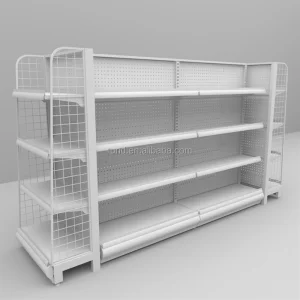
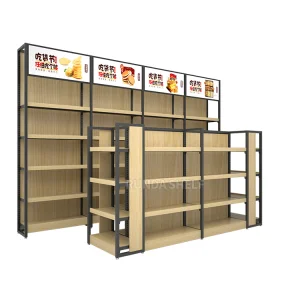
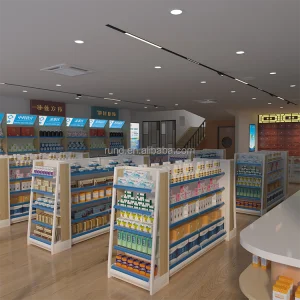
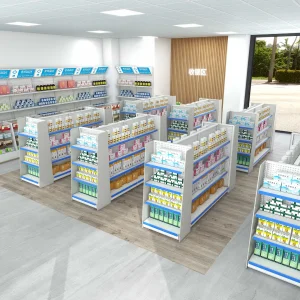
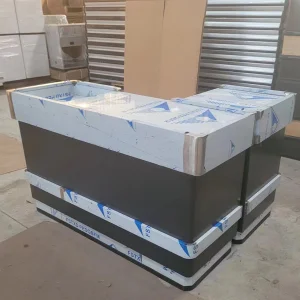
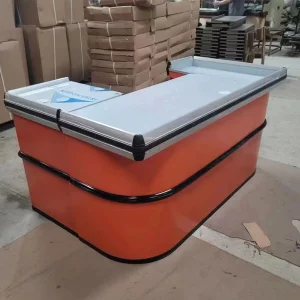
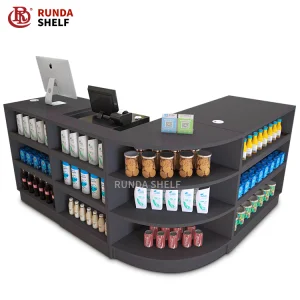
Combining structural metal frames with wooden accents for retail checkout lanes and supermarkets. Modular configurations allow layout changes as product assortments evolve.
Important questions and answers to help sourcing managers make informed racking and shelving purchases.
For standard customizations, CAD and 3D design files are developed within 3 to 5 business days. Once engineering layouts are finalized and approved, production lead times run between 25 to 35 days, depending on batch volume and specific surface coating treatments.
Q235B structural steel offers an optimal balance of tensile strength, ductility, and weldability. It provides predictable yield behavior under load, which is essential for calculating structural capacities, making it a reliable material for commercial shelving and warehouse systems.
We employ 45 specialized QC inspectors who monitor every stage of production. From raw material inspection to final packaging, we conduct ultrasonic weld testing, non-destructive testing, and load-limit evaluations to ensure compliance with global safety standards.
We provide pre-galvanized structures, hot-dip galvanized finishes, and specialized epoxy-polyester powder coatings. These treatments protect against moisture, humidity, and chemical exposure, ensuring long-term rust resistance and structural durability.
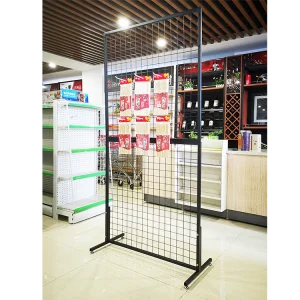
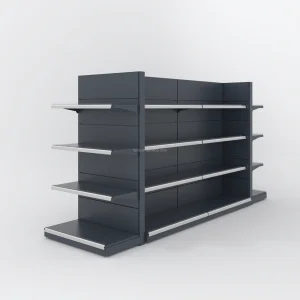
Versatile display fixtures and modular configurations designed to support high store traffic and optimize floor layouts.
 CraftRack