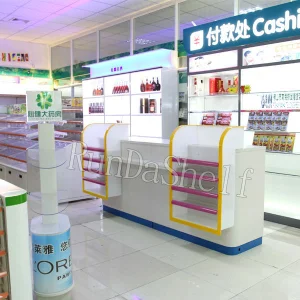
Engineered for durability, flexibility, and maximum structural efficiency in modern logistics environments.
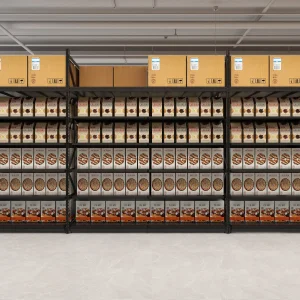
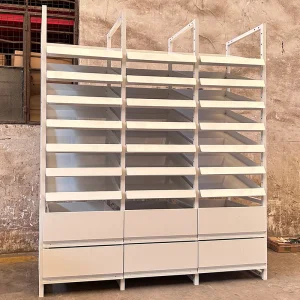
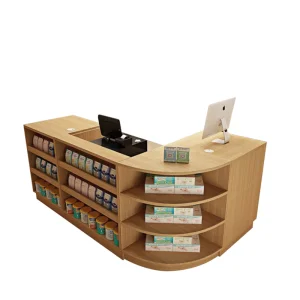
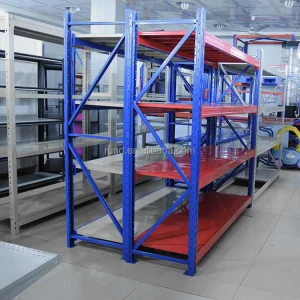
Modern supply chains are transitioning rapidly from basic storage sites to highly strategic, high-speed flow hubs. The sudden growth of global e-commerce, optimized 3PL distribution networks, and smart manufacturing lines has changed how companies view structural racking. Selecting industrial racking is no longer just about acquiring steel beams; it is an optimization choice designed to increase floor utilization, protect inventory, and ensure maximum warehouse safety.
Industrial real estate costs are rising globally, forcing operators to build taller structures rather than expanding outwards. Standard heavy-duty racking systems now frequently exceed 12 meters, requiring specialized engineering to manage buckling limits, structural load distribution, and column upright stiffness under heavy loads.
Automated Storage and Retrieval Systems (ASRS), shuttle systems, and AGVs require narrow racking tolerances. Millimeter-level precision is critical to prevent automated cranes from colliding or failing to position pallets correctly. Modern manufacturing standards must meet these rigid dimensional requirements.
Regulatory standards for warehouse infrastructure are tightening internationally. From ANSI/RMI MH16.1 in North America to EN 15512 in Europe, procurement teams must ensure that racking systems are fully certified for seismic conditions, dynamic stress, and load limits to protect warehouse staff.
Delivering certified industrial-grade storage infrastructure worldwide since 2014.
Established in 2014, Suzhou CraftRack Heavy Duty Storage Equipment Co., Ltd. builds heavy-duty storage systems for logistics networks globally. Operating with an OEM & ODM direct-manufacturing trade background, our products are shipped to key industrial sites across North America, Western Europe, and Southeast Asia.
Our in-house R&D is led by 32 dedicated engineers who have launched 45 new products over the last year. We use Finite Element Method (FEM) software to simulate stress, buckling, and load distributions under static and dynamic forces. This detailed engineering allows us to tailor systems to regional requirements, including custom seismic ratings, dynamic load tolerances, and specialized powder-coated or galvanized finishes.
We partner with over 1,200 supply chain companies, providing storage solutions to 3PL logistics hubs, large-scale e-commerce fulfillment centers, and industrial manufacturing facilities.
High-capacity structural design requires precision engineering. Below is the technical process we follow to build reliable racking systems.
Before manufacturing begins, our engineering team builds detailed 3D models using ANSYS software. This allows us to perform virtual structural tests, evaluating:
We use high-grade structural steel from reputable mills. Standard components utilize Q235B steel, while heavy-duty uprights and high-bay structures use Q355B high-tensile steel. This ensures:
| Racking Type | Material Grade | Standard Load Capacity | Ideal Storage Application | Surface Treatment |
|---|---|---|---|---|
| Selective Pallet Racking | Q235B / Q355B | 1,000 kg – 4,000 kg / Level | FMCG, general warehousing, 3PL providers | Electrostatically applied epoxy powder coat |
| Drive-In / Drive-Through | Q355B | 1,000 kg – 2,000 kg / Pallet | Cold stores, food & beverage, bulk storage | Hot-dip galvanized (corrosion-resistant) |
| ASRS Double-Deep High Bay | Q355B (Ultra-high tolerance) | 500 kg – 1,500 kg / Position | Automated e-commerce fulfillment, logistics | High-durability powder coating |
| Cantilever Racks | Q235B / Hot-rolled H-Beams | 500 kg – 5,000 kg / Arm | Lumber, pipes, metal sheets, machinery | Galvanized or outdoor powder coating |
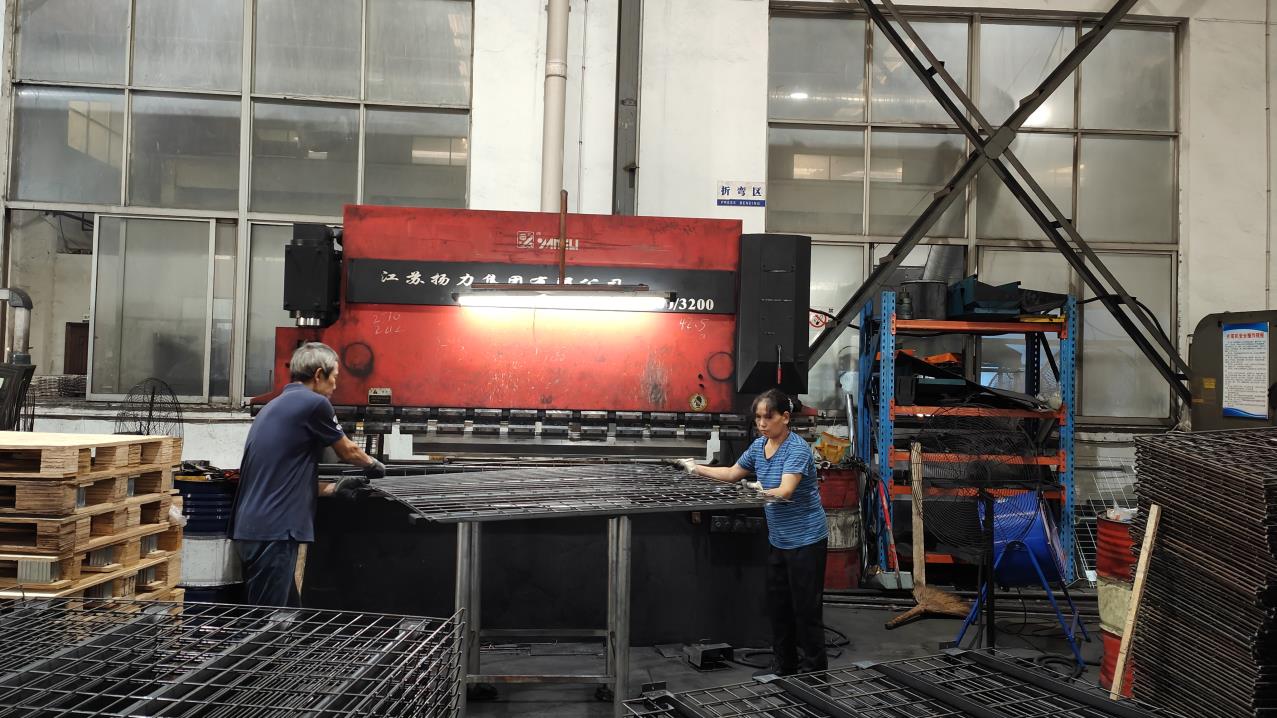
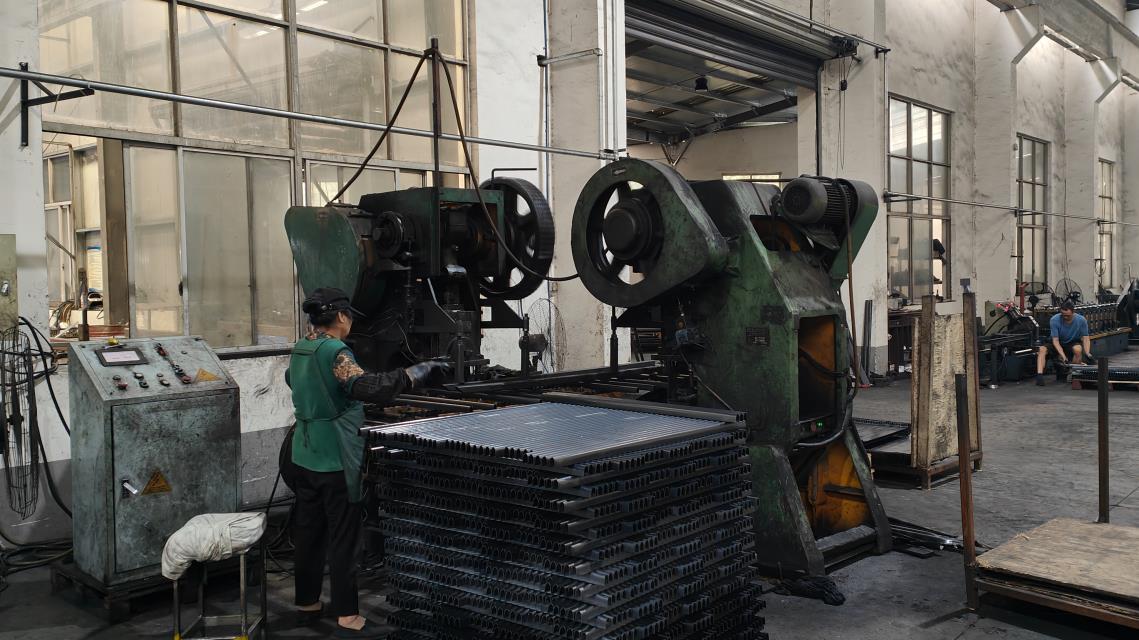
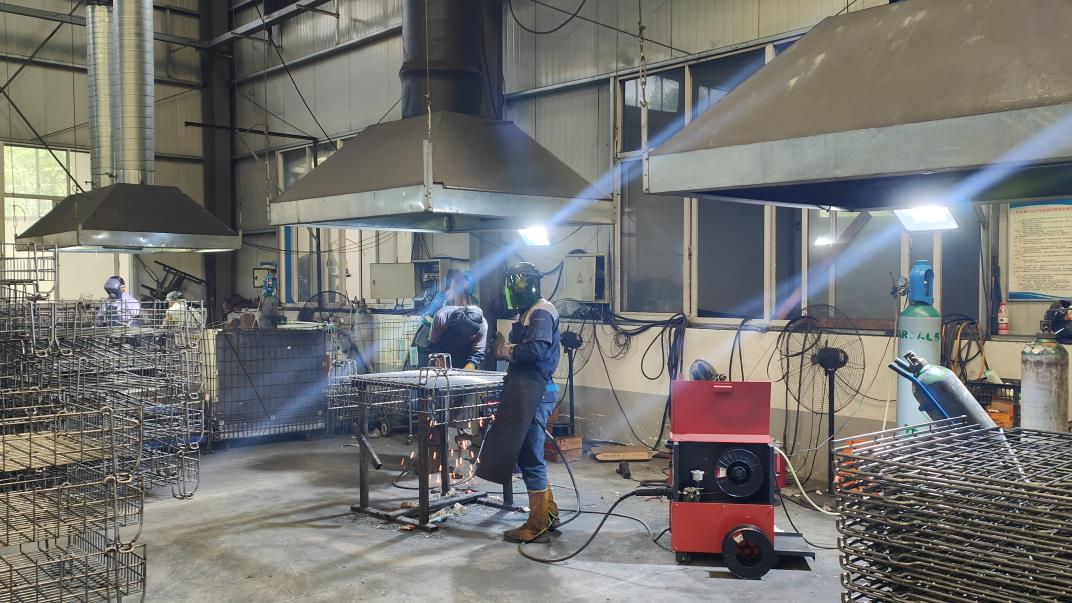
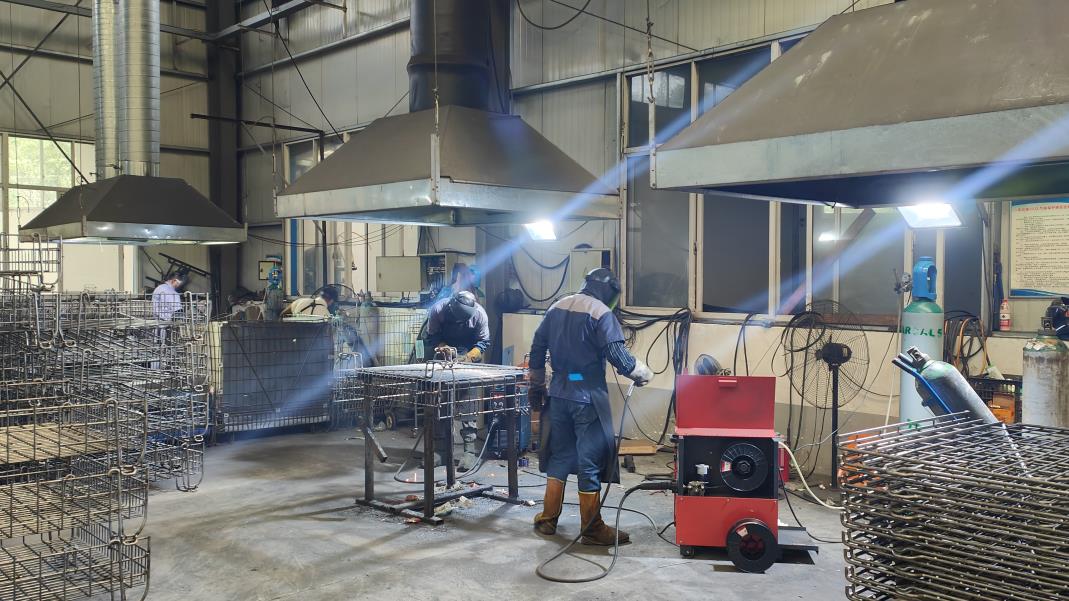
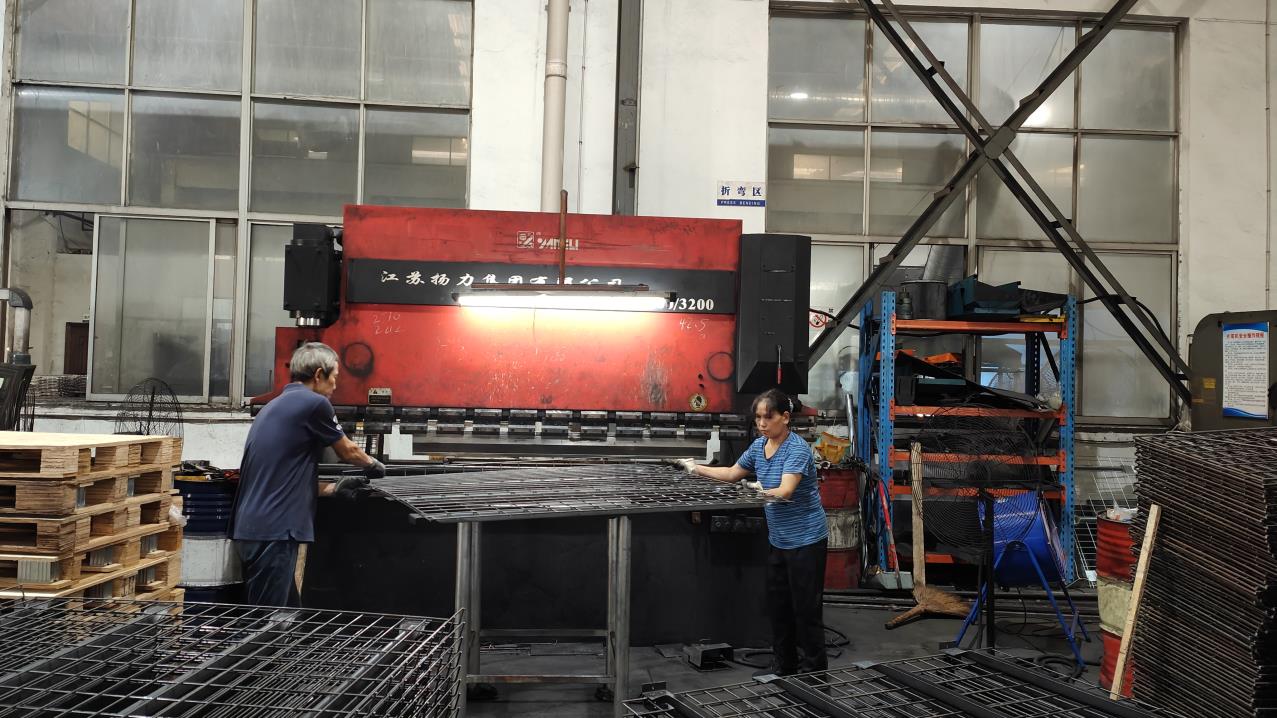
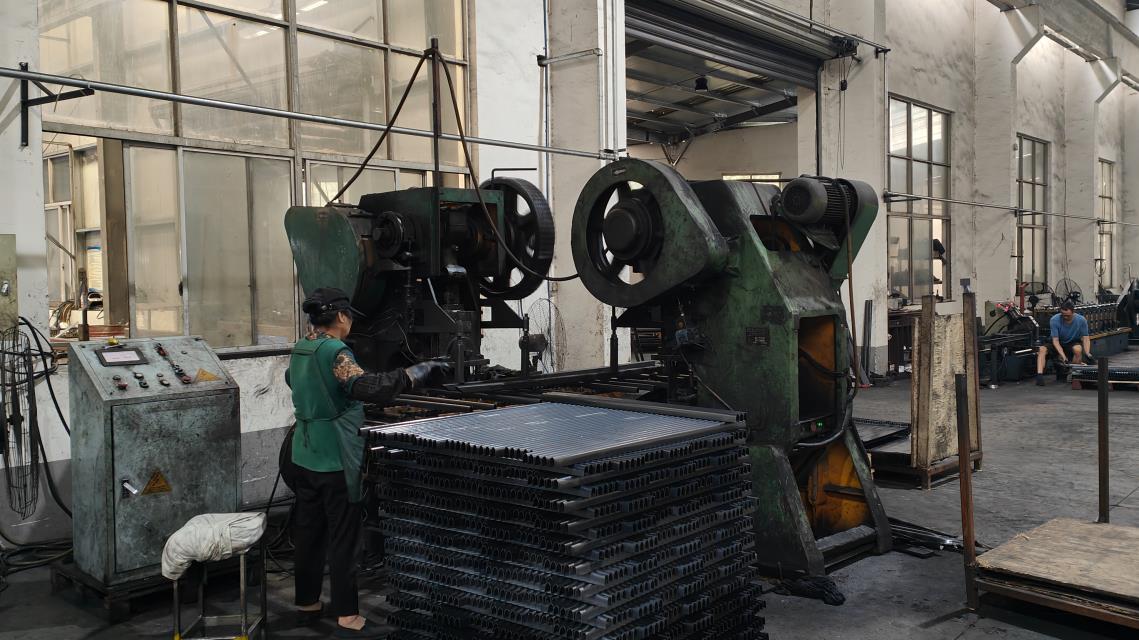
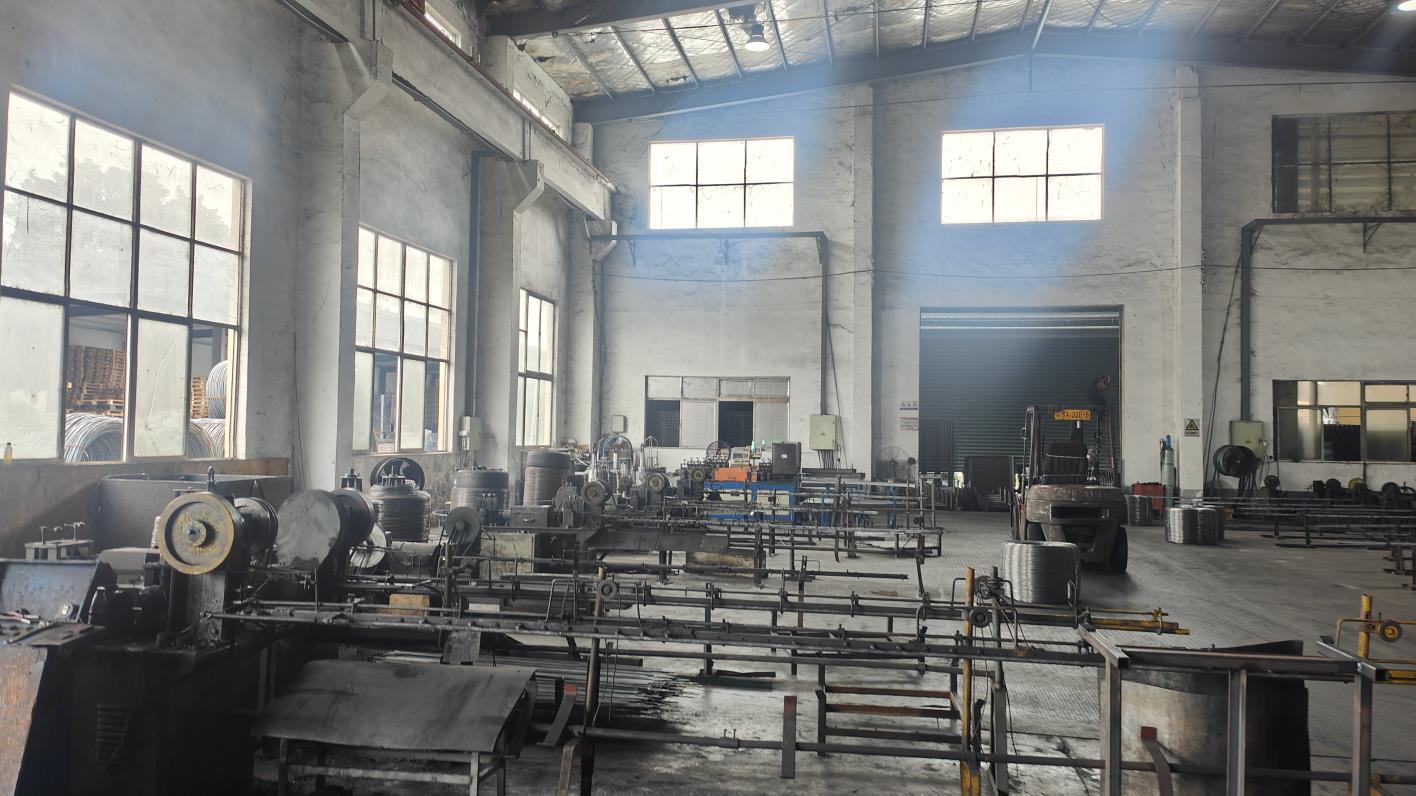
Inside our 38,000 m² factory, each step is monitored to maintain high dimensional accuracy and clean welds.
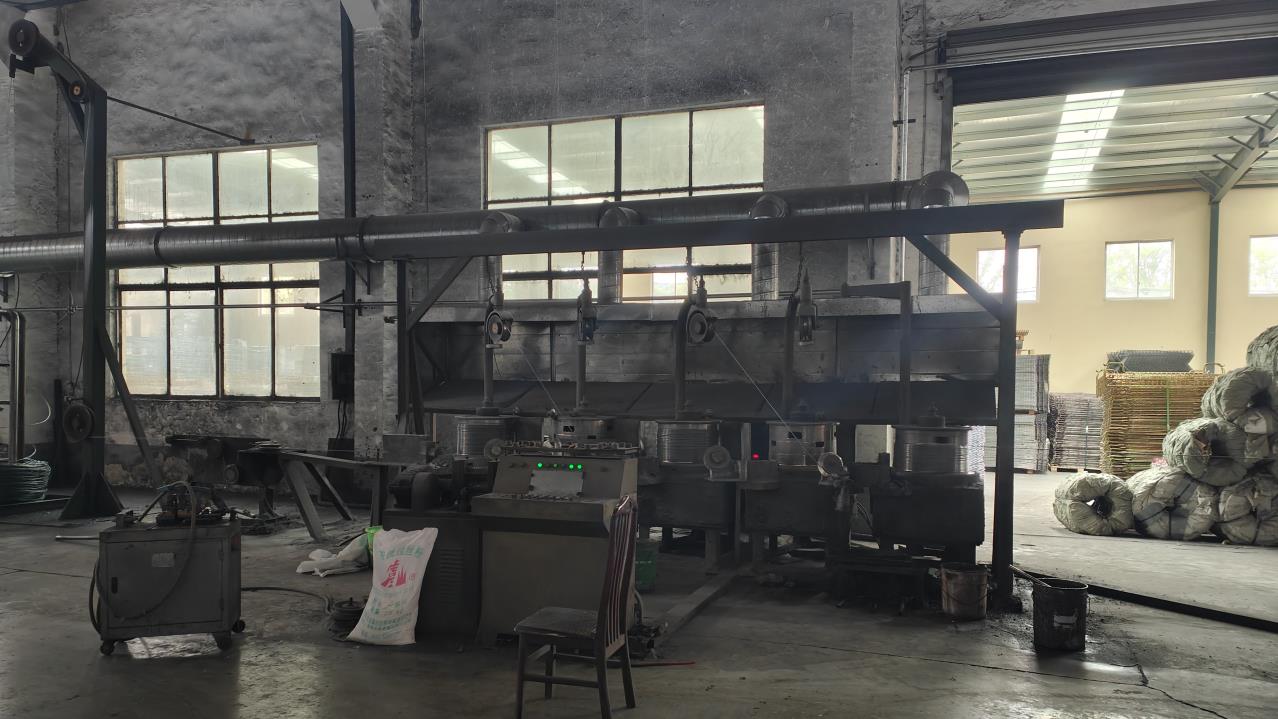
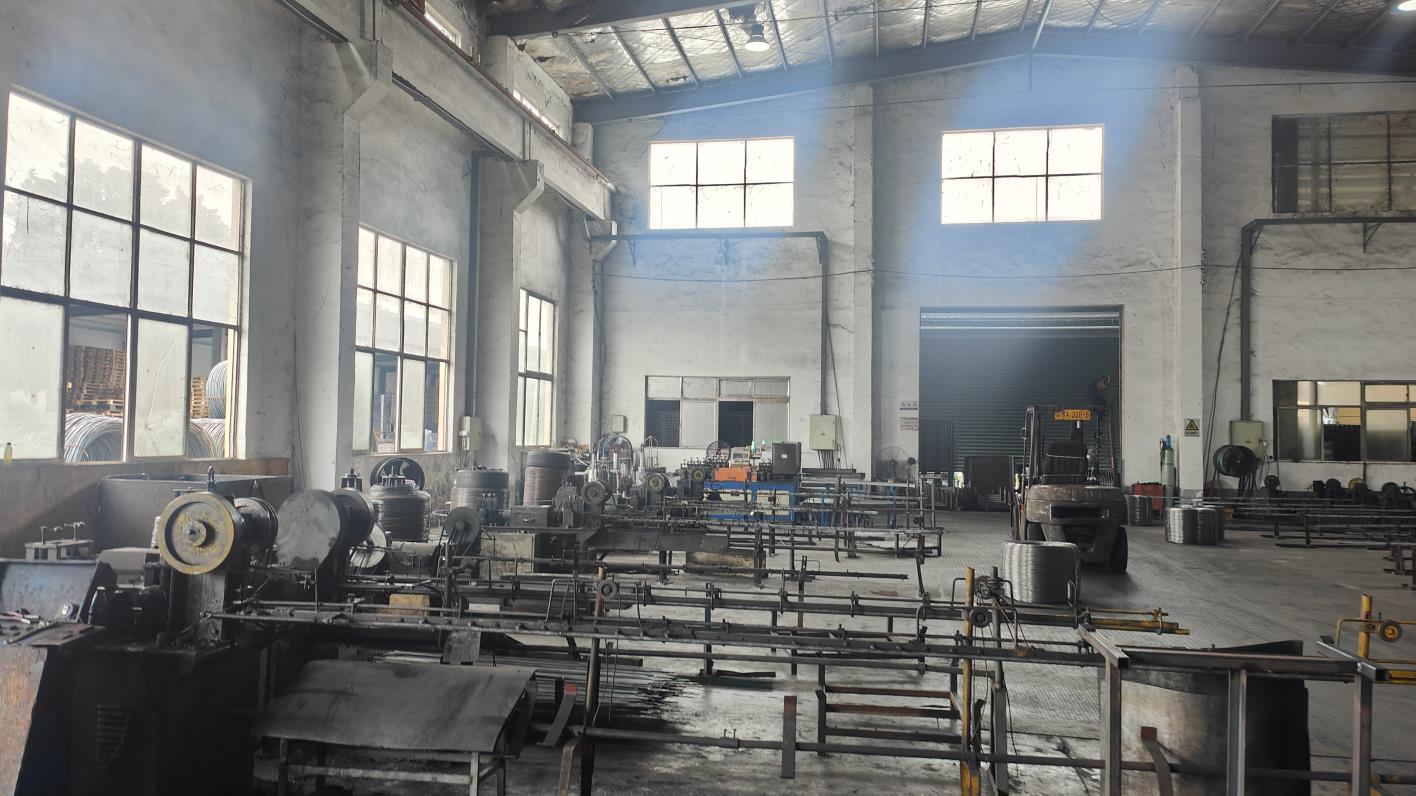
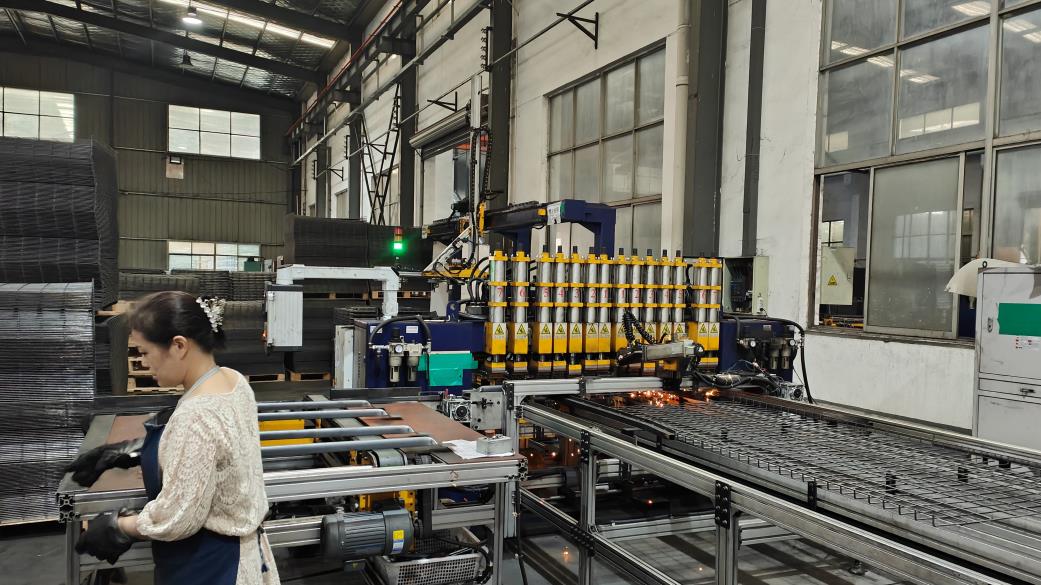
Procuring industrial racking from Suzhou, China, provides distinct advantages in raw material sourcing, production capacity, and global logistics connections.
Suzhou is located in China's premier steel manufacturing and roll-forming industrial zone. This gives us direct access to high-grade raw materials, specialized heat treatments, and component suppliers, helping minimize production delays.
Our factory utilizes automated multi-station roll-forming mills, robotic welding arms, and automated powder coating lines. This machinery allows us to maintain consistent dimensions, clean weld penetration, and fast throughput.
Located near the Port of Shanghai, we offer convenient shipping options by sea, rail, or air. Our export logistics team coordinates customs clearance and paperwork to ensure on-time delivery to destinations worldwide.
We engineer our racking systems to perform reliably in different operating environments and industries.
Challenge: Handling high throughput, frequent order picking, and diverse SKU configurations.
Solution: Double-deep selective racks combined with open wire mesh decks for clean ventilation and fire safety compliance. These systems integrate smoothly with barcode and RFID scanning routines.
Challenge: Working in high-cost, cold environments down to -30°C, which can cause structural steel embrittlement.
Solution: Drive-in or mobile racking systems constructed from low-temperature rated steel and finished with hot-dip galvanization to prevent rust from condensation.
Challenge: Storing heavy, irregularly shaped dies, machinery components, and raw steel coils.
Solution: Heavy-duty mold racks and cantilevers configured with structural safety pins and impact column guards to prevent damage from lift trucks.
We design and build our systems to meet the safety codes of major destination markets.
Racking destined for North America is designed to comply with ANSI/RMI MH16.1 (Specification for the Design, Testing, and Utilization of Industrial Steel Storage Racks). We use high-tensile bolts, weld to AWS D1.1 structural standards, and provide engineering calculations for local seismic zone requirements.
For Western Europe, we follow EN 15512 (Adjustable Pallet Racking Systems - Principles for Structural Design) and EN 15635 (Application and Maintenance of Storage Equipment). We apply CE markings and supply documentation in local languages as required.
Answers to common engineering, production, and ordering questions from procurement managers.
We primarily use Q235B and Q355B structural carbon steel. Q355B (equivalent to ASTM A572 Grade 50) is used for highly loaded upright columns and long-span beams due to its high yield strength. Q235B (equivalent to ASTM A36) is typically used for bracing, base plates, and light to medium-duty beams.
Our R&D team uses Finite Element Analysis (FEA) to run seismic simulations. By calculating localized ground acceleration parameters (Ss and S1 values), we determine the required steel thickness, structural bracing patterns, and base plate dimensions to ensure compliance with IBC and FEMA standards.
We apply a two-tier weld testing program. First, we conduct visual and Ultrasonic Weld Inspections to find internal weld voids or incomplete penetration. Second, we use Non-Destructive Testing (NDT) to inspect load-bearing connections, preventing fatigue failure under repeated heavy loads.
Yes. Through our OEM/ODM capabilities, we can duplicate teardrop, hex, or custom slot patterns. Our 32 R&D engineers analyze your sample profiles and build matching tooling sets to ensure compatibility with your existing racking systems.
Heavy-duty industrial stands, modular panels, and structural store components built to last.
 CraftRack