Explore our top-tier retail display shelving and high-capacity storage racks designed for durability, ease of installation, and structural integrity.
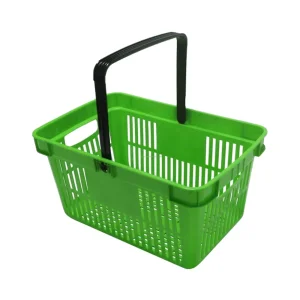
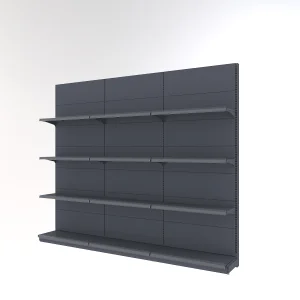
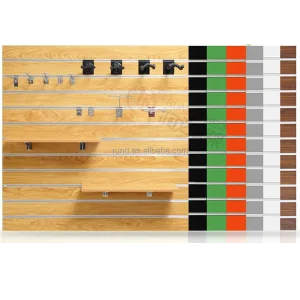
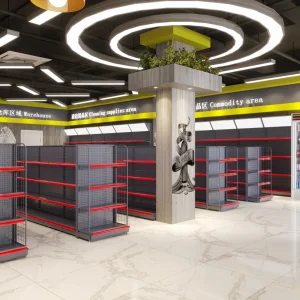
Established in 2014, Suzhou CraftRack Heavy Duty Storage Equipment Co., Ltd. has grown to become a benchmark manufacturer and global exporter of high-performance retail and warehouse storage infrastructure. Operating out of a state-of-the-art facility spanning a 38,000 m² footprint, we process raw materials to finished display assets at an industrial scale. Our operation is powered by a structural design ethos that merges spatial efficiency with extreme load-bearing resilience, generating an annual export revenue of over $28,000,000.
With over 8 years of dedicated export operations and 14 years of industry-deep expertise, we leverage direct OEM & ODM manufacturing methods to supply distributors, global brands, and massive logistics hubs. Our distribution network maintains strong partnerships with over 1,200 supply chain partners globally. CraftRack products are heavily relied upon within 3PL logistics hubs, large-scale e-commerce fulfillment centers, and high-velocity industrial manufacturing plants across North America, Western Europe, and Southeast Asia.
A Commitment to Advanced Quality Assurance: Structural failure in high-volume retail or heavy storage operations is not an option. We integrate advanced Non-Destructive Testing (NDT) and Ultrasonic Weld Inspection to monitor mechanical reliability. Our dedicated team of 45 QC specialists rigorously analyzes every batch of structural steel to verify tensile integrity and coating adhesion, ensuring that all warehouse racking and retail shelving units conform to demanding global safety standards.
Our core R&D activities focus on the optimization of Automated Storage and Retrieval Systems (ASRS) and Finite Element Structural Analysis (FEA). FEA simulation enables us to design shelving and racks optimized for specific seismic resistance ratings, wind load configurations, and custom load-bearing profiles. Backed by 32 R&D engineers, we engineered and launched 45 new product variations over the past year, meeting the dynamic compliance and spatial requirements of modern material handling environments.
An analytical investigation into the structural mechanics, material science, and spatial economics of high-capacity product merchandising.
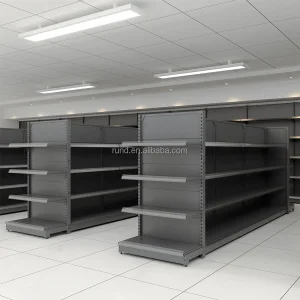
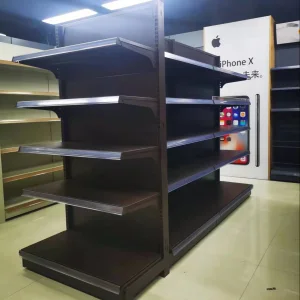
Beverage storage and point-of-sale display represents a unique structural challenge in both retail and warehousing spaces. Unlike standard consumer packaged goods (CPG), beverages are characterized by high bulk density, fluid dynamics, and susceptibility to temperature fluctuations. A standard double-sided gondola shelving unit fully stocked with canned sodas, bottled waters, or glass alcohol containers must withstand sustained static and dynamic load vectors that far exceed standard retail shelving capacities.
From a global commercial standpoint, the rapid urbanization of markets in North America, Western Europe, and Asia-Pacific has led to a critical space deficit in retail footprints. Merchandisers require structural racking configurations that maximize vertical volume while facilitating high stock-keeping unit (SKU) rotation rates. This necessitates high-precision engineering where structural deflection limits (under L/360 criteria) are mathematically verified via finite element modeling to prevent collapse and ensure the safety of employees and shoppers alike.
Beverage liquids impose severe gravitational stress. Engineered display racks utilize cold-rolled steel channels of grades up to Q235, providing superior yield strength under continuous weight loads.
Condensation, moisture, and chemical exposure (spills) can rapidly compromise steel integrity. CraftRack applies multi-stage epoxy powder coating to halt oxidation at the chemical boundary.
Retail configurations change rapidly. Toolless modular components (gondola backing channels, adjustable bracket teeth) allow staff to alter configurations in minutes.
The beverage industry is undergoing a massive operational shift. Consumers are increasingly demanding sustainable business practices, which extends directly to display fixtures. Green steel production, solvent-free powder coatings, and circular economy design principles are no longer optional. Modern exporters must ensure that display units are fully recyclable and utilize non-toxic finishes with negligible Volatile Organic Compound (VOC) emissions.
Simultaneously, the rise of e-commerce has led to the development of micro-fulfillment channels within standard supermarkets. Large portions of retail floors are now designated for rapid order pick-up, demanding dual-purpose shelving. These displays must function as high-aesthetic front-of-house marketing assets, but also double as heavy-duty, high-capacity back-of-house storage nodes capable of integration with automated picking equipment.
We analyze localized display and storage requirements across our primary global target markets to design tailored products:
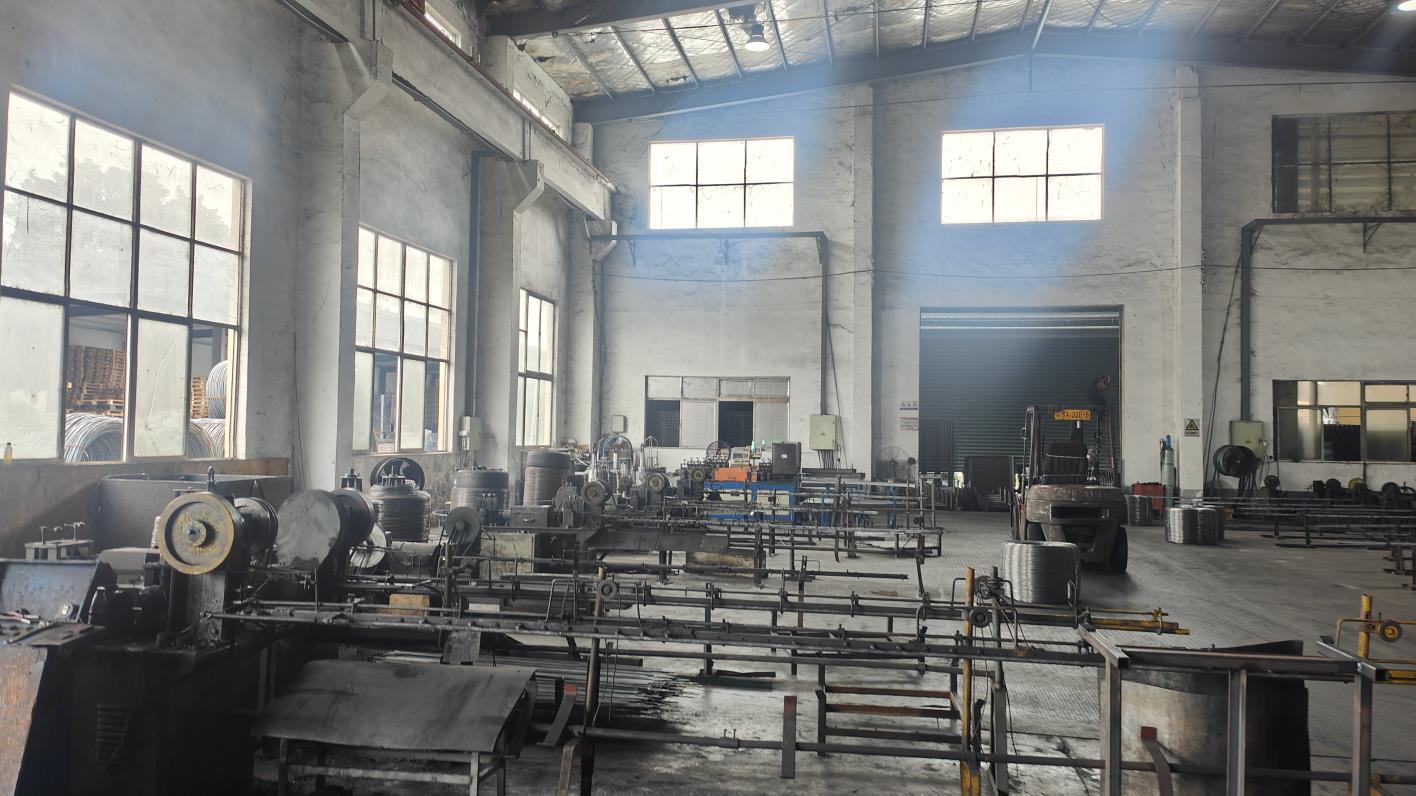
From raw steel feedstocks to high-capacity display configurations, every stage of our production is audited by our 45-person Quality Control team.
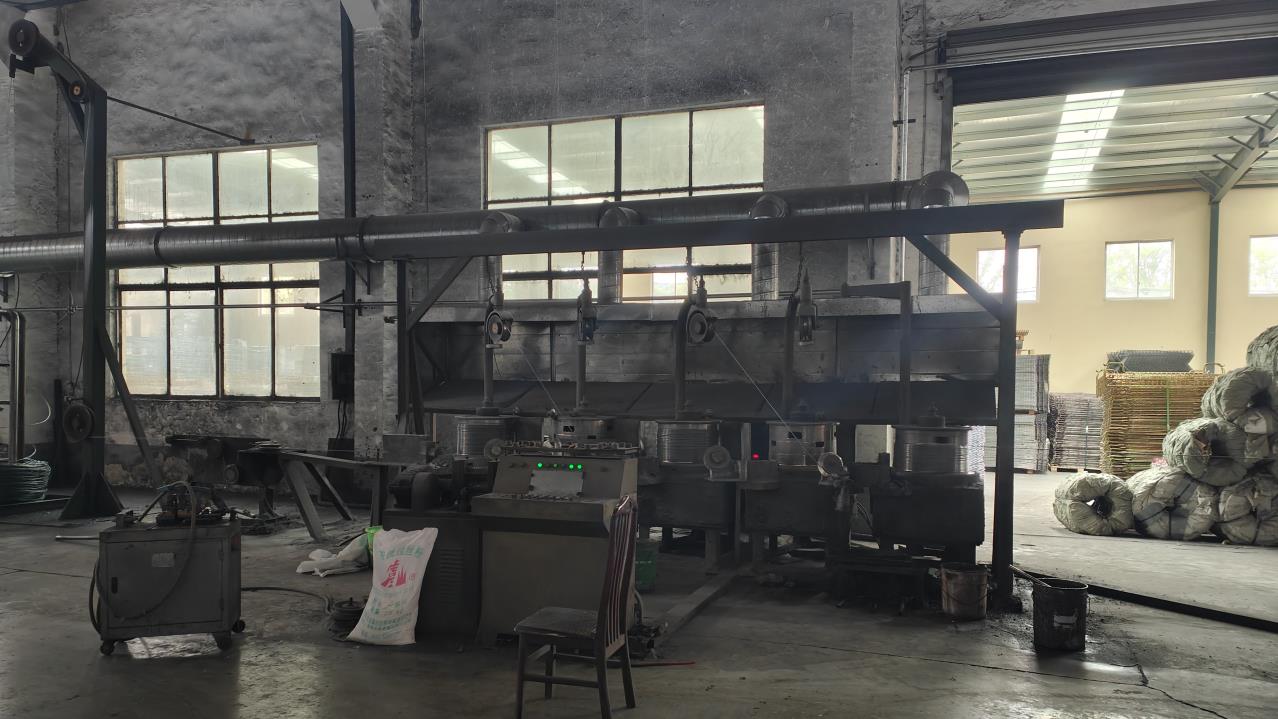
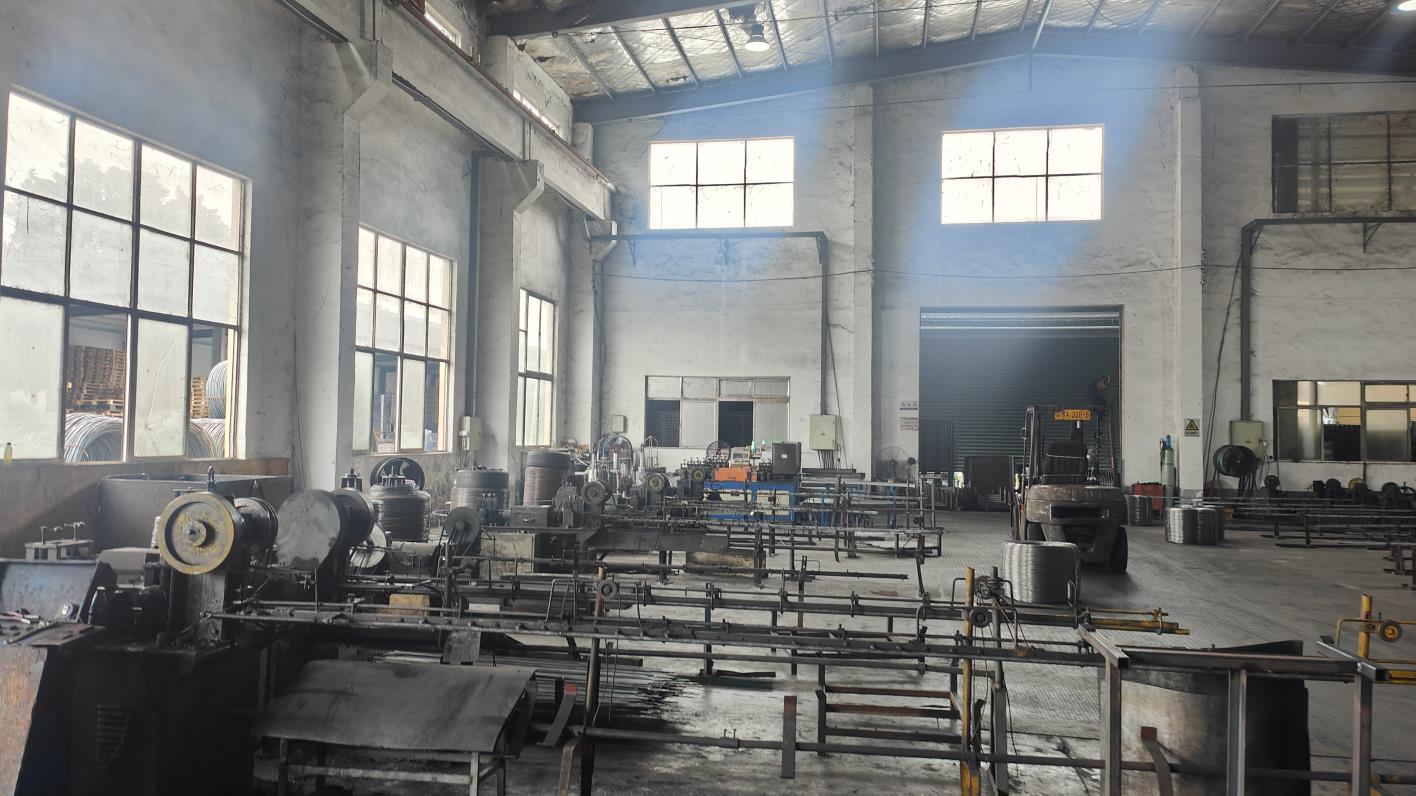
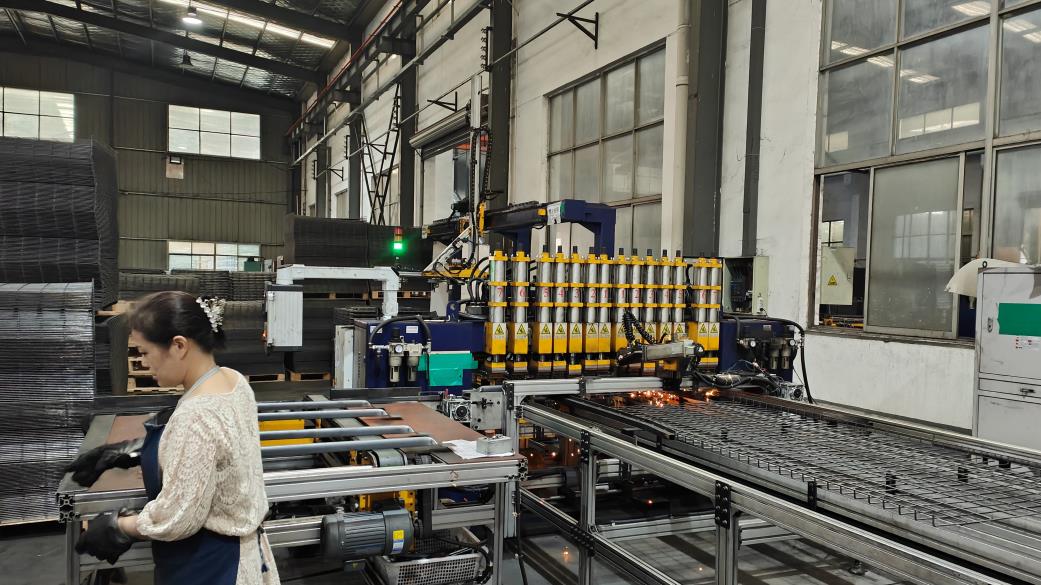
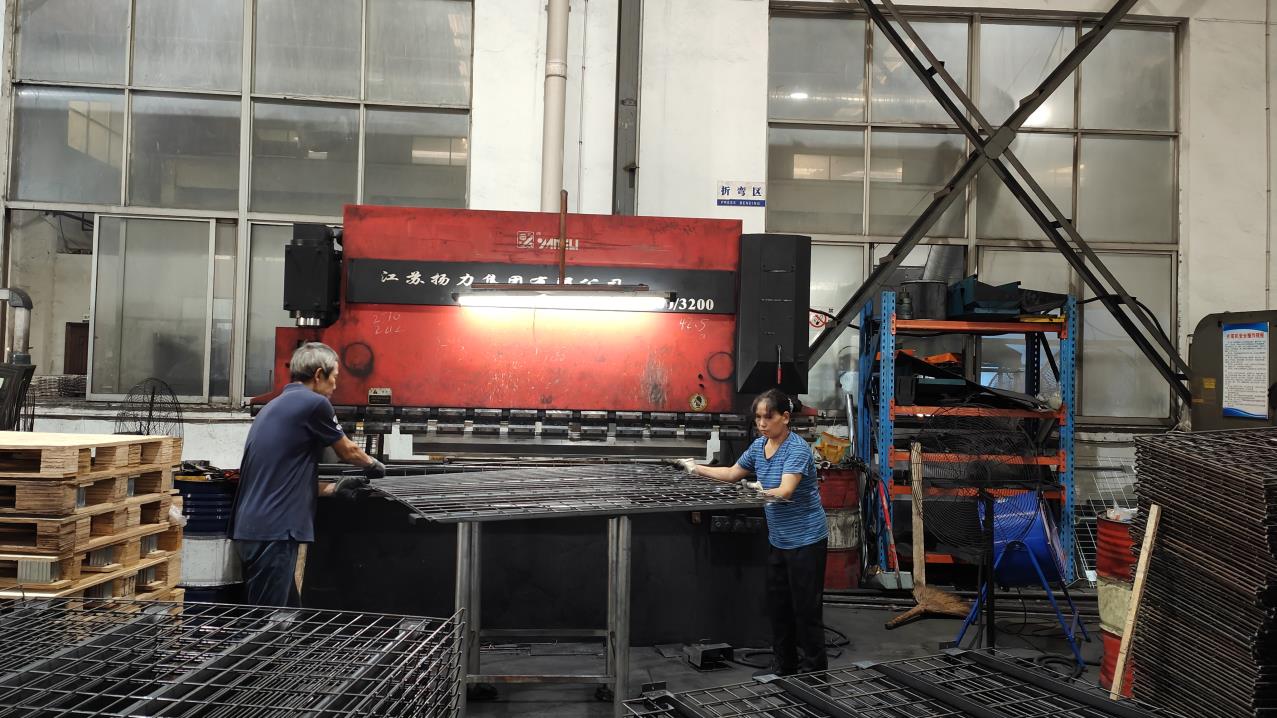
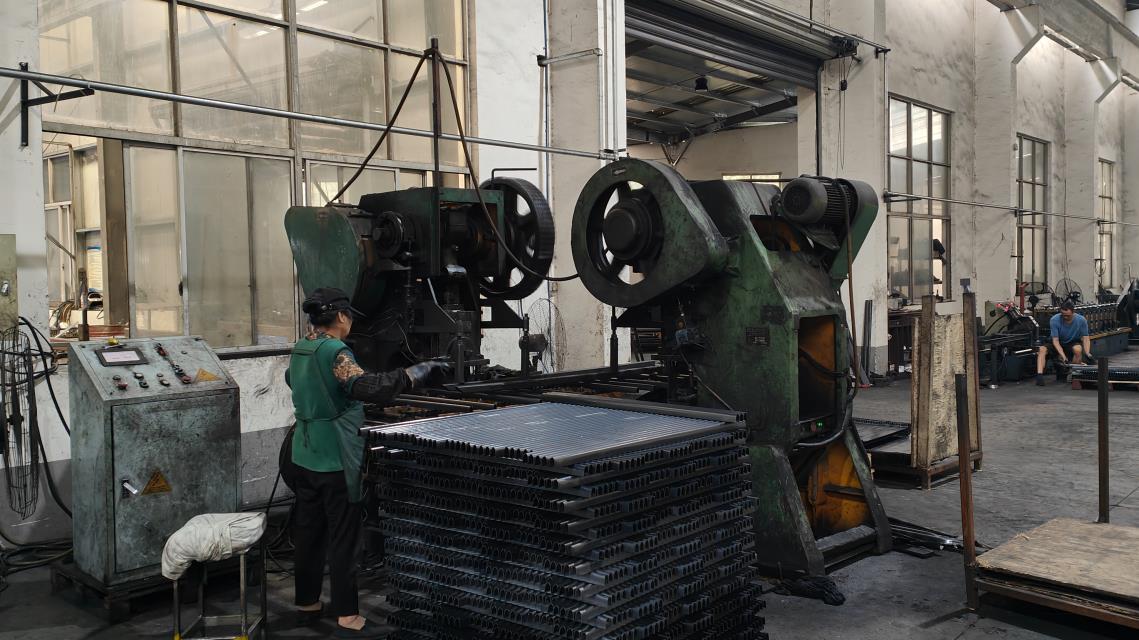
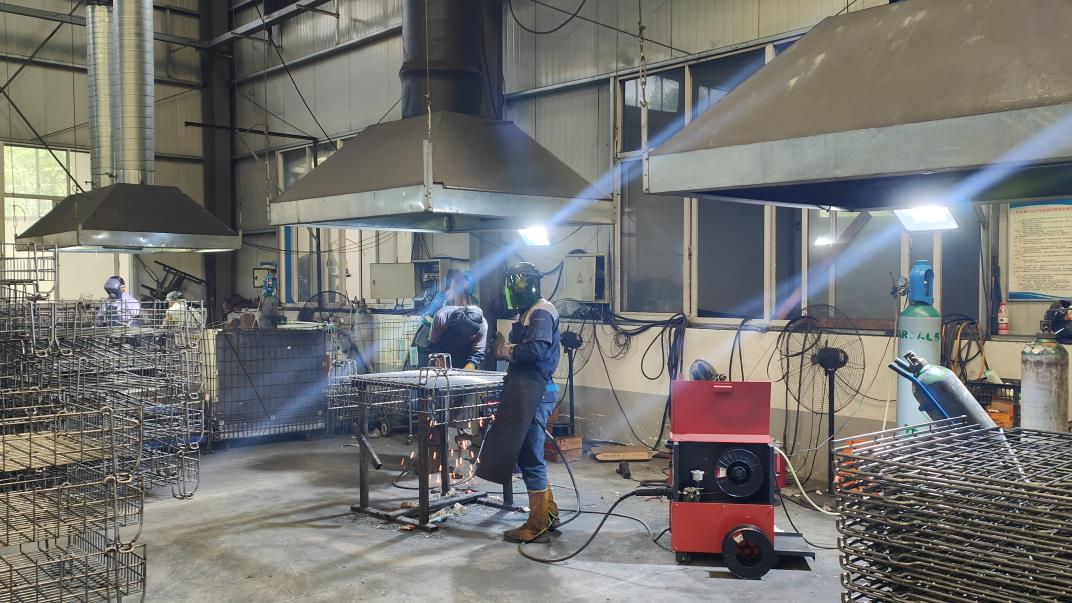
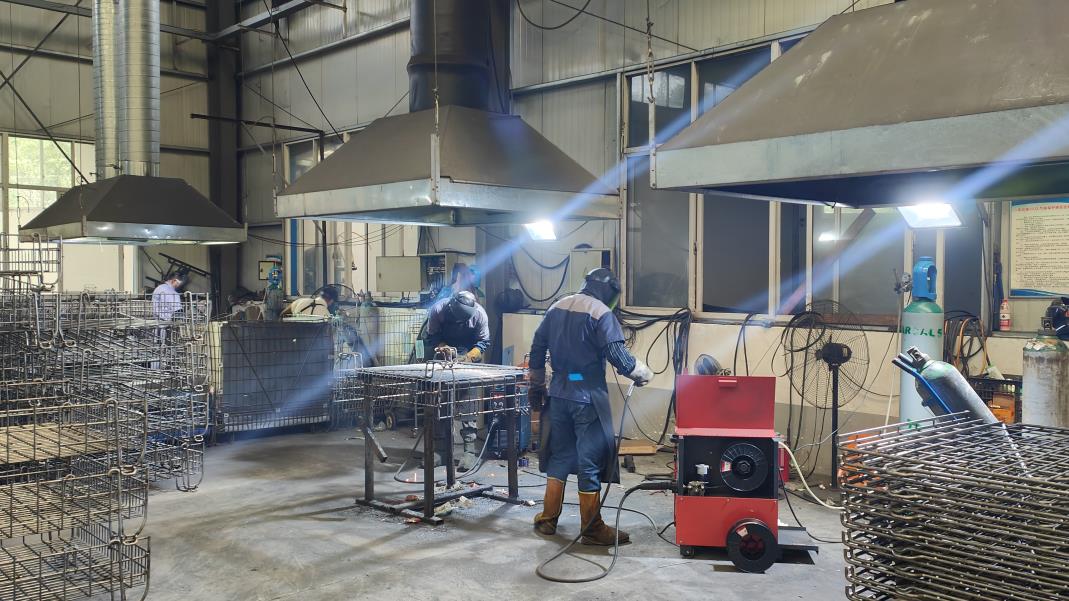
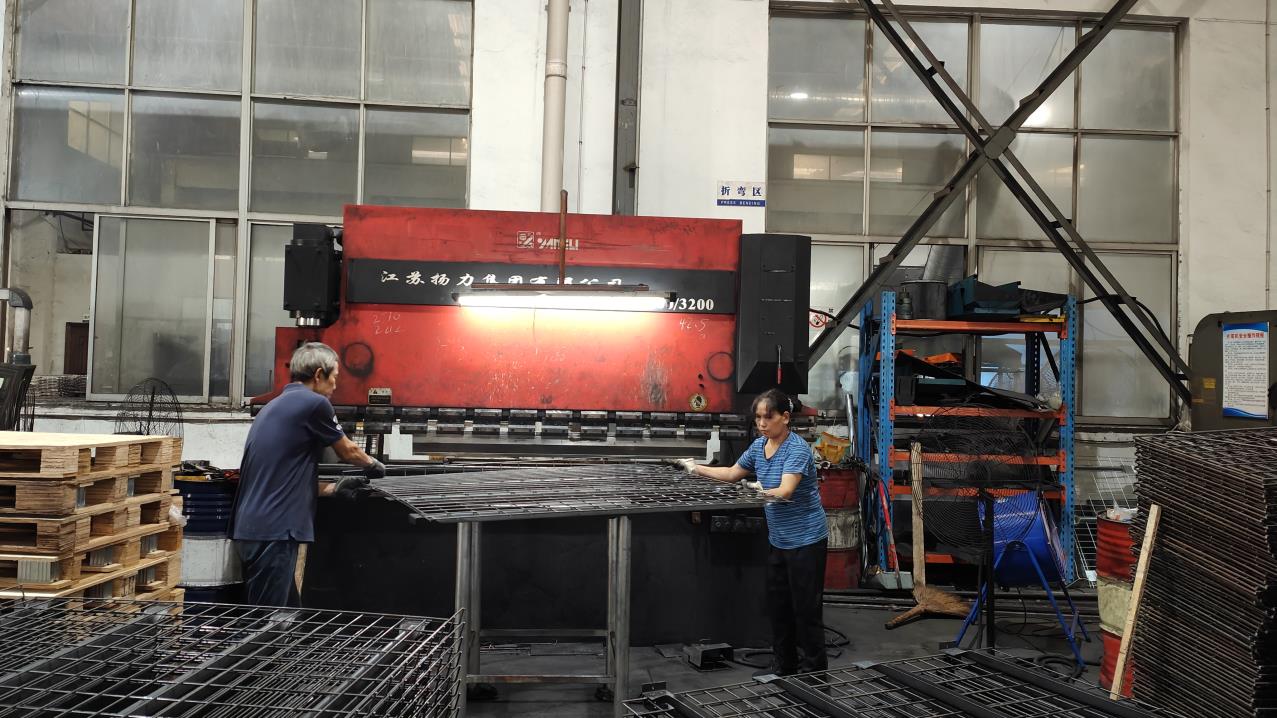
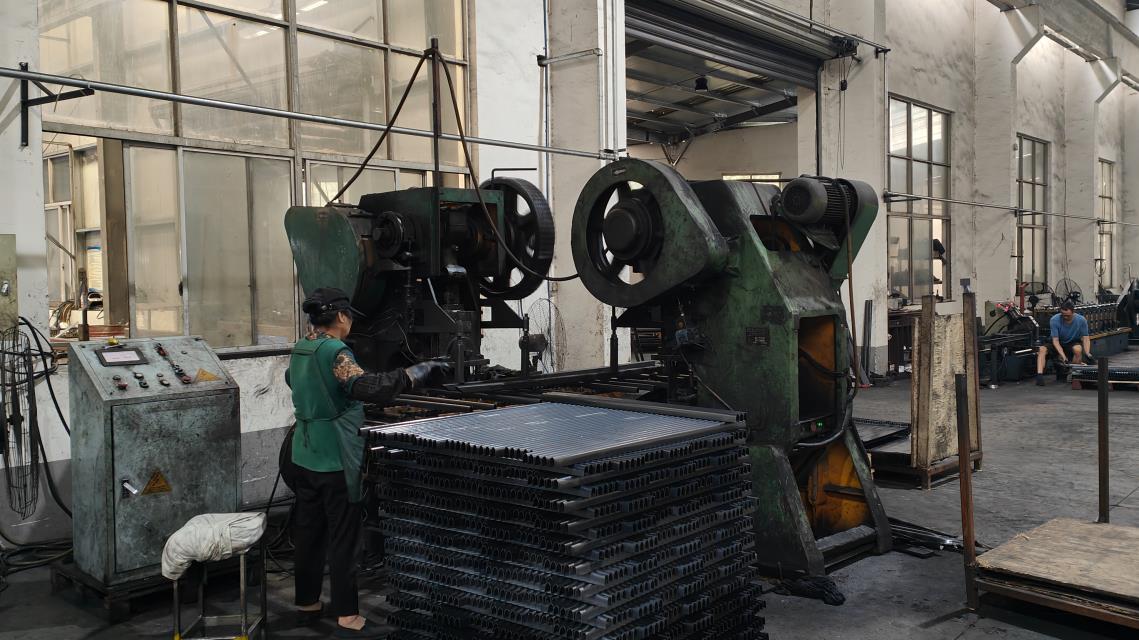
Our long-term engineering development focus aims to merge structural materials with digital supply chain management systems. We are prototyping automated sensor arrays integrated directly within heavy-duty shelving brackets. These strain-gauge load cells continuously monitor deflection parameters and weight loads on a per-shelf basis, transmitting data to store managers when shelves require replenishment or when safe capacity parameters are exceeded.
Furthermore, in response to rising logistical complexity, our R&D team is developing smart pallet integration. By designing warehouse racking that interfaces directly with automated guidance vehicles (AGVs) and forklift sensors, we reduce warehouse accidents while accelerating warehouse transit speed. Our future storage systems will be fully dynamic, adapting load capacities in real-time based on temperature, weight distribution, and environmental stress variables.
Selecting the optimal retail display framework is a critical engineering decision. The table below highlights the load characteristics and structural distinctions between heavy-duty systems and light-duty shelving configurations:
| System Category | Load Capacity per Level | Primary Material Specifications | Recommended Display Types |
|---|---|---|---|
| Heavy-Duty Gondolas | 150 kg – 350 kg | High-grade cold-rolled Q235 steel, structural reinforcing ribs | Glass-bottled craft beers, bulk mineral water packs, industrial oil canisters |
| Standard Gondolas | 80 kg – 150 kg | Medium-gauge sheet metal, integrated locking pins | Soda cans, boxed juices, convenience food products, wine bottles |
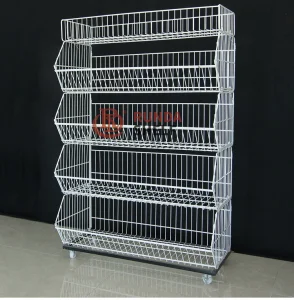
| Light-Duty & Wire Shelving | 30 kg – 80 kg | Wired grid channels, lightweight composite steel alloys | Snack packaging, carbonated cans, promotional checkout displays |
Answers to common structural design, logistics, and deployment questions for procurement officers and retail designers.
We employ strict Finite Element Analysis (FEA) during the design phase to simulate real-world gravitational stress. Each batch of steel undergoes Non-Destructive Testing (NDT) and Ultrasonic Weld Inspection. This assures that weld junctions and upright beams exceed design limits, keeping deflection levels well below the industry limit (L/360).
Yes. Our engineering division includes 32 R&D specialists who design specialized baseplate dimensions, anchor systems, and steel thickness adjustments to conform to local wind load and seismic rating codes across North America and Western Europe.
Our fabrication line uses a multi-stage zinc-phosphate immersion process to strip oxides, followed by an electrostatically applied epoxy powder coat. This double-layer protective barrier halts moisture and liquid ingress, preventing rust formation in humid tropical climates or cold storage rooms.
Standard production cycles range between 25 to 35 days from technical sign-off. Since we control the entire vertical manufacturing process (pulling, bending, punching, welding, and painting), we can rapidly scale capacity to meet large-volume contracts for multi-facility retail networks.
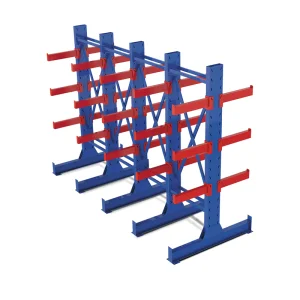
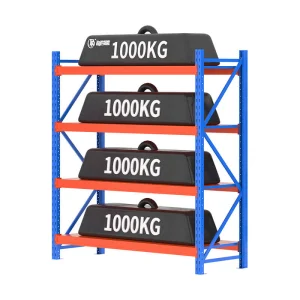
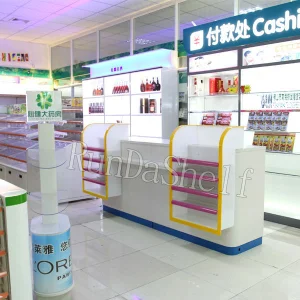
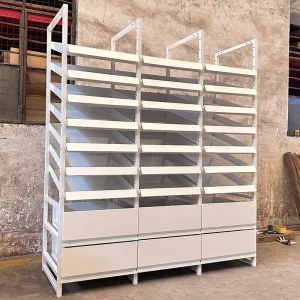
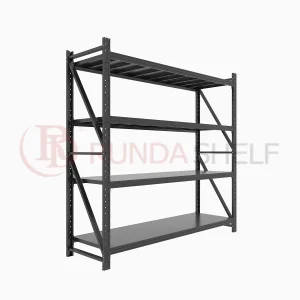
Heavy-duty pallet racking systems and high-throughput point-of-sale equipment designed for logistics hubs and retail centers.
 CraftRack