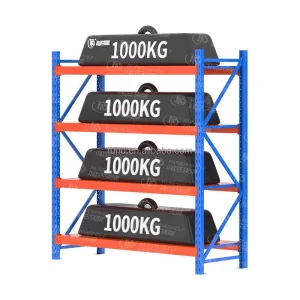
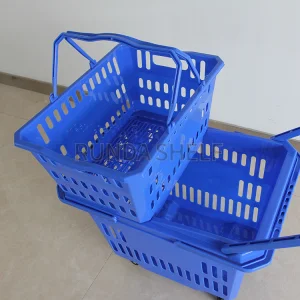
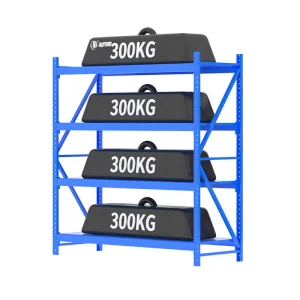
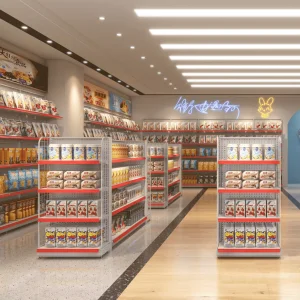
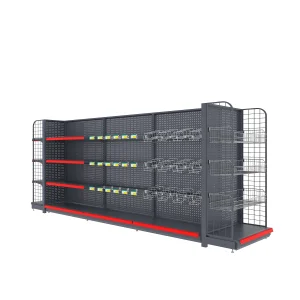
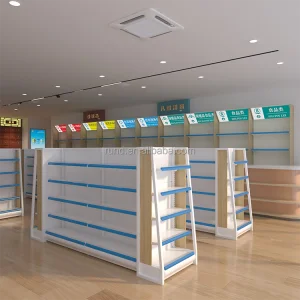
Engineered for extreme performance, structural efficiency, and heavy-duty load capacities
Why structural calculations and specialized metallurgy dictate the survival of sub-zero logistics operations
In cold storage environments, temperatures regularly plummet to ranges of 0°C to -40°C. Standard mild steel profiles, which function perfectly at ambient room temperatures, undergo structural changes at these sub-zero levels. The primary phenomenon is low-temperature embrittlement, where steel approaches its ductile-to-brittle transition temperature (DBTT). Under these conditions, the shock absorbency of steel structures drops significantly, rendering them vulnerable to catastrophic cracking under the dynamic impact of forklifts or loaded pallets. Specifying appropriate steel chemistry—particularly maintaining optimized levels of manganese, silicon, and carbon—is paramount to preserving ductility, flexibility, and load-bearing performance.
As global supply chains expand, cold storage has evolved from a simple refrigeration space into a high-density, automated hub. The thermal dynamics of cold air require specialized racking configurations to ensure uniform airflow. Without adequate air circulation, micro-climate hot spots occur, leading to uneven product temperatures, spoilage of pharmaceuticals or fresh produce, and ice buildup. Thus, professional freezer racking design must balance high storage density with aerodynamic spaces that facilitate continuous cold-air convection.
Furthermore, thermal expansion and contraction cycles present significant engineering challenges. In large-scale installations (such as dynamic push-back or drive-in racking), structural components undergo dimensional shifts when transitioning between room temperature assembly and sub-zero operation. If joints are overly rigid, these shifts create severe internal shear stresses, weakening structural connections over time. China's top-tier fabrication factories use specialized calculations to account for temperature differentials, preventing dynamic weld failures and maintaining long-term structural alignment.
Navigating corrosion, sanitation regulations, and load capacity optimization in cold logistics
High humidity and condensates formed during thawing or opening cold room doors trigger rapid oxidation. Racking finishes must survive continuous moisture cycles without flaking. Our hot-dip galvanized coatings and architectural-grade powder coatings ensure robust protection, avoiding peeling paint that could contaminate sensitive food inventories.
International regulatory frameworks (such as FDA, NSF, and European HACCP standards) govern surfaces in direct or indirect contact with agricultural and retail products. Racks must be easily cleanable, resistant to strong chemical disinfectants, and built with seam-free welds to eliminate bacterial breeding grounds.
Heavy loads stored at heights in cold storage warehouses demand rigorous structural stability. Using Finite Element Method (FEM) analysis, designers calculate seismic drift, load offsets, and dynamic stresses from reach trucks, keeping industrial facilities compliant with regional seismic codes (like RMI and AS4084).
Global Elite Cold Storage and Warehouse Logistics Racking OEM/ODM Direct Manufacturer
Established in 2014, Suzhou CraftRack Heavy Duty Storage Equipment Co., Ltd. operates a state-of-the-art facility covering a sprawling building area of 38,000 m². Our commitment to quality and engineering precision has propelled our annual export revenue to $28,000,000. Backed by 8 years of international export operations and 14 years of deep-rooted industry expertise, we specialize in delivering world-class warehouse logistics and high-capacity freezer storage solutions across the globe.
Quality and safety remain our core principles. We execute strict Non-Destructive Testing (NDT) and Ultrasonic Weld Inspection utilizing leading-edge product inspection methodologies, overseen by our dedicated division of 45 quality control (QC) specialists. With a strong OEM & ODM direct-manufacturing trade background, our primary target markets span North America, Western Europe, and Southeast Asia. Today, we maintain long-standing strategic alliances with over 1,200 supply chain partners, serving major 3PL logistics hubs, large-scale e-commerce fulfillment centers, and industrial manufacturing plants.
Our robust R&D capability is centered on automated warehousing innovations, including Automated Storage and Retrieval Systems (ASRS) & Finite Element Structural Analysis (FEA). We provide extensive customizations such as specific seismic resistance ratings, custom load capacity engineering, and specialized electrostatic powder coating finishes. Over the past fiscal year alone, we introduced 45 new product launches, driven by a talented team of 32 R&D engineers committed to setting new benchmarks in structural storage systems.
Leveraging industrial clusters, advanced metallurgy, and optimized transport pathways
Our facility sits within China's primary industrial steel processing cluster, granting us immediate access to high-grade steel coils (Q235B, Q355B). This proximity stabilizes raw material procurement, lowers logistics overheads, and keeps production costs highly competitive for large-scale projects.
By employing automated robotic welding cells, continuous cold-roll forming mills, and automated electrostatic powder coating lines, we maintain dimensional consistency across large-volume production runs, virtually eliminating human error.
Located in Suzhou near the ports of Shanghai and Ningbo, we offer fast access to ocean shipping lines. This reduces transit times and helps global logistics firms manage container load optimization effectively.
An inside look at our manufacturing workflow, from structural raw steel to precision-engineered storage solutions
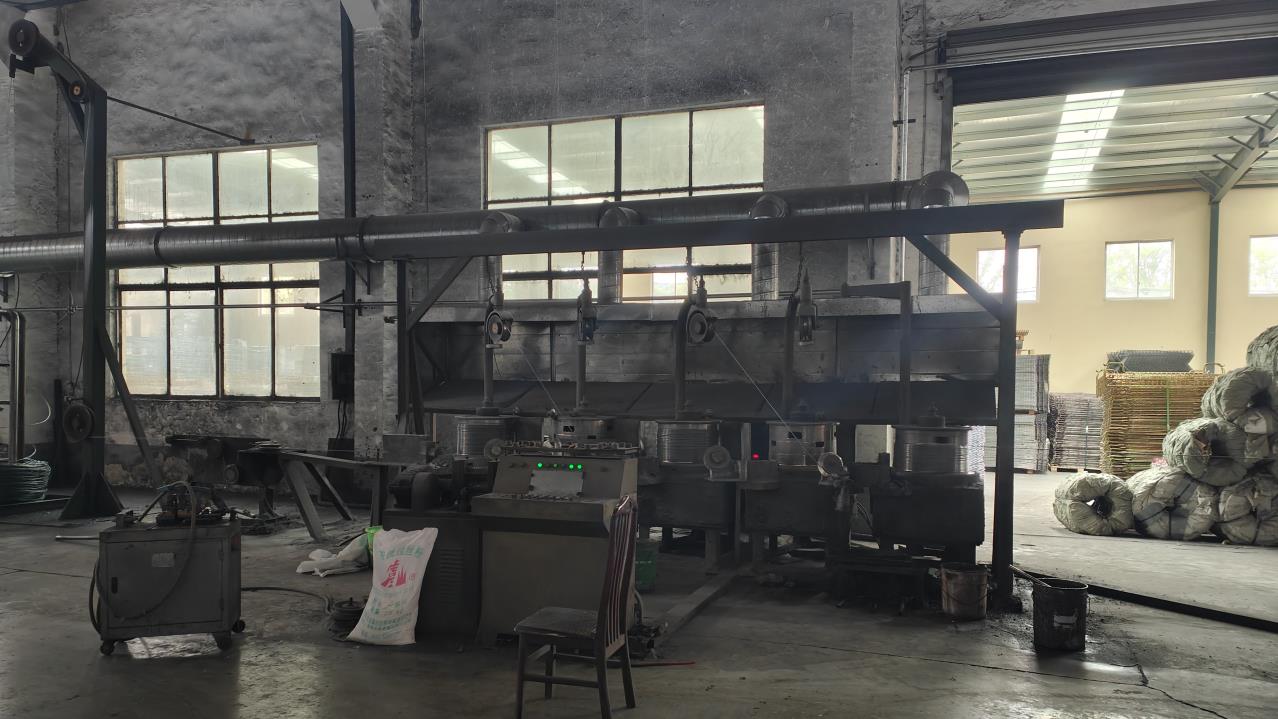
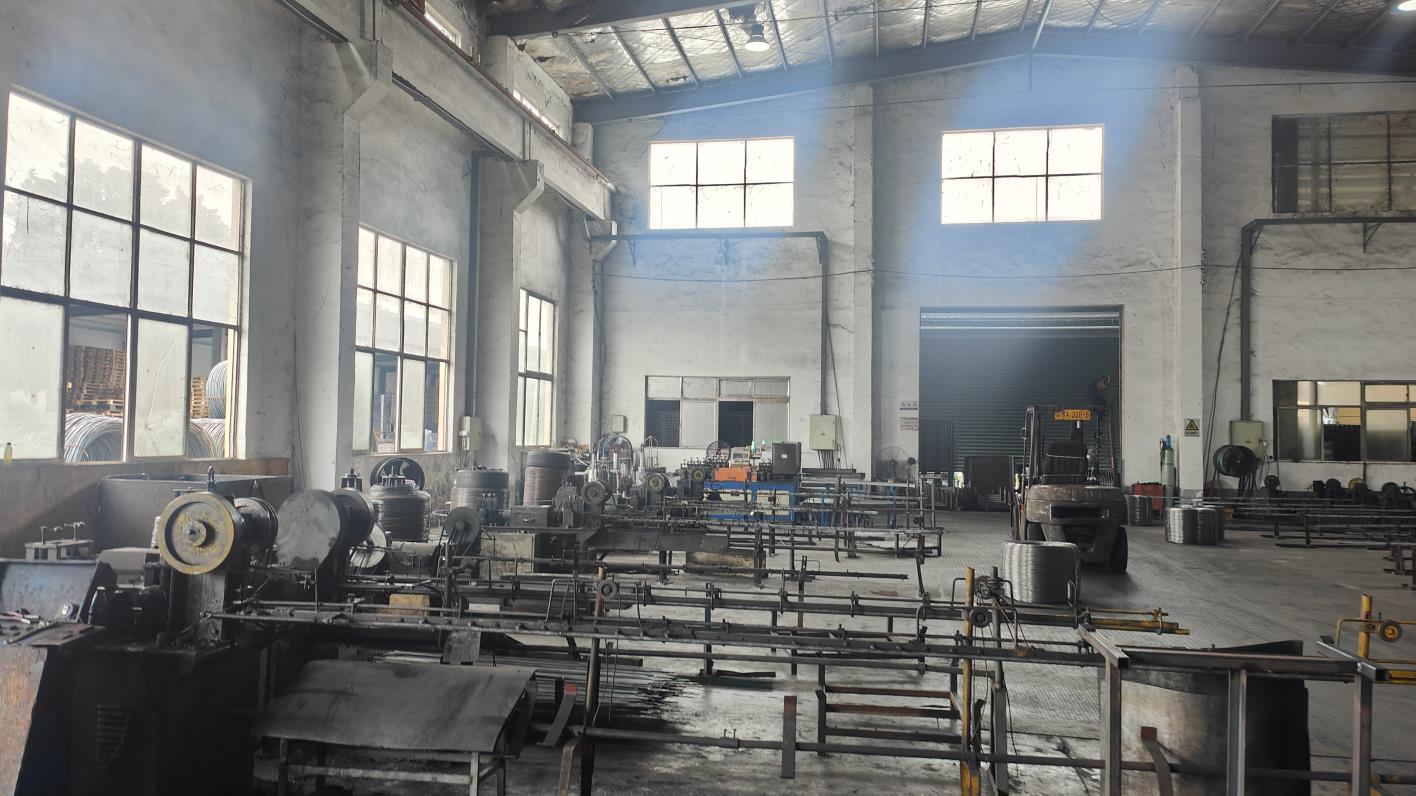
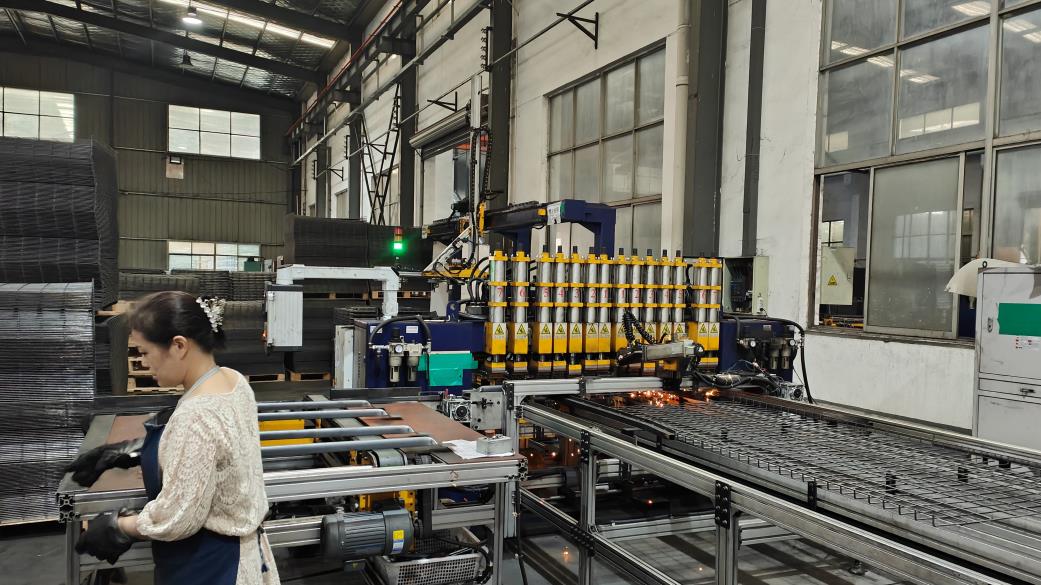
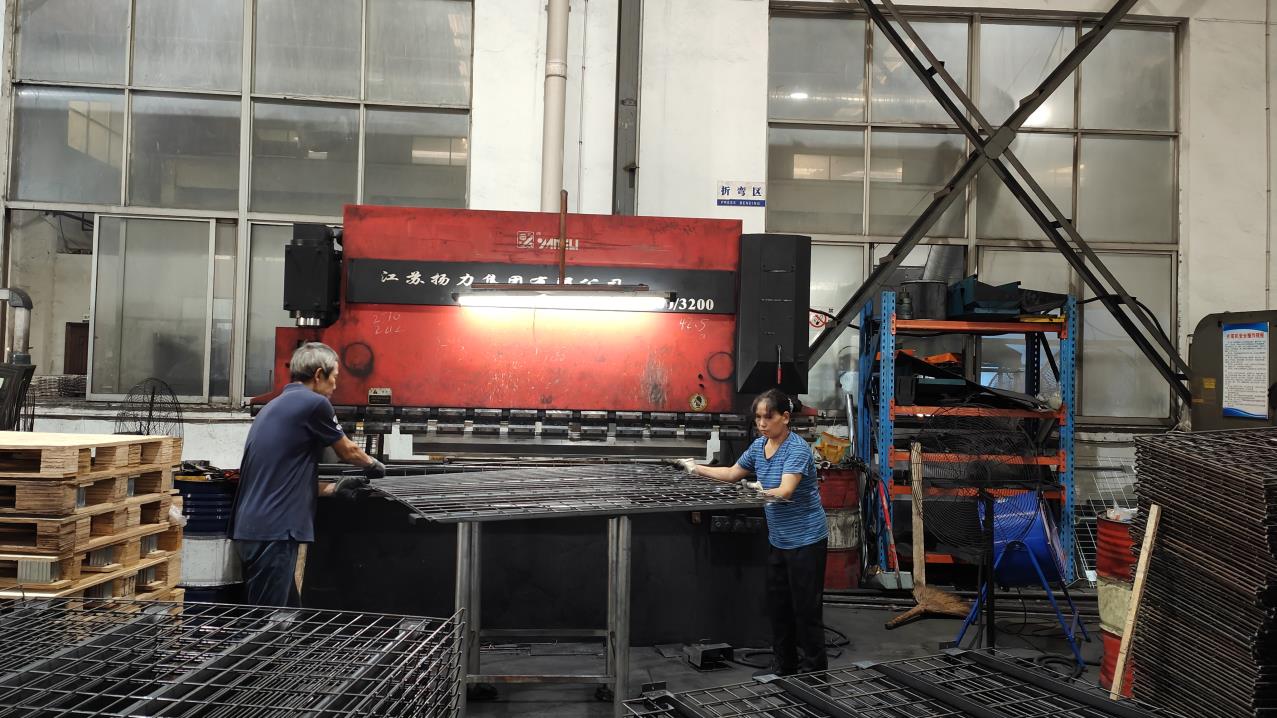
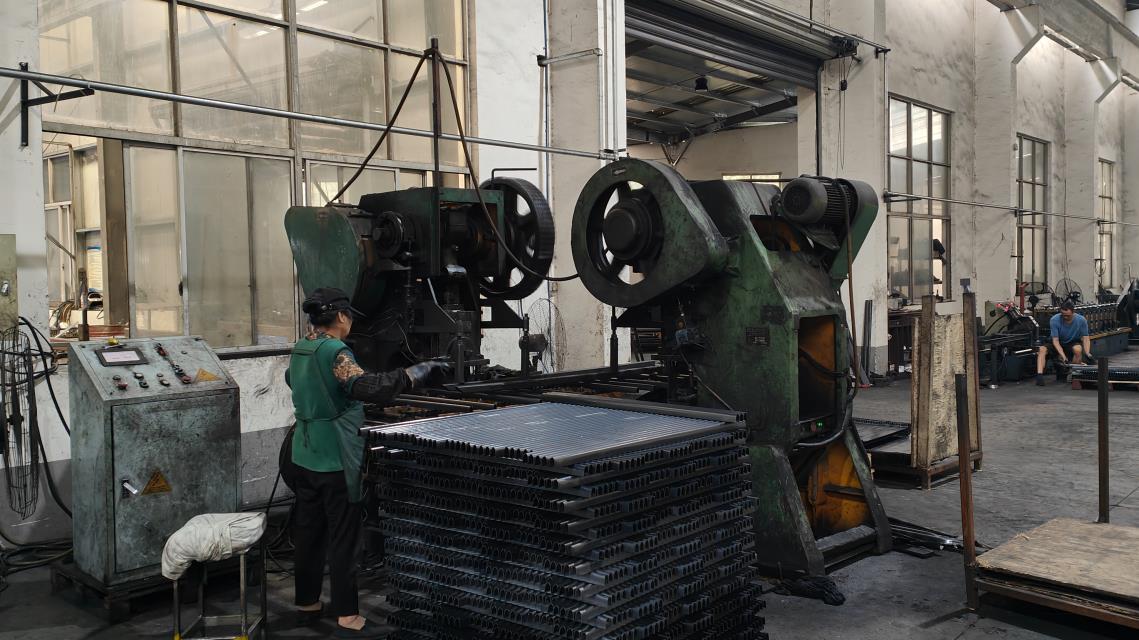
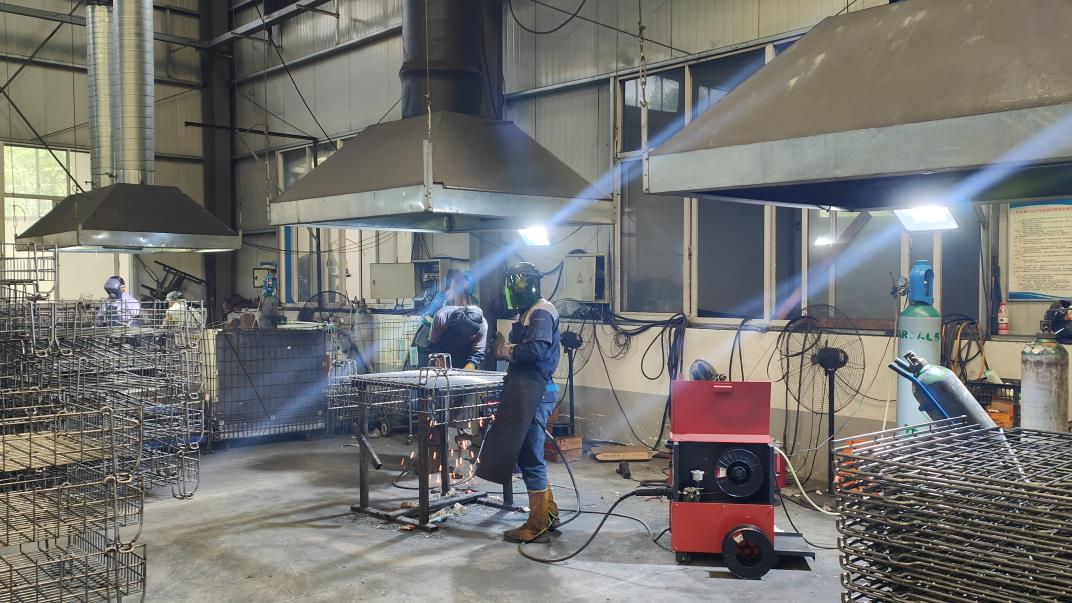
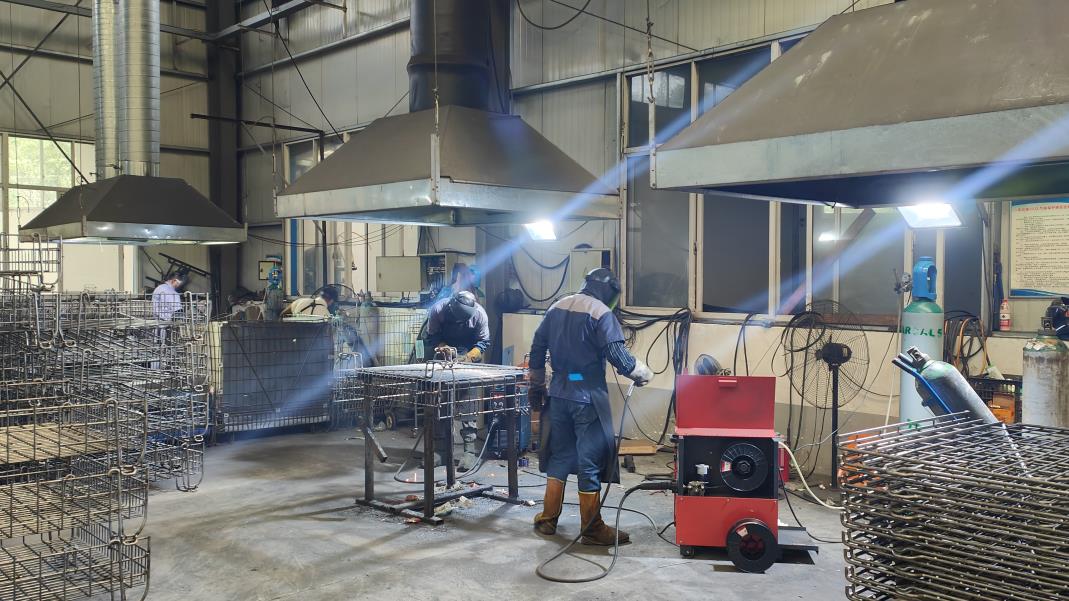
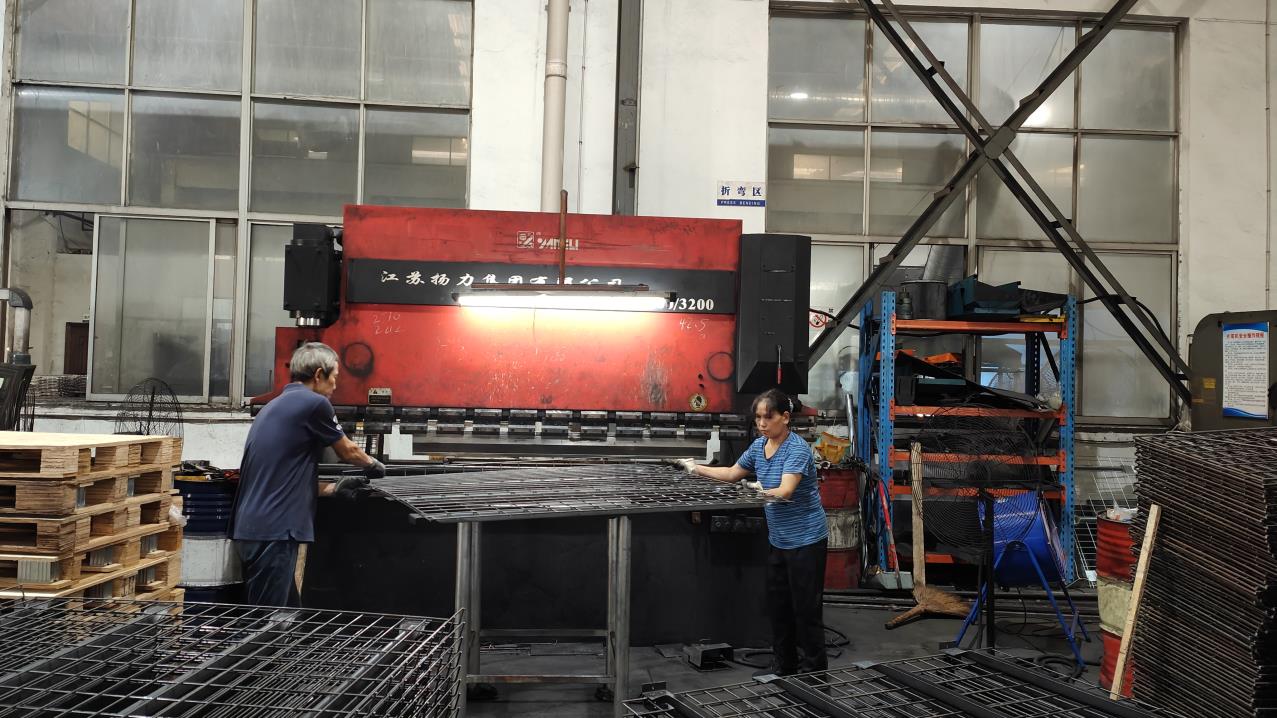
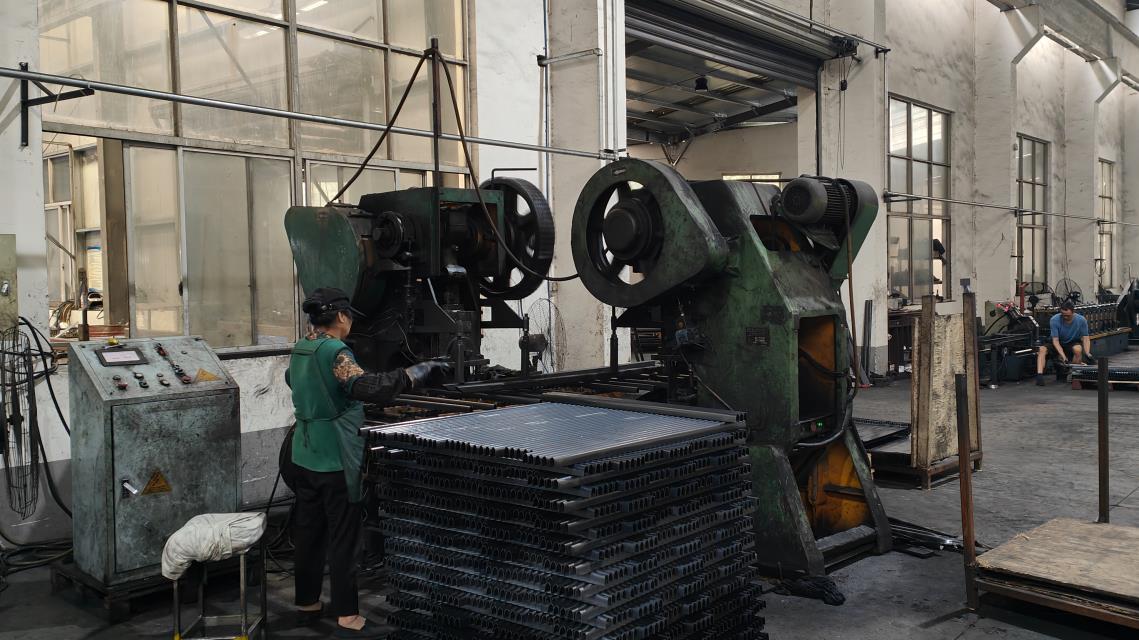
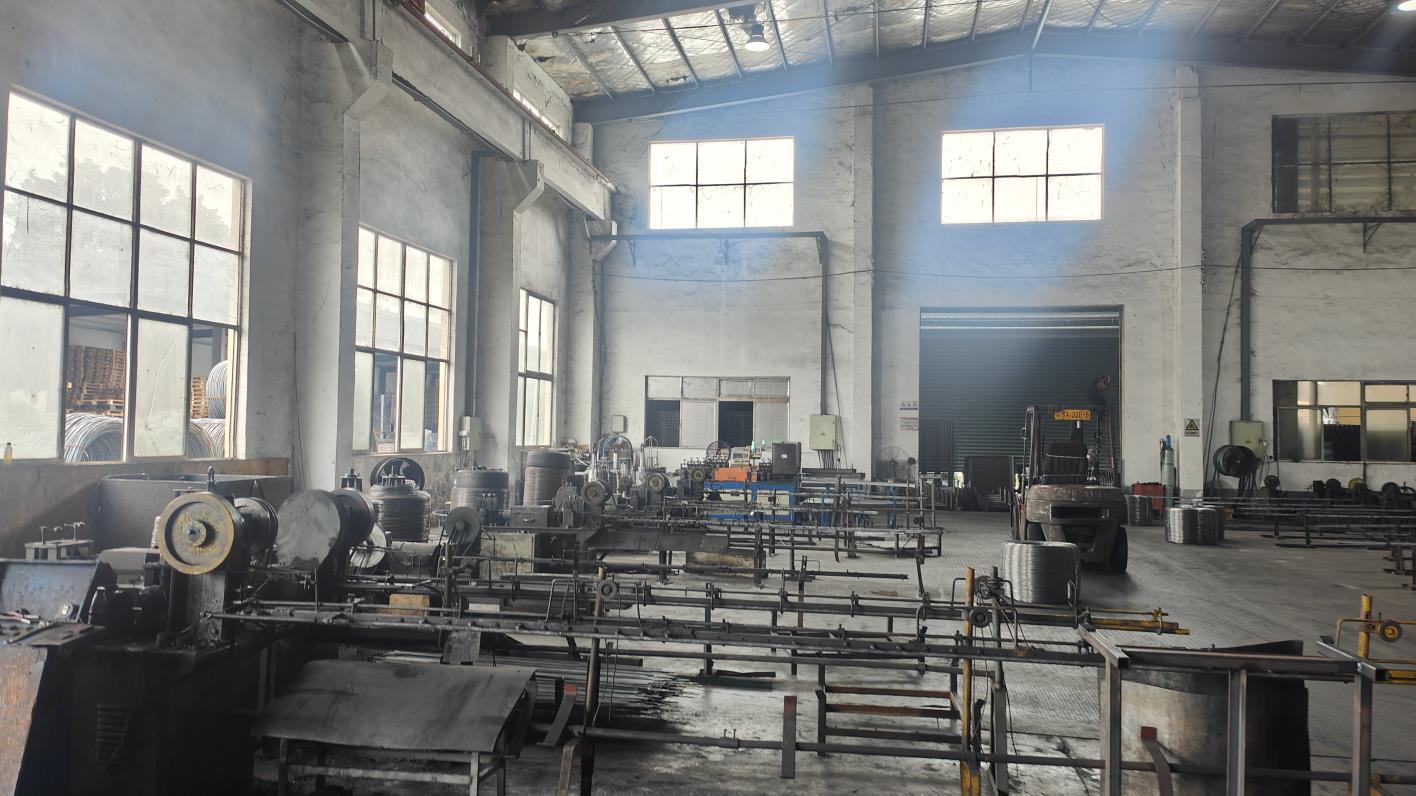
Each phase of our production line is governed by rigorous quality control protocols. The Pulling and Aligning stages ensure that high-tensile steel is dimensionally true and free of structural abnormalities before fabrication. We use computer-controlled Punching and Bending Machines to achieve exact tolerances on upright frames, beams, and diagonal bracing.
Welding is highly critical for cold chain components due to low-temperature dynamic loads. Our automated Welding Machines operate under strict parameters to ensure depth of penetration and limit heat-affected zone (HAZ) embrittlement. Following fabrication, our 45 QC experts conduct Ultrasonic Weld Inspections and NDT evaluations to guarantee that every structural joint meets international safety specifications, preventing failure under heavy load capacities.
Ensuring systems align with local building regulations and technical requirements
Our custom engineering solutions comply with RMI (Rack Manufacturers Institute) guidelines and local building codes, including seismic parameters for zones categorized under FEMA and IBC. We also provide documentation to support municipal permitting processes.
We comply fully with EN 15512 and EN 15620 specifications, ensuring safe clearance distances, load allocations, and structural limits. All units bear the CE mark, indicating full alignment with European occupational health and safety requirements.
We configure racking systems to withstand the challenges of humid tropical climates, utilizing specialized hot-dip galvanized coatings and corrosion-resistant finishes. We also engineer designs to comply with local seismic codes in active tectonic areas.
We offer comprehensive project support, from initial consultations to final engineering drawings. Our engineering division works with local structural engineers to review calculations, check load tables, and run simulations for warehouse floor slabs. By using Finite Element Structural Analysis, we verify racking behaviors under live, dead, wind, and seismic loads, preventing costly design revisions or structural failures during installation.
How space constraints and energy costs are driving automated warehousing designs
With cold room operating costs reaching up to three times those of dry warehouses, space optimization is critical. Modern logistics centers are moving away from standard selective pallet racking toward automated solutions. Automated Storage and Retrieval Systems (ASRS), shuttle systems, and mobile racks maximize floor utilization, minimize forklift traffic in cold environments, and lower heat loss by reducing door openings.
Another major industry trend is the focus on eco-friendly and food-safe surface finishes. Traditional solvent-based coatings are being replaced by high-durability, zero-VOC powder coatings. These specialized powder coats provide a non-porous, corrosion-resistant surface that does not off-gas in closed refrigeration environments, protecting stored food products from odors or chemical residues.
Finally, cold storage facilities are adopting integrated warehouse management software (WMS) that works in tandem with smart racking sensors. Real-time monitoring tracks weight distributions, structural strain, and localized temperatures. This preventative maintenance data helps warehouse managers address potential issues before they impact structural safety, ensuring continuous operations.
Technical answers to key structural, metallurgical, and compliance questions
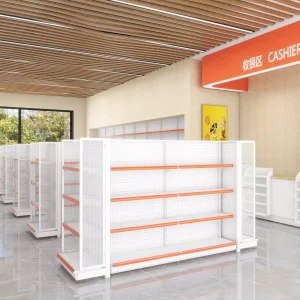
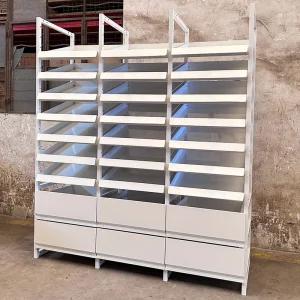
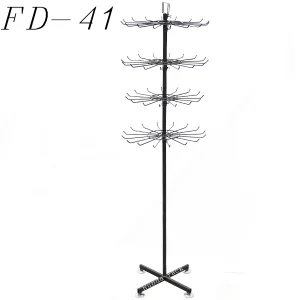
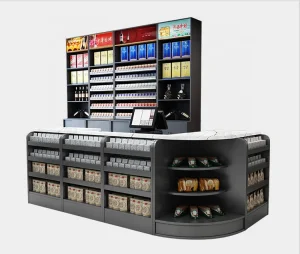
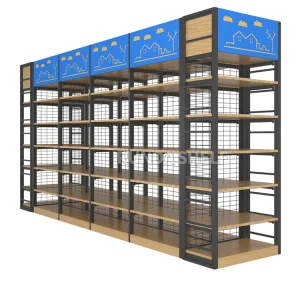
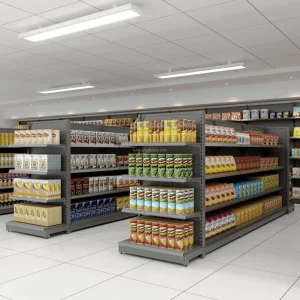
Versatile, heavy-duty display systems engineered for retail spaces, logistics hubs, and industrial plants
 CraftRack