Engineered for structural durability and maximum visual engagement. High-strength steel solutions matching international retail compliance.
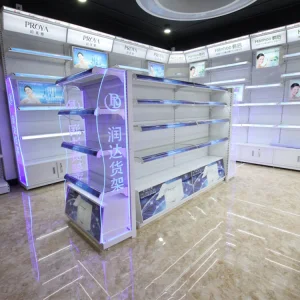
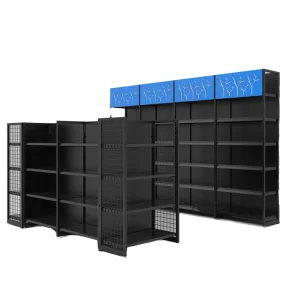
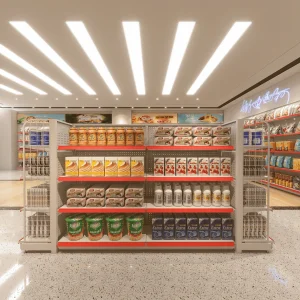
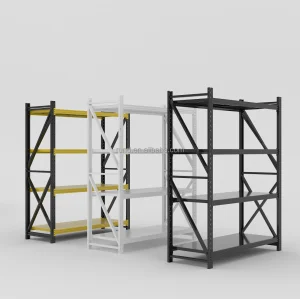
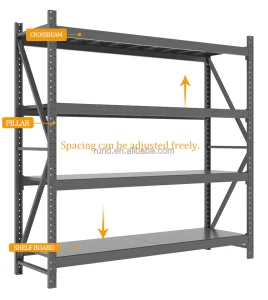
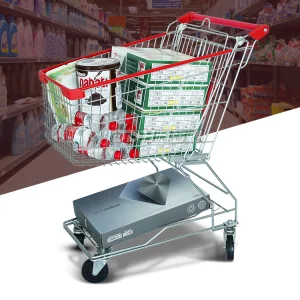
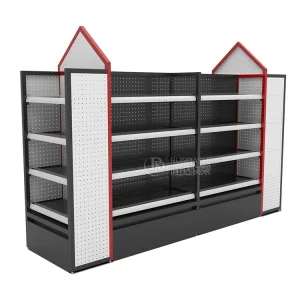
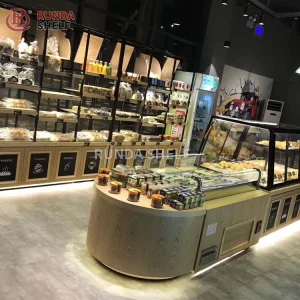
In the modern, fast-paced fast-moving consumer goods (FMCG) and grocery retail sectors, the food display rack is no longer just a static piece of store furniture. It has evolved into a key driver of retail conversion rates, inventory rotation efficiency, and compliance with health and safety standards. Worldwide, large-scale supermarket chains, food manufacturing conglomerates, and hypermarkets are modernizing their physical layouts to adapt to shifting consumer habits, placing a higher emphasis on safety, longevity, and sustainability.
Enterprise procurement departments now evaluate display equipment through a multifaceted lens:
Bridging the gap between the retail floor and the fulfillment warehouse is critical for operational efficiency. Modern grocery operations require systems that function in diverse environments, from the front-of-house customer zone to back-of-house storage and cold chain environments.
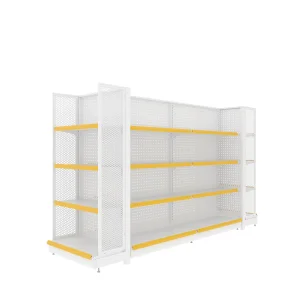
High-density double-sided retail racking (such as our Runda systems) and Nakajima layout shelves maximize space utilization. Integrated price labeling channels and pegboard back panels make product classification fast and straightforward.
Environments with high humidity, like fresh produce displays and walk-in coolers, require specialized treatments. We offer hot-dip galvanized and multi-layer thermosetting powder-coated racks that prevent rust and maintain structural integrity.
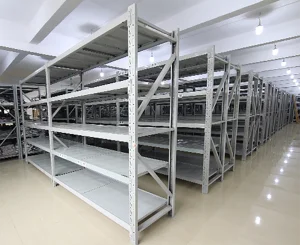
With the growth of online grocery shopping and click-and-collect services, back-of-house storage must support rapid picking. Our light-to-medium-duty storage racks organize inventory for quick access, reducing order preparation times.
By combining retail-floor display systems with back-of-house storage solutions, we help grocery businesses maintain a cohesive supply chain. This approach streamlines inventory management and minimizes product handling from receiving dock to checkout.
How Suzhou CraftRack integrates advanced structural analysis and automated manufacturing to deliver reliable storage systems.
To ensure structural integrity under maximum load limits, Suzhou CraftRack utilizes Finite Element Analysis (FEA) software. This technology simulates load distributions, static and dynamic stress patterns, and potential seismic impacts on critical rack connections. Testing designs virtually before manufacturing ensures that all columns, beams, and connection clips meet or exceed safety standards.
Additionally, our quality assurance process includes Non-Destructive Testing (NDT) and Ultrasonic Weld Inspection. These methods verify internal weld structures without compromising the physical components, ensuring that load-bearing upright frames remain sound under continuous operational demands.
As retail continues to digitize, display infrastructure must adapt. Suzhou CraftRack is currently developing integration pathways for Automated Storage and Retrieval Systems (ASRS) and IoT-enabled smart shelves. These systems use load sensors and RFID tracking to monitor stock levels in real time, alerting inventory management systems when shelves need restocking.
Suzhou CraftRack Heavy Duty Storage Equipment Co., Ltd. (established in 2014) operates a 38,000 m² manufacturing facility, supported by an annual export revenue of $28,000,000. Built on 14 years of industry expertise and 8 years of export operations, we design and manufacture storage systems for global logistics networks and large-scale retail environments.
We operate as an OEM/ODM direct manufacturer, serving markets in North America, Western Europe, and Southeast Asia. Our clients include third-party logistics (3PL) hubs, e-commerce fulfillment centers, and industrial manufacturing facilities. We maintain active partnerships with over 1,200 supply chain distributors worldwide.
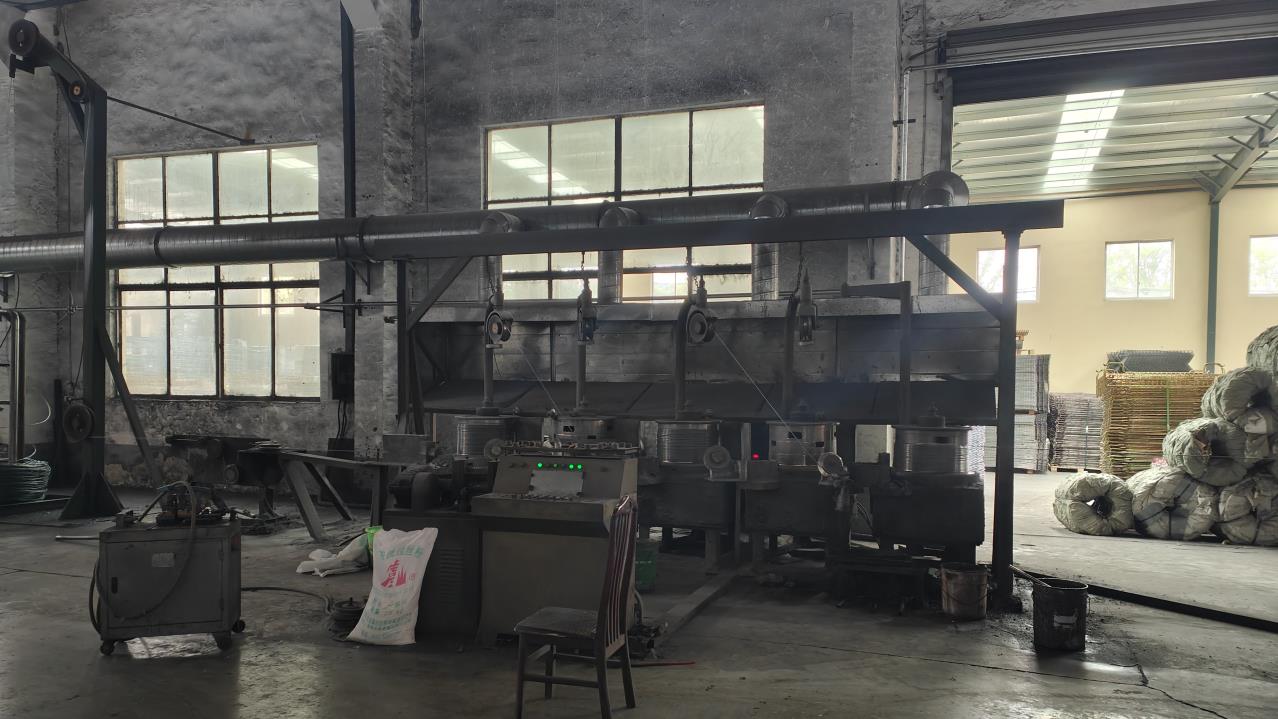
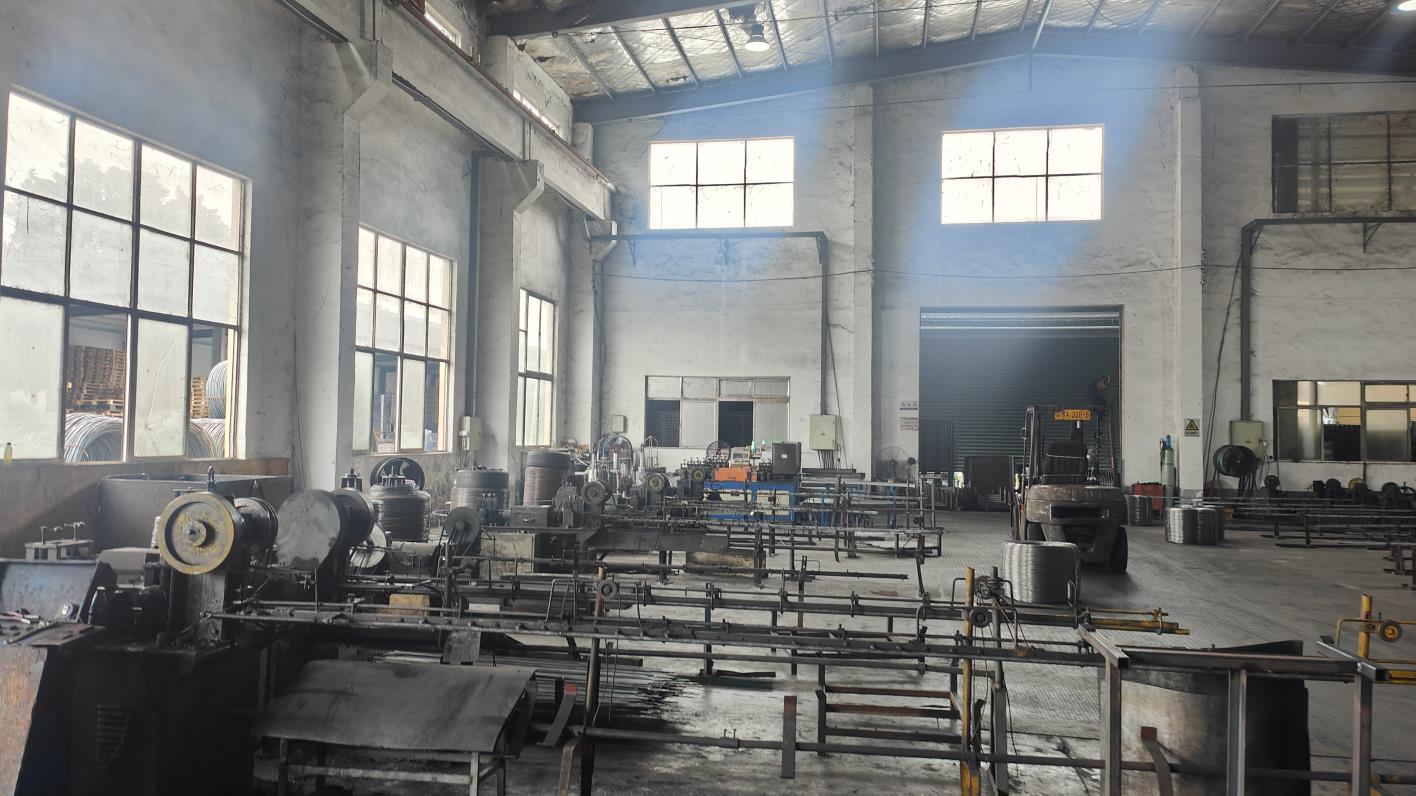
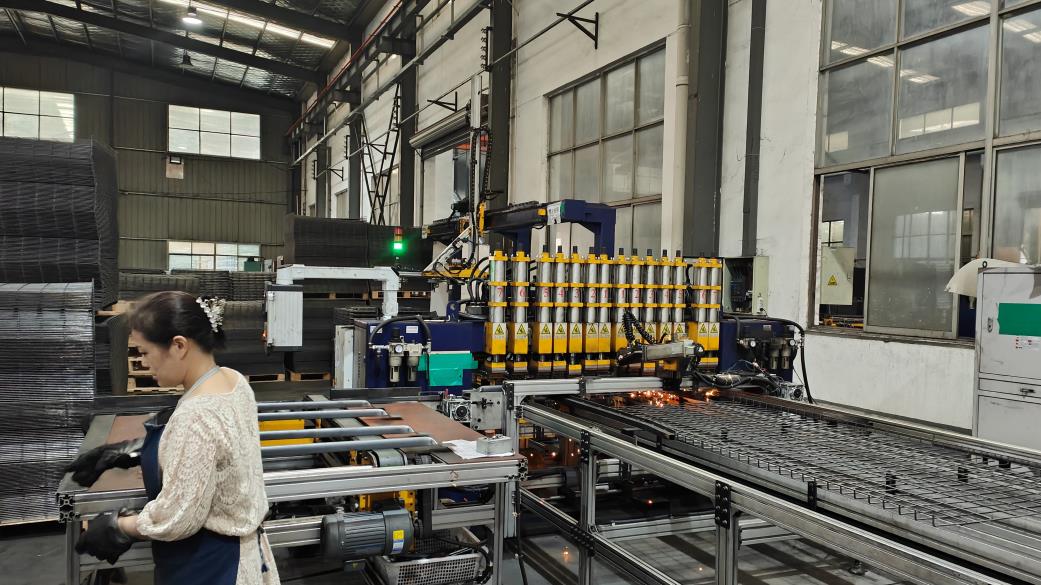
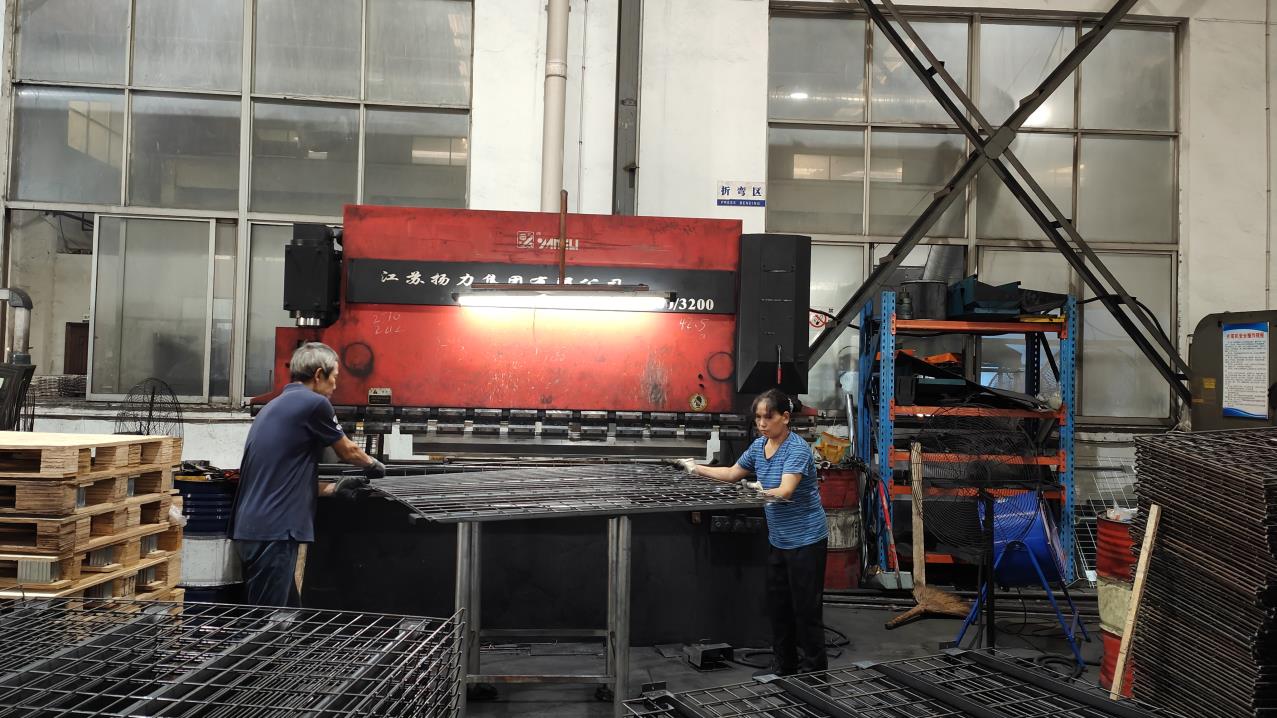
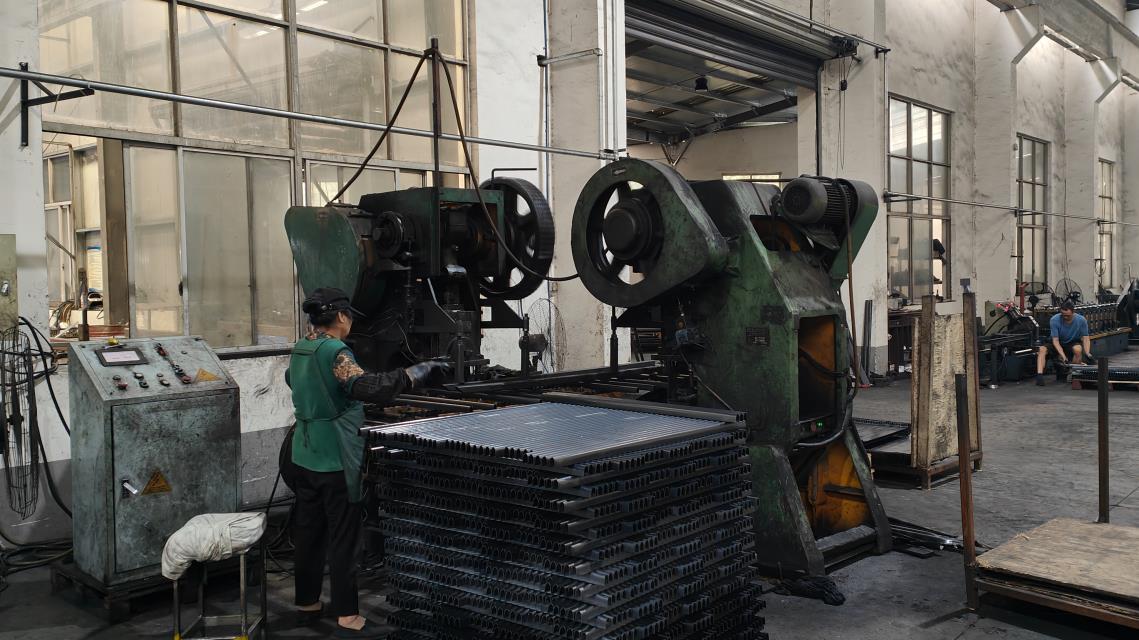
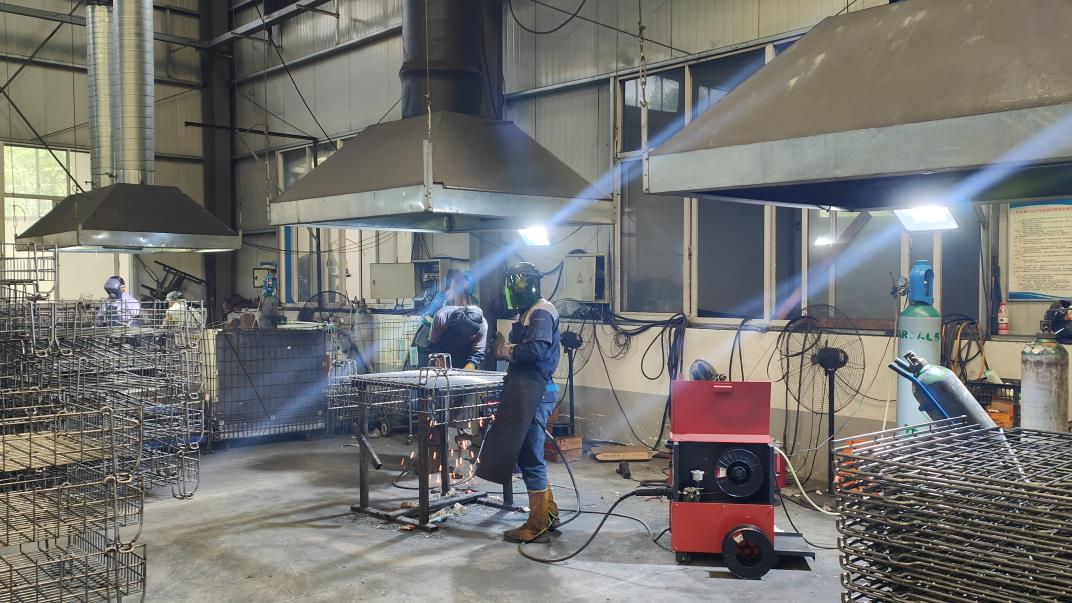
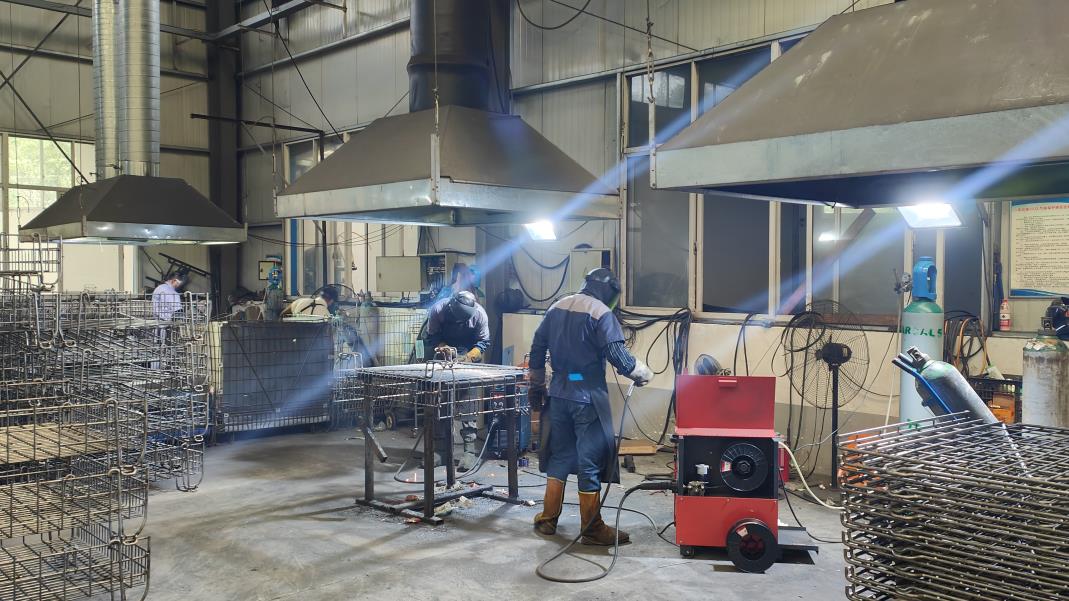
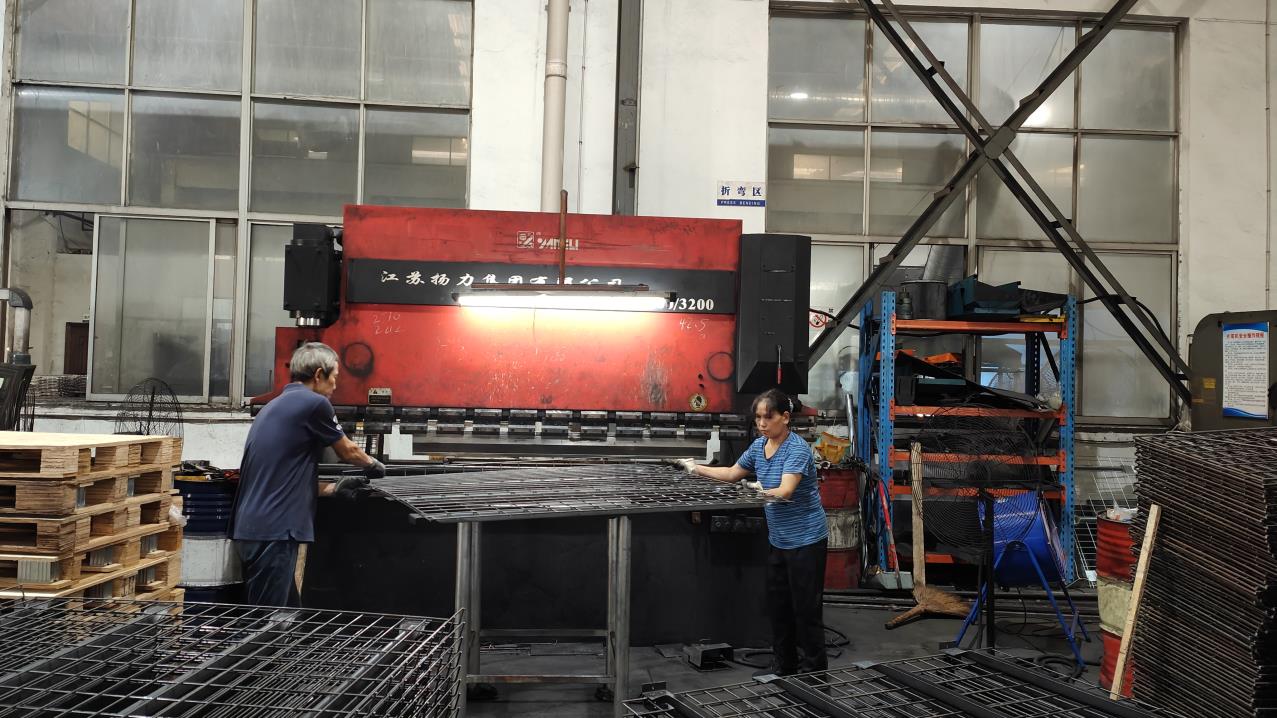
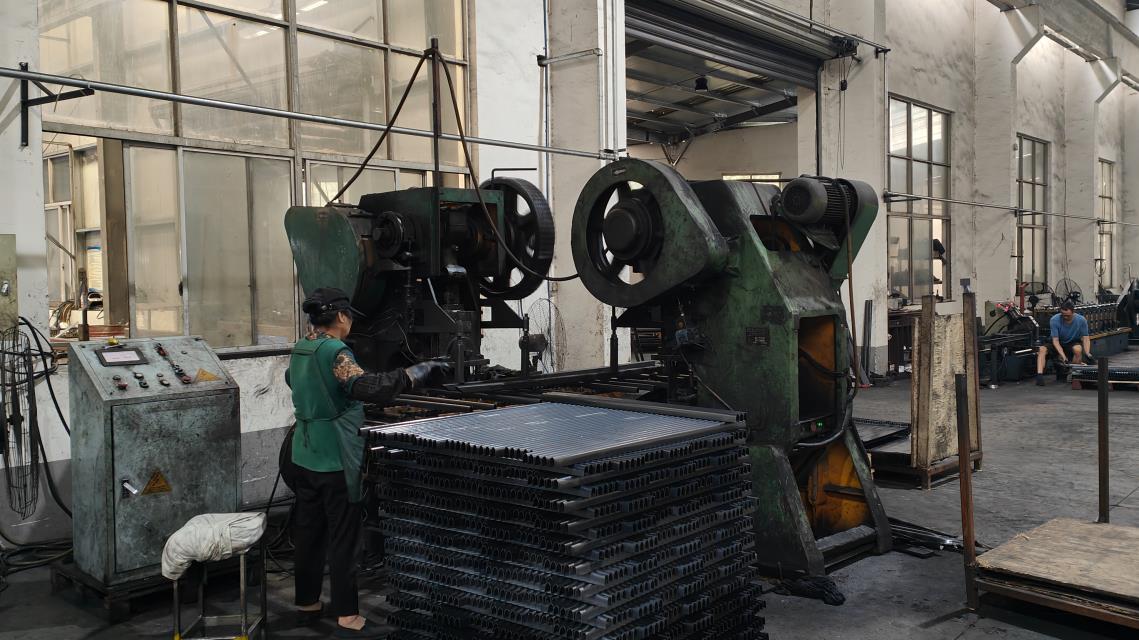
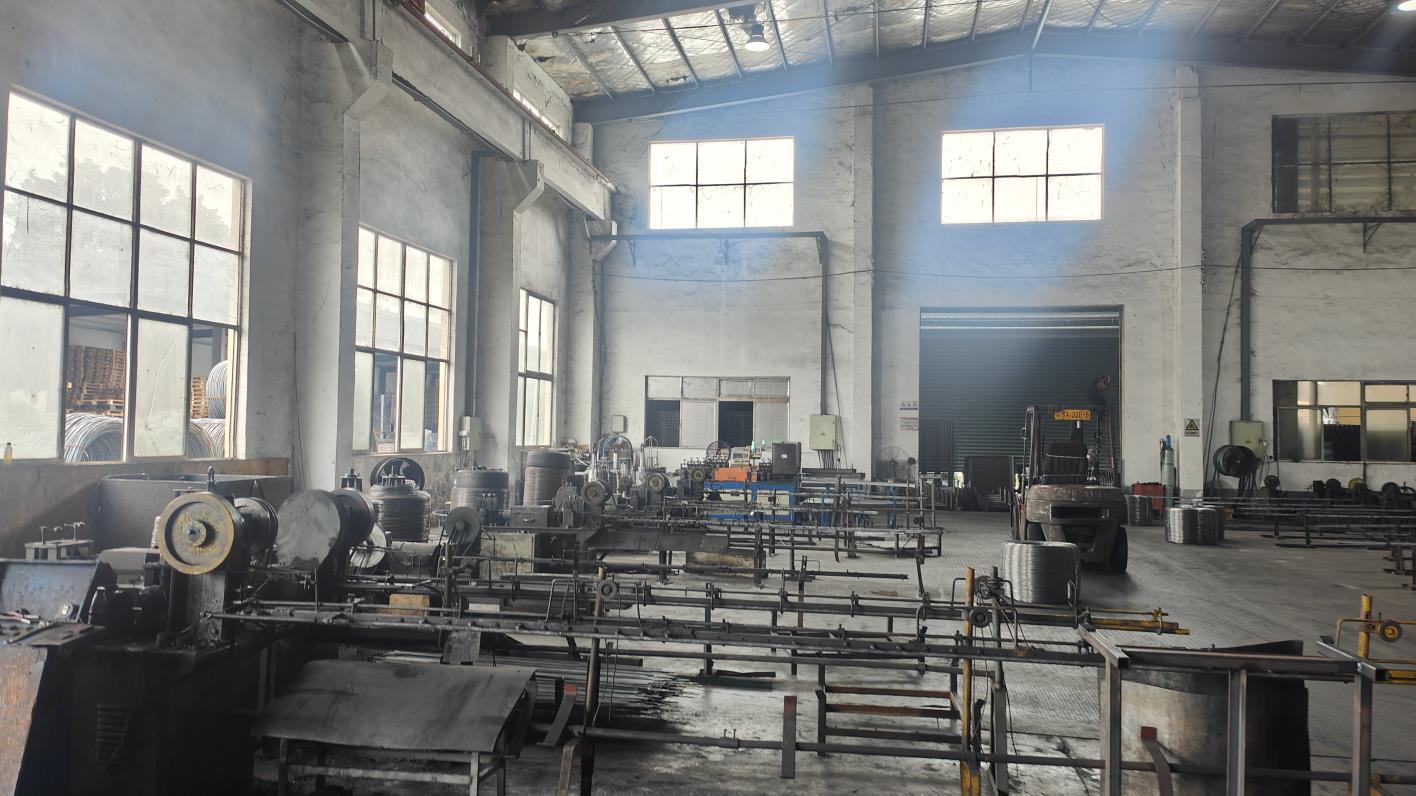
Our production line integrates automated steel forming, precision punching, robotic welding, and electrostatic powder coating. Each process is monitored by our 45-person Quality Control team to ensure structural consistency and compliance with international standards.
Below are key stages of our manufacturing process, displaying our actual workshop operations:
Importing display and storage infrastructure requires compliance with regional safety codes and load standards. Suzhou CraftRack structural designs are calculated to meet the following international standards:
Our heavy-duty racks comply with the Rack Manufacturers Institute (RMI) MH16.1 specifications. These guidelines define safety standards for industrial steel storage racks, detailing testing procedures for beam-to-column connections and structural calculations under wind and seismic loads.
For European markets, our steel storage products conform to EN 15512 standards. This includes specific load limits, structural testing, and verification procedures to ensure safety in commercial workspaces.
For clients operating in active seismic zones (such as western North America or parts of Southeast Asia), we customize footplates, dynamic bracing systems, and frame gauges to absorb ground movement. This reduces risk and complies with local building safety codes.
From light-duty retail shelving to high-capacity industrial warehouse systems. Explore our range below.
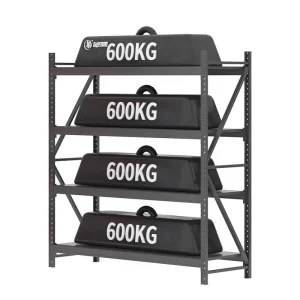
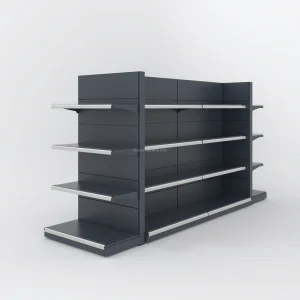
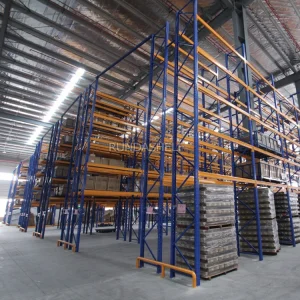
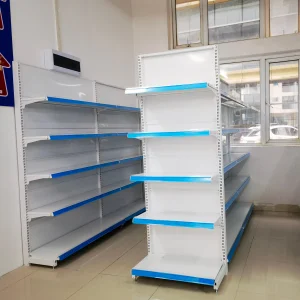
Answers to common structural, logistics, and procurement questions for global buyers.
Q235B is an industry-standard carbon structural steel in China, featuring good plasticity, toughness, and weldability. It provides an optimal balance of strength and cost for retail environments with load capacities up to 200kg per tier. For deep-freeze warehouses or heavy-duty pallet systems with structural loads exceeding 2 tons per level, we upgrade profiles to high-strength Q355B steel to prevent structural failure at low temperatures.
We use multi-stage automated pre-treatment processes (alkaline degreasing, acid pickling, and iron phosphating) followed by an electrostatic thermosetting epoxy-polyester powder coating (typical thickness 60-90 microns). For wet environments, walk-in coolers, or seaside warehouses, we recommend hot-dip galvanization or stainless steel 304 components to prevent corrosion.
For standard display racks, our production cycle takes 20 to 25 days following design approval. Custom ODM projects requiring unique punch patterns, custom dimensions, or custom load testing configurations generally require 30 to 45 days. This includes a 3D structural analysis stage and physical prototype testing.
We offer FOB, CIF, DDU, and DDP shipping arrangements through our networks of third-party logistics providers. All products are shipped with detailed assembly diagrams, structural certifications, bill of materials documents, and export-compliant wooden crates or reinforced corrugated wrapping. This helps minimize handling damage and streamline customs inspections at destination ports.
 CraftRack