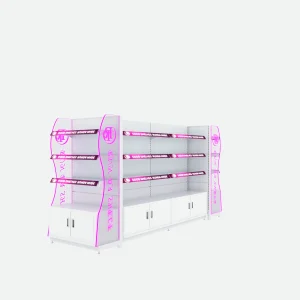
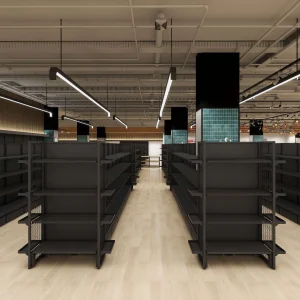
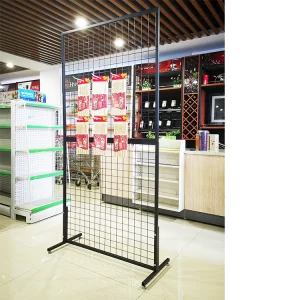
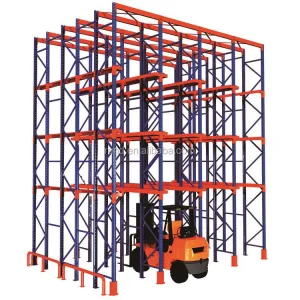
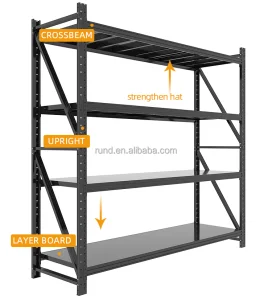
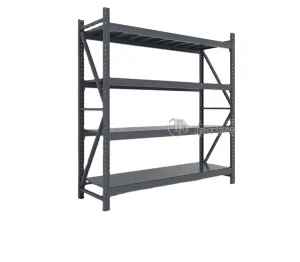
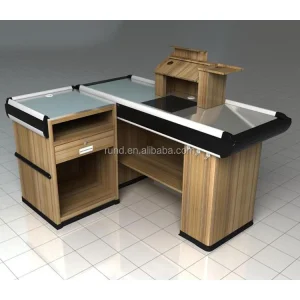
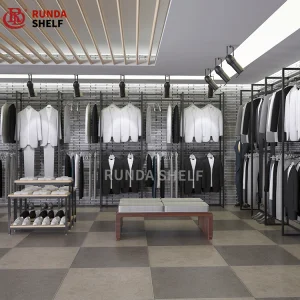
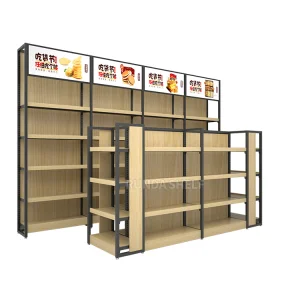
Engineered for extreme loading capacities, space maximization, and modular store displays.
In the modern era of logistics, warehousing is no longer just about static storage; it is a dynamic node in the global supply chain. The rise of multi-channel e-commerce, high-velocity distribution centers (3PLs), and automated production systems has forced manufacturers and procurement professionals to reconsider the fundamental architecture of their storage facilities. Achieving structural safety, optimum space utilization, and flawless operational scalability begins with selecting a world-class rack systems manufacturer.
As land values escalate and global urban centers face tightening footprints, warehouse designers are forced to look upward. Modern storage solutions must regularly support overhead clearances exceeding 12 to 15 meters while bearing heavy load limits under unpredictable seismic conditions. To guarantee resilience under these loads, engineers must utilize structural materials with high tensile strength and precision manufacturing standards. Suzhou CraftRack Heavy Duty Storage Equipment Co., Ltd. is positioned at the intersection of structural engineering and supply chain automation, providing robust, bespoke rack systems designed to endure heavy usage.
"True optimization in heavy-duty warehousing goes beyond simple metal placement. It requires a synergy of materials science, automated design tolerances, and strict compliance with global structural safety frameworks."
Selecting the ideal manufacturing partner in China requires evaluating their quality assurance protocols, compliance certifications, and technological infrastructure. It is not merely about finding a vendor, but about aligning with a strategic manufacturer capable of executing custom engineering (ODM) and volume production (OEM). This white paper provides deep insight into structural racking engineering, manufacturing processes, quality control methodologies, and the emerging market trends shaping B2B procurement.
A deep dive into our manufacturing capacity, quality control frameworks, and global trade footprint.
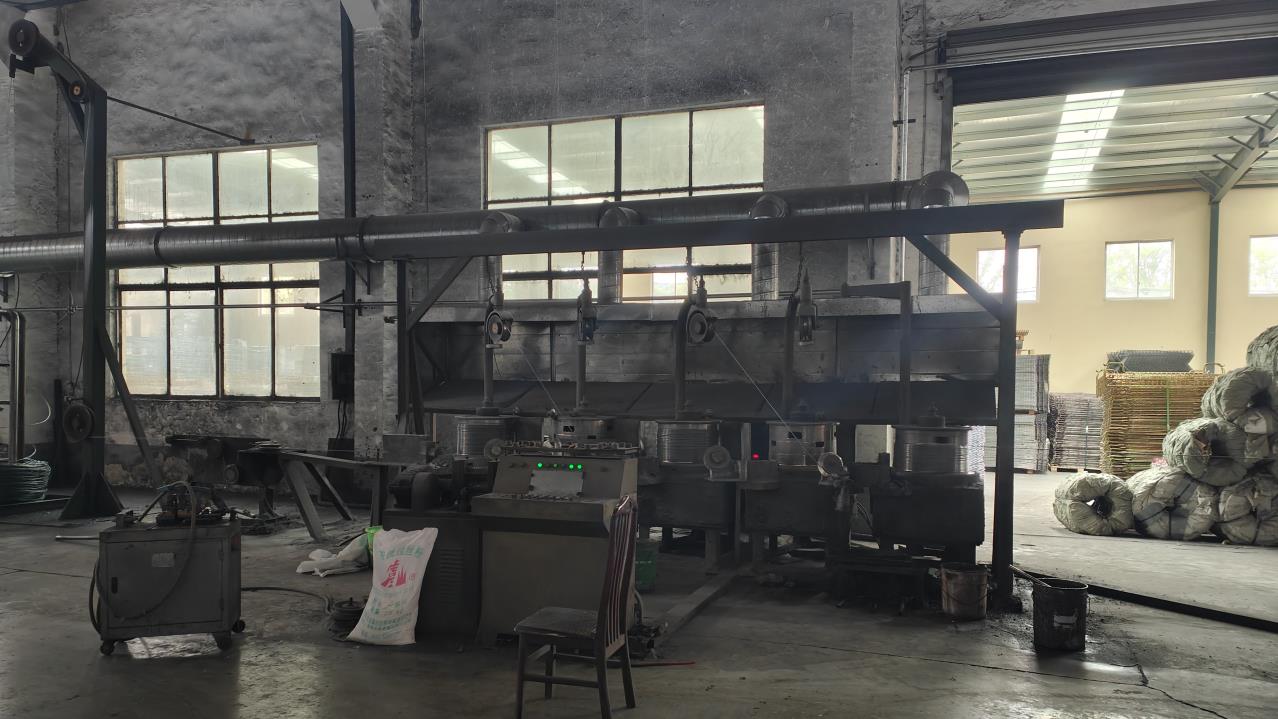
Established in 2014, Suzhou CraftRack Heavy Duty Storage Equipment Co., Ltd. has developed into an industry leader in high-performance storage solutions. Operating from a modern 38,000 m² manufacturing facility, we leverage advanced machinery to process thousands of tons of high-grade steel annually. Our annual export revenue has reached $28,000,000, reflecting our global presence and the trust placed in our solutions by international buyers.
With 14 years of deep industry expertise and 8 years of dedicated annual export experience, we understand the logistical requirements, custom challenges, and quality expectations of different global regions. Whether addressing complex freight handling, international customs, or localized building codes, our team is equipped to manage the complete lifecycle of heavy-duty storage projects.
Our core mission revolves around manufacturing reliability. Our quality assurance team includes 45 QC specialists who monitor production using advanced testing equipment. We conduct thorough Non-Destructive Testing (NDT), including Ultrasonic Weld Inspections, to ensure weld joints can withstand high load demands without compromising structural integrity. This level of quality control is essential for systems integrated into automated storage and retrieval networks (ASRS), where mechanical components must operate continuously with minimal maintenance.
Through our direct manufacturing model, we maintain a strong supply network, partnering with over 1,200 supply chain partners worldwide. This allows us to secure raw materials reliably, optimize manufacturing times, and remain cost-competitive. Our primary markets include North America, Western Europe, and Southeast Asia, where we serve 3PL logistics hubs, large-scale e-commerce fulfillment centers, and industrial manufacturing plants.
Every step in our fabrication process is carefully managed to ensure compliance with global structural safety frameworks.
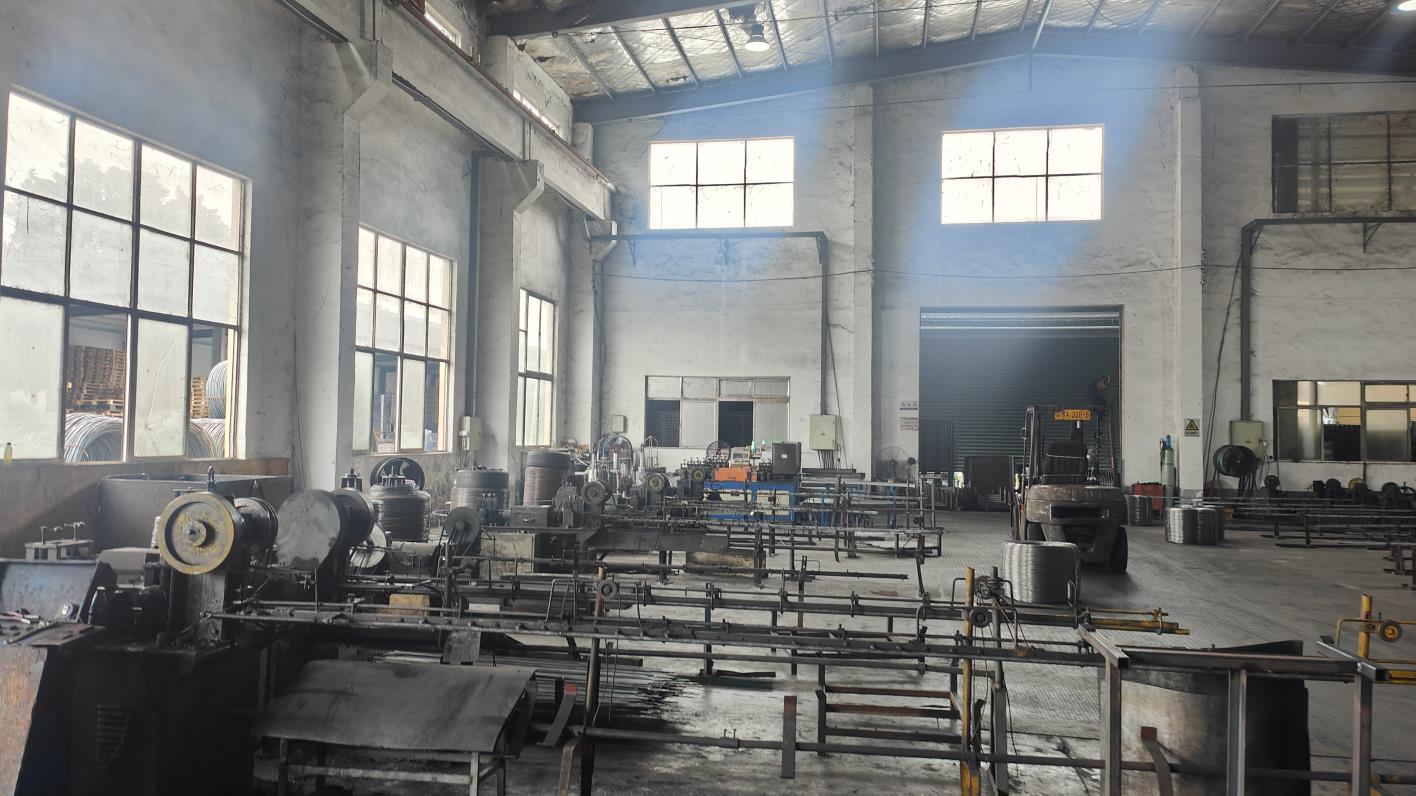
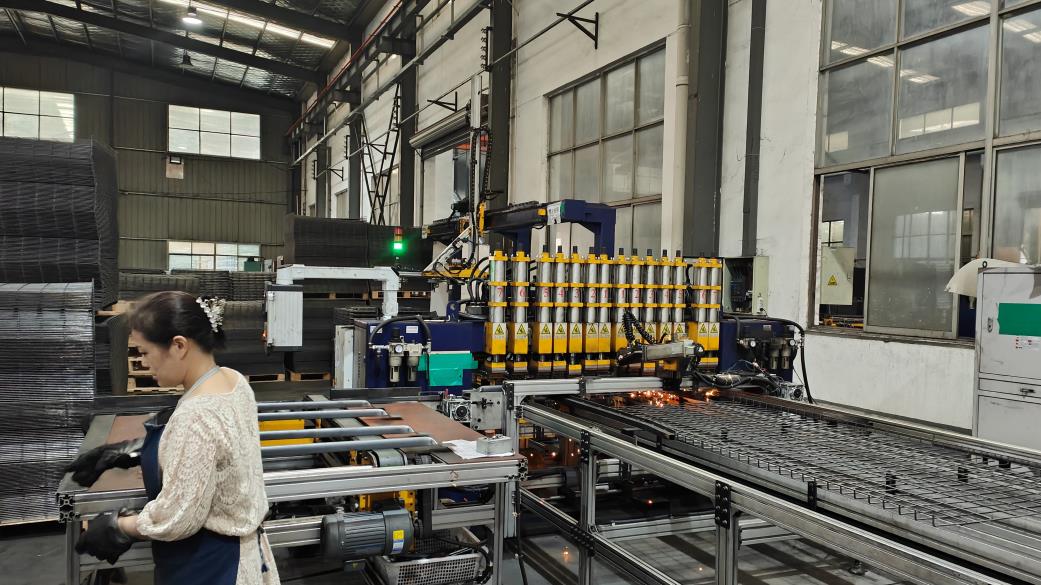
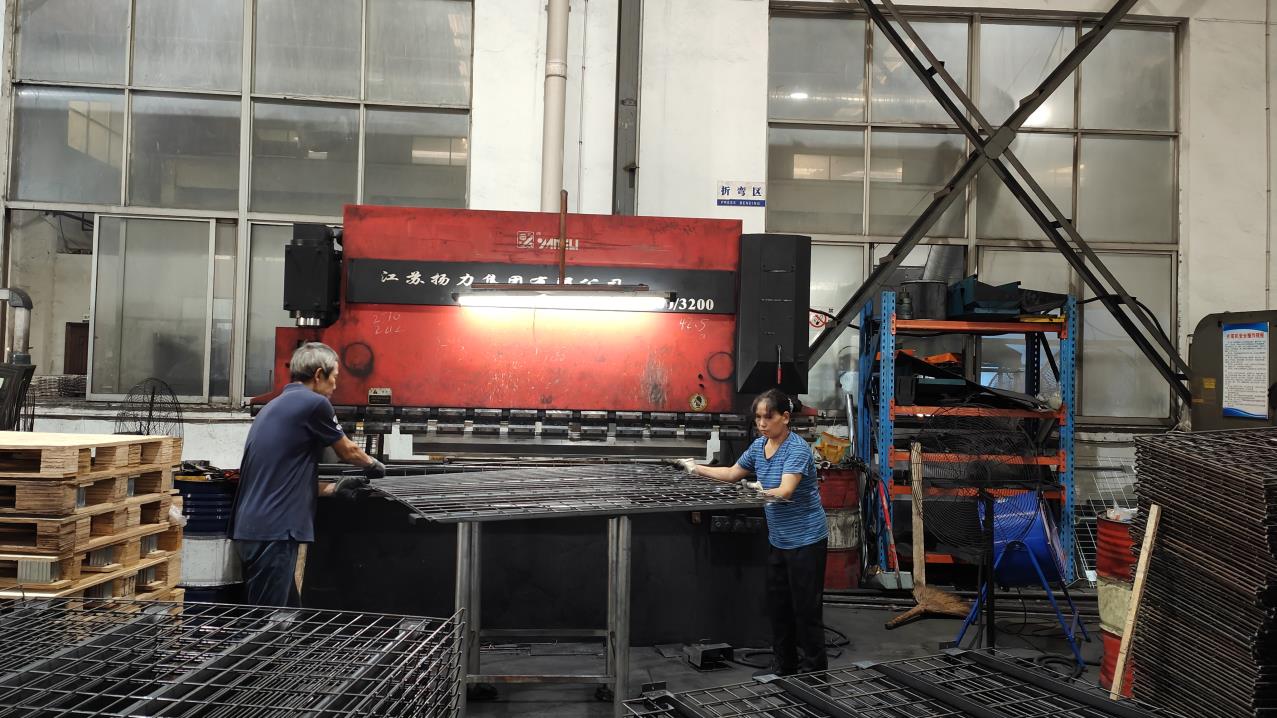
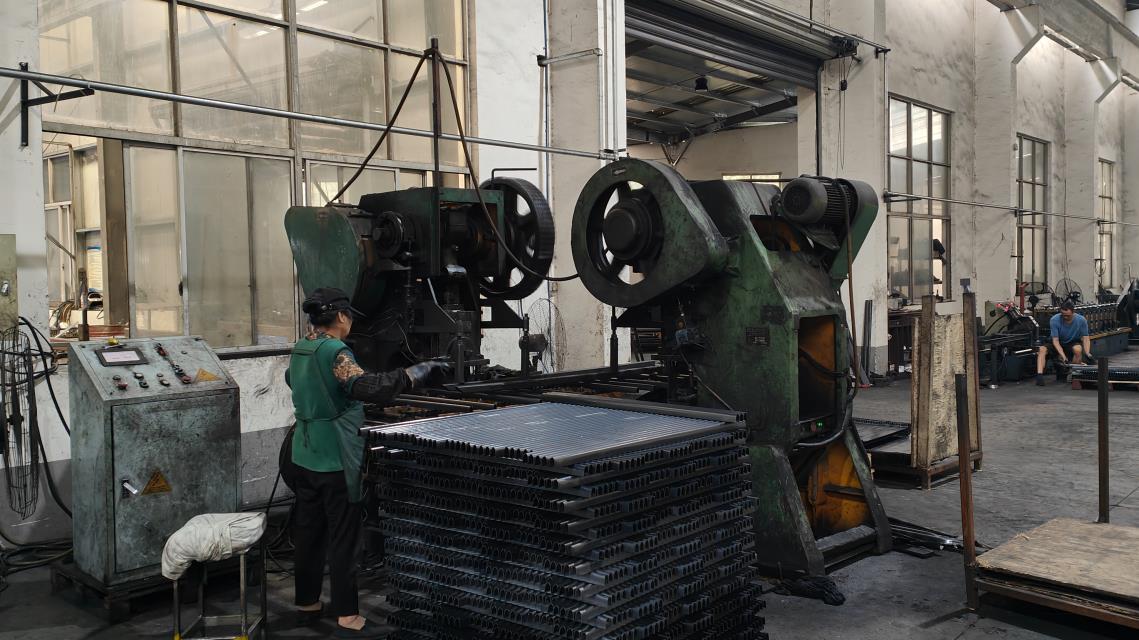
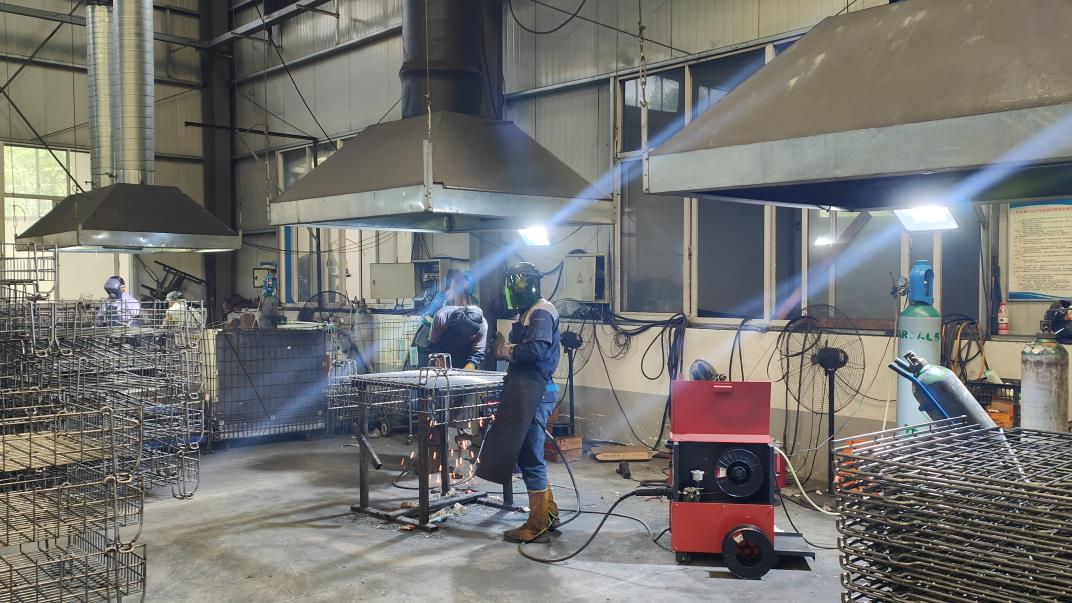
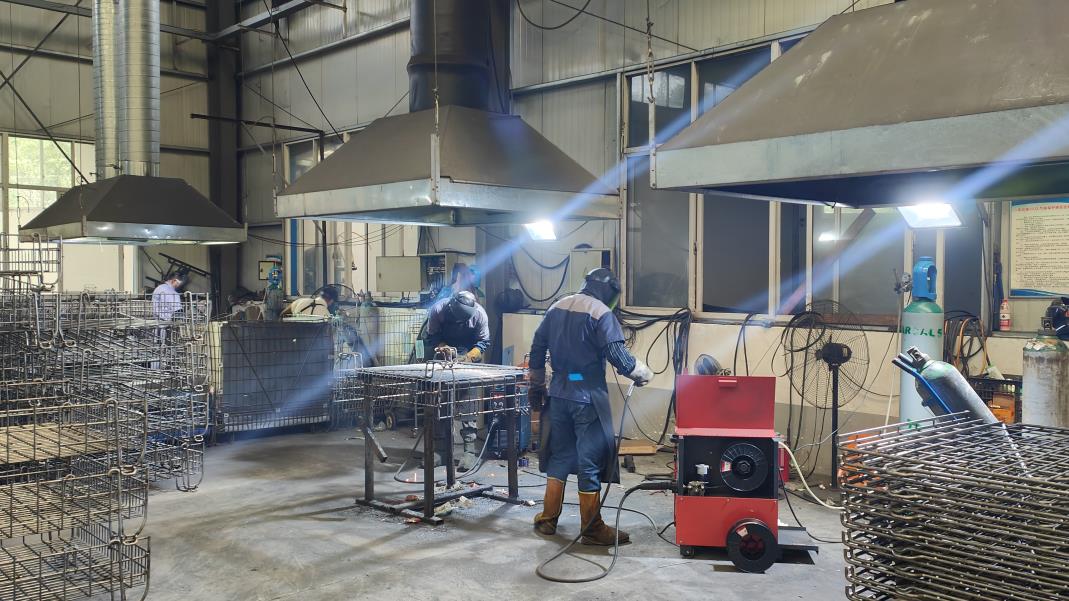
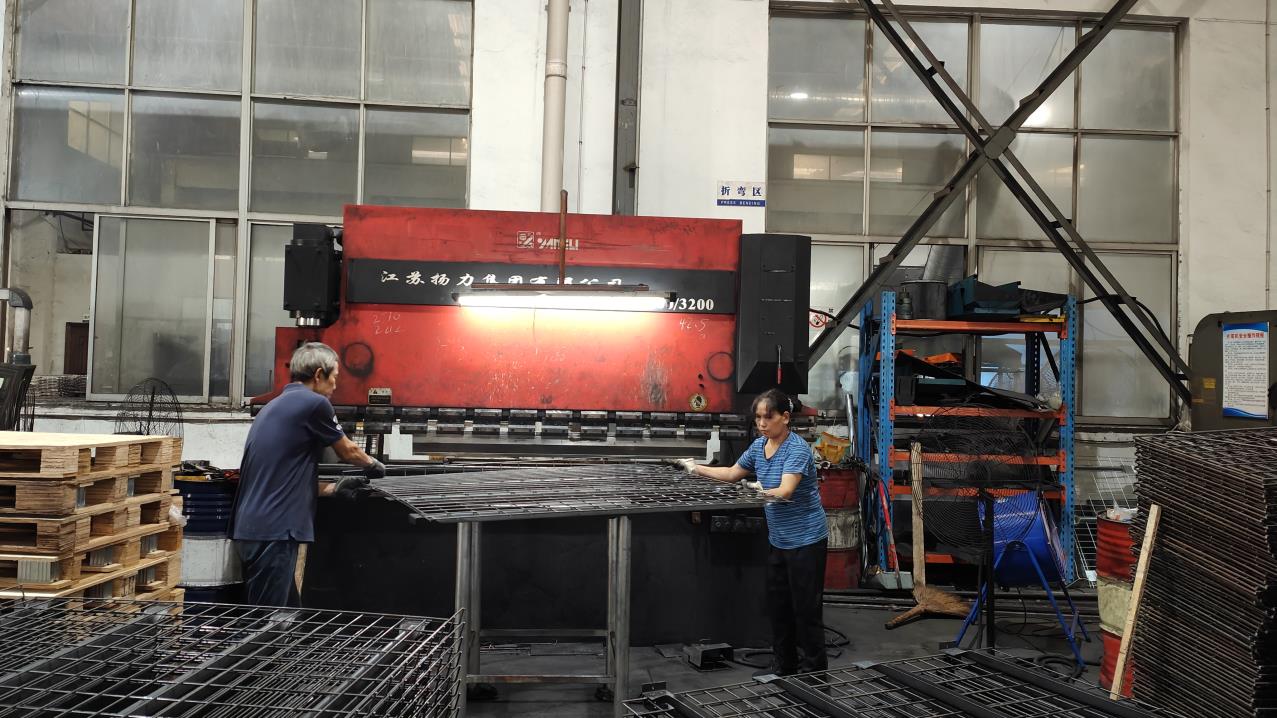
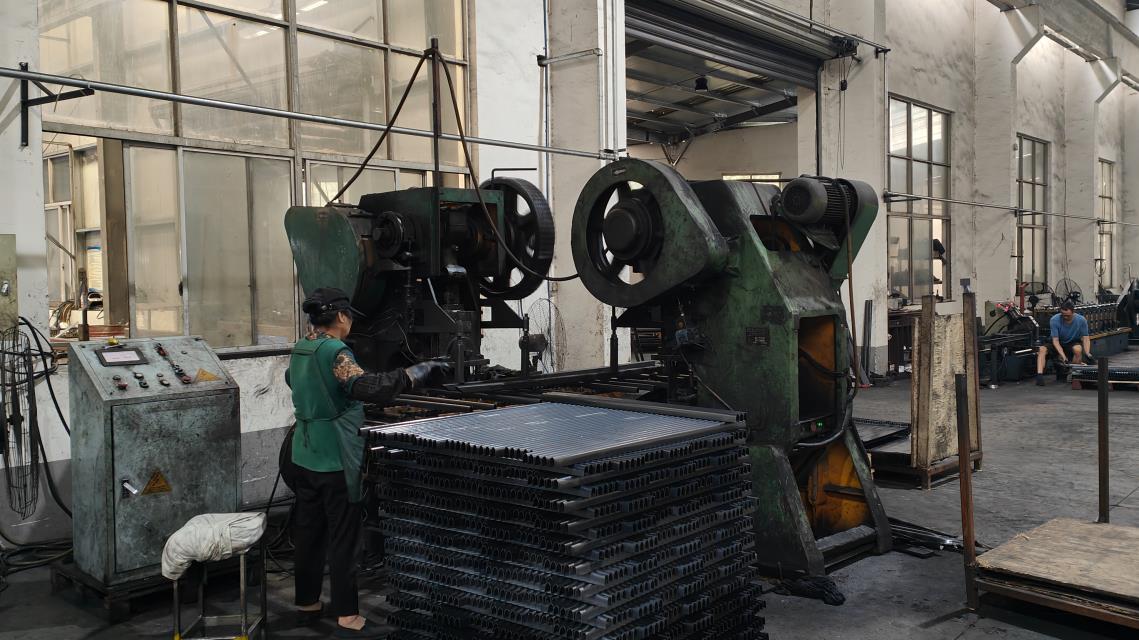
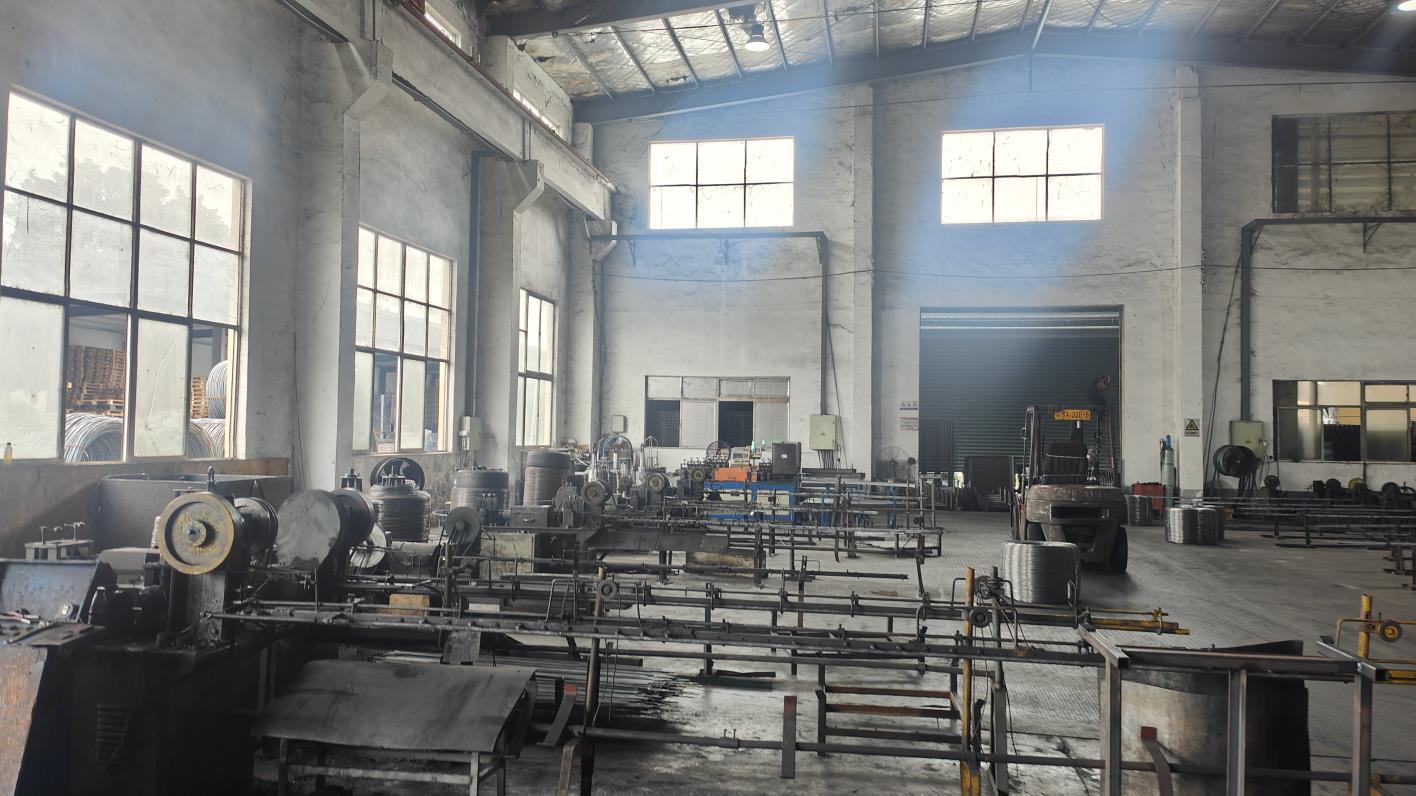
High-performance warehousing relies on integrated software and hardware design. CraftRack uses advanced Finite Element Structural Analysis (FEA) to simulate load configurations, stress distribution, and fatigue limits prior to fabricating any structural steel. This technology allows us to construct high-bay warehouse racks that optimize steel usage while maintaining design safety factors.
By simulating mechanical loads, thermal variations, and environmental forces, we determine the optimal profile geometries for columns, upright panels, and load-bearing beams. This engineering process is critical for ASRS setups, where even minor deflections under heavy loads can disrupt high-speed automated cranes.
Engineered with tight tolerances for seamless integration with automated cranes, shuttles, and picking systems.
Calculated structural nodes and bracing systems customized to comply with regional seismic building codes globally.
Utilizing multi-stage automated electrostatic powder coating for corrosion resistance, cleanroom compatibility, and high durability.
During the past fiscal year, CraftRack introduced 45 new product configurations developed by our team of 32 R&D engineers. These updates focus on improving the strength-to-weight ratio of our racking profiles, reducing raw material requirements while keeping safe load capacities. Additionally, we use environmentally responsible, lead-free powder finishes to help clients meet local environmental and health standards.
Procuring industrial racking from overseas involves managing supply chain logistics, safety certifications, and installation timelines. For 3PL operations, big-box distribution centers, or industrial manufacturing facilities, delays in steel delivery can disrupt downstream logistics planning.
At CraftRack, we mitigate these risks through comprehensive support:
By offering complete OEM and ODM design and manufacturing, we manage projects from raw material selection through custom sizing to final shipping, helping buyers ensure their storage systems perform safely over years of heavy use.
Technical answers to key questions asked by warehouse managers, structural engineers, and procurement teams.
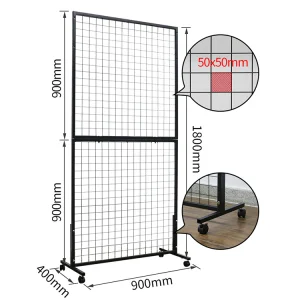
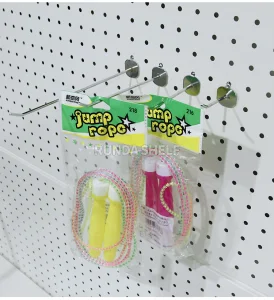
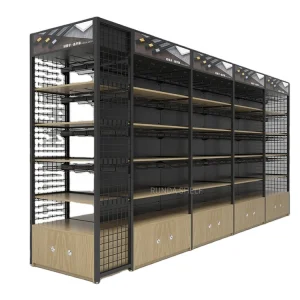
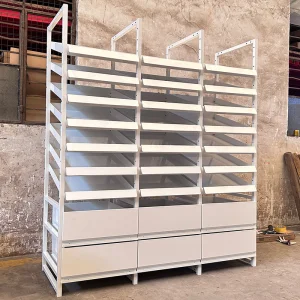
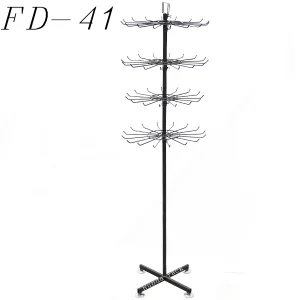
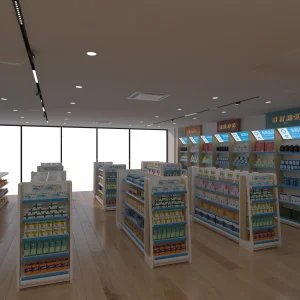
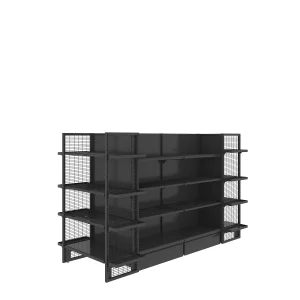
Further product designs featuring modular shelving, commercial display stands, and specialized store fittings.
 CraftRack