Explore our foundational range of heavy-duty warehouse racking, boutique supermarket shelves, and bespoke product presentation modules.
An in-depth analysis of structural integrity, CE compliance parameters, and manufacturing technology in modern global supply chains.
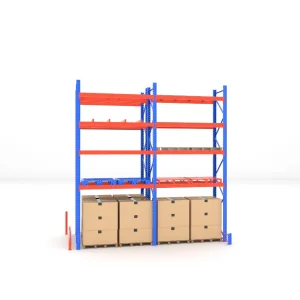
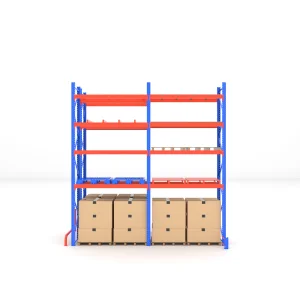
In the contemporary global logistics matrix, volatility is the only constant. Retailers, Third-Party Logistics (3PL) providers, and industrial manufacturers face rapid demand fluctuations caused by seasonal peak cycles. Standard, static storage infrastructure often falls short under these conditions. Transitioning to CE certified seasonal racks offers a strategic way forward, providing modular structural dynamics, certified safety protocols, and load adaptability designed for high-density storage environments.
This white paper analyzes the structural mechanics, compliance requirements, and manufacturing capabilities that define high-performance seasonal racking systems. By looking closely at raw materials, advanced welding techniques, and finish technologies, we aim to provide global procurement executives with the data-driven insights needed to optimize their storage infrastructure.
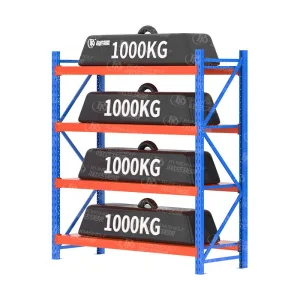
A key aspect of seasonal logistics optimization is balancing load capacity with structural flexibility. High-density racking systems must withstand significant stress during peak operations, where turnover speed increases by up to 300%. Implementing CE-compliant systems guarantees that the racking complies with strict European safety standards (including EN 15512 and EN 15620), reducing operational risks during peak inventory periods.
Suzhou CraftRack Heavy Duty Storage Equipment Co., Ltd. sits at the center of this industrial development, offering structural engineering solutions backed by advanced manufacturing processes and comprehensive quality assurance protocols.
"A seasonal storage system's efficiency is measured by its load safety under dynamic stress, its modular flexibility for configuration changes, and its compliance with regional structural integrity standards. Without these three pillars, supply chains risk inventory damage, operational downtime, or safety compliance issues."
A breakdown of European engineering compliance parameters and structural calculations required for warehouse validation.
Compliance with EN 15512 requires strict testing of uprights, beam-to-column connections, and base plates. Finite Element Analysis (FEA) is utilized to simulate load distribution, ensuring the racking maintains a minimum 1.5 safety factor under maximum rated capacity.
Under EN 15620, racking systems used with automated crane or shuttle systems (ASRS) must maintain tight tolerances. Deformations and deflections are restricted to millimeters to prevent system collisions and ensure continuous operation.
Industrial storage units installed in seismic zones must be engineered to resist horizontal and vertical ground accelerations. Custom-designed base plates, bracing systems, and specific steel grades are selected to absorb and dissipate seismic energy.
| Regulatory Code / Standard | Core Engineering Focus | Mandatory Compliance Verification | Applicable Systems |
|---|---|---|---|
| EN 15512:2020 | Steel static storage systems – Adjustable pallet racking systems | Physical load tests of joints, baseplates, and structural columns. | Heavy-Duty Industrial Pallet Racks, Selective Systems |
| EN 15620:2008 | Tolerances, deformations and clearances | Laser measurement and alignment verification down to +/- 1.5mm. | ASRS, VNA (Very Narrow Aisle) Systems, Shuttle Racks |
| EN 15629:2008 | Specification of storage equipment | Operational specification matching, environmental load sizing. | Custom Pallet Racks, Cantilever Racks, Drive-In Systems |
| EN 15635:2008 | Application and maintenance of storage equipment | Periodic safety audits, damage tolerance profiling, repair criteria. | All industrial installations and logistics hubs |
Analyzing the industrial supply chain integration that makes Chinese factories global leaders in structural steel racking production.
China's industrial racking manufacturers benefit from close integration with the domestic steel supply chain. Leading factories secure raw, high-tensile steel coils (grades Q235B and Q355B) directly from major state mills. This direct sourcing ensures consistent material properties, predictable yield strengths, and stable pricing compared to fragmented global markets.
Additionally, automated manufacturing processes—including continuous cold-roll forming, multi-station CNC punching, and automated robotic welding lines—reduce labor costs while ensuring precise dimensions across large production runs. These efficiencies translate directly to competitive pricing for large-scale international projects.
Suzhou CraftRack leverages these regional advantages inside its 38,000 m² manufacturing facility. Located in the Yangtze River Delta industrial zone, the company maintains direct connections with raw material suppliers and container shipping hubs. This logistics positioning helps keep transit times and shipping costs low for global exports.
Furthermore, Chinese manufacturers offer flexible OEM and ODM services. Custom beam profiles, specialized powder coatings for corrosive environments, and adapted seismic configurations can be designed, prototyped, and manufactured quickly within a single facility, streamlining the supply chain.
Tailored structural configurations designed to resolve complex warehousing challenges in major logistics verticals.
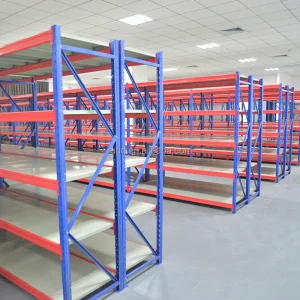
Third-party logistics providers require racking layouts that accommodate changing tenant profiles. Modular, adjustable selective pallet racking allows rapid beam height reconfiguration, maximizing warehouse flexibility and vertical space utilization.
High-volume e-commerce fulfillment relies on high picking speeds and dense storage. Combining multi-tier mezzanine floor racks with wire mesh decking allows safe storage of small, diverse SKUs while supporting quick replenishment cycles.
Cold storage space is expensive to operate. Drive-in systems and mobile racking units increase storage density by reducing aisle space, helping lower refrigeration energy costs per pallet position.
A closer look at the machinery, manufacturing steps, and strict quality control measures behind Suzhou CraftRack's storage equipment.
Operating a large-scale manufacturing facility requires robust quality management systems. At Suzhou CraftRack, we employ a team of 45 dedicated quality control specialists who oversee production from raw material receipt through to final coating inspection. Our quality assurance protocol includes Non-Destructive Testing (NDT) and Ultrasonic Weld Inspection to confirm weld penetration and identify potential internal voids in load-bearing joints.
Our engineering division, consisting of 32 R&D engineers, utilizes Finite Element Analysis (FEA) software to model static load distributions, dynamic fork-truck impacts, and seismic responses. This engineering approach ensures that custom racking designs meet the requirements of Western Europe, North America, and Southeast Asia markets.
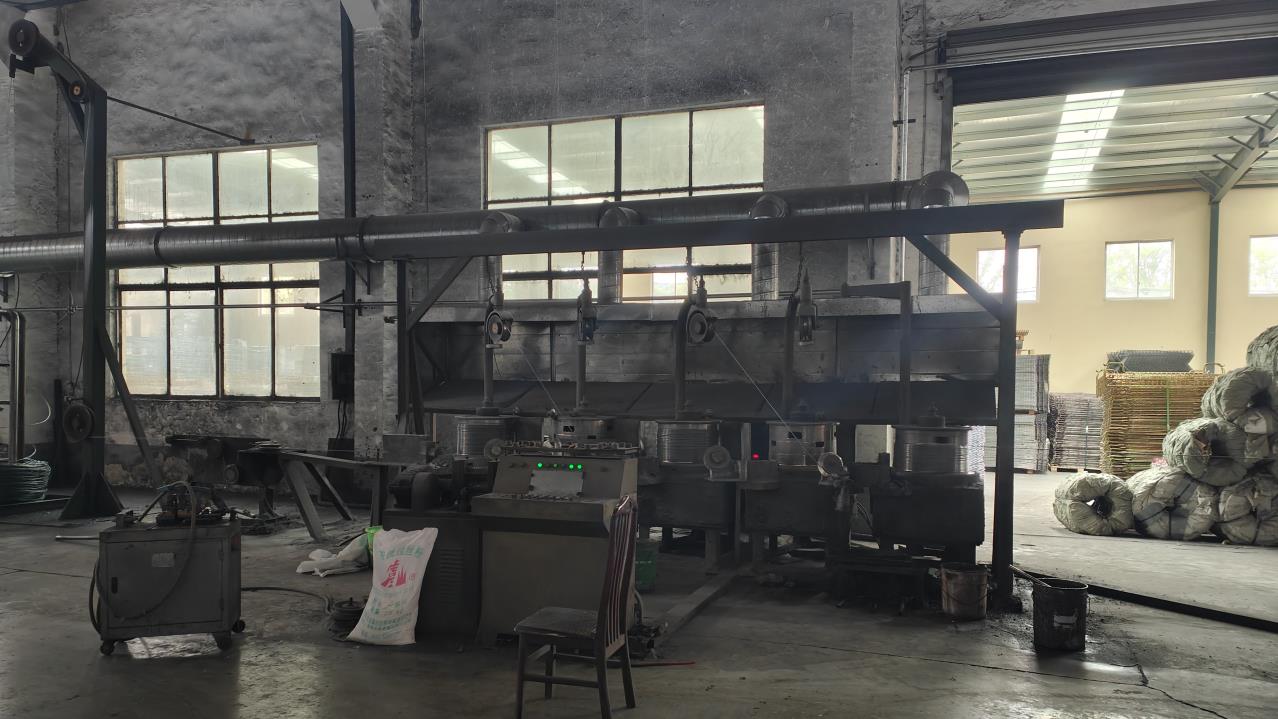
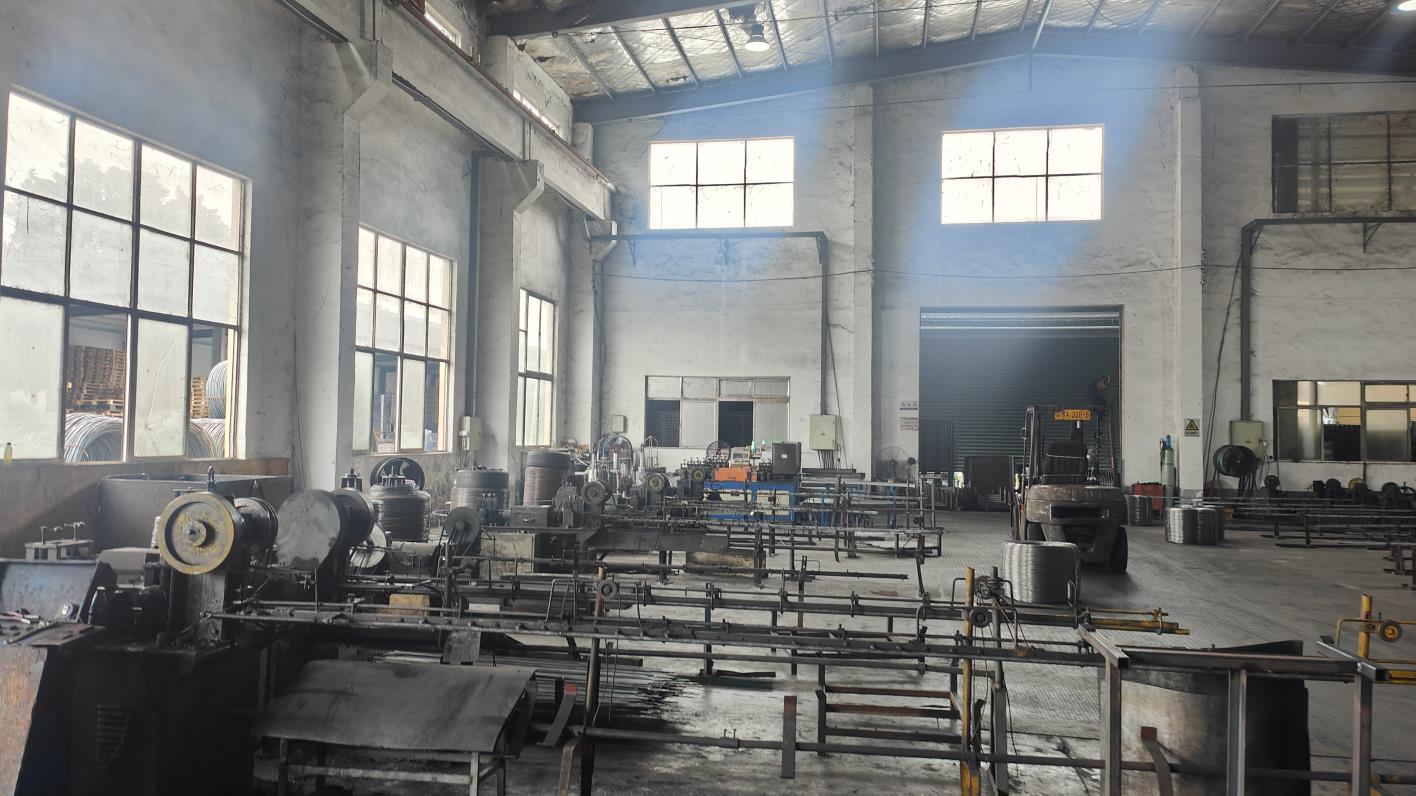
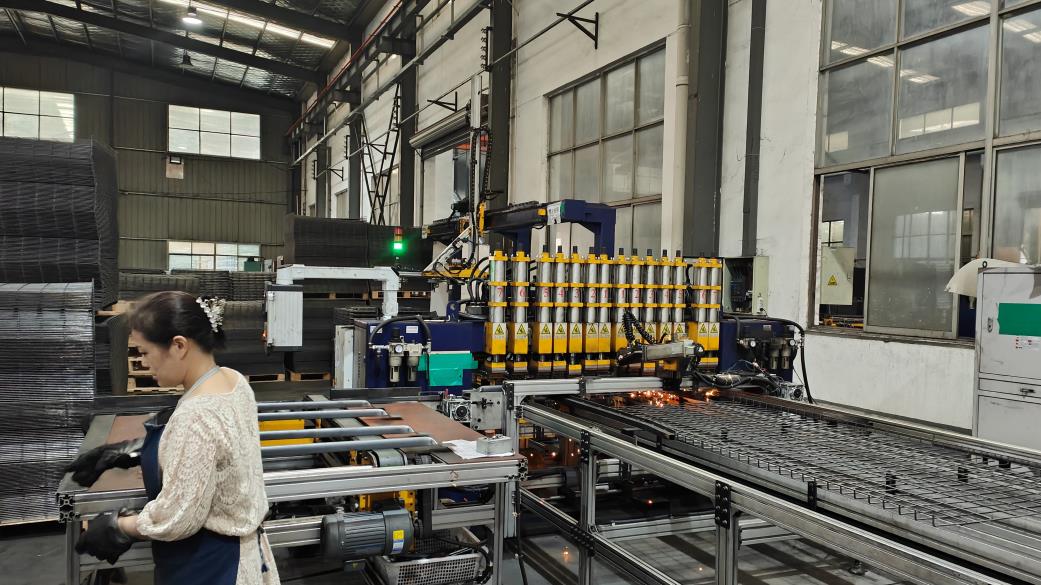
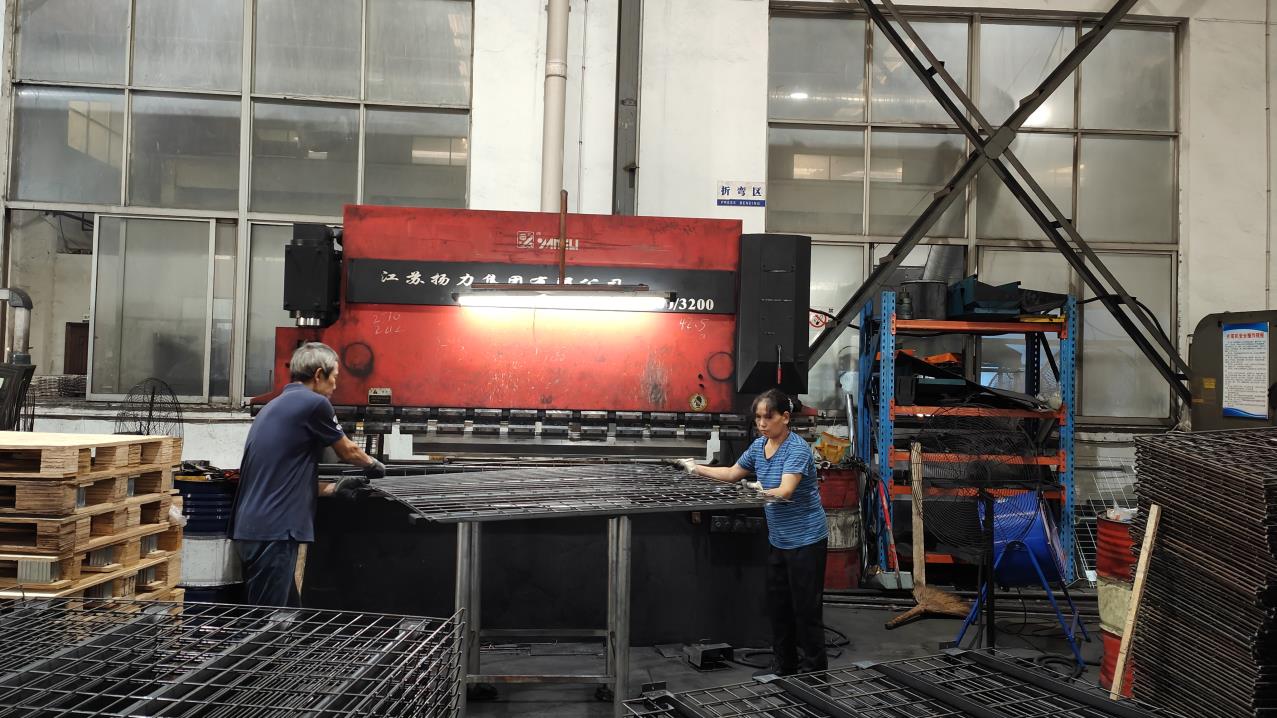
Our manufacturing capacity is supported by an array of heavy machinery. From steel wire straightening and high-speed punching to automated bending and robotic welding, each step is monitored to maintain close tolerances. These controls are critical for racking systems intended for integration with ASRS or high-density shuttle vehicles.
We work with over 1,200 supply chain partners globally. By sourcing certified steel coils and high-quality powder coat pigments, we can customize finishes to resist corrosion in demanding environments like cold warehouses or outdoor storage yards.


Key technologies and structural designs shaping the future of industrial warehousing and distribution.
ASRS integrations reduce the footprint of traditional access aisles. Racking structures must handle dynamic horizontal loads and vertical accelerations from automated crane operations while maintaining tight alignment tolerances.
Industrial finishes are shifting toward eco-friendly, volatile organic compound (VOC)-free thermosetting powder coatings. These treatments protect steel from moisture and chemical damage, extending the racking's operating lifespan.
Modern high-density warehouses are testing telemetry-equipped racking. Strain gauges and tilt sensors monitor load distributions and detect impact damage in real-time, improving workplace safety and simplifying maintenance.
Detailed technical answers to common engineering, compliance, and procurement questions.
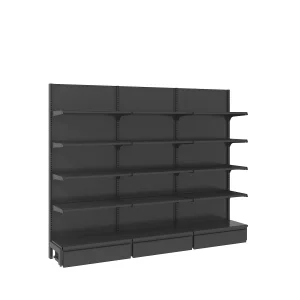
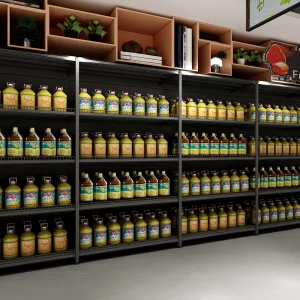
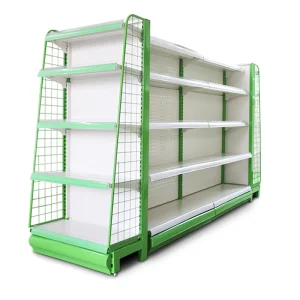
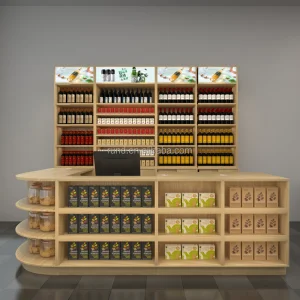
Explore our specialized products, including lifestyle department store shelving, checkout counters, and industrial cantilever systems.
 CraftRack