Choosing the best type of Metal Shelving is not as simple as comparing prices or counting shelf levels. A strong system must match the stored items, available floor space, handling method, and working environment. A warehouse may need heavy-duty steel shelving for boxed inventory. A workshop may benefit from adjustable shelves and open access. A retail room may require cleaner lines and a more refined finish.
Industrial storage consultant Daniel Mercer explains, “The best shelving is the system that supports daily work without creating new problems.” This view matters because shelving affects more than storage capacity. It influences picking speed, safety, cleaning, and future expansion. Boltless shelving can be installed quickly and adjusted without special tools. Rivet shelving offers impressive strength for bulkier loads. Stainless steel may perform better in damp or hygiene-sensitive areas, although it usually costs more.
There is no perfect answer. That is easy to overlook. I have seen businesses choose the strongest frame available, only to lose valuable aisle space. Others selected inexpensive shelves, then struggled with bending boards and unstable loads. The right decision begins with accurate measurements, realistic weight estimates, and honest attention to daily use. This guide compares common Metal Shelving types, including steel, wire, boltless, rivet, and mobile systems. It also considers durability, load capacity, corrosion resistance, installation, and long-term value. Small details matter. A shelf that adjusts smoothly today may save hours next year.
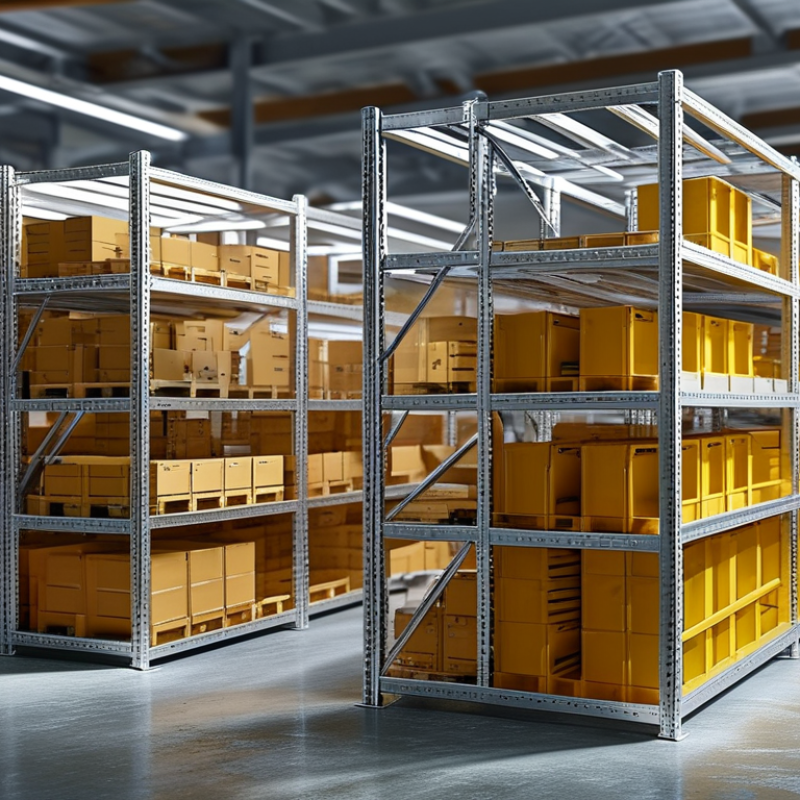
What Is the Best Type of Metal Shelving?
ANSI MH16.1-2023 should guide evaluation, not replace practical judgment. It addresses the design, testing, and use of industrial steel storage rack structures. It does not make every metal shelf a rack. Check the product’s stated scope before applying its criteria.
Steel shelving is a broad category. It usually uses solid steel panels and vertical posts. It suits cartons, tools, and boxed inventory. Wire shelving uses open-mesh decks. Air moves through it, and dust is easier to spot. It works well for damp areas, food-service storage, and items needing visibility. Neither option is automatically stronger. Load capacity depends on span, shelf depth, connections, and installation.
Rivet shelving uses riveted beams and frames. It assembles quickly, often with minimal hardware. Boltless shelving uses clips, slots, or punched posts instead of conventional bolts. Adjustments are convenient. However, a loose connection can create uneven loading. I have seen shelves rated for heavy loads fail under poor placement. That is a user mistake, but the design should make mistakes harder.
For an ANSI-based comparison, examine tested load values, frame stability, member strength, connection performance, and anchorage guidance. Read ratings for each shelf level, not only the whole unit. Keep heavy cartons low. Inspect bent posts, damaged beams, and missing clips. The best type is the one whose tested performance matches the room, load, handling method, and installation quality. Needs careful checking.
| Shelving Type | Construction Classification | Typical Structural Features | Typical Load-Use Profile | Adjustability | Airflow and Visibility | Best-Fit Applications | ANSI MH16.1-2023 Considerations |
|---|---|---|---|---|---|---|---|
| Steel Panel Shelving | Solid steel shelves supported by upright posts, shelf clips, beams, or brackets. | Continuous shelf surface; commonly formed, reinforced, and finished with baked enamel, powder coating, or galvanized protection. | Suitable for evenly distributed loads, boxed inventory, containers, tools, and general industrial storage. The stated capacity must be verified for each shelf configuration. | Usually high; shelf spacing is commonly changed in fixed increments using clips, slots, or adjustable connections. | Low airflow and limited visibility through the shelf surface; helps contain small items and reduces dust falling between levels. | Parts rooms, archives, maintenance stores, stockrooms, and applications requiring a solid, stable shelf deck. | The complete structural system should be evaluated for member strength, connections, stability, anchorage, load placement, and any applicable seismic or installation requirements within the standard’s scope. |
| Wire Shelving | Open wire-grid shelves supported by posts, sleeves, clips, or beams. | Welded or mechanically joined wire surfaces; open construction reduces the shelf’s solid surface area and promotes drainage and ventilation. | Appropriate for light-to-medium inventory when the wire grid, shelf span, and support arrangement are rated for the intended load. | Typically high, with multiple shelf-height positions along the upright posts. | Excellent airflow, drainage, and product visibility; small items may require shelf liners or bins. | Food-service areas, clean storage, healthcare support spaces, laundry rooms, freezers, and locations needing ventilation. | Wire shelving is not automatically compliant merely because it is made of steel. Confirm that the assembled system has applicable test data, rated capacities, stability provisions, and installation instructions. |
| Rivet Shelving | A connection and assembly style using riveted beam-to-upright joints, often with particleboard, steel, or wire shelf decks. | Keyhole-style rivets engage upright slots; many designs use horizontal beams and diagonal or back bracing to improve stiffness. | Often selected for bulky, moderate-to-heavy, evenly distributed loads; actual capacity depends on beam length, shelf deck, bracing, and connection design. | Generally good; shelves can often be repositioned without nuts and bolts, but adjustment intervals depend on the slot pattern. | Varies by deck material; solid decks provide limited airflow, while wire decks provide substantially greater ventilation. | Bulk storage, warehouse back rooms, garages, workshops, and modular shelving for oversized cartons. | Rivet construction describes the connection method, not a standalone compliance category. Evaluate the entire rack or shelving assembly, including bracing, beam connections, upright capacity, anchorage, and load signage. |
| Boltless Shelving | A tool-free or reduced-hardware assembly style using interlocking beams, tabs, clips, or slots rather than conventional bolted joints. | Fast-assembly frames with steel uprights and beams; shelf decks may be steel, wire, wood-based panels, or composite panels. | Commonly used for light-to-medium storage and selected heavy-duty applications when the tested configuration supports the intended uniformly distributed load. | Usually high and convenient; components can often be relocated quickly, although some designs require partial unloading or disassembly. | Depends on the deck type: solid panels limit airflow, while wire or perforated decks improve visibility and ventilation. | E-commerce stockrooms, offices, workshops, garages, utility rooms, and facilities needing rapid reconfiguration. | “Boltless” does not by itself establish structural performance. Check the tested assembly, connection engagement, bracing, overturning resistance, anchorage requirements, and permissible load distribution. |
: Match the rating to the heaviest planned load per shelf. A 400-pound shelf suits cartons, tools, and maintenance supplies. Dense parts may need 800 or 1,200 pounds. Heavy equipment can require 2,000 pounds. Check the actual rating carefully.
Confirm this in the engineering data and installation instructions. Some ratings apply per level. Others apply to the complete shelving unit. Never assume.
Check shelf width, depth, beam spacing, and deck support. A narrow shelf may perform differently from a wide shelf. Uneven loading also reduces practical stability. Put heavier items near the bottom.
Steel decking supports compact equipment and dense loads well. Wire decking improves visibility and airflow. Wire surfaces can be less suitable for very small parts. The stored items decide.
Consider moisture, condensation, impact, salt residue, and temperature changes. Damp utility rooms need different protection from dry storage areas. Ventilation and drainage still matter.
Neither is always better. Galvanized steel protects exposed areas through its zinc layer. Small scratches may show white corrosion before red rust. Powder coating provides a continuous barrier over prepared steel. A deep chip can let moisture travel underneath.
Salt-fog testing helps compare coating performance under controlled conditions. It may reveal blistering, rust, and coating creep. The test does not promise a specific service life. Do not compare test hours without checking the procedures.
Wipe spills quickly and inspect damaged corners monthly. Check upright frames for bends and loose connections. Anchor tall units when site conditions require it. Smooth coating is not proof of complete protection. I once assumed that. It was too simple.
Metal Shelving is best selected by matching its construction, load rating, and environment to the intended application. Under ANSI MH16.1-2023 classifications, steel, wire, rivet, and boltless shelving each serve different storage needs. Steel shelving made from 18–20 gauge material generally offers greater rigidity and higher load capacity, while rivet and boltless systems provide efficient assembly for warehouses, workshops, and industrial storage areas. Rated capacities commonly range from 400 to 2,000 pounds per shelf, so users should compare the stated rating with the weight, size, and distribution of stored items.
Wire shelving is useful where airflow, visibility, and easy cleaning are priorities, but its typical capacity of approximately 1,000–1,500 pounds per shelf should be verified for each configuration. For humid or corrosive environments, galvanized steel may provide durable protection, while powder-coated steel offers a smooth, protective finish for general indoor use. ASTM B117 salt-spray data can help compare corrosion resistance, but real-world performance also depends on installation, maintenance, and exposure conditions.

 CraftRack