In today's fast-paced logistics landscape, understanding various Warehouse Storage Systems is essential for maximizing efficiency. According to a recent report by Grand View Research, the global warehouse management system market is projected to reach $30 billion by 2027. This growth highlights the increasing reliance on effective storage solutions.
Modern Warehouse Storage Systems offer diverse options, each tailored to meet specific needs. For instance, pallet racking, shelving, and automated systems are among the top choices. Each system has its strengths and weaknesses. A well-implemented system can lead to a 25% improvement in operations, yet many facilities still struggle with poor space utilization.
Investing in the right storage solutions is crucial. However, even the best systems can face challenges, such as maintenance issues and scalability concerns. As industries evolve, understanding these systems will be vital for competitive advantage. Embracing the right strategies can prevent costly operational mistakes and enhance overall productivity.
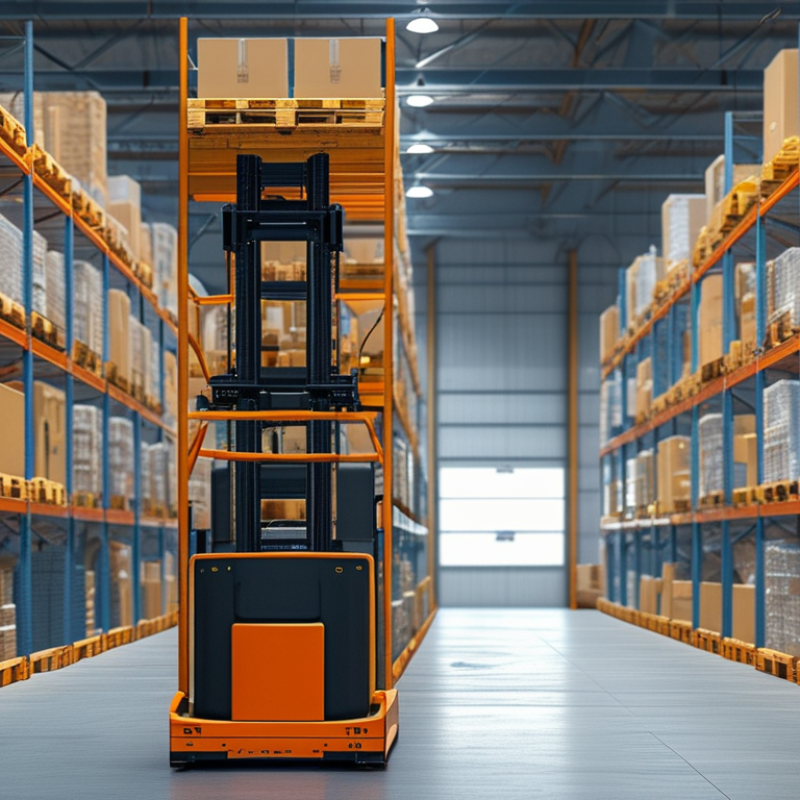
Types of Warehouse Storage Systems: An Overview
Warehouse storage systems play a pivotal role in supply chain efficiency. Understanding the various types can enhance operations significantly. According to the Warehousing Education and Research Council (WERC), 36% of warehouses utilize racks to maximize vertical space. These systems not only expand storage capacity but also improve retrieval times.
Common types of warehouse storage include pallet racks, shelving units, and drive-in systems. Pallet racking is vital for bulk storage. These structures can hold pallets multiple levels high, utilizing up to 90% of vertical space. Shelving units are ideal for smaller items. They enable quick access and organization. Drive-in racks allow for high-density storage but can pose challenges in inventory management.
The choice of system significantly impacts productivity and costs. A report by Logistics Management found that integrating automated systems can increase warehouse efficiency by up to 30%. However, companies must evaluate their specific needs. Balancing storage capacity with accessibility is often overlooked. Poor planning can lead to bottlenecks and increased labor costs. Seeking expert advice can help mitigate risks associated with poor system selection.
Key Features to Consider When Choosing Storage Solutions
When selecting warehouse storage systems, several key features warrant consideration. A well-designed system ensures optimal space utilization. According to a 2023 industry report, effective storage solutions can increase space efficiency by 30%. This means that thoughtful choices lead to significant operational improvements.
Another important factor is scalability. As the business grows, the storage system should adapt. Systems that offer flexibility can accommodate changing inventory levels, avoiding costly overhauls. A study from Supply Chain Insights found that businesses spending on scalable systems increased their inventory turnover rates by 25%.
Tip: Always analyze your projected growth before deciding on a storage system.
Durability is crucial. Materials that withstand wear and tear boost long-term ROI. Selecting solid and reliable storage solutions prevents frequent replacements. The latest research highlights that durable storage can decrease annual maintenance costs by up to 15%.
Tip: Consider conducting a risk assessment to evaluate potential system failures and their impact.
Ultimately, successful warehouse management hinges on intelligent storage choices. Proper research and careful planning pave the way for enhanced efficiency and productivity.
Cost-Effectiveness of Different Warehouse Storage Systems
When evaluating warehouse storage systems, cost-effectiveness is crucial. A well-designed storage solution maximizes space and minimizes expenses. Selecting the right system can significantly impact operational efficiency. Investing in vertical storage units can help save both floor space and costs. These units utilize height, allowing businesses to store more products without needing a larger warehouse.
Consider the impact of pallet racks. They are a common choice for many warehouses due to their adjustable features. However, maintenance and accessibility can lead to hidden costs. It's essential to analyze the entire lifecycle of your storage solution. Sometimes, cheaper upfront costs may mean higher long-term expenses.
Automated storage systems offer efficiency. Yet, their initial investment is typically higher. Examine your inventory turnover rates before committing. You may find that a manual system is more suitable for your operational needs. The key takeaway is to evaluate not just the price but the overall benefit to your business. Sometimes, plain shelving may outperform complex systems for certain items. Always weigh your options with a critical mind.
Top 10 Warehouse Storage Systems You Need to Know Today
| Storage System |
Cost-Effectiveness (1-10) |
Space Utilization (%) |
Accessibility (1-10) |
Inventory Management (1-10) |
| Pallet Racking |
8 |
75 |
7 |
8 |
| Shelving Units |
7 |
60 |
8 |
7 |
| Automated Storage & Retrieval Systems |
9 |
85 |
9 |
9 |
| Drive-In Racking |
8 |
70 |
6 |
7 |
| Cantilever Racking |
7 |
55 |
7 |
6 |
| Mobile Racking Systems |
8 |
80 |
8 |
8 |
| Flow Racking |
9 |
75 |
9 |
9 |
| Vertical Lift Module |
10 |
90 |
10 |
10 |
| Bins & Containers |
6 |
50 |
6 |
6 |
| Pick-to-Light Systems |
9 |
70 |
8 |
9 |
Efficiency and Space Optimization in Warehouse Management
In today’s competitive market, optimizing warehouse space is essential. An efficient storage system can significantly enhance operations. Implementing vertical storage solutions is one effective approach. By utilizing height, warehouses can maximize their storage capacity. This method often increases the overall space available without expanding the physical footprint.
Managing pallets and boxes can pose challenges. Inefficient layouts lead to wasted time and energy. For instance, if items are stored far from their picking zones, potential delays can occur. A systematic approach helps in keeping frequently picked items closer to shipping areas. This not only saves time but also reduces labor costs.
Moreover, regular reviews of storage effectiveness are crucial. What worked last year may not be suitable today. Periodic assessments highlight areas for improvement. Adopting technology, like inventory management systems, further enhances tracking and organization. While the implementation may seem daunting, the long-term benefits outweigh initial hurdles. Space optimization is not just a goal; it's an ongoing journey worth pursuing.
Emerging Trends in Warehouse Storage Solutions for 2023
The warehouse storage landscape is evolving rapidly in 2023. New technologies are shaping how goods are stored and managed. One significant trend is the rise of automation. Automated storage and retrieval systems enhance efficiency. They help reduce labor costs and increase accuracy in inventory management.
Another key development is the shift towards flexible storage solutions. Companies are designing warehouses that adapt to changing demands. Modular shelving and mobile racking systems are gaining popularity. These systems allow businesses to scale up or down as needed, optimizing storage space effectively.
**Tip:** Always consider the layout of your warehouse. A well-planned layout can improve accessibility and reduce order-processing times.
Sustainable practices are also making waves. Eco-friendly materials and energy-efficient lighting are becoming standard. These choices do more than save costs; they reflect a commitment to sustainability. This shift is encouraging companies to rethink traditional storage practices.
**Tip:** Regularly assess your storage systems. Identify inefficiencies and explore innovative technologies. This proactive approach can keep your operations ahead of the curve.
Top 10 Warehouse Storage Systems You Need to Know Today
This chart illustrates the popularity of various warehouse storage systems in 2023, showcasing their relative efficiency and application in warehousing operations.
FAQS
: The main types include pallet racks, shelving units, and drive-in systems. Each serves specific storage needs.
Pallet racks maximize vertical space, allowing storage at multiple levels. They help keep warehouses organized and efficient.
Drive-in racks offer high-density storage but complicate inventory management. This can slow retrieval and increase errors.
Regular evaluations help identify inefficiencies. What worked previously may not be effective now. Change is necessary.
Implementing inventory management systems enhances tracking and organization. It may require initial time investment but leads to long-term gains.
Flexible storage adapts to changing demands. Modular and mobile systems allow easy scaling, optimizing available space effectively.
Sustainable practices use eco-friendly materials and energy-efficient lighting. They save costs and demonstrate commitment to the environment.
A well-planned layout improves accessibility and reduces order-processing times. Poor layout can lead to delays and increased costs.
Overlooking storage accessibility and failing to seek expert advice can lead to bottlenecks and inefficiencies.
It's crucial to keep frequently picked items close to shipping areas while maximizing vertical space. This balance is often complicated.
Conclusion
Warehouse Storage Systems play a crucial role in modern logistics and supply chain management. This article provides an overview of various types of storage solutions, highlighting their unique features and benefits. When selecting the right system, factors such as cost-effectiveness and efficiency must be considered to ensure optimal space utilization within the warehouse.
Additionally, the piece explores emerging trends for 2023, which signal a shift towards more innovative and adaptive storage solutions. As the demand for streamlined warehouse management continues to grow, understanding the landscape of Warehouse Storage Systems will enable businesses to enhance productivity and maintain competitive advantage in an evolving market.

 CraftRack