As we look ahead to 2026, the world of Point Of Purchase Displays is set to undergo significant transformation. Alex Harper, a leading expert in retail marketing, predicts, “The evolution of displays will redefine customer engagement.” This statement underscores the importance of understanding emerging trends in how products are presented at the point of sale.
In recent years, retailers have embraced innovative design and technology to captivate shoppers’ attention. Sustainable materials are becoming a standard in display construction, reflecting consumer demand for eco-friendly options. Additionally, interactive displays are not just a novelty; they enhance the shopping experience, making it memorable. However, the challenge lies in balancing creativity with functionality. Retailers must ensure that, while displays are visually appealing, they do not overwhelm customers.
The future will likely see a blend of digital and physical displays. This creates a rich, immersive experience for consumers. Yet, there remains a risk of overloading customers with information. Retailers must be careful. Ultimately, staying informed on trends in Point Of Purchase Displays will be essential for brands aiming to connect with their audience effectively.
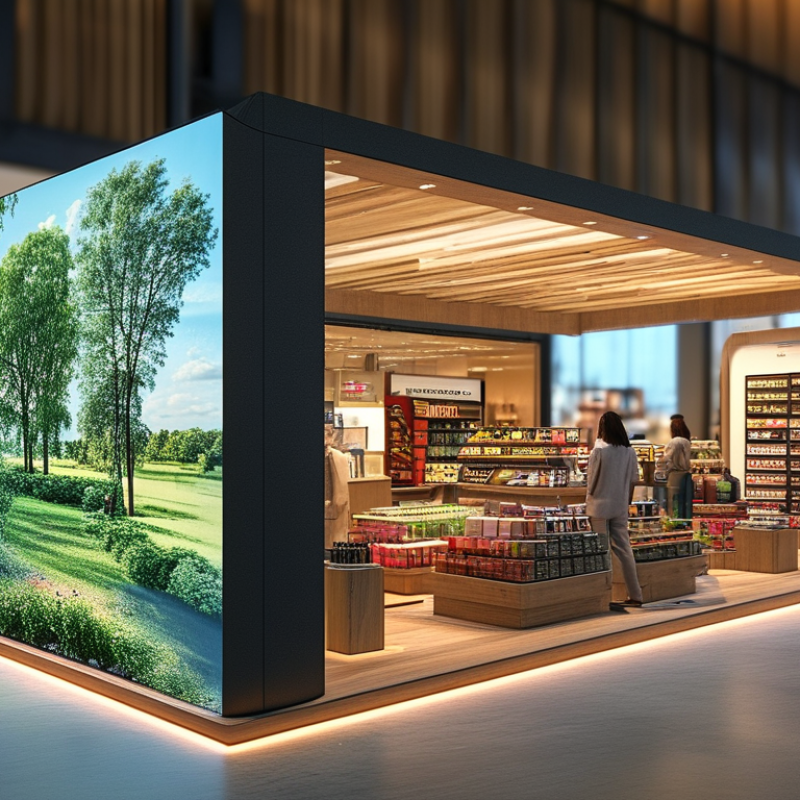
Emerging Technologies in Point of Purchase Displays for 2026
Emerging technologies are rapidly shaping the landscape of point of purchase (POP) displays. In 2026, we can expect a rise in interactive displays, driven by augmented reality (AR) and virtual reality (VR) tech. Reports indicate that AR can increase user engagement by over 70%. Consumers are drawn in by immersive shopping experiences. This shift requires brands to adapt and rethink traditional display strategies.
Additionally, artificial intelligence (AI) will enhance personalization in POP displays. Retailers can tailor messages based on customer data. Studies suggest that personalized shopping experiences can lead to a 20% increase in conversion rates. However, the use of AI presents challenges in maintaining consumer privacy. Striking a balance is crucial for brands navigating this landscape.
Lastly, sustainability will play a significant role in display design. Eco-friendly materials and energy-efficient technologies are gaining traction. A recent survey showed that 63% of consumers prefer brands that practice sustainability. However, transitioning to sustainable solutions isn't always straightforward. Cost implications and sourcing difficulties can hinder progress in this area.
Sustainability Trends Influencing Point of Purchase Display Designs
Sustainability is reshaping point of purchase display designs in significant ways. Many retailers are prioritizing eco-friendly materials. Cardboard, reclaimed wood, and biodegradable plastics are becoming popular choices. These materials not only reduce waste but also appeal to environmentally-conscious consumers. As shoppers become more aware of sustainability, brands must adapt to these preferences.
Designers are also considering the complete lifecycle of displays. Temporary displays made from recyclable materials are gaining traction. They meet the need for eye-catching marketing while minimizing environmental impact. However, the challenge lies in creating durable designs that can withstand use in bustling retail spaces.
Moreover, the aesthetics of sustainable displays are evolving. Simple, natural finishes often resonate better with consumers. Yet, some designs may sacrifice boldness for eco-friendliness. Striking a balance between visual appeal and sustainability goals is essential yet often elusive. The industry must keep experimenting. This journey involves learning from both successes and failures.
Consumer Behavior Insights Shaping Display Strategies in 2026
As we look toward 2026, consumer behavior is transforming the landscape of point-of-purchase displays. Studies indicate that 76% of shoppers make decisions in-store, often influenced by visual stimuli. This underscores the importance of creating impactful displays that resonate with diverse consumer needs.
Interactive and digital displays are gaining traction. Reports show that 52% of consumers express a preference for immersive shopping experiences. These setups engage customers more effectively, leading to a 30% increase in product trials. Yet, brands must reflect on accessibility. Not all consumers feel comfortable with technology, indicating that a balance between digital and traditional methods is crucial.
Sustainability is another key trend. Nearly 68% of consumers favor eco-friendly products and displays. Brands should prioritize sustainable materials, as shoppers increasingly scrutinize environmental impact. However, the challenge lies in ensuring that sustainability does not compromise aesthetics or functionality. Display strategies must evolve, adapting to the ever-changing consumer expectations while maintaining visual appeal and practicality.
Innovative Materials and Methods for Creative Displays
In 2026, the landscape of point-of-purchase (POP) displays is set to evolve significantly, driven by innovative materials and methods. Industry reports predict that 70% of purchasing decisions are influenced by the displays consumers encounter. This presents a prime opportunity for brands to engage customers through unique and creative displays. Emerging materials, such as biodegradable plastics and recycled composites, not only attract attention but also resonate with the growing consumer demand for sustainability.
One standout trend is the use of augmented reality (AR) in displays. AR bridges the gap between digital and physical shopping experiences. Research indicates that integrating AR can boost consumer engagement by nearly 40%. However, while this technology promises high engagement, there are challenges. Not all consumers are familiar with AR. Brands must ensure that their displays are accessible and informative. The goal should be to enhance, not confuse.
Lighting remains a critical but often overlooked element. Effective use of light can draw attention and highlight products seamlessly. A report indicated that well-lit displays can increase sales by up to 30%. Still, brands need to consider the environmental impact of energy-intensive lighting solutions. Balancing creativity with sustainability is not just preferable; it is essential for future success. Investing in innovative solutions will require careful thought and ongoing adjustments to meet the changing market demands.
Personalization and Customization Trends in Retail Environments
The retail landscape is rapidly evolving, and personalization is at the forefront. According to a report by Statista, 80% of consumers are more likely to make a purchase when brands offer personalized experiences. This trend is reshaping point of purchase displays significantly. Customization options are moving beyond mere aesthetics; they are becoming integral to the shopping journey.
Retailers are increasingly using technology to enhance personal connections. Interactive displays that allow shoppers to choose product features or styles foster engagement. A study conducted by Deloitte found that 1 in 3 consumers expects hyper-personalized shopping experiences. This shifts the focus from one-size-fits-all solutions to tailored interactions. However, relying solely on technology can have drawbacks. Some consumers may prefer genuine, human interactions over automated systems.
The use of data analytics plays a crucial role in this trend. Brands that harness data can predict preferences and adjust displays accordingly. Yet, there are ethical concerns about privacy. According to a survey by McKinsey, 61% of consumers are uncomfortable with brands using their personal data. This highlights the balancing act retailers face. They must deliver personalized experiences without crossing privacy boundaries.
FAQS
: Eco-friendly materials like cardboard, reclaimed wood, and biodegradable plastics are popular choices.
Temporary displays made from recyclable materials minimize waste while attracting consumer attention.
Natural finishes resonate well with consumers, but bold designs may be sacrificed for eco-friendliness.
Effective lighting can boost sales by up to 30%, but the energy impact must be considered.
AR can improve engagement by nearly 40%, but accessibility is key for consumer understanding.
Personalized experiences make 80% of consumers more likely to buy, transforming point of purchase displays.
Some consumers prefer personal interactions, which automated systems might struggle to replicate well.
Data analytics help brands predict preferences but may raise privacy concerns for consumers.
Balancing personalized experiences with consumer privacy is a critical challenge for retailers.
Achieving a balance between visual appeal and sustainability goals is often challenging, requiring ongoing innovation.
Conclusion
As we look ahead to 2026, Point Of Purchase Displays are set to undergo significant transformations driven by emerging technologies and sustainability trends. Innovations in digital displays and interactive technologies will enhance consumer engagement, while eco-friendly materials will become a priority for brands looking to align with green practices.
Consumer behavior insights will further shape display strategies, emphasizing the need for tailored experiences that resonate with shoppers. The focus on personalization and customization will enable retailers to create unique environments that reflect individual preferences. As these trends converge, the evolution of Point Of Purchase Displays will be pivotal in enhancing brand visibility and customer satisfaction in the retail landscape.

 CraftRack