What Are the Top China Endcap Displays for Retail?

Time:2026-10-08 Author:Mason
0%

Choosing the right Endcap Displays can change how shoppers notice, understand, and remember a product. In China’s crowded retail market, a strong endcap may stand beside a supermarket entrance, support a seasonal campaign, or highlight a new beverage near checkout. The best designs are not always the largest. They balance visibility, product access, safety, price communication, and fast store replenishment.

This guide examines top China Endcap Displays through practical retail criteria. These include modular shelving, pallet displays, illuminated units, interactive screens, refrigerated fixtures, and sustainable cardboard structures. Each format serves a different purpose. A beverage pallet display can handle heavy stock and rapid turnover. A beauty display may need brighter lighting, mirrors, and organized testers. Digital elements can attract attention, but they may also increase maintenance demands. That matters.

Real store conditions often expose weaknesses that showroom photos hide. A display may look impressive but block aisles, collect dust, or become unstable after repeated loading. We will consider material quality, assembly efficiency, branding flexibility, and shopper movement. Supplier communication also matters, especially when dimensions, packaging, and delivery schedules change. No single format suits every retailer. That is worth remembering. Some recommendations may need adjustment after sales testing, staff feedback, and seasonal review. Reliable decisions come from combining supplier specifications with evidence from actual stores.
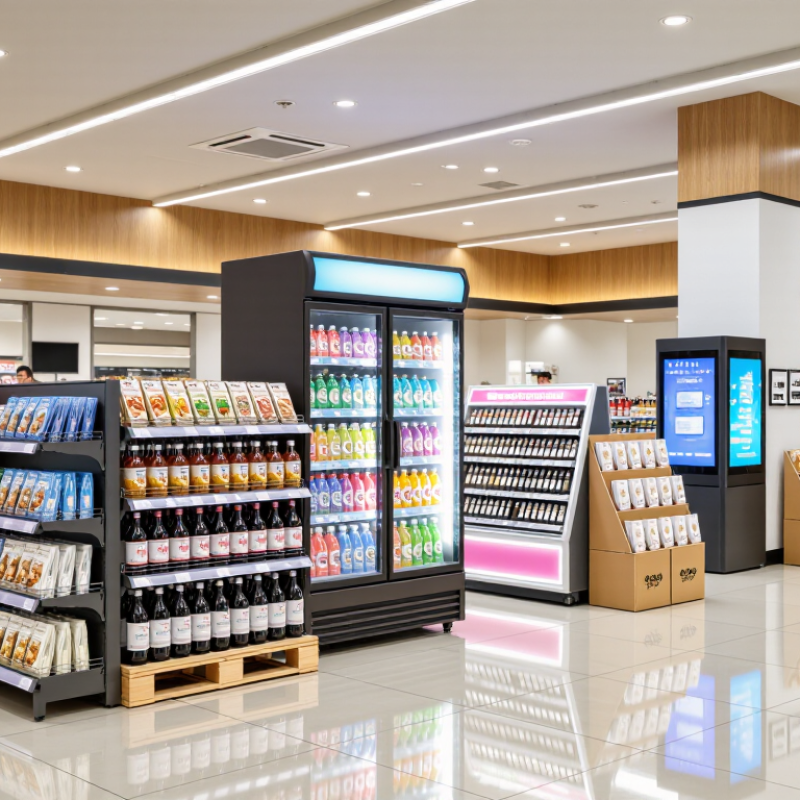
What Are the Top China Endcap Displays for Retail?

What Are China Endcap Displays and How Do They Support Retail Sales?

China endcap displays are freestanding retail units placed at aisle ends. They turn unused space into a focused selling area. Common formats include wire racks, wooden shelving, cardboard towers, and modular metal frames. Each format serves a different retail purpose. A snack promotion may need shallow shelves and bold header panels. A household product may need stronger shelves and side hooks. Retail teams should match the display to product weight, package size, and shopper movement. Small details matter. Clear pricing, stable feet, and reachable shelves reduce buying friction.

These displays support retail sales by improving visibility near high-traffic aisle intersections. They can introduce seasonal products, explain product benefits, or encourage multi-item purchases. In practice, a good endcap keeps the main product within eye level. It also leaves enough space for shoppers to pass safely. Factory discussions should cover dimensions, load testing, surface finishes, packaging, and installation instructions. Materials should suit the store environment, especially where humidity or frequent cleaning is expected. Samples deserve careful inspection before larger production. A bright display may attract attention but still fail if replenishment takes too long. This happens more often than expected. Retailers should track sell-through, damaged units, and shopper responses after installation. One layout may perform well in a warehouse store but feel crowded in a smaller shop. The best decision often comes from testing, measuring, and adjusting rather than trusting appearance alone.

Which Types of China Endcap Displays Are Most Common in Stores?

In China, the most common endcap is the modular shelf unit. It uses adjustable metal frames, printed side panels, and three or four product tiers. Retailers prefer it because staff can change price cards quickly. It suits snacks, beverages, personal care items, and household goods. Full-pallet displays are also widespread in hypermarkets. They create strong volume cues beside busy aisles. POPAI’s Mass Merchant Shopper Engagement Study found that 82% of purchase decisions happen inside stores. That figure explains the commercial value of a visible endcap.

Basket and dump-bin displays appear often in convenience stores and discount formats. They hold small, low-priced products near checkout routes. Wire racks are another practical option, especially for hanging packs and seasonal accessories. Refrigerated endcaps are common for chilled drinks and fresh foods. They require stronger electrical planning and daily temperature checks. The China Chain-Store & Franchise Association’s 2023 convenience-store report described a domestic market exceeding 300,000 stores. Such scale encourages repeatable, compact display systems.

Seasonal endcaps use red panels, paper props, and stacked cartons during major shopping periods. Digital endcaps remain less common, but screens are increasing in larger urban stores. They can show short videos, price changes, or usage demonstrations. However, technology is not automatically persuasive. A bright screen may distract shoppers from the product. The cleanest display may not sell the most. Store audits should compare traffic, dwell time, stockouts, and conversion, rather than relying on appearance alone.

What Are the Top China Endcap Displays for Retail? – Which Types of China Endcap Displays Are Most Common in Stores?

Display Type Typical Market Prevalence Common Materials Typical Configuration Common Retail Uses Main Advantages Important Planning Considerations
Corrugated Cardboard Endcap Very common for temporary campaigns and seasonal promotions Corrugated fiberboard, printed paper wrap, reinforced board Tiered shelves, dump bins, stackable trays, or pallet surrounds Snacks, packaged food, personal care items, toys, holiday products Low shipping weight, economical production, fast graphics changes, recyclable structure Protect from moisture; specify load limits and edge protection for heavy products
Permanent Metal Endcap Common in supermarkets, warehouse stores, hardware stores, and department stores Powder-coated steel, wire mesh, aluminum sign components Adjustable shelves, pegboard panels, hooks, baskets, and header signs Beverages, tools, household goods, packaged products, and high-volume items High durability, strong load capacity, reusable structure, flexible shelf adjustment Confirm aisle width, anchoring, corrosion resistance, safety edges, and maximum shelf load
Wire Grid Endcap Common where visibility, ventilation, and light weight are priorities Welded steel wire, powder coating, metal hooks, plastic price rails Grid back panel with hooks, baskets, shelves, or detachable bins Accessories, small hardware, stationery, toys, pet products, and impulse items Good product visibility, airflow, modularity, and comparatively low transport volume Use suitable hooks and shelf brackets; prevent small products from falling through the grid
Wood or Wood-Look Endcap Common in specialty retail, grocery promotions, home goods, and premium-style environments MDF, plywood, particleboard, laminate, veneer, or solid wood accents Shelving units, crate-style compartments, slatwall, or freestanding cabinets Food, beverages, home décor, cosmetics, lifestyle products, and gift items Warm visual appearance, strong graphic integration, and good perceived product value Control moisture exposure, verify fire-safety requirements, and protect corners during shipping
Plastic Endcap Display Common for lightweight products, hygienic environments, and compact promotions Injection-molded plastic, acrylic, PVC, PET, or polycarbonate Clear pockets, molded shelves, stackable trays, bins, or sign holders Cosmetics, electronics accessories, small packaged goods, health products, and stationery Easy cleaning, corrosion resistance, low weight, and clear product presentation Check UV resistance, impact strength, material thickness, and recycling requirements
Modular Slatwall Endcap Common in fashion, accessories, electronics, and specialty retail MDF or plywood panels, aluminum inserts, steel frames, laminate surfaces Horizontal slots supporting shelves, hooks, brackets, and display arms Bags, footwear accessories, consumer electronics accessories, and home improvement items Flexible merchandising, quick component repositioning, and efficient vertical use of space Match hardware spacing, calculate bracket loads, and maintain accessible product heights
Rotating or Spinner Endcap Common for small, high-assortment products and limited floor footprints Powder-coated steel, wire, acrylic, plastic hooks, rotating base hardware Central post with rotating panels, baskets, or multi-sided hook faces Greeting cards, accessories, toys, small gifts, cables, and seasonal merchandise High product density, access from multiple sides, and efficient use of limited space Allow clearance for rotation; select a stable base and avoid excessive top-heavy loading
Dump Bin Endcap Common for bulk-packaged, promotional, and low-cost impulse merchandise Wire, steel, corrugated board, molded plastic, or combinations of these materials Open-top basket, deep bin, removable liner, and promotional header Toys, clearance goods, snacks, soft goods, seasonal items, and small household products Large product capacity, quick replenishment, and strong promotional visibility Keep the opening accessible, prevent overfilling, and use dividers when product organization matters
Refrigerated or Chilled Endcap Common in grocery and convenience retail for temperature-sensitive merchandise Insulated panels, coated steel, tempered glass, aluminum, refrigeration components Open-front cooler or glass-door cabinet with adjustable shelves Beverages, dairy products, ready-to-eat food, fresh meals, and frozen goods Temperature control, strong visibility, and effective placement for high-turnover products Plan electrical supply, drainage, temperature monitoring, energy efficiency, and service access
Checkout or Impulse Endcap Common near checkout lanes, queue areas, and high-traffic aisle intersections Metal, wire, acrylic, corrugated board, plastic pockets, and clear holders Narrow shelves, peg hooks, small baskets, clip strips, or tiered pockets Confectionery, travel-size products, batteries, accessories, magazines, and small essentials Captures waiting-time attention, supports quick purchases, and uses compact floor space Maintain queue flow, avoid blocking emergency routes, and keep small products within easy reach

Note: “Typical market prevalence” reflects common retail merchandising practice rather than a universal sales ranking. Actual suitability depends on product weight, store layout, campaign duration, safety requirements, and replenishment frequency.

How Are Materials and Designs Selected for China Endcap Displays?

China’s strongest endcap displays usually combine modular metal frames, laminated wood panels, corrugated board, acrylic holders, and compact digital screens. Material selection depends on store traffic, product weight, humidity, transport distance, and reuse plans. In southern China, moisture-resistant coatings can prevent swelling. In northern stores, dry air may expose weak joints. A beautiful display can still fail after repeated assembly. That risk deserves attention.

Design should guide shoppers within seconds. High-contrast headers improve visibility, while angled shelves make small packages easier to reach. Digital screens suit promotions that change frequently, but they require power access and maintenance. Grand View Research identifies retail displays as a growing global market, supported by experiential shopping and digital integration. NielsenIQ’s 2023 sustainability research reported that 78% of global respondents consider sustainable products important. Therefore, reusable frames and recyclable board are practical choices, not decorative claims. Yet, “recyclable” materials may lose value when mixed with coatings or adhesives.

Tips: Test one display in a real store first. Measure viewing distance, shelf pressure, cleaning time, and customer interaction. Use sample materials during humid and dry seasons. Keep graphics replaceable. I would also question oversized screens; they can distract from the product and increase operating costs. No material wins every location.

What Are the Top China Endcap Displays for Retail?

Material selection for China endcap displays is typically balanced across structural durability, moisture resistance, visual presentation, transport efficiency, and end-of-life recyclability. This normalized 0–100 planning index compares commonly used display materials by those practical criteria; it is not company or brand market-share data.

What Features Improve the Functionality of Retail Endcap Displays?

Retail endcap displays work hardest when they reduce shopper effort. POPAI’s Mass Merchant Shopper Engagement Study reported that about 82% of purchase decisions happen inside stores. That figure makes visibility important, but visibility alone is not enough. A strong endcap should place products at comfortable eye level, use clear price communication, and support quick comparison. Adjustable shelves also matter. They accommodate different package sizes and reduce empty spaces. Empty shelves weaken trust.

Functionality improves when the display guides movement without blocking aisles. Durable materials handle repeated contact, while rounded edges improve safety. Integrated lighting can highlight key products, but excessive brightness may create glare. Digital screens offer flexible messaging, yet they need simple content and reliable maintenance. A silent, frozen screen damages credibility quickly. NielsenIQ’s retail research consistently connects convenient shopping experiences with stronger purchase consideration, although convenience is difficult to measure through one feature alone. This is where many displays need more honest testing.

Tips: Test the endcap at shopper eye level. Check visibility from three metres away. Measure replenishment time, product interaction, and sales changes. Use one clear message, not five competing claims. Review performance by store location, because a layout that works near an entrance may fail in a narrow aisle. Field teams should photograph the display weekly. Small problems become expensive when ignored.

How Can Retailers Evaluate China Endcap Display Suppliers?

China endcap displays range from modular metal shelving to corrugated cardboard units and illuminated digital fixtures. Retailers should evaluate suppliers through evidence, not attractive catalog images. Grand View Research estimates that the global retail display market will grow steadily through 2030, increasing pressure on suppliers to deliver scalable designs. Ask for load-test records, material specifications, surface-treatment details, and photographs from completed stores.

Prototype approval should include real products, not empty shelves. Place the heaviest package on the lowest tier. Check wobbling, sharp edges, paint adhesion, cable routing, and assembly time. A good display can still fail in a humid store. This detail is often missed. Request a sample before signing a large order, then compare its dimensions with pallet and container plans. The World Bank’s 2023 Logistics Performance Index gave China a score of 3.7 out of 5, but factory capability still varies widely by region and management system.

Supplier evaluation should also cover quality control and communication. Require documented inspections at incoming-material, production, and pre-shipment stages. Confirm tolerances in writing. NielsenIQ’s 2023 sustainability research reported that 78% of global respondents consider sustainability important, so retailers should request recycled-content evidence, packaging reduction data, and disposal guidance. However, sustainability claims need verification. A cheaper recycled board may bend under product weight. Compare landed cost, replacement rates, lead times, and after-sales response. A realistic scorecard may reveal that the lowest quotation is not the lowest operating cost.

FAQS

What is a China endcap display?

It is a freestanding retail unit placed at the end of an aisle. It turns unused space into a focused selling area. Common formats include wire racks, wooden shelves, cardboard towers, and metal frames.

How can an endcap display support retail sales?

It places products near busy aisle intersections. This improves visibility and can encourage seasonal purchases or multi-item buying. Visibility helps, but it does not guarantee sales.

Which display format suits different products?

Shallow shelves and bold headers suit snack promotions. Heavier household products need stronger shelves and side hooks. Match the structure to package size, product weight, and shopper movement.

What features make an endcap easier to use?

Clear prices, stable feet, and reachable shelves reduce shopper effort. Adjustable shelves fit different packages and limit empty spaces. Empty shelves look careless.

How should an endcap protect shopper movement?

Leave enough aisle space for people to pass safely. Rounded edges reduce contact risks. The display should guide attention without creating a blockage.

Are lighting and digital screens useful on retail displays?

Lighting can highlight key products when glare remains controlled. Digital screens can change messages quickly. A frozen screen looks unreliable. Simple content is usually better.

What should retailers check before larger production?

Inspect samples carefully before approving a larger order. Check dimensions, load strength, surface finish, packaging, and installation instructions. Test shelf stability with actual products. Small errors become costly later.

How can retailers measure display performance?

Track sell-through, damaged units, replenishment time, and shopper responses. Check visibility from about three metres away. Photograph the display weekly. One layout may work in a warehouse but feel crowded in a small shop. Testing beats guessing, though the test itself may be imperfect.

Conclusion

China endcap displays are strategically placed fixtures at the ends of retail aisles, designed to capture shopper attention and encourage impulse purchases. They support retail sales by giving featured products greater visibility, creating clear promotional zones, and making seasonal or category-based merchandising easier to understand. Common formats include freestanding units, modular shelving, pallet-style displays, wire racks, and lightweight cardboard structures. Each option can be adapted to different store layouts, product sizes, campaign periods, and budget requirements.

Material and design choices should balance appearance, durability, safety, transport efficiency, and ease of assembly. Metal and wood may suit long-term use, while cardboard and plastic can provide flexible, cost-conscious solutions for temporary promotions. Useful features include adjustable shelves, wheels, hooks, lighting, signage panels, storage space, and tool-free installation. When evaluating suppliers, retailers should review production capabilities, customization options, material quality, quality-control procedures, delivery reliability, communication, and after-sales support. A dependable supplier should provide practical solutions that remain stable, attractive, and functional throughout the intended sales period.

Mason

Mason

Mason is a seasoned marketing professional with a deep expertise in the company's offerings and a passion for driving brand awareness. With a strong background in digital marketing strategies, he has an innate ability to connect with diverse audiences and effectively communicate product benefits.......