What is a Merchandising Unit and Why is it Important?

Time:2026-08-05 Author:Sophia
0%

In the fast-paced world of retail, understanding "Merchandising Units" is crucial. Industry expert Jane Smith emphasizes this point: "Merchandising Units are the backbone of effective sales strategies." This statement reflects the significant role these units play in product visibility and organization.

Merchandising Units refer to the distinct ways products are displayed, packaged, or marketed within a retail space. These units can influence customer choices and enhance the overall shopping experience. Each unit strategically positions products to maximize exposure. This placement may seem minor, yet it can profoundly impact sales performance.

However, the effectiveness of Merchandising Units is often overlooked. Retailers may focus on other aspects, forgetting how crucial these units are. Regular evaluation and adjustment are necessary for success. A well-designed Merchandising Unit can lead to increased sales, yet poor design can drive customers away. Reflection on current strategies is essential for improvement and growth.
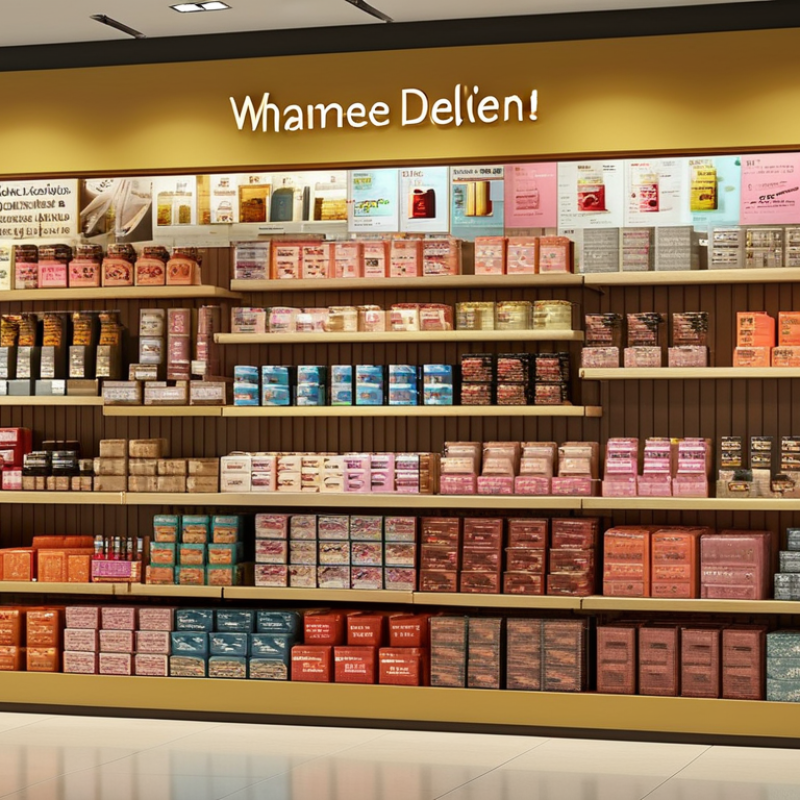
What is a Merchandising Unit and Why is it Important?

What is a Merchandising Unit?

A merchandising unit refers to a specific item or grouping of items sold as a single unit in the retail environment. It can be as simple as one product or a collection of related items packaged together. The unit might include several variations of a product, such as different sizes or colors. Understanding merchandising units is essential for effective retail strategies.

These units play a crucial role in inventory management and sales analysis. By tracking sales figures for each merchandising unit, retailers can identify trends and determine which items are performing well. This data helps in making informed decisions about restocking and promotions. A well-structured merchandising unit can enhance customer experience, making it easier for shoppers to find complementary items.

However, the concept is not without its challenges. Retailers often struggle with defining the right units that appeal to customers. Balancing between product variety and cohesion is vital. Sometimes, too many options can overwhelm buyers. Reflecting on past strategies is essential, as it can shed light on what works and what doesn't. Keeping a flexible approach enables retailers to adapt and refine their merchandising units over time.

The Role of Merchandising Units in Retail Strategy

Merchandising units are essential in retail strategy. They help businesses organize and present products effectively. A well-structured merchandising unit can influence customer behavior. Proper placement and presentation make products more appealing and easier to find.

Retailers should create a welcoming shopping environment. This can be done by considering visual elements like lighting and signage. Make sure displays are neat and organized. Cluttered spaces can overwhelm customers. They might skip products if they aren’t presented clearly.

**Tips:** Use color coding for different categories. This helps customers navigate your store. Regularly refresh your merchandising units to keep things exciting. Don’t be afraid to experiment. Sometimes, what works doesn’t meet expectations. Listen to customer feedback and adjust accordingly. Always be ready to refine your approach.

Key Components of a Merchandising Unit Design

A merchandising unit is a vital aspect of retail strategy. It encompasses the design and arrangement of products to attract customers. Key components of a merchandising unit design include visual appeal, product placement, and customer interaction.

Visual appeal is crucial. Colors, lighting, and signage attract attention. For example, bold colors can elevate a product’s visibility. Proper lighting can highlight certain items, making them more desirable. However, striking a balance is essential. Overly flashy displays may overwhelm customers.

Product placement plays a significant role. Placing high-demand items at eye level encourages sales. Products should be organized logically, guiding customers through the store. Interaction elements like product samples engage customers. But remember, too much interaction can disrupt the shopping flow. Retailers must refine these techniques, continually assessing customer behavior and preferences.

Impact of Merchandising Units on Consumer Behavior

Merchandising units play a key role in shaping consumer behavior. They are the physical displays that showcase products in retail settings. When designed effectively, these units catch shoppers' attention and influence their purchasing decisions. An attractive display can create an emotional response, leading to impulse buys. For example, strategic placement near checkout areas can spark last-minute purchases.

Tips: Utilize clear signage to guide customers. Make sure each merchandising unit has a clear purpose. Customers appreciate simplicity.

The layout of merchandising units also affects consumer navigation. Shoppers tend to follow visual cues. A well-organized space allows them to find items quickly. Disorganization can lead to frustration and abandoned carts. Retailers must continually assess the effectiveness of these units.

Tips: Regularly update displays to keep things fresh. Analyze shopping patterns to enhance product placement. Engaging visuals can create a memorable shopping experience.

Merchandising units' impact on consumer behavior can also vary by culture and locality. Local tastes and preferences must be considered. Some designs may resonate well in one area while failing in another. Reflection on these cultural differences can enhance overall effectiveness.

Best Practices for Implementing Effective Merchandising Units

When implementing effective merchandising units, it's crucial to focus on layout and visibility. Effective layouts guide the shopper's path. Consider using clear signage and strategic product placement to draw attention. For instance, placing high-demand items at eye level can increase sales.

Consistency is key. All merchandising units should reflect your brand’s identity. This helps customers easily recognize your products. Use design elements that harmonize with your overall branding. Regularly review your merchandising tactics. What worked in the past may not resonate with today’s shoppers.

Feedback is essential. Monitor customer reactions and adjust accordingly. Retail trends can change rapidly, and flexibility is important. Experiment with different configurations and assess their impact on sales. Mistakes are part of progress. Learning from missteps can lead to better results in future campaigns.

FAQS

: What are merchandising units in retail?

: Merchandising units help organize and present products effectively to influence customer behavior.

How can visual elements impact retail merchandising?

Visual elements like lighting and signage create a welcoming environment and attract customer attention.

Why is product placement important?

Placing high-demand items at eye level encourages sales and guides customers through the store logically.

Should merchandising units change regularly?

Yes, regularly refreshing merchandising units keeps the shopping experience exciting and engaging for customers.

How can feedback improve merchandising units?

Listening to customer feedback helps retailers refine their approach and adapt to changing shopper preferences.

Is it essential for merchandising units to reflect a brand's identity?

Consistency with brand identity is crucial for recognition and helps customers feel familiar with the store.

What happens if displays are too flashy?

Overly flashy displays can overwhelm customers and detract from product appeal, making a balance essential.

Can mistakes in merchandising lead to improvements?

Yes, recognizing and learning from mistakes is part of progress and can yield better results in future campaigns.

How can retailers enhance customer interaction with products?

Offering product samples can engage customers but too much interaction may disrupt their shopping flow.

What should retailers do if previous tactics are less effective?

Regular reviews and flexibility in merchandising strategies are necessary to adapt to current retail trends.

Conclusion

Merchandising Units are essential components in retail that facilitate the effective presentation and promotion of products. They serve as strategic tools for retailers, influencing consumer behavior and enhancing the shopping experience. By thoughtfully designing Merchandising Units, retailers can create engaging displays that attract customers, encourage purchases, and ultimately drive sales.

The key components of a successful Merchandising Unit design include visual appeal, accessibility, and alignment with overall retail strategy. Best practices for implementing these units involve continuous assessment and adaptation to varying consumer preferences and trends. By understanding the significance and impact of Merchandising Units, retailers can optimize their layouts and ensure that their offerings resonate with shoppers, ultimately leading to increased customer satisfaction and loyalty.

Sophia

Sophia

Sophia is a dedicated marketing professional with an exceptional depth of knowledge about her company's products and services. With a keen understanding of market trends and customer needs, she crafts insightful blog posts that not only inform but also engage readers, enriching the company’s online......