What Are the Top 10 Stackable Storage Solutions?

Time:2026-10-29 Author:Isabella
0%

Stackable Storage can turn a crowded shelf, pantry, garage, or stockroom into usable space. The right containers fit together securely, keep contents visible, and make everyday items easier to reach. Poorly chosen ones can wobble, waste shelf depth, or hide what you need. Small details matter.

Demand for organized storage is growing alongside retail activity. The U.S. Census Bureau reported that e-commerce accounted for 16.1% of U.S. retail sales in the fourth quarter of 2024. That figure does not measure storage purchases, but it highlights the scale of goods moving through homes and businesses. For a broader supply-chain perspective, MHI’s 2024 Annual Industry Report examines technology and operational priorities across the industry. As professional organizing expert Marie Kondo has said, “The question of what you want to own is actually the question of how you want to live your life.” Her point applies to storage, too: keep what serves you, then give it a sensible place.

This guide compares ten practical stackable solutions, from clear modular bins to heavy-duty warehouse containers. It considers footprint, material, access, capacity, and stability—not just appearance. A clear box may suit seasonal clothing; a reinforced tote may handle tools or workshop supplies. Check weight limits and dimensions before stacking. That step is easy to overlook. The best choice depends on your space, your items, and how often you need to reach them.
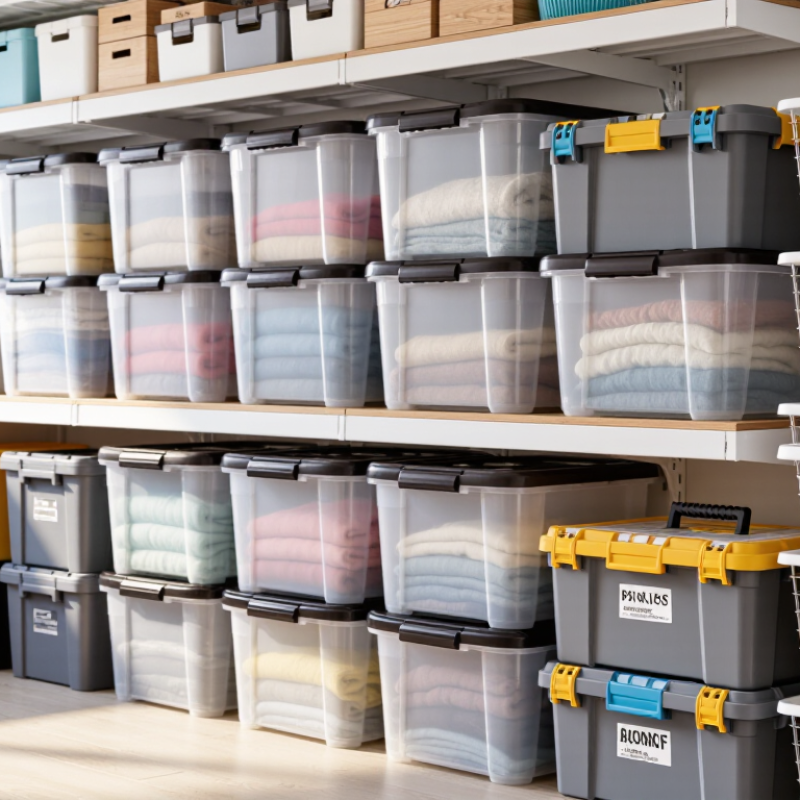
What Are the Top 10 Stackable Storage Solutions?

What Stackable Storage Solutions Are and How They Work

Stackable storage solutions are containers, bins, drawers, or shelving units designed to sit securely above one another. Their matching footprints, reinforced corners, and molded grooves help align each layer and reduce sliding. In a warehouse, stackable totes can group small parts; at home, clear bins make seasonal clothing easier to identify. The system works best when units are compatible and placed on a level, stable surface.

The U.S. Census Bureau’s 2023 e-commerce report estimated online sales at $1.1 trillion, up 7.6% from 2022, representing 15.4% of retail sales.

That growth helps explain why warehouses need storage that uses vertical space and keeps inventory organized. A stack can free floor area, while labeled containers make items easier to locate. Not quite. A tall stack is not automatically efficient: frequently used items become harder to reach, and a weak base can destabilize everything above it.

Choose units with clear load ratings, and keep heavier contents near the bottom. Use lids or interlocking features only as intended; similar-looking containers may not stack safely together. For pallet racking, design and capacity need professional attention, including relevant guidance such as ANSI MH16.1. At home, check for wobbling after loading and avoid placing stacks where doors or walkways could be blocked. The trade-off is easy to miss: saving space can create awkward access. A small test stack may reveal problems before you build a taller one.

Key Features for Comparing Stackable Storage Options

Compare stackable storage by loaded capacity, footprint, access, and environment—not appearance alone. Check the stated weight limit for each container and the full stack. A wide base, reinforced corners, and a secure lid help reduce shifting on a garage shelf. Small details count. Handles should remain reachable when bins are stacked, and identical footprints make shelves easier to plan. For damp areas, compare material resistance and ventilation; sealed containers can trap moisture if items go in wet.

Durability matters beyond convenience. The U.S. Environmental Protection Agency’s 2018 materials report found that containers and packaging accounted for 82.2 million tons of U.S. municipal solid waste, or 28.1 percent of the total. That figure is broad, not specific to storage bins, but it supports considering reusable designs and replaceable lids. OSHA warehousing guidance also stresses stable stacking and respecting load limits. I would not treat a printed rating as a guarantee: uneven floors, worn rims, and heavy contents can change how a stack behaves. Test fit and access in the actual space before buying several units. A neat empty stack can be misleading.

Top 10 Stackable Storage Solutions by Design and Use

Stackable storage works best when each piece fits the item and the space around it. Uniform lidded totes suit seasonal bedding or holiday decorations, while clear modular bins make craft supplies easy to spot. Front-opening bins let you reach tools without lifting the whole stack. Compact drawer units are useful for small parts, though overloaded drawers can stick. Small details matter.

Wire baskets keep towels and pantry packets visible. Vented crates suit produce or sports gear that needs airflow. Shoe boxes protect accessories from dust, but matching sizes make them safer to stack. Airtight pantry containers help keep dry ingredients fresh; check that lids seal firmly before placing heavier containers above them. Fabric cubes are light and convenient for shelves, yet they may sag under dense books. Stackable file boxes keep papers together and can move easily between rooms.

Before buying, measure shelf depth and ceiling clearance, then check each unit’s weight limit. A wide, heavy container belongs at the bottom, on a level surface. Avoid mixing shapes that wobble or lids that flex. Not every stack behaves. It is easy to assume a neat pile will stay stable, but frequent access can shift it; leave room to pull out the container you use most.

How to Choose a Solution for Each Room and Storage Need

Choose stackable storage by matching the container to the room’s conditions and the items it will hold. Measure the available floor space and shelf height before buying; a tall stack may not fit beneath a counter. In a kitchen, clear, lidded bins keep dry goods visible and help limit spills. In a closet, fabric cubes work well for sweaters, while small drawers separate socks and accessories. Check that drawers open fully when stacked. Small details matter.

Bathrooms need moisture-resistant materials and enough airflow to prevent damp items from staying wet. For a child’s room, lightweight bins with open fronts make toys easier to reach and put away. In a garage, choose sturdy containers rated for the expected load, and keep heavy items low. An office may benefit from compact trays that stack paper without hiding labels. I would not chase a perfectly matched set; different sizes can suit real needs better. That can be overthinking. Leave room to lift each container safely, and avoid stacks that wobble when you remove one. A neat arrangement is less useful if daily access becomes frustrating.

Top 10 Stackable Storage Solutions by Room Versatility

Room versatility counts the common household rooms where each solution can be useful. It is a practical guide, not a product-performance rating.

Choosing a solution: Use clear bins for visible, general-purpose storage; lidded totes for seasonal items; drawers or modular cubes for frequently accessed belongings; and low-profile bins for under-bed spaces. Match the container to the items, available space, and how often you need to reach them.

Safe Stacking, Access, and Long-Term Care of Storage Units

Stackable storage units save floor space, but a stable stack starts with the floor. Use a firm, level surface, and check each unit’s stated load limit before loading. Place dense items low and lighter ones above; keep weight centered and contents from shifting. Align corners and locking features as designed, rather than balancing one unit on another. Never climb a stack to reach a lid. Leave an aisle wide enough to remove a container without pulling neighboring units forward. Small details matter.

Access is easy to overlook. Store frequently used items at waist-to-chest height, and keep exits and walkways clear. Label at least two sides so contents remain identifiable when containers are stacked. For long-term storage, clean and fully dry containers and contents before sealing them. Moisture trapped around fabric, paper, or metal can cause odors, stains, or corrosion. Keep stacks away from direct sunlight and damp walls, with a little space for airflow. Inspect periodically for cracks, sagging lids, pests, and dampness, especially after seasonal temperature changes. A tidy stack can still hide a weak lid; appearance alone is not a reliable safety check.

FAQS

Which storage containers work best for seasonal bedding or decorations?

Uniform lidded totes suit bulky seasonal items. Measure shelf depth and ceiling clearance before stacking them.

How can I keep craft supplies easy to find?

Use clear modular bins so small supplies remain visible. Front-opening bins help you reach tools without lifting the stack.

What should I consider when choosing storage for different rooms?

Match materials to room conditions. Bathrooms need moisture-resistant storage and airflow, while closets may suit fabric cubes or small drawers.

How should I arrange a stack safely?

Use a firm, level surface and put dense items near the bottom. Align corners and locking features as designed.

How can I prevent a stack from becoming unstable?

Check load limits, keep weight centered, and avoid mixing shapes that wobble. Not every pile behaves.

Where should frequently used containers go?

Keep them around waist-to-chest height, with space to pull them out safely. Leave walkways and exits clear.

How can I keep stored items in good condition?

Clean and fully dry containers and contents before sealing them. Keep stacks away from damp walls and direct sunlight.

What should I inspect during long-term storage?

Look for cracks, sagging lids, pests, and dampness. A tidy stack can still hide a weak lid.

Do all containers need to match?

No. Different sizes may fit real needs better, though I might still overthink a perfectly matched set. Small details matter.

Conclusion

Stackable Storage solutions make better use of vertical space by allowing compatible containers, shelves, or modular units to sit securely on top of one another. Their design can range from lidded bins and open-front organizers to stackable drawers and shelving systems. When comparing options, consider dimensions, weight capacity, stability, material, visibility, ease of access, and whether units can be reconfigured as needs change.

The right choice depends on the room and what needs organizing: compact containers may suit closets, clear bins can help with household supplies, and sturdy modular units may work better in garages or utility areas. Before stacking, place heavier items at the bottom, check that units are level and properly aligned, and avoid exceeding their stated capacity. Regularly inspect for wear, keep frequently used items within easy reach, and clean and store units appropriately to help them remain useful over time.

Isabella

Isabella

Isabella is a dedicated marketing professional with a sharp focus on driving brand growth and engagement through strategic content creation. With an extensive background in digital marketing, she combines her passion for storytelling with her keen understanding of industry trends to deliver......