How to Create Stunning Retail Displays that Drive Sales in 2026

Time:2026-08-05 Author:Sophia
0%

Creating stunning retail displays in 2026 requires innovation and understanding of consumer behavior. Expert Mark Thompson, a well-known figure in the retail design industry, states, “Effective retail displays engage customers and tell a brand's story.” His insight emphasizes the importance of creating a narrative through visual merchandising.

Retail displays are not simply about showcasing products. They should evoke emotions and spark curiosity. With advancements in technology and design trends, retailers must continuously adapt. Consumers are drawn to engaging and immersive experiences. A visually appealing display can significantly impact their shopping decisions.

While retailers strive for perfection, mistakes can occur. A display that looks great in theory may fail in practice. Experimentation is vital. Observing customer reactions can provide valuable feedback. Retailers should remain open to adjusting their displays, ensuring they effectively communicate their brand message. This adaptability will lead to more successful retail displays that truly drive sales.
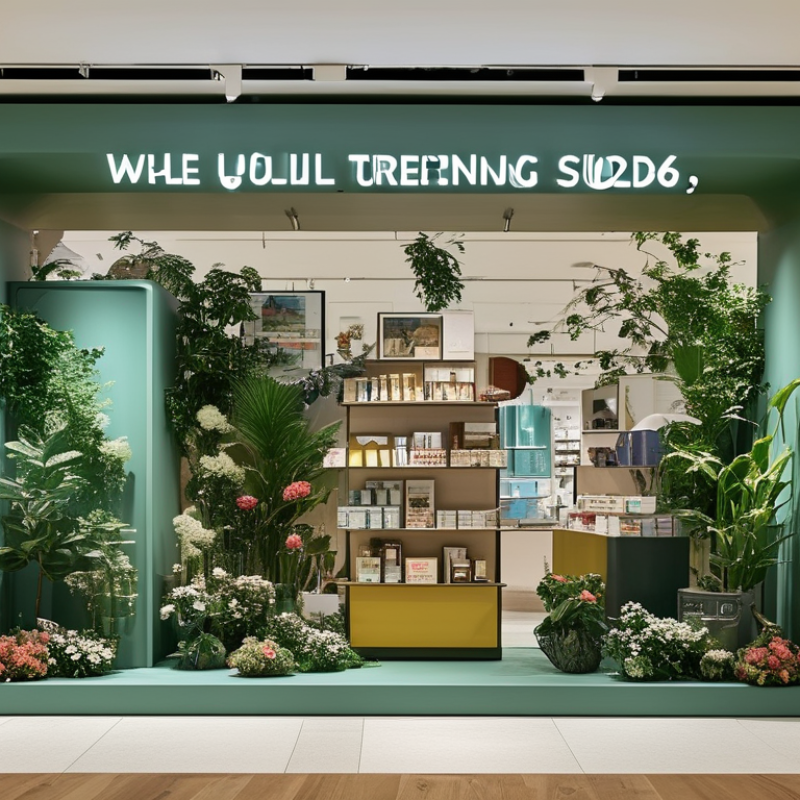
How to Create Stunning Retail Displays that Drive Sales in 2026

Understanding Consumer Behavior Trends for Effective Retail Displays

Understanding consumer behavior is crucial for creating effective retail displays that resonate with shoppers in 2026. According to recent studies, 70% of purchasing decisions are made in-store, highlighting the need for engaging displays. Retailers should tap into emotional cues that appeal to buyers' aspirations and motivations. Displays should connect not only with products but also with consumers' lifestyles.

Tips: Use bold colors and imaginative layouts. This can draw attention and encourage exploration. Interactive elements like QR codes can enhance engagement, catering to the tech-savvy shopper. Data from industry reports indicates that stores with interactive displays see a 30% increase in customer dwell time.

To drive sales, it's essential to reflect current trends in consumer behavior. Sustainability is a growing concern, with 61% of shoppers choosing brands that align with their values. Displays should incorporate eco-friendly materials or highlight sustainable practices. Shoppers tend to appreciate brands that demonstrate social responsibility. Retailers might need to pivot or rethink traditional display strategies. An emphasis on community connection or ethical sourcing could resonate deeply with consumers.

Essential Elements of Eye-Catching Retail Display Design in 2026

In 2026, creating eye-catching retail displays is more crucial than ever. A study from the Retail Industry Leaders Association showed that visually appealing displays can increase sales by up to 30%. This statistic highlights the importance of strategic design choices. Color schemes, lighting, and layout are key elements. Bright colors can attract attention, while soft lighting creates an inviting atmosphere.

Effective displays should tell a story. This concept engages customers and encourages them to explore. Consider using themed seasonal displays. According to a recent Nielsen report, 67% of consumers are more likely to purchase a product featured in a well-designed display. This suggests that storytelling is not just a creative approach; it is backed by consumer behavior trends.

However, not all displays deliver results. Poorly executed designs can confuse customers or distract from the product. It is essential to test different approaches and analyze customer responses. Regular assessments can help identify what works and what doesn't. In today's competitive market, staying adaptable is crucial for retail success.

Innovative Materials and Technologies for Modern Retail Displays

In 2026, retail displays need to captivate consumers quickly. Innovative materials play a vital role. Think recycled plastics and biodegradable elements. These not only draw attention but also signal a commitment to sustainability. Customers increasingly prefer brands that demonstrate environmental responsibility. Using such materials can create an immediate positive impression.

Technologies also reshape retail displays. Interactive screens engage shoppers, allowing them to explore products in-depth. Augmented reality can turn a simple display into an immersive experience. Imagine walking into a store and seeing digital overlays that showcase product benefits. Such experiences are memorable and drive sales.

However, it’s crucial to balance innovation with practicality. Developers often rush into using cutting-edge tech without considering user experience. If technology complicates shopping, it backfires. Simple, clear designs still have value. Each display should aim for clarity and engagement, not an overload of features. Reflecting on customer feedback can help refine these displays to fit modern needs.

Strategically Placing Displays to Maximize Customer Engagement

Creating retail displays that capture attention requires strategic placement. Positioning is crucial for enhancing customer engagement. Research shows that well-placed displays can increase sales by up to 30%. Focal points near entrances significantly boost foot traffic and draw customers in.

Consider the path customers take. Use magnetic displays that invite exploration. Place popular items at eye level. This makes browsing effortless. Data reveals that 67% of shoppers make unplanned purchases when items are easily accessible.

Tip: Experiment with seasonal themes. Change displays regularly to maintain freshness. Vibrant colors and changing visuals can capture interest. However, avoid overcrowding. Clutter can overwhelm customers and lead to disinterest. Balance is key. Simple, clean designs often attract more attention than complex setups. It's essential to analyze customer behavior to refine tactics continually.

Measuring Success: Analyzing Sales Impact of Retail Displays

Retail displays play a crucial role in influencing customer decisions. Analyzing the sales impact of these displays can offer valuable insights. Track foot traffic and conversion rates to gauge effectiveness. Tools like heat maps can reveal which areas attract customers. Observing customer behavior helps identify what draws interest.

Implementing eye-catching elements is essential. Use striking colors and innovative designs. However, avoid overcrowding the display. Simplicity can enhance focus on key products. Test different setups and measure how each performs. Adjust based on what works best.

Regular evaluation is key to successful displays. Keep records of sales data and display changes. Different products may perform better in various seasons. A display that works today may need tweaks tomorrow. Embrace experimentation for continual improvement.

FAQS

: Why are retail displays important for consumer purchases?

: Retail displays influence 70% of purchasing decisions made in-store. Engaging displays attract more shoppers.

What role do emotional cues play in retail displays?

Emotional cues connect products with buyers' aspirations. This can motivate purchases and enhance brand loyalty.

How can colors and layouts impact consumer attention?

Bold colors and imaginative layouts draw attention. They encourage shoppers to explore different products.

What innovative elements should retail displays include?

Interactive elements like QR codes can engage tech-savvy shoppers. This can increase customer dwell time by 30%.

How important is sustainability in retail today?

61% of shoppers choose brands that align with their values. Eco-friendly materials can attract these consumers.

How can storytelling enhance retail displays?

Displays that tell a story encourage exploration. They increase the likelihood of purchase significantly.

What should retailers avoid when designing displays?

Poorly executed displays can confuse customers. Testing and analyzing is essential for improvement.

How can retailers assess their display effectiveness?

Regular assessments help identify successful designs. Adapting strategies based on feedback is crucial.

What impact do lighting and layout have?

Strategic lighting creates an inviting atmosphere. A good layout guides shopper movement effectively.

Why is staying adaptable important in retail display design?

Retail trends change often. Flexibility in strategies is necessary for continued success.

Conclusion

The article "How to Create Stunning Retail Displays that Drive Sales in 2026" explores the evolving landscape of retail displays through the lens of consumer behavior trends and innovative design strategies. Understanding these trends is crucial for retailers to create displays that not only attract attention but also resonate with the target audience. Essential elements of design, such as color, layout, and theme, are discussed, highlighting how they can be leveraged to enhance visual appeal and drive consumer engagement.

In addition, the article emphasizes the use of innovative materials and technologies that can transform traditional retail displays into interactive and immersive experiences. Strategic placement of these displays is also critical for maximizing customer interaction and foot traffic. Finally, measuring the success of retail displays through sales analysis helps retailers adjust their strategies and ensure optimal effectiveness in driving sales. Overall, the insights provided aim to empower retailers in crafting compelling retail displays that appeal to consumers in 2026 and beyond.

Sophia

Sophia

Sophia is a dedicated marketing professional with an exceptional depth of knowledge about her company's products and services. With a keen understanding of market trends and customer needs, she crafts insightful blog posts that not only inform but also engage readers, enriching the company’s online......