When it comes to retail success, the right Retail Shelving Units can make all the difference. John Meyer, a leading expert in retail design, once said, "Shelving isn't just storage; it's a way to enhance shopping experiences." Choosing optimal shelving is vital for functionality and aesthetics. It can elevate product visibility and create a welcoming atmosphere.
Many factors influence this choice. From material and size to design and layout, each element plays a crucial role. For instance, metal shelving is sturdy and ideal for heavy items. Wood offers warmth and style for boutiques. The color of the shelves can impact customer emotions and their willingness to explore products.
However, there are common pitfalls. Some retailers choose shelving solely based on price. This is often a mistake. Spending less can lead to poor quality. Customers notice disorganized displays and may feel discouraged. Ultimately, understanding your store’s needs is key. The right Retail Shelving Units not only organize products but also shape customer experiences. Reflecting on your choices can lead to better results.
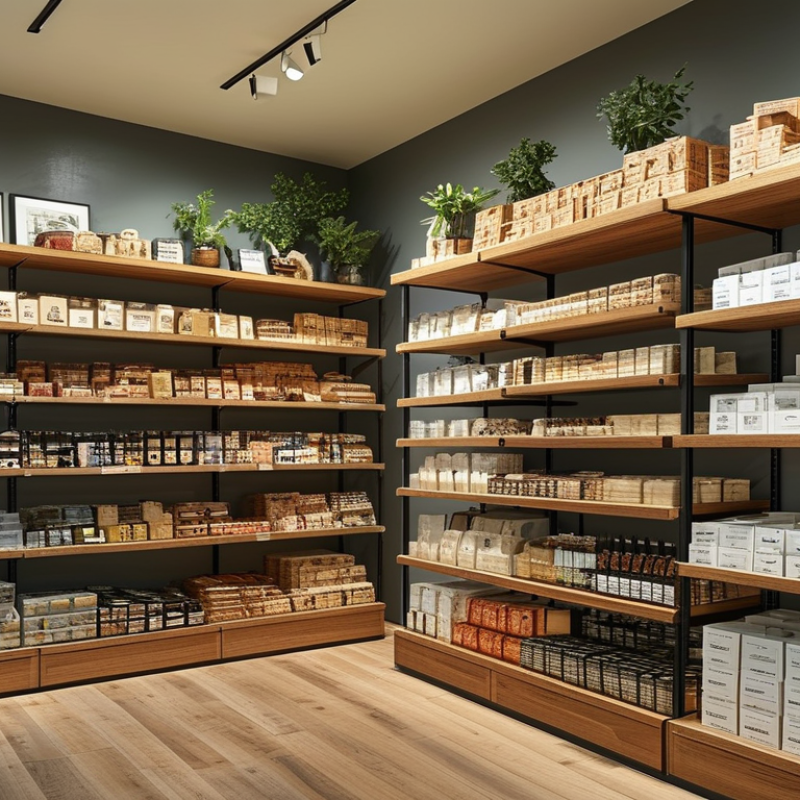
Choosing the right retail shelving units can enhance your store's layout. Several key factors warrant consideration. One crucial aspect is the size of the shelving. Measure your space accurately. Ensure there's enough room for customers to navigate comfortably.
Material is another important factor. Different materials offer varying durability and aesthetics. Wood adds warmth but may be more expensive. Metal is sturdy and often easier to clean. Reflect on the theme of your store; the shelving should complement it. Think about your products too. Heavy items need robust shelves.
Adjustability could be interesting. Shelving that can be modified allows for flexibility. As your inventory changes, being able to adjust your shelving saves money in the long run. Finally, examine the ease of assembly. Complex units can lead to frustration. Take time to evaluate how quickly a shelf can be put together. Investing thought into these factors can lead to a better shopping experience for your customers.
Choosing the right retail shelving units can greatly impact the shopping experience. Various types of shelves serve different needs in retail environments. Wall-mounted shelves are ideal for displaying products without consuming floor space. They provide an organized look and allow customers to browse easily. Free-standing units work well for high-traffic areas, showcasing featured items prominently.
When considering the best options, think about your store’s layout. Slatwall and gridwall systems offer versatility. They allow for quick adjustments to the display configuration. Use hooks and shelves to accommodate diverse product types. Another option is display racks, perfect for seasonal merchandise. Placement matters; ensure displays are not overcrowded, as that can overwhelm shoppers.
Incorporating clear signage can enhance your retail space. It guides customers and reduces confusion. Consider the lighting around shelves; it can make products more appealing. Reflecting on functionality is crucial. Think about how often your product layout changes. If frequent changes are necessary, choose easily movable shelving units. Evaluate durability, as low-quality materials may wear quickly.
| Type of Retail Shelving Unit | Best Suited For | Material | Key Features |
|---|---|---|---|
| Gondola Shelving | Grocery Stores, Convenience Stores | Steel | Adjustable shelves, Double-sided |
| Wall Shelving | Retail Boutiques, Showrooms | Wood, Metal | Saves floor space, Decorative |
| Display Cases | Jewelry Stores, Electronics | Glass, Wood | Security, Visibility |
| End Caps | Supermarkets, Drug Stores | Steel | Promotional displays, High visibility |
| Corner Shelving | Small Retail, Home Decor | Wood, Metal | Maximizes space, Unique design |
When considering retail shelving units, analyzing space and layout is crucial. Research shows that effective shelving can boost sales by up to 30%. Retailers must consider how many products they want to display. Cluttered spaces can overwhelm customers, while too few shelves may underutilize available space.
Maximize your shelving efficiency by understanding the flow of your store. Place high-demand items at eye level. This simple strategy encourages customer engagement. Additionally, ensure there is enough space for customers to navigate comfortably. Aisles should be wide enough to accommodate traffic, ideally a minimum of 36 inches.
Consider your shelving options carefully. Adjustable shelves offer flexibility, allowing you to change configuration easily. Stagnant displays may lead to customer disengagement. Regularly reassess your layout based on seasonal trends and inventory changes. Keeping your shelving dynamic is key to maintaining interest and driving sales.
When selecting retail shelving units, weight capacity and durability ratings are crucial factors to consider. Shelving units must support the products you plan to display. If your items are heavy, the weight capacity should exceed the total weight. For lighter products, a lower capacity may suffice. Check the specifications provided by manufacturers carefully.
Before purchasing, evaluate the materials used in the shelving. Steel and solid wood typically offer more durability than particleboard or plastic. High-quality materials will withstand wear and tear over time. A well-built unit should handle heavy loads without bending or breaking. Look for products that undergo rigorous testing to ensure reliability.
Consider these simple yet effective tips. Assess your inventory and its weight. Overloading shelves could lead to accidents or damage. Also, think about your store's design. A visually appealing unit that matches your branding can enhance the shopping experience. Always keep safety in mind when arranging products on your shelves.
Choosing the right retail shelving units can be a pivotal decision for your store's success. Investing in quality shelving is not just about aesthetics; it's about long-term cost-effectiveness and returns on investment (ROI). Quality units can enhance product visibility, leading to increased sales. Durable materials reduce replacement costs over time. A strategic choice in shelving can increase layout efficiency and improve customer experience.
Cost-effectiveness goes beyond the initial purchase price. Think about what your shelving can withstand. Cheaper units may require frequent replacements, ultimately costing more. It's essential to assess the shelving's weight capacity and size adaptability. Not all units are designed to suit every product. An inadequate choice might lead to product damage or customer safety issues.
Consider the flexibility of your shelving. Adjustable units can accommodate various product sizes. This adaptability can make your store more versatile and responsive to changing inventory. Investing in quality shelving also conveys professionalism to your customers. People are more likely to trust your brand when they see well-organized, sturdy displays. The right shelving choices can make a significant difference over time. Reflect on your current setup and be open to change.
: Accurate measurements ensure enough room for customers to move freely in your store.
Choose materials based on durability and aesthetics; wood feels warm, while metal is sturdy and easy to clean.
Adjustable shelves provide flexibility to adapt to changing inventory, saving costs over time.
Effective shelves should display products logically and enhance customer navigation within the store.
Place popular items at eye level. This strategy encourages customers to interact more with displayed products.
Regular evaluations are vital. Changes based on seasonal trends keep displays engaging and relevant for customers.
Clutter can overwhelm customers, potentially leading to lower sales. Space management is crucial for engagement.
Complex units may frustrate store employees, wasting time that could be spent on better customer service.
Ignoring traffic flow can create crowded aisles, which might discourage customers from exploring your products.
Stagnant displays may lead to customer disengagement so regularly update based on trends to maintain interest.
When selecting the best retail shelving units for your store, it's essential to consider various factors to ensure optimal efficiency and functionality. Key considerations include understanding the types of shelving units available and their specific applications, as well as analyzing your store's space and layout to maximize product display. Additionally, it is crucial to evaluate the weight capacity and durability ratings of the shelving units to maintain safety and longevity.
Cost-effectiveness is another vital aspect; investing in quality retail shelving units can lead to a better return on investment (ROI) over time. By choosing the right shelving solutions, retailers can enhance the shopping experience, improve organization, and ultimately drive sales. Making informed decisions about retail shelving units can significantly impact the overall performance of your store.
CraftRack